Last updated: Apr 19, 2026
Flint homeowners deal with repeated winter freeze-thaw cycling that can crack aging shingles and stress roof penetrations between snow events and brief warmups. Each cycle-water seeping into a micro-crack, freezing, expanding-punches tiny holes through protective layers and loosens flashing, ridge caps, and vent seals. Over multiple seasons, those small defects add up to leaks that show up only after a heavy storm or a warm spell thaws snow from the roof edge. When that happens, what looked like a simple shingle issue can hide compromised underlayment and compromised attic connections that feed back into living spaces.
Heavy winter snow in Genesee County raises the chance of ice damming along eaves, especially on older homes with uneven attic insulation and ventilation. Ice dams force meltwater to back up behind them, finding ways under shingles and into soffits or ceiling drywall. If attic insulation is lumpy, layered inadequately, or the soffit vents are blocked by insulation beyond the soffit line, heat loss climbs and snow melts unevenly. The result is stacked sheets of ice along the eave that push water sideways and inward, often without obvious exterior signs until interior staining or spores appear in late winter or early spring. Don't wait for a ceiling drip to recognize the damage-address it at the first sign of icicles forming long and thick along the eave edge.
Because winter conditions can hide active damage, many Flint replacements and major repairs are pushed into late spring through early fall after snow loads and ice issues are fully visible. The snowpack masks failing shingles, decked exhaust rods, and vent boot leaks, so a roof that seems fine in February can reveal substantial compromise by April or May. Waiting for thawed conditions can help the contractor see the true extent of damage, but it also increases the risk of interior damage if a thaw-cycle ends with a heavy rain. If an inspection finds widespread shingle cracking, lifting edge tabs, or softened ridges near penetrations, plan for a full assessment and a replacement path rather than piecemeal fixes.
Begin with a careful, safe audit of the attic. Check for uneven insulation, gaps around vents, and signs of warmth near the eaves when it's cold outside. Clear any debris from gutters and downspouts so that meltwater can flow away from the house rather than backing up. If snow piles up on the roof, avoid heavy stomping that could loosen loose shingles-small, controlled shoveling from the ground or a roof rake with a long handle is safer. Seal any visible gaps around penetrations from the attic side with appropriate sealant or flashing, but only if you know exactly where the leak originates. When warm spells return, schedule a professional assessment promptly so mitigation or replacement decisions can be made before the next freeze-thaw cycle starts.
Spring and early summer bring hail and high winds that can turn minor winter wear into visible shingle loss and leak events. In Flint, those quick weather swings are common and can leave roofs looking fine on the surface while hiding compromised underlayers. Don't wait for a new drip to show itself-storm season often accelerates deterioration on aging pitched roofs, and that can lead to higher damage if storms hit again before repairs start.
Michigan insurers commonly ask Flint-area homeowners for photo documentation, contractor estimates, and prior claim history before approving roof damage claims. The window to build a solid file is narrow, because claims decisions hinge on clear, timely evidence. Start assembling photos the moment you notice anything suspicious after a storm, and keep a running file of who you spoke with and when. Delays can complicate coverage decisions and push repairs further into more exposed conditions.
Adjuster inspections are a practical part of the local claims process, so Flint homeowners need to document damage quickly after wind or hail rather than waiting for the next leak. When the adjuster arrives, you want a clean, organized presentation: show the damage from multiple angles, point out any interior signs of moisture, and be ready to discuss what happened during the storm. If something looks minor but feels off, document it anyway-hidden damage from freeze-thaw cycles can show up later and complicate a claim.
Photographs should cover exterior and interior signs: missing or curled shingles, granule loss, dented or punctured panels, damaged flashing around chimneys and vents, warped decking, ceiling stains, and attic moisture. Include close-ups and wide shots to establish context, plus dates and locations on each image. Note the time of the storm, wind speeds if available, and any accompanying hail reports from local weather sources. If neighbors reported similar roof issues after the same storm, document that as well- it helps establish a storm-driven pattern rather than isolated wear.
Once damage is documented, reach out to a trusted local contractor who understands Flint's wind-driven and freeze-thaw challenges. Schedule a professional roof assessment promptly and share the findings with the insurer, along with the contractor's written estimate. Coordinate the assessment timing with adjuster availability to avoid delays, and keep a copy of every communication. The goal is to move from observation to repair quickly, so a solid, well-documented file doesn't stall a necessary storm-related replacement when timing matters most.
Find local contractors experienced in assessing and restoring roofs after hail, wind, and severe weather events.
Sherriff Goslin Roofing Flint
(800) 933-1906 www.sherriffgoslin.com
4242 Corunna Rd, Flint, Michigan
4.8 from 103 reviews
Ideal Roofing
(810) 258-0500 idealroofingco.com
3233 Hogarth Ave, Flint, Michigan
4.9 from 55 reviews
Maxim Commercial & Residential Roofing
(810) 768-7663 www.maximroofs.com
5321 Hill 23 Dr, Flint, Michigan
4.8 from 67 reviews

Hect Home Improvement
(810) 243-3303 hecthomeimprovementllc.com
4487 Richfield Rd, Flint, Michigan
5.0 from 111 reviews
Hect Home Improvement is the premier Roofing Contractor located in Flint, MI. With over 25 years of experience, we offer Roof Repair and Roof Replacement services. We specialize in Residential Roofing, using quality materials like Shingles, Metal and slate. We offer the best roof ventilation solutions. Here you have easy roof financing options. This makes your roof installation hassle-free. Located at 4487 Richfield Rd, our team of Certified Roofing installers ensures efficient, high-quality service. Trust us for all your roofing needs. We offer emergency roof repairs, siding, and gutter installations as well. All our work comes with a lifetime warranty for your peace of mind. Call or text us today for a free inspection and estimate.
Lockhart Roofing
(877) 766-3033 www.lockhartroofing.com
3388 Torrey Rd, Flint, Michigan
4.8 from 310 reviews
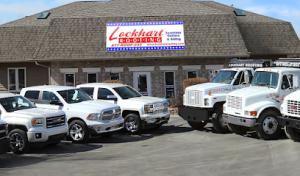
Lockhart Roofing is a family owned and operated residential and commercial roofing company that has been servicing Flint and the Mid Michigan areas since 1982. We also offer seamless aluminum gutters and commercial gutters.
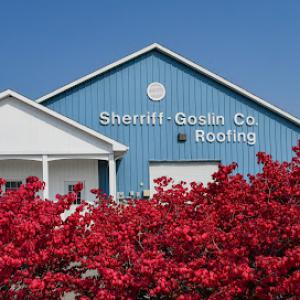
Sherriff Goslin Roofing Flint
(800) 933-1906 www.sherriffgoslin.com
4242 Corunna Rd, Flint, Michigan
4.8 from 103 reviews
With more than 100 years of experience, Sherriff-Goslin is one of the most respected and trusted roofing contractors in the region. As an Atlas Pro® Diamond Level Contractor, they prioritize quality and professionalism, providing unparalleled services for residential homes, farm buildings, barns, and churches. Sherriff-Goslin provides free roof inspections, roof repairs, and high-quality roofing systems coupled with an industry-leading 10-year free service guarantee. From start to finish, Sherriff-Goslin ensures the quality of your finished roof, the preservation of your property, and your satisfaction with the roofing experience.
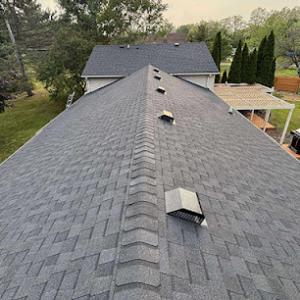
Ideal Roofing
(810) 258-0500 idealroofingco.com
3233 Hogarth Ave, Flint, Michigan
4.9 from 55 reviews
Ideal Roofing is Flint's trusted roofing company serving all of Genesee County. We provide FREE roofing estimates, expert repairs, and complete roof replacements. With 30+ years of Michigan experience, we offer 24/7 emergency leak response, storm damage repair, and flexible financing. Locally owned, fully licensed & insured. Call for your free estimate today!
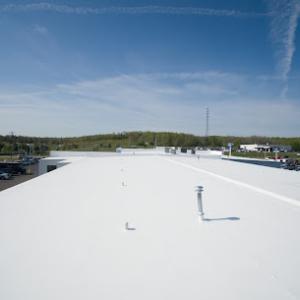
Maxim Commercial & Residential Roofing
(810) 768-7663 www.maximroofs.com
5321 Hill 23 Dr, Flint, Michigan
4.8 from 67 reviews
Call For Your Free Estimate For a Roofing Installation! At Maxim Commercial Roofs, we specialize in high-quality, long-lasting commercial roofing solutions across Oakland, Macomb, Wayne, Genesee, Livingston, Washtenaw, Monroe, Ingham, and Jackson Counties. As a Certified Platinum Contractor with Duro-Last, we take pride in delivering superior workmanship, energy-efficient systems, and industry-leading warranties to our clients-backed by a name trusted nationwide. Whether you manage a retail complex, industrial facility, warehouse, school, hospital, or government building, our experienced team is equipped to handle any size project with professionalism, precision, and integrity.
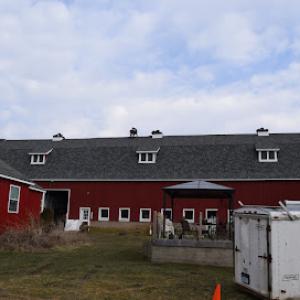
Affordable Exteriors Roofing Specialist
(810) 280-7376 affordable-exteriors.com
5135 Jackson Rd, Flint, Michigan
5.0 from 15 reviews
We believe in providing you with a quality roof at an affordable price! We do inspections, installation, and repair. Call us today for a free estimate!
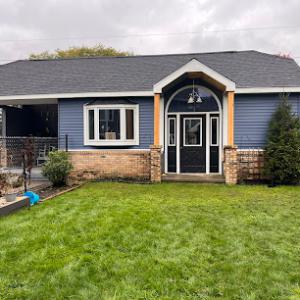
Dave Murphy Builders
Flint, Michigan
4.7 from 31 reviews
For over two decades, Dave Murphy Builders has been building and restoring homes and businesses with quality and care. As a full-service construction company, they handle everything from roofing and siding to remodels and additions. Specializing in residential and commercial projects, their expertise includes roof repair, replacement, and cleaning, as well as metal and vinyl siding installation. Storm damage restoration is also a specialty, covering roofing, siding, gutters, and other exterior fixtures. Dave Murphy Builders also offers complete home inspection services. Trust their experienced team to answer your call and bring your vision to life.
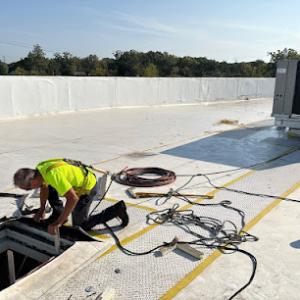
Weather Shield Roofing Systems | Flint, MI
(616) 243-4040 weathershieldusa.com
615 Saginaw St, Flint, Michigan
4.9 from 14 reviews
With Weather Shield Roofing Systems, your roof is in good hands. Our team of experienced, certified roofers are specialized in industrial flat roofing. Over the past years, we’ve been named the Top 100 Roofing Contractors in the USA four times by Roofing, Siding, and Insulation Magazine and have been the #1 Contractor of the Year five times by two of the nations’ leading manufacturers of thermoplastic roofing.
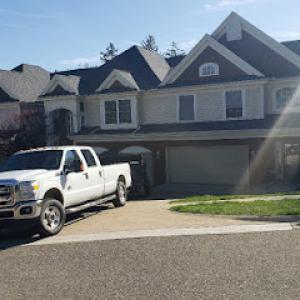
Pro Star Exteriors
(810) 223-7242 prostarexteriorsmi.com
Flint, Michigan
4.6 from 34 reviews
Roofing Contractors serving Flint, Lansing, Ann Arbor, and Saginaw We proudly apply more than 15 years of experience with roof repair and window repair to all of our projects, allowing those in our community to fall in love with our results. For quality customer service and unparalleled results, turn to our roofing company. We are large enough to tackle any major project, yet small enough to work side-by-side with home and business owners to ensure they get exactly what they need. Get in touch with us today for a pricing estimate.
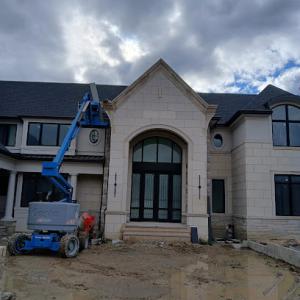
Most Reliable Construction
(810) 922-4285 www.mostreliableconstruction.net
3102 Western Rd, Flint, Michigan
4.4 from 20 reviews
We are michigans nunber 1 roofing contractor we offer 20 year workmanship warranty as well as lifetime warranty roofing products. We do commercial, residential, and industrial roofing we are licensed and fully bonded and insured. We install Durolast, TPO and EPDM (rubber certified). We also install metal roofing and siding products as well as vinyl siding and free gutters with roof installation most reliable construction "Restoring the past building the future"
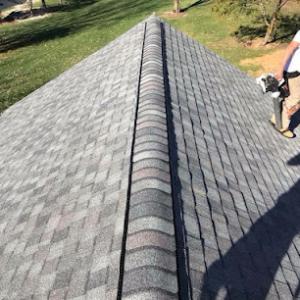
Advanced Exterior Solutions & Repairs
(810) 498-7004 www.advancedexteriorsolutionsandrepairs.com
Serving
4.8 from 35 reviews
At Advanced Exterior Solutions & Repairs, we've combined our passion for craftsmanship with 35 years of trade experience to create a family-owned business dedicated to providing unparalleled service. As Mid-Michigan's premier roofing and water management provider, we offer by-appointment services tailored to your needs, ensuring prompt and efficient solutions for your roofing and water shed concerns. Trust in our expertise and personalized approach for satisfaction guaranteed results, because we believe your home's protection is our priority.
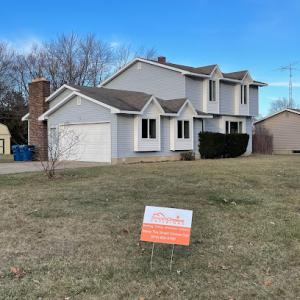
Smart Choice Exteriors
Flint, Michigan
5.0 from 1 review
With over 20 years of experience, you can trust Smart Choice Exteriors to get your job done professionally and on time. We take a lot of pride in our work and stay in communication with our customers throughout their remodeling projects. Call today to get your free estimate.
In Flint, asphalt shingles are the dominant roofing material because they fit the city's large stock of conventional pitched residential roofs and offer the lowest entry cost per square among common local options. The profile provides solid protection against the freeze-thaw cycles that hammer the area, and repairs are typically straightforward after winter storms. If a home has standard attic space and regular ceiling framing, asphalt shingles give you a reliable, easy-to-provision option that vendors in the local market understand well. The key is to choose a product with a good warranty and to pair it with solid underlayment and proper ventilation, since the ice dam risk grows when heat loss from the attic is uneven or excessive. For homes that see repeated heavy snows, consider upgrading to a reinforced or higher-performance shingle that maintains granule integrity as temperatures swing.
Metal roofing has a meaningful local presence and is often considered by homeowners who want better snow shedding and longer-term resistance to seasonal temperature swings. In the Flint climate, metal can minimize snow buildup portions where eaves stay clear longer, which helps reduce ice dam formation along the rakes and gutters. Metal also tends to tolerate rapid temperature shifts without becoming brittle, a factor when winter storms slam the region. If the roof has a taller pitch, or if the homeowner expects multiple decades of service with fewer re-placements, metal becomes a compelling option. The initial installation requires careful detailing at valleys, eaves, and transitions to prevent leaks, and it is worth coordinating with a contractor who understands local wind and snow loading patterns. For homes with existing cedar or older framing, inspecting the roof deck for compatibility is a prudent step before choosing metal.
Clay tile and slate exist in the market but are less common choices in Flint because older structures may need added structural review and higher installation budgets compared with asphalt-based systems. When a home already has a robust roof structure and long-term performance goals, clay tile or slate can offer excellent durability and a distinctive look. However, these materials demand precise framing, moisture resistance, and sometimes reinforcement of rafters to handle the weight. If a homeowner is attracted to the aesthetic and can accommodate the structural requirements, these options can be a durable, low-maintenance choice, but they are not first-line for the typical storm-driven, aging stock. In any case, ensure that the roof deck and fasteners are compatible with the chosen material and that flashing details are optimized for freeze-thaw cycles and occasional midwinter ice formation.
In a city with heavy freeze-thaw cycles and frequent ice dam risk, choosing the right roofing material is as important as matching it to your budget. When you're planning replacement, start with the typical local material mix: asphalt shingles range from 350 to 600 USD per square, metal from 600 to 1100, clay tile from 900 to 1700, synthetic/composite from 450 to 800, slate from 1100 to 1900, and fiber cement from 500 to 850. This helps you set realistic expectations for both cost and value after a winter season.
Costs often rise when winter damage is discovered after the season. Homeowners tend to book work in the late spring to early fall window, which can push scheduling and pricing into a tighter window. If you're facing a spring thaw after a harsh winter, expect not only higher demand but potential delays as crews prioritize storms and backlog work. Budget accordingly, and plan for inspection and quotes as soon as safe weather allows.
Older homes in the area can add labor and disposal complexity during tear-off, especially when multiple roofing layers, chimney flashing work, or weathered decking are uncovered. If your roof has more than one layer or the decking shows signs of water intrusion, the project can extend beyond a straightforward shingle swap. Factor in extra time for removing old materials, repairing flashing, and supporting any compromised boards, which can shift overall costs upward in the mid to high end of the material you choose.
If you're balancing cost with longevity, asphalt shingles remain a common baseline, but ironclad durability from metal or synthetic/shingle alternatives can pay off in harsher winters with ice dam risk. Clay tile and slate offer long life, yet they bring higher labor and disposal considerations that matter more on older structures. Fiber cement provides a middle path with decent durability and modest weight. Compare not just the upfront price per square, but also the installation tolerances, wind resistance, and required underlayment for your specific roof pitch and chimney layout.
Don't let upfront costs delay a critical repair - these contractors offer payment plans to fit your budget.
Hect Home Improvement
(810) 243-3303 hecthomeimprovementllc.com
4487 Richfield Rd, Flint, Michigan
5.0 from 111 reviews
Lockhart Roofing
(877) 766-3033 www.lockhartroofing.com
3388 Torrey Rd, Flint, Michigan
4.8 from 310 reviews
Ideal Roofing
(810) 258-0500 idealroofingco.com
3233 Hogarth Ave, Flint, Michigan
4.9 from 55 reviews
When planning a full roof replacement, a permit is typically required rather than treated as a no-permit maintenance item. This reflects Flint's emphasis on ensuring the project adheres to current wind and snow load requirements, roof decking integrity, and proper ventilation. A full replacement often involves structural considerations, flashing updates, and drainage adjustments that go beyond routine maintenance. If the project includes venting changes, skylights, or re-roofing over existing layers, expect that permit scope to expand accordingly. Understanding this up front helps avoid delays as weather and freeze-thaw cycles press in.
The local building department generally reviews a permit application that includes contractor information before issuing approval for the roofing project. That review aims to verify that the chosen materials and installation method align with current codes and the house's structure. Because Flint experiences long freeze-thaw cycles and ice-dam risk, inspectors will look for adequate underlayment, proper attic ventilation, and suitable eave protection. If a project uses metal or synthetic products, the inspector will confirm compatibility with existing flashing details and ridge lines. Having a licensed contractor who can provide precise product specifications and installation details helps the process move smoothly. Expect the department to request project drawings or product data if the scope shifts from what was initially proposed.
Flint roofing work is commonly inspected during the project and again at final inspection to verify the replacement was completed. The interim inspection focuses on the sequence of installation: deck preparation, underlayment, chimney and vent flashing, drip edge, and the alignment of starter courses and ridge ventilation. The final inspection confirms that the roof is securely fastened, that penetrations are sealed, and that transitions to gutters and downspouts won't create ice-dam issues in the next winter. If any corrective work is required, it will be identified at the final stage, along with a reasonable timeline to address it. Keeping scheduling flexible for weather-related interruptions helps ensure inspections don't stall your project.
Coordinate closely with the contractor to gather required documentation before submitting the permit-license numbers, company contact information, and a clear scope of work. Schedule the permit submission with a buffer for winter delays and potential plan review comments. If an inspection falls just after a heavy snowfall or during a thaw, plan for access and safety, since inspectors will need safe entry and visible, accessible work areas. Communicate anticipated completion dates to the building department to align final inspections with weather windows, ensuring the roof is ready for the next freeze-thaw cycle.
Flint is not an extreme-catastrophe insurance market, but Michigan homeowners still see regular roof claims tied to hail and wind events. That means storm season can bring a flush of investigative activity from insurers, followed by careful, sometimes slow, claim handling. The natural variability of winter and spring storms can collide with back-to-back events, leaving homeowners juggling rapid documentation with the reality that adjusters may have a tight slate of inspections to manage.
For Flint homeowners, the strongest claim files usually combine date-stamped photos, interior leak evidence if present, prior repair records, and contractor quotes before the adjuster visit. The snowpack and freeze-thaw cycles mean small, early signs of damage can become larger problems quickly if left unaddressed. Taking clear, dated photos from multiple angles after a storm helps illustrate both immediate impacts and evolving damage. Keep receipts and notes from any temporary mitigation work, so the file shows proactive steps to protect the home.
Michigan-level consumer protections can affect claim handling timelines, making documentation and prompt filing important after Flint storm events. The process may involve multiple parties, including general adjusters, field staff, and, in some cases, independent specialists. Delays are not uncommon when storms are widespread, so filing as soon as damage is observed reduces the risk of coverage questions later on. If interior signs appear, such as staining or damp drywall, report them promptly, because interior moisture can influence how the claim is assessed.
Before the adjuster visits, assemble a concise package: a dated damage log, recent contractor estimates, and the most compelling photos. Be prepared to explain how freeze-thaw cycles or visible hail impacts might have accelerated deterioration on the roof line and supporting structure. If an initial assessment seems incomplete or inconsistent, request a written scope or second opinion through the insurer. In neighborhoods with older pitched roofs, documenting pre-existing conditions helps set clear expectations about what is covered and what may require additional consideration.
While pitched roofs dominate the housing stock, the local contractor market shows enough flat-roof activity to make low-slope drainage and membrane edge details a real concern on additions, porches, and mixed-use buildings. In practice, ensure the transition from a main pitched roof to any flat or low-slope section uses a continuous membrane with properly bonded seams and a preserved drip edge. Check that edging at parapets, scuppers, and gutters is solid and that joints are reviewed after heavy snows or rapid melt events. Misaligned edges or gaps invite water intrusion during freeze-thaw cycles typical of winter in this area. When you're planning an upgrade, verify that flashing at terminations and inside corners is continuous and that any penetrations through the deck are sealed with compatible sealant and roof cement rated for cold climates.
Skylights are a recurring repair category in Flint, where freeze-thaw movement and aging flashing can turn minor seal failures into winter leaks. Inspect skylight curb flashing for rust, loose fasteners, and degraded sealant. Look for hairline cracks in plastic skylight domes or glazing and test operability during warm days to ensure the venting mechanism isn't seized by ice. If leakage is found at the curb, reseal the perimeter with a compatible butyl tape and reflash with a self-sealing membrane. In addition, confirm that the curb has proper sealing at the flashing pan and that interior stops maintain a clean gasket line to minimize winter spills.
Snow retention and spring melt make transitions between main roofs, low-slope sections, and skylight curbs especially vulnerable in Flint conditions. Ensure a tight, continuous seal between roof planes at these junctions, with adequately sized drainage paths to prevent ponding. Use snow guards only where practical to reduce rapid rearrangement of snow at edge details, and verify that drainage paths remain clear after storms. When upgrading, consider a staggered flashing approach that directs meltwater away from skylights and interior curb areas, reducing ice dam risk at these critical intersection points.
Find specialists in TPO, EPDM, and built-up flat roofing systems for residential and commercial properties.
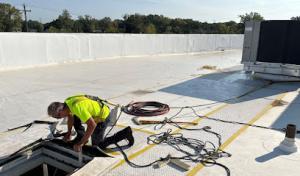
Weather Shield Roofing Systems | Flint, MI
(616) 243-4040 weathershieldusa.com
615 Saginaw St, Flint, Michigan
4.9 from 14 reviews
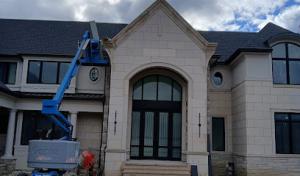
Most Reliable Construction
(810) 922-4285 www.mostreliableconstruction.net
3102 Western Rd, Flint, Michigan
4.4 from 20 reviews