
Last updated: Apr 19, 2026
Hudson sits in western Wisconsin where Midwest hail and wind events regularly drive roof claim activity. The St. Croix River bluff setting adds unique exposure to wind-driven debris and rapid temperature shifts. Cold winters and repeated freeze-thaw cycles mean small storm nicks can expand into leaks, lifted shingles, and hidden ice-dam damage that surfaces only after a thaw or a fresh storm. This isn't a seasonal spike; it's a year-round pattern that compounds wear on aging roofs and stress on flashing, vents, and attic air sealing.
Winter snow loads press down on roof edges, then a sudden thaw pulls and curls shingles, especially where granules are worn. In spring, hail dents can compromise shingle integrity and loosen fasteners, while heavy rains push water toward weakened joints. Summer humidity can soften underlayment, and autumn winds slam loose edges and ridge caps. The result is a repair-heavy cycle where a small puncture becomes a leak inside the eave or peak, and ice dams form along gutters and soffits, forcing meltwater back under shingles. Your home's age, roof slope, and the materials chosen (asphalt, metal, or tile) influence how quickly damage progresses and where water tends to intrude first.
After a storm or rapid temperature swing, inspect visually for lifted shingles, granule loss in gutters, and dark stains on interior ceilings along exterior walls. In attics, look for-condensation patterns, damp insulation, or light filtering through the decking near penetrations. If winter rain or meltwater pools at the eaves, that's a red flag for ice-dam formation behind gutters or under overhangs. Don't wait for a drip to appear; small issues in a freeze-thaw climate can turn into costly interior damage in a few days of warm weather followed by another cold snap.
Start with a safe exterior check from ground level or a sturdy ladder, focusing on flashing around chimneys, vents, and dormers, plus any shingles that appear cracked or curled. If you notice moisture present in the attic after a thaw, prioritize fixing leaks at their source-likely near penetrations or along the eaves-before interior damage spreads. Protect interior spaces by moving valuables away from stained ceilings and placing towels or buckets under active drips. If gutters are heavy with ice, avoid pounding them; carefully remove ice chunks from above the roofline using a roof rake or contractor-friendly method to reduce the risk of lifting shingles.
In this climate, it's essential to bring in an experienced local roofer as soon as damage is suspected. A Hudson-area contractor will evaluate wind-driven impact patterns, ice-dam risk, and the integrity of underlayment and flashing across the entire roof plane. A quick, targeted inspection can prevent escalating leaks and preserve attic insulation, reducing the chance of interior staining and moisture problems during the next freeze-thaw cycle. Seek a contractor who can provide a documented assessment, participates in insurance claim processes when appropriate, and clearly communicates the sequence of repairs to restore long-term protection.
In this Wisconsin market, insurers commonly ask for photo documentation plus wind or hail event support before approving roof claims. That means you should gather clear photos of damaged shingles, metal edges, flashing, and any exposed underlayment or attic signs of intrusion. If you've got wind-driven hail, capture both the roof surface and the surrounding yard debris, as insurers will compare surface damage to the reported storm window. Be prepared to show the timeline-when the damage was first noticed and how it aligns with a named storm or wind event. The more you document upfront, the smoother the claim path tends to be.
Adjusters may schedule on-site inspections to confirm that observed shingle, metal, or accessory damage matches the reported storm date and policy terms. On inspection day, expect a careful match between claimed date, observed condition, and the type of loss described in the policy. Bring your photo log, notes about attic condensation or ice dam evidence, and a list of affected components (shingles, gutters, vents, drip edge, attic insulation). If the roof is partially covering dormers or secondary pitches, ensure the inspector sees those areas too. A thorough walkthrough helps prevent back-and-forth correspondence that can slow the process.
Because Hudson sees regular hail and wind exposure, homeowners often need to distinguish sudden storm damage from older wear accelerated by freeze-thaw aging. Look for clean, irregular impacts, missing granules, or punctures that align with a specific event, rather than widespread wear patterns across uniform sections. Ice dam-related issues often show up as water intrusion at eaves or flashing joints that correlate with freeze-thaw cycles, not a single storm date. Document signs of aging-curling shingles, hairline cracks, rusted metal connectors-together with any new storm indicators to help the adjuster separate preexisting conditions from event-driven damage.
Before the visit, tidy the attic if accessible and safe, noting any signs of moisture or staining. Make a simple damage map on a notepad or photo file, marking where shingles, flashing, or gutters show abnormal wear or impact marks. Be ready to discuss the roof's age, past repairs, and any prior wind or hail claims. If the inspector identifies components outside the policy's coverage or outside the storm window, ask for a written explanation and any applicable rider documentation. Clear communication about what happened, when, and where the damage sits on the structure reduces misinterpretation and speeds the resolution.
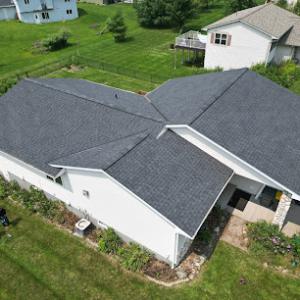
Anthem Exteriors
(651) 202-1175 anthemexteriors.com
869 Charlie Ryan Rd, Hudson, Wisconsin
5.0 from 43 reviews
Professional exterior general contracting service: Roofing-Siding-Gutters Serving the twin cities metro area and western Wisconsin.
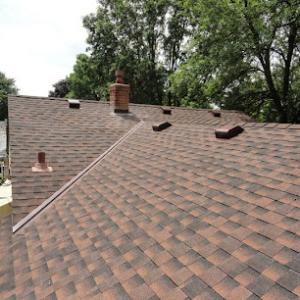
Weathersafe Restoration
(715) 808-0810 www.weathersafeinc.com
2019 O'Neil Rd, Hudson, Wisconsin
4.9 from 37 reviews
A Professional Roofing, Siding, Window, and Storm Damage Contractor Serving the Minneapolis, St. Paul, MN Metro Areas and the Hudson, WI Saint Croix River Valley Area With locations in Woodbury, MN, Shakopee, MN, and Hudson, WI, Weathersafe Restoration holds customer satisfaction as our greatest priority. We provide exceptional quality in the installation and repair of roofs, windows, siding and restoration services at the lowest possible prices. Weathersafe Restoration, Inc. is a business devoted to positive interactions, reliability, and timely services. Our sole priority is to ensure that every customer witnesses our commitment to consistently exceeding expectations.

Revive Roofing & Restoration
(651) 271-8217 reviveresto.com
2003 O'Neil Rd, Hudson, Wisconsin
4.7 from 38 reviews
Revive Roofing and Restoration is a trusted roofing contractor based in Hudson, WI, serving the Twin Cities, Lake Elmo, and surrounding areas. Specializing in roof installation and comprehensive roofing services for both residential and commercial properties, they also provide expert siding and gutter solutions. As a certified CertainTeed Shingle Master and OC Preferred contractor, they uphold the highest industry standards while offering exceptional warranties for peace of mind. With a commitment to quality and customer satisfaction, Revive Roofing and Restoration is the premier choice for all your roofing and restoration needs.

Donahue Roofing
(715) 230-5141 www.donahueroofingco.com
819 Coulee Rd, Hudson, Wisconsin
4.7 from 30 reviews
Donahue Roofing provides roof installations, replacements, repairs, barn and metal roofs, and roof inspections to the greater St. Croix County, WI area.
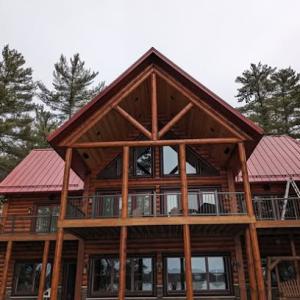
Schmidt Roofing
(715) 727-0481 schmidtroofing.com
206 2nd St Suite D, Hudson, Wisconsin
5.0 from 11 reviews
Schmidt Roofing started more than 25 years ago as a small roofing company with family values looking to help improve our Hudson, WI, community. Today, Schmidt Roofing is still owned and operated by that same family looking to make a difference for the families and businesses we work with. Exteriors are our passion. That’s why we take pride in the work that we do. Everyone we work with becomes an extension of our family. Whether you’re looking for help with a quick roofing repair or you’re looking to fully replace your roof, siding, windows or gutters, our professional team has you covered and is here to help you accomplish all of your exterior goals. To learn more or book roofing services in Hudson, WI, call or visit us today!
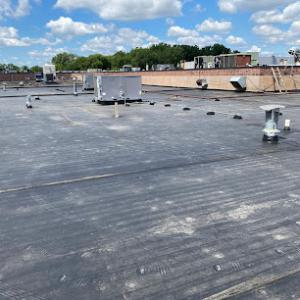
Wheeler Construction
(651) 325-5139 www.wheeler-roofing.com
718 Oriole Ln, Hudson, Wisconsin
5.0 from 11 reviews
Wheeler Construction: Your trusted partner for superior commercial roofing solutions. Specializing in flat and metal roofing, we offer expert installation, meticulous repairs, and proactive maintenance services. Protect your business with a roof built to last. Discover the Wheeler Construction difference and experience roofing excellence.
Pechacek’s General Contracting, Roofing & Siding
(651) 332-4385 www.pgccontracting.com
549 8th St N, Hudson, Wisconsin
4.4 from 23 reviews
With over 10 years of experience in the field of general contracting, Pechacek contractors have the knowledge and experience to successfully complete your next home project. Our licensed and certified team truly has a passion for designing, creating and bringing to life your vision.
Green Earth Roofing
1232 3rd St, Hudson, Wisconsin
5.0 from 1 review
We are the only environmentally friendly roofing company in the Twin Cities
Alexander Home Exteriors
Serving
5.0 from 10 reviews
Exterior Remodeling Services. We specialize in Roofing, Siding, Windows and Gutters
Element Exteriors
(651) 342-0183 www.elementexteriorsusa.com
Serving
4.9 from 109 reviews
With 17 years of experience in the industry, we have built strong relationships with customers and local roofing contractors in Hudson, Stillwater, and the Twin Cities. At Element Exteriors, our dedication to excellence is evident in every project we undertake. Whether you need a reliable roofing contractor, expert siding installations, or dependable gutter solutions, Element Exteriors has got you covered. Trust us to deliver exceptional results that exceed your expectations. Contact us today to experience the difference of our superior services.

Countrywide Contracting MN
Serving
5.0 from 114 reviews
Countrywide Contracting is a licensed, insured, full-service general contractor serving Minneapolis, St. Paul, Bloomington, Brooklyn Park, Plymouth, Woodbury, Maple Grove, Eagan, Eden Prairie, and the greater Twin Cities metro. With over 21 years of experience and 100+ five-star reviews, we specialize in roof repair, complete roof replacements, siding installation, gutters, storm damage inspections, hail repair, and concrete sealing for garage floors, patios, and driveways. Headquartered in Stillwater, clients trust us for clear communication, fast response times, and high-quality workmanship. From minor fixes to full exterior renovations, our full-service approach ensures results that last. Schedule your free consultation today.
Timberland Exteriors
(651) 439-1760 www.timberlandexteriors.com
Serving
4.9 from 56 reviews
Founded in 2003, Timberland Exteriors is a leading exterior remodeling company that has built an outstanding reputation. We’ve earned rave reviews and maintained an A+ rating with the Better Business Bureau by never compromising or cutting corners. Our services include siding, roofing, windows, doors, and storm damage restoration utilizing industry-leading materials like James Hardie siding and Owens Corning roofing. When you partner with us, you can expect exceptional results and superior warranties backed by our commitment to excellence on every exterior remodeling project. Let’s create a home that you can truly be proud of.
Asphalt shingles and metal roofing are the most locally dominant choices, reflecting the practical performance needed through heavy snow, ice, hail, and humid summers. Asphalt shingles offer straightforward durability and a familiar look that suits the common home styles found along the bluff lines, while metal roofs provide excellent shedding of snow and resilience against hail. In this climate, a quality shingle with good granule retention, plus an intact underlayment strategy, pays dividends when freeze-thaw cycles drive intermittent leaks around gaps and edges. Metal options give a long service life with lighter weight installation for older structures, and when properly installed, can be a robust choice against wind-driven damage.
Clay tile, concrete tile, wood shakes, and synthetic/composite shingles appear in the market, but they demand closer attention to weight, moisture behavior, and freeze-thaw durability in western Wisconsin conditions. Clay and concrete tiles are heavy enough to require structural assessment and careful attachment in wind-prone exposures; moisture intrusion can become a concern if fasteners loosen or if flashing detail isn't meticulous around hips and valleys. Wood shakes bring a rustic aesthetic but can be sensitive to moisture and rapid changes in temperature; they require a compatible underlayment system and regular maintenance to prevent surface splitting or decay. Synthetic or composite shingles mimic many practical benefits of asphalt with potential for enhanced hail resistance, yet still rely on solid installation and appropriate ventilation to manage moisture and thermal expansion.
Hudson's year-round precipitation and winter ice exposure make underlayment, flashing, and ventilation details as important as the surface material itself. A quality waterproof underlayment that can tolerate repeated freeze-thaw cycles protects against moisture migration up the roof deck. Flashing around chimneys, skylights, and transitions needs careful detailing, especially where wind exposure from the St. Croix bluff can lift edges and force water intrusion under the surface. Proper ventilation helps reduce ice dam risk by maintaining a cold roof deck while allowing attic air to escape; this minimizes condensation that can compromise insulation and decking over time. If your home uses a metal roof, ensure panel seams are sealed and fasteners are corrosion-resistant and properly spaced to prevent wind-driven leaks during winter storms.
Choosing a surface material should align with roof geometry, attic insulation, and the presence of overhangs or vent chutes that impact moisture behavior. For stormy seasons and rapid re-roofing responses in the local contractor market, a dependable installation crew that understands our typical wind patterns and hail exposure can make a large difference. When planning a replacement, verify that the chosen product and its accessories interact well with existing venting, attic bypasses, and any radiant barriers. In areas with frequent freeze-thaw cycles, prioritize systems with robust attachment methods, proven sealants, and a track record of maintaining performance through salt-lueled air and humid summers.
In this market, asphalt shingles sit at the lower end of the scale, with typical per-square costs in the 350-700 USD range, while more premium systems push into the upper end-tile roofs, including clay or concrete, commonly run 900-1800 USD per square. Metal roofing generally sits between 700 and 1200 USD per square, and synthetic or composite shingles land around 450-900 USD per square. Local pricing is best understood as a ladder: asphalt at the bottom, tile at the top, with metal and composites filling the middle. This aligns with the mix of older homes, varied roof pitches, and the region's mix of storm-damaged, rapid-repair work.
Tear-off complexity can move the price noticeably. If the existing roof needs a full removal, expect higher labor and disposal costs, especially when the attic or ventilation needs correction at inspection. The common residential roof pitch in this area influences both material waste and installation time; steeper slopes require more safety measures and longer workdays, which raises labor costs. Accessory work around chimneys or skylights also adds to the bottom line, particularly when flashing details or penetrations require rework to prevent ice dam-related leaks and wind-driven damage.
Hail, wind, and ice-dam events trigger a surge in demand that can compress scheduling windows and push labor pricing higher for several weeks after a storm. When a hail or wind event hits, contractors may prioritize quick turnarounds for insurance-heavy projects, which can affect material availability and lead times. If you're navigating multiple bids, expect some variance in timelines and debris removal options, as crews optimize routes to handle a cluster of claims in the same vicinity.
Asphalt shingles: 350-700 USD per square. This remains the most common choice post-storm, balancing cost with decent long-term performance in freeze-thaw conditions.
Metal roofing: 700-1200 USD per square. Durable and good for shedding wind-driven debris, but installation intricacies can push price up with added ventilation or insulation requirements.
Clay tile: 900-1800 USD per square. Highest end of the spectrum, valued for longevity and freeze-thaw resilience, yet more sensitive to roof deck prep and slope specifics.
Concrete tile: 900-1700 USD per square. Similar to clay in cost and performance, with robust weight and a need for solid structural support.
Wood shingles/shakes: 550-1100 USD per square. Aesthetic appeal balanced by maintenance needs, especially with potential moisture-related issues after winter freeze-thaw cycles.
Synthetic/composite shingles: 450-900 USD per square. A practical midrange option offering decent durability and lighter weight for complex installations.
If storm damage is part of the picture, secure multiple, well-communicated bids that detail tear-off, ventilation corrections, and chimney or skylight work. Ask for a phased plan that allows dry-in milestones, particularly in advance of winter, to minimize freeze-thaw risks during installation. For final pricing, anchor discussions to the per-square ranges above, and treat any deviation as a prompt to verify deck integrity, attic ventilation, and flashing details before work begins.
Get a clear picture of your project costs upfront - no commitment required.
Weathersafe Restoration
(715) 808-0810 www.weathersafeinc.com
2019 O'Neil Rd, Hudson, Wisconsin
4.9 from 37 reviews
The moment a roof replacement is serious enough to consider storm damage or a full re-cover, a building permit is required. In this market, where claims and rapid re-roofs can be tempting, sticking to the letter of the rules helps prevent costly delays or claim disputes. The City of Hudson Building Department handles permit applications, and most projects proceed when the contractor submits a clear scope of work, including installation details. If the scope is vague, the review can stall, and a stalled permit often pushes neighbors' timelines and your own.
Contractors typically submit the project scope and installation details, but you should be prepared to review and sign off on what's being proposed. The permit packet usually includes roof venting plans, underlayment type, the proposed shingle or metal profile, and any drainage or skylight changes. Keep a copy of the submitted documents and the permit number in your files. If any part of the submission feels uncertain, ask for a clarifying review before the city acts on it. In this climate, where freeze-thaw cycles and storm events create additional risk, accurate venting and ventilation calculations are not just a box to check-they influence long-term performance and insurance considerations.
Inspections are required at rough-in and final stages. The rough-in inspection verifies structural components, flashing details, and the layout of penetrations, while the final inspection confirms installation meets code, including ventilation. Ventilation is a common overlooked item that gets flagged during final review; improper or insufficient attic ventilation can lead to moisture buildup, ice dam risk, and accelerated shingle wear. Plan for access to the attic and roofline during inspections, and ensure any attic baffles or soffit vents are correctly installed before the final walk-through. If an issue is identified, scheduling a re-inspection promptly is essential to avoid delaying the project's final status and the release of the certificate of occupancy or project closeout.
Because Hudson sits near a bluff and endures cold winters, inspectors will pay attention to how the venting system ties into the overall attic ventilation strategy. Have your contractor provide a concise ventilation plan and a simple attic diagram showing intake and exhaust paths. If the inspection results in questions about airflow or moisture control, address them before the final submittal so the closeout doesn't hinge on back-and-forth revisions. A well-documented permit trail and a clean inspection record will smooth insurance interactions and reduce the risk of a weather-driven delay after a heavy storm.
Winter snow load and ice-dam risk can shorten the safe scheduling window and make emergency protection more important than full replacement timing. When storms hit, focus on quick, temporary protection-tarps and plywood-so active leaks don't advance into attic spaces or ceilings. If a pay-now repair is needed to prevent interior damage, prioritize that over finishing a full replacement in the height of winter. Plan roof work for days with solid temperatures and dry conditions to minimize ice buildup and to keep crews safe on slippery pitches.
Spring hail and heavy rains can both create new damage and delay active projects because moisture control becomes a bigger installation concern. Inspect after each major spring storm and document damage with photos before any repair starts. If replacement is underway, ensure the roof deck is dry and ventilated before laying underlayment and shingles. Scheduling should account for potential rain delays, and crews should stage materials away from lingering puddles to prevent moisture-related setbacks and spoilage.
Summer heat and humidity affect material handling, while autumn winds and falling leaves can interfere with final inspections and roof cleanliness. Heat can soften asphalt shingles, so plan install times for cooler parts of the day and provide shade on the job site to protect products and workers. Keep yard and gutters clear of debris so fasteners seat properly and flashing joints seal clean. As leaves accumulate, insist on a thorough post-install cleanup and a careful final inspection to verify there are no wind-displaced pieces or stray debris in the valleys.
Autumn winds and falling leaves can interfere with final inspections and roof cleanliness. Schedule the last roofing days to avoid strong gusts that can loosen unsecured materials. Ensure all vents, chimneys, and roof penetrations are sealed and protected before the seasonal weather shifts. A meticulous final walk-around helps catch obscured debris and ensures the finished surface looks tight ahead of winter, when storms return and visibility drops.
When you can't wait, these contractors offer fast response times to stop leaks and prevent further damage.
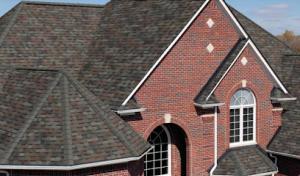

In Hudson, repeated freeze-thaw cycling commonly worsens flashing separations and exposes weak points around penetrations after storms. That means valley flashings, step flashing behind chimneys, pipes, and vents can soften, crack, or lift when moisture migrates and then refreezes. After a heavy rain or hail event, inspect around every abutment where the roof meets the wall. If you notice hairline gaps, rust on metal flashings, or dark staining near fasteners, treat them as early warning signs rather than isolated spots. Addressing even small separations promptly helps prevent interior leaks during later cold snaps.
Ice-dam conditions make eaves and lower roof edges especially vulnerable to backup leaks during winter warmups and refreezes. When you see water creeping up from the eave or staining on soffits after a warm afternoon, check the outer edge first, then trace the path inward beneath shingles. In homes with attic or venting overlooked during installation, heat pockets can intensify at corners and overhangs, driving moisture toward vulnerable rakes and fascia. A proactive approach is to reseal transitional joints where snowmelt concentrates and to ensure continuous insulation up to the roof line so warm air doesn't pool near the edge.
Accessory areas such as skylights and chimneys deserve extra scrutiny because moisture intrusion often shows up there first after wind-driven rain or snow events. Look for loose caulk, lifted pans, or cracked sealant around skylight bases and flashing skirts. Around chimneys, check the parging or brickwork nearby for micro-cracks that can funnel water into roof deck edges. After storms, pay particular attention to these zones before the next freeze, and keep pathways clear so any early leaks can be traced quickly to their source.
Find contractors experienced in skylight installation, flashing, and leak repairs to bring natural light into your home.
Anthem Exteriors
(651) 202-1175 anthemexteriors.com
869 Charlie Ryan Rd, Hudson, Wisconsin
5.0 from 43 reviews
Kremer Brothers Construction Company
(715) 386-3505 www.roofingorsiding.com
516 2nd St #202, Hudson, Wisconsin
4.9 from 15 reviews
Donahue Roofing
(715) 230-5141 www.donahueroofingco.com
819 Coulee Rd, Hudson, Wisconsin
4.7 from 30 reviews
The local market strongly favors re-roofing specialists, so you should expect many bids from companies focused more on replacement than niche new-construction work. This means you may encounter crews that can move quickly, handle storm debris, and work within insurance timelines without chasing specialty framing or custom tile installs. Look for a contractor who clearly markets residential replacement expertise and a track record of storm-related work, not just a wall-to-wall construction outfit.
When you receive proposals, prioritize firms that outline a practical plan for rapid staging, weather protection, and clean, thorough cleanup after every shift. In this climate, ice-dam and wind-related damage can appear in multiple roof areas; the right bidder will provide a step-by-step scope that covers tarping, flashing checks, and attic ventilation assessment as part of a comprehensive replacement or repair. Compare manufacturers' warranties, installer certifications, and any promises about minimizing disruption to your family's routine during a leak-prone season.
Ask about response times after a leak report, what the crew's daily progression looks like, and how cleanup is handled at the end of each day. Inquire whether the company employs long-established, family-owned residential-focused crews and whether they can cite recent, local examples of storm-damage claims managed end-to-end. Confirm they coordinate with your insurer's expectations and provide a single point of contact for updates.
Be cautious of outfits with limited references, vague timelines, or crews rotating mid-project. Reputable bidders will offer a clear, written plan, a realistic schedule, and a dedicated supervisor who can negotiate the typical tightenings of an insurance-driven repair in a freeze-thaw season.