
Last updated: Apr 19, 2026
Minnesota hail and wind events drive most roofing claims in this area, and Eden Prairie experiences several sharp hits each spring. Post-storm documentation and insurer communication aren't afterthoughts-they're central to making the right roofing decisions here. The clock on your claim can matter as much as the damage itself, because insurers often adjust timelines based on when the storm occurred and how quickly you reported it. A delayed response can complicate coverage for repairs that are needed promptly to stop leaks and prevent further deterioration through freeze-thaw cycles.
Right after a hail or high-wind event, you should start a focused documentation process. Take clear photos and videos from multiple angles: the roof surface, visible gutters, soffits, vent flashing, and any interior moisture staining on ceilings or walls. Keep a simple log of dates and observed conditions-especially any roof deck exposure, lifting shingles, or granule loss. In Eden Prairie, spring precipitation can mask issues day-to-day; a photo record captured within 72 hours of a storm provides the most solid proving ground for a claim. If you can, arrange a cursory inspection by a trusted contractor who can identify wind-lifted shingles or hail bruising that isn't obvious from the ground. Save all communications with insurers and adjusters, including emails, letters, and timestamps from calls.
Communication with the insurer should be prompt and precise. When you report damage, reference the timing of the storm events and the immediate risks you're facing-active leaks, interior water intrusion, or potential for structural damage due to ice damming after thaw cycles. In this market, local contractors are accustomed to a spike in storm-related work. That familiarity helps, but it also creates scheduling pressure. If you wait, you risk longer wait times for assessors, and you may encounter bottlenecks that push your project into peak-demand windows. On the contractor side, expect a rapid triage of claims, with some companies bundling adjuster visits and on-site measurements to streamline the process. Ensure any contractor you hire is clear about communicating directly with your insurer and about documenting every step of the replacement, including venting checks and proper nailing as required by local inspection practices.
Spring hail and heavy precipitation produce two parallel problems: damage you must address and a crowded calendar for roofers. The best approach is proactive scheduling immediately after you document damage and file a claim. If you wait for the insurer to schedule, you may align with the longest delays of the season. Instead, secure a trusted roofer for an initial evaluation within a few days of your claim submission, and align their work window with the insurer's adjuster visit. This coordination is especially critical for steep-slope residential re-roofs, where ventilation and nailing must be verified to pass the city's inspection. Have a backup plan for weather delays and be prepared to pause work if a major weather incident triggers another round of claims in your neighborhood.
Contractors here typically field many storm-related jobs in quick succession. That means clear expectations on scope, timeline, and insurance communication are essential. Ask for a written plan that includes storm-damage priorities, a phased replacement approach if needed, and explicit notes about venting, underlayment integrity, and proper nailing patterns used to satisfy inspections. Reputable local contractors won't pressure you into unnecessary replacement, but they will emphasize timely action to prevent secondary damage from freeze-thaw cycles. If a contractor signals a delay due to another claim, request a concrete updated timeline and, if possible, a secondary contact to ensure you're not left in limbo when the next weather event looms.
In this climate, frost heaves and repeated freeze-thaw cycles shape the roof's health more than a single storm ever will. Ice dam formation becomes a practical roof-management issue when replacement is delayed into or through winter conditions. When a project stretches into the cold months, the risk of ice forming at the eaves increases, especially if attic temperatures aren't managed and ventilation isn't up to par. The result can be water intrusion that cascades under shingles, then into sheathing and ceilings, even if the visible damage seems minor at first.
Attention to ventilation isn't a cosmetic detail in this area; it's a core factor that determines how winter moisture behaves inside the attic. Poor attic airflow traps warm, moist air under the roof deck, which can soften asphalt shingles and create a reservoir for ice to back up from the gutters. The city's inspection emphasis on ventilation means that shingle performance in cold weather isn't just about the color or style-it's about how the roof breathes during a Minnesota winter. If there is a noticeable temperature differential between the attic and living spaces, or if soffit vents are blocked by insulation, moisture can condense on the underside of the roof, accelerating ice dam risk when meltwater refreezes at the eave.
Ice dams form where heat moves upward from living spaces and melts a narrow strip of roof near the eave while higher portions remain frozen. As meltwater backwashes under shingles, shingles themselves can lift, underlayment can become exposed, and interior corrosion or staining may appear down walls and along ceilings. In practice, waiting for a spring thaw or delaying a roof replacement while ice dam activity persists often means that minor leaks expand into more substantial repairs. The practical consequence is more labor, more material damage, and longer disruption inside the home when temporary mitigation measures fail or are insufficient.
Replacement timing in this climate is often influenced by the desire to avoid winter installs, since cold-weather conditions can complicate asphalt shingle performance and installation quality. With steep slopes common in the local housing stock, winter crews must manage footing, deck cleanliness, and the ability to create a tight seal against wind-driven moisture. When planning a re-roof, consider how a freeze-thaw cycle might affect installation quality, such as shingle adhesion and fastening, and how short days and cold temperatures can limit the access and daylight needed for careful workmanship. A thoughtful schedule can reduce the likelihood of moisture lingering in the attic during the first winter after installation, protecting the roof's long-term performance and avoiding a premature need for repairs caused by ice dam activity.
Asphalt shingles are a dominant material choice among the neighborhood roof lines. In this climate, the freeze-thaw cycle can nip at the edges of shingle granules and accelerate wear, so you'll want to plan for more frequent inspection after winter storms. When you're evaluating a replacement, you'll notice asphalt is the most straightforward option to match existing steep-slope configurations on many local homes, and it tends to blend well with brick and siding choices common in established neighborhoods. The key practical move is to select a product with good impact resistance and higher wind ratings, then ensure the roof deck and underlayment are thoroughly vented and nailed to resist the seasonal temperature swings. Replacement timing often hinges on how well the shingles handle winter ice and the spring hail pressures that Minnesota weather routinely supplies.
Metal roofing represents a meaningful local option alongside asphalt, with contractor activity showing an established specialty presence rather than a niche-only market. Metal sheets provide solid performance under hail and can shed snow more predictably, which reduces ice dam risk on steep pitches typical of Eden Prairie homes. If you're weighing metal, consider a profile that optimizes drainage and suits the existing roof geometry. Metal can be a strong choice for roofs with limited attic ventilation because many systems tolerate a wider range of installation details, but proper attachment and a well-sealed seam strategy are still essential to weather the freeze-thaw cycles. For a lot of homes, metal's lighter weight and durability align well with longer-term replacement plans, especially on 3:12 to 6:12 slopes that dominate the area.
Clay tile and concrete tile appear in Eden Prairie's material mix, reflecting both standard suburban steep-slope roofs and higher-end decisions. These tiles offer distinctive curb appeal and strong hail resistance when intact, but they come with weight and maintenance considerations. The supporting structure must be assessed for load capacity, and underlayment needs to be up to handling Minnesota moisture and freeze-thaw stress. Tile roofs often require careful detailing around penetrations and flashings to avoid winter leaks. If you lean toward these materials, plan for accurate roof framing evaluation and a skilled installation crew that can handle the tile layout on steeper pitches.
Wood shakes add a traditional, textured look that suits several neighborhoods here, but they demand proactive maintenance. Exposure to sun and moisture cycles can accelerate weathering, and hail can crack shakes more readily than smoother surfaces. In practice, homeowners choosing shakes should budget for periodic treatment and potential replacement of damaged sections, along with ensuring weathertight flashing and tight nailing patterns to weather the spring thaw and freeze cycles.
Synthetic or composite shingles offer design versatility and can emulate wood, slate, or traditional asphalt aesthetics. They often bring improved impact resistance and consistent performance through freeze-thaw cycles. The practical choice here is to select products rated for cold-weather performance and ensure a compatible underlayment system that supports reliable venting and nailing on steep slopes. This option can bridge the look you want with the resilience needed during Minnesota's spring hail season.
Typical Eden Prairie roofing costs run about $350-$650 per square for asphalt shingles, $600-$1100 for metal, $900-$1800 for clay tile, $1000-$1800 for concrete tile, $600-$1100 for wood shingles or shakes, and $400-$800 for synthetic/composite shingles. In this climate, a square (100 square feet) is the standard unit for pricing, so multiply by 10 to estimate per-roof needs. The spread reflects differences in labor, fasteners, underlayment, and installation details that vary with each material type.
Storm-driven demand spikes in this market can push pricing and scheduling pressure higher after hail or wind events, especially for full re-roofs. Hail can create hidden damage that technicians must inspect carefully, which can slow down crews and extend the time from contract to completion. If a large hail event hits, expect system-wide demand to rise for several weeks, and be prepared for shorter windows to lock in material colors and installations that meet the typical spectral and architectural styles seen on local homes.
Material choice matters more here than in markets dominated by a single roof system because the local mix includes asphalt, metal, tile, wood, and synthetic systems with very different labor and replacement profiles. Asphalt shingles are common for cost-conscious restorations and can perform well with proper attic ventilation and ice dam protection in freeze-thaw cycles. Metal offers extended longevity and a lower weight, but requires precise nailing and flashing details for wind resistance. Tile options (clay or concrete) bring durability and a distinct appearance but add weight and a higher upfront cost. Wood shingles or shakes provide a traditional look but demand careful installation to resist moisture, and synthetic/composite shingles balance cost and performance with varying warranties.
Because Eden Prairie experiences freeze-thaw cycles, plan for a short but sufficient installation window that avoids the harshest weather. Scheduling in late spring or early summer can help crews complete work before fall temperatures return, reducing the risk of moisture intrusion during mid-winter. If storm damage occurs, prioritize a phased assessment plan: immediate temporary protection, a detailed damage report, and then a logistics plan that coordinates material availability with crew schedules to minimize downtime. Color and profile selections should consider long-term performance in hail-prone seasons and the typical architectural language of local homes.
Get a clear picture of your project costs upfront - no commitment required.
Grussing Roofing & Exteriors
(952) 479-5501 www.grussingroofing.com
6921 Raven Ct, Eden Prairie, Minnesota
4.9 from 125 reviews

Trinity Exteriors
(952) 920-9520 www.trinityexteriors.com
10179 Crosstown Cir, Eden Prairie, Minnesota
4.8 from 404 reviews
Sterling Restoration
(763) 284-5699 sterlingrestorationmn.com
9947 Valley View Rd, Eden Prairie, Minnesota
4.8 from 26 reviews
A full re-roof in this area typically requires a permit issued by the City of Eden Prairie Building Safety Department. That permit process helps ensure the project follows local ventilation, nailing, and overall code standards. Before any shingle tear-off begins, confirm your contractor has submitted the permit application and that the permit is active for the address. The city's review also helps flag any needed adjustments to attic ventilation, soffit intake, or exhaust vent routing that can impact long-term performance in your climate's freeze-thaw cycle.
Eden Prairie inspections generally occur after roofing materials are removed and again after underlayment and the final roof surface are installed. Scheduling around these milestones is important, especially given spring hail exposure and winter freeze-thaw patterns that can affect wrap and underlayment choices. The first check-in confirms the roof deck is sound, deck fasteners are secure, and that old nails are removed where required. The second inspection validates that the underlayment, drip edge, flashing, and final surface meet code and that ventilation and nailing patterns align with the approved plan.
City inspectors verify ventilation, nailing patterns, and overall code compliance, making workmanship details especially important during local re-roof projects. Expect a close look at soffit and ridge ventilation, soffit vent gaps, and proper continuation of any baffles or vents through to the attic. Nailing patterns are reviewed to ensure shingles are secured per the manufacturer's guidelines and meet wind-load requirements typical of this region. Flashing around chimneys, vents, and valleys is checked for proper sealing and moisture management. Proper attic air sealing and insulation details may also be noted, as these influence long-term performance through fluctuating temperatures.
Coordinate with a qualified roofing contractor who understands the seasonal mix of snow, ice, and spring hail that can stress re-roof systems. Before the permit is issued, review the planned ventilation strategy, nail spacing, and shingle overhangs with the contractor to avoid last-minute adjustments during inspections. Ensure access to the attic and roof for inspectors, and have all product data sheets on hand for approval under the permit, including underlayment type and flashing details. Document any corrective actions promptly if an inspector notes deficiencies, and schedule follow-up inspections quickly to keep the project on track.
Once the final inspection passes, verify that the permit closure is documented and that all punched items from the final review are resolved. Keep the inspection report and any manufacturer warranties handy for future service needs. Establish a simple maintenance routine-seasonal checks on ventilation ducts and ridge vents help preserve the integrity of the new roof through Eden Prairie's freeze-thaw and hail cycles.
In Eden Prairie, the insurance environment for hail and wind is active enough that roof replacements often involve adjusters, supplements, and detailed damage documentation. The process can unfold slowly, and outcomes hinge on how clearly the damage is captured and described after a storm. This reality means you should prepare for a conversation that extends beyond the initial call to your insurer.
Claim handling in this area relies heavily on photos, written estimates, and date-sensitive storm documentation after severe weather events. If a claim is filed, expect insurers to want a robust visual record from multiple angles, close-ups of damaged areas, and a consistent narrative that ties the damage to a specific weather event. Photos taken during and after the storm help establish a timeline that matters for adjusters and reviewers.
Adjusters often request supplements as the project progresses. Damaged decking, flashing, and ventilation can drive changes well after the initial estimate is issued. Detailed damage documentation supports these revisions, especially when new findings prompt a larger scope than first imagined. Without thorough notes and clear imagery, revisions can stall or be challenged.
Timing and outcomes vary by insurer in Minnesota, so homeowners often need contractor documentation that is precise enough to support revisions after the initial adjustment. A clear, itemized report from a trusted contractor-paired with weather records and a meticulous photo log-can make the difference between a smooth update and an extended dispute.
Practical steps you can take now help prevent friction later. Create a storm-date file, photograph every affected area before and after any temporary protection, and keep a running log of conversations with the insurer and contractor. Share this documentation promptly to minimize surprises when the claim moves from assessment to replacement. You'll reduce the risk of delays that can stretch into the rough winter months.
Storm-driven work dominates the local roofing scene, so quick arrival and efficient cleanup are not fringe benefits-they drive the project timeline in this area. After a hail event or a hard freeze cycle, crews move from estimate to material order to tear-off with higher velocity than typical planned replacements. A contractor's ability to stage materials, protect landscaping, and coordinate debris containment matters as much as the exact shingle type chosen. In this market, reputation depends as much on how fast a crew returns calls and schedules work as on the quality of the roof itself.
Look for firms that demonstrate a sustained local footprint and neighborhood-level trust. Long-established, family-owned or locally owned companies are common and often signal stable crews and predictable scheduling. Ask for recent completed projects in nearby streets with similar roof types to gauge how they handle steep slopes and winter-related debris removal. Prioritize contractors who provide clear response windows, a dedicated project supervisor, and a written plan for staging materials, roof venting checks, and nail patterns, since those details drive permit-and-inspection readiness.
Free inspections appear in the market but are not the sole predictor of a solid outcome. In this climate, the best choice centers on thorough scope quality: a precise shingles-and-underlayment plan, venting assessment, and a detailed ventilation and nailing checklist suitable for inspection scrutiny. Demand a scope that includes measurements, hail impact notes, attic condensation checks, and a written removal-and-replacement sequence that aligns with typical steep-slope re-roofs. Documentation should cover before-and-after photos, pixel-perfect measurements, and a labeled, itemized material list to support insurance discussions and future maintenance needs.
Insurance timing hinges on forthright communication and a plan that keeps moisture out during weather cycles. A reliable roofer will help storyboard a replacement sequence that minimizes exposure during thaw-relief periods and anticipates peak storm season. Expect a realistic timeline that accounts for weather gaps, material lead times, and crew availability, with daily progress updates and a clear path to wrap-up cleanup and waste disposal.
Grussing Roofing & Exteriors
(952) 479-5501 www.grussingroofing.com
6921 Raven Ct, Eden Prairie, Minnesota
4.9 from 125 reviews
Grussing Roofing & Exteriors is Eden Prairie’s trusted authority for professional roofing, siding, replacement windows, and gutter services. Family-owned and operated since 1971, we bring over 50 years of experience to every project across the Twin Cities. We specialize in residential asphalt and metal roofing, as well as durable commercial roofing solutions. Our expertise extends to high-performance gutter systems and premium siding installations designed to protect your property for decades. We pride ourselves on honest inspections, transparent pricing, and a legacy of integrity. From family homes to commercial buildings, trust the local experts who have been building excellence for over half a century. Schedule your free estimate today!

Trinity Exteriors
(952) 920-9520 www.trinityexteriors.com
10179 Crosstown Cir, Eden Prairie, Minnesota
4.8 from 404 reviews
Trinity Exteriors, Inc. is a trusted exterior remodeling contractor based in Eden Prairie, MN, proudly serving homeowners and property managers across the Twin Cities. Since 2007, we've built our reputation on three core values—Integrity, Service, and Excellence—delivering high-quality roofing, siding, and window replacement solutions with a customer-first mindset. Specializing in storm damage restoration, our team works closely with insurance providers to make the claims process seamless and stress-free. As a GAF Master Elite® Contractor and BBB A+ accredited business, we combine top-tier craftsmanship with industry-leading products to protect and enhance the value of your home.
First Choice Exteriors
(952) 380-8248 firstchoiceexteriorsmn.com
12905 Pioneer Trail, Eden Prairie, Minnesota
4.9 from 93 reviews
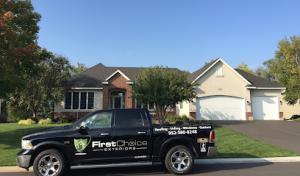
We specialize in Roofing, Siding, Windows, and Gutters! Weather, you have been affected by hail damage or just need a new roof or Exteriors call us today!

Stronghouse
(651) 705-6376 stronghousebrands.com
7575 Corporate Way, Eden Prairie, Minnesota
4.8 from 696 reviews
Stronghouse is a national leader in exterior home and commercial remodeling, providing expert roofing, siding, windows, and gutters. We support teams across the country delivering trusted roof replacement, storm restoration, siding installation, energy-efficient windows, and seamless gutter systems. At Stronghouse, we do things the right way - your home deserves it. With honest service, durable materials, and professional installation, we stand behind every project. We build peace of mind, strong homes, and communities that know we have their back.
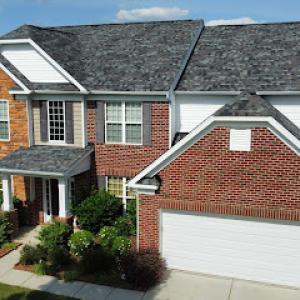
Best Choice Roofing
(952) 592-6757 bestchoiceroofing.com
6600 City W Pkwy Suite 375, Eden Prairie, Minnesota
5.0 from 39 reviews
Best Choice Roofing is your trusted roofing partner in the Twin Cities, offering expert roof repairs, replacements, and specialty roofing services. With a focus on customer satisfaction, we provide fast and reliable solutions, including weather damage restoration. Since 2009, our experienced team has helped homeowners in Minneapolis, St. Paul, and surrounding areas maintain safe and durable roofs. We work with top-quality materials and handle insurance claims, ensuring a seamless process from start to finish. For professional and dependable roofing services, choose Best Choice Roofing.
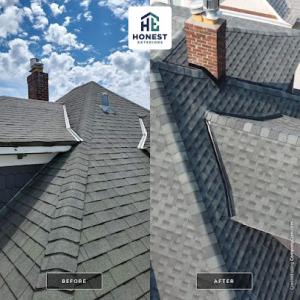
Honest Exteriors
(763) 272-5706 www.honestexteriors.com
6566 Edenvale Blvd Suite B, Eden Prairie, Minnesota
4.8 from 113 reviews
Honest Exteriors is a trusted roof replacement company serving Eden Prairie, MN, providing professional solutions for residential and commercial properties. From full roof replacements to detailed inspections and exterior upgrades, our team focuses on protecting homes from Minnesota’s harsh weather conditions, including heavy snowfall, ice dams, strong winds, and seasonal hail. We understand how freeze-thaw cycles and storm damage impact roofing systems in the Twin Cities area and tailor each project accordingly. Located conveniently in Eden Prairie, Honest Exteriors delivers dependable workmanship, clear communication, and local expertise.
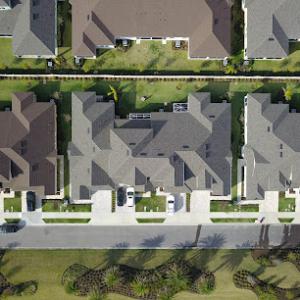
Allstar Eden Prairie
(952) 900-3615 www.allstartoday.com
6500 Carlson Dr, Eden Prairie, Minnesota
4.9 from 61 reviews
There is a reason Allstar Construction & Maintenance is trusted to maintain and enhance multi-family properties and associations large and small. Our experience runs deep in all aspects of multi-family buildings and homeowners association maintenance, remodeling and repair. Allstar’s Construction & Maintenance team is dedicated to delivering high quality craftsmanship and exceptional results.

Refresh Exteriors
(612) 324-7663 www.refreshexteriorsmidwest.com
7820 Terrey Pine Ct #80, Eden Prairie, Minnesota
4.8 from 127 reviews
Refresh Exteriors is a full-service, licensed and insured Minnesota roofing, siding, and gutter contractor specializing in replacements, repairs, and maintenance services for residential, multi-family and commercial buildings. The fully certified home improvement professionals at Refresh Exteriors are committed to delivering the highest quality service and materials at competitive prices. Whether it's Gutters, Roofing, Siding or Windows our experienced design team and installation crews use the latest products and materials from the country’s leading brand name manufacturers. We ensure every project we complete delivers superior performance and lasting value. Call today to discuss a project or request a free estimate 612-324-ROOF
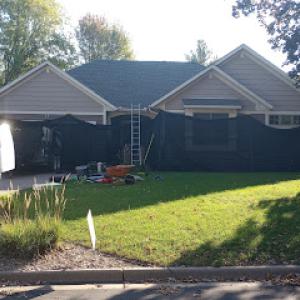
Pro Custom Builders
(612) 250-1814 www.procustombuilders.net
16231 S Hillcrest Ct, Eden Prairie, Minnesota
5.0 from 26 reviews
Pro Custom Builders is a licensed and insured Minnesota roofing contractor with over 18 years of experience. We specialize in residential and commercial roofing, roof repair, roof installation, siding, gutters, waterproofing, and roof coatings. Serving the Twin Cities and greater Minneapolis–St. Paul area, we provide storm damage inspections, insurance claim support, and complete exterior restoration. Clients work directly with the owner for trusted service and expert craftsmanship. We use premium materials and proven techniques to ensure durability, curb appeal, and long-term protection for your home or business.
Insurance Solutions Services
6697 Promontory Dr, Eden Prairie, Minnesota
5.0 from 24 reviews
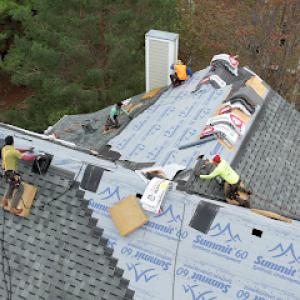
Insurance Solutions Services is Minnesota's trusted roofing and siding contractor, specializing in storm damage and insurance claims. We work directly with your insurance carrier to overcome coverage issues and negotiate superior repairs.
Restoration Builders of Minnesota
(952) 405-7350 restorbuilders.com
6870 Washington Ave S Suite 240, Eden Prairie, Minnesota
4.8 from 69 reviews
Welcome To Restoration Builders of Minnesota. Restoration Builders of Minnesota is a residential & commercial contractor operating in the United States. Our Roof, Windows, Siding and Gutter repair and restoration experts provide assistance with everything from roof inspections and minor repairs to comprehensive storm damage rebuilds and just about everything in between. Our mission is to protect, restore and build properties, strengthen families and support our communities. We are committed locally and ready to serve wide scale for disaster response. Contact us for a free inspection: info@restorbuildersMN.com. License # BC782870
Heyn Brothers Roofing
(952) 209-7132 heynbrothers.com
Eden Prairie, Minnesota
4.9 from 18 reviews
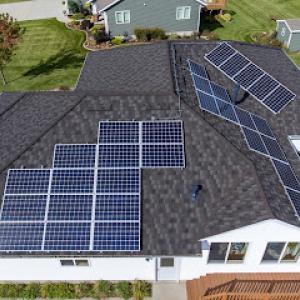
For more than 20 years, Heyn Brothers Roofing has been helping homeowners and businesses across Southern Minnesota with all of their roofing needs. Our expert team proudly supports valued customers in the Greater Minneapolis area and beyond. We work hard to ensure that you are 100% satisfied with your services while providing the highest quality roofing service possible. Whether you just need a simple roof repair or inspection, or a more complicated full roof replacement, our team is here for you. We also provide service to commercial businesses and can help with storm mitigation and damage. Give Heyn Brothers a call today and protect your biggest investment!
Skylight-related roofing work has a visible specialty presence in Eden Prairie, making flashing and leak management around roof penetrations a meaningful local service category. When a skylight sits in a steep-slope roof, the transition from deck to curb or base flashing becomes a frequent source of leaks after winter freeze-thaw cycles. Expect contractors to pay close attention to the sealant line around the curb, headflash, and side flashing to mitigate ice damming and water intrusion during spring thaws.
Flat-roof specialization appears in the Eden Prairie contractor market even though the city's dominant residential materials are steep-slope systems, indicating that some homes, additions, and attached structures still need low-slope expertise. Pay special attention to transitions where a flat or low-slope section connects to a steeper main roof, especially near valleys, chimneys, and vent stacks. Debris tends to accumulate on the low-slope edges, so periodic cleaning combined with a targeted inspection after storms helps prevent hidden leaks from forming.
Autumn wind events in Eden Prairie can combine with debris accumulation to complicate vulnerable roof areas such as transitions, penetrations, and lower-slope sections. After strong gusts, inspect for loose flashing, displaced shingles at the edges, and any foreign material that could trap moisture. A proactive approach-checking around skylights, vents, and parapet walls-reduces the chance of wind-driven damage escalating as temperatures dip.
As a homeowner, plan twice-annual checks focused on skylight seals, curb flashings, and seam joints around low-slope portions. In trouble spots, use a careful touch: lift shingles only as needed, avoid lifting roof materials with improper tools, and document any signs of aging or movement for your contractor. A targeted maintenance mindset helps ensure that costly leaks don't sneak in during the first freeze of the season.
Find contractors experienced in skylight installation, flashing, and leak repairs to bring natural light into your home.
Grussing Roofing & Exteriors
(952) 479-5501 www.grussingroofing.com
6921 Raven Ct, Eden Prairie, Minnesota
4.9 from 125 reviews
Trinity Exteriors
(952) 920-9520 www.trinityexteriors.com
10179 Crosstown Cir, Eden Prairie, Minnesota
4.8 from 404 reviews
First Choice Exteriors
(952) 380-8248 firstchoiceexteriorsmn.com
12905 Pioneer Trail, Eden Prairie, Minnesota
4.9 from 93 reviews