
Last updated: Apr 19, 2026
The storm season in this city brings hail, high winds, and freeze-thaw cycles that press roof systems hard. You're not imagining the pattern: adjusters in this Twin Cities metro area routinely request photos, damage documentation, and the roof age before moving a claim forward. That means your first move after a storm is to build a precise damage dossier that proves the roof's current condition and its exposure to recent weather events. The goal is to position yourself for a fair settlement and a code-focused reroofing approach that addresses ventilation and flashing-areas that frequently become the sticking points in claims with local adjusters.
Snow and ice complicate everything once winter arrives. A roof that was damaged in a hail event can start leaking once snow piles up and ice damming forms. The effect is not just a cosmetic issue; active leaks can escalate quickly, soaking insulation, promoting mold growth, and accelerating interior water damage. In Minnetonka, that means you may wake up to a damp ceiling under a storm-damaged roof long before any replacement weather window opens. Your triage plan must treat leaks as an urgent signal, not a nuisance, and you need a rapid path from discovery to documented mitigation.
Local contractor activity clusters around storm-damage and insurance-claim work, so you should expect a high-velocity demand for claim-ready inspections rather than routine retail replacements. Your best ally is a contractor who operates in the claims workflow: they know how to photograph, document, and present the roof's condition in a way an adjuster can clearly understand. Look for a team that can deliver a concise, storm-dured damage report, including attic ventilation status, flashing integrity, and a clear narrative of hail impact patterns on shingles and vents. The goal is to avoid firefighting later by ensuring the roof's ventilation and flashing details are addressed in the scope of work from day one.
Immediate triage steps protect your property and support a smoother claim. Begin with a rapid interior check for signs of moisture, especially in upper living spaces and closets beneath suspected high-traffic roof zones. Then secure the exterior: place sturdy, roof-safe tarps or temporary covers over obvious gaps, focusing first on leaks near penetrations such as vents, chimneys, and skylights. If safe access is possible, capture high-resolution photos from multiple angles-close-ups of damaged shingles or granule loss, and wider shots showing the overall roof area and attic ventilation components. Your documentation should tell a simple story: what happened, when it happened, what you observed, and how the roof is currently behaving.
Communication with the insurer should be concise and purposeful. File the claim promptly and request a claim-ready inspection, explicitly noting that ventilation and flashing are critical to a code-respecting reroof design. When you schedule a field inspection, have your photos organized by issue (shingle damage, flashing, ventilation, ice-dam risk) and include the age of the roof and any prior repairs. If an adjuster requests a roof condition disclosure, provide your documented evidence and a timeline of storm events, so there's no ambiguity about the sequence of damage.
Finally, align your next steps with a contractor who understands Minnetonka's climate realities. The right partner will translate the adjuster's findings into a reroof plan that complies with local expectations for ventilation and flashing, and that addresses hail and wind damage in a way that minimizes future leak risk during ice dam formation. Keep the focus on rapid mitigation, precise documentation, and a scope that supports a durable, weather-resilient reroofing outcome when the storm window closes. This approach turns a high-pressure claim situation into a strategic, code-aware restoration path that protects your home through the roughest months.
Find local contractors experienced in assessing and restoring roofs after hail, wind, and severe weather events.
Summit Construction Group
111 Cheshire Ln Ste 50, Minnetonka, Minnesota
4.9 from 287 reviews
Tonka Roofing
(952) 237-3035 www.tonkaroofing.com
10505 Wayzata Blvd #400, Minnetonka, Minnesota
5.0 from 97 reviews

Summit Construction Group
111 Cheshire Ln Ste 50, Minnetonka, Minnesota
4.9 from 287 reviews
Summit Construction Group is your company in the local Minneaplois Metro area specializing in high-end and premium exterior projects, primarily focusing on roofing, siding, and windows.
Tonka Roofing
(952) 237-3035 www.tonkaroofing.com
10505 Wayzata Blvd #400, Minnetonka, Minnesota
5.0 from 97 reviews
Quality Roofing & Exterior Services Tonka Roofing is a family-owned company that has been a trusted name in the Minnesota community for decades. We offer reliable roofing, siding, gutters, windows and multi-home development services with integrity and transparency. We specialize in identifying and repairing storm damage. Tonka Roofing / Raising the Roof on Quality.
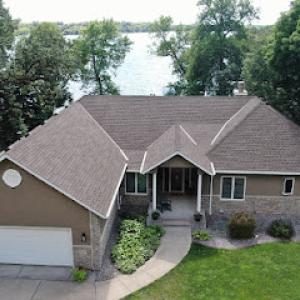
eRoof
5909 Baker Rd # 570, Minnetonka, Minnesota
4.9 from 259 reviews
eRoof is a trusted, locally owned residential & commercial roofing contractor in Minnetonka, serving Minneapolis, St. Paul, the Twin Cities metro, suburbs, & Greater Minnesota. We’ve helped hundreds of property owners with roof repairs, full roof replacements, storm damage restoration, siding, gutters, windows, & more. We handle all roof types, including asphalt shingles, flat roofing systems, metal roofs, & cedar shakes. We offer free inspections, honest recommendations, and fast, high-quality service built around your needs. eRoof is proud to be BBB A+ Accredited and a GAF Master Elite® Certified Roofing Contractor. Whether you’re dealing with hail damage from a recent storm or looking for an upgrade, call us today for a free estimate.
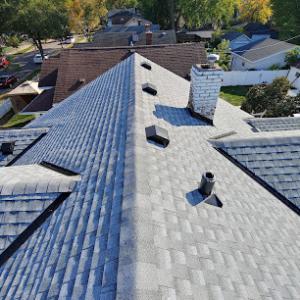
Perzhu Construction
(612) 636-1244 www.perzhuconstruction.com
15612 MN-7 Suite 233, Minnetonka, Minnesota
5.0 from 63 reviews
Perzhu Construction, LLC. We provide complete interior & exterior remodeling, and storm damage restoration services to our customers at a fair and competitive price. We exceed the expectations in quality and achieve high levels of satisfaction by maintaining the highest levels of professionalism, integrity, honesty, and fairness in our relationships.
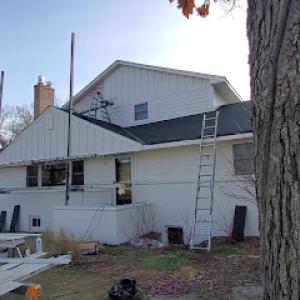
Team Roofing & Remodeling
(612) 378-8844 www.teamroofingandremodeling.com
Minnetonka, Minnesota
4.9 from 84 reviews
Team Roofing and Remodeling – Your trusted Minneapolis-area exterior renovation experts. Based in Minnetonka, MN, we specialize in residential and commercial roofing replacements, roof repair, siding installation & repair, window and door upgrades, custom deck building, and full insurance-storm damage restoration. Licensed and insured since 2008, we serve the western Twin Cities metro area including Minnetonka, Wayzata, Plymouth, Maple Grove, Eden Prairie, St. Louis Park and more. Our integrated team of project-managers, designers and installation crews deliver high-performance results using top-tier materials (including lifetime shingles and transferable warranties). We partner with you and your insurance carrier to ensure a smooth ...

Prominent Construction Roofing
(952) 900-4193 prominentconstructionllc.com
14525 MN-7 Suite 150, Minnetonka, Minnesota
4.7 from 306 reviews
Prominent Construction Roofing is the trusted roofing and exterior contractor serving Minnetonka, Eden Prairie, Edina, Wayzata, Hopkins, St. Louis Park, Plymouth, Chanhassen, Shorewood, Deephaven, and Excelsior. Homeowners choose us for our top-quality craftsmanship, honest communication, and long-lasting results. Whether you need a roof replacement, roof repair, siding, gutters, or storm restoration, our local team ensures your home is protected and your investment lasts. With years of experience across the western Twin Cities suburbs, we’ve built our reputation on being reliable, responsive, and detail-driven. At Prominent, we believe homeowners deserve clear pricing, timely service, and a stress-free process from start to finish.

Premier Roofing Company
(612) 445-7663 www.premier-roofing.com
5929 Baker Rd # 450, Minnetonka, Minnesota
4.3 from 78 reviews
Premier Roofing Company in Minnetonka, MN, is your trusted local expert specializing in asphalt shingle roofing and hail damage roof replacement. We serve homeowners, businesses, and multi-family communities throughout Minnetonka and the Minneapolis metro area. Our experienced roofing contractors provide exceptional craftsmanship, premium roofing materials, and reliable service. Choose Premier Roofing Company in Minnetonka for lasting protection, professional asphalt roofing solutions, and unmatched customer care.
R. Davis Construction
(844) 732-2378 rdavisconstruction.com
15612 MN-7 Suite 301, Minnetonka, Minnesota
4.6 from 10 reviews
R. Davis Construction is a trusted general contractor serving Minneapolis and surrounding areas. We specialize in roofing, siding, gutters, windows, doors, painting, and storm damage restoration. Backed by three generations of experience and an A+ BBB rating, we’re committed to quality craftsmanship and customer service. We also offer emergency repairs for storm damage and detailed assessments to help you understand what needs to be fixed. Residential or commercial, we’re here for all your remodeling needs—today and into the future.
Kuhl's Contracting
(952) 935-9469 www.kuhlscontracting.com
Serving
4.9 from 113 reviews
You know us. We've been roaming the greater Minneapolis area since the late 80's doing quality roofing and exteriors work on thousands of homes.

Heartland Roofing, Siding & Windows
(612) 541-9510 www.heartlandroofingandsidingmn.com
Serving
4.5 from 19 reviews
Heartland Roofing, Siding, and Solar: Raising the Bar of the Contractor Experience. As a local Minneapolis Roofing Contractor, our vision is to provide exceptional service by creating a great workplace and installing top-of-the-line products. With our commitment to excellence, we are revolutionizing the contractor experience.
Allstar Eden Prairie
(952) 900-3615 www.allstartoday.com
Serving
4.9 from 61 reviews
There is a reason Allstar Construction & Maintenance is trusted to maintain and enhance multi-family properties and associations large and small. Our experience runs deep in all aspects of multi-family buildings and homeowners association maintenance, remodeling and repair. Allstar’s Construction & Maintenance team is dedicated to delivering high quality craftsmanship and exceptional results.
Honest Exteriors
(763) 272-5706 www.honestexteriors.com
Serving
4.8 from 113 reviews
Honest Exteriors is a trusted roof replacement company serving Eden Prairie, MN, providing professional solutions for residential and commercial properties. From full roof replacements to detailed inspections and exterior upgrades, our team focuses on protecting homes from Minnesota’s harsh weather conditions, including heavy snowfall, ice dams, strong winds, and seasonal hail. We understand how freeze-thaw cycles and storm damage impact roofing systems in the Twin Cities area and tailor each project accordingly. Located conveniently in Eden Prairie, Honest Exteriors delivers dependable workmanship, clear communication, and local expertise.
Minnetonka winters bring repeated freeze-thaw cycling that stresses shingle seals, flashing joints, and roof edges more than a steady-cold climate would. When nights stay below freezing and daytime temperatures rise, melted snow refreezes at the eaves and overhangs, forming ice dams that back up water behind the dam and push moisture inward. The lake-rich setting and wooded neighborhoods can prolong snow retention and shade, creating uneven melt patterns that contribute to ice dam formation. In practice, that means attic and roofline vulnerabilities show up not as a single event, but as a pattern of slow, cumulative damage over several storms.
City reroof inspections may include added attention to attic venting details because ventilation performance directly affects ice-dam risk and long-term roof durability here. Poor ventilation lets the attic heat up, which accelerates snow melt on the upper roof while the lower edge remains frozen, deepening ice dams. When the ceiling feels warm or you notice frost patterns on the underside of decking, that's a sign to evaluate whether soffit, ridge, and turtleneck vents are clear and properly sized. Adequate intake and exhaust ventilation helps keep the whole roof assembly closer to a uniform temperature, reducing the sharp on/off melt cycles that stress seals and flashing.
Edges, valleys, and underlayment transitions take the brunt of Minnetonka's freeze-thaw cycles. Damaged flashing around chimneys, skylights, and vent pipes invites water intrusion right behind shingles as ice forms. Look for loose or lifting shingles at the rake and eave lines after a heavy snow or thaw. In shaded spots or gullies where snow lingers, corners and transitions deserve extra attention because moisture can wick into decking or insulation if flashing is compromised. If there are visible gaps, gaps near chimneys, or staining on interior ceilings near attic access points, those are flags to inspect the roof interface with the wall and the venting path.
Regular maintenance matters most: clear overhanging branches that shed ice-laden snow onto the roof, keep gutters clean to promote proper drainage, and verify there are no sagging gutters or downspouts directing meltwater toward the foundation. When storms pack snow high, do not rely on natural melt alone; monitor the eaves and ensure heat sources in the attic aren't concentrated near critical flashing joints. If an ice dam forms, address it promptly by safely removing the dam material from the roof surface rather than pulling shingles loose, and consult a professional to reestablish a ventilation balance and a proper flashing plan. This approach protects both the roof and the home's interior from costly moisture damage.
Full roof replacements are most reliably completed when conditions are steady and predictable. In Minnetonka, most full replacements are scheduled from late spring through early fall because install conditions are more reliable after winter freeze-thaw and before late-fall weather shifts. That window minimizes shingle and underlayment damage from sudden temperature swings and reduces the risk of ice dam formation during the shoulder seasons. If you own a home with a steep pitch or complex ridge lines, this window is even more important to keep crews moving without weather-related pauses.
Spring thaw brings both opportunity and challenge. The longer days and warmer afternoons entice homeowners to push for an early start, but heavy rains and lingering moisture can slow progress. Before crews arrive, you'll want to clear around eaves, vents, and access paths so work can proceed without delays. Expect some days of damp, windy, or soggy conditions as the ground dries and the snowmelt drains. That is normal for this area, and proactive staging-such as tarping exposed areas and coordinating debris containment-helps prevent moisture from seeping into attic spaces or into the interior during those atypically wet periods.
After major Twin Cities storm events, local demand surges can tighten scheduling and extend lead times for reroof projects. Hail and wind damage can create a backlog as multiple homeowners seek urgent assessments and temporary repairs before the next weather cycle. If your roof has sustained storm-related damage, anticipate a few additional days to several weeks for crew availability, truck routes, and material sequencing. The best approach is to secure a firm start date after the initial inspection and to align expectations with the contractor about weather-related contingencies and potential rescheduling, especially when forecasts call for active spring or fall storms.
Effective scheduling hinges on proactive coordination. From late spring onward, monitor local forecasts for dry spells that allow for roof decking inspection and flashing verification without rain intrusion. Schedule inspections and material deliveries for days when the roof deck is dry and temperatures are reasonable for sealant and asphalt work. On a typical Minnetonka project, crews will want a multi-day stretch of favorable weather to complete underlayment, ventilation checks, and flashing details before final shingle installation. If there is lingering snow or frost on the roof eaves, plan for a brief delay and use that time to verify attic ventilation and insulation balance, as those details come under closer scrutiny during a reroof in this climate.
First, confirm a pre-work inspection that focuses on ventilation, flashing, and any ice-dam risk points. Second, align a start date with an anticipated dry period of at least several days. Third, set a realistic target for completion that accounts for possible weather pauses, with a clear backup window. Finally, maintain open lines of communication with the contractor about storm advisories, access constraints, and site-specific moisture control measures. By following these steps, you can keep a Minnetonka reroof on track through the typical spring-through-fall window while staying prepared for the region's seasonal volatility.
Get a clear picture of your project costs upfront - no commitment required.
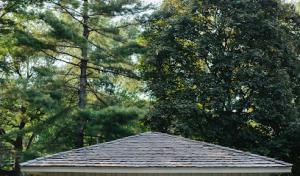

In this lake-influenced climate, the mix of winters with freeze-thaw cycles and the area's track record of hail claims shapes what homeowners typically choose. Asphalt shingles dominate replacements because they fit the area's large reroof market and are widely used on suburban residential rooflines. Metal roofing becomes a meaningful but secondary choice for those prioritizing snow shedding, hail resilience, and longer replacement cycles. Tile, slate, and EPDM appear, but mostly on higher-end homes or parts of low-slope sections, reflecting a subtler market niche rather than citywide dominance. Understanding these patterns helps you align a roof strategy with local expectations, potential insurance considerations, and the way the neighborhood maintains its curb appeal.
Asphalt shingles are the workhorse of Minnetonka reroofs. They balance performance with familiarity, ease of repair, and a broad contractor base. When hail risks are a concern, look for impact-resistant grades and a robust underlayment that can help limit early wear and visible pitting. Proper ventilation and flashings remain crucial, especially with evidence of dynamic weather in winter and spring. If a replacement is insurer-driven, ensure the chosen shingle profile and warranty meet the expectations of both the insurer and the local code-adjacent reroofing process that emphasizes ventilation and flashing details. Maintenance should include regular inspections after hail events and a plan for early repairs to prevent moisture intrusion beneath the decking.
Metal roofing speaks to homeowners who want longer life and superior wind and ice-shedding performance. In this market, metal is often selected for its ability to shed heavy snow more readily and resist hail damage when installed with appropriate coatings and fasteners. Metal systems generally demand precise installation to control expansion and contraction, flashing, and attic ventilation. If this option is on the table, pair it with a careful assessment of attic insulation and a detailing approach that minimizes the risk of ice dams forming at eave junctions.
Tile, slate, and EPDM appear in Minnetonka in more selective circumstances. Tile and slate bring durability and a refined look but require careful slope assessment, ventilation planning, and compatible flashing to manage ice dams and wind loads in colder months. EPDM fits some low-slope sections or outbuildings, offering weather resistance and ease of repair. For these materials, expect higher upfront complexity and longer lead times, but potential long-term performance benefits in systems with appropriate insulation and drainage.
When evaluating options, prioritize systems that integrate well with existing ventilation and flashing practices, since that pairing is a recurring focus for reroofing projects here. Consider how each material handles wind uplift, rapid temperature swings, and potential ice dam formation near eaves. A well-documented warranty, compatibility with underlayment, and a proven local installation crew matter as much as the material choice itself in maintaining a durable, weather-resilient roof.
When you start planning a roof replacement, lock in Minnetonka-specific ranges so you don't get sticker shock later. Asphalt shingles clock in roughly 350 to 700 USD per square, metal roofing runs about 650 to 1100 USD per square, clay tile 900 to 1500, concrete tile 800 to 1400, slate 1200 to 2500, and EPDM at 4 to 7.5 USD per square foot. These figures reflect how local labor availability, hail-driven claims, and climate dynamics shape pricing in the Twin Cities metro, including the suburb you're in. Expect the total to move within these bands based on material choice and roof complexity.
Storm-driven demand spikes in the Twin Cities metro can push Minnetonka pricing upward when many homeowners are replacing roofs at the same time. If a heavy hail season hits and a flood of insurance-backed projects hits the market, scheduling and material lead times can extend, and crews may have higher mobilization costs. Planning with a cushion for surge periods helps prevent last-minute price jumps and tight scheduling that can push for expedited, sometimes more expensive, work.
Costs can also rise in Minnetonka when reroofs involve ventilation corrections, flashing upgrades, skylight details, or low-slope tie-ins that draw closer inspection from the city. While the dedicated permits section covers the paperwork, you should anticipate additional expenses for upgrading attic ventilation to meet code-derived expectations, replacing aging or corroded flashing, and ensuring water barriers integrate with existing roof geometry. These items are common in homes with older ventilation layouts or complex rooflines common in established Minnetonka neighborhoods.
Begin by listing your preferred material and getting at least two local bids that itemize line items for deck prep, underlayment, and flashing. Ask bidders to include attic ventilation adjustments and any skylight or low-slope work as explicit line items. If your roof has multiple slopes or penetrations, request a structural assessment to confirm framing remains solid after hail impact or wind events. Finally, build a contingency of 5 to 15 percent for storm-season scheduling variability and material lead times so your project remains on track without surprises.
Residential reroofs in Minnetonka typically require a building permit rather than permit-free maintenance. The permit process starts with a clear project scope, including roof type, underlayment, ventilation plan, flashing details, and any changes to attic venting or skylights. Because this area experiences seasonal freeze-thaw cycles and hail variability, the city looks for a plan that addresses water shed, drainage, and proper attic ventilation to prevent ice dam issues. Prepare to provide party wall considerations if a shared wall is involved and to coordinate with HOA covenants if applicable. Your contractor should submit material specs and a layout sketch showing where new flashing and vents will be installed.
After permit submission, inspections use milestone reviews and a final check to verify code compliance, with attention to flashing and ventilation. Expect intermediate reviews around roof decking, underlayment installation, and flashing at valleys, skylights, chimneys, and penetrations. The final inspection confirms that the reroof aligns with Minnesota Building Code requirements, and that attic venting is balanced with intake and exhaust paths. If an attic space has limited access or unusual venting, be prepared for the inspector to request measurements or photos of vent locations and dam-proofing measures.
Some reroof projects need additional notes when attic venting changes or skylight work is part of the scope. If you add or relocate vents or skylights, provide a venting plan and flashing details in the permit package. Ensure that ventilation remains continuous to prevent condensation and ice damming, and that skylight flashing integrates with the new roof surface. Coordinate with your contractor to schedule flashing replacement and ensure proper sealant and drip edge installation.
To keep the process moving, have your contractor deliver complete drawings, product specs, and a conflict-free flashing plan. Maintain clear communication with the permit office and assign a single point of contact for inspection scheduling. Keep a calendar of milestone dates and be ready for potential re-inspection if a detail does not meet code expectations.
Find contractors experienced in skylight installation, flashing, and leak repairs to bring natural light into your home.
Tonka Roofing
(952) 237-3035 www.tonkaroofing.com
10505 Wayzata Blvd #400, Minnetonka, Minnesota
5.0 from 97 reviews
Perzhu Construction
(612) 636-1244 www.perzhuconstruction.com
15612 MN-7 Suite 233, Minnetonka, Minnesota
5.0 from 63 reviews

Prominent Construction Roofing
(952) 900-4193 prominentconstructionllc.com
14525 MN-7 Suite 150, Minnetonka, Minnesota
4.7 from 306 reviews
In a high-claim Twin Cities metro market, hail and wind losses drive how carriers look at a roof. The choices you make after a storm aren't just about shingles; they shape whether a claim is approved, how depreciation is applied, and how long you can expect your insurer to stay engaged. You may see stricter evaluation thresholds if your roof is older, and the adjuster will scrutinize flashing, ventilation, and roof-to-wall transitions as part of the files.
Keep date-stamped photos from before and after a storm, precise storm timing, repair invoices, and roof-age records. Insurers commonly request this documentation in local claim reviews, and missing items can slow or derail reimbursement. Store digital copies in a cloud folder labeled by year and event, and include a simple diary noting wind speeds, hail size, and any emergency tarping or temporary repairs.
Older roofs face tighter depreciation terms and closer carrier scrutiny during adjustment. If your deck is showing uneven granule loss, curling shingles, or visible water intrusion, expect a detailed discussion about life expectancy versus replacement. A clean, professional inspection report that documents ventilation, flashing integrity, and attic condensation can help demonstrate code-conscious workmanship and reduce later disputes.
Ask for a written scope that matches the actual work, including secondary water barriers and attic ventilation improvements. Be prepared to answer questions about storm timing and prior repairs. If the insurer requests records, respond promptly with organized files. The outcome hinges on solid documentation and a clear correlation between hail, wind, ice-dam concerns, and the needed reroofing decisions.
If a denial arrives, consider a second opinion from a local roofing consultant who understands Minnesota winters and Minnetonka's home styles and helps you frame an informed appeal. That can save time and future headaches too.
Minnetonka's heavily wooded residential areas make falling branches and debris a recurring roof concern, especially during fall storms. Leaves, pine needles, and twigs accumulate quickly on shingle surfaces and in valleys, gable edges, and around dormers. This buildup can obscure roof issues and irritate gutters, so anticipate extra inspections after major leaf fall.
Debris management matters locally because leaves and branch litter can trap moisture at valleys and roof edges between cleanings. Moisture retention promotes algae growth, softens flashing seals, and can accelerate underlayment wear. In homes with multiple roof planes, debris can stagnate in low spots, delaying detection of early leaks or ventilation faults.
Establish a seasonal cleaning cadence that aligns with Minnetonka's fall leaf fall patterns. Schedule an inspection after peak shedding and again after heavy storms. Pay particular attention to valleys, drip edges, and around chimneys where debris tends to funnel and linger. A proactive approach helps reveal damaged flashing or loose fasteners before moisture penetrates the deck.
The strong local emphasis on cleanup in contractor reviews reflects how important post-job and post-storm debris handling is to homeowners. When evaluating a contractor, verify they offer thorough debris removal, acceptable cleanup standards, and a plan for protecting your landscaping during cleanup. Poor cleanup can leave hidden litter that traps moisture or damages new venting components.
During inspections, look for sagging shingles, exposed underlayment at valleys, or rusty fasteners near debris paths. These signs often precede leaks after freeze-thaw cycles. In wooded lots, a focused check of overhanging branches and their proximity to vents, edges, and cap shingles is time well spent to prevent avoidable damage.