
Last updated: Apr 19, 2026
Thunderstorms roll through the Pine Belt with impressive frequency, bringing hail, high winds, and sudden downpours that can expose roofing vulnerabilities in a hurry. Summer afternoon storms and spring rain can interrupt temporary dry-in work, making fast tarping and same-day leak containment especially important. A roof that seems minorly damaged can deteriorate quickly under renewed moisture, and stubborn leaks can escalate into attic mold or structural concerns if left unchecked. In this climate, a prompt response isn't a luxury-it's a protection plan for your home and your possessions.
Mississippi insurers in this market commonly ask for documentation before advancing weather-related claims. Expect to provide clear, timestamped photos of the damage from multiple angles, a competitive contractor bid, and a roof inspection report that notes ventilation, flashing quality, and any existing vulnerabilities. Storm claims tend to move faster when the file shows experienced assessment of wind-driven debris, hail impact, and any gaps around vent pipes or chimney flashing. Having these items ready helps avoid delays that compromise your interior spaces during the rainy season.
When a storm hits and hail dents shingles or wind rips off edge rows, the first priority is to prevent additional water intrusion. A fast tarping job can stop a cascade of leaks while the claim is being processed. Petal homeowners should arrange for a same-day tarp if rain threatens or if a roof opening will be exposed for any period. Even short delays risk interior damage and can complicate later repairs. If a temporary dry-in is not feasible due to afternoon storms, a quick, professionally installed tarp and secure fastenings around ridges and penetrations can buy you critical time until a proper repair crew can seal the area.
Ahead of contractor visits, assemble a simple set of records: recent storm dates, photos showing the extent and location of damage, and notes on water intrusion patterns inside the attic or ceilings. Have a repair plan ready that prioritizes secure flashing and ventilation improvements, since these elements drive the long-term resilience of your roof after a storm. A well-documented file helps the insurer understand the scope, reduces back-and-forth, and supports a smoother claim decision.
A local contractor familiar with Petal's weather cycles can guide the process: they can identify flashings that have lifted, vent seals that are compromised, and shingle losses that may recur in the next storm. The inspection report should highlight ventilation adequacy, flashing quality, and any signs of wind-driven or hail-related damage. If a claim is approved, schedule work to align with favorable weather windows so that temporary measures are not undone by the next storm. In practice, rapid triage-document, tarp, stabilize, and then verify with an inspection-led repair plan-minimizes exposure to repeated weather events and keeps the project on track through Petal's unpredictable spring and fall storms.
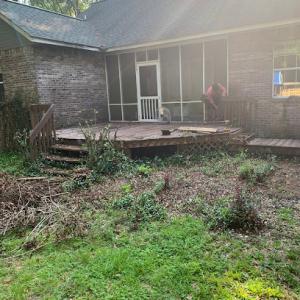
Helping Hand Home Improvements
(601) 451-8100 www.helpinghandroofingandconstruction.com
Petal, MS
4.8 from 54 reviews
If you wish to create the space of your dreams in Hattiesburg, MS, we can help! At Helping Hand Roofing & Construction, we specialize in a wide array of home improvement services, including roofing, drywall, painting, carpentry, and minor electrical and plumbing. We have years of experience and a top-notch record of providing our clients with personalized attention. We take pride in our honest pricing and constant and transparent communication throughout the project. From quality craftsmanship to excellent customer support, our team is fully dedicated and committed to making your next project a success.
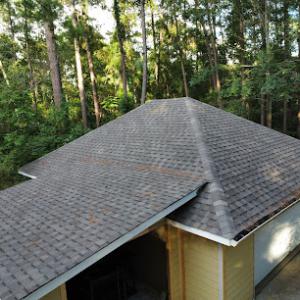
Quality & Precise Roofing
213 McGilvary Rd, Petal, Mississippi
5.0 from 6 reviews
Need a new roof or just a repair? Looking for a reliable, quality-focused roofing company? Our roof replacement and repair services can dramatically improve your home. Our skilled team provides meticulous, top-notch workmanship on every project. You can have complete confidence that your roof is being installed or repaired the right way, from start to finish.
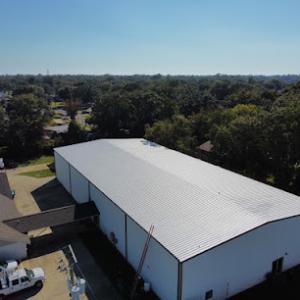
B & A Roofing & Gutters
(601) 520-3183 www.baroofings.com
Serving
5.0 from 356 reviews
We offer no obligation roof inspections and specialize in working with insurance companies on your claim. Our services include: commercial roof repair and replacements, residential roof repairs and replacements, commercial roof coatings, seamless gutter installation.

Best Choice Roofing
(601) 476-5661 bestchoiceroofing.com
Serving
4.8 from 211 reviews
Best Choice Roofing is your trusted roofing expert and the Best Choice when it comes to choosing a roofing company with a commitment to impeccable customer service. In business since 2009, Best Choice Roofing’s industry-leading contributions to the roofing industry include a customer-first mentality, a dedication to top-quality products and a leadership team focused on the growth of its people. Because of this framework, we have created a loyal base of customers all over the United States.
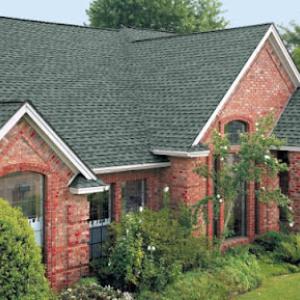
Titan Roofing
(601) 336-7856 www.titanontop.com
Serving
5.0 from 34 reviews
Titan Roofing was chosen as the #1 residential storm restoration company in the nation by Business Construction Review magazine in 2024 . With over 700 FIVE STAR reviews its easy to understand why Titan Roofing is the most requested storm restoration roofing company in the nation.
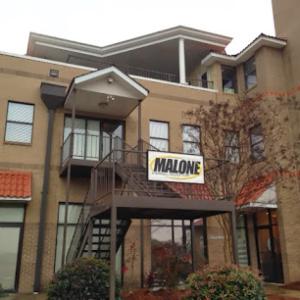
Malone Roofing & Metal Walls Hattiesburg Corporate Office
(601) 336-7008 www.ecmalone.com
Serving
5.0 from 21 reviews
Every day at Malone, we believe we exist to improve our community. We embrace technology, and empower our people to never settle for average, while striving to be better than we were yesterday. Malone brings beautiful products to clients in a timely manner, while using the highest quality materials, delivered with expertise workmanship. Through a transparent process, we protect people and the things that matter most. We began as roofers. We thrive as innovators. We are Malone. How can we serve you? At Malone Roofing Services, our mission is to perform for our customers the highest level of quality construction services, at fair and market competitive prices, while ensuring the longevity of our company through repeat/referral business.
Roof Maxx of Hattiesburg, MS
Serving
5.0 from 9 reviews
Roof Maxx® offers a revolutionary roof restoration service, providing an eco-friendly, cost-effective solution for extending your roof's life. Specializing in roof rejuvenation, our innovative treatment revitalizes aging shingles, ensuring they remain flexible and waterproof. Ideal for roofs over 7 years old, Roof Maxx's unique formula penetrates deep into shingles, restoring their original functionality. This process not only enhances roof durability but also postpones the need for expensive replacements. Our professional roof maintenance services further protect your investment, keeping your roof in top condition. Trust Roof Maxx for sustainable, efficient roofing solutions.
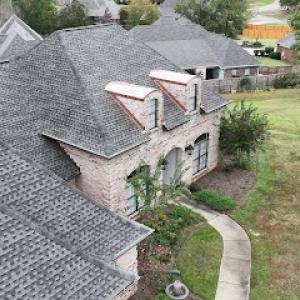
Elite Roofing & Gutters
(601) 843-9647 eliteroofer.com
Serving
5.0 from 14 reviews
Elite Roofing & Gutters provides reliable roof repair, roof replacement, and gutter installation services across Mississippi, with our main office located in Pearl, MS. Our certified roofing specialists handle storm damage, insurance claims, and full roof replacements for homes and businesses from Jackson to Hattiesburg and the Gulf Coast. Whether you need a small roof repair or complete replacement, we’re Mississippi’s trusted roofing experts — built on integrity, craftsmanship, and customer care. Call today for service across Mississippi.
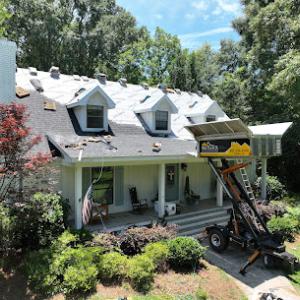
Matlock Roofing & Construction
(601) 620-4162 matlockconstruction.com
Serving
5.0 from 168 reviews
When you have a roof leak or storm related roof damage you need a local roofing contractor you can trust. Matlock Roofing & Construction has been a trusted Hattiesburg MS roofer for nearly 20-years. With services like roof repair, new residential roof replacement, commercial roofing, leaky skylight repair and replacement, Matlock Roofing wants to be your go-to Hattiesburg, and Purvis MS roofing company. At Matlock Roofing & Construction our #1 goal is customer experience. Matlock Roofing always puts customers first. Call CertainTeed Select Shingle Master roofing contractor, Matlock Roofing & Construction, today if you have a roof leak or need a new roof on your home anywhere in greater Hattiesburg MS.
Pro-Shield Roofing & Construction
(601) 265-1790 pro-shieldroofs.com
Serving
5.0 from 7 reviews
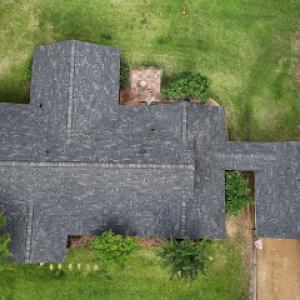
Come to Us for All of Your Roofing Needs We are your committed roofing contractor in Hattiesburg, MS Roof repair or replacement can be a big job-you need a roofer you can trust to handle it properly. Count on Pro-Shield Roofing & Construction, LLC to provide top-notch roofing service. With many years of experience and a family history of roofing, we offer expert roofing service to residential and commercial property owners. From small fixes to large roofing revamps, Pro-Shield Roofing & Construction can tackle any job. We also offer a number of exterior repair services. Rely on a licensed and insured roofing contractor in Hattiesburg, MS for your every roofing and home repair need. Call us now to schedule an appointment for service.
River Oaks Roofing
(601) 340-9361 riveroaksconstructionms.com
Serving
4.6 from 32 reviews
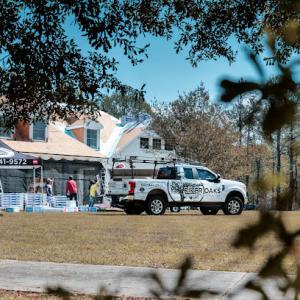
River Oaks Roofing remains to be one of the most reputable roofing contractors in the South East corner of Mississippi. We handle the three major roofing services, retail roof replacements, roof repair services, and storm damage restoration claims. As a GAF Master Elite certified contractor, River Oaks Roofing is able to provide Mississippi homeowners with the best warranty options to make your next roof your last!
Gable Roofing
(601) 909-4004 www.gableroofing.net
Serving
4.9 from 76 reviews
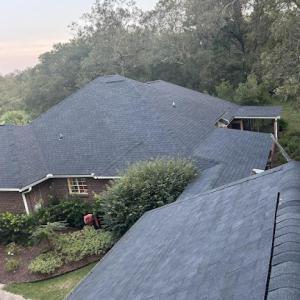
Gable Roofing: Your Trusted Experts for Roofing and Gutter Services in South Mississippi
The combination of Petal's hot, humid summers and persistent moisture load accelerates roof aging through a steady dose of UV exposure plus repeated damp cycles. Shingles that sit in full sun for long hours will fade faster, edges curl sooner, and granules can shed more quickly when paired with high humidity. In practice, expect faster aging on south- and west-facing slopes and around skylights or vents where heat concentrates. This isn't just cosmetic: aged shingles lose insulating value and become more susceptible to wind uplift during the region's frequent afternoon storms. A practical response is to schedule a mid-life check on the roof's surface-look for brittleness, curling edges, and granule loss after a harsh summer and before the next storm season.
The local permit inspection process specifically checks ventilation, which matters more in Petal because trapped attic heat and humidity can shorten roof life. Poor attic ventilation pairs with the Pine Belt's humidity to create condensation that sits on sheathing and joints, inviting mold and accelerated wood deterioration. If the attic feels warm or humid on a sunny day, that's a sign ventilation could be undersized or poorly vented. In responders' terms, a well-ventilated attic helps slow the wearing of roof components by reducing daytime heat buildup that can warp decking and dry out fasteners at an uneven rate. A simple, practical step is to verify there are adequate soffit vents balanced with ridge or turbine vents, plus an insulated, properly sealed attic hatch or door to minimize heat ingress during the hottest months.
Moisture-heavy conditions in the Pine Belt make flashing details and drying windows more critical than in drier Mississippi markets. When storms hit, flashing around chimneys, skylights, vents, and transition zones should be inspected for gaps, lifting, or corrosion. In Petal, where humidity can linger and leak paths may not be obvious from the attic side, flashing failures often show up as slow leaks that appear after several hours of rain or after a hail event that disturbs edge seals. The prudent approach is to treat flashing as a high-morbidity component: inspect, reseal with compatible sealants, and replace corroded or stretched metal promptly. Pay attention to the condition of end dams on valley sections and to any compromised step flashing that winds up under shingles, where moisture can travel unseen along the roof plane.
Storm damage claims in Petal hinge on how quickly a leak is detected and documented. Thunderstorms and hail can create micro-damages in granules, lifts, or shallow punctures that aren't immediately obvious but become noticeable after the next rain. Establish a rapid response routine: after a storm, perform a careful exterior and attic check for unusual damp spots, rising humidity in the attic, or drips along interior walls. If a leak is suspected, initiate a careful measurement of the affected area and note any staining, musty odors, or warped decking. A prompt assessment not only helps capture the extent of damage but also informs the inspection process about potential ventilation and flashing upgrades that might be necessary to prevent recurring issues.
Given the local climate, selecting roofing materials that tolerate heat, humidity, and moisture cycling is essential. Materials with robust flashing compatibility and good sealing systems perform better under Petal's conditions. When planning replacement, consider how UV exposure, trapped attic heat, and continuous moisture load interact with each material's aging profile. For example, lighter, reflective top layers can reduce heat gain, while a well-sealed underlayment and integrated flashing detail reduce moisture intrusion. In practice, pair a durable surface with a thoughtful attic ventilation plan and precise flashing workmanship to extend the roof's life in this climate.
In this climate, asphalt shingles and metal stand out as practical fits for steady performance through thunderstorm season and humid conditions. Asphalt shingles give you a straightforward, repair-friendly option that panels well with the typical Petal roof lines, and they tend to handle the rapid heat buildup of long southern afternoons when storms roll through. Metal roofing, meanwhile, offers excellent wind resistance and a cooler roof surface if you have attic ventilation dialed in. When you're choosing between these two, think about how your home sits on its lot: metal can shed rain and resist impact well, but it needs a solid deck and careful flashing details to keep interior spaces dry during heavy downpours. Asphalt may be more forgiving to install and repair on the fly, with readily available local service for hail-related denting or shingle delamination after a storm.
Clay tile, concrete tile, and slate bring distinct durability, but they require careful planning on replacement projects because of their weight. Heavier systems stress the underlying structure, so a full assessment of roof framing and, potentially, the ceiling layout becomes essential before installation. If you're upgrading to one of these materials, ensure the deck and rafter system can carry the load without compromising ventilation or attic air flow. In many cases, a structural retrofit accompanies a roof replacement to maintain long-term performance during periods of heavy rain and high humidity. For homes with limited attic access or older framing, consider whether a lighter-weight version or a reinforced support plan will keep the project within practical limits while still delivering the desired life span.
Cedar shakes face added moisture stress from the area's humidity and frequent rain, which can make upkeep more demanding than for non-wood systems. If cedar is on the radar, prepare for more frequent inspections of shake edges, nailing patterns, and the potential for mildew in shaded eaves. Cedar responds well to proper ventilation and a robust drip edge, but it benefits from a maintenance rhythm that prioritizes quick attention to any lift, split, or stain discoloration. In damp climates, wood systems often show the effects of repeated wet-dry cycles sooner than synthetic materials, so you'll want a plan for regular cleaning, resealing, and timely repair of any compromised sections to prevent faster deterioration.
Material choice should be weighed against thunderstorm exposure, heat buildup, and how well each system handles repeated wet-dry cycles. In practice, this means evaluating how flashing, venting, and ridge lines integrate with the chosen roof assembly. The fastest path to durable performance after a storm is a roof that pairs a solid deck with a shingle or metal outer layer that can shed water promptly and resist wind-driven impacts. For heavier systems, verify that the replacement plan includes reinforcement where needed so that heat and humidity don't amplify structural concerns over time. When storms slam through, a well-maired combination of ventilation, flashing quality, and appropriate materials will keep interior spaces drier with fewer nighttime drips and quicker leak response.
When planning a replacement, you'll see prices bounce around the typical Petal numbers: asphalt shingles usually run about 350 to 650 per square, metal 550 to 1100 per square, clay tile 900 to 1800 per square, concrete tile 800 to 1400 per square, slate 1500 to 3000 per square, and cedar shakes 700 to 1200 per square. These ranges reflect the town's mix of humid Pine Belt conditions and the need for durable flashing and vents that hold up to frequent storms. If you're replacing a whole roof on a mid-sized home, expect the project to land within these bands depending on material choice and labor availability.
Storms hit differently in Petal than they do in milder districts. After hail or strong winds, storm-driven demand spikes can push scheduling and labor pressure, especially when many homeowners file claims at once. In practical terms, this means you may face tighter windows and faster timelines for inspections, materials, and crew mobilization. It's wise to plan for a potential rush by lining up a responsive contractor early in the process, knowing that crew availability can tighten up in the days following a major storm.
Summer heat and afternoon thunderstorms routinely compress installation windows. Spring rainfall can also push crews to adjust staging, which can raise labor costs and complicate sequencing. To mitigate this, discuss an orderly pace with your contractor that prioritizes proper attic ventilation and high-quality flashing, which matter more in this climate than in milder regions. If you live in a hotter stretch, you may see crews staggering work hours to avoid peak heat, which can affect daily progress and price but improve long-term performance.
Don't let upfront costs delay a critical repair - these contractors offer payment plans to fit your budget.
Reliable Roofing & Construction
(601) 550-6286 www.reliableroofingms.com
Serving
4.8 from 22 reviews

A full roof replacement in Petal requires a permit through the Petal Building Department after filing. The process is designed to document storm-related damage and ensure the new roof meets local standards for ventilation and flashing. If a permit isn't pulled and the work isn't inspected as required, you can face delays, rework, and potential fines that complicate a fast repair after a hail or thunderstorm event. Plan your contractor's schedule with the permit timeline in mind, and keep copies of any damage photos and inspection requests handy for your records.
Inspections in this area aren't a one-and-done formality at project completion. Petal inspections occur during and after the roofing project, so expect a few review points rather than a single final sign-off. This means your contractor should build in bite-sized milestones: deck framing and ventilation checks early on, flashing and penetration work as they progress, and a final sweep after shingles or metal are installed. Staying aligned with the inspection cadence helps prevent last-minute surprises that can stall the project and expose the home to lingering moisture from storms.
The local focus centers on proper installation, ventilation, and flashing. Ventilation isn't ornamental here; it plays a central role in climate control and roof longevity amid Pine Belt humidity and frequent thunderstorms. Inspections will verify attic venting adequacy, ridge and soffit balance, and the absence of blocked or undersized vents. Flashing around chimneys, vents, and skylights must be continuous and properly sealed to resist wind-driven rain and hail. Contractors who map out sequencing to address these checkpoints reduce the risk of leaks and warranty disputes later.
Storm damage response in this market requires rapid, organized action. When hail or heavy thunderstorms strike, documentation matters for the permit path and potential insurance claims. Your contractor should forecast sequencing that aligns with inspection windows and ensures the roof deck is prepared before applying underlayment and final coverings. If a inspection note flags ventilation or flashing gaps, address them promptly rather than letting them linger into the next weather event. Delays here can compound damage and complicate permit compliance.
During the project, you may see adjustments to the plan as inspectors request refinements. Keep a clear line of communication with the contractor and your local building office, and be prepared for minor rework if a checkpoint highlights a deficiency. The goal is a sound installation that passes inspection at multiple stages, not a rush to finish before the next storm. A well-timed sequence that respects permit requirements and inspection priorities reduces risk and helps ensure the roof performs as intended under Petal's stormy climate.
In Petal's storm-active insurance environment, claim timelines are influenced by regional weather activity and adjuster volume after severe events. When a thunderstorm rolls through Pine Belt, expect a ripple of claims that slows response times and stretches the window for initial assessments. Photograph temporary leaks and obvious flashing failures promptly, but wait for daylight to capture clear images of damage to shingles, vent boots, and gutters. If you delay, a stubborn leak can escalate into hidden rot or attic moisture that complicates later repairs.
Homeowners in Petal should expect insurers to compare photo evidence, contractor estimates, and inspection findings when deciding between repair and full replacement. A well-documented claim shows the same issues noted by your roofer and the insurer's field inspector: gaps around flashing, hail pings on valleys, and ventilation concerns that affect a roof's longevity. Don't rely on a single photo or estimate; assemble a small, organized packet of images taken at multiple angles with dates, plus a written scope from your contractor that lists recommended materials and required repairs.
Because permits and inspections are part of full replacement work in Petal, keeping permit records and inspection results can support claim documentation. Store receipts, permit numbers, inspection reports, and any correspondence with the insurer in a single folder. When the adjuster visits, present the timeline of events, notes from storm days, and the evidence trail you've built. A careful, complete file can help avoid back-and-forth that delays permanent fixes and leaves you exposed to water damage during slow processing.
When a storm warning is issued, start a damage diary: note times, how rainfall enters, and any interior signs. Have a weather card, and photograph the roof at dawn after clear skies. These steps prevent gaps later.
In Petal's frequent thunderstorm cycles, the flashing around vents, chimneys, and transitions must be treated as a first-line defense. Local inspectors look closely at flashing on replacement jobs, and a minor misstep now can become a detergent of leaks after the next round of storms. When you talk with a roofer, insist on a continuous, integrated flashing system that seals every joint and corner, with properly sealed step and counter flashing where experienced leaks tend to start. Ask for confirmation that the roof-to-wall transitions are fully integrated with ground drainage to prevent water backflow into the attic.
Skylight penetrations are especially vulnerable during heavy rain events, where quick-moving storms expose weak seals fast. If a skylight is already showing minor seepage or condensation around the flange, plan for a thorough reseal or even replacement during a re-roofing window. Ensure the flashing around the skylight is integrated with a continuous deck seal, and choose a flashing detail that sheds water away from the pan rather than toward it. A properly sized curb and high-quality sealant with a compatible polymer won't just stop current leaks but reduce future vulnerability.
Moisture-rich air in this climate makes small flashing defects more likely to become recurring leaks if not corrected during re-roofing. Inspectors expect a complete pass at all critical joints, including around vents, solar penetrations, and attic access hatches. Require the roofer to perform a full dry-in test for these areas, then add a secondary sealant layer on joints that show even minor imperfections. In the attic, check for damp insulation near any wall penetrations after a storm, and address any evidence of moisture quickly to prevent mold and further damage.
Find contractors experienced in skylight installation, flashing, and leak repairs to bring natural light into your home.

Watkins Construction & Roofing
(601) 871-6037 watkinsconstructioninc.com
Serving
4.9 from 76 reviews
Petal homeowners are hiring heavily for quick response, cleanup, and residential re-roofing support rather than purely price-driven crews. When a thunderstorm rolls through and hail accompanies it, the priority is getting roof damage documented, tarps applied, and a plan in motion before leaks multiply. Look for a contractor whose schedule shows rapid on-site assessments, clear communication about next steps, and a team that can stay with you from initial assessment through final utility and attic inspections. A fast response can prevent hidden water damage from turning into mold or insulation breakdown in humid Pine Belt conditions.
The local market shows strong emphasis on storm damage and insurance-claim assistance, so homeowners should verify whether a contractor can handle both field repairs and claim documentation. Ask explicit questions: can the contractor produce a professional damage report, photos, and written notes that align with your insurer's requirements? Do they understand the sequence from temporary mitigation to full replacement, and can they coordinate with adjusters? A contractor that can document the damage thoroughly helps prevent claim delays and miscommunications that cost you time and money when storms strike again.
Because only a smaller share of local providers signal manufacturer certification, licensing, or insurance in listings, Petal homeowners should verify credentials directly before signing. Request current proof of general liability and workers' compensation insurance, confirm active licenses, and ask for manufacturer certifications tied to the product you plan to install. If a contractor has limited documentation, press for a written commitment to obtain endorsements or provide a plan to obtain them within a reasonable timeframe. In the end, solid credentials protect you and your home after a storm, not just the initial price tag.
Low-slope roofing is a secondary niche in Petal rather than the dominant residential roof type, but it matters for additions, porches, and some mixed-use properties. In practice, these roof areas often sit at a slow drip angle, which means everyday rain and storm-driven moisture can linger longer than on steeper sections. This makes layout choices, edge detailing, and integration with adjoined surfaces more critical. When evaluating a low-slope retrofit or new install, focus on a system that emphasizes continuous drainage paths, well-sealed transitions, and an approach that anticipates future patchwork where roof planes meet walls, parapets, or deck interfaces.
Petal's heat and moisture amplify the need for robust drainage performance on low-slope sections during repeated storm cycles. A key practical consideration is ensuring that any new build-out or replacement uses a surface that directs water toward proper outlets without creating slow-moving pools. Practical decisions include selecting membranes or coatings with proven ponding resistance, designing for adequate slope where feasible, and reinforcing edge details to prevent fast-moving leaks from wind-driven rain. In a porch or accessory structure, pay special attention to transitions where flashing meets seams and to flashings at penetrations such as vents, skylights, or HVAC equipment. Regular inspection after heavy storms can help catch minor edge failures before they become leaks.
Roof coatings appear in the local market as a limited specialty rather than a citywide default replacement strategy. Coatings can be a sensible temporary or transitional solution on low-slope areas, especially for additions or structures with budget-conscious timelines. When considering coatings, aim for products with proven flexibility, good UV resistance, and strong adhesion to the current substrate. Pay particular attention to surface prep, including cleaning and flatness, because the longer-term performance hinges on a sound bond. Coatings are most effective as part of a targeted plan that includes ongoing maintenance, timely reapplications, and documentation of storm-related damage to support any warranty or claim considerations. In all applications, ensure coating choice aligns with the underlying roof type and any existing insulation or venting strategy to avoid trapping moisture.
Find specialists in TPO, EPDM, and built-up flat roofing systems for residential and commercial properties.
Malone Roofing & Metal Walls Hattiesburg Corporate Office
(601) 336-7008 www.ecmalone.com
Serving
5.0 from 21 reviews
Reliable Roofing & Construction
(601) 550-6286 www.reliableroofingms.com
Serving
4.8 from 22 reviews