
Last updated: Apr 19, 2026
Elkhorn sits in the Omaha-area hail belt where spring storms regularly trigger concentrated roof claim activity and fast contractor demand spikes. That reality means a storm around your neighborhood can push contractors into town with rapid timelines and high-pressure pitches. When hail dents metal, punctures shingles, or loosens granules, the damage isn't always obvious from the ground. A quick exposure check after a breeze-driven storm can miss shallow bruising that undermines long-term performance. You need to treat any significant hail event as a potential roofing incident with lasting consequences, not a surface cosmetic issue.
Nebraska insurers commonly expect photo sets, roof age records, and prior-damage history because hail-related roof claims are routine in this region. Gather images taken from multiple angles: close-ups of impact points, surrounding wear, and the overall roof line. Include gutters and downspouts, since water pathways can reflect damage beyond the roof plane. Keep a dated log of every hail event and any visible changes in your roof's appearance over time. For age records, pull vendor invoices, previous insurance claims, and any warranties tied to the roof system. If you have prior roof disclosures or service reports, assemble them in a straightforward file. Present this information promptly to avoid delaying the adjuster's assessment, and be ready to provide copies to any contractor you're considering.
Late spring into early summer is the key local decision window because homeowners are often balancing fresh storm damage, adjuster availability, and the best replacement weather before peak summer heat. The first weeks after a hail event tend to see the busiest contractor activity and longer wait times for inspections. If you wait too long, weather can worsen underlying damage, and a delayed claim can complicate warranty and coverage expectations. Plan to initiate the claim and scheduling process as soon as practical while ensuring you have the necessary documentation in hand. Weather patterns in this area can swing quickly, turning a favorable install window into a rushed, high-stress sprint. Coordinating a controlled timeline with your insurer, adjuster, and a trusted local contractor helps you preserve value and minimize risk.
Expect a tight supply of skilled crews during peak season. Your role is to create clarity: photographically document the damage, present a concise claim narrative, and supply the insurer with verifiable roof age and history. When the adjuster arrives, guide the conversation toward manifest damage and documented evidence rather than estimates alone. If a contractor tries to push an accelerated schedule, request a written plan with milestones and weather contingencies. A well-documented file reduces back-and-forth, speeds approval, and aligns the project with the best possible installation conditions within the local climate realities. You have to act decisively, but with careful record-keeping, you can protect your home and your wallet through the Elkhorn spring storm cycle.

Turtle Roofing
(402) 788-4702 turtleroofing.com
1715 N 203rd St, Elkhorn, Nebraska
4.9 from 321 reviews
Turtle Roofing is a family-owned premium exteriors insurance contractor, proudly serving communities across Nebraska and Iowa for more than a decade. We specialize in Roofing, Siding, Gutters, storm restoration, and the insurance claim process. We pride ourselves in helping homeowners protect their biggest investment, their home. With over 2,000 completed projects, an A+ BBB rating, and hundreds of 5-star reviews, Turtle Roofing stands out as your reliable partner before and after the storm. We bring peace of mind through thorough inspections, expert guidance, and exceptional service, living out our promise of “Protecting Your Shell.” Whether it’s a full exterior makeover or urgent storm repairs, you know a guy—Turtle Roofing.

Anderson Roofing
(402) 253-0499 andersonroofingne.com
4420 S 228th Plaza, Elkhorn, Nebraska
4.9 from 88 reviews
Anderson Roofing provides roofing, siding, gutters & painting to the Elkhorn, NE area.
Husker Hammer Siding, Windows & Roofing
(402) 894-9525 www.huskerhammer.com
1406 Veterans Dr, Elkhorn, Nebraska
4.7 from 244 reviews
Husker Hammer Siding, Windows & Roofing has proudly served the Omaha, NE area for over 25 years. With 200+ five-star reviews, we are known for quality and service. We specialize in exterior renovations for homes and businesses. Our services include roof installations, roof repairs, roof replacement, hail damage repair, and wind damage repair. We also offer siding, gutters, and window replacements. Our team is experienced and dedicated to excellence. We proudly serve Omaha, Papillion, Gretna, Elkhorn, Bennington, and surrounding areas. Let us protect and improve your property with expert care.
Absolute Roofing
1710 N 203rd St, Elkhorn, Nebraska
4.6 from 49 reviews
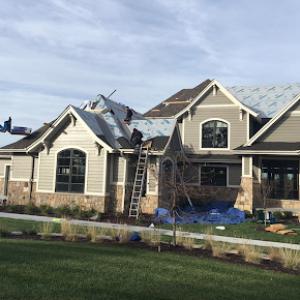
Absolute Roofing is a local company you can trust. You don't care about our licenses or how many awards we've won. What you care about is if we'll respond to calls, know how to navigate the insurance process, are knowledgeable about roofing options, show up on time, do what we said we would, and clean up our mess with as little disruption to your life as possible. Above all, we will always do the right thing no matter the cost. Give us a call today and let us know how we can serve you!

Emerson Enterprises Unlimited
(402) 799-4449 emersonpros.com
1507 N 203rd St, Elkhorn, Nebraska
4.7 from 31 reviews
Emerson Enterprises Unlimited is a trusted roofing contractor in Elkhorn, NE, specializing in roof replacements and repairs. With Nebraska’s severe storms, hail, and strong winds, maintaining a durable roof is essential to protecting your home. Our team provides expert roof replacement and repair services designed to improve energy efficiency, safeguard against weather damage, and enhance curb appeal. At Emerson Enterprises Unlimited, we deliver professional service and dependable results homeowners can count on. For reliable roofing in Elkhorn, choose our experienced roofers for quality craftsmanship and long-lasting protection.

Midwest Restorations
(402) 550-8199 www.midwestrestorationsinc.com
2018 N 204th St Suite 106, Elkhorn, Nebraska
3.2 from 45 reviews
Established in 2004, Midwest Restorations is a roofing and general contractor serving Nebraska, Iowa, and Missouri and the surrounding areas. We specialize in restoring and repairing roofs, siding, gutters and downspouts ensuring the longevity and integrity of your property. We have over 20 years in insurance negotiations and settlements on behalf of our customers.
TDH Contracting
(402) 539-5950 www.tdhcontracting.com
Serving
4.6 from 70 reviews
TDH Contracting is a full-service exterior contractor based in Waterloo, NE, providing quality roofing and siding installation. They help homeowners and businesses restore their properties after storm damage by working closely with insurance providers to simplify the claims process. Their team handles everything from inspections to installation, offering reliable support throughout each project. With a focus on quality materials and dependable service, they take pride in delivering strong results and clear communication. Whether it's a new roof, updated siding, or storm restoration, they bring the tools and experience to get the job done right. TDH Contracting serves communities across Nebraska, Iowa, and Florida.

D&M Roofing & Siding
(402) 289-4776 dandmroofing.com
Serving
4.7 from 76 reviews
D&M Roofing and Siding, Omaha’s leading roofing contractor, brings over 50 years of experience in top-quality roofing, gutters, and siding for both residential and commercial projects. Our certified team excels in roof repair, replacement, and maintenance across Omaha, NE, and beyond, covering up to 100 miles outside the city. Renowned for our efficiency, reliability, and dedication to customer satisfaction, we ensure every project, big or small, receives unparalleled service. Trust us to be your partner in safeguarding your property.
Jim White Contracting
(402) 637-6599 jimwhitecontracting.com
Serving
5.0 from 31 reviews
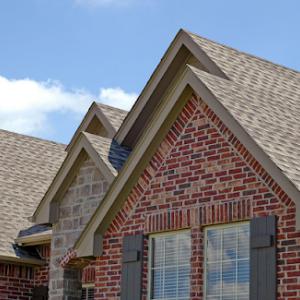
Combining years of experience with a dedication to client satisfaction, Jim White Contracting has established itself as the local leader in Roofing, Siding and Gutters.

Roofer Mike's Roofing & Roof Repair Omaha
Serving
4.9 from 87 reviews
OMAHA'S OLDEST, MOST TRUSTED ROOFER! Searching? Roofing, Roof Repair, Roofers Near Me (CALL NOW!) (ROOFER MIKE'S) Roofing & Roof Repair Omaha, NE. Your (TRUSTED OMAHA ROOFER SINCE 1972) & The #1 Roofing Company In Omaha, Elkhorn, Millard, Ralston, Chalco, Gretna & Bennington, NE. (ROOFER MIKE'S) First Roof Repair Was On His Grandmother's Home In West Omaha In 1972. Roofing Omaha, NE. - (OVER 50+ YEARS!) STORM DAMAGE? (HAIL/WIND DAMAGE?) (ROOF LEAKS?) (INSURANCE CLAIM?) (CALL!) (ROOFER MIKE!) & (GET IT DONE RIGHT!) Roof Replacement, Roof Installation, ROOF REPAIR, Metal Roofing, Affordable Roofing, Commercial Roofing, Vinyl Siding, Siding Repair, Gutters. (FREE!) ROOF INSPECTION, Estimates & The #1 Roofing Contractors In Omaha, NE.

Integrity Roofing
(402) 715-9562 www.integrityomaha.com
Serving
5.0 from 35 reviews
Welcome to Integrity Roofing, your trusted roofing, siding, and gutter experts serving Omaha, NE, and surrounding areas. With over 20 years of experience, we specialize in residential and commercial roofing solutions, handling projects of any size with unmatched professionalism. From roof repairs and full replacements to siding installation and gutter services, our team of skilled contractors ensures every job is completed efficiently and with superior quality. No project is too big or too small – we bring the expertise, manpower, and dedication to protect your home or business.
Pinnacle Roofing
(402) 518-5456 www.pinnacleroofs.net
Serving
5.0 from 76 reviews
Pinnacle Roofing is a locally owned roofing company based in Omaha, Nebraska, specializing in both residential and commercial roofing solutions. With deep industry expertise, they bring a commitment to quality, backed by years of hands-on experience and advanced construction knowledge. As a leading roofing company Omaha property owners trust, they offer comprehensive services, including roof installation, repair, inspections, gutters, siding, and storm damage restoration. Pinnacle Roofing is dedicated to delivering strong craftsmanship and attentive customer care for homeowners and businesses. Contact us today to discuss your roofing needs.
Spring hail in this area can strike suddenly after storms crossing the Platte River corridor, and freeze-thaw cycles stress roofs through winter. In Elkhorn, the typical pitched suburban roof stock dominates new and replacement projects, so materials that fit that profile perform most predictably. Asphalt shingles have become the go-to for reroofing because they align with the common roof shapes and are easier to replace after storm losses than heavier premium systems. When hail is forecast, you'll notice local crews prioritizing quick, reliable installations that restore protection without overly altering the home's look. For homeowners who want something tougher against hail and snow, metal roofing presents a meaningful option, but details matter-wind can expose weak trim and fastener work if those components aren't addressed during installation.
Asphalt shingles remain the most practical choice for Elkhorn's roof lines and storm realities. They're easier to repair after hail impacts, which matters after a demanding spring, and color and texture choices let the restoration blend with existing neighborhoods without bitterness from a mismatch. If you expect frequent hail events, you'll appreciate how straightforward the underlayment and shingle overlays are to inspect and repair. A proper installation plan should address edge flashing, valley detailing, and correct nailing patterns to ensure wind resilience, especially on exposed gables and long runs where Nebraska winds tend to rotate and lift. In this setting, a robust underlayment remains a quiet ally, reducing the chance of moisture seepage during the thaws that follow hailstorms.
Metal roofing offers notable benefits for impact resistance and snow shedding, which can reduce ice damming and shingle blow-off risks after hail. In practice, the performance hinges on precise detailing: full-length panels, tight panel seams,purposeful fastener schedules, and a solid seam seal. Wind events can expose gaps if trim, drip edges, and rake details aren't secure. From a homeowner's standpoint, metal can be a sound long-term investment if the installation includes reinforced trim around vent pipes, skylights, and roof-to-wall connections. In Elkhorn's climate, metal shines where snow pulls into the eaves and hammers edge protection, but the finish should be chosen for local temperature swings to avoid expansion-related fastener loosening over time.
Clay tile, concrete tile, synthetic products, and slate are available in this market, but Elkhorn's hail exposure and winter freeze-thaw cycles make crack detection, underlayment quality, and structural suitability especially important. Clay and concrete tiles distribute weight differently and can crack under hail impact, which shifts the emphasis to the roof deck's integrity and a resilient underlayment system. Synthetic shingles and slate offer lighter options and distinct aesthetics; however, synthetic products still rely on proper backing and installation to hold up in fluctuating Nebraska temperatures. Slate delivers elegance and long life but demands a solid deck, precise fasteners, and competent detailing around transitions to prevent crack propagation and water intrusion after freeze-thaw cycles. If choosing any premium system, scrutinize the area's wind ratings, the alignment with existing roof geometry, and the professional's plan for rapid hail-season inspections and timely repairs.
When spring storms roll in, start with a rapid exterior inspection after any hail event: check for cracking, loose fasteners, and edge failures; verify flashing around chimneys and vents; and ensure gutters and downspouts aren't obstructed to prevent water back-up. If a replacement is underway, confirm that the chosen system's underlayment quality aligns with Nebraska's moisture cycles and that deck integrity has been evaluated for the load and wind demands. For any roof type, insist on comprehensive wind-driven rain testing and install detailing that accounts for future hail risks and freeze-thaw stress. In all cases, the right combination of material choice, precise installation, and proactive maintenance keeps your home protected through Elkhorn's spring and winter transitions.
Because Elkhorn is within Omaha, homeowners typically deal with Omaha's permitting and inspection process rather than a separate standalone Elkhorn building department. This means your reroof project will thread through Omaha's city system, which standardizes how projects are opened, tracked, and closed. The permit process helps ensure that the reroof aligns with local safety codes and neighborhood standards, especially after spring hail events that can drive a high volume of reroof activity. Understanding that framework ahead of time helps avoid delays and keeps work moving through the seasonal window when the sun cooperates and weather windows permit, particularly after damaging hailstorms along the Platte River corridor.
A full reroof typically requires a permit, and plan review commonly focuses on roofing material, underlayment, and ventilation details before work proceeds. In practice, this means you should have a clear drawing or description of the proposed roof assembly, including the shingle or panel type, underlayment thickness and type, and attic ventilation strategy. Hail-damaged homes may reveal underlayment or decking concerns that need documentation, so photographs of the roof before work begins can help the plan reviewer understand the existing conditions. If the roofline includes complex venting, turbines, or attic spaces with unique moisture control needs, be prepared to show how those details will stay compliant with Omaha's code expectations. The review process tends to favor installations that demonstrate durable weather resistance and proper attic ventilation to avoid future moisture issues, which are a common aftereffect of heavy spring storms.
Inspections are commonly tied to the permit and may occur during and after the job, with corrections sometimes required before final approval if installation details do not match approved scope. Expect at least an initial inspection once sheathing or underlayment is installed, another check mid-project to verify alignment with the approved plan, and a final inspection after the roof finish is installed. If hail damage was used to justify the reroof, inspectors may look for evidence that the chosen materials and underlayment choices address wind uplift and impact resistance appropriate for Elkhorn's climate. In some cases, weather-related contingencies can trigger temporary holds or re-inspection scheduling, so keeping an open line of communication with the inspector helps avoid delays.
Spring hail season creates a fluctuating workload for contractors and inspectors. Because inspections are tied to the permit, coordination with the city is essential to avoid backlogs during peak activity. Plan ahead to secure the permit before roof replacement starts, but also align the project timeline with favorable weather windows to minimize wind and rain exposure that can complicate underlayment installation or decking repairs. If hail damage prompted the reroof, ensure documentation exhibits that the repair scope has been fully captured in the permit package to prevent scope disputes later in the process. Staying compliant with Omaha's inspection cadence supports a smoother final approval and reduces the chance of rework after the crew finishes the install.
Local pricing can jump after major spring hail events because Omaha-area crews get booked quickly and storm-driven demand compresses scheduling. In practice that means you should expect some volatility in the first few weeks after a hailstorm, especially for homeowners pursuing full reroofs. If your roof is a typical detached-home size with a steep slope, the premium for rushed timelines, extra material handling, and smaller crews on tight targets can push bids higher than earlier estimates. planning ahead for a storm-season window helps avoid sticker shock.
Elkhorn's housing stock leans residential and reroof-focused, so costs are often influenced by detached-home roof size, garage tie-ins, and the steep-sloped suburban rooflines common in newer subdivisions. A larger roof with a garage-to-house tie-in tends to elevate labor time and waste disposal, even before material selection. If the roof is heavily pitched, expect the contractor to allocate more crew hours to safety gear, equipment setup, and staging. In quadratic terms, more surface area and steeper angles translate into higher square counts and more complete tear-offs, which translates to higher overall costs.
Premium materials such as tile, synthetic, metal, and slate can cost more locally not just for material itself but for specialized labor, heavier tear-off handling, and stricter installation review on full reroofs. In practice, a metal or tile installation will show higher per-square pricing than asphalt shingles, even before storm-driven demand is factored in. Expect additional charges for heavier debris removal and potential roof-to-garage tie-ins when premium products are chosen. If storm damage necessitates a full reroof, the price delta from premium materials can be meaningful, especially when the job requires careful detailing at hips, valleys, and penetrations.
If hail damage is suspected, it's wise to document the roof state quickly and compare multiple bids within a narrow window, so scheduling remains feasible without sacrificing workmanship. When storm season ramps up, aim to secure a start date within two to four weeks of choosing a contractor, and build in a buffer for weather days and material lead times. For larger, steeper roofs, plan for extended project duration and potential staging of crews to maintain safety and quality while meeting realistic timelines.
Get a clear picture of your project costs upfront - no commitment required.



Nebraska's characteristic freeze-thaw cycles can expose the roof to gradual damage long after a hail bruise. Small sealant failures or lifted shingle edges may seem insignificant in late fall, but once subfreezing nights return, those micro-failures become channels for moisture. In Elkhorn homes with asphalt or composition shingles, the daily expansion and contraction can aggravate those weak spots, turning a quiet winter into a slow leak scenario. The more bruising the roof sustained during spring hail, the more vigilance is needed as temperatures drop. A careful inspection after the first hard freeze can catch edge lifts and sealant cracks before they become visible interior leaks.
The eastern Nebraska summer brings hot attic temperatures that stress roofing assemblies from the inside out. If attic ventilation is insufficient or the underlayment has aged poorly, hot air can push through and reveal hidden vulnerabilities in the roof deck or around penetrations. This is especially true on homes with shallow attic space or limited soffit intake. In those cases, the combination of heat and existing damage from hail can accelerate deterioration, leading to warped nail heads, curled edges, and degraded sealant points. Ensuring a well-ventilated attic and a robust underlayment helps keep the roof system together through midsummer heat surges.
Autumn brings windy days that unload loose branches and pine needles onto exposed slopes and valleys. Debris accumulation browns and abrades shingles, especially along the edges and in valleys where water concentrates. These conditions press exposed areas into early wear before winter moisture returns. In Elkhorn, a straightforward sweep of valleys, ridges, and gutters after autumn storms reduces the risk of accelerated deterioration. Keeping debris cleared helps prevent accelerated wear on vulnerable seams and transition points, which otherwise could become failure points when winter moisture arrives.
Find contractors experienced in skylight installation, flashing, and leak repairs to bring natural light into your home.
The local contractor field is heavily oriented toward storm damage, insurance claims, and reroofing rather than highly specialized roof niches, reflecting what homeowners most often need after a hail event. You will notice many crews advertising quick turnarounds, tarping, and debris cleanup as standard service. When selecting a contractor, look for a team with a track record handling insurance paperwork, scope docs, and rapid inspections so you're not left waiting through a long storm aftermath.
Quick response and cleanup are especially visible market expectations because hail events can leave neighborhoods needing tarping, debris removal, and rapid inspections at the same time. Ask for an on-site assessment within 24 to 48 hours after an event and confirm how the crew prioritizes temporary measures, moisture mitigation, and site safety. A reliable contractor will outline a focused plan for immediate protection, followed by a clear path to permanent repair.
Long-established, locally owned, and family-run firms stand out in this market because homeowners often want continuity when warranty questions or supplemental insurance paperwork arise after a storm season. Favor companies with referable local roots, clear warranties, and a dedicated point of contact who can be reached during busy weeks. These firms tend to coordinate more smoothly with Omaha's building practice cadence and neighborhood expectations.
Begin by checking local references and recent storm-related projects in neighborhoods similar to yours. Confirm the contractor's process for documenting hail damage, presenting a line-item repair plan, and coordinating with an insurer's adjuster. Ensure the team assigns you a project manager who will communicate milestones, expected timelines, and any changes due to weather. In a market where responsiveness matters, you want a partner who communicates promptly and follows through on commitments.
In this fast-growing corner of west Omaha, spring hail outbreaks are part of the rhythm. Adjusters in this region tend to be especially active after a hail season, scrutinizing every detail of a roof replacement. The emphasis is on credible documentation that ties damage to the storm event, not to normal wear. Your file should be organized, dated, and easy to review, with clear ties to the specific hail episode that prompted the claim.
Insurers in this region often scrutinize wind and impact resistance when evaluating replacement roofs. This makes selecting a shingle or metal product with proven wind and impact performance more consequential, and it places a premium on installation proof. Record the exact product type, manufacturer, model, and any wind-rated or impact-rated certifications. Photos should show product labeling, underlayment, and fastener patterns, along with the roof's overall condition prior to and immediately after the hail event.
Keeping dated photos, installation records, and evidence of prior repairs is particularly important locally because repeated storm exposure can complicate causation disputes. Start with a clear before-and-after photo sequence: establish the roof line, gutters, and vents in calm light; then capture close-ups of dented shingles, granule loss, and hail hits on metal edges or flashing. Save purchase receipts, contractor invoices, and warranty documents, and preserve any prior repair bids or notes from past advisories. A concise narrative tying the weather event to observed damage helps the adjuster follow your chronology.
The challenge in Elkhorn often involves proving that the observed damage happened during the most recent storm and not from older wear. Document weather data from nearby stations or utilities that align with the claim date. Maintain a simple damage log that lists dates, observed symptoms, and any intermediate repairs. If a prior repair occurred, capture how it relates to current conditions and whether it influenced the roof's performance under the latest hail exposure.
Create a dedicated claims folder-physical or digital-containing the claim number, adjuster contact details, and progress notes. Use a consistent naming convention for photos and scans, and back up files in multiple locations. When talking with insurers, reference specific hail events by date, wind gusts, and observed damage markers, and tie each item back to the corresponding photo or receipt. This disciplined approach helps navigate the spring storm season with less friction.