
Last updated: Apr 19, 2026
Fremont sits in eastern Nebraska where hail and wind events are a major driver of roof damage claims and replacement decisions. The Platte River valley can funnel sudden wind gusts and hail streaks that beat down on asphalt shingles, metal roofs, and tile alike. When a storm hits, claim windows open quickly and insurers will expect documentation that shows what the roof looked like before the loss and what it looks like after. Home owners should stay alert during storm seasons-late spring and early summer often bring the sharp, high-energy hail that leaves pockmarks, bruising, and lifted edges. In neighborhoods with mixed materials-seasoned asphalt, mid-century metal, and clay or concrete tile-the damage patterns can vary block by block, so a precise, step-by-step reporting is crucial.
Spring hail season in Fremont can force homeowners to schedule post-installation touch-ups or follow-up inspections soon after a roof is completed. Even when a roof survives the initial impact, hail can reveal hidden damage as temperatures shift and sun pulls at fasteners. A common scenario is a completed replacement that looks fine at first glance, then shows granule loss, micro-cracking, or wind-lift along edges after the first major wind event. Schedule a proactive inspection within 2-4 weeks of spring hail to catch issues early, align with insurer expectations, and avoid disputes about pre-existing conditions. If a storm arrives right after a project, coordinate with the contractor to document the finished work comprehensively: photo timelines, a note set detailing materials used, and a post-install quality review that can stand up to scrutiny during a claim.
Insurers in this Nebraska market commonly ask for photo documentation and contractor notes showing pre-loss and post-loss roof conditions. In practical terms, that means you should have clear images of the entire roof from multiple angles before any damage occurs, plus high-resolution photos taken after a storm with timestamps. Contractor notes should record observed damage type (granule loss, hail impact marks, lifted shingles, damaged flashing), the roof area affected, and any recommended temporary protections if weather is unsettled. Keep a simple, dated file that pairs event photos with a written summary of findings from a licensed contractor. When a claim is filed, this organized evidence can streamline the process and reduce back-and-forth, especially if a subsequent inspection is needed to verify that pre-loss conditions were accurately documented.
Residential roofs in Fremont range from traditional asphalt shingle systems to metal roofing and occasional tile setups on newer or remodel homes. Hail often leaves pockmarks and bruising on shingles, with lifted tabs in wind-driven impacts. Metal roofs may show denting and edge-fastener disturbance, while clay or concrete tile roofs can exhibit cracked or displaced tiles with intermittent leaks. In each case, the first response should be to protect interior spaces and surrounding landscaping, then secure professional documentation. If a wind event comes through with thunder, hail, and rapid temperature swings, you may see a cascade of small leaks that worsen after a few warm days. Addressing these promptly can prevent more extensive roof and living space damage.
Plan for a spring or early summer inspection window after a hail event, even if the roof looks fine at first glance. Assemble pre-loss photos of your roof and a basic contractor note set that covers material types, roof pitch, and visible vulnerabilities. After a hailstorm, document every affected area in detail and share that information with your insurer as part of the claim package. If you notice granular loss, lifted tabs, or unusual leaks, contact a local roofer promptly to perform a professional assessment and to prepare a fact-based post-loss report that supports your claim and protects your home in the most active storm seasons.
Fremont sits in a Platte River valley breeze corridor, so roofs contend with persistent wind that can lift shingles at the edges and stress flashing during the first few high-speed days after installation. When planning tear-offs or replacements, look closely at shingle sealing along the eave and rake edges. Use extra fasteners or confirm fastener patterns meet the manufacturer's wind resistance requirements for your chosen material. Pay attention to valley and hip intersections where gusts tend to exploit small gaps. On windy days, avoid sole reliance on temporary sealants; instead, confirm that underlayment and drip edge are fully secured before shingles are installed. A calm sequence matters: start at the protected side, then work toward the prevailing gust direction to minimize wind-driven debris getting under edges.
Warm, windy summers in this area can interrupt daytime roofing work, making spring or fall preferable replacement windows. Plan ahead for a handful of days with moderate temperatures and minimal gust spikes. If a job spans several days, schedule the more wind-sensitive steps (like securing ridge lines and completing drip edges) for mornings when winds typically dip, and reserve warmer afternoons for shingle set and sealant activation. In Fremont, late spring storms can arrive quickly; build buffer days into the schedule to accommodate sudden changes without leaving exposed edges or vulnerable penetrations overnight.
Autumn winds can complicate perimeter installation more than calm-season jobs. Focus on securing drip edge firmly along the eaves to resist lifting, and ensure the underlayment is properly lapped and fastened to resist wind-driven moisture. When installing the ridge cap, use a careful layering approach and confirm that each cap piece is anchored with enough fasteners to withstand gusts without slippage. Pay extra attention to corners and transitions where wind pressure concentrates. If metal edging or sealant is used at perimeter details, verify compatibility with cooler temperatures, as some materials lose flexibility in late-season air. Pre-bend or pre-fit complex edge pieces to minimize field adjustment in windy conditions.
Nebraska springs and falls bring rapid weather changes; track forecasts for potential hail events and wind gusts that can disrupt installation windows. Maintain a rolling plan that adapts to daily wind speeds, shifting tasks to sheltered areas when gusts exceed moderate thresholds. Keep debris cleanups tight so high winds don't carry loose materials into the yard, fences, or neighboring properties. Use physical barriers or tarps at edge lines to reduce wind-blown shingle fragments during intermediate stages. Clear communication with the crew about gust triggers helps keep the work sequence steady and reduces the risk of rework.
After a storm passes, inspect shaved edges, drip edges, and exposed fascia for lift or micro-tears. Winds can push debris under flashing tabs and along the rake if edges were not fully secured at the time of installation. Re-tighten any fasteners that have settled or loosened during the wind events and reseal vulnerable seams as needed. A precise, wind-aware handover between stages-edge sealing, flashing integrity, and ridge cap completion-ensures the roof holds up through Fremont's variable Platte Valley winds.
Asphalt shingles are a dominant choice in this area because they align with the typical mid-sized, budget-conscious home stock found in Fremont. They offer reliable durability against the Nebraska hail season and the Platte Valley winds when paired with modern laminated options and proper underlayment. If you live in a home with standard attic ventilation and a conventional rafter system, asphalt shingles provide straightforward installation and predictable replacement cycles. When evaluating shingles for a hail-prone climate, look for higher impact resistance ratings and granule adhesion that can resist scouring from wind-driven hail. A key consideration is ensuring that the replacement roof matches the existing roof line, overhangs, and water drainage points so the system integrates with the house's drainage plan. In practice, you'll want a shingle with a robust warranty, a long-term color retention plan, and a manufacturer's guidance on wind uplift resistance that matches Fremont's typical wind gusts. Regular inspections after severe storms help catch dented or loosened tabs early, before leaks develop along eave edges or around flashings.
Metal roofing can be especially relevant in this market because it delivers strong performance against wind exposure and sheds snow and ice more effectively during Nebraska winters. If your home faces frequent gusts or belongs to a street corridor with higher wind shear, metal options-standing-seam or concealed-fastener systems-can offer superior resistance to uplift. Snow shedding helps reduce ice dam formation at eaves, which is a practical benefit when the temperature fluctuates around freezing and melts repeatedly. Metal roofs also tend to have longer service lives in harsh conditions, which aligns with homeowners seeking fewer maintenance cycles after hail events. The trade-off is that metal can be louder during heavy rain and may require additional insulation or sound-dampening measures. In terms of aesthetics, metal roofs can mimic the look of traditional shingles or tile, so you can preserve a neighborhood-appropriate appearance while upgrading performance. When planning a metal roof, ensure the design accommodates gutters, drainage, and any existing parapets or chimneys so water flows away cleanly and flashing integrates with the wall assemblies. Do not overlook the edge detailing; correct sealant and panel overlaps reduce wind-driven leaks in storm-heavy seasons.
Clay and concrete tile show up in some local material mixes, especially on homes with a more pronounced architectural statement or higher retrofit budgets. These tiles can perform well in dry periods and under normal weather, but their weight requires careful attention to structural load and a thoughtful assessment of the existing deck or rafters. Freeze-thaw durability matters here: in years with repeated freeze cycles, ensure the chosen tile type and underlayment are rated for freeze-thaw resistance and that fasteners are corrosion-proof and appropriately spaced to handle thermal movement. A tile roof can present a striking curb appeal, yet it demands precise installation to prevent water intrusion at hips, valleys, and around roof penetrations. If a tile roof is considered, plan on a thorough structural evaluation to confirm the support system can bear the added weight, and choose a system with a robust underlayment and ventilation strategy to mitigate moisture buildup in the attic. Regular maintenance should focus on broken or loose tiles after hail events, as even small gaps can become a pathway for water during spring thaws. In practice, owners with clay or concrete tiles benefit from proactive inspections following major hailstorms and a careful matching of tile profiles to maintain a cohesive, weather-resistant barrier.
In the Fremont area, asphalt shingles are the most common starting point for a re-roof, with cost ranges around $350 to $550 per square. If you're weighing upgrades, metal roofs sit higher, generally from $700 to $1100 per square, with longer-term durability and faster installation appeal in frequent wind days. Clay tile and concrete tile sit at the higher end, typically $900 to $1500 per square for clay and $800 to $1400 per square for concrete, driven by freight, weight considerations, and specialty installation. Wood shingles or shakes run roughly $600 to $1000 per square, offering a distinct look but requiring careful attention to ventilation and decay resistance in windy seasons. Synthetic or composite shingles fall in the middle, about $650 to $1100 per square, balancing modern resilience with familiar installation practices.
Storm-driven demand spikes in eastern Nebraska can push Fremont roofing schedules and pricing upward after hail and wind events. In the days and weeks following a major hailstorm, you may see higher labor costs, faster project starts, and limited material availability. If you're scheduling a replacement in or after a hail event, prepare for dry-in windows to be shorter and for subcontractor availability to tighten up. Communication with your contractor about expected delays and phased work is especially important during peak storm seasons.
Costs in Fremont are also influenced by the typical pitched residential roofline found in most neighborhoods, as well as weather delays tied to winter ice, summer heat, and windy installation days. A practical approach is to build a two-season plan: choose a window with safer weather-preferably dry, moderate days-while keeping a backup date in mind for late spring or early fall when temperatures are more forgiving and wind patterns stabilize. For asphalt shingles, expect a straightforward install that can proceed quickly on standard slopes, but any roof with less common pitches or surrounding obstacles may extend labor hours and raise the per-square cost modestly. For any higher-end material, coordinate sequencing with cleanup and disposal so that neighborhood streets stay clear during bulk debris removal, especially after hail events when debris volume can spike.
When you compare material options side by side, the decision often hinges on expected life, wind resilience, and heat exposure. Metal roofing offers robust performance against hail and wind but carries a premium per square. Clay and concrete tiles provide excellent longevity and a distinct aesthetic, yet weight, installation considerations, and climate compatibility can center your budgeting around the higher end of the ranges. Wood shingles deliver a classic appearance but demand proactive maintenance in sun and wind. Synthetic shingles give a compromise between cost and modern durability, appealing where true slate or clay isn't in the budget. In Fremont's climate, balancing initial cost with anticipated weather challenges and the likelihood of storm-driven scheduling is key to choosing the right option for your home.
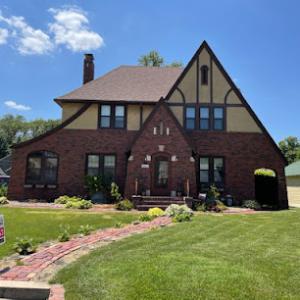
A&A Roofing & Exteriors Fremont, NE
5209 Oliver St, Fremont, Nebraska
4.8 from 96 reviews
ROOFING: With our experienced staff, your home or business’s exterior will be restored with the best materials. Each roof replacement, or repair is done with care and attention to detail. We provide comprehensive exterior services, including roof replacements and repairs for storm damage and leaks, and we specialize in researching and installing the highest-quality, hail and wind-resistant materials available. SIDING: A&A Roofing & Exteriors has been installing siding for over 15 years – we have the experience that delivers functionality, design, longevity, energy efficiency, and maintenance free products. WINDOWS: Let us help you select the perfect options to complement the architectural style of your home and your lifestyle.
Coates Gutters
(402) 720-6797 www.coatesgutters.com
1215 Co Rd X lot 23, Fremont, Nebraska
5.0 from 14 reviews
IN BUSINESS SINCE 2004, COATES GUTTERS SPECIALIZES IN THE DESIGN, INSTALLATION AND REPAIR OF BOTH RESIDENTIAL AND COMMERCIAL SEAMLESS GUTTER SYSTEMS. WE PROVIDE OUR CUSTOMERS WITH SUPERIOR SERVICE STARTING THE MOMENT YOU CONTACT OUR OFFICE. OUR COMPETITORS MIGHT HAVE SIMILAR LOOKING PRODUCTS, BUT NO ONE COMES CLOSE TO OUR LEVEL OF CUSTOMER SATISFACTION, QUALITY OF CRAFTSMANSHIP, AND THE KNOWLEDGE OF OUR STAFF. BECAUSE WE USE QUALITY CRAFTSMANSHIP AND USE ONLY THE BEST MATERIALS, A HOMEOWNER TYPICALLY WILL ONLY HAVE TO MAKE THE CHOICE TO PURCHASE GUTTERS FOR THEIR PROPERTY ONCE. THEREFORE, IT MAKES SENSE TO PLACE YOUR CONFIDENCE AND YOUR INVESTMENT WITH A RESPECTED, LOCAL COMPANY.
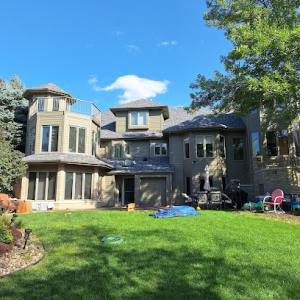
Miracle Roofing & Siding
(402) 352-6102 miracleroofingandsiding.com
1715 E Military Ave, Fremont, Nebraska
4.6 from 10 reviews
SINCE 2007 MIRACLE ROOFING AND SIDING WAS BUILT TO SERVE PEOPLE WITH RESPECT, HONESTY AND PROFESSIONALISM. WE ENSURE THAT EVERY HOMEOWNER WE WORK WITH RECEIVES THE BEST VALUE FOR THEIR INVESTMENT.

Magnum Builders
(402) 727-8539 www.magnumbldrs.com
310 E Cloverly Rd, Fremont, Nebraska
5.0 from 3 reviews
Magnum Builders, established since 1987, is a reputable and reliable roofing contractor servicing Fremont and its neighboring communities. With a commitment to quality and customer satisfaction, Magnum Builders has consistently provided comprehensive roofing solutions for commercial, industrial, and agricultural properties alike. Our skilled professionals are dedicated to utilizing the finest materials and advanced techniques to ensure durability and aesthetic appeal for every project undertaken.
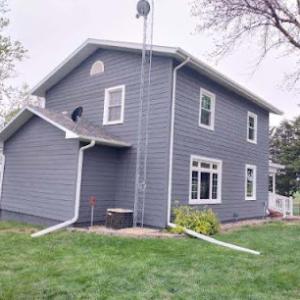
R & C Construction
(402) 664-3372 rncconstructionllc.com
2269 E 23rd St, Fremont, Nebraska
4.0 from 4 reviews
Since 2001, R & C Construction has been the trusted roofing contractor in Fremont, NE and nearby communities. Family-owned and locally operated, we deliver expert craftsmanship and responsive service for residential and commercial properties. From roof repair, replacement, and new installations to high-quality siding, gutters, and concrete work, our team brings meticulous attention to detail to every project. Whether you need asphalt shingle or metal roofing, durable siding that elevates curb appeal, seamless gutters that protect your structure, or concrete driveways, patios, and slabs, we provide tailored solutions built to last.
Lightning Exteriors
(888) 899-4245 lightning-exteriors.com
Serving
4.9 from 55 reviews
Lightning Exteriors is a provider of services for the repair and replacement of roofing, siding and gutters in the midwest states of Nebraska, Iowa and South Dakota. With 8 locations to serve you, we're able to handle storm damage or just a beautification of your home in no time. Think of us as your preferred Omaha, Nebraska roofing, siding and gutter contractor the next time you are in need of an exterior contractor.

D&M Roofing & Siding
(402) 289-4776 dandmroofing.com
Serving
4.7 from 76 reviews
D&M Roofing and Siding, Omaha’s leading roofing contractor, brings over 50 years of experience in top-quality roofing, gutters, and siding for both residential and commercial projects. Our certified team excels in roof repair, replacement, and maintenance across Omaha, NE, and beyond, covering up to 100 miles outside the city. Renowned for our efficiency, reliability, and dedication to customer satisfaction, we ensure every project, big or small, receives unparalleled service. Trust us to be your partner in safeguarding your property.

Turtle Roofing
(402) 788-4702 turtleroofing.com
Serving
4.9 from 321 reviews
Turtle Roofing is a family-owned premium exteriors insurance contractor, proudly serving communities across Nebraska and Iowa for more than a decade. We specialize in Roofing, Siding, Gutters, storm restoration, and the insurance claim process. We pride ourselves in helping homeowners protect their biggest investment, their home. With over 2,000 completed projects, an A+ BBB rating, and hundreds of 5-star reviews, Turtle Roofing stands out as your reliable partner before and after the storm. We bring peace of mind through thorough inspections, expert guidance, and exceptional service, living out our promise of “Protecting Your Shell.” Whether it’s a full exterior makeover or urgent storm repairs, you know a guy—Turtle Roofing.
TDH Contracting
(402) 539-5950 www.tdhcontracting.com
Serving
4.6 from 70 reviews
TDH Contracting is a full-service exterior contractor based in Waterloo, NE, providing quality roofing and siding installation. They help homeowners and businesses restore their properties after storm damage by working closely with insurance providers to simplify the claims process. Their team handles everything from inspections to installation, offering reliable support throughout each project. With a focus on quality materials and dependable service, they take pride in delivering strong results and clear communication. Whether it's a new roof, updated siding, or storm restoration, they bring the tools and experience to get the job done right. TDH Contracting serves communities across Nebraska, Iowa, and Florida.

Husker Hammer Siding, Windows & Roofing
(402) 894-9525 www.huskerhammer.com
Serving
4.7 from 244 reviews
Husker Hammer Siding, Windows & Roofing has proudly served the Omaha, NE area for over 25 years. With 200+ five-star reviews, we are known for quality and service. We specialize in exterior renovations for homes and businesses. Our services include roof installations, roof repairs, roof replacement, hail damage repair, and wind damage repair. We also offer siding, gutters, and window replacements. Our team is experienced and dedicated to excellence. We proudly serve Omaha, Papillion, Gretna, Elkhorn, Bennington, and surrounding areas. Let us protect and improve your property with expert care.

Anderson Roofing
(402) 253-0499 andersonroofingne.com
Serving
4.9 from 88 reviews
Anderson Roofing provides roofing, siding, gutters & painting to the Elkhorn, NE area.
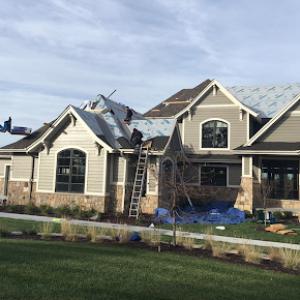
Absolute Roofing
Serving
4.6 from 49 reviews
Absolute Roofing is a local company you can trust. You don't care about our licenses or how many awards we've won. What you care about is if we'll respond to calls, know how to navigate the insurance process, are knowledgeable about roofing options, show up on time, do what we said we would, and clean up our mess with as little disruption to your life as possible. Above all, we will always do the right thing no matter the cost. Give us a call today and let us know how we can serve you!
A full re-roof in Fremont typically requires a permit through the City of Fremont Building Department. That process isn't just a formality; it helps ensure the work meets local wind, hail exposure, and venting standards that the Platte River valley weather can stress. If the project starts without a permit, the city can halt work and complicate insurance claims when a storm season arrives. Before the first nail is driven, confirm with the contractor that the permit application is in motion and that the scope of work aligns with what is allowed under Fremont's building codes. Knowing where the permit sits in the queue avoids last-minute delays and the risk of rework when inspectors arrive.
After the roofing work is completed, an inspection is scheduled with a final inspection used to verify underlayment, flashing, and venting compliance. The final inspection doesn't just check a checklist; it validates that the roof will perform under the area's typical Nebraska hail exposure and high-wind events. Expect the inspector to review attic ventilation, proper vent clearances, and the integrity of drip edges and valley flashings. If anything doesn't line up with code or the city's expectations, the inspector will require corrections before the permit can be closed. Building in a tight timeline can hinge on how smoothly these last steps go, so keep communication open with the contractor and the inspector to minimize staged visits or rework.
Because Fremont uses a local building department review process, homeowners should confirm permit responsibility before work starts rather than assuming the contractor has already filed. Clarify who handles the permit application, plan review, and scheduling of the final inspection. In practice, delays often come from misaligned timing between shutdown windows after severe weather and the inspector's calendar. A proactive homeowner who confirms responsibilities up front reduces the chance of being caught in a storm-driven lull that stalls the project and invites weather damage to exposed decking or underlayment during the interim. Keep a dedicated contact at the Department of Building and Compliance handy, and maintain a visible record of permit numbers and inspection dates for quick reference.
Nebraska's cold winters create freeze-thaw cycling in Fremont that shortens roof lifespan by stressing shingles, flashings, and penetrations. As water intrudes into small gaps and then freezes, it expands and contracts, nudging away edges and loosening sealants. That repeated punishment compounds over seasons, especially on roofs with older flashings or vulnerable penetrations around vents and chimneys. Weathered edges may curl, granules can shed faster, and small leaks creep into attic spaces. The result is a roof that seems to hold up at first but gradually loses its ability to shed water.
Winter storms and ice in Fremont can delay roof access, slow tear-off work, and extend project timelines. Slippery scaffolds, ice on the decking, and guarded work areas near power lines become daily realities. Cold temperatures also limit effective sealant and fastener performance, forcing crews to pause until daylight hours allow safe, steady progress. If a storm hits during a scheduled tear-off, tarping and temporary weatherproofing become essential to minimize interior damage while crews wait for a safe window to resume.
Ice-related winter conditions in Fremont make spring replacement planning important for homeowners trying to avoid emergency cold-weather work. Sudden thaws followed by renewed freezes can expose weakened underlayment or compromised flashings, creating urgent repair needs. Build in a realistic spring window that aligns with calmer weather and reliable access. Proactive inspections in late winter can catch deteriorations early, reducing the chance of mid-project surprises when the calendar tightens and higher winds resume.
Asphalt roofs, common on many Fremont homes, are particularly susceptible to hail bruising and wind-lift after severe spring and summer storms. Bruising can weaken the surface and accelerate granule loss, while gusty Prairie winds can peel back shingles that have already been stressed by hail. The result is a cascade: compromised cover, increased water intrusion risk, and accelerated aging around the damaged areas. The best practical defense is proactive inspection after storms, focusing on the most exposed elevations, hips, and valleys where wind-driven hail tends to concentrate. If you notice granule loss or soft spots, plan a near-term assessment to determine (and document) any needed repairs.
Wood shingles and shakes in Fremont face added maintenance pressure from moisture swings, wind exposure, and winter weather cycling. Moisture ingress during the shoulder seasons can cause warping, splitting, or cupping, while wind can lift edges and expose underlayment. Regular cleaning of debris, treating for surface rot, and resealing or re-staining finishes help extend life, but any serious edge lift or widespread checking should trigger a professional evaluation. Tile systems-whether clay or concrete-demand close attention after hail events typical for Nebraska. Cracks or spalling in tiles create easy water pathways and potential roof deck damage if left unchecked, even when the overall system seems sound. Heavier premium systems demand particular vigilance for impact damage and crack risk, as hidden fractures may compromise load performance and ventilation if not identified promptly.
The region's wind and hail patterns mean twice-yearly checks are prudent: one after the main storm season and another in late spring before the height of use. Prioritize high-risk zones-corners, ridges, and areas with complex venting-where damage tends to accumulate. Keep an eye on fastener security and flashing around chimneys, skylights, and vent stacks, since uplift tends to reveal itself first at those perimeters. Establish a recurring, documented walkthrough with a trusted contractor so issues get noted while they're still small, especially after severe Nebraska hail.