
Last updated: Apr 19, 2026
Bellevue sits in the Omaha-area hail and wind corridor, so spring storm seasons regularly trigger roof claim surges and contractor demand spikes. When hail crashes down, the clock starts ticking on documentation, inspections, and the path to full replacement if the damage qualifies. Delays can sour your claim, complicate repairs, and leave you exposed to leaks during the next round of weather. Immediate action is essential: verify you have a safe path to access the roof for a quick exterior check, then move to the formal documentation chain without delay.
Nebraska insurers commonly require photo sets, current roof measurements, and adjuster site visits after hail and wind events, which directly affects how homeowners should document damage. Take clear, dated photos of all angles, focusing on hail marks, granule loss, exposed underlayment, and any visible leaks inside the attic or ceilings. Keep a detailed record of the date and time of the storm, wind speeds if available, and the exact location of any damage on the roof. Have recent roof measurements on hand and be prepared to supply them or have them measured by a licensed professional. If an adjuster is scheduled, coordinate access and ensure a representative is present to discuss material options, warranty implications, and the scope of the proposed repair or replacement. Missing or ambiguous documentation can slow the process and shift the claim toward a more conservative repair outlook rather than a full replacement.
Because summer thunderstorms can interrupt production and winter snow or ice can limit access, Bellevue homeowners often face a narrow practical window between storm discovery, claim handling, and full replacement. Lightning-fast action reduces the risk of further weather-related damage complicating the claim. If a contractor identifies wind-damaged fascia, lifted shingles, or granule loss, document it immediately and flag it for the insurer's file. Coordinate temporary protections, like tarping or boarding, to limit water intrusion while waiting for approval. Plan for the possibility that the fastest way to secure a complete high-quality restoration may require scheduling around peak storm activity, which typically means faster response in late spring but a tighter window for execution as summer storms intensify demand.
Start with a rapid exterior survey the day after a hail event, focusing on edges, ridges, and near attic vents. Photograph the interior attic for signs of moisture wisps or staining that point to roof leaks. If possible, arrange a professional assessment within 48 to 72 hours to establish a documented baseline. Maintain a running file of all communications with the insurer, the contractor, and any adjusters. If coverage is approved, align with a trusted local roofer who can manage material selection and install timelines to minimize the risk of weather-induced delays. In this corridor, timing and precise documentation are not just best practices-they determine whether a claim leads to replacement, repair, or a protracted hold period.
Find local contractors experienced in assessing and restoring roofs after hail, wind, and severe weather events.
C & S Roofing
(402) 502-5559 www.candsroofingomaha.com
2211 Peoples Rd Ste. B, Bellevue, Nebraska
4.8 from 144 reviews
Goodlife Exteriors & Contracting
(402) 685-2633 www.goodliferoofs.com
7702 S 36th St, Bellevue, Nebraska
4.9 from 72 reviews
C & S Roofing
(402) 502-5559 www.candsroofingomaha.com
2211 Peoples Rd Ste. B, Bellevue, Nebraska
4.8 from 144 reviews
RESIDENTIAL & COMMERCIAL FULL SERVICE GENERAL CONTRACTOR SPECIALIZING IN: ROOFING, SIDING, GUTTERS, STORM DAMAGE , FIRE RESTORATION & MORE C & S Roofing provides comprehensive roofing solutions to residents and business owners in Omaha NE. We specialize in roof repair and roof replacement, as well as siding and gutter services. We offer 24 hour emergency services for storm damage restoration. At C & S Roofing, we are dedicated to providing quality workmanship without compromise, at competitive prices. We can work with you to file insurance claims for storm damage, to get a roof repair or roof replacement at little to no cost to you. No matter the roofing project, C & S is there!
Goodlife Exteriors & Contracting
(402) 685-2633 www.goodliferoofs.com
7702 S 36th St, Bellevue, Nebraska
4.9 from 72 reviews
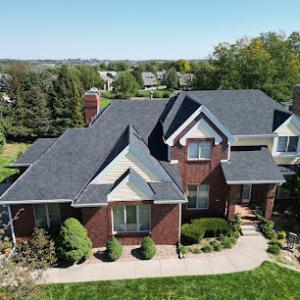
Goodlife Exteriors & Contracting provides roofing and exteriors services to Bellevue, NE and the surrounding areas.
Rich Poisel's Roofing
(402) 339-3491 handsomeroofer.com
Serving
4.7 from 31 reviews
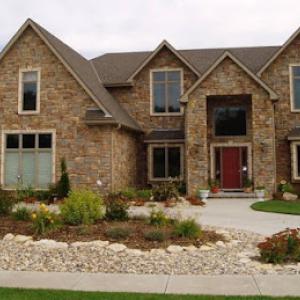
Let Rich Poisel's Roofing handle your entire roofing job, from detailed bids to dealing with insurance claims. Our locally owned and operated business has over 30 years of experience in the eastern Nebraska and western Iowa area and are proud to service our community and surrounding areas.
Papio Exteriors
(402) 714-0649 papioexteriors.com
Serving
4.9 from 27 reviews
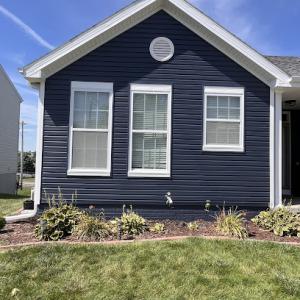
Papio Exteriors has over 34 years of experience in installing and repairing roofs, windows, and siding. Committed to delivering top-quality craftsmanship and exceptional customer service, Papio Exteriors strives for excellence in the community. Whether you need a new roof, window replacements, or siding installation, we ensures that every project is completed with precision and care, enhancing the beauty, durability, and energy efficiency of your home.
CSF Exteriors
(402) 509-8882 www.csfexteriors.com
Serving
4.9 from 218 reviews
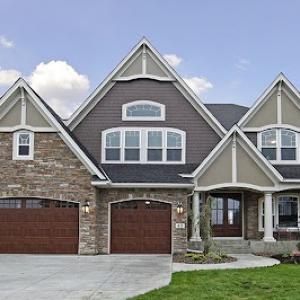
CSF Exteriors is a trusted home exterior and roofing contractor serving Omaha, Nebraska, and surrounding areas. We specialize in roofing, siding, windows, and gutters, offering expert installation, repair, and replacement services for both residential and commercial properties. As a certified DaVinci Masterpiece roofing contractors and James Hardie Siding Alliance Program member, we deliver top-tier craftsmanship and durable materials. Our commitment to customer satisfaction is evident through free inspections, detailed estimates, and personalized project management. Whether you're dealing with storm damage or planning an exterior upgrade, CSF Exteriors ensures your home's protection and aesthetic appeal.

LF Roofing & Construction
Serving
5.0 from 7 reviews
LF Roofing & Construction, LLC. is dedicated to Roofing, Siding, Gutters, & more quality services. 15 years of experience. Serving Nebraska and Iowa areas. Raised here, live here, and work here. Free Estimates & Fully Insured, Bonded, and Licensed. Free Property Inspections our Insurance Claim Specialists can help you deal with Hail/Wind Damage claims.
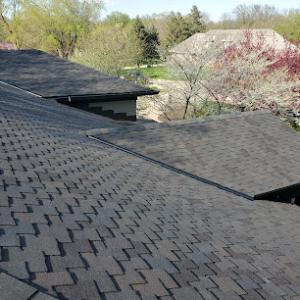
Nathan James Construction
(402) 880-5005 www.nathanjamesconstruction.com
Serving
5.0 from 93 reviews
Nathan James Construction is a local roofing contractor proudly serving Plattsmouth, NE and the surrounding Cass County area. We specialize in roof replacements, storm damage repairs, and roof inspections for homeowners dealing with hail and wind damage.
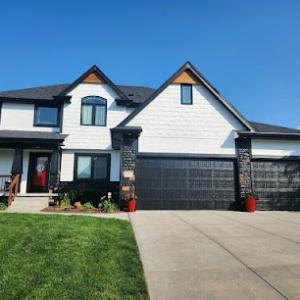
TGT Exteriors
(402) 991-7844 www.tgtexteriors.com
Serving
4.8 from 37 reviews
Local family owned business who understands how important the value of your home or business is. We take great pride in making sure the job is completed to your satisfaction. TGT Exteriors is owned and operated by Dan Baber who has 4 years of sheet metal schooling and is a certified sheet metal worker. Dan is also a certified CertainTeed Shingle Master Installer, a member of the Vinyl Siding Institute and a Certified Pella Windows & Doors Contractor. TGT Exteriors is licensed, insured and bonded. Our goal is to make sure you are completely satisfied with the job. There is no competition for our quality of work!
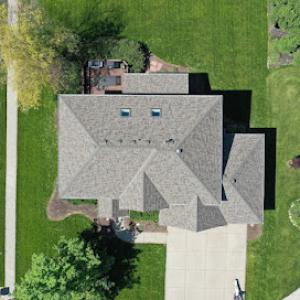
Rocket Roofing General Contractor - Papillion
(402) 291-8888 www.rocketroofingne.com
Serving
4.7 from 63 reviews
Rocket Roofing is a locally owned, BBB A+ accredited roofing and contracting business serving Papillion, Omaha, and the surrounding areas. As the top roofing contractors in Papillion, we have earned a reputation for reliability and quality in the roofing industry. Homeowners and businesses in Papillion and Omaha trust Rocket Roofing for our expertise in roof repairs, roof installations, and roof inspections. Choosing a reliable and knowledgeable roofing contractor is crucial for the best results. At Rocket Roofing, we offer tailored roofing solutions to meet our customers' needs. For premier roofing services in Papillion, call NOW for a free roof inspection: (402) 291-8888.
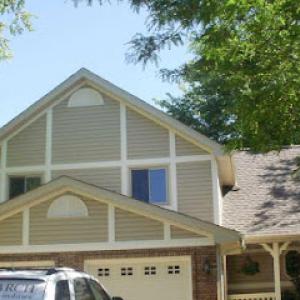
Monarch Siding, Windows, & Roofing
(402) 596-1414 www.monarchsiding.com
Serving
4.7 from 82 reviews
Monarch Siding, Windows & Roofing provides siding, roofing, windows, decks, gutters and downspouts to Papillion, NE, the Omaha Metro and surrounding areas.
Nelson Contracting
(402) 267-2720 www.nelsoncontractingllc.com
Serving
5.0 from 143 reviews
Nelson Contracting is a full service, Master Elite and Fortified Roof Certified general contractor serving Omaha, Nebraska and surrounding areas since 1998. We offer roofing, siding, and gutters. If you want quality craftsmanship and reliable service give us a call. Our company is family owned and operated, trusted by thousands of your friends and neighbors for over 25 years, we love to help you with your project too. We provide quick, free inspections and project estimates for roof repair, roof replacement, siding repair and siding replacement, and gutter repair and gutter replacement. Contact us today for superior roofing, siding and gutter services!
Ebw
(402) 686-8152 www.ebwomaha.com
Serving
4.9 from 34 reviews
EBW, LLC provides residential and commercial roofing, siding, and gutter services to Papillion, NE, and surrounding areas.
Asphalt shingles dominate Bellevue because they balance cost with the need to handle hail exposure and large seasonal temperature swings. In freeze-thaw cycles, asphalt layers can shed granules and reveal the underlying mat if hail or heavy wind impacts expose the deck. Practically, this means you should prioritize shingles with good impact resistance ratings and verify that the roof deck and underlayment are in solid shape after every severe storm. A well-vented attic and a continuous underlayment help mitigate moisture ingress during thaw periods, reducing the risk of ice dams and fastener pull-out in windy substrates. When evaluating aging shingles, look for curl, curling edges, or lost granules around gutters and penetrations, which signal increased vulnerability to cold snaps and repeated freeze-thaw stress.
Metal roofing is a strong option where better hail resilience and snow shedding are desired, but detailing matters on homes exposed to strong plains winds. In this climate, metal panels shed hail and snow more readily, reducing surface impact time and reducing the chance of water intrusion from granule loss. However, metal systems require careful seam detailing and proper fastening to withstand repeated freeze-thaw cycles that can cause panel distortion or fastener fatigue. Pay attention to valley and transition details, edge flashings, and the condition of the roof deck. Adequate attic ventilation remains important to manage condensation and temperature swings under metal, which can otherwise lead to hidden moisture problems that compound freeze-thaw damage over seasons.
Clay tile, slate, wood shakes, and fiber cement appear in smaller numbers locally and need closer evaluation in Bellevue because freeze-thaw cycling can punish brittle or moisture-sensitive assemblies. Clay tile and slate are inherently brittle and sensitive to rapid temperature shifts; if installation lacks proper underlayment and support, cracking or delamination can accelerate with repeated freeze-thaw events. Wood shakes introduce moisture sensitivity; in freeze-thaw cycles, absorbed moisture can swell and shrink, increasing the risk of splits or warping if ventilation or drainage is inadequate. Fiber cement offers better resistance than wood or clay in some cases but still requires compatible substrate and flashing details to handle moisture movement. For any of these materials, ensure that decking, fasteners, and flashings are rated for freeze-thaw exposure and that counter-flashings seat correctly around chimneys, vents, and skylights. Edges, hips, and ridges deserve close inspection after hail and wind storms, as small cracks or unsecured fasteners can propagate with temperature cycling.
When a hail or wind event occurs, you transition from daily maintenance to storm readiness. Inspect the roof for raised or loose shingles, visible cracks in clay or slate, or misaligned metal seams. After severe weather, document damage with clear photos from multiple angles and include attic views to reveal signs of moisture or condensation that exterior photos might miss. In this market, having organized documentation supports timely evaluation by an insurer or a contractor, especially when the freeze-thaw cycle tightens timelines and accelerates wear. For all materials, maintain a routine of annual inspections, focusing on flashing joints, penetrations, and the condition of the underlayment, as these elements often become the first weak links when cold snaps snap, wind gusts gust, and hail returns.
In this area, hail and high winds from regional events push re-roof demand upward across the Omaha metro, and scheduling tightens quickly after a big storm. If a homeowner experiences hail or wind damage, the window for quick, well-coordinated replacement shrinks as contractors shift to surge pricing and booked calendars. Planning ahead for a storm season-even a few weeks out-can help avoid rushed decisions and missed material windows. Steep, suburban rooflines common in detached homes increase installation time and coordination with crews, so expect a longer lead time for skilled labor when the demand spike hits.
Material choice matters sharply in Bellevue. The provided average ranges per square run from asphalt shingles at 320 to 560 dollars, up to slate at 1100 to 2300 dollars per square. Labor is a separate line item and tends to rise on steeper roof pitches, which are common in this market. Asphalt remains the most economical option, with a relatively predictable schedule and shorter installation window, but hail and wind can accelerate wear on any material class. Metal roofs, clay tile, fiber cement, and slate each bring notable benefits for durability or life span, yet require careful planning for attic ventilation, underlayment compatibility, and potential weight concerns on existing structures. If a storm hits and you're weighing a full replacement, the choice often shifts from a low upfront cost to a longer-term value equation-how long the roof will perform under freeze-thaw cycles, wind uplift, and future hail exposure.
Steeper suburban roofs add complexity and cost. In Bellevue, many homes feature rooflines that demand longer fall protection, additional equipment, and careful staging. This translates to higher labor hours and equipment rental, reflected in the per-square labor component. On larger, multi-plane roofs, crews juggle more penetrations, valleys, and flashing details, which can extend timing and raise the risk of on-site delays. When you're selecting a contractor, confirm they'll dedicate time to a thorough inspection of underlayment, ventilation, and drip edge, since quick tear-offs without suitable follow-on installation can undermine long-term performance.
Documentation becomes central in a region where hail events can trigger insurance-driven decisions. Gather before-and-after photos, a dated damage log, and a concise record of storm dates aligning with the claim timeline. This helps the adjuster assess the scope, verify the damage, and support a replacement decision that reflects actual loss rather than cosmetic fixes. If the insurer approves a full tear-off and replacement, be prepared for a potential near-term scheduling impact as adjusters and contractors coordinate. For complex cases, expect a longer administrative path, and ensure the contractor's scope includes lift, disposal, and reattachment of any required flashings and drainage components to align with warranty expectations.
When budgeting, start with asphalt as a baseline and then compare higher-end options like metal or fiber cement against long-term performance and warranty considerations. Bellevue cost pressures after regional hail events can push pricing upward, and scheduling tightens quickly. If you can time the replacement to a calmer window, you may secure better contractor availability and avoid premium surge pricing. Always request a written scope, materials list with exact grades, and a projected install timeline to guard against surprises as storm season approaches.
Get a clear picture of your project costs upfront - no commitment required.

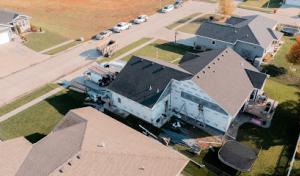

A full re-roof in Bellevue typically requires a building permit submitted to the City of Bellevue Building Department. The permit ensures the roof design and materials meet local code requirements for wind resistance, fire safety, and structural loads common to the Missouri River bluff-and-valley setting that shapes many Bellevue homes. Before any tear-off starts, verify with the permitting office that the project scope matches what you plan to file for, and confirm any needed structural notices if your roofline, overhangs, or attic ventilation will change. Working with a licensed contractor who knows the local code expectations helps avoid delays caused by missing paperwork or plan discrepancies.
Bellevue projects are generally inspected during the work and again after completion, so homeowners should confirm inspection timing before tear-off begins. Typical practice is an on-site check after roofing materials are removed and again once the new roof is secured, sealed, and weatherproofed. The inspector will look for proper underlayment, nailing patterns, flashing around penetrations, and correct skylight or vent integration. If the job involves any temporary measures for high-wind events or unusual storm-ready detailing, plan for adjustments to the inspection schedule. Coordinating with the contractor to align tear-off milestones with the city's inspection windows can help prevent downtime and rework.
Plan review may apply in Bellevue for complex roof assemblies, making unusual material changes or structural modifications more involved than a like-for-like replacement. If the project includes a change to rafter spacing, a nonstandard deck system, or a switch to a metal, clay tile, or fiber cement layout that alters weight distribution or substrate requirements, expect extra scrutiny. In such cases, the permit process may require engineered drawings or calculations, and possibly a builder's structural review. Start conversations early with the contractor and the Building Department to confirm whether a plan review is necessary, and to identify any required documentation before submission. This proactive approach helps keep the project moving smoothly through both plan review and subsequent inspections.
In this area, freeze-thaw cycles can reopen marginal flashing details and turn small defects into active leaks. Snow, ice, and gusty winds test every seam, vent, and step flashing on the average home. If you notice wet ceiling spots after a thaw, treat it as urgent and assume water has found a path through the roof deck. Do not chase a temporary patch that looks like a fix; the next cycle can push moisture deeper and complicate claims or permanent repairs.
Snow loads and icy access conditions here can delay full replacement work even when damage is already known, increasing the need for temporary protection. Store-bought tarps may fail in wind-driven snow, so weight-secured options with fasteners designed for icy surfaces are essential. Plan for limited access to steep sections and detached sheds, and arrange snow removal from critical areas to prevent rooftop ice dams from worsening leaks.
Emergency response matters locally because storm-damaged roofs may need stabilization before adjuster review or before crews can safely complete permanent repairs. If a reputable contractor can safely install a stabilizing cover over the worst breach and seal around any visibly opened flashing, document the date, time, and weather conditions with photos. Keep receipts and notes ready for the insurer, and coordinate temporary protection with your adjuster's guidance to avoid gaps between stabilization and permanent work.
After a storm, photograph the roof from ground level and from ladders when safe, focusing on flashing, skylights, valleys, and the chimney chase. Keep a dated log of damage, temp measures, and contractor notes. Access remains dangerous when temps hover near freezing and wind chills bite, so use proper fall protection and avoid working on wet or icy slopes. Tarping should be anchored with roof-anchor straps or weighted ballast, and re-secure after storms pass to prevent wind lift. This helps the insurer have a picture before a claim review.
When you can't wait, these contractors offer fast response times to stop leaks and prevent further damage.
C & S Roofing
(402) 502-5559 www.candsroofingomaha.com
2211 Peoples Rd Ste. B, Bellevue, Nebraska
4.8 from 144 reviews

Roofer Mike's Roofing, Roof Repair, Siding, Gutters, Bellevue, NE.
(402) 979-2171 www.facebook.com
Serving
5.0 from 45 reviews
In Nebraska's high-claim hail environment, carriers may cap coverage for older roofs or certain materials, which can change the economics of repair versus replacement for Bellevue homeowners. When a storm hits, the mix of hail size, wind direction, and roof age often pushes adjusters toward conservative assessments. That tension means you should plan for outcomes that aren't simply "patch and go"-the insurer may limit payout on a roof past a certain age or on materials with known vulnerabilities. Understanding this dynamic before you file a claim helps you set realistic expectations and avoid surprises.
Bellevue owners with aging roofs should expect closer insurer scrutiny after storms because frequent regional hail and wind losses have made documentation more important. A thorough paper trail matters. Gather recent repair dates, material types, and any previous claims, then compile a simple timeline of storm events that affected your locality. When possible, arrange for a professional roof evaluation after a damaging event and before any temporary fixes are made. This proactive approach reduces the chance that an adjuster discounts preexisting conditions or disputes the roof's overall condition.
Keeping dated inspection photos and records is especially useful in Bellevue because adjuster site visits are common and condition disputes can affect settlement outcomes. Store images with clear timestamps, show both close-ups of hail impact and wide-angle views of the entire roof, and supplement with notes on missing shingles or lifting edges. On storm-drenched days, trusted documentation can be the difference between a fair repair plan and a financial shortfall that delays renewal.
Connect with contractors who help homeowners navigate the claims process from damage assessment to final approval.
C & S Roofing
(402) 502-5559 www.candsroofingomaha.com
2211 Peoples Rd Ste. B, Bellevue, Nebraska
4.8 from 144 reviews
Goodlife Exteriors & Contracting
(402) 685-2633 www.goodliferoofs.com
7702 S 36th St, Bellevue, Nebraska
4.9 from 72 reviews
Bellevue's freeze-thaw pattern makes flashing at skylights, chimneys, and roof penetrations a recurring weak point when sealants age or metal details loosen. In mid-winter thaws followed by cold snaps, small gaps can widen and moisture can travel behind the flashing. This is not always obvious from the ground, so a careful inspection of every penetration is essential after harsh swings. Pay close attention to flashing where metal overlaps sealants or where old booted chases meet the roof deck. If metal finishes visibly pull away or joints show hairline cracks, address them before a leak shows up inside the attic.
Wind-driven rain during plains thunderstorms can expose marginal sidewall and step-flashing details that may not leak during lighter weather. Sidewall flashing rides against a vertical surface, and step-flashing interlocks with each course. In a storm with gusts, water can ride up any small misalignment, especially where roof deck transitions to walls or chimneys. Bellevue homes with shallow roof pitches or complex rooflines are particularly susceptible. During inspections after a storm, check for dark staining, damp framing, or blown-in granules near corners and transitions. If flashing seams are loose or nails are exposed, seal or replace before the next round of weather.
Because many local contractors advertise chimney and skylight work, Bellevue homeowners should treat penetration detailing as a separate inspection item rather than assuming the field shingles tell the whole story. Skylights, vent stacks, and chimney bases often receive less attention than the main field. Have a dedicated inspection of each penetration: flashing integrity, sealants, counter-flashing, and any deck or counter-flashing cracks. If a contractor makes sealant-only repairs, verify that the flashing beneath is sound or request a scope that includes flashing replacement. This targeted approach helps prevent hidden leakage paths from undermining an otherwise solid roof.
Find contractors experienced in skylight installation, flashing, and leak repairs to bring natural light into your home.
Roofer Mike's Roofing, Roof Repair, Siding, Gutters, Bellevue, NE.
(402) 979-2171 www.facebook.com
Serving
5.0 from 45 reviews
In a hail- and wind-prone environment, the fight isn't only over the shingle brand. If underlayment, flashing, and fasteners aren't installed correctly, even a top-rated shingle can fail prematurely under repeated storms. You'll notice small leaks or wind uplift around edges and vents long before a complete failure, and those issues often trace back to installation details rather than material choice alone. The difference in performance from one crew to the next can be dramatic after a brutal spring wind event or a hail hit, so the quality of the install matters as much as the product installed.
A smaller but meaningful share of local contractors promote warranties, which is relevant where repeated storm exposure can quickly reveal installation shortcuts. A broad warranty on shingles without strong coverage of flashing, underlayment, and workmanship may leave you chasing repairs you can't justify with the insurer. Read the fine print: look for what is covered, for how long, and whether coverage follows the roof or the contractor. In storm-damaged situations, clear terms about cap limits and what requires reinstallation can save confusion and costs down the line.
Manufacturer-certified installation can be especially valuable after a storm replacement because homeowners may want clearer documentation of system components and coverage terms. Certification signals adherence to specific fastening patterns, nailing schedules, and component compatibility. After a severe hail or wind event, you'll appreciate the documented trail-especially when insurers request proof of proper installation and when you need to file warranty claims for flashing, underlayment, or accessory components.
Bellevue experiences hot summers, cold winters, and regular freeze-thaw cycling, all on the same yearly calendar. That combination accelerates shingle and underlayment aging, especially where hail and strong thunderstorms hammer the area. Roofs must endure sun exposure, thermal expansion and contraction, and moisture intrusion from repeated thaw cycles. Materials with robust impact resistance and proven performance in freeze-thaw cycles tend to hold up better over time, while lightweight or less stiff options may show wear sooner in this climate dance.
The city sits in a broader Omaha-area roofing market, so regional storm activity directly influences scheduling and material demand. After a major hail event or a severe wind episode, local crews converge quickly, sometimes accelerating replacements for insured homes. Even in lighter years, frequent wind-driven debris can compromise shingles, vents, and flashing. Because storm timing often drives decisions more than a home's age, proactive inspections after severe weather help you catch damage early and plan replacements before secondary leaks develop.
Bellevue's mix of established neighborhoods and newer suburban re-roof demand creates a distinct rhythm: replacements are frequently weather- and insurance-driven rather than strictly age-based. Homes with older underlayment or deteriorated flashing become vulnerable quickly when hail hits or winds gust through, especially near bluff lines or exposed ridgelines. A common pattern is prioritizing roofs that show cosmetic impact plus any suspected impact-related substrate damage, recognizing that a solid roof in a storm sequence may still be structurally sound even if several decades old.
Consider annual or biennial inspections that focus on hail impact, wind-stripping, and freeze-thaw damage. Keep storm documentation organized, including photos of hail hits and wind-related concerns, to support timely insurance review and replacement decisions. When a hail or wind event occurs, respond with a targeted check of shingles, granule loss, and flashing at valleys and chimneys, then schedule a closer assessment if moisture shows up in the attic or ceilings. The goal is to align roof health with weather-driven replacement windows rather than age alone.