
Last updated: Apr 19, 2026
In this Nebraska hail-and-wind claim environment, severe spring and summer storms regularly trigger concentrated roof inspections and replacements. The clock matters: a fast, documented response can keep your roof replacement on track and minimize mismatches between damage and what the insurer expects. When hail blanks your shingles or wind rips at flashing, every impact point becomes a data point insurers will weigh alongside the storm history. That history isn't a vague backdrop here-it directly shapes how adjusters view your claim and how aggressively they approve a full roof replacement.
Omaha sits in a Nebraska hail and wind claim environment where severe spring and summer storms regularly trigger concentrated roof inspections and replacements. That means after a storm, a rush of inspections happens, and the window to schedule a timely intervention closes quickly. The approach you take in the first 72 hours can determine whether a full re-cover or a patch job becomes the accepted path. Plan for prompt action, because delays echo through the claim process and the calendar.
Local insurers and adjusters commonly evaluate claims against area storm history, making date-stamped photos and prompt documentation especially important for Omaha homeowners. When you document, capture wide shots of the entire roof and close-ups of hail marks, dented vents, bent flashing, and granule loss. Note the date, time, and weather context for each image. A simple, organized sequence-before, during, and after any temporary repairs-helps your file reflect a credible storm narrative rather than a sequence of ambiguous incidents.
If a contractor offers quick patchwork or "temporary protection," insist on verifiable, photo-backed work orders that specify materials, coverage areas, and the expected repair plan. The insurer will compare your documentation to the investigator's findings, and mismatched stories raise red flags. Keep receipts for every purchase tied to storm response, including temporary tarps, plywood, roof sealants, and spent removal efforts. Consistency in the record prevents delays born from doubt or questions about when the damage occurred and how it progressed.
Because replacement demand spikes after major metro storms, Omaha homeowners often face scheduling bottlenecks from late spring into fall. When the weather turns favorable for work, contractors pull crews into back-to-back jobs, and responses slow as demand climbs. If you wait for perfect conditions, you risk losing priority because insurers and adjusters prioritize files with complete, timely documentation. Conversely, rushing to begin before you've documented thoroughly can invite disputes about pre-existing conditions. Strike a balance: initiate the claim with clear evidence, then coordinate with a reputable contractor who can mobilize quickly without sacrificing documentation quality.
Omaha's risk profile also means roof systems exposed to hail and wind endure accelerated wear in a few storm seasons. Expect the insurer to scrutinize the roof's age alongside the new damage one storm may have caused. If a replacement is warranted, your choice of material should reflect local performance realities: shingles that resist granule loss, metal systems that stand up to golf-ball-sized hail, or tiles that cope with freeze-thaw cycles and heavy debris. Your plan should align with a practical schedule, robust documentation, and a provider who understands how to navigate the Omaha claims landscape without leaving you exposed to out-of-pocket surprises.
Find local contractors experienced in assessing and restoring roofs after hail, wind, and severe weather events.
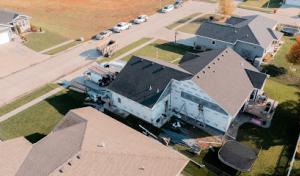
Nelson Contracting
(402) 267-2720 www.nelsoncontractingllc.com
7805 L St Suite 100, Omaha, Nebraska
5.0 from 143 reviews
Anchor Roofing
(402) 403-9491 anchorroofing.com
7702 S 168th St Ste. A, Omaha, Nebraska
5.0 from 199 reviews

Innovative Roofing
(402) 512-4200 innovativeroofusa.com
1515 N Saddle Creek Rd, Omaha, Nebraska
4.9 from 585 reviews
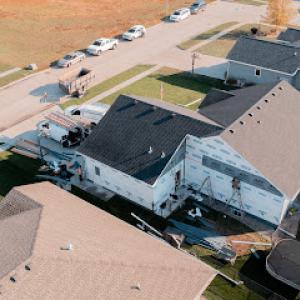
Nelson Contracting
(402) 267-2720 www.nelsoncontractingllc.com
7805 L St Suite 100, Omaha, Nebraska
5.0 from 143 reviews
Nelson Contracting is a full service, Master Elite and Fortified Roof Certified general contractor serving Omaha, Nebraska and surrounding areas since 1998. We offer roofing, siding, and gutters. If you want quality craftsmanship and reliable service give us a call. Our company is family owned and operated, trusted by thousands of your friends and neighbors for over 25 years, we love to help you with your project too. We provide quick, free inspections and project estimates for roof repair, roof replacement, siding repair and siding replacement, and gutter repair and gutter replacement. Contact us today for superior roofing, siding and gutter services!

Anchor Roofing
(402) 403-9491 anchorroofing.com
7702 S 168th St Ste. A, Omaha, Nebraska
5.0 from 199 reviews
We are Anchor Roofing, one of the trusted roofing companies in Omaha, NE. Our mission is to provide a stress-free experience for every client, whether you need residential roofing, commercial roofing, a full roof replacement, or gutter repair and replacement. As certified Omaha roofing contractors, we focus on safe practices and superior craftsmanship to ensure every project is done right the first time. From hail damage repair to shingle replacement, our licensed team delivers reliable solutions that protect your property and add lasting value. At Anchor Roofing, our work speaks for itself—we proudly serve the Omaha community with honesty, professionalism, and quality results you can depend on.

Innovative Roofing
(402) 512-4200 innovativeroofusa.com
1515 N Saddle Creek Rd, Omaha, Nebraska
4.9 from 585 reviews
Innovative Roofing, located in Omaha, NE, is your trusted roofing expert specializing in residential and commercial roof repair, replacement, storm damage restoration, and gutter installation. Our team offers 24/7 emergency services, free inspections, and insurance claim support, ensuring a hassle-free experience. We use premium materials like Malarkey, DaVinci, and Boral Steel to deliver durable, long-lasting results. Our roof and gutter maintenance programs, along with eco-friendly options, help protect your investment and extend your roof’s life. Contact us for a free estimate and experience roofing done right.
Horn Industries
(402) 319-3010 www.hornindustriesroofing.com
14924 A Cir, Omaha, Nebraska
5.0 from 124 reviews
At Horn Industries Roofing, we are dedicated to serving your residential and commercial roofing needs. We are a full-service roofing contractor and our services include free roof inspections, free hail and wind storm damage assessments, removal and replacement of asphalt, wood shake, metal and tile roofs and more. In cases of storm damage, we work directly with insurance companies and adjusters to ensure you receive appropriate evaluation and maximum value for your insurance claim. We use industry-best products and pride ourselves on doing it right the first time! Please, give us a call with any questions. We can't wait to hear from you.
Prograde Exteriors
(402) 800-8503 progradeexteriors.com
4619 S 139th St, Omaha, Nebraska
5.0 from 84 reviews
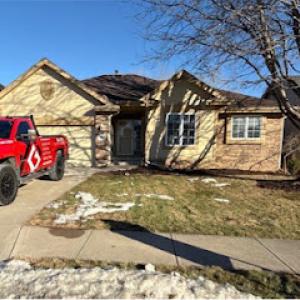
Prograde Exteriors, your trusted Omaha roofing contractor, is a locally owned expert in residential roofing, siding, gutters, and window replacement. As the premier siding contractor near me, we provide unmatched craftsmanship and customer care. Our skilled team assists with inspections, insurance claims, and complete replacements for a seamless process. Using premium materials, we ensure durability at competitive prices with a 10-year workmanship warranty. Whether you need storm damage restoration, gutter installation, skylight repair or expert roofing contractor near me services, count on us. Serving Lincoln & Omaha, we’re the top choice for exterior remodeling. Contact Prograde Exteriors today for a free consultation!
Grandel's Construction & Roofing
(402) 657-6490 grandelsconstruction.com
8707 Ohern St, Omaha, Nebraska
5.0 from 80 reviews
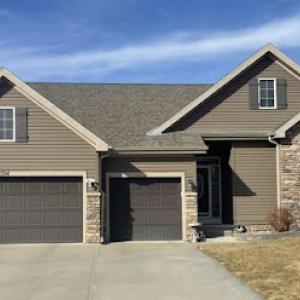
We're the Omaha metro's premier family-owned roofing and general contractor. We specialize in roofs, siding, decks and more. We service Douglas, Sarpy and the surrounding counties.
CSF Exteriors
(402) 509-8882 www.csfexteriors.com
2445 Deer Park Blvd, Omaha, Nebraska
4.9 from 218 reviews
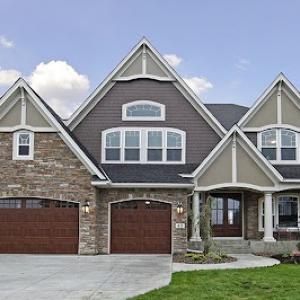
CSF Exteriors is a trusted home exterior and roofing contractor serving Omaha, Nebraska, and surrounding areas. We specialize in roofing, siding, windows, and gutters, offering expert installation, repair, and replacement services for both residential and commercial properties. As a certified DaVinci Masterpiece roofing contractors and James Hardie Siding Alliance Program member, we deliver top-tier craftsmanship and durable materials. Our commitment to customer satisfaction is evident through free inspections, detailed estimates, and personalized project management. Whether you're dealing with storm damage or planning an exterior upgrade, CSF Exteriors ensures your home's protection and aesthetic appeal.

Omaha Roofing & Exteriors
(402) 804-0115 omaharoofing.com
5072 S 107th St, Omaha, Nebraska
5.0 from 118 reviews
Omaha Roofing and Exteriors is one of the best roofing companies in Omaha. We take pride in providing great products at great prices while utilizing our expert installers who pay attention to every detail. Omaha Roofing & Exteriors not only is a roofing contractor in Omaha, but we also offer gutter repair, gutter replacement, siding repair, and siding replacement. Living in Nebraska, storms are inevitable. If your home lands in the cross-hairs of wind or hail damage, contact Omaha Roofing and Exteriors for a hail damage assessment prior to contacting your insurance agency. We have the experience needed to evaluate if you have roof damage and what the next steps should be to protect your investment.
Pinnacle Roofing
(402) 518-5456 www.pinnacleroofs.net
2120 S 156th Cir, Omaha, Nebraska
5.0 from 76 reviews
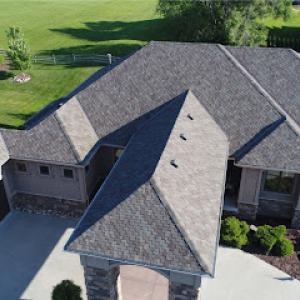
Pinnacle Roofing is a locally owned roofing company based in Omaha, Nebraska, specializing in both residential and commercial roofing solutions. With deep industry expertise, they bring a commitment to quality, backed by years of hands-on experience and advanced construction knowledge. As a leading roofing company Omaha property owners trust, they offer comprehensive services, including roof installation, repair, inspections, gutters, siding, and storm damage restoration. Pinnacle Roofing is dedicated to delivering strong craftsmanship and attentive customer care for homeowners and businesses. Contact us today to discuss your roofing needs.

Moose Roofing
(402) 781-8179 www.mooseroofing.com
4760 S 135th St, Omaha, Nebraska
4.9 from 690 reviews
Moose Roofing is a trusted roofing contractor based in Omaha, NE proudly serving the area, including Elkhorn, Gretna, Papillion, Ralston, and surrounding communities. We specialize in residential roofing, roof repairs, metal roofing, and commercial roofing, delivering quality craftsmanship on every project. Customers choose Moose Roofing for our comprehensive roof warranties, affordable roofing solutions, and flexible financing options. If you’re looking for a reliable Omaha roofing company that stands by its work, let us help transform your home. Remember, We've been here. We're here now. We're here to stay. Call today for a free roofing estimate!
White Castle Roofing
(402) 898-7663 whitecastleroofing.com
15013 Industrial Rd, Omaha, Nebraska
4.9 from 326 reviews
White Castle Roofing, located at 15013 Industrial Road, is your trusted local expert for all your roofing needs. Specializing in both residential and commercial roofing services, we are renowned as the best roofing company in the area. Our skilled team offers top-notch roofing contractor services, including roof repair, roof replacement, and metal roofing. With our commitment to quality and customer satisfaction, we're the go-to choice for anyone searching for a "roofing contractor near me." Count on us for reliable and efficient roofing solutions, ensuring your property gets the protection it needs. Choose White Castle Roofing for unmatched expertise.
Jensen Enterprises
(402) 557-6054 jensenenterprisesroofing.com
10151 J St, Omaha, Nebraska
5.0 from 63 reviews
Jensen Enterprises is a family owned roofing company serving the Greater Omaha and Council Bluffs area. With years of experience, we specialize in residential and commercial roofing, siding, and gutter solutions. Whether you need a minor leak repair, a routine inspection, or a full roof replacement, our licensed and insured team delivers excellence. We are storm damage specialists, assisting you with insurance claims to ensure quality restoration. Using premium materials like Malarkey and CertainTeed, we back our work with a 5-year craftsmanship warranty. From asphalt shingles to metal roofing, we treat every project with integrity. Contact us today for a free estimate from Omaha’s trusted exterior experts.
In Omaha, the combination of hail-heavy storms, fierce winds, and sharp freeze-thaw cycles makes roofing windows a critical piece of the overall roof system. The same spring-to-fall storm pattern that drives insurance claims also presses windows to perform under wind-driven impacts and rapid moisture changes. Choosing the right type of skylight or roof window means factoring in how your attic breathes, how your roof deck handles moisture, and how much debris your area's wind can push into the opening. A well-matched window system reduces leaks, minimizes ice dam risk, and stays durable through Omaha's typical freeze-thaw swings.
Omaha's cold winters-from roughly November through March-slow tear-offs and increase moisture-management challenges during active roof work. That means when you're considering a roof window, you want a unit that can tolerate longer interior exposure to cold and damp conditions without compromising seals. In practice, this translates to opting for windows with robust thermal breaks, proven weatherstripping, and glazing that resists condensation buildup in tight attic spaces. The main repair season tends to cluster from late spring through fall, so a window that can be installed in a narrow weather window and still provide reliable ventilation and daylight once the work resumes is a real advantage.
Hail and wind events are not rare on the Great Plains, and a roof window is vulnerable if not properly protected. Look for impact-rated glass or laminated glazing, reinforced frames, and storm-ready flashings that integrate with the surrounding roof plane. In practice, this means choosing products with established hail resistance ratings and a design that accommodates fasteners that won't loosen with temperature cycling. If a hail event bends flashing, you'll want a system that can be resealed easily without full roof teardown. The sooner a damaged or mis-sealed window is addressed, the better the long-term moisture performance and interior comfort.
A roof window is only as good as its integration with the deck and attic insulation. In Omaha's climate, moisture management is a front-line concern. Ensure the window has a well-sealed underlayment interface and a flashing kit that matches your roof material (asphalt, metal, tile, or others). Proper insulation around the rough opening reduces nighttime heat loss and minimizes condensation on cold nights. A tight, continuous vapor barrier around the opening helps prevent freeze-thaw-driven gaps around edges, which is a common source of slow leaks that appear after a few cycles of warming days followed by freezes.
Most homes in this area use standard roof planes with moderate to steep pitches, so choose a window style that complements the roofline without creating a canyon of glare in the attic. Venting capability is valuable for attic moisture control during spring and fall storms. Obscure-glass or low-E coatings help reduce interior glare during bright spring afternoons while maintaining energy efficiency. For homes with shallow attic spaces, consider low-profile skylights that minimize the risk of interference with attic fixtures or HVAC equipment.
Because storm damage claims and seasonal work frequently align, timing installation to a dry window between thaw cycles helps avoid mid-winter complications. Coordinate with the roof contractor to ensure window flashing and roofing penetrations are treated as a single, integrated system. When possible, schedule window installation in the shoulder periods of late spring or early fall to maximize inspection opportunities and reduce the likelihood of back-to-back weather disruptions. A properly sequenced job-roof work followed by precise window sealing-keeps moisture out and protects interior spaces from seasonal swings.
In Omaha, asphalt shingles are the dominant roof covering, and for good reason: they're familiar to local builders, compatible with a wide range of house styles, and relatively straightforward to repair after a hail event. The summer heat combined with spring hail exposure can take a toll on the shingle surface, leading to accelerated granule loss and faster aging than homeowners might expect. When a hailstorm comes through, look for bruising, dented edges, and curled or broken tabs on the exposed surface. Regular inspections after severe weather help catch minor damage before water intrusion becomes an issue, especially around vent collars, skylights, and chimneys. Practical maintenance includes keeping gutters clear so water can shed away from fascia and ensuring flashing remains sealed at the roof-to-wall transitions. In areas with heavy wind, a close walkaround after storms helps identify loose or missing shingles before wind-driven leaks appear during thaws. For most Omaha homes, shingle systems benefit from a cautious, staged repair approach rather than a full replacement after every storm, since repeated impacts can create hidden moisture paths that grow over time. Choose a color and granule blend that tolerates scorching sun and resists fading, since the summer heat is unrelenting and the reflective properties of the surface influence interior temperatures.
Metal roofing is a meaningful option in this climate because it handles freeze-thaw cycles differently than asphalt. Panels or shingles that shed moisture rapidly reduce the chance of ice dams forming along eaves, and metal's strength helps resist hail dents more predictably than traditional shingles. After repeated storm losses, many homeowners consider metal to shorten the replacement cycle and improve long-term durability. When evaluating metal, pay attention to the panel profile, fastener seals, and the compatibility of the underlayment with the existing roof deck. Local crews often note that metal systems can ride out sharp temperature swings with less expansion-contraction stress than some other materials, but installation quality matters: improper fastening or inadequate edge detailing can create leaks at hips and ridges after a heavy rain. If choosing metal, plan for careful alignment with eave and valley flashings to minimize potential punctures and ensure that gutters and downspouts are sized to handle rapid runoff during severe summer storms.
Tile, wood shake, and slate exist in the Omaha market but require careful structural and repair planning. Hail can shatter or crack tiles or shakes, and replacement matching becomes a practical challenge when a roof is already showing age from freeze-thaw cycles. Winter movement can stress fasteners and mortar in tile and slate roofs, making field repairs more complex and costly. If a home carries one of these materials, structural verification is essential before installation-spacing, attic ventilation, and roof deck support must align with the chosen material's weight and load pattern. Replacement matching has to be precise for aesthetic continuity, especially on older homes with historic or distinctive rooflines. Ongoing upkeep tends to center on re-pointing, re-seaming, or resealing at seams and flashings, along with vigilant inspection after hail. In this market, a homeowner often benefits from coordinating a phased approach to repairs, ensuring that the chosen material remains structurally sound and visually cohesive with neighboring roofs.
In Omaha, pricing is strongly affected by post-storm demand surges, when contractor schedules tighten and replacement backlogs build across the metro. If a hail or wind event breaks the sweet spot on the calendar, you may see rushed decisions, tighter timelines, and higher bid levels even for straightforward repairs. Plan for potential delays between damage assessment, material availability, and scheduling, especially during peak spring-to-fall activity. Weather windows matter; windy or wet stretches can push projects into the next favorable stretch, increasing total time and chances of incremental costs.
Material choice in Omaha spans a wide range, from asphalt shingles at 350 to 700 USD per square up to slate at 1200 to 2400 USD per square. Asphalt remains the most common starting point for many homeowners facing storm damage, offering predictable pricing and quicker turnaround. Metal roofing typically lands in the middle-to-upper range, with strong hail resistance and long life, which can help justify the upfront cost in storm-prone seasons. Heavier or more durable options like clay or concrete tile shift the economics upward, especially when replacement backlogs affect lead times or when a roof has substantial complexity. Wood, slate, and higher-end tiles may favor durability but can introduce steeper installation challenges and longer scheduling gaps during high-demand periods.
Costs in Omaha can also shift with roof complexity, steep residential pitches common on older neighborhoods, and the need to coordinate around inspections. Steeper pitches demand more labor and safety precautions, often elevating square-foot costs and shortening productive work windows in bad weather. Older neighborhoods frequently bring mixed roof lines and penetration-heavy structures, which raise material waste and labor overhead. Coordination around inspections-whether for insurance handoffs or post-event validation-adds a layer of timing to the project. Expect incremental costs if multiple roof planes, dormers, or venting configurations drive specialty materials or more precise flashing work.
Start with a documented damage check, then gather 3-4 written bids that itemize labor, waste disposal, and any underlayment needs. Compare not just the bottom line, but the sequencing: lead times, staging, and anticipated weather gaps. For material choices, balance initial cost with long-term performance and hail resistance, keeping in mind that Omaha's spring-through-fall season can tilt prices and availability. Build in a small contingency for backlogged schedules and potential incremental inspections to keep your project on track.
Get a clear picture of your project costs upfront - no commitment required.
Nelson Contracting
(402) 267-2720 www.nelsoncontractingllc.com
7805 L St Suite 100, Omaha, Nebraska
5.0 from 143 reviews
Innovative Roofing
(402) 512-4200 innovativeroofusa.com
1515 N Saddle Creek Rd, Omaha, Nebraska
4.9 from 585 reviews

Moose Roofing
(402) 781-8179 www.mooseroofing.com
4760 S 135th St, Omaha, Nebraska
4.9 from 690 reviews
A roofing permit is commonly required for a full re-roof, with permits issued through the City of Omaha Building Department. The process is intended to ensure the new roof meets local codes, wind uplift standards, and fire safety requirements that are particularly relevant after severe spring and summer storms. Before any material is delivered or a single nail is driven, check that the permit is current for the project scope, and confirm whether the permit covers ancillary work like new gutters or venting updates. Because driveways, alley access, and street closures can affect staging, the department often approves a project in phases, so read your permit packet carefully for any condition or inspection date you must meet.
Inspections in this market typically occur at three key milestones: pre-roofing, underlayment, and final. A pre-roofing check confirms roof deck condition, proper nailing patterns for the new underlayment, and any required ventilation or code-compliant fasteners. The underlayment inspection ensures the roof system will shed wind-driven hail and moisture properly and that all penetrations are flashed correctly. The final inspection verifies the completed roof installation, proper alignment of shingles or panels, and any required drainage or venting components. Weather can shift inspection timing, so discussions with the inspector or the permit office should be part of the planning. Seasonal scheduling often means you'll be coordinating both city availability and favorable weather windows, which can push the timeline beyond the initial estimate.
Certain Omaha projects may need extra coordination when roof type changes or neighborhood HOA requirements add another layer of approval. If the project involves switching from one material class to another-such as asphalt to metal, tile, or slate-check if a specific alternate-compliance review is required by the Building Department or the HOA. Many neighborhoods have Covenants, Conditions, and Restrictions that address roof color, material profiles, or ridge treatments, and those rules can add time to the approval process. In situations where a storm-altered plan is proposed to meet insurance needs or to accommodate hail resistance, prepare documentation showing wind and impact resistance ratings, which can be helpful during both the permit and HOA reviews.
Start by identifying the right permit type for a full replacement and secure the permit early in the project planning. Then align the contractor's schedule with anticipated inspection windows, allowing buffer for weather delays common after hail events. Keep a single point of contact within the city department to receive updates on inspection dates and any recheck requirements. Finally, assemble HOA packets in parallel with city submissions, or confirm the HOA's approval process cadence before ordering materials. This proactive approach helps minimize hold times and keeps the re-roof project on a steady course through the spring-to-fall storm season.
Nebraska's high hail and wind claim volume makes Omaha a documentation-heavy insurance market for roofing losses. Severe spring through fall events flood adjusters with claims, and the paperwork trail often determines whether a roof replacement is approved, partially covered, or denied. The result is that timing, presentation, and record-keeping carry real consequences when a claim moves from the initial burst of rain to the final settlement check. Expect insurance reviewers to scrutinize every centimeter of the roof's history and every prior interaction your family has had with maintenance or repairs.
In Omaha, carriers commonly distinguish storm-created damage from pre-existing wear, so homeowners should preserve inspection reports, prior repair records, and wide-angle and close-up photos. Start with a professional inspection conducted soon after a storm and keep that report sealed in a safe place. If you have before-and-after photos of the roof, save those, too, especially shots showing edge cracks, hail hits, and wind-blown granules. Maintenance notes, shingle replacements, and any temporary fixes should be documented with dates. The goal is to build a transparent timeline that a claims adjuster can follow, not a pile of scattered memory.
Roof age and material type can materially affect claim outcomes and coverage terms in Omaha's insurance environment. A newer roof or one composed of more resilient material can shift how repairs are evaluated versus a roof at the end of its expected life. Some carriers reserve stronger coverage for certain materials and ages, and others apply more stringent depreciation or coverage limits when wear and aging are evident. Understanding how age and material interact with the policy language helps prevent surprises during the settlement phase.
Keep a centralized file of storm-related communications, including emails and mailed documents. When in doubt, initiate a quick, documented check-in with the adjuster to confirm what has been received and what remains unresolved. The aim is to minimize back-and-forth and to reduce the chance that a well-tosed claim is overlooked due to gaps in the record.
After hail, wind-driven rain, or autumn storm fronts, leaks can appear quickly or seep in as the storm passes. In the hours after a hit, inspect the attic for damp insulation, dark streaks, and fresh musty smells. Outdoor signs-shingle granules in gutters, dented metal, loosened flashing, or cracked skylights-mean water is finding a path inward. If you notice active dripping, treat it as an urgent emergency rather than a nuisance repair. Pinhole leaks can become large quickly once winter freezes set in, so identify and address leaks as soon as you can safely access the roof.
Move valuables away from affected areas and place a sturdy bucket or tarp under active leaks. If you have temporary tarping materials or a roof tarp service, arrange immediate deployment to cover the most compromised sections, especially around skylights and penetrations. Safe access is key: use a solid ladder setup, have a helper, and avoid climbing on slick or icy surfaces. Document damage with photos from inside and outside the home, focusing on roof edges, vents, and any visible cracks or displaced shingles. Quick communication with your insurer is essential; storms with hail and autumn fronts often trigger rapid claim processing when timely evidence is provided.
Skylights and roof penetrations are frequent failure points when freeze-thaw cycles meet hail impacts. Look for cracked glazing, misaligned seals, or loose flashing around chimneys and vents. In the attic, pay attention to signs of condensation or fresh staining along roof lines near these penetrations. Don't forget vent pipe collars and dormer junctions-small gaps here become big leaks when winter temperatures swing below freezing.
When cold snaps or forecasted snow threaten timely completion, prioritize a robust dry-in plan. Ensure a sealed, roof-sheathing cover and IBC-compliant sealing around penetrations to reduce wind-driven water entry. Temporary measures bought time can limit interior damage and reduce disruption once crews return for permanent repairs.
When you can't wait, these contractors offer fast response times to stop leaks and prevent further damage.
Nelson Contracting
(402) 267-2720 www.nelsoncontractingllc.com
7805 L St Suite 100, Omaha, Nebraska
5.0 from 143 reviews
Innovative Roofing
(402) 512-4200 innovativeroofusa.com
1515 N Saddle Creek Rd, Omaha, Nebraska
4.9 from 585 reviews
Horn Industries
(402) 319-3010 www.hornindustriesroofing.com
14924 A Cir, Omaha, Nebraska
5.0 from 124 reviews
Because Omaha sees recurring storm-driven demand spikes, homeowners often sort contractors by responsiveness, cleanup practices, and re-roofing volume rather than by price alone. When a hail season hits, crews who can show up fast, cover debris quickly, and keep the job moving through insurance paperwork and scheduling are the ones that minimize disruption. Look for contractors who can provide a clear storm-response plan: on-site containment for damaged shingles, daily progress updates, and a dedicated crew that stays with your project through final cleanup.
The local market includes many long-established, locally owned, and family-owned companies alongside storm-focused operators competing heavily after severe weather. That mix means you'll encounter shops with strong reputations built on decades of local work and others that surge after a big hail event and then drift away. A practical approach is to prioritize firms with stable local roots, visible portfolios of nearby replacements, and a track record of finishing jobs in the neighborhoods you live in. Ask for a list of past Omaha projects and call references who weathered spring through fall storms.
In this climate, homeowners commonly value contractors who can manage both insurance paperwork and full replacement logistics during busy hail seasons. Seek a roofer who can walk you through the claim process, help document hail damage, and coordinate with adjusters so repairs stay on schedule. Verify that the contractor will supervise a thorough cleanup, protect landscaping during debris removal, and arrange post-install inspections. Ask how they handle weather delays, material deliveries, and temporary protection during the inevitable spring thaw cycles. Choose a partner who communicates with you as the storm season unfolds and keeps the project moving toward a complete, lasting roof replacement.