Last updated: Apr 19, 2026
Western Iowa sees frequent hail and wind events, making storm-related roof damage a primary trigger for replacement decisions in Sioux City. A storm's impact isn't limited to a visible dent or missing shingle; underlying granule loss, compromised underlayment, and weakened flashing can quietly accelerate degradation. If your roof is older or already near the end of its service life, a hail hit or a strong gust could push you past the point where a repair makes sense. When you see granule scatter in gutters, curling shingles, or accelerated staining on attic ceilings after a storm, treat it as a potential replacement signal rather than a simple patch.
Local reroofing demand concentrates from late spring through early autumn because winters bring ice and freeze-thaw conditions that complicate tear-offs and installation. Freeze-thaw cycles can lift, crack, or buckle new roofing materials if work is attempted during the heart of winter, and extended cold snaps halt many projects entirely. If you're evaluating damage after a hail event, plan with that seasonal rhythm in mind: the sooner you can complete a proper assessment and communicate with an insurer, the more options you'll have when the weather finally stabilizes. In practical terms, aim to start conversations with your contractor and your insurer as soon as you're reasonably confident about the scope of damage, but be prepared for delays if the forecast demands scheduling around solid, dry conditions.
Insurance carriers in this market typically expect thorough photo documentation and may send adjusters for on-site inspection before approving full replacement. Before any tear-off, photograph the entire roof from multiple angles, including close-ups of hail impacts, lifted shingles, failed seals, and any interior signs of leaks in the attic. Keep a dated record of storms and any corresponding leaks or water intrusion. When an adjuster visits, have your notes organized and accessible: photographs, dates, and a simple summary of observed damage. If there are discrepancies between your documentation and the adjuster's findings, request a re-inspection or seek an independent roofing professional's assessment to support your claim. The goal is to align the insurer's understanding of the damage with the actual condition of your roof to avoid delays or partial approvals.
A typical path begins with a documented storm event, followed by a homeowner's review of visible damage, then contact with the insurer for a claim, and finally an inspection. You'll want a trusted local roofer who understands the terrain and typical construction in the area to provide a professional assessment quickly after a storm. Contractor-backed photos and a clear, concise damage report can help moves the claim forward when wind-driven debris has compromised flashing or ridge caps. Expect questions about the roof's age, prior repairs, and the extent of interior moisture. Be prepared to negotiate timelines; insurers sometimes sign off on a replacement after evaluating the scale of damage rather than minor patches that won't endure another season of flash storms.
After documentation and insurer engagement, you'll face decisions about material choice and scope. Hail and wind can create widespread damage that makes a full replacement the most economical path in the long run, especially for roofs with varying exposure or poor prior maintenance. If replacement is approved, align your material choice with Sioux City's climate realities: durable, weather-appropriate options that handle freeze-thaw cycles and resist wind-driven impact. Work with a local contractor who can coordinate a seamless tear-off and installation window within the late spring to early autumn span, minimizing the risk of weather-induced delays. Stay vigilant: even after a permitted window opens, brutal spring storms can push work back, so maintaining clear communication with the contractor and insurer is essential to keep the project on track.
Find local contractors experienced in assessing and restoring roofs after hail, wind, and severe weather events.
Kuchel Roofing
(712) 253-0279 kuchelroofing.com
800 Stockyards Pl, Sioux City, Iowa
4.9 from 174 reviews
Ideal Roofing Co.
(712) 204-6267 www.idealroofingsiouxcityiowa.com
3311 Idlewood St, Sioux City, Iowa
5.0 from 84 reviews
Ram Roofing & Solar
(712) 212-9204 www.ramroofs.com
507 7th St #226, Sioux City, Iowa
5.0 from 11 reviews
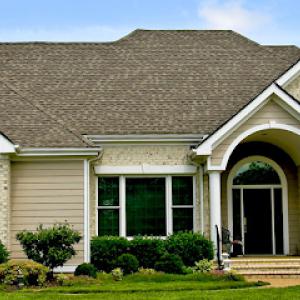
Kuchel Roofing
(712) 253-0279 kuchelroofing.com
800 Stockyards Pl, Sioux City, Iowa
4.9 from 174 reviews
Kuchel Roofing was voted the Best Roofing Contractor in '18, '19, '20, '21, '22, '23, and 2024 by the Sioux City Award Program. We make sure to provide Siouxland with the highest-quality roofing services at the most affordable prices. Kuchel Roofing is an Owens Corning Platinum Preferred Contractor.
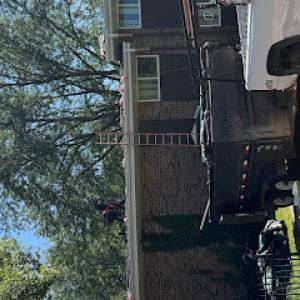
Ideal Roofing Co.
(712) 204-6267 www.idealroofingsiouxcityiowa.com
3311 Idlewood St, Sioux City, Iowa
5.0 from 84 reviews
Ideal roofing Serving Siouxland for 3 generations
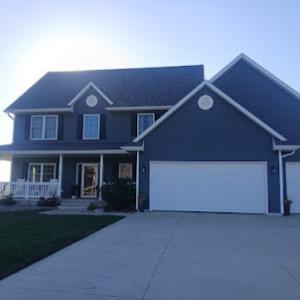
Ram Roofing & Solar
(712) 212-9204 www.ramroofs.com
507 7th St #226, Sioux City, Iowa
5.0 from 11 reviews
With years of roofing experience in Iowa, you can bet that the team at Ram Roofing and Solar has developed the most efficient restoration process in all of the Midwest. Our team of project managers, skilled craftsmen, and roofers in Iowa work in tandem to deliver high-end and long-lasting results. Whether it’s a minor roof repair or a complete roof replacement, the roofing contractors at Ram Roofing and Solar will consistently deliver 100% quality work. We’re a licensed and insured Iowa roofing company, so you can take comfort with our workmanship.
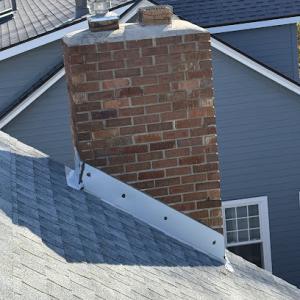
Precision Exteriors & Service
(402) 637-8320 precision-exteriors.org
962 Logan St, Sioux City, Iowa
5.0 from 8 reviews
Precision Exteriors & Service, located in Sioux City, Iowa, specializes in providing top-quality roofing solutions to both residential and commercial clients in Omaha, Nebraska, and Sioux City, Iowa. With a focus on artistry, Precision Exteriors & Service's team of highly skilled professionals is dedicated to crafting beautiful, durable, and sustainable roofs that not only protect your property but also enhance its overall aesthetic.
Casey Roofing
3615 Talbot Rd, Sioux City, Iowa
5.0 from 5 reviews
Casey Roofing Provides Roofing Contractors, Residential Roofing, Commercial Roofing, Asphalt Roofing, Composite Roofs, Shingles, Home Remodeling, Home Additions, Roof Installation, Roof Leak Repairs, Flat Roofing, Roof Replacement Services to the Sioux City, IA Area.
Winkler Roofing
(712) 277-4114 www.winkler-roofing.com
3325 28th St, Sioux City, Iowa
5.0 from 4 reviews
Winkler Roofing is located in Sioux City, IA, and we replace and repair all types of roofs for commercial and residential properties in the Siouxland area including Iowa, Nebraska, and South Dakota. We have proudly served this area for 50 years, and are members of the Better Business Bureau and we are fully insured and bonded. At Winkler Roofing our roofing services include Shingles, Single-ply Membrane -EPDM, TPO & PVC, Asphalt built-up and Roof inspections. We service both commercial and residential properties. Call us today at Winkler Roofing for a free, no-obligation estimate for our roofing services.

Midwest Roofing Contracting
(712) 927-4505 www.stormdamageroofers.com
1112 Fowler St, Sioux City, Iowa
5.0 from 4 reviews
Midwest Roofing Contracting in Sioux City IA provides top-quality roofing services for residential and commercial properties. Our team of professional roofers has years of experience in installing repairing and replacing roofs. We specialize in using high
Boone Brothers Roofing of Iowa
(712) 277-2103 www.boonebrothers.com
1432 Leech Ave, Sioux City, Iowa
5.0 from 2 reviews
Providing the Midwest with top quality commercial and industrial roofing. Established in 1958. Needs assessment, installation, repairs, replacement, preventative maintenance and emergency service. Boone Brothers Roofing works with slate, tar, rubber, TPO, PVC and standing seam metal roofing. We have successfully completed projects for a full range of businesses and Government facilities and well as Schools, Churches and Universities. Some of our Clients include MidAmerican Energy, Western Iowa Tech, University of South Dakota, Richardson Milling, Unity Point Hospitals, West Point Dairy, Mount Marty College, Creighton University, CF Industries, Tyson Foods, and the recently completed Siouxland Expo Center,
K & A Roofing
2024 Boies St, Sioux City, Iowa
3.5 from 10 reviews
Is it time to update your home’s roof? Turn to K & A Roofing in Sioux City, IA, for repairs, installations, and routine maintenance services that will keep your roof in tip-top shape and your family safe. This roofing company works on both residential and commercial properties, as well as flat or sloped roofs. They use durable materials, including asphalt, clay, and metal, to provide you with long-lasting results. Customers can also turn to this team for high-quality seamless gutter installations and repairs. For fast and efficient service, get a hold of K & A Roofing. Call this roofing company at (712) 239-9134 to schedule a consultation today.
Guarantee Roofing & Siding
(712) 277-3981 guaranteeroofing.com
2005 4th St, Sioux City, Iowa
3.1 from 15 reviews
Since 1926, our family-owned, full-service, bonded, and insured company in Sioux City, IA has provided roofing and siding services to residential, commercial, industrial, and agricultural clients throughout Iowa and South Sioux City, NE. We provide Iowa's best and most comprehensive roofing service, including new roofing, re-roofing, and roof repairs. Our services include: * Flat, Pitched, and Steep Roofs * Asphalt Roofs * Waterproofing * Cellulose Window and Door Insulation * Decks * Siding Our siding options include wood, slate, tile, steel, and Timberline shingles. We are proud to offer reasonable prices and low installation costs. Give us a call today for more information or to schedule an estimate!
Barnes Roofing
2906 Stone Park Blvd, Sioux City, Iowa
5.0 from 1 review
We specialize in residential and commercial Roofing. Replacements /repairs .
JC Roofing & Insulating
Serving
4.7 from 65 reviews
Established in 1984, JC Roofing & Insulating has grown into a trusted leader in the roofing industry. Year after year, we’ve expanded our capabilities to serve clients across the Midwest better. Our commitment to quality craftsmanship has earned us a strong reputation and high customer satisfaction. As a result, we’re proud to see a significant portion of our work come from repeat clients and referrals—proof of the lasting relationships we build through dependable service and exceptional results. Contact us today for more information!
Cold winters in Sioux City increase the risk of ice dams and make emergency leak control more common than full replacement during the coldest months. If a leak shows up after a heavy freeze-thaw cycle, the first goal is to contain water and minimize interior damage while a temporary fix is arranged. Roofers typically focus on temporary tarping, ice dam mitigation, and rapid staging for a full replacement when temperatures cooperate. You'll notice shingle products and flashing detailing that tolerate occasional freeze-thaw cycles perform better, but the emphasis stays on quick, controlled responses to leaks rather than a full-scale re-roof in deep winter. Planning for a potential late-winter or early-spring repair window can prevent longer outages.
Spring storms and hail can both damage roofs and create scheduling backlogs for Sioux City contractors at the start of the main reroofing season. A mid-to-late spring inspection after hail events helps separate cosmetic damage from structural concerns, and this check often catches issues that could worsen with spring winds. If your roof has aging shingles or flashing, spring is the time to address them before the heat and humidity set in. Expect crews to juggle multiple storm-related jobs, so confirm start dates, access needs, and material availability early. Having a clear inspection report and prioritized repair list helps you move through the backlog more smoothly and reduces the risk of weather-driven delays turning small fixes into larger projects.
Summer heat and humidity affect crew productivity and asphalt shingle handling, while issues for metal and tile systems can differ. In long, hot days, some materials expand and sealants cure differently, so scheduling during the cooler parts of the day becomes practical. If a roof has shallow slopes or limited shade, watch for faster wear on underlayment and edge detailing as crews optimize for safety. Concrete, asphalt, and synthetic shingles each respond to sun exposure in distinct ways; discussing preferred installation sequences and ventilation for your attic helps prevent rapid heat-related wear. Summer is also when storm-driven debris and wind uplift tests become common, so a thorough inspection after heat storms helps ensure flashing and edge protection remain sound.
Autumn winds often expose weak flashing and aging shingle edges before winter. This season is ideal for addressing marginal components that could fail under heavy snow loads or wind events. A targeted focus on valley and ridge flashing, drip edge integrity, and ridge vent performance reduces the chance of weather infiltration once temperatures drop. Scheduling a fall review gives you a clear path to a winter-ready roof, with attention to attic ventilation and insulation as complementary steps to extend roof life through the cold months.
In Sioux City, the optimal window balances weather stability with the backlog reality of spring. If a roof is showing signs of advanced wear, consider initiating proceedings just before the spring rush, so staging and material deliveries align with the first clear windows. For emergency leaks, temporary fixes buy time while planning a more comprehensive solution within the next suitable span. When weather turns temperate and predictable, you gain the most consistent conditions for a high-quality installation, with fewer interruptions and a more efficient crew workflow.
Asphalt shingles are the dominant practical choice in Sioux City because they fit the local reroofing market and cost range while remaining easier to replace after hail or wind damage. They respond well to the region's typical storm patterns, and when a roof takes a hit, you can usually source shingles that match closely in color and profile without large lead times. For homes that already have asphalt, a like-for-like replacement keeps disruption minimal and speeds up the insurance-driven recovery process that many homeowners experience after a severe hail event. When choosing asphalt in this area, you'll want to pay attention to wound resistance and nail counts, since the freeze-thaw cycle can reveal weaknesses if the installation wasn't thorough. A good underlayment and proper attic ventilation help prevent moisture problems after rapid temperature swings.
Clay tile, concrete tile, slate, and copper are available in this market, but Sioux City's freeze-thaw cycles make underlayment, flashing, fastening, and breakage risk more consequential than in milder climates. If you're considering any tile or copper, talk through the roof's exposure and weight with a professional. Tiles can deliver excellent impact resistance and durability when installed with a robust deck and appropriate fasteners, but they demand accurate alignment and careful flashing at penetrations and transitions. Slate offers exceptional longevity and a refined appearance, yet its brittleness under hail impacts can become an issue in certain wind-driven storm patterns. Copper provides striking longevity and a distinct look, but its soft nature in hail-heavy seasons means attention to edge detailing and secure attachment is essential. In practice, tile and metal options are best for homes with existing structure capable of supporting heavier roofs and with owners prepared for potential higher maintenance in exchange for a premium aesthetic and extended life.
Synthetic or composite shingles can appeal in Sioux City where homeowners want a premium look with less weight and potentially better impact performance than brittle traditional materials. The synthetic formulations often blend durability with a more forgiving installation, which is helpful if a roof sees sharp temperature shifts and stray hail. They can mimic the visual appeal of natural products while offering improved hail resistance and fewer edges that might crack under impact. If the goal is to minimize weight on older roof decks or to achieve a consistent aesthetic across a mixed architectural landscape, composites can strike a practical balance between appearance and performance. However, verify that the chosen product is compatible with existing flashing details and that the warranty covers freeze-thaw cycles common to this climate.
Across all material families, the lightweight and faster-changing nature of Sioux City's weather means attention to breakage risk and robust edge detailing matters. Good underlayment that tolerates moisture without degrading in cold snaps, comprehensive flashing at chimneys and vents, and secure fastening that withstands wind uplift are not optional extras-they are essential to long-term performance here. Consider the roof's exposure to prevailing winds and hail trajectories when selecting profiles, colors, and overhangs. A local contractor who understands seasonal storm patterns will tailor fastening patterns, shingle exposure, and maintenance expectations to your home's orientation, tree cover, and nearby open spaces, aligning material choice with actual field performance in this valley climate.
Typical Sioux City pricing ranges from 350 to 550 USD per square for asphalt shingles, 800 to 1400 for clay tile, 700 to 1100 for concrete tile, 500 to 850 for synthetic or composite shingles, 1100 to 2000 for slate, and 1800 to 4000 for copper roofing. Those numbers cover the bulk of residential roofs in the area, with asphalt shingles by far the most common starting point. If your home has newer, heavier or more ornate accents, be prepared for higher end materials to push total project costs up quickly. When you're comparing quotes, ask each contractor to break down material costs separately from disposal, underlayment, and fasteners so you can see where the biggest gaps are.
Storm-driven surges in demand can push Sioux City scheduling and labor pressure higher during the main warm-season replacement window. If a hail event or a busy storm front hits, contractors may spread crews thinner or book out several weeks. In practical terms, plan for a tight weather window to line up timing, especially for larger homes or reroofs with complex details. Have a backup plan for ventilation and attic access if a crew arrives with a compressed schedule, because rushing can affect a perfect seal and long-term performance.
Costs in Sioux City can rise when freeze-thaw damage has affected decking, flashing, ventilation details, or when heavier materials require more structural and installation labor. If plywood or roof boards show degrades due to repeated freeze cycles, expect extra decking replacement and faster edge framing to be needed. Damaged flashing around chimneys or vents will add labor time, especially if old components must be removed and re-set. Heavier materials like clay or slate also demand more labor efficiency and sometimes additional crew members or equipment, which translates to higher daily rates.
For a straightforward asphalt replacement, you'll often see the lowest end around 10,000 to 13,000 dollars on a modest two-story. If you're weighing synthetic shingles as a mid-range option, plan for roughly 14,000 to 22,000 dollars depending on square footage and attic access. For premium slate or copper, be prepared for 22,000 to well over 40,000 dollars on larger or intricate homes. Get at least three written bids, and insist on a detailed scope that lists materials, tear-off, disposal, ice-damming considerations, and any ventilation upgrades. In a market shaped by wind, hail, and seasonal pressure, clarity on scope is your best budget safeguard.
Get a clear picture of your project costs upfront - no commitment required.
Winkler Roofing
(712) 277-4114 www.winkler-roofing.com
3325 28th St, Sioux City, Iowa
5.0 from 4 reviews
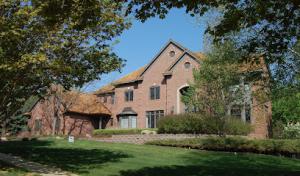
A full roof replacement in this area typically requires a permit through the City Building Services department. The process is not something to treat as a quick checkbox; the city wants to see the project details, material types, and the scope of work before any shingle granules come off or underlayment is rolled out. The contractor, or sometimes the homeowner if you're handling the project yourself, should prepare a clear set of details that outline the planned approach, including ventilation, flashing transitions, and the intended roof type. Approaching the permit with attention to these specifics helps avoid delays when storms roll through and the crews are pressed for window slots.
Inspections in Sioux City are scheduled during the installation and again after the work is complete, rather than being a casual visit or an informal nod from a contractor. Expect at least one mid-project check to verify that the underlayment, flashing, and ventilation are installed to code. A second, final inspection is required to close out the permit, confirming everything has been installed to the city's standards and current building codes. Coordination with the Building Services department is essential so that weather windows don't force crews to stall and re-check later, especially during the busy hail and wind seasons.
The inspection team concentrates on three core areas that matter in this region's climate and housing stock: underlayment and deck integrity, flashing around hips, chimneys, skylights, and vent pipes, and the overall ventilation strategy. Proper underlayment helps mitigate moisture intrusion during freeze-thaw cycles and sudden summer storms, while correct flashing keeps wind-driven rain from finding weak points. Ventilation is scrutinized to ensure attic temperatures stay balanced and roof durability isn't compromised by moisture buildup. If anything isn't up to code, the permit won't close, and the project timeline can stretch further-precisely the kind of delay that hurts in late spring and early fall when storms are common.
After installation, the final inspection serves as the gatekeeper to permit closure. The inspector will verify that the installation matches the approved plan, that all penetrations and transitions are properly sealed, and that ventilation pathways meet code. Treat this as a critical checkpoint, not a box to check off. If adjustments are needed, address them promptly with the contractor and the Building Services office to avoid prolonging occupancy or delaying occupancy-related tasks such as attic cooling or insulation checks. In Sioux City, the permit-and-inspection cycle is designed to protect homes against the area's volatile weather and to ensure long-term performance of the reroof.
Sioux City sits in an Iowa insurance environment with elevated roof claim activity because hail and wind losses are common. That reality shapes how insurers approach a roof just after a fierce storm. Expect sharper scrutiny and a tighter timeline for documentation, especially after a damaging event. Decisions can hinge on the specifics of the hail impact, wind-driven damage, and whether interior leaks accompany the visible exterior signs. Knowing this, you should prepare for a process that moves quickly and demands precise evidence.
Homeowners in this market should expect insurers to want date-stamped photos, close-ups of damaged slopes, and documentation of interior leaks or collateral damage. The photos should clearly show missing shingles, dented aluminum, or granule loss, with a dated subject line or file metadata. Close-ups matter: a worm's-eye view of penetrations, bent flashing, or damaged valleys can be decisive. Collateral damage-water staining on ceilings, warped drywall, or stained attic insulation-helps connect that storm to the loss, strengthening the claim.
Because adjusters may request on-site review before approving replacement, Sioux City homeowners benefit from documenting damage immediately after storms and before temporary repairs obscure evidence. A quick, systematic photo log taken as soon as the weather clears can prevent gaps later. If an alteration or temporary fix is already in place, note the date and details, since insurers prefer to see the original state when possible. Honest, timely records reduce back-and-forth and keep the claim from stalling during the seasonal flood of weather-related losses.
In Sioux City, low-slope sections and transitions are vulnerable when snow, ice, and spring rain follow winter freeze-thaw cycles. A saturated seam line can lift when thawing water expands, creating slow leaks that show up after a heavy afternoon storm. Pay attention to where the roof meets walls and vented penetrations on the slope, since those lapses tend to reveal themselves first after a long cold stretch.
Skylight and flashing details deserve extra scrutiny in Sioux City because seasonal temperature swings and storm exposure can turn small seal failures into interior leaks. Look closely at the top seals around skylights, curbs, and step-flashings where sections shift with temperature. If you notice a ridge of staining or hairline peeling on exterior sealants, address it before a warm moist day drives water inward.
Inspection attention on flashing and ventilation in the local permit process reflects how often these details determine whether a roof performs well through weather extremes. Check ridge and soffit ventilation near skylight lanes to ensure air moves freely, preventing moisture buildup behind the flashing. Edges along transitions from low-slope to steeper sections should be sealed with compatible materials and reinforced to resist wind-driven rain from late-season storms.
During a thorough walk-around, test for soft spots at transitions after a heavy thaw or hail event. Inspect for quickly drying blistered areas near skylights and near chimney flashings, where wind scour can undermine sealants. If a concern exists, plan a targeted repair before the next freeze or storm round to minimize interior disruption.
Find specialists in TPO, EPDM, and built-up flat roofing systems for residential and commercial properties.
Kuchel Roofing
(712) 253-0279 kuchelroofing.com
800 Stockyards Pl, Sioux City, Iowa
4.9 from 174 reviews
Ideal Roofing Co.
(712) 204-6267 www.idealroofingsiouxcityiowa.com
3311 Idlewood St, Sioux City, Iowa
5.0 from 84 reviews