
Last updated: Apr 19, 2026
Western Iowa faces frequent hail and wind claim activity, and storms along the Missouri River corridor routinely leave roofs damaged even when the house looks fine from the ground. In spring, several homeowners decide to replace their roof after severe weather rather than relying on age or wear alone. The combination of sharp temperature swings, recurring hail, and strong winds means that damage can accumulate year after year and leak, sag, or loosen fasteners before a visible telltale sign appears. In this climate, waiting for a roof to fail is a risky bet, and early acknowledgment of damage can save you bigger problems later.
Insurers in this market expect clear, organized proof. Start with a dated, high-quality photo record of all roof surfaces, channels, and any interior signs of leaks near the ceiling or attic. Include close-ups of hail dents, granule loss, lifted shingles, and any fallen gutters or fascia. Keep a log of past repairs or replacements, even if they seem minor. Photo documentation should distinguish new storm damage from older wear; a well-labeled album with "storm date," "area affected," and notes about wind-driven debris helps your adjuster understand the scope. If you have previous reports or contractor notes, gather those as well. In this market, a thorough, timestamped record can speed your claim and reduce back-and-forth.
After a regional storm, scheduling tightens quickly in Council Bluffs because many local contractors actively market storm-damage and insurance-claim work. If you wait, you risk longer project timelines, delays in material delivery, and competing demand that pushes contractor calendars out weeks. Reach out to trusted, licensed local roofers as soon as practical after the storm, and secure a written assessment. Ask for a detailed scope that differentiates what will be repaired now versus what might be staged for later. Proactively coordinating with your insurer's adjuster can help ensure the repair timeline aligns with both the appraisal process and material availability, especially when multiple crews are vying for the same storm-impacted neighborhoods.
When you file a claim, expect your insurer to request documentation of new storm damage beyond routine wear and tear. Be prepared to present the photo record and the damage log, plus any notes from a licensed contractor that specify that the observed issues are consistent with a recent severe weather event. If you receive an adjuster's report that seems to miss new damage or suggests preexisting wear as the sole trigger for replacement, request a re-evaluation and provide your documentation again. In this market, it's common for multiple rounds of communication to occur before the scope of work is finalized, so keep a running file of all correspondences. If a contractor flags signs of hidden damage-like roof deck moisture or trapped wind uplift-do not dismiss those observations; address them promptly with the insurer and your contractor to avoid gaps in coverage.
Begin with a rapid, careful exterior inspection after every significant hail or wind event. Photograph every area that looks altered from prior years and note any attic or ceiling signs of water intrusion. Contact at least two seasoned local roofers who understand the typical Montana-like swings in weather here and who have experience with insurance-driven projects. Schedule assessments quickly, but ensure each contractor provides a transparent, itemized scope with photos and notes that separate new damage from existing wear. When you receive an insurer's response, review it side by side with your contractor's findings and push for a clear, defendable path to replacement if warranted. In a storm-affected market like this, timely action and meticulous documentation are not just helpful-they are essential for securing a fair settlement and a durable roof that stands up to the next spring, summer, and winter cycle.
Find local contractors experienced in assessing and restoring roofs after hail, wind, and severe weather events.
Home Pride Contractors
1530 Ave N, Council Bluffs, Iowa
4.8 from 150 reviews
IMS Exteriors
(712) 888-1822 ims-exteriors.com
1705 McPherson Ave Suite LL400, Council Bluffs, Iowa
4.8 from 31 reviews
Roofing Council Bluffs LFL
(712) 888-2488 www.roofingcouncilbluffs.com
Council Bluffs, Iowa
5.0 from 11 reviews
IMS Exteriors
(712) 888-1822 ims-exteriors.com
1705 McPherson Ave Suite LL400, Council Bluffs, Iowa
4.8 from 31 reviews
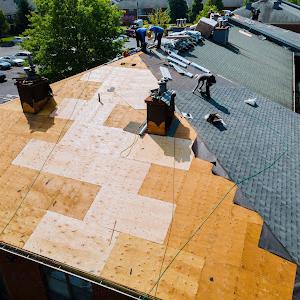
IMS Exteriors in Council Bluffs, IA specializes in professional roofing replacement services for homeowners and businesses. With frequent hailstorms, strong winds, and heavy seasonal rains in the Midwest, roofs in Pottawattamie County often suffer from damage and premature wear. Our skilled team provides complete roof replacement solutions designed to strengthen your property, improve energy efficiency, and protect against local weather challenges. We focus on quality workmanship and attention to detail, ensuring long-lasting results. As experienced roofers in Council Bluffs, IMS Exteriors is known for professionalism, reliability, and trusted expertise in roofing projects of every size.
Roofing Council Bluffs LFL
(712) 888-2488 www.roofingcouncilbluffs.com
Council Bluffs, Iowa
5.0 from 11 reviews
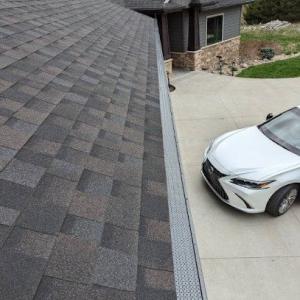
Looking for reliable and high-quality roofing services in Council Bluffs, IA? Our experienced team has got you covered! We offer a comprehensive range of services, including roof repair, replacement, and installation, as well as specialized services like storm damage repair and preventive maintenance. Whether your home or commercial building needs minor roof repairs or a complete replacement, our team can assess the situation and provide an efficient solution that fits your budget and timeline. We use only the highest quality materials and work closely with architects and other contractors during new construction projects to ensure that every detail is accounted for during installation.
Bates Roofing
(712) 366-4357 www.batesroofing.net
14017 Overland Trail, Council Bluffs, Iowa
4.6 from 23 reviews
With three decades of expertise, Bates Roofing has been a trusted name in residential and commercial roofing. Since 1993, this family-owned company has provided Council Bluffs and the surrounding areas with professional service and exceptional craftsmanship. Committed to quality, they specialize in a wide range of roofing solutions, ensuring every project is completed with the highest standards. Experience the difference that comes with a company built on a foundation of integrity, skill, and enduring local tradition.
Total Elevated Roofing
(402) 599-3009 www.totalelevatedroofing.com
Serving
5.0 from 55 reviews
Looking for a reliable and affordable roofing company in Omaha, Nebraska and nearby areas? Total Elevated Roofing is the local team homeowners and businesses trust for quality roofing services and honest workmanship. We specialize in free roof inspections, roof installations, roof repairs, gutter installation, and siding installation for residential and commercial properties. Whether you’re dealing with storm damage, leaks, or an aging roof, our experienced crew handles every project with care, safety, and attention to detail. We proudly serve Omaha, Bellevue, La Vista, Papillion, Ralston, Elkhorn, Millard, Bennington, as well as Council Bluffs and Carter Lake, Iowa. Contact us today to schedule your free roof inspection.
CSF Exteriors
(402) 509-8882 www.csfexteriors.com
Serving
4.9 from 218 reviews
CSF Exteriors is a trusted home exterior and roofing contractor serving Omaha, Nebraska, and surrounding areas. We specialize in roofing, siding, windows, and gutters, offering expert installation, repair, and replacement services for both residential and commercial properties. As a certified DaVinci Masterpiece roofing contractors and James Hardie Siding Alliance Program member, we deliver top-tier craftsmanship and durable materials. Our commitment to customer satisfaction is evident through free inspections, detailed estimates, and personalized project management. Whether you're dealing with storm damage or planning an exterior upgrade, CSF Exteriors ensures your home's protection and aesthetic appeal.
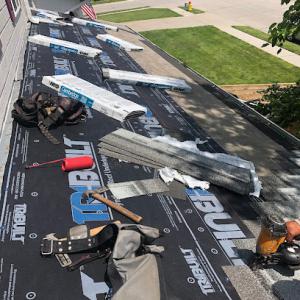
All-Star Exteriors
(402) 205-4833 allstarexterior.com
Serving
4.9 from 38 reviews
All Star Exteriors provides roofing, siding, gutters, and interior services to Omaha, NE, and the surrounding areas.
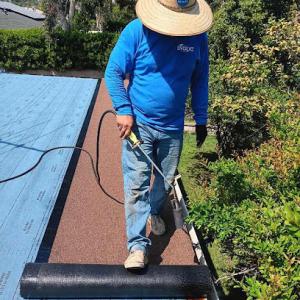
Evolve Construction & Restoration NE
(800) 222-4100 www.evolveconstruction.com
Serving
5.0 from 24 reviews
Building Better Tomorrows At Evolve Construction, we take pride in helping improve or repair homeowners properties in multiple locations across the United States. Our goal is to build long-term relationships with our clients through our dedication to making them happy and satisfied. We love what we do and share the same values with homeowners in achieving better results.

Blu-Roofing
(402) 340-9058 www.linkedin.com
Serving
5.0 from 18 reviews
Experiencing recent WIND or HAIL damage from a storm? Call us at Blu Roofing today! Blu Roofing is a Nebraska based, family-owned business. Blu Roofing is a company built on hard work & trust. We are small business minded, which places value in a handshake. We promise to give you a #BetterThanGood experience, while replacing your roof, gutters, or downspouts. The hardest decision you will make, is selecting a new gutter or shingle color. We will be here to assist you during the color selection process, to ensure you find the perfect match! Blu Roofing works with ALL insurance companies! Every customer will be upgraded to a “Class 3”, High Impact Resistant shingle, at no additional cost to you! Services Include: Roofs-Gutters-Downspouts
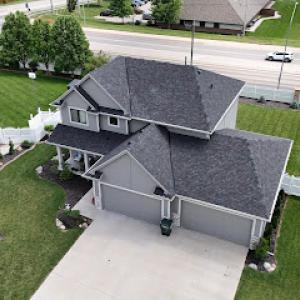
MAX Roofing
Serving
4.9 from 30 reviews
MAX Roofing is a team of roofing professionals dedicated to providing unparalleled roofing solutions with a commitment to excellence, quality, and ethical practices. After feeling dissatisfied with the practices occurring in the roofing industry, our founders decided to chart a new course. Founded in 2018, MAX Roofing is a family and locally owned roofing company with over 15 collective years in the industry. Our mission is to serve the Omaha metro and surrounding communities with exceptional roofing care.
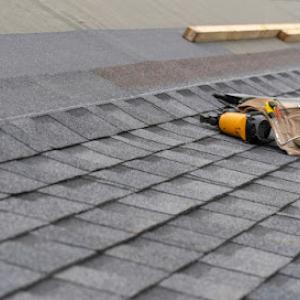
C & S Roofing
(402) 502-5559 www.candsroofingomaha.com
Serving
4.8 from 144 reviews
RESIDENTIAL & COMMERCIAL FULL SERVICE GENERAL CONTRACTOR SPECIALIZING IN: ROOFING, SIDING, GUTTERS, STORM DAMAGE , FIRE RESTORATION & MORE C & S Roofing provides comprehensive roofing solutions to residents and business owners in Omaha NE. We specialize in roof repair and roof replacement, as well as siding and gutter services. We offer 24 hour emergency services for storm damage restoration. At C & S Roofing, we are dedicated to providing quality workmanship without compromise, at competitive prices. We can work with you to file insurance claims for storm damage, to get a roof repair or roof replacement at little to no cost to you. No matter the roofing project, C & S is there!
Rich Poisel's Roofing
(402) 339-3491 handsomeroofer.com
Serving
4.7 from 31 reviews
Let Rich Poisel's Roofing handle your entire roofing job, from detailed bids to dealing with insurance claims. Our locally owned and operated business has over 30 years of experience in the eastern Nebraska and western Iowa area and are proud to service our community and surrounding areas.

Premier Roofing Company
(402) 778-7663 www.premier-roofing.com
Serving
4.2 from 195 reviews
Premier Roofing Company in Omaha, NE, is your trusted local expert specializing in asphalt shingle roofing and hail damage roof replacement. Serving homeowners, businesses, and multi-family communities throughout Omaha and surrounding areas, our skilled roofing contractors deliver exceptional craftsmanship, premium roofing materials, and unmatched customer service. Choose Premier Roofing Company in Omaha for reliable asphalt roofing solutions. Premier has been a proud part of the Omaha community since 2018. Centrally located just north of Charles Schwab Field, our local branch and team offer the best customer service and the best workmanship and material warranties in the industry to the thousands of Nebraska and Iowa residents we serve.
Late spring through early fall offers the most favorable overall conditions for a roof replacement in this Missouri River corridor. Warmer days help cure underlayment and shingles, and dry spells are more common than in the heart of winter. Freeze-thaw cycles that hammer underlayment and glue seams are less likely during this stretch, which reduces the risk of future leaks right after installation. This practical window aligns with typical attic and interior humidity cycles too, making insulation and venting adjustments easier to verify before the cold sets in.
Spring in western Iowa brings more frequent hail and higher winds, and those threats directly influence claim volume and scheduling. If a storm is recent, the process from claim to replacement can move quickly on the surface, but crews may face backlogs as insurers and adjusters add inspections and prioritize damaged properties. You should plan for potential variability in start dates and early progress, while still prioritizing a thorough, accurate assessment. Quick inspections matter, but the goal is to avoid rushing to a point where shingle alignment, flashing installation, or vent sealing are compromised. Having a flexible calendar helps you balance the need for swift action with the requirement for a solid, durable roof that will stand up to the next round of severe weather.
Mid-to-late summer in this region usually provides the most dependable conditions for outdoor work. Longer days and minimal precipitation allow crews to advance steps in sequence-removing damaged material, laying underlayment, and securing shingles with proper nailing patterns without frequent interruptions. When lining up crews, aim for a period with consistent daytime highs and cooler nights, which helps sealants cure properly and reduces the likelihood of wind uplift issues during the first storm season after installation. If an early summer lull occurs, use that time to finalize color selection, confirm warranty terms on sealing compounds, and coordinate attic ventilation checks to maximize roof longevity.
Autumn weather brings more variable temperatures and occasional wet spells, which can slow progress and tighten the window for proper sealing before winter. Rain in western Iowa isn't rare, and sudden cold snaps can challenge adhesive performance and membrane protection if sequences get interrupted. To stay on track, aim to complete core installation before late fall, when drying times shorten and days grow cooler. This helps ensure ridge lines, eyelets, and drip edges get a solid seal and the overall roof geometry settles well before snow and ice return. Planning with a buffer for slower days can preserve craftsmanship without sacrificing reliability.
Coordinate with emergency storm crews when storms have just passed, but insist on a detailed inspection report that notes hail marks, wind-driven damage, and any compromised underlayment. Create a realistic timetable that anticipates spring variability and autumn slowdowns, while preserving a solid stretch of dry days for sealing and flashing work. Communicate clearly with the contractor about preferred sequences: removal, deck inspection, underlayment treatment, and final sealant cure. This approach helps keep the project steady and the roof performing well through the next round of severe weather.
Asphalt shingles are the dominant choice in this market, and that reality shapes everyday decisions about durability and repair. In a climate shaped by repeated hail exposure and strong wind events along the Missouri River corridor, impact resistance and wind-blow performance matter as much as curb appeal. When evaluating shingle types, look for higher impact ratings and dedicated wind resistance to minimize hail-related damage and fastener pull-out during severe gusts. Local histories show that a well-rated, impact-resistant asphalt shingle paired with a robust underlayment often survives repeated storms with fewer roof-line surprises. The goal is a system that can absorb impacts and stay in place through the spring wind cycles, rather than a surface that looks good after a single storm but fails in a subsequent one.
Metal roofing has a meaningful niche in this market because homeowners looking beyond standard re-roof cycles often compare it against recurring hail-season replacement risk. In Western Iowa weather, metal can deliver excellent resistance to hail and wind when installed with proper fastener patterns and sealing details. A metal roof tends to shed hail better and resist shingle loss, but performance depends on panel type, coating, and the quality of the ridge vent and fastening zones. For homes that endure frequent storms, metal can translate into fewer in-field repairs and a longer observed service life between major overhauls. If you anticipate multiple storm seasons within a couple of decades, metal stands out as a strategic choice, provided installation respects freeze-thaw dynamics and the substrate prepares for prolonged outdoor exposure.
Tile, wood shake, and synthetic products exist in Council Bluffs but need to be evaluated against local freeze-thaw stress, wind exposure, and insurance expectations for replacement matching. Clay and concrete tiles can offer striking durability and an extended life in some settings, yet freeze-thaw cycles in Iowa winters demand careful selection of water management and substrate preparation to avoid cracking and frost-related failure. Wood shakes bring a distinctive appearance but are generally less forgiving in harsh winds and hail impact without regular maintenance. Synthetic and composite shingles can mimic the look of natural materials while offering improved impact resistance and dimensional stability; however, performance depends on the specific formulation, fastener compatibility, and how well the installation guards against wind uplift and ice dam formation. In this climate, the choice often centers on a balance between resilience, ease of repair after storms, and how closely the product can be matched to existing roofing and flashing details.
Regardless of material, the surrounding roof system-underlayment, flashing, valley treatment, and edge details-needs to be configured for the Missouri River corridor's stressors. A solid underlayment with a blistered, water-shedding surface helps keep interior spaces dry after hail impacts or wind-driven rain. Pay attention to how each material pairings handle flashing transitions over chimneys, vents, and hips, because wind-driven moisture is a common source of calls after a severe weather event. In practical terms, invest in a roof system that maintains performance through rapid thaw cycles, keeps attic temperatures stable, and provides predictable re-roof outcomes after a major storm. This approach minimizes the need for premature replacements while offering a consistent path to restoring shelter after the next round of severe weather.
Storm-driven demand spikes across western Iowa can compress contractor availability and extend lead times in the wake of hail and wind events along the Missouri River corridor. In those periods, pressing timelines and limited crews can push both material and labor costs higher than typical off-season quotes. When a major hail storm hits, some roofers shift to emergency response mode, which can mean faster scheduling but at a premium. Expect price variability that tracks how quickly crews can mobilize after a storm, especially during the city's busiest post-storm season.
Council Bluffs homeowners commonly compare full re-roof costs by material using these local ranges: asphalt shingles 360 to 800 USD per square, metal 600 to 1200, clay tile 1100 to 2300, concrete tile 900 to 1500, wood shingles or shakes 500 to 1200, and synthetic or composite shingles 420 to 900. These figures reflect the mix of traditional housing stock in the area and the durability needs created by repeated western Iowa hail exposure. In practice, the choice between asphalt and metal, for instance, often hinges on the expected life span, wind resistance, and impact tolerance given the local climate.
Costs can also move based on tear-off scope. If a full tear-off is required to reach a solid deck or to address multiple layers, expect the total to rise accordingly. Weather patterns in this region can drive longer project windows, which in turn affects staging and material handling. When evaluating bids, compare whether contractors are pricing a complete tear-off versus overlay options, and how that choice aligns with existing roof condition and long-term performance.
If the project is scheduled during the city's busiest post-storm season, lead times can stretch. Contractors might book out several weeks, and delays can cascade into higher labor fees or expedited materials charges to maintain a tight schedule. Planning ahead, even in a storm-approved queue, helps lock in more predictable pricing and reduces the risk of last-minute price jumps driven by supply chain shifts.
Get a clear picture of your project costs upfront - no commitment required.


A permit is typically required for a full re-roof, and that means you should confirm who is responsible for pulling it before any shingle hits your roof. In our area, the permit process ties closely to the scope of work and the upcoming inspections, so assuming a permit isn't needed can lead to delays or trouble when the project is checked later. Talk with your contractor about who submits the paperwork, who holds the permit, and what exactly the permit covers. Clarity here prevents miscommunications once crews are on the job.
The local building department reviews project scope to ensure it matches code and safety standards. Expect inspections at two key milestones: rough-in and final completion. The rough-in inspection verifies roof deck integrity, underlayment, and venting details before shingles go on, while the final inspection confirms everything is sealed, flashed correctly, and weatherproofed. This is not a no-contact replacement job where the old roof is simply removed and a new one laid down without oversight. Plan for access and scheduling windows so inspectors can do thorough checks.
Homeowners should verify that the contractor carries a valid Iowa license and insurance before permit submission and scheduling. A licensed contractor demonstrates adherence to state and local requirements, including safety practices and material quality standards. Insurance protects you from liability in case of on-site accidents or property damage during the tear-off and installation. Before any permit is filed, request proof of licensure and current insurance certificates. If the contractor hesitates or can't provide documentation promptly, consider obtaining bids from another licensed firm.
Because inspections are tied to milestones, timing matters. Coordinate with the building department to understand typical inspection windows and what information the department expects you to present, such as project scope, material selections, and weather contingency plans. Prepare a clear line of communication with your contractor for any changes that might affect the permit scope. Keep driveways and access paths clear on inspection days, and mark any potential hazards around the yard to help inspectors move around safely.
Know that permits are a formal part of the re-roof process and help ensure the project stands up to local codes and weather, especially after the frequent hail and wind in this area. By confirming responsibility, securing licensed and insured personnel, and scheduling inspections ahead of time, you reduce the chance of delays and noncompliance that could complicate storm-damaged roofs. Plan thoughtfully, document everything, and keep a clear record for follow-up if adjustments are needed after the first inspection.
In this city, Council Bluffs sits in a high-claim hail and wind market, so insurance considerations often shape whether homeowners repair isolated damage or pursue full replacement. Storm events leave variable traces: a few compromised shingles or dented panels can look minor, but adjusters may treat the wider roof system as the true indicator of need. The outcome often hinges on whether the insurer sees a path to affordable repair or a clearer case for replacement.
Adjusters in this region may review older installations closely to determine whether the roof qualifies for replacement under policy terms. If the roof is showing staggered wear, mixed materials, or mismatched layers from previous repairs, the odds of a full replacement being approved can shift. Documentation that proves the age of the roof, the original components, and the sequence of any prior repairs becomes a practical lever in the conversation with the insurer.
Policy compliance can include matching requirements for roof components, making documentation of shingles, accessories, and prior repairs especially important in Council Bluffs claims. If the claim moves toward replacement, insurers often expect a uniform appearance across the roof. Keeping product details, installation dates, warranty terms, and any warranty transfers organized helps you navigate whether the new installation will satisfy the policy's matching expectations.
Understand that weather-driven damage can trigger a broader review of the roof system, not just isolated spots. Your claim may involve static-season audits, contractor assessments, and material samples. Staying prepared with clear records and a consistent narrative about damage timing can reduce back-and-forth and help align settlement outcomes with the actual condition of the roof at the time of the storm.
Freeze-thaw cycling in this region can accelerate underlayment wear, especially on aging roofs already damaged by prior storms. When temperatures swing above and below freezing, trapped water expands as it freezes, stressing layers beneath shingles. In older roofs, this can lead to hairline leaks, softened edges, and accelerated delamination of the underlayment. After a harsh winter, focus inspections on valley intersections, around dormers, and along eaves where ice damming commonly concentrates water. If granules have already worn away from shingles, the underlying underlayment takes more direct blast from moisture, increasing the risk of interior staining and attic condensation.
Wind-driven loss is a recurring local issue, with lifted or creased shingles often becoming part of insurance inspections after severe weather. Look for shingles curled at edges, lifted corners, or cupping near roof slopes facing prevailing gusts. In Council Bluffs, gullies and exposed ridges tend to show wind distress first, followed by accelerated granule loss along the rake edges. Pay attention to fastener corrosion and areas where shingles have shifted or slid over the underlayment. Even when damage looks minor from the ground, compromised fasteners and lifted tabs can allow moisture intrusion after a heavy rain or subsequent freeze-thaw cycle.
Because storm activity is so common in western Iowa, distinguishing fresh hail strikes from older granule loss and wear is a recurring local inspection challenge. Fresh hail damage often appears as sharp indentations or random scattered dents on the same elevation, typically accompanied by displaced or shiny granules. In contrast, aging roofs show widespread granule loss, curling of edges, and moss or algae growth that complicates the visual assessment. Compare current patterns to previous inspection notes and document any changes in color, texture, or water intrusion.
During a practical inspection after a storm, start at the highest points of the roof and work downward, noting any areas with abnormal moisture in the attic or along flashing. Use daylight to reveal lifted shingles and look closely at valleys, chimneys, and vent boots where leaks often originate. If timing suggests recent hail activity, line up the pattern with neighboring homes to distinguish new damage from older wear. When in doubt, a professional roofing evaluation focused on the underlayment, flashing, and vent seals can confirm whether replacement or targeted repairs are needed.
Find contractors experienced in skylight installation, flashing, and leak repairs to bring natural light into your home.
Roofer Mike's Roofing, Roof Repair, Siding, Gutters, Bellevue, NE.
(402) 979-2171 www.facebook.com
Serving
5.0 from 45 reviews
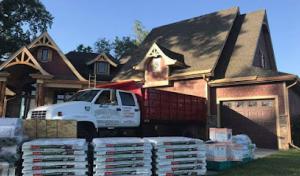
The local market strongly skews toward re-roofing and post-storm work, so you should ask upfront whether the contractor's core experience is full replacement, emergency response, or claim support. A reputable roofer will be able to describe how they handle a hail event from initial tarp or debris removal through final shingle or panel installation, and how they document losses for the adjuster. If a company leans heavily toward rapid, temporary fixes, you may need a separate firm for the full replacement. Look for a clear track record across multiple severe-weather cycles, not just a one-off job after a big hail storm.
Cleanup and quick response are major hiring priorities in this market, reflecting how often projects are initiated after damaging weather rather than planned years in advance. Ask for concrete timelines: how soon will they tarp, board, or secure the site after a storm, and what is their typical turnaround for a complete roof replacement? In weather like ours, you want a contractor who can mobilize within 24 to 72 hours for the urgent tasks and who maintains a steady pace through the debris removal, sheathing checks, and shingle or tile replacement when conditions allow.
Because this market includes both long-established local companies and storm-focused operators, homeowners should verify Iowa licensing, insurance, inspection handling, and who will actually manage the job on site. Confirm the contractor carries liability and workers' compensation coverage, and that their insurer will name you as an additional insured if required. Ask who will be on site daily, how quality control is performed, and how you will receive updates. Clear lines of communication prevent missteps and ensure that every inspection note is addressed before closure.
Storm damage work hinges on documentation and coordination with your insurer. A dependable roofer will help you prepare the claim package, take measurements, and supply the details the adjuster needs. Ensure the company can provide photos, teardown records, and a transparent on-site plan that matches the claim scope. The right partner keeps you informed, protects your home during debris removal, and stays accountable from the first contact through final cleanup.