
Last updated: Apr 19, 2026
You live in a suburban Omaha-area hail and wind corridor, and that means storm-driven roof damage and replacements can move from first signs to completion on a tight clock. Spring hail and severe weather can create sudden scheduling backlogs in Papillion, so damage assessment should happen quickly. If you notice granule loss, dented shingles, curling, or leaks after a storm, treat it as urgent-the window to file a claim and assemble documentation tightens as the calendar fills with post-storm work across the Sarpy County corridor.
Local contractor signals here are heavily concentrated in storm damage and insurance claims work. Many homeowners end up hiring roofers not for elective upgrades, but for post-storm inspections, hail assessments, and claim support. That means you'll likely encounter a surge of contractors who offer expedited inspections and claim-ready documentation. Be prepared to verify credentials, demand a written scope tied to the damage observed, and clarify who handles communications with your insurer. The goal is to avoid scope creep or unexpected changes that stall your timeline or complicate the claim process.
In this market, solid documentation is your fastest path to a smooth claim and timely restoration. Start with current photos of all affected roof planes, interior signs of damage like ceiling stains or attic condensation, and a dated diary of any leaks or wind-driven impacts. Keep a log of every inspection: who conducted it, what was observed, and the date. Request a written assessment from any contractor you consider; it should itemize damaged components, evidence of hail impact, and a reconstruction plan aligned to replacement when needed. Your insurer will rely on these records to determine the scope, allowables, and payout timing, so accuracy and completeness are non-negotiable.
Be wary of contractors who promise same-day or "guaranteed" approvals without a formal inspection and documented findings. In Papillion's storm cycle, rushed contracts often lead to misaligned scopes or hidden add-ons that complicate the claim. If an adjuster's evaluation contradicts an independent inspector's notes, you'll want clear, written explanations and a mutually agreed retrofit plan. Watch for signs of staging: limited crews on the ground, rapid teardown without a thorough assessment, or pressure to replace non-damaged areas. These are hints that the process may stall and require a second opinion or longer scheduling windows.
Seasonal demand shapes scheduling, with spring storms creating backlog pressure. Your action plan should include documenting damage within days of a storm, then coordinating with a licensed roofer who understands the local claim process and the insurer's expectations. If you're coordinating a tear-off and replacement through the city's typical inspection cadence, anticipate staged checks after tear-off and again at completion. Build your calendar around those milestones and communicate clearly with your contractor about timing, so you're not left waiting as calendars fill across the metro.
Choose a Papillion-area roofer who demonstrates experience with hail-related claims, a track record of transparent documentation, and a willingness to work directly with insurers. The right partner will help you gather the necessary photos, line up an adjuster-accessible inspection schedule, and translate every finding into a clear, claim-ready scope. In a market built on rapid responses and precise paperwork, your best defense against delays is a well-documented, well-communicated plan that stays aligned with the insurer's expectations and the storm-driven realities of this neighborhood.
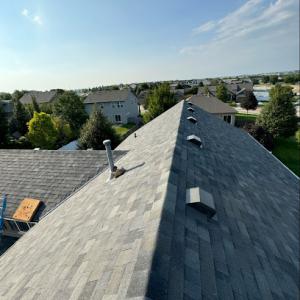
Ebw
(402) 686-8152 www.ebwomaha.com
2310 Ridgeview Dr, Papillion, Nebraska
4.9 from 34 reviews
EBW, LLC provides residential and commercial roofing, siding, and gutter services to Papillion, NE, and surrounding areas.
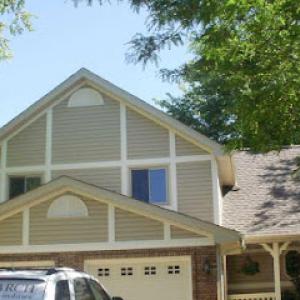
Monarch Siding, Windows, & Roofing
(402) 596-1414 www.monarchsiding.com
308 E Cary St, Papillion, Nebraska
4.7 from 82 reviews
Monarch Siding, Windows & Roofing provides siding, roofing, windows, decks, gutters and downspouts to Papillion, NE, the Omaha Metro and surrounding areas.
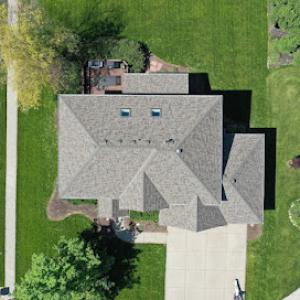
Rocket Roofing General Contractor - Papillion
(402) 291-8888 www.rocketroofingne.com
110 N Washington St, Papillion, Nebraska
4.7 from 63 reviews
Rocket Roofing is a locally owned, BBB A+ accredited roofing and contracting business serving Papillion, Omaha, and the surrounding areas. As the top roofing contractors in Papillion, we have earned a reputation for reliability and quality in the roofing industry. Homeowners and businesses in Papillion and Omaha trust Rocket Roofing for our expertise in roof repairs, roof installations, and roof inspections. Choosing a reliable and knowledgeable roofing contractor is crucial for the best results. At Rocket Roofing, we offer tailored roofing solutions to meet our customers' needs. For premier roofing services in Papillion, call NOW for a free roof inspection: (402) 291-8888.
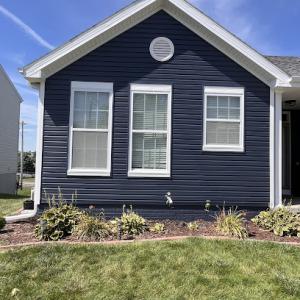
Papio Exteriors
(402) 714-0649 papioexteriors.com
1302 Beechwood Ave, Papillion, Nebraska
4.9 from 27 reviews
Papio Exteriors has over 34 years of experience in installing and repairing roofs, windows, and siding. Committed to delivering top-quality craftsmanship and exceptional customer service, Papio Exteriors strives for excellence in the community. Whether you need a new roof, window replacements, or siding installation, we ensures that every project is completed with precision and care, enhancing the beauty, durability, and energy efficiency of your home.
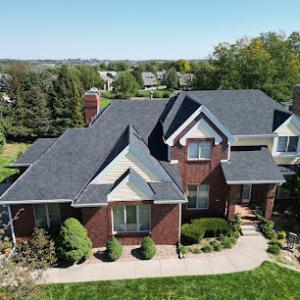
Goodlife Exteriors & Contracting
(402) 685-2633 www.goodliferoofs.com
Serving
4.9 from 72 reviews
Goodlife Exteriors & Contracting provides roofing and exteriors services to Bellevue, NE and the surrounding areas.
BB Roofing
(402) 890-4469 bbroofingllc.com
Serving
5.0 from 19 reviews
Need a new roof? BB Roofing offers reliable and affordable residential and commercial roofing services in Lincoln and Omaha, NE regions. Our licensed roofing services include experienced roof replacement, roof installation, roof repair, and roof inspections. We’ll inspect your roof thoroughly to ensure that there are no hidden issues that could cause big problems down the road. You can also turn to BB Roofing if your roof is damaged during a storm or severe weather event. We specialize in storm damage repair, and we’re available to assist you round-the-clock. We also provide additional property improvement services, including gutters, siding, insulation, and ventilation. Get in touch with us today at (402) 890-4469 for a free estimate.
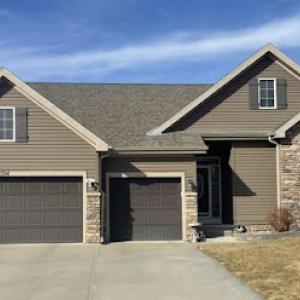
Grandel's Construction & Roofing
(402) 657-6490 grandelsconstruction.com
Serving
5.0 from 80 reviews
We're the Omaha metro's premier family-owned roofing and general contractor. We specialize in roofs, siding, decks and more. We service Douglas, Sarpy and the surrounding counties.
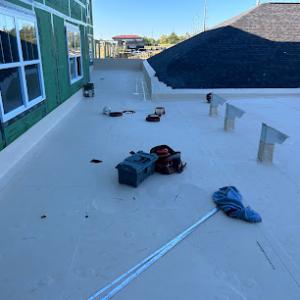
Martino Commercial Roofing
(402) 512-1961 martinocommercialroofing.com
Serving
5.0 from 23 reviews
We are an experienced family-owned roofing company based in Omaha, NE. Our team of flat roof professionals are committed to delivering exceptional service, workmanship, and the highest quality material.
Nelson Contracting
(402) 267-2720 www.nelsoncontractingllc.com
Serving
5.0 from 143 reviews
Nelson Contracting is a full service, Master Elite and Fortified Roof Certified general contractor serving Omaha, Nebraska and surrounding areas since 1998. We offer roofing, siding, and gutters. If you want quality craftsmanship and reliable service give us a call. Our company is family owned and operated, trusted by thousands of your friends and neighbors for over 25 years, we love to help you with your project too. We provide quick, free inspections and project estimates for roof repair, roof replacement, siding repair and siding replacement, and gutter repair and gutter replacement. Contact us today for superior roofing, siding and gutter services!
Prestige Roofing
(402) 972-5930 www.prestigeroofingomaha.com
Serving
5.0 from 25 reviews
Prestige Roofing Omaha is your trusted local roofing expert. As a locally owned and operated business, we are deeply committed to safeguarding your home with top-quality workmanship and unwavering integrity. With a team of highly skilled professionals, we offer comprehensive roofing services, including repairs, replacements, inspections, siding, gutters, and storm damage restoration. Our customer-centric approach, transparent pricing, and commitment to excellence set us apart in the Omaha community. Contact us for a complimentary inspection and experience the Prestige difference.
C & S Roofing
(402) 502-5559 www.candsroofingomaha.com
Serving
4.8 from 144 reviews
RESIDENTIAL & COMMERCIAL FULL SERVICE GENERAL CONTRACTOR SPECIALIZING IN: ROOFING, SIDING, GUTTERS, STORM DAMAGE , FIRE RESTORATION & MORE C & S Roofing provides comprehensive roofing solutions to residents and business owners in Omaha NE. We specialize in roof repair and roof replacement, as well as siding and gutter services. We offer 24 hour emergency services for storm damage restoration. At C & S Roofing, we are dedicated to providing quality workmanship without compromise, at competitive prices. We can work with you to file insurance claims for storm damage, to get a roof repair or roof replacement at little to no cost to you. No matter the roofing project, C & S is there!
TGT Exteriors
(402) 991-7844 www.tgtexteriors.com
Serving
4.8 from 37 reviews
Local family owned business who understands how important the value of your home or business is. We take great pride in making sure the job is completed to your satisfaction. TGT Exteriors is owned and operated by Dan Baber who has 4 years of sheet metal schooling and is a certified sheet metal worker. Dan is also a certified CertainTeed Shingle Master Installer, a member of the Vinyl Siding Institute and a Certified Pella Windows & Doors Contractor. TGT Exteriors is licensed, insured and bonded. Our goal is to make sure you are completely satisfied with the job. There is no competition for our quality of work!
Spring hail and fall wind events in this area can turn minor shingle or flashing damage into active leaks before a full replacement can be scheduled. A roof that looks like it only lost a few granules or shows a single curled shingle may still be letting water seep into the attic or walls. If a light rain is ongoing or the snow around the eaves is melting, treat any sign of moisture in the ceiling or walls as an active leak. Do not hesitate to inspect the attic for damp insulation, dark staining, or a musty smell, and act quickly to stop the water from spreading through the ceiling.
Winter snow and ice can delay permanent roofing work in Papillion, so temporary tarping and fast leak control are essential after late-season storms. Secure a sturdy tarp over any visibly exposed roof area, especially around penetrations like chimneys, vents, and flashings. Use roof brackets and a secure edge fastener to hold the tarp in place during windy conditions. If a leak is active, place a temporary bucket or container to catch water and move valuable belongings away from the affected area. The goal is to minimize interior damage while awaiting a scheduled, more permanent repair or replacement window.
The local contractor market shows strong demand for quick response and emergency repair, reflecting how homeowners here often need same-day stabilization after severe weather. If a leak is detected, contact a trusted, nearby roofing professional who can assess the roof promptly, provide a temporary fix, and document the damage for the insurance process. Clear, rapid communication with the contractor speeds up ordering and delivery of materials, reducing the risk of further interior damage during any delay caused by weather or scheduling.
Document the scene as soon as it's safe to do so: take dated photos of the roof, gutters, flashing, and any interior water intrusion, along with a brief description of what happened and when. Keep a log of all weather events that coincide with the damage, including wind gusts and hail reports. Ask the contractor to supply a written scope of emergency repairs and a contingency plan for stabilization, plus any temporary fixes that protect the home while awaiting more extensive work. This documentation supports the insurance process and helps ensure a smoother transition from stabilization to full roofing resolution.
When you can't wait, these contractors offer fast response times to stop leaks and prevent further damage.
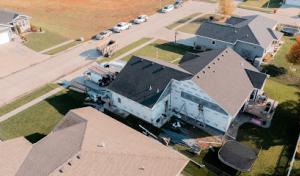
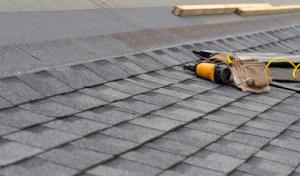
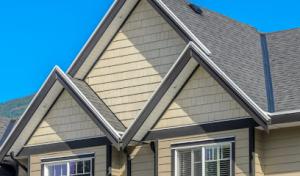
Papillion experiences hot summers, cold winters, and periodic hail, so the roof must endure thermal cycling and impact events year after year. In this climate, heat causes shingles to expand and contract, while freezing temperatures push sealants, underlayment, and fasteners to flex and sometimes fail. Hail exposure means you should expect repeated impacts over the life of the roof, not just a single event. A roof that holds up to this cycle reduces the chance of accelerated wear at edges, valleys, and penetrations. When evaluating materials, consider how quickly a surface heats up in summer sun and how well it resists cracking or denting after a hailstorm. The goal is a system that preserves seal integrity, resists wind uplift, and maintains color and reflective properties through multiple seasons.
Asphalt shingles are the local workhorse, reliably covering many roof profiles found on Papillion homes. They deliver straightforward maintenance and remain familiar to most local inspectors and adjusters. Still, other materials exist in the market with advantages in this market: metal roofing, clay tile, concrete tile, wood shakes, and synthetic/composite shingles can each address specific climate stresses. When metal is chosen, it often provides excellent hail resistance and a long lifespan, but fasteners and sealants must be matched to freeze-thaw cycles. Clay and concrete tiles excel under impact and heat, yet their weight and installation requirements may demand structural checks and roof deck considerations. Wood shakes bring a distinct curb appeal and good hail performance, but they require regular maintenance against rot and UV exposure. Synthetic and composite shingles can blend impact resistance with greater flexibility, sometimes offering lighter weight and better performance in freeze-thaw cycles. In a Papillion context, the decision hinges on how well each option resists repeated hail hits, how it behaves during winter cold, and how sealants and underlayment respond to summer heat over time.
When comparing options, start with impact resistance ratings and evidence of performance in freeze-thaw environments. Look for underlayment and sealant compatibility with each material, since repeated cycles will test these joints. Consider the roof's exposure to direct sun, which can accelerate aging of coatings and shingles, and assess color stability and reflective properties to keep attic temperatures in check during hot months. For steeper slopes, ensure the chosen product carries the appropriate wind and uplift ratings, because Papillion's wind patterns can stress exposed edges. Finally, examine maintenance expectations: some materials demand more frequent inspection and maintenance to keep flashing, fasteners, and attic ventilation in peak condition after hail or in cold snaps. A practical pick balances hail resistance, thermal performance, and the homeowner's willingness to manage ongoing upkeep.
Prioritize a product that maintains a tight seal under thermal cycling and resists impact without cracking. Pay attention to fastener type and placement, as improper installation accelerates wear in freeze-thaw cycles. Ensure the chosen system includes a compatible underlayment and flashing strategy that can adapt to long Prairie winters and hot Nebraska summers. Finally, factor in long-term performance expectations: a material that holds its shape, color, and protective coating through repeated storms will likely deliver the most reliable protection for the home's structure and interior comfort.
In Papillion, roof replacements follow a clear ladder of product choices and corresponding price bands. Asphalt shingles land around $350 to $650 per square, while higher-end options push from roughly $800 to $1,300 per square for metal, and clay tile commonly sits from about $1,000 to $1,800 per square. Concrete tile, wood shingles or shakes, and synthetic or composite shingles spread in between these ranges. The local housing stock typically features a mix of modern detached homes with standard two-story forms and a subset of larger, multi-hip configurations, all of which influence material choice and installation method. In practical terms, the roof you choose in this market translates directly into a visible step in the project's overall cost.
Storms that sweep the Omaha metro can create a brisk surge in demand for replacements, and that pressure tends to show up in Papillion as well. When a hail event hits, a clustered wave of homeowners often lines up for assessments, tear-offs, and new roofs in tight succession. That sequencing can tighten scheduling windows and push labor and material costs higher than the quiet-season baseline. If a hail event is recent, it's common to see a brief tilt upward in pricing simply due to surge demand, job scheduling bottlenecks, and the need to coordinate multiple crews quickly. Understanding this pattern helps set expectations for how soon a project can start and how price may move in the weeks right after a storm.
Several local realities drive costs beyond the sticker price of shingles. Tear-off complexity-how many layers are present, how full the waste stream is, and how stubborn the old decking proves to be-often adds labor and disposal time. Ventilation corrections flagged during inspection can further adjust scope, requiring additional components or retrofits to meet performance targets. The neighborhood fabric, with its typically steeper suburban rooflines, also elevates installation difficulty relative to flatter urban homes. These factors commonly translate into higher crew hours and sometimes modestly higher material overhead, even when the chosen shingle line remains within the same product family. For a homeowner, recognizing these specific drivers helps in budgeting and in having realistic discussions with contractors about what drives price beyond the basic product choice.
Get a clear picture of your project costs upfront - no commitment required.


Full roof replacements in Papillion typically require a permit through the City of Papillion Building Department. The process starts with submitting the project for plan review, where codes, ventilation, and drainage details are checked before a permit is issued. This step is not merely a formality; it ensures the scope, materials, and roof penetrations align with local standards and neighborhood expectations. Expect a short turnaround window for plan review, especially during busy spring and early summer hail seasons. If your project involves a tear-off, the plan review will verify that the structure and roof deck are prepared to receive new materials and that any required upgrades (such as ventilation or flashing updates) are accounted for in the scope.
The inspection sequence in this market is built to protect homeowners and ensure long-term performance against wind and hail. After the tear-off, a first inspection verifies the deck condition, underlayment exposure, and proper installation of starter courses and drip edge. This is the critical checkpoint where any deck repairs or moisture issues surface, and where ventilation pathways can be adjusted if the plan calls for them. A second set of inspections occurs after completion to confirm that the final roofing system is correctly installed, all penetrations are flashed, and ventilation components meet the required airflow at the attic level. Expect inspectors to pause if the ventilation or attic baffling does not meet code or best practice standards, which means some replacement scopes may include adjustments to ensure proper intake and exhaust air. The drop-off and staging inspections are part of the process in this region, so the replacement may be reviewed in multiple steps rather than a single visit.
Ventilation is a recurring focus for municipal inspections, and in Papillion, it is common for the local inspectors to require corrections during or after tear-off if the attic ventilation rate falls short of code or recommended practice. This means a simple shingle swap is unlikely to satisfy the plan review and inspection criteria if the attic is under-ventilated or if existing vents are blocked by new materials. Homeowners should anticipate potential changes to the scope that include upgraded soffit vents, ridge venting, or additional baffles in the attic to restore adequate air movement. Coordinating these changes with the roofer and the permit team early helps prevent delays at the final inspection stage. By aligning your replacement plan with the permit and plan review expectations, the project can progress smoothly through the Papillion inspection path.
Nebraska's hail and wind claim environment affects Papillion directly, making roofing a high-documentation insurance category for local homeowners. Insurers often scrutinize whether damage is storm-related or simply wear. Keeping a careful record helps you tell a clear story about what happened and when, reducing surprises during the claim process.
You benefit from establishing a baseline for your roof before storms arrive. Take clear, dated photos from multiple angles, focusing on shingles edges, flashing, vent openings, and any existing damage. Note the roof age, type, and any prior repairs. Store these images in a cloud folder with a simple timestamp and a short description. If you have a trusted neighbor or nearby home with a similar roof, consider a quick parallel set for comparison after a storm.
After a hail event or strong wind, photograph the roof promptly, ideally within a few days. Capture wide views to show the overall condition and close-ups of dents, cracks, granule loss, and any exposed underlayment. Include gutters, soffits, and fascia where damage may appear. Keep a dated log of weather events and any accompanying notices from your utility or meteorological sources. Written notes should describe sounds, roof activity, or debris impacts you observed during the storm.
When you contact an insurer, have ready: the pre-storm baseline, post-storm photo sets, and a detailed written estimate from a licensed local contractor. The narrative should distinguish fresh storm damage from prior wear, with clear timestamps and context. Consistent, organized documentation helps adjusters verify claims more efficiently and reduces back-and-forth delays.
Connect with contractors who help homeowners navigate the claims process from damage assessment to final approval.
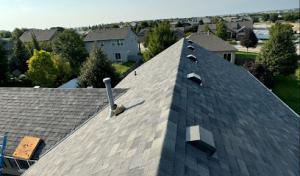
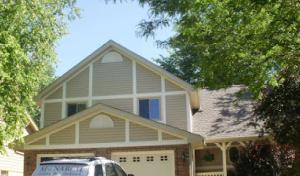
Monarch Siding, Windows, & Roofing
(402) 596-1414 www.monarchsiding.com
308 E Cary St, Papillion, Nebraska
4.7 from 82 reviews
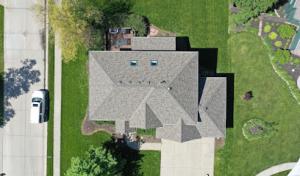
Rocket Roofing General Contractor - Papillion
(402) 291-8888 www.rocketroofingne.com
110 N Washington St, Papillion, Nebraska
4.7 from 63 reviews
In Papillion's storm market, leak complaints often center on roof penetrations and transitions rather than field shingles alone, especially after hail and wind events. When a hail line hits, flashing around valleys, skylights, chimneys, and vent boots tends to fail first as the underlayment strains to seal deteriorating edges. A careful eye on those transition points during a post-storm inspection can uncover why a seemingly solid roof still leaks.
Local contractor signals show meaningful demand for skylight and chimney-related roof work, indicating these details are common homeowner pain points in the city. Look for gaps where metal flashings meet pitched surfaces, and inspect sealant joints that may have split or dried out. Skylight curbs can collect water if their flashing sits above a failed shingle row, while chimney step flashings require consistent tension from both sides to move with temperature shifts.
Freeze-thaw winters in Papillion can worsen flashing movement and sealant failure around skylights, chimneys, and similar penetrations after storm damage has already weakened the assembly. Moisture trapped at edges expands and contracts, slowly prying apart joints. During inspection, verify that step flashing along chimneys remains continuous and that asphalt or metal cap shingles over penetrations shed water in all directions without pooling.
After a hail event, approach roofs with a focus on transitions rather than shingle rows alone. Ask contractors to test for wind-driven uplift around penetrations and to examine existing sealants for UV cracking. For preventative care, note any discoloration or granule loss near skylights and chimneys, and schedule timely resealing or flashing repairs before next freeze-thaw cycle. In Papillion, catching these patterns early reduces the risk of widespread interior damage.
Find contractors experienced in skylight installation, flashing, and leak repairs to bring natural light into your home.
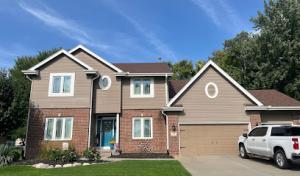
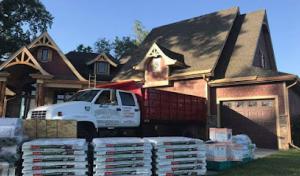
Papillion's contractor market tends to rally quickly after hail events, focusing on re-roofing, storm response, and cleanup. That energy is practical, but it also means the window for decisions can feel rushed. Homeowners should compare how different crews document damage, file your insurance claims, and track debris removal and staging. In this neighborhood, the pace of crews leaving a jobsite can be as important as the quality of the finish, so clarity on scheduling and daily site housekeeping matters.
Visible in Papillion are established, family-owned, and locally owned firms, signaling staying power and local accountability once the storm crews leave. When talking with a candidate roofer, look beyond the quick call-back and inspect how they present themselves over several visits. Local firms often offer reputations built on reliable communication with neighbors, but the key is consistency: who answers the phone, who shows up for a written scope, and who keeps promises about follow-up items after the roof is installed.
Free inspections are common enough to expect, yet the real value lies in what happens after the assessment. Identify who will manage permit coordination, inspection readiness, and the final punch-list items with the city, and confirm that responsibility is clearly assigned in writing. Storm work can leave gaps if the team clocks out early or hands off tasks to subcontractors with competing priorities. A local approach that keeps the same point of contact through tear-off, installation, and inspections tends to reduce miscommunications and missed steps.
Hail-driven replacements in this market require solid documentation: damage photos, a clear project timeline, and a transparent paint-by-numbers claim package. The roofer should outline how they organize intake, file updates with the insurer, and track changes if weather or debris cleanup schedules shift. If a letter of understanding or written scope is offered, read it closely for responsibilities around debris containment, daily site maintenance, and final walkthrough.