Last updated: Apr 19, 2026
Londonderry's cold snowy winters and repeated freeze-thaw cycles make ice dam formation a primary roof threat during the replacement decision window. When meltwater hits an overhang or gutter, it can refreeze at the eaves if the attic isn't properly vented or the roof deck isn't kept warm enough. The result is ice buildup that forces water back under shingles and into eaves, soffits, and ceilings. The danger isn't just cosmetic: ongoing ice dam pressure accelerates shingle lift, flashing separation, and leaky penetrations that can flood living spaces after major storms. In practical terms, every replacement decision should assume a winter-facing timeline where meltwater faces an uphill battle against cold air in the eave zones and marginal roof warmth from poorly balanced insulation.
The local permit inspections for full replacements typically verify ventilation and flashing, which directly affects whether winter meltwater backs up at eaves and penetrations. If the attic is inadequately vented or the flashing at valleys, chimneys, and ridge lines isn't properly integrated, winter meltwater finds fault lines and tunnels under the roof line. In this climate, even a small misstep in ventilation design becomes a big leak risk once snowpack sits on the roof and temps swing through freezing cycles. Replacement work, when timed to the winter version of a window of opportunity, must prioritize a balanced attic intake and exhaust, plus a continuous, well-sealed drip edge and step-flashing sequence to avoid backflow during thaws.
A sound plan starts with a comprehensive assessment of the roof assembly, including insulation levels and attic air sealing alongside the usual roof replacement scope. Focus on maximizing attic ventilation to keep the roof deck closer to ambient temperature during freeze-thaw events. Pay special attention to flashing installation at eaves, rake edges, chimney chases, vents, and transitions to siding; the goal is to create continuous barriers that direct meltwater outward rather than letting it back toward the attic. Consider upgrading underlayment and selecting materials with sturdier freeze-thaw durability in mind. Remember that the local climate makes timing critical: a rushed job in the depth of winter can leave unrepaired vulnerabilities until the next thaw refreezes, setting up costly interior damage.
Project timing in Londonderry is often disrupted by snow cover, frozen roof decks, and winter safety limits that can delay tear-offs and emergency follow-up work. If a replacement cannot be completed before the heart of winter, plan for a staged approach that protects the structure in the interim: temporary protective coverings, secure edge protection, and a clear plan for rapid completion when weather windows open. The snow season also complicates access for crews and equipment, so expect occasional pauses that hinge on safety conditions rather than calendar dates. In practice, coordinate with the crew to establish freeze-thaw contingency milestones, so a small but strategic blocking of vulnerable gaps doesn't become a flood risk when temps rise and meltwater moves.
For immediate protection during a winter in this area, ensure attic insulation is upgraded where feasible and verify that ventilation paths are clear of obstructions. Inspect the eaves and soffits for signs of ice dam formation such as dimpling on shingles or granular loss near the edge. If you anticipate a replacement window, discuss with the contractor the precise sequencing of ventilation, flashing, and underlayment installation to maintain a continuous barrier against meltwater. Finally, establish a plan for rapid response if an early thaw creates new damp spots; ice dam issues can evolve quickly once the temperature pattern shifts, so a prepared homeowner remains one step ahead.
Spring thaw and rain in Londonderry can leave roof decks and underlayment conditions less predictable for scheduling and dry-in. If a full replacement is planned, aim for a window when ground conditions are firm, temperatures are above freezing for consecutive days, and there's a reliable forecast for dry weather. Early to mid-spring often works best, but you still need a contingency plan for mid-cycle rain events. Avoid the peak thaw rush if crews are juggling multiple jobs, since small delays can cascade into missed dry-in targets. A practical approach is to align the project with a two-week weather window: a stretch of dry days plus a buffer for sudden showers, so the roof can be stripped, underlayment secured, and flashing properly set without rushing.
Summer heat and humidity affect crew availability and material handling, even though it is often the most active replacement season locally. If choosing summer, plan for early start times, frequent hydration breaks, and the likelihood that some days get cut short by heat or storms. In Londonderry, asphalt shingles and certain metal systems handle heat differently, so coordinate with the contractor about staging and sequencing to minimize long stretches of exposed decking. Autumn scheduling is pressured by storm activity, leaf buildup, and homeowner demand to finish before snow season. If the calendar shows a tight window, insist on a staged plan: deck protection, underlayment inspection after leaf fall, and a final dry-in check before the first hard frost. A well-structured sequence helps keep the project on track and reduces the risk of weather-related delays.
A successful replacement hinges on ventilation, proper flashing integration, and durable underlayment. In Londonderry's climate, ice dams are a critical consideration, so ensure the plan includes an engineered attic ventilation strategy and a continuous soffit-to-ridge flow. Flashing at valleys, skylights, chimneys, and walls should be installed with attention to motion and thermal cycling-freeze-thaw cycles demand tight seals and generous sealant detailing to prevent leaks. The underlayment choice matters too: a high-quality, ice-damming resistant layer paired with an effective ice and water shield in eaves and valleys is worth confirming in the project scope.
When evaluating options, favor systems that accommodate Londonderry's seasonal extremes and potential setbacks from spring rains or autumn storms. Metal and reinforced asphalt installations often respond well to rapid changes in temperature and humidity, but proper attic ventilation and roof deck conditioning remain non-negotiable. Ask about crew familiarity with cold-weather handling, staged drying periods after roof stripping, and clear milestones for weather-related pauses. A contractor with a transparent plan for timely dry-in, effective insulation details around penetrations, and tangible quality checks during seasonal transitions tends to perform best in this market.
Get a clear picture of your project costs upfront - no commitment required.

Buchanan Contracting Services
(603) 475-5098 buchanancontractingservices.com
19 King Charles Dr, Londonderry, New Hampshire
5.0 from 18 reviews
Buchanan Contracting Services is a leader in providing professional roofing and siding contracting services. We are dedicated to offering the best quality roofing and siding materials and warranties in the industry. Working closely with all major brands, we can offer a variety of products to meet our customers needs. Attention to all details on each specific project ensures top quality installations.
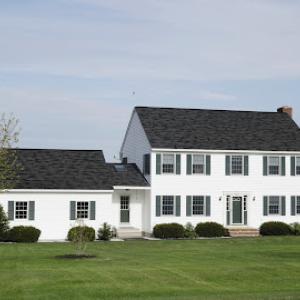
NH Grand Roofs
(603) 552-7152 www.nhgrandroofs.com
86 Nashua Rd #1099, Londonderry, New Hampshire
5.0 from 13 reviews
NH Grand Roofs is a Londonderry, NH based roofing company providing quality roofing services to Southern & Central New Hampshire. We provide a personalized and unique experience to each and every one of our clients, with the highest level of integrity, honesty, and professionalism. We look forward to working with you throughout the process to ensure you are more than satisfied with your investment. We look forward to showing you the Grand Difference.
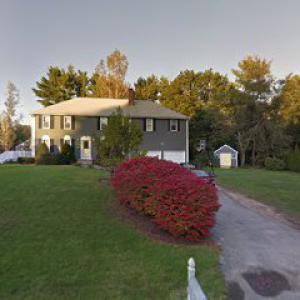
American Roofing
2 Castle Ct, Londonderry, New Hampshire
4.3 from 6 reviews
Combining years of experience with a dedication to client satisfaction, American Roofing has established itself as the local leader in Roofing Companies, Metal Roofing and Shingle Roofing Services.
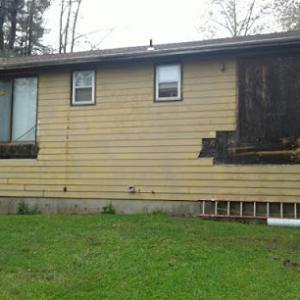
Mr. B's Roofing
Serving
4.9 from 39 reviews
Mr. B's Roofing is locally owned and based in Derry, NH which is in Rockingham County. We have been serving customers in Manchester, Londonderry, Bedford, Amherst and more for over 20 years. Home and business owners from Concord, NH to Nashua, NH trust Mr. B's Roofing to provide excellent craftsmanship and service and be on time and on budget each time! Call today and see why we are Southern New Hampshire's premier roofing specialists.
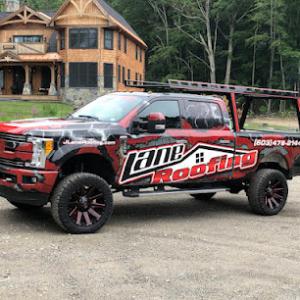
Lane Roofing
(603) 479-2144 www.laneroofing.net
Serving
5.0 from 1093 reviews
Lane Roofing – Trusted Experts in Roof Repairs, Replacements, and Installations For over 10 years, Lane Roofing has been providing reliable roof repairs, replacements, and installations with high-quality materials and expert craftsmanship. We offer honest pricing and transparent communication to ensure your home is protected for the long term. Why Choose Lane Roofing? Licensed & Insured Roofing Professionals Top-Quality Materials & Workmanship Transparent Pricing & Clear Communication Call us today for a free estimate and secure a roof that’s built to last!
DeFrancesco Quality Roofing, Siding & Windows
(978) 913-6100 www.snhqualityroofing.com
Serving
4.8 from 116 reviews
DeFrancesco Quality Roofing, Siding and Windows, located in Derry, New Hampshire, is a Christian Family Owned and operated business for more than 30 years. Stephen & Pamela were born and raised in Derry, NH, and have put a lot of Pride and Honesty in serving their community. The Mission of DeFrancesco Quality Roofing, Siding and Windows is to Exceed all our customer's expectations and needs and build great relationships with every customer. They opened their Showroom in Downtown Derry in 2016 at 6 East Broadway Derry, NH, so their customers could come in and see the Quality Products such as Drexel Metal Standing Seam Roofing, 40 Year RPI Rubber Roofing, Certainteed Roofing, and Certainteed Siding as well as.
Rj's Roofing & Siding
(603) 948-8566 www.rjsroofingsiding.com
Serving
4.9 from 59 reviews
Looking for reliable roofing and siding services in Derry, New Hampshire? Look no further than Rj's Roofing and Siding! Our team of skilled professionals specializes in roof repair, installation, and siding installation, as well as window installation. With years of experience and a commitment to excellence, we pride ourselves on delivering top-notch results and customer satisfaction. Contact us today for a consultation and let us help you protect and beautify your home or business.
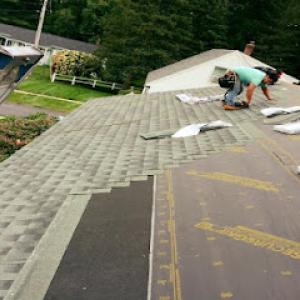
Granite State Roofing
(603) 765-0555 www.granitestateroofing.com
Serving
5.0 from 47 reviews
“Quality, Reliable Results…Driven Industry Leader”
Strictly Roofing
(603) 475-2822 strictlyroofing.com
Serving
4.8 from 44 reviews
Windham NH's Favorite Roofing Company... We are a husband/wife owned company and have been serving Southern NH for 20+ years. We specialize in asphalt shingles on residential homes! Proud A+ members of the BBB Roof Repairs Skylight Repairs “We Did Your Neighbor” CertainTeed Landmark Pro shingles GAF Timberline HDZ shingles Fully Insured Labor Warranties
Conde Roofing & Construction
(603) 838-7663 conderoofing.com
Serving
5.0 from 211 reviews
Serving communities across New Hampshire and Massachusetts, Conde Roofing & Construction, LLC has been a trusted partner in home improvement since 2019. This premier roofing contractor specializes in a wide range of services, including expert roof, siding, and skylight installations and repairs. They also offer professional gutter services to ensure your home is fully protected from the elements. Committed to quality craftsmanship and customer satisfaction, Conde Roofing & Construction is dedicated to enhancing the beauty and durability of your home.

Affordable Roofing / Gutters
(603) 233-9971 1affordablebuilders.com
Serving
4.9 from 429 reviews
Affordable Roofing / Gutters specializes for asphalt shingle, rubber roof and gutters at residential and commercial properties with 10+ years experience. The company, also, provides siding and skylight services such as trims, flashing. There are four teams in the company, each team combined of 6-7 people, which means we get a quality job done within hours in one day. Please, visit our website with your questions and concerns. We will make your property look nice and clean.

Crown Roofing
(978) 773-9860 crownroofingma.com
Serving
5.0 from 15 reviews
Crown Roofing is a trusted, GAF Certified roofing contractor proudly serving Windham, NH and surrounding areas since March 2023. We specialize in residential and commercial roofing services, including roof installations, full tear-offs, re-roofs, and reliable roof repairs. Our team also provides seamless gutter installation and professional siding services to enhance your home’s protection and curb appeal. Serving customers throughout New Hampshire, Massachusetts, and Southern Maine, we’re committed to quality craftsmanship, attention to detail, and getting every job done right the first time.
Asphalt shingles are the dominant practical choice for most homes in this area because they align with the large re-roofing market and broad contractor availability. In a neighborhood where rapid snow buildup and repeated freeze-thaw cycles are common, asphalt provides a straightforward, reliable option that installers are comfortable with. Look for shingles with strong exposure protection and good wind resistance, and prioritize products with laminated architecture for better durability under weight from snow and ice. When planning a re-roof, consider the edge detail and the transition at the eaves and valleys, where ice dam risk increases. A reputable local contractor can help ensure the underlayment and ventilation are up to the task, since these factors directly influence how the roof handles winter moisture and temperature swings. If you are weighing upgrades, asphalt can be paired with enhanced attic ventilation strategies and solid flashing details to minimize freeze-thaw stress on the roof deck.
Metal roofing stands out as a meaningful upgrade for homeowners who prioritize snow shedding and long-term performance through freeze-thaw cycles. In areas with heavy snowfall and fluctuating temperatures, metal panels or standing-seam systems shed snow more reliably than many traditional coverings, reducing the likelihood of ice dam formation at the eaves. A key advantage is durability: metal roofs resist cracking and delamination that can accompany repeated freeze-thaw cycles, and they typically tolerate abrupt temperature changes well. When choosing metal, pay attention to coating and gauge, as these determine how well the roof resists corrosion and how quietly it performs in snow-loading events. Installation quality matters greatly: proper seam work, secure fastening, and correct flashing at chimneys, vent stacks, and skylights are essential to prevent leaks during the winter months. If the home has existing architectural details or dormers, ensure the metal system integrates with those features so that ventilation paths remain clear and flashings seal properly.
Slate, wood shingles or shakes, clay, and concrete tiles do appear in the market, but they require more selective contractor matching because specialty representation is smaller than for standard re-roofing. In Londonderry, slate and clay or concrete tiles can offer excellent longevity and aesthetic appeal, yet they demand precise substrate preparation, careful weight calculations, and specialized installation techniques to withstand freeze-thaw cycles without cracking or loosening. Wood shingles or shakes bring a distinctive look but can be more sensitive to moisture and warmth fluctuations; they often require proactive maintenance and more vigilant flashing details to prevent water infiltration. Clay and concrete tiles provide robust performance in certain climates, yet their weight often necessitates structural assessment and port coverage considerations to ensure the existing structure can support them. If choosing any of these materials, collaborate with a contractor who regularly installs them in cold climates, understands proper underlayment choices, and can execute exacting flashing and vent connections to mitigate ice dam risk. In all cases, the selection should consider local snow loads, roof pitch, and the ability to maintain clear ventilation and well-sealed perimeters to manage the winter season effectively.
When you plan a full roof replacement, price in Londonderry should be framed per square (100 square feet) using the local ranges for common materials. Asphalt shingles typically run from about 350 to 650 USD per square. Metal roofs fall roughly between 600 and 1100 USD per square. For those choosing higher-end tile options, clay tile sits around 800 to 1400 USD per square, while concrete tile lands in the 700 to 1200 USD range. Wood shingles or shakes are commonly estimated from 600 to 1000 USD per square, and slate options push up to 1500 to 2600 USD per square. Using these local ranges helps align your expectations with the actual Londonderry market rather than broad national averages.
Winter in this area creates a predictable pattern: snow, ice, and repeated freeze-thaw cycles slow crews and complicate material delivery. Costs in Londonderry can rise when winter damage compresses scheduling and when seasonal demand spikes before or after the snow season. If a project is pushed forward to beat a storm or delayed by cold snaps, you may see temporary price shifts or compressed scheduling windows that affect overall cost and timeline. Be prepared to adjust the start date if weather windows become tight, and factor in potential small increases for expedited material delivery or crew hoisting during peak periods.
Choosing a material isn't only about the sticker price per square. Consider long-term performance in this climate. Asphalt shingles are the most budget-friendly and quick to install, but metal can offer better resistance to ice dam pressure and freeze-thaw cycles. Tile and slate provide durability, yet they add weight and require structural consideration and expertise. Wood shingles provide a distinctive look but may demand higher maintenance in damp winters. In Londonderry, matching material choice to your attic ventilation, flashing quality, and roof slope is essential to minimize ice dam risk and maximize energy and structural performance over time.
Don't let upfront costs delay a critical repair - these contractors offer payment plans to fit your budget.
Black Swan Roofs - Roofing Contractor
(603) 512-4281 www.blackswanroofs.com
Serving
5.0 from 51 reviews
In this community, a full roof replacement is not treated as a no-paperwork job. A permit through the local building department is typically required to ensure everything from structural integrity to drainage is sound after the winter season. Skipping this step can lead to delays, fines, or a failed project at final inspection, especially when snow loads and freeze-thaw cycles test the new installation.
When you apply, you should expect to submit a clear project scope that outlines the reason for replacement, the proposed scope of work, and how the work will address Londonderry's harsher winter conditions. The application process also asks for roof square footage and the material type being installed. Providing accurate measurements and a detailed material plan helps prevent permit holds that stall replacements during critical weather windows.
Inspections are not a one-and-done checkpoint. Londonderry inspections are scheduled both during and after installation, with particular attention paid to ventilation, flashing, and overall compliance before the job is considered complete. Ventilation must support the attic's moisture balance to prevent ice dam formation and wind-driven moisture problems, while flashing around chimneys, vents, and skylines needs to be weather-tight to resist freeze-thaw stress. Even a well-chosen roof system can fail if flashing or attic ventilation is neglected or improperly integrated with the chosen underlayment and drip edge.
The timing of inspections matters. Cold snaps, thaw cycles, and heavy snowfall can complicate access and concealment of critical details mid-project. If the installation is halted by weather, it's essential to coordinate the re-entry of inspectors to verify that temporary accommodations don't compromise long-term performance. A roofer who understands Londonderry's seasonal pattern will plan for these contingencies, ensuring that the permit remains valid and that each inspection milestone is met without sacrificing safety or compliance.
Choosing a contractor with local experience pays off on several fronts. A familiar crew will know how to position vent stacks for best attic air exchange, where to place starter rows for optimal shingle alignment in drift-prone areas, and how flashing can be integrated with existing gutters and downspouts to minimize ice dam risk. If any step of the permit or inspection process raises questions, engaging the building department early, with your contractor present, can prevent misunderstandings that delay occupancy of a finished roof.
In Londonderry, insurance adjusters will want a clear picture of the roof at the time of the loss and any prior issues. New Hampshire's environment is generally stable, but the claim process routinely calls for roof-condition documentation and prior-damage context. Expect questions about freeze-thaw cycles, ice dam history, and whether previous repairs addressed suspected weak points in flashing or ventilation. Do not assume age alone justifies replacement; adjusters rely on specific damage and condition reports rather than assumptions.
Begin with strong photo documentation: exterior views from multiple angles, close-ups of damaged shingles or flashing, and intact sections to show contrast. Include interior photos of attic spaces, paying attention to signs of water intrusion, frost buildup, or insulation moisture. Create a dated timeline of events, noting when the damage was first observed and any storms that preceded it. If you have inspected records or prior assessments, gather those reports to provide context for the insurer and the adjuster's inspection.
Policy limits may separate covered damage from non-essential upgrades, which matters when a claim-funded replacement could involve material improvements. Claims support in this market commonly depends on photo documentation and inspector input rather than assumptions that age alone justifies replacement. Expect the insurer to request an independent or company-approved roof inspector's assessment, especially after a winter with repeated freeze-thaw cycles.
Coordinate access for the adjuster and the inspector, ensuring they can review attic ventilation, flashing details, and ice-damming history. Be prepared to provide history of prior repairs, maintenance, and any temporary fixes you implemented after the damage occurred. Keep a simple, factual record of conversations and sent documents. If gaps appear in the initial assessment, request a second opinion or ask the insurer to document why certain findings do or do not justify coverage.
Connect with contractors who help homeowners navigate the claims process from damage assessment to final approval.
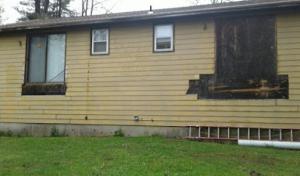
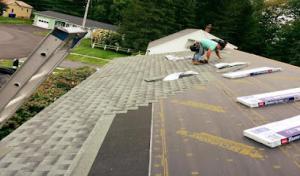
Because Londonderry inspections emphasize flashing, leak-prone transitions and penetrations deserve special attention during replacement planning. The local focus means that any full roof replacement should treat skylight openings, chimney throats, vent stacks, and where roof planes meet walls as critical risk zones. If flashing around these details isn't square and continuous, meltwater pushed by a wind-driven storm or a deep freeze can back up under shingles and cause hidden seepage that shows up only after a cold snap.
Skylight service is notably active in the local contractor market, indicating that homeowners here frequently need repair or replacement coordination at roof openings. When a skylight is planned or existing, inspect the flashing apron and curb integrity before any shingle work begins. In cold winters, backed-up meltwater can pool against the base of the skylight and exploit marginal seams. A robust integration of flashing with waterproof sealant, plus proper drip edges, reduces the chance of interior damage driven by repeated freeze-thaw cycles.
Freeze-thaw conditions in Londonderry increase the importance of watertight detailing around penetrations where backed-up meltwater can exploit weak flashing. Pay particular attention to valley where roof planes meet, step flashing at every dormer, and the transition from roof to chimney or vent pipes. The goal is continuous water shedding and a clear, pore-free seal that resists cracking as temperatures swing below freezing and then rise above it.
If a roof opening is scheduled for replacement, insist on a comprehensive flashing plan that treats each penetration as a primary leak point. Ask for a detailed inspection of all transitions, especially around skylights, and request documented verification of flashing laps, bonding, and sealant compatibility with seasonal expansion and contraction. This proactive approach helps prevent the quiet, costly failures that winters in this region so readily reveal.
Find contractors experienced in skylight installation, flashing, and leak repairs to bring natural light into your home.
DeFrancesco Quality Roofing, Siding & Windows
(978) 913-6100 www.snhqualityroofing.com
Serving
4.8 from 116 reviews