
Last updated: Apr 19, 2026
Methuen's winters bring repeated freeze-thaw cycles that attack shingles from the top down. When ice forms along the eaves and then thaws, the repeated movement causes granule loss, edge lift, and hairline cracks that progress into the underlying mat. Shingle aging accelerates in this pattern, weakening protection at the most vulnerable spots and creating pathways for interior leaks. This isn't cosmetic wear-it's a warning flag that your roof is losing its first line of defense against wind-driven rain and snow loads. If you notice more shingle curling, premature wear at the valleys, or a pattern of damp spots on ceilings after a heavy melt, you're seeing the system respond to those relentless freeze-thaw cycles.
Older steep-slope homes in the Merrimack Valley were not built with modern ice-dam mitigations in mind, and those designs leave several critical failure points exposed. Ice backup commonly forms at eaves, where melting snow refreezes, and at roof-to-wall transitions, chimneys, and roof penetrations where flashing has aged or shifted. In practice, that means the most frequent leaks originate at the lowest edge and migrate upward along the framing if not caught early. The combination of sagging or shifted flashings and degraded sealants can create a capillary draw for water, pushing moisture into insulation and wood sheathing. If you've seen ice buildup along the eaves or noticed staining along interior walls near the ceiling that aligns with exterior roof lines, treat it as a sign to inspect the flashing integrity and edge protection without delay.
Replacement timing in winter is seldom reliable due to snow cover and subfreezing temperatures, which complicate tear-offs and install quality. The practical window shifts to late spring through early fall, when roof crews can safely stage material, protect interior spaces, and achieve proper resealing. In older homes, you may face a compressed schedule after a harsh winter, so planning ahead matters. A storm-timed replacement should be treated as a priority when a credible leak path is exposed: the goal is to install a durable, weather-tight roof before the next cycle of heavy precipitation or rapid temperature swings strains the structure again. Consider coordinating repairs to coincide with dry, moderate periods, ensuring proper ventilation and insulation adjustments to minimize future ice dam risks.
Beyond replacement timing, proactive care is essential. Start with a thorough attic and soffit assessment to confirm that insulation levels are sufficient to keep warm attic air from warming the underside of the roof deck. Ensure soffit vents and ridge vents function properly to maintain an even roof temperature and reduce snow melt on the upper surface. Inspect flashing at valleys, chimneys, and dormers for loose fasteners, detached sealants, or corrosion. For steep-slope homes, prioritize edge protection with a continuous underlayment system and properly matched shingles that resist uplift in winter winds. Regular valley flashing checks after heavy storms can catch movement early before it propagates into a leak. If you notice recurring ice buildup at the eaves even between storms, it's a sign to schedule an inspection sooner rather than later.
A qualified roofer who understands Methuen's climate realities should assess shingle aging, flashing integrity, and roof-to-wall transitions after a long winter or a major melt event. Look for a note-worthy focus on freeze-thaw resilience, proper ventilation, and a high-quality tear-off strategy that minimizes re-exposure of vulnerable deck areas. Early detection and timely, storm-aware replacement can prevent cascading moisture damage and extend the life of an older steep-slope roof. In any case, treat notable leaks, pooling water at the eaves, or visible decking softness as urgent signals requiring professional attention without delay.
Nor'easters with sudden wind shifts press against Methuen roofs much more aggressively than a calm season would suggest. Shingles lift, ridge caps loosen, and flashing joints can fail when the next gusts rip through the valley. Older steep-slope homes-common in town-bear the brunt because their eaves and tight roof intersections catch wind pressure differently than modern low-slope builds. This is not a problem that disappears between seasons; it compounds through winter cycles, freezing and thawing that loosen those vulnerable edge details and permit wind-driven damage to propagate inward. If you notice curling shingles or loose fasteners after a storm, treat it as a warning sign rather than a cosmetic issue. Delayed fixes escalate risk of interior leaks and faster deterioration during the next thaw.
Spring through early fall thunderstorms routinely interrupt active roof work in this area. The unpredictable weather can derail a dry-in plan, slow material staging, and force last-minute rescheduling of crews. When a midweek storm rolls through, tarps and temporary fixes lose their effectiveness if rain returns before proper sealant cure or flashing installation. Plan work with a conservative timeline and a ready-to-adjust sequence. Have a contingency window for both material delivery and crew access, knowing that a single afternoon shower can stall progress and create a backlog that pushes important tasks into less favorable weather slots.
Massachusetts insurers often see claims activity after wind and storm events, so document damage promptly and clearly. Use date-stamped photos that show the extent of shingle lift, damaged ridge caps, and flashing failures, as well as any water intrusion observed inside the attic or ceiling. Do not rely on recollection days later-capture wide shots of the entire roof and close-ups of the defect, plus a brief note about the weather conditions at the time of the damage. If temporary repairs are necessary to prevent further harm, keep receipts and take before-and-after photos to demonstrate the initial condition and the improvement after a proper fix. This documentation can smooth the claim process and support timely, storm-oriented repairs when the weather finally cooperates for a full, code-compliant replacement or repair.
Inspect your ridge lines and flashing after a strong wind event, especially around dormers and valleys where wind flow concentrates. If you see lifted shingles or loose flashing, arrange a professional assessment as soon as possible before another front shifts the damage deeper into the roof structure. Keep an accessible plan for rapid scheduling once the weather window opens, and prepare to stage materials in a sheltered area to avoid weathered delays. Remember: preparation and timely documentation are your best defenses against the unpredictable Nor'easters and wind that test every Methuen roof.
Find local contractors experienced in assessing and restoring roofs after hail, wind, and severe weather events.


Prestige Roofers, LLC. Roofing , Siding & General Construction
Serving
4.8 from 17 reviews

Paradise Remodeling
(781) 732-0203 www.paradiseremodelinginc.com
46 Elmore St, Methuen, Massachusetts
5.0 from 34 reviews
Paradise Remodeling is a trusted home improvement contractor based in Methuen, Massachusetts, proudly serving homeowners across the region since 2012. We specialize in roofing, siding, skylights, doors, and windows, offering high-quality craftsmanship and a customer-first approach on every project. As a fully licensed and insured contractor, Paradise Remodeling delivers reliable and efficient service with a strong commitment to durability, energy efficiency, and curb appeal. Whether you’re looking to enhance your home’s exterior, upgrade your roof, or improve natural lighting with skylights, our experienced team brings over a decade of expertise to every job. From the initial consultation to project completion, we prioritize your sati.
Couture's Construction
(978) 552-9964 couturesconstruction.com
542 Merrimack St, Methuen, Massachusetts
5.0 from 31 reviews
We are a family-run, owner-operated, fully licensed and insured construction company that specializes in (but not limited to) roofing, siding, windows, decks, and doors. In addition to installation of the above products, we also offer repair services to allow you to get the most out of all the elements of your home or business.
Town Roofing
(781) 426-1087 townroofing.com
5 E Prospect St, Methuen, Massachusetts
4.7 from 18 reviews
Welcome to Town Roofing, your trusted roofing contractor serving Methuen, MA, and the surrounding areas. As a family-owned business with three generations in the industry, we pride ourselves on delivering exceptional roofing services to homeowners and businesses alike.
Merrimack Valley Roofing & Gutter
(603) 697-0049 merrimackvalleyroofing.com
520 Merrimack St, Methuen, Massachusetts
4.2 from 5 reviews
Merrimack Valley Roofing & Gutter provides residential and commercial roofing and gutter services in Massachusetts, New Hampshire, and Maine.
Tip Top Roofing Company
(617) 630-9334 www.tiptopslateroofing.com
67 Hampstead St, Methuen, Massachusetts
4.2 from 5 reviews
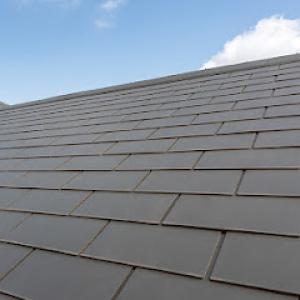
Tip Top Roofing Company, founded in 2011 and based in Methuen, MA, is your go-to roofing contractor for all your roofing needs. Our dedicated team offers a wide range of services, including new slate roof installation, custom copper fabrication, cedar shakes, wood shingles, rubber roof systems, and more. Whether you need slate and custom tiles replaced, roofing repair services, or assistance with natural and PVC gutters, we've got you covered. We also specialize in snow and ice removal, leak solving, and troubleshooting to ensure your roof remains in optimal condition year-round. At Tip Top Roofing Company, we prioritize quality craftsmanship, exceptional service, and customer satisfaction. Contact us today to discuss about your project.
Big Sky Roofing & Restoration
(857) 800-1658 bigskyroofingrestorationllc.com
Serving
5.0 from 11 reviews
Roofing services Siding’s services Metal roofing EPDM robber roof Skylights replace Free inspection Gutter cleaning

MGS Construction
(603) 237-1011 www.mgsconstructionllc.com
Serving
5.0 from 526 reviews
MGS Construction provides roofing, siding, windows, and decks, to all of NH and MA.

Prestige Roofers, LLC. Roofing , Siding & General Construction
Serving
4.8 from 17 reviews
"Specializing in roofing, siding, gutters and general construction we’re the New England area’s trusted contractor. Call or click for a free estimate." flat roofers metal roofers near me metal roofers roofers local roofers roofers contractors near me roofers companies roofers repair near me rubber roofers residential roofers local roofers near me roofers contractors roofers company roofers near me commercial roofers roofers in my area best roofers near me roofers residential roofers near me best roofers roofers recommended roofers near me roofers near me with free commercial roofers
ASAP Roofing & Construction
(978) 662-8974 www.asapconstructionllc.com
Serving
5.0 from 33 reviews
We are ASAP Roofing and Construction, a remodeling and building team serving residential and light-commercial projects with practical, detail-focused workmanship. We handle kitchen and bathroom renovations, basement and garage updates, home additions, and new construction from the ground up. Our scope also includes decks and porches, trim work, doors and windows, plus drywall and metal framing when a space needs a clean reset. We work with a clear process: documenting the plan, carefully preparing surfaces and structures, and finishing with an eye to durability and everyday function. Integrity and straightforward communication guide how we schedule, coordinate, and respond to questions, so projects feel steady, transparent and well-managed.

Greater Boston Roofing
(617) 941-3901 greaterbostonroofing.com
Serving
4.9 from 831 reviews
Greater Boston Roofing provides residential roofing, commercial roofing, and free estimates to the Andover, MA area.
Manny's Roofing
(978) 703-3167 www.mannysroofing.com
Serving
5.0 from 111 reviews
Manny’s Roofing specializes in residential and commercial roofing. We service all of New Hampshire and Massachusetts. We are committed to quality, using top-grade materials and advanced techniques to ensure durability and efficiency in every project. With 20+ years of roofing experience, we have built a solid reputation based on trust and customer satisfaction. We offer roof installation, roof repair, and maintenance services, always focused on providing personalized service tailored to each client's needs. Call for a free quote today!
Damphousse Roofing LLP
(978) 683-4588 www.damphousseroofingllp.com
Serving
4.8 from 5 reviews
Damphousse Roofing LLP is a local, family-owned and operated company that provides services for roofing, siding, and windows. We pride ourselves on exceeding expectations and finishing projects ahead of schedule and within our clients' budgets.
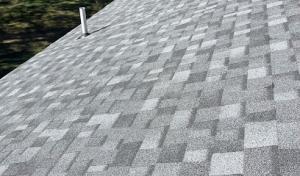
Asphalt shingles dominate the local market because they fit the common steep-slope residential roofs and offer the broadest contractor availability locally. For Methuen winters, choose high-quality architectural or laminate shingles that provide better adhesion and a sturdier edge against wind-driven snow. When evaluating options, look for a product with strong granule adhesion and a decent impact resistance rating to stand up to freeze-thaw cycles. A trusted local installer should be able to sequence replacement so you minimize exposure to winter rain and ensure proper attic ventilation during installation. If a roof is due for a resheath or minor underlayment refresh, asphalt can act as a reliable bridge while you plan toward future improvements.
Slate remains relevant in this part of Massachusetts because older homes in the region may already have slate or architectural styles that make slate replacement a real local decision rather than a theoretical upgrade. Slate provides excellent durability against freeze-thaw stress when properly installed with compatible underlayment and correct slope. If you have existing slate or a roof with a distinct weight and look, replacement with genuine slate or high-quality slate-inspired products can preserve the historic character while delivering long service life. Expect the need for skilled masons or slate crews, as proper lath and flashing integration matters for preventing ice dam formation on steeper planes. If your slate is damaged in storm events, address the most at-risk areas first (top-of-roof flashings and valley intersections) to minimize cascading leaks.
Metal roofing is a meaningful local option for homeowners prioritizing snow shedding and durability, but installer experience matters because the local market is still more asphalt-centered than metal-centered. In Methuen's climate, metal panels or standing-seam profiles can shed snow more quickly and resist ice buildup along eaves, reducing dam-related risks. Choose corrosion-resistant alloys and a finish suitable for winter exposure, with proper sealant for seams and flashings to handle repeated freeze-thaw cycles. A metal roof should be paired with effective attic ventilation and an accurate snow load assessment for your specific slope. Work with a contractor who emphasizes accurate fastening, heat tape compatibility for critical eave and gutter runs, and a careful assessment of existing roof geometry to avoid thermal movement gaps during cold snaps.
Older steep-slope homes often show a mix of materials and detailing that influence choice. If you're preserving curb appeal or matching historical features, slate or synthetic alternatives that mimic the look may be worth considering even if you lean asphalt for practicality. When planning replacement timed with storm cycles, align the project schedule with typical winter lull periods and ensure the chosen system has a robust underlayment and drip edge to counteract moisture intrusion during thaw events. For Methuen, the right material isn't just about the best name; it's about a coordinated approach that anticipates wind, snow, and the local pattern of freeze-thaw stress.
When planning a roof replacement, expect the cost to be framed per square (100 square feet) using Methuen-specific ranges. Asphalt shingles run roughly 350 to 700 per square, metal 700 to 1100, clay tile 1100 to 1700, synthetic or composite 450 to 800, slate 1400 to 2300, and fiber cement 500 to 850. For older homes in established Merrimack Valley neighborhoods, these figures can tilt higher if a tear-off reveals multiple roofing layers, aging decking, or chimney flashing issues that aren't obvious from the ground.
Older Methuen homes often carry extra cost pressures. When a roof is torn down to expose layered shingles, the dismantling time and disposal fees add up quickly. Aging decking may need reinforcement or replacement, especially where freeze-thaw cycles have taken their toll on the boards. Flashing around chimneys, valleys, and vent details tends to crack or pull loose after decades of Massachusetts winter storms, which can drive up both material and labor costs. Trim details, gutters, and fascia on this housing stock also show wear that can require careful attention during a replacement.
Storm-driven demand spikes can tighten scheduling and push labor pricing upward during peak repair periods, particularly after nor'easters or high-wind events. In Methuen, those weather patterns tend to cluster in late winter and early spring, when contractors are juggling multiple projects. If a storm timing intersects the replacement window, expect some variability in crew availability and potentially higher mobilization charges. Planning a replacement with a realistic weather buffer helps avoid premium surge pricing and rushed workmanship.
With that in mind, choose the right material for the climate and the home's profile. Asphalt shingles are the most common fit for older steep-slope houses if budget is a major factor, but synthetic or composite options can offer a longer lifespan with lower maintenance in the long run. Metal can handle storm exposure and ice dam risk well, though initial costs are higher. For restorations or homes with historically accurate appearances, slate or clay tile can be appealing but demand careful structural assessment and a higher budget. Fiber cement blends durability with lower weight and cost compared to slate, making it a practical middle ground for many Methuen projects.
A practical replacement plan often starts with a condition assessment of the existing deck and flashing, followed by a material matchup that balances performance with the local climate. Set aside contingency for tear-off surprises and flashing repairs, and confirm that the chosen material's life expectancy aligns with the home's age and maintenance history. This approach minimizes timing glitches and delivers a sturdy, weather-ready roof that can handle a Merrimack Valley winter without frequent call-backs.
Get a clear picture of your project costs upfront - no commitment required.
Prestige Roofers, LLC. Roofing , Siding & General Construction
Serving
4.8 from 17 reviews
For a full roof replacement, you typically need a building permit issued by the city's Building Department. This isn't a paper shuffle you can skip, especially on older homes where ice dam risk and storm timing have previously caused surprises. The permit process is designed to ensure the chosen materials and installation methods meet local codes and are suited to withstand Methuen's freeze-thaw cycles. A full replacement triggers more attention than minor repairs, and the Building Department will want to see that your plan aligns with the roof's slope, venting, and drainage needs.
For standard roofing projects in this area with no structural changes, plan review is generally straightforward. You'll usually submit a simple scope, a basic set of drawings or notes describing replacement materials, and a timeline. Because the typical Methuen garage or steep-slope home already has established framing and ventilation patterns, the review focuses on ensuring proper underlayment, ice and water shield placement in eaves and valleys, and flashing details around stacks and skylights. If you're replacing like-for-like with similar materials, you should expect a smoother path, but any deviation-such as vent upgrades or introducing new roof penetrations-will warrant closer inspection and possibly additional requirements.
Methuen commonly conducts a final inspection after completion, so plan accordingly. Make sure all aspects of the installation meet the local code expectations before the inspector arrives: proper nail patterns, flashing integrity, adequate attic ventilation, and effective drainage. Once the project passes, ensure the permit is closed out in the Building Department records. Keeping copies of the final inspection card, permit closure, and any corresponding documents is smart. These records can simplify resale and insurance conversations later, especially if the home's roof continues to endure the region's harsh winter cycles. If you receive a request for additional documentation after the inspection, respond promptly to avoid delays in closing the permit. Having clear, organized files helps you verify that your replacement is recognized as compliant and completed to Methuen's standards.
In Massachusetts, roof claims commonly follow wind and storm events, and Methuen becomes a documentation-heavy market after nor'easters and severe thunderstorms. The claim file tends to lean on what can be shown: the scope of replacement rather than isolated patches, the sequence of damage, and the timeline of events that started the process. If the roof looks like it failed gradually over the winter, adjusters may view it as wear rather than storm-driven. Be prepared to explain how a single storm contributed to current conditions, and keep a clear record of weather dates and impacts.
Adjusters in this market often scrutinize roof age and whether damage is storm-related rather than long-term wear accelerated by freeze-thaw exposure. Older steep-slope homes commonly in town were built to different standards, and the combination of repeated freeze-thaw cycles and heavy wind increases the chance that what seems like widespread failure started with a prior vulnerability. A sound replacement that satisfies the scope may require addressing underlying deck or flashing failures that contributed to water intrusion, not just patching a surface.
Carriers may ask for permit records, contractor details, and photos showing the scope of replacement. Collect photos that document multiple angles, the extent of wind damage, ice-related issues near eaves, and any interior staining. Have a clear timeline of when shingles or flashing started to fail, and keep receipts or contracts from the contractor that outline materials, scope, and labor. A well-documented file helps the adjuster see the full picture beyond a single hail or wind gust.
Expect a process that hinges on the storm's timing and the accuracy of the damage narrative. If the replacement is weather-dependent, the insurer may request interim steps that demonstrate ongoing progress and protection of the property. A fair outcome reflects both the immediate storm impact and the broader wear pattern accelerated by repeated winter cycles, so prepare to justify why a full replacement was necessary rather than a patch.
Connect with contractors who help homeowners navigate the claims process from damage assessment to final approval.
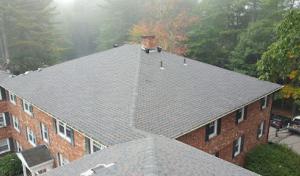
Chimney-related roof detailing is especially relevant for older New England homes near the Merrimack Valley, where masonry chimneys often intersect the roofline. In these setups, step flashing, counter-flashing, and the transition from chimney wall to roof deck are common failure points after freeze-thaw cycles. Pay close attention to mortar joints at the chimney base, cap flashing, and any cracked or displaced shingles that reveal the underlying substrate. When inspecting, look for hairline cracks in the mortar and gaps where mortar meets metal flashing. Replacing failing step and counter-flashing before a winter thaw can prevent interior staining and attic condensation headaches in spring.
Local contractor signals show unusually strong skylight activity in Methuen, indicating that leak-prone skylight flashing and replacement work are a real homeowner concern. Inspect skylight curb flashing annually, especially after heavy storms and freeze-thaw spikes. Check for rust on metal joints, dried sealant around the curb, and any pool of water inside the flashing apron after outages. If flashing shows deterioration, address it promptly with proper sealant compatible with the roof material and a fresh layer of flashing around the skylight flange. Don't rely on caulk alone; a metal or integrated flashing solution provides superior long-term performance.
Freeze-thaw movement in Methuen can open vulnerable joints first around chimneys, skylights, valleys, and step flashing before field shingles visibly fail. During inspections, prioritize these joints and transitions, especially after long cold snaps. If ice buildup forms along eaves or near parapets, remove it carefully and assess underlying flashing for moisture intrusion. Consider upgrading to reinforced or weather-tight flashing in high-stress areas to resist repeated cycles.
Valleys require reinforced flashing, particularly on older steep-slope homes where ice dams form earlier in the season. Ensure valley flashing is lapped properly and sealed at the edges. Step flashing should be checked where it meets larger roof planes; any bending or gaps can funnel meltwater into the attic. For chimneys, ensure the chase boot is squared and sealed, with no gaps where water can travel down the line. If replacements are needed, coordinate flashing material and shingles to maintain a continuous, wind-resistant seal.
Establish a seasonal cadence: inspect after winter thaws and again in late fall before heavy heating season. Weathered shingles around chimneys and skylights usually indicate edge failures; replace damaged shingles in the same run to maintain uniform waterproofing. When roof work is required around these features, use contractors who specialize in chimney and skylight detailing and who can integrate flashing with the specific roofing style of your home.
Find contractors experienced in skylight installation, flashing, and leak repairs to bring natural light into your home.
Paradise Remodeling
(781) 732-0203 www.paradiseremodelinginc.com
46 Elmore St, Methuen, Massachusetts
5.0 from 34 reviews
Couture's Construction
(978) 552-9964 couturesconstruction.com
542 Merrimack St, Methuen, Massachusetts
5.0 from 31 reviews
Big Sky Roofing & Restoration
(857) 800-1658 bigskyroofingrestorationllc.com
Serving
5.0 from 11 reviews
While the town is known for steep-slope residential roofs, there is enough flat-roof demand on porches, additions, garages, and mixed-roof homes to merit close attention. Low-slope sections attract more wind-driven moisture and freeze-thaw stress because they sit at the boundary between the main roof and refined transitions. When a contractor designs a modern porch or garage retrofit, that flat surface often becomes a pressure point for leaks if details aren't prioritized. The consequence is not merely a drip but hidden rot and interior staining that can show up after a heavy thaw or a spring downpour.
Low-slope areas tied into an aging main roof tend to be the first to fail after a harsh winter. Snow hides movement, then spring rain accelerates it, and the resulting freeze-thaw cycles push against the flashing and seam work. In older homes, these transitions carry decades of imperfect maintenance, so the issue compounds quickly. Pay special attention to how a newer low-slope addition seals into the old roof. If the interface isn't smooth-flat-to-slope planes misaligned, or flashing tied only into the old roof without a dedicated water-tight layer-water finds its way into attic spaces and underlayment, often with little surface warning.
Improper drainage on a low-slope surface is not a marginal concern; it is a concrete risk area you should treat with the seriousness of a main roof. Clogged or poorly pitched vents, inadequate scuppers, and failed internal drains become failure points when spring rains hit and meltpack sits. In practical terms, every low-slope tie-in should be evaluated for roof deck slope, drainage paths, and leaf-free scupper access. The clock runs quickly when snow and ice linger near transitions, amplifying long-term deterioration and the potential for ice damming at the junctions.
Find specialists in TPO, EPDM, and built-up flat roofing systems for residential and commercial properties.
Big Sky Roofing & Restoration
(857) 800-1658 bigskyroofingrestorationllc.com
Serving
5.0 from 11 reviews
Prestige Roofers, LLC. Roofing , Siding & General Construction
Serving
4.8 from 17 reviews

After a major storm, the local contractor market in Methuen swings toward rapid re-roofing, emergency response, and residential work. Expect many crews to compete on speed, so the first question is not only how fast a crew can start but how they plan to protect your property during the job. A reputable company will set up weather protection, move fragile items away from work zones, and contain debris to minimize winter debris blowing into yards and driveways.
Because affordability and cleanup are dominant hiring signals, carefully compare not just the bid but what happens after the last shingle is nailed. Ask for a written debris containment plan, including tarping of openings, material staging areas, and daily cleanup routines. Confirm that they will lay down ground protections to keep your driveway and landscaping from collateral damage and that they commit to removing storm debris promptly at the end of each workday. For homes with steep slopes and higher exposure, insist on secure edge protection and monthly-site housekeeping checks during the job to prevent ice-dam debris or metal flashing from catching wind and traveling into the yard.
Long-established firms are well represented in this area, which matters in a permit-and-inspection environment where warranty or insurance follow-up often needs clear documentation. A seasoned contractor should provide detailed record-keeping for materials installed, contractor and crew credentials, and a photo log of before, during, and after conditions. Ask how they handle warranty claims years down the line and whether they keep project files linked to the address for easy reference when future inspections or insurance reviews occur. In a storm-rebuild scenario, choosing a company with proven local responses and the capacity to supply long-term documentation helps ensure that the roof you install now performs as intended through the next freeze-thaw cycle.