Last updated: Apr 19, 2026
Derry's cold winters bring repeated freeze-thaw cycles that make ice dam formation a primary roof-system risk for local homes. When days are above freezing but nights plunge below, melting snow refreezes at the eaves, forming a dam that traps water behind it. That trapped water can back up under shingles and into attic spaces if edge details, underlayment, or ventilation aren't up to the task. This isn't a distant problem: it happens year after year, and the ice dam pattern in this town has a distinct rhythm tied to our winter weather. The pressure from this cycle stresses shingles, flashing, gutters, and roof edges, especially on homes with older or poorly vented roofs.
Snow loads in Derry aren't just a matter of weight; they interact with temperature swings to create brittle edges and misaligned flashing. Snow that piles along the eaves refreezes and expands during cold snaps, pushing against gutters and drip edges. If flashing isn't properly integrated with the roof deck and wall planes, that pressure finds weak points and leaks can begin where you can't see them until spring. This is a common pattern: a winter with heavy snowfall followed by a rapid thaw leaves visible and invisible damage that won't fully surface until the thaw exposes stained ceilings, damp insulation, or mold along the interior walls adjacent to exterior edges.
Spring thaw in Derry often reveals leaks that began during winter, especially where ventilation, underlayment, or edge details were weak. Look for water staining on ceilings near exterior walls, or dark spots along the attic floor and joints where ice damming has pressed water inward. If you notice icicles forming along soffits or a heavy ice buildup at the eaves with a wet sheen on interior ceilings after a warmer day, treat it as a warning sign. Another critical indicator is a sudden drop in attic ventilation performance: condensation and frost on the underside of decking can hint at compromised airflow that will worsen freeze-thaw damage.
If leaks appear during or after a winter thaw, the top priority is to stop water entry while a permanent fix is planned. Use containment methods such as clean, accessible tarps over exposed attic areas and temporary interior containment if water is actively dripping. Do not rely on a temporary fix alone; the issue is driven by the ice dam cycle and edge detailing, which requires targeted repairs. Have a professional assess the integrity of roofing edge details, flashing joints at walls and chimneys, and the condition of underlayment and deck ventilation. A delayed response risks deeper interior damage and more extensive repairs once the ice dam season ends.
The best defense against this pattern is a proactive plan that strengthens edge details, ensures robust ventilation, and maintains a clean, well-seated roof deck. Ensure that attic ventilation is balanced and unobstructed, so warm indoor air doesn't accumulate under the roof deck. Inspect and repair drip edges and step-flashing where roofs meet walls, chimneys, or dormers, and consider upgrading underlayment in vulnerable areas. When replacing roofing in the future, choose materials and configurations that tolerate freeze-thaw cycles, with emphasis on secure edge detail integration and high-quality sealants at vulnerable joints. Regular maintenance before winter begins reduces the chance that snow loads and refreezing will stress shingles and gutters again after the thaw.
When you plan a roof in this area, the calendar matters as much as the materials. Roofing projects in Derry are typically best scheduled from late spring through early fall to reduce weather interruptions. That window minimizes the risk of snow, ice, and sudden freeze-thaw cycles interrupting sealing work and protects valley and edge flashing during the most cooperative weather. Choosing a stretch with longer dry spells makes it easier to keep underlayment dry, keep fasteners from freezing into place, and preserve the integrity of shingles or panels as they go on.
Cold-weather conditions can complicate proper sealing and handling for temperature-sensitive roofing materials. If temps dip, asphalt shingles can resist sealing, synthetic products may become inflexible, and metal can contract enough to reveal seam gaps if not staged carefully. In practice, this means your crew will favor daytime temperatures comfortably above freezing and will schedule key sealing steps for those warmer hours. If a late-season roof is unavoidable, expect extended timelines and a plan to heat-edge flashing with temporary enclosures or heated work zones to maintain consistent temps during adhesive and sealant application.
Autumn brings wind and leaf debris that can interfere with installation timing and expose edge flashing details. Gusts can rattle loose components and slow work on steep slopes, while leaves clog gutters and valleys, complicating moisture drainage during installation. A practical approach is to clear the roof and surrounding areas before crews arrive, then stage materials in a sheltered area to minimize wind-driven debris. Edge flashing gets extra attention during this season, since leaves and wind speed can obscure fastener visibility and mounting lines. Expect more frequent interim checks to confirm sealant, underlayment, and flashing seating remain secure after each gust.
First, coordinate a start in late spring or early fall where possible, with a flexible backup plan for an extension if a wet spell appears on the forecast. Communicate with the contractor about any known freeze-thaw risks in the forecast so they can adjust adhesive curing times and ventilation checks accordingly. Before work commences, walk the roof with the crew to identify potential trouble spots for ice dam formation and snow load, such as valleys, step-flashing intersections, and dormer connections, and agree on a temporary stabilization plan if a cold snap arises mid-project. During the project, maintain a consistent follow-up routine: confirm valley and edge flashing seating after the highest-wind days, verify attic ventilation is not obstructed by the new installation, and schedule a final walkabout to inspect for wind-driven debris that could trap moisture or lift shingles. This proactive approach helps reduce the chance of long-term freeze-thaw damage once winter returns.
Track local weather forecasts and aim for a stretch with several dry, moderately warm days in a row. If autumn leaves are forecast, plan for additional crew time to clean the roof and gutters before sealing begins, and arrange for a post-install inspection after peak leaf drop to confirm flashing edges stayed intact. A well-timed roof replacement can significantly improve performance against ice dam risk, snow load, and freeze-thaw stress, especially when the system is ventilated and properly sealed from edge to ridge.
Get a clear picture of your project costs upfront - no commitment required.

Lane Roofing
(603) 479-2144 www.laneroofing.net
34 Pinkerton St, Derry, New Hampshire
5.0 from 1093 reviews
Rj's Roofing & Siding
(603) 948-8566 www.rjsroofingsiding.com
12 Crescent St, Derry, New Hampshire
4.9 from 59 reviews
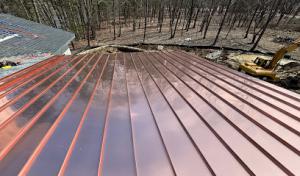

Lane Roofing
(603) 479-2144 www.laneroofing.net
34 Pinkerton St, Derry, New Hampshire
5.0 from 1093 reviews
Lane Roofing – Trusted Experts in Roof Repairs, Replacements, and Installations For over 10 years, Lane Roofing has been providing reliable roof repairs, replacements, and installations with high-quality materials and expert craftsmanship. We offer honest pricing and transparent communication to ensure your home is protected for the long term. Why Choose Lane Roofing? Licensed & Insured Roofing Professionals Top-Quality Materials & Workmanship Transparent Pricing & Clear Communication Call us today for a free estimate and secure a roof that’s built to last!
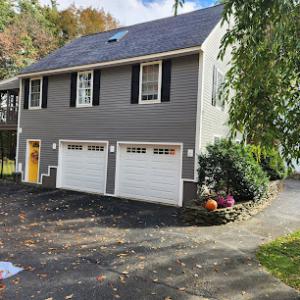
Rj's Roofing & Siding
(603) 948-8566 www.rjsroofingsiding.com
12 Crescent St, Derry, New Hampshire
4.9 from 59 reviews
Looking for reliable roofing and siding services in Derry, New Hampshire? Look no further than Rj's Roofing and Siding! Our team of skilled professionals specializes in roof repair, installation, and siding installation, as well as window installation. With years of experience and a commitment to excellence, we pride ourselves on delivering top-notch results and customer satisfaction. Contact us today for a consultation and let us help you protect and beautify your home or business.
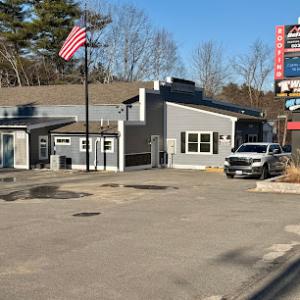
DeFrancesco Quality Roofing, Siding & Windows
(978) 913-6100 www.snhqualityroofing.com
131 Rockingham Rd, Derry, New Hampshire
4.8 from 116 reviews
DeFrancesco Quality Roofing, Siding and Windows, located in Derry, New Hampshire, is a Christian Family Owned and operated business for more than 30 years. Stephen & Pamela were born and raised in Derry, NH, and have put a lot of Pride and Honesty in serving their community. The Mission of DeFrancesco Quality Roofing, Siding and Windows is to Exceed all our customer's expectations and needs and build great relationships with every customer. They opened their Showroom in Downtown Derry in 2016 at 6 East Broadway Derry, NH, so their customers could come in and see the Quality Products such as Drexel Metal Standing Seam Roofing, 40 Year RPI Rubber Roofing, Certainteed Roofing, and Certainteed Siding as well as.
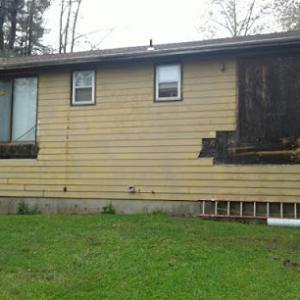
Mr. B's Roofing
45 E Broadway, Derry, New Hampshire
4.9 from 39 reviews
Mr. B's Roofing is locally owned and based in Derry, NH which is in Rockingham County. We have been serving customers in Manchester, Londonderry, Bedford, Amherst and more for over 20 years. Home and business owners from Concord, NH to Nashua, NH trust Mr. B's Roofing to provide excellent craftsmanship and service and be on time and on budget each time! Call today and see why we are Southern New Hampshire's premier roofing specialists.
NH Grand Roofs
(603) 552-7152 www.nhgrandroofs.com
Serving
5.0 from 13 reviews
NH Grand Roofs is a Londonderry, NH based roofing company providing quality roofing services to Southern & Central New Hampshire. We provide a personalized and unique experience to each and every one of our clients, with the highest level of integrity, honesty, and professionalism. We look forward to working with you throughout the process to ensure you are more than satisfied with your investment. We look forward to showing you the Grand Difference.
Buchanan Contracting Services
(603) 475-5098 buchanancontractingservices.com
Serving
5.0 from 18 reviews
Buchanan Contracting Services is a leader in providing professional roofing and siding contracting services. We are dedicated to offering the best quality roofing and siding materials and warranties in the industry. Working closely with all major brands, we can offer a variety of products to meet our customers needs. Attention to all details on each specific project ensures top quality installations.
Merrimack Valley Roofing
(978) 464-3270 www.merrimackvalleyroofing.com
Serving
4.6 from 122 reviews
We have been providing roofing solutions for residential & commercial customers across New Hampshire and Massachusetts for over 40yrs. We are local, licensed, insured, and warranty our materials & services. Call today for a free estimate."

MGS Construction
(603) 237-1011 www.mgsconstructionllc.com
Serving
5.0 from 526 reviews
MGS Construction provides roofing, siding, windows, and decks, to all of NH and MA.
Lionshield Roofing Company
(603) 836-9120 www.lionshieldroofing.com
Serving
5.0 from 67 reviews
Lionshield Roofing Company, home of the 1-Day Roof Replacement, provides top-quality commercial roofing services and residential roofing services in Manchester, NH, and surrounding areas. As a trusted roofing contractor and team of experienced roofers, we specialize in roof installation, roof replacement, roof repair services, and home roofing services. Our roofing company is dedicated to delivering durable, reliable, and long-lasting solutions using premium materials and expert craftsmanship. We are committed to exceeding our customers' expectations and ensuring the longevity and integrity of their properties through quality craftsmanship and reliable materials.
Granite State Roofing
(603) 765-0555 www.granitestateroofing.com
Serving
5.0 from 47 reviews
“Quality, Reliable Results…Driven Industry Leader”
Manny's Roofing
(978) 703-3167 www.mannysroofing.com
Serving
5.0 from 111 reviews
Manny’s Roofing specializes in residential and commercial roofing. We service all of New Hampshire and Massachusetts. We are committed to quality, using top-grade materials and advanced techniques to ensure durability and efficiency in every project. With 20+ years of roofing experience, we have built a solid reputation based on trust and customer satisfaction. We offer roof installation, roof repair, and maintenance services, always focused on providing personalized service tailored to each client's needs. Call for a free quote today!

Crown Roofing
(978) 773-9860 crownroofingma.com
Serving
5.0 from 15 reviews
Crown Roofing is a trusted, GAF Certified roofing contractor proudly serving Windham, NH and surrounding areas since March 2023. We specialize in residential and commercial roofing services, including roof installations, full tear-offs, re-roofs, and reliable roof repairs. Our team also provides seamless gutter installation and professional siding services to enhance your home’s protection and curb appeal. Serving customers throughout New Hampshire, Massachusetts, and Southern Maine, we’re committed to quality craftsmanship, attention to detail, and getting every job done right the first time.
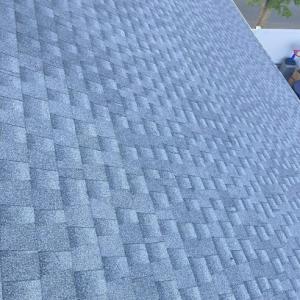
Asphalt shingles are the dominant roofing material in Derry and are widely used for local reroofing work. In a climate marked by freeze-thaw cycles and icy winters, asphalt offers a straightforward balance of affordability, ease of installation, and reliable performance when paired with proper ventilation and attic insulation. For homeowners, the focus should be on ensuring a solid deck and well-sealed edges, especially around valleys and chimneys where ice dams tend to form. The familiar option is forgiving for existing roof lines and can be installed over many existing setups if the structure supports it, but upgrades to underlayment and improved attic ventilation make a meaningful difference in long-term durability during harsh winters.
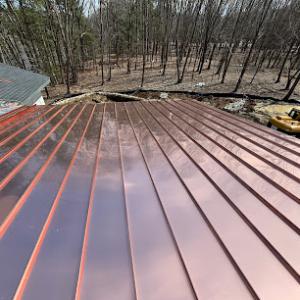
Metal roofing is an active specialty in this town and is often considered by homeowners focused on snow shedding and long-term durability. In Derry's winter conditions, metal panels shed snow more predictably and resist the repeated freeze-thaw stress that can affect other materials. A metal roof can also support a more aggressive ventilation strategy and a tighter, more continuous underlayment, which helps minimize ice dam formation at the eave line. When choosing metal, look for standing-seam configurations that provide airtight seams and durable fasteners. While the upfront investment is higher, the potential for reduced ice dam risk and fewer maintenance cycles during decades of service can align well with a home that endures heavy winter loading.
Heavy materials listed in the Derry market such as slate, clay tile, and concrete tile require close attention to roof structure and decking condition during replacement. In a town where snow loads and freeze-thaw cycles impose extra demands, the roof structure must be evaluated for the additional dead load these materials impose. If the existing decking shows signs of rot, deflection, or insufficient nailing patterns, remodeling with heavy roofing demands a more robust substructure. The inspection should extend to flashing integration and attic ventilation, since a strong, well-ventilated envelope helps mitigate ice dam risk around perimeters and penetrations. While heavy materials deliver distinct aesthetic options and longevity under proper conditions, they demand careful planning, precise installation, and a reinforced deck to maintain roof integrity through many winters.
Reroof projects in Derry benefit from aligning material choice with how snow and ice behave on inclined surfaces. With occasional heavy snowfall, the roofing system should emphasize continuous, well-sealed details at hips and valleys. Ventilation must be designed to prevent warm attic air from melting snow near the eaves, which can drive ice dam formation at the roof edge. Flashings around dormers, chimneys, and roof-to-wall transitions deserve extra scrutiny during installation, especially on reroofs where the deck has endured years of weather exposure. For any material selection, ensure the chosen system accommodates a robust underlayment that remains durable under cold conditions and resists moisture ingress during rain-on-snow cycles.
Local homeowners often seek a balance between curb appeal and performance in our climate. Asphalt shingles remain the practical default for many, given compatibility with existing structures and a predictable maintenance profile. If snow shedding and long-term durability are priorities, metal roofing presents a compelling path with thoughtful detailing. For those considering slate, clay tile, or concrete tile, the decision should hinge on structural capacity and the likelihood of achieving a thorough, long-lasting installation when the deck is brought up to current standards. In all cases, a meticulous approach to flashing, ventilation, and roof decking creates a foundation capable of withstanding Derry's winter demands.
In this market, you'll see asphalt shingles priced around 350 to 650 USD per square, with metal roofing running 700 to 1400 USD per square. Clay tile ranges 1000 to 2200, concrete tile 900 to 1900, synthetic/composite shingles 450 to 900, and slate from 1400 to 3000 per square. The exact total hinges on roof size, slope, and the chosen material, but Derry homeowners often notice price swings tied to winter wear and the town's close inspection expectations for flashing, ventilation, and decking. If a reroof involves牌 decking repair or replacement, expect a noticeable jump from the base material cost.
Winter can leave more than a cosmetic trace: ice dam pressure can warp or lift decking, soften edges, or expose sheathing to moisture. When decking has signs of saturation or structural softness, a re-roof becomes more labor-intensive and materials-heavy. That translates to higher square-foot costs and longer project timelines. If ash or pine needles have accumulated against the eaves, trimming and cleaning add to the scope. In practice, this means a budget buffer is prudent for any reroof that shows winter damage beyond a clean deck replacement.
The town's inspection mindset means flashing and ventilation details often get tightened during the final phase. If flashing is bent, fasteners are missing, or attic ventilation outlets aren't delivering proper airflow, corrections must be completed before approval. These fixes add both material and labor costs, but they're essential to prevent future leaks and ice dam formation. For a reroof with multiple penetrations, multiple roof planes, or complex valley work, expect the price to climb as crews carefully restore proper seal and ventilation.
After wind, hail, or a winter leak event, crew calendars tighten and availability shortens. Spring thaw discoveries can push projects toward busy months, driving up labor rates and extending lead times. If a reroof must fit between school schedules or budget cycles, you may encounter premium scheduling windows. Planning ahead and targeting shoulder seasons can help stabilize both timing and price.
Don't let upfront costs delay a critical repair - these contractors offer payment plans to fit your budget.
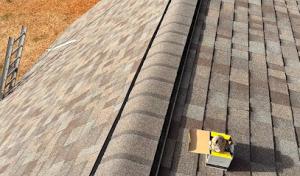

A building permit is typically required in Derry for a full reroof, and the project is submitted to the local town building department for review. This process matters because the town checks more than the visible shingle finish; it scrutinizes how the roof is anchored, vented, and protected against the harsh winter cycle. If the permit isn't pulled before work starts, you risk delays, potential code violations, and the need to halt work to come into compliance. The review looks for a complete plan: roof replacement scope, ventilation strategy, flashing details, and the sequence of steps to protect interior spaces during removal and installation. Getting this right up front saves headaches when winter weather arrives and the town expects a proper, per-code installation.
In this area, inspections are scheduled during the work and again after completion rather than only at the end of the job. That means the town will send an inspector to verify critical stages as they happen: deck integrity before underlayment goes down, installation of underlayment and fasteners, flashing around chimneys and walls, and attic ventilation configuration. The timing requires coordination with the crew and a clear plan for access if cold, windy, or snowy conditions are present. Missing an inspection window can stall the project, creating risk if frost or a heavy melt interrupts progress. Expect the team to pause to accommodate a scheduled inspection and to address any notes promptly so the next phase can continue without delay.
The inspector's eye in this climate settles on proper installation, flashing, ventilation, and roof decking condition. Proper installation means solid nailing patterns, secure fasteners, and appropriate materials for the given deck and underlayment. Flashing must be continuous and correctly lapped to prevent ice dam ingress along valleys, ridges, and chimney intersections, where meltwater can back up under shingles. Ventilation is checked to ensure the attic can breathe, reducing ice dam risk and freeze-thaw damage to decks and sheathing. Finally, deck condition matters: any warped or damp sheathing gets flagged, because a compromised surface can fail under heavy snow load and fluctuating temperatures, leading to leaks and expensive repair later.
In New Hampshire, roofing claim activity is driven largely by wind and hail events, which directly affects Derry homeowners evaluating storm-related roof damage. When a storm rolls through, the first step after safety is a careful photo record. Take wide shots of the roof as a whole, then close-ups of any curled shingles, lifted flashing, ice dam-related damage, and signs of water entry on ceilings inside. If ladders are used, ensure the surface is stable and a second pair of eyes is nearby to avoid overlooking hidden damage.
Carriers serving Derry typically expect detailed photo documentation and may send on-site adjusters before approving larger roof claims. Expect a thorough look at ridge lines, valleys, and transitions around chimneys or vents. On a-scale repairs, the adjuster may request a quick wind-repair assessment or temporary protections to prevent further water intrusion. Having a labeled photo log and a concise roof plan helps speed the process and can reduce back-and-forth.
Winter conditions in this area emphasize freeze-thaw cycles that stress roof deck, underlayment, and flashing. If a mid-winter storm exposes gaps or splits in underlayment, or if ice dam activity is visible from the attic or eaves, those items should be flagged for the claim. The repairing team may need to verify ventilation and decking condition as part of the scope, since inadequate venting accelerates moisture buildup under winter loads.
Claim-related roof work often involves discussion of upgraded underlayment or improved venting as part of the repair or replacement scope. If the damage reveals chronic ventilation gaps or moisture trapped under deteriorated underlayment, expect the adjuster to consider more robust underlayment or a venting upgrade as a standard component. Communicate any observed patterns-areas repeatedly damaged after storms, or recurring ice dam indicators-in clear, specific terms to ensure the scope reflects long-term resilience.
After documenting damage, contact the insurer promptly and request a written claim number. Schedule a no-surprise, photo-backed inspection with an experienced local roofer who understands Derry's weather patterns. If the claim is approved, review the proposed scope to confirm that addressing underlayment and venting is included when winter conditions are a known risk factor.
Connect with contractors who help homeowners navigate the claims process from damage assessment to final approval.
Mr. B's Roofing
45 E Broadway, Derry, New Hampshire
4.9 from 39 reviews
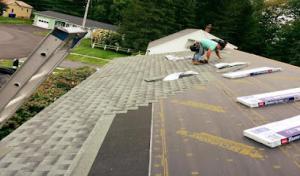
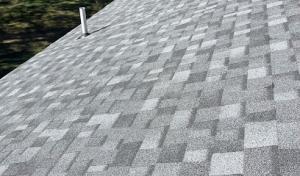
Skylights are a real specialty in the Derry market, reflecting how often homeowners add natural light to winter rooms and sunporches. The leak-prone flashing around skylights and the way the surrounding roof transitions are handled can become the first trouble spots after a harsh winter. Small gaps or improper nailing seams can widen with freeze-thaw cycles, letting in water where you'd least expect it. When reroofing, expect careful scrutiny of the skylight curb, step flashing, and the sealant joints-these are the points where a careless detail today becomes a leak tomorrow. If a skylight sits flat against a shingle roof plane without a clean transition, consider extra attention to flashing integration and ensure the sealant around the skylight flange is compatible with the roofing materials.
Chimneys are a recurring part of the local contractor landscape, and they often demand meticulous flashing review during reroofing. The intersection where brick or siding meets the roof surface creates two vulnerable planes: the chimney base and the roof deck beneath. In Derry's cold snaps, mortar cracks and brick displacement can shift, stressing flashing and counterflashing. A common failure arises where the chimney cricket (or lack thereof) channels runoff improperly, leading to water tracking down the chimney chase and into attic valleys. Expect to see multiple layers of flashing at these junctions, with careful attention paid to the top cap, side counterflashing, and proper roofing cement or sealant choices that withstand winter moisture.
Derry's freeze-thaw cycles widen small failures around penetrations, turning minor drips into visible leaks after a few brutal weeks. Skylights and chimneys sit at the center of this risk, since their penetrations carve pathways through the roof deck. Practically, when inspecting these areas, homeowners should look for hairline cracks in sealants, loosened fasteners, and corrosion on metal flashings. Addressing issues early prevents larger rot problems behind the scenes where it's hard to see until it's too late.
Keep an eye on the skylight perimeter after storms for dampness along the curb and any discoloration on the interior ceiling near the skylight. For chimneys, inspect for missing or cracked mortar at the base and any gaps along counterflashing where water could siphon down. If you notice staining, ice dam buildup near these penetrations, or unusually steep water intrusion, consult a local roofer who understands the local flashings and how winter conditions impact these joints.
Find contractors experienced in skylight installation, flashing, and leak repairs to bring natural light into your home.
Lane Roofing
(603) 479-2144 www.laneroofing.net
34 Pinkerton St, Derry, New Hampshire
5.0 from 1093 reviews
DeFrancesco Quality Roofing, Siding & Windows
(978) 913-6100 www.snhqualityroofing.com
131 Rockingham Rd, Derry, New Hampshire
4.8 from 116 reviews
Flat and low-slope roofing is an active specialty in this town even though the dominant residential materials are steep-slope products. On many homes, low-slope sections over additions, porches, and garages behave differently than the main roof planes, especially when snow piles up and melts, or when freeze-thaw cycles open seams and flashing edges. Understanding those differences is the first step toward reliable performance through New England winters.
In Derry, low-slope sections tend to hold water longer after a storm and can trap ice under edge flashings. Look for sagging or pooled water on garage roofs, flat patches over porches, and joints where dormers meet the main roof. Snow can accumulate unevenly on these zones, creating localized ice dams that stress membranes and fasteners. If you see blistering, edge ridges, or visible fastener heads, inspect promptly-winter damage often becomes obvious only after spring melt.
As winter ends, pay attention to any signs of water migration from low-slope areas into living spaces or ceiling lines. In spring, perform a careful close-up assessment of seams, gravel coatings, and counter-flashing around penetrations. After heavy snows, remove loose debris that can trap moisture, but avoid prying up membrane edges. If you renovated or added a low-slope section, recheck transitions where it meets the main roof and ensure proper slope and drainage paths are preserved.
Delayed replacement on low-slope sections is risky once winter wear has opened seams or flashing edges. Plan replacements or major repairs after a thorough spring evaluation, and coordinate with any work on the adjacent steep-slope roof to ensure consistent ventilation and drainage. When you're evaluating options, prioritize systems with proven cold-weather performance and robust edge detailing for openings, vents, and penetrations.
Keep edges clear of ice buildup and ensure downstream drainage remains unobstructed by nearby trees or debris. Regularly verify that roof penetrations over low-slope areas are sealed and that flashings are continuous across transitions. In this climate, preventive maintenance is less about occasional touch-ups and more about a deliberate schedule that aligns with snowmelt cycles and freeze-thaw weather patterns.
Find specialists in TPO, EPDM, and built-up flat roofing systems for residential and commercial properties.