
Last updated: Apr 19, 2026
Snow and ice piling up on roofs during the brutal Lawrence winters push shingle layers to their breaking point. Repeated freeze-thaw cycling cracks or loosens shingles, which then creates channels for water to work under the surface. Flashing around chimneys, vents, and ridge caps can shift with every freeze, inviting leaks that appear after the melt begins. When spring thaw arrives, that weakness surfaces quickly, and a small ice dam can become a full-tilt leak before you even know it. If you've got older steep-slope roofs, you're watching for this problem on each warm day when the sun hits, because those days are the ones that push the water under the shingle line and into attic spaces.
Replacement timing in this area is almost always pushed toward late spring through early fall because winter conditions complicate tear-off, sealing, and inspection scheduling. If a leak shows up in winter, you're not just fighting water-you're fighting bitter cold that makes safe work nearly impossible and can leave exposed decking and gaps that worsen quickly. Plan ahead for shoulder-season windows when crews can safely mobilize, complete a thorough roof lift, and reseal all critical joints without return trips caused by new snowfalls. For many roofs, waiting until late spring gives you a longer, more predictable window to coordinate labor and material delivery, while still staying ahead of the next freeze cycle.
Spring thaw in the Merrimack Valley exposes roof weaknesses quickly, especially where winter ice backup has already forced water under shingles. Look for stained ceiling spots that track a ridge line or a corner where melting water funnels toward the interior. Shingle granule loss in valleys or along eaves is another dead giveaway that the underlayment has been compromised by the freeze-thaw cycle. If the attic shows any light through decking or rotted rafters, act fast. The combination of heavy snowfall built up over years and repeated thaws means any small crack now can become a major leak before summer heat ends.
Start with a conservative eye toward prevention. Inspect gutters and downspouts for ice blockages that force meltwater back toward the roof edge. Clear rapid melt pathways so water drains away from the fascia and avoids backing up under shingles. Check roof penetrations-vents, chimneys, and skylights-for degraded flashing and lift, and seal or replace these elements before the next season's cycles intensify. In areas with known ice dam risk, consider upgrading to stronger attic insulation and a more robust ventilation plan to equalize roof temperatures and slow down the snowmelt cascade that feeds ice dams.
If you reach a point where replacement is unavoidable, you'll want a roof system that's resilient to the recurring freeze-thaw stress. Material choices that tolerate temperature swings and resist cracking start to matter more as the seasons repeat. Look for durable underlayment, solid flashing detail at all penetrations, and a installation approach that minimizes the risk of future ice dam formation. The goal is a roof that holds back water through a long Lawrence winter and dries out quickly enough in spring to prevent hidden damage from sneaking into attic spaces. Each step should be deliberate, not reactive, so the next thaw arrives with fewer surprises.
In this market, asphalt shingles dominate the street-scene, especially on dense mill-era neighborhoods where homes line narrow streets and standardized dormer details show up frequently. You'll notice they're familiar, straightforward to install, and work well with the typical roof pitches found on many Lawrence mass-fronts. The practical choice for most routine replacements is still asphalt, because it layers in well with existing roofing decks and flashing details, and it matches the pace of city-driven replacement cycles without overhauling trim or interior construction.
Slate, copper, clay tile, and concrete tile remain relevant because of the city's historic architectural mix. On older houses, these materials can elevate curb appeal and longevity, but replacement planning requires close review of decking condition and structural capacity. When tear-off is involved, assess whether the substructure is capable of supporting a heavier roof weight. If the existing decking shows signs of sag, moisture damage, or weakened joists, design the replacement to address those structural considerations first. With premium materials, expect a longer service life, but also a more meticulous inspection and potential reinforcement of rafters and bracing.
Metal roofing is a practical upgrade for homeowners seeking better snow shedding and longer service life in the winter climate. In this market, metal performs reliably during heavy snow, helps reduce ice dam risk by promoting more even shedding, and can offer improved energy performance. If compatibility with existing roof framing and flashing is solid, metal can be installed with fewer tear-offs and often provides a clean, modern contrast to historic detailing. Consider how a metal roof will interact with dormers, chimneys, and skylights, which are common in older layouts. A careful integration plan helps avoid cold-air infiltration paths and ensures proper drainage at transitions.
Regardless of material choice, the condition of the decking drives the overall success of a replacement. On older structures, a tear-off may uncover rotted sheathing, nail pops, or warped boards that need replacement before the new roof goes down. Heavier materials increase the importance of a sound deck and stable scaffolding during installation. Plan contingencies for extra deck work if any signs of moisture intrusion or prior improper repairs appear. Compatibility between underlayment and the chosen roofing material matters too, especially where freeze-thaw cycles push water toward vulnerable seams and penetrations.
Choose material with a view toward the house's architectural character, the neighborhood streetscape, and long-term performance in freeze-thaw conditions. If curb appeal and historic integrity weigh heavily, slate or clay products can honor the era of construction while copper accents offer distinctive detailing on dormer caps or decorative features. For modern reliability with a nod to tradition, a high-quality asphalt system paired with reinforced decking and strategic flashing updates delivers a balance of performance and cost. In every case, ensure the plan accounts for attic ventilation, gutter layout, and heat-trapping effects that influence ice dam formation and interior moisture.
In this region, warm-season thunderstorms and hail create recurring stress on flashing around skylights, chimneys, and other roof penetrations. The flashing details at these points are often the first to show wear after a heavy storm, especially on older, steeper roofs common in the Merrimack Valley mill-era neighborhoods. You may notice damp spots or a dripping seam near a skylight edge after a late-summer storm, or around a chimney crown that wasn't resealed after last fall's wind events. In Lawrence, the mix of slate, shake, and asphalt can complicate flashing because different materials expand and contract at different rates, amplifying any gaps or mismatches.
Skylights frequently fail at the curb flashing or at the transition where the skylight flange meets the roof plane. Chimneys are another high-risk point because chimney flashing sits at the intersection of two roof planes and the vertical brick or stone wall. Step flashing is supposed to bridge the roof and the chimney, but repeated freeze-thaw cycles and autumn leaf buildup can loosen or obstruct those joints. Valleys and low-drainage transitions near chimneys and skylights are also vulnerable when fall leaves create a layered dam, directing runoff toward vulnerable seams rather than away from them.
After a thunderstorm, inspect for damp spots on ceilings directly below skylights or chimneys, or hear a telltale drip along the interior wall line during rain. On the roof, look for lifted or cracked flashing, loose shingle edges near the penetrations, and any dark staining or moss growth that signals moisture intrusion. If you notice granule loss on asphalt shingles near a skylight, that can indicate compromised shading over the flashing area. In winter, freeze-thaw damage may worsen the same flashing joints, so pay extra attention when temperatures swing above and below freezing.
Start with a controlled, temporary seal to minimize water intrusion while you arrange permanent repairs. Use a tarp or heavy-duty plastic weighted down at the corners to cover the affected skylight or chimney area, ensuring runoff does not back up into gutters or over the edge. Clear nearby leaf buildup from the valley and around the penetration to restore a clearer drainage path, but avoid dislodging set flashing or shingles in the process. If you notice active water flow along a joint, place a catch bucket inside under the drip line to verify location and monitor leak activity during a rain event. Avoid climbing the roof in storm conditions; a professional should assess flashing integrity and verify the shingle-to-flashing interface.
Fall signals a spike in skylight and chimney work as contractors respond to a steady stream of aging-penetration repairs. Expect follow-up visits to reseal or replace flashing, reseal the chimney crown, or adjust skylight flanges to accommodate seasonal movement. With older homes, a coordinated approach helps prevent recurring leaks: flashing repair may require resealing the curb, re-bedding step flashing, and improving the weatherproof seal at the edge of the skylight or chimney. In this climate, a reliable contractor will inspect shade and runoff patterns around these penetrations and confirm that the surrounding roofing materials are compatible with the chosen flashing method.
As leaves accumulate in Lawrence, ensure gutters and downspouts remain clear to direct water away from skylights and chimneys. Fall is a critical time to recheck flashing and sealants before the first heavy rains, and to confirm that valley linings and low-drainage transitions are not obstructed by debris. Regular inspections after major storms help catch small issues before they become larger leaks during the next warm-season storm.
Find contractors experienced in skylight installation, flashing, and leak repairs to bring natural light into your home.
Big Sky Roofing & Restoration
(857) 800-1658 bigskyroofingrestorationllc.com
33 Avon St, Lawrence, Massachusetts
5.0 from 11 reviews

Big Sky Roofing & Restoration
(857) 800-1658 bigskyroofingrestorationllc.com
33 Avon St, Lawrence, Massachusetts
5.0 from 11 reviews
Roofing services Siding’s services Metal roofing EPDM robber roof Skylights replace Free inspection Gutter cleaning

Prestige Roofers, LLC. Roofing , Siding & General Construction
6 Broadway, Lawrence, Massachusetts
4.8 from 17 reviews
"Specializing in roofing, siding, gutters and general construction we’re the New England area’s trusted contractor. Call or click for a free estimate." flat roofers metal roofers near me metal roofers roofers local roofers roofers contractors near me roofers companies roofers repair near me rubber roofers residential roofers local roofers near me roofers contractors roofers company roofers near me commercial roofers roofers in my area best roofers near me roofers residential roofers near me best roofers roofers recommended roofers near me roofers near me with free commercial roofers
ASAP Roofing & Construction
(978) 662-8974 www.asapconstructionllc.com
Serving
5.0 from 33 reviews
We are ASAP Roofing and Construction, a remodeling and building team serving residential and light-commercial projects with practical, detail-focused workmanship. We handle kitchen and bathroom renovations, basement and garage updates, home additions, and new construction from the ground up. Our scope also includes decks and porches, trim work, doors and windows, plus drywall and metal framing when a space needs a clean reset. We work with a clear process: documenting the plan, carefully preparing surfaces and structures, and finishing with an eye to durability and everyday function. Integrity and straightforward communication guide how we schedule, coordinate, and respond to questions, so projects feel steady, transparent and well-managed.
Damphousse Roofing LLP
(978) 683-4588 www.damphousseroofingllp.com
Serving
4.8 from 5 reviews
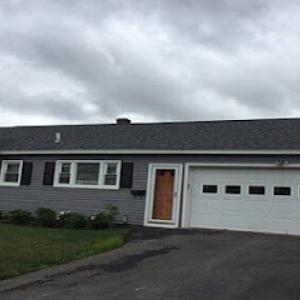
Damphousse Roofing LLP is a local, family-owned and operated company that provides services for roofing, siding, and windows. We pride ourselves on exceeding expectations and finishing projects ahead of schedule and within our clients' budgets.
jbo construction
139 Berkeley St, Lawrence, Massachusetts
4.0 from 4 reviews
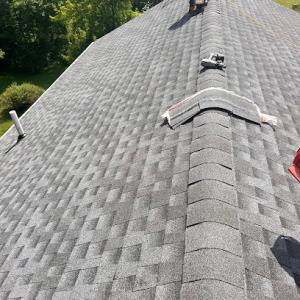
we take very good care of everything customer. That we get. And we make sure they are happy with the final result. Our company is very insured and equipped as well. And we are open at any time so give us a call !!!
Town Roofing
(781) 426-1087 townroofing.com
Serving
4.7 from 18 reviews
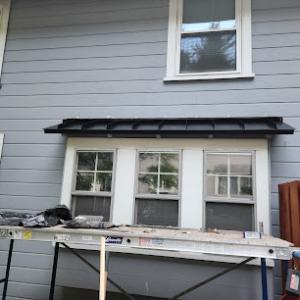
Welcome to Town Roofing, your trusted roofing contractor serving Methuen, MA, and the surrounding areas. As a family-owned business with three generations in the industry, we pride ourselves on delivering exceptional roofing services to homeowners and businesses alike.

Nick Tracey Roofing & Exteriors
(978) 581-3528 nicktraceyroofing.com
Serving
5.0 from 17 reviews
At Nick Tracey Roofing, we specialize in a wide range of roofing services including installation, repair, maintenance, and replacement. Whether you need a small repair or a complete roof overhaul, our team of skilled professionals is dedicated to providing superior craftsmanship and reliable solutions tailored to meet your specific requirements. Asphalt Shingles, Metal Roofing, EPDM Rubber Roofing, and Skylights.

Greater Boston Roofing
(617) 941-3901 greaterbostonroofing.com
Serving
4.9 from 831 reviews
Greater Boston Roofing provides residential roofing, commercial roofing, and free estimates to the Andover, MA area.
Paradise Remodeling
(781) 732-0203 www.paradiseremodelinginc.com
Serving
5.0 from 34 reviews
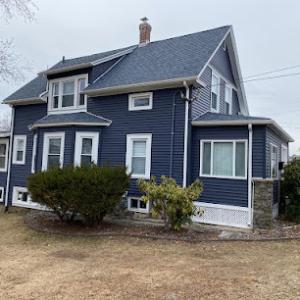
Paradise Remodeling is a trusted home improvement contractor based in Methuen, Massachusetts, proudly serving homeowners across the region since 2012. We specialize in roofing, siding, skylights, doors, and windows, offering high-quality craftsmanship and a customer-first approach on every project. As a fully licensed and insured contractor, Paradise Remodeling delivers reliable and efficient service with a strong commitment to durability, energy efficiency, and curb appeal. Whether you’re looking to enhance your home’s exterior, upgrade your roof, or improve natural lighting with skylights, our experienced team brings over a decade of expertise to every job. From the initial consultation to project completion, we prioritize your sati.
Commonwealth Roofing & Siding
(800) 672-7497 cwroofandside.com
Serving
5.0 from 52 reviews
As a licensed roofing and siding company, you can trust our highly skilled team of professionals to provide you with efficient and effective solutions after a complete evaluation of your needs. Offering the best performing roofing systems and beautifully customized exteriors tailored to your taste and budget that will last years and withstand the test of time and environment.
Couture's Construction
(978) 552-9964 couturesconstruction.com
Serving
5.0 from 31 reviews
We are a family-run, owner-operated, fully licensed and insured construction company that specializes in (but not limited to) roofing, siding, windows, decks, and doors. In addition to installation of the above products, we also offer repair services to allow you to get the most out of all the elements of your home or business.
RJ Talbot Roofing & Contracting
(978) 361-6129 talbotroofing.com
Serving
4.9 from 87 reviews
RJ Talbot Roofing & Contracting provides residential and commercial roofing services, installation, and repairs to the greater Haverhill, MA area.
Asphalt shingles in this market typically run about $350 to $650 per square, while metal roofing sits in the $600 to $1100 per square range. Clay tile commands $900 to $1800 per square, concrete tile $700 to $1300, slate $1400 to $2800, and copper roofing $2000 to $4000 per square. Those ranges reflect Lawrence's mix of older, steeper homes and newer builds, where material choice plus local labor can push the final number in either direction. When you're comparing bids, make sure the estimate lists the same scope of work (tear-off, disposal, and any underlayment upgrades) so you're not comparing apples to oranges.
Costs in Lawrence can rise on older homes that require more tear-off labor, decking repairs, flashing replacement, or careful handling of slate, copper, and masonry-adjacent details. If your attic insulation is lackluster or your roof has multiple penetrations for chimneys, exhausts, or skylights, expect extra material and labor time. In practical terms, a conservative replacement on a century-old roof may land above the midpoints of the listed ranges if substantial deck repair or precise slate and copper work is needed. A well-insulated, well-ventilated setup helps prevent future ice dam trouble and can save money in the long run.
Seasonal demand spikes after winter damage and summer storm events can affect scheduling and pricing, especially in a market where re-roofing and quick-response service are highly prevalent. If a hail event or heavy snowpack hits, crews may have tighter calendars and higher short-notice pricing. In Lawrence, springtime projects often fill quickly, so planning ahead for a roof replacement-particularly on steeper pitches or complex layouts-can help lock in a fair price and a reliable crew. Keep in mind that teardown and careful handling of slate, copper, or masonry-adjacent details may extend both timeline and cost compared with a straightforward asphalt job.
Get a clear picture of your project costs upfront - no commitment required.

Prestige Roofers, LLC. Roofing , Siding & General Construction
6 Broadway, Lawrence, Massachusetts
4.8 from 17 reviews
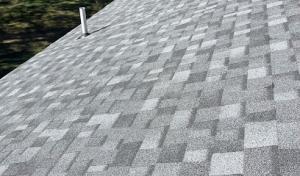
A full roof replacement in Lawrence typically requires a building permit issued by the city Building Department. The permit process helps ensure that all work meets local codes and safety standards, especially important in a climate with harsh winters and the freeze-thaw cycles that stress older, steep-slope roofs. Before work begins, verify that the planned scope aligns with the permit requirements and any neighborhood or historic district guidelines that may apply to your street.
Lawrence commonly requires permit submissions to include project details, contractor information, and plans or scope information before work starts. Typical documents you should gather include a clear description of the replacement, roof slope and square footage, material choices, and any ventilation or underlayment plans. The contractor's license and contact information should be up to date, along with proof of insurance. If the project involves repair work beyond a straight replacement, or if additions affect eaves, fascia, or drainage, include sketches or product specs that illustrate how the new roof will integrate with existing flashing and gutters. Planning ahead with precise details helps avoid delays when the Building Department reviews the file.
Inspection checkpoints in Lawrence usually include tear-off and final installation, so scheduling and code-compliant documentation matter during active reroofing. A standard sequence typically begins with a tear-off inspection to verify that the old roofing has been removed down to the decking and that decking condition supports the new system. Expect a mid-progress check if the scope includes ventilation upgrades, underlayment installation, or a move to a different roof assembly. The final installation inspection confirms that the new roof, flashing, vent(s), counters, and any skylight or vented penetrations meet code requirements and are properly sealed against ice dam formation and water intrusion. Coordinate timing with the Building Department so inspections align with contractor milestones, minimizing delays and rework.
Keep a readily accessible file of all permit-related documents, inspection notices, and correspondence from the Building Department. On-site, have the permit number, approved plans, and contact information for the inspector visible to the crew. If any field changes arise-such as adjusting deck heights, vent locations, or drip edge details-submit amendments promptly to avoid triggering a re-review. For homes with historic details or limited roof access, plan the workflow to ensure deck removal, flashing replacement, and drip-edge installation occur in the order required by inspections. Good communication with the Building Department helps keep the project moving and reduces the risk of noncompliance during the critical tear-off and final inspection stages.
Massachusetts insurers generally still offer broad homeowner coverage, but some carriers have tightened wind and hail terms, making documentation after a Lawrence storm more important than ever. The combination of dense neighborhoods and older, steep-slope roofs means that storm damage can hide behind existing wear patterns. If a claim is questioned, the adjuster will look for evidence that the loss is storm-related rather than routine aging. Clear photos, dated records, and a careful account of when the damage first appeared help prevent disputes that drag on into the next storm season.
For Lawrence claims, adjusters commonly want a detailed scope of work, a complete photo log, proof of replacement, and evidence that the work met local requirements. A thorough scope should spell out shingles, flashing, ventilation, and any interior impact from ice damming or runoff. Photos should document the condition before the damage, during the claim, and after the repair, with dates visible in the frame. Proof of replacement can include contractor invoices, material receipts, and a final inspection record. Having a clearly organized package can speed review and reduce back-and-forth requests during the busy spring and summer seasons.
Because lapses between seasons are common in this region, Lawrence roofs often show layered winter and summer damage patterns. Homeowners should prepare dated photos that capture the progression of wear, then separate this from new storm-related impacts. Contractor documentation should explicitly attribute each issue to the storm event and identify which items require replacement versus repair. In cases of mixed damage, adjusters may request staged documentation showing that a portion of the roof was pre-existing and another portion sustained fresh damage from recent weather.
Keep a running log of storm dates, wind speeds reported by local stations, and any witnesses who observed flying debris or roof disturbance. Store all correspondence with the insurer, including emails and claim numbers, in one accessible folder. If an inspector visits, ensure the site is safe, and designate a single point of contact to relay findings clearly. A careful, well-documented report reduces ambiguity and helps align the claim with the actual scope of repairs needed to restore a solid, weather-resistant roof.
Connect with contractors who help homeowners navigate the claims process from damage assessment to final approval.
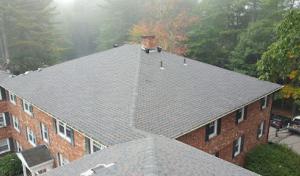
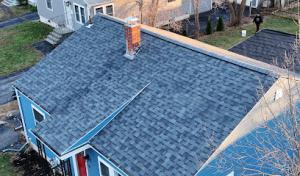
Lawrence properties often include additions, porches, and mixed rooflines where low-slope sections behave differently from the main steep roof during snowmelt and heavy rain. The tie-ins between the old roof and the new, alongside flat or nearly flat transitions, create zones that drain slowly and trap meltwater. Recognize these zones as separate roof systems within a single property, each with its own drainage dynamics.
These low-slope transitions are more vulnerable when winter ice backup and spring runoff concentrate water at tie-ins and drainage edges. Ice can back up along the eaves, and water can back up under flashing where the roof meets the addition. In spring, debris buildup at the transition points can block scuppers or gutters, accelerating leakage risk. Pay close attention to the flashing at the connection line and to any deck or porch seating that may shed leaves into the drainage path.
Focus on the transitions where the low-slope section joins the steeper main roof, the areas around skylights or vents on the flat portion, and flashings that run across the seam. Look for scuffs, blistering, or soft spots along the edge where water meets the more vertical surface. Porch roofs and small flat sections often get less sun and stay damp longer, magnifying wear on sealants and membranes.
Keep drainage paths clear of leaves and ice debris, especially in early spring. Inspect caulking and flashing at the seam quarterly after heavy storms. If you notice staining, damp spots, or curling of any edge membranes, address them promptly before warm spells intensify the melt. Consider installing a secondary drainage path or improving the slope slightly at the transition if the existing setup shows recurrent pooling.
A local contractor with flat-roof experience is a smart call for these areas, since many Lawrence homeowners rely on repairs or replacements specifically for secondary roof sections. Ask for a contractor who can assess both the slope dynamics and the tie-in waterproofing, and who can detail a plan that protects the added space without compromising the main roof.
During a dry day, inspect the underside of the transition from the attic if accessible, looking for signs of moisture tracking along joints. From the exterior, run a flashlight along flashing seams and edge channels to spot hairline cracks or loose fasteners. If any doubt remains about the integrity of the membrane, a targeted evaluation from a flat-roof specialist is worthwhile.
Find specialists in TPO, EPDM, and built-up flat roofing systems for residential and commercial properties.
Big Sky Roofing & Restoration
(857) 800-1658 bigskyroofingrestorationllc.com
33 Avon St, Lawrence, Massachusetts
5.0 from 11 reviews
Prestige Roofers, LLC. Roofing , Siding & General Construction
6 Broadway, Lawrence, Massachusetts
4.8 from 17 reviews
When a storm or winter ice dam hits, neighbors know who can answer quickly and leave a clean site. In Lawrence, contractor demand patterns favor a fast, practical response that includes cleanup as part of the job. You'll want crews that can pile into a tight schedule after a freeze-thaw spell, finish the job without leaving debris in yards or driveways, and get you back to normal without a second round of delays. Look for contractors who outline a clear aftermath plan and show they routinely wrap up work with debris removal and site protection.
Older homes in this city often present unique challenges: steep slopes, large chimneys, and complex flashing where a roof meets masonry. In Lawrence, long-standing reroofing crews with solid reputations tend to handle these configurations more reliably than premium-only outfits that promise exotic materials or specialized details you may not need. Favor companies that can demonstrate a steady local presence, a track record on similar houses, and crews that can work safely on tall elevations without sacrificing thoroughness.
The combination of older assemblies and frequent freeze-thaw cycles makes flashing and chimney details a critical focus. A contractor should inspect for ice-dam susceptibility at valleys, rake lines, and around protrusions, and explain how flashing integrates with existing brick or stucco. Be wary of estimates that overlook these intersections or gloss over how existing mortar joints and venting influence performance. In Lawrence, these intersections often drive the long-term success or failure of a roof.
Warranty discussions are especially important because freeze-thaw movement and aging materials can blur installation-versus-age blame. A clear warranty should address workmanship, flashing, and ice-dam mitigation measures, with specifics on what triggers coverage and how claims are handled. Ensure the contract outlines expectations for future storms and the timeline for addressing any disputes, so you aren't left navigating a gray area after a harsh winter.