
Last updated: Apr 19, 2026
Cold New Hampshire winters push ice dam formation at roof edges, eaves, and valleys when repeated freeze-thaw cycles hammer a roof over the course of a season. In a town where winter pressure is constant, those dams can back up water behind the dam and find weak spots in flashing, underlayment, or ventilation. The result is a slow leak that can stain ceilings or drip through finished rooms once the melt returns and pressure climbs again. You feel the risk most at the eaves and in valley intersections where snow piles up and then thaws, exposing vulnerable layout and past fast fixes. This is not a problem to weather through; it demands timely attention when signs appear.
Heavy snow accumulation followed by a thaw can expose aging or undersized flashing, compromised underlayment, and ventilation trouble that might stay hidden during drier seasons. Look for damp spots on ceilings below attic kneewalls, moisture on interior walls around fireplaces, and icicles that project unusually far from the edge of the roof. Inside attic spaces, inspect for frost on sheathing, toasty rafters near soffits, or batts that look pushed toward vents. If a leak appears after a thaw or a warm spell, stop anything dripping into the living space and call a professional promptly. In Hudson, the problem compounds when heat loss from the attic has created pockets of warm air that melt snow from above while air leaks below keep the attic temperatures uneven. That mismatch is a recipe for accelerated ice dam growth and hidden roof damage.
When you notice ice backing up at the eaves, avoid chipping at ice yourself near electrical lines or gutters; use a safe ladder stance and consider a professional de-icing solution that won't damage shingles. Ensure attic vents, soffits, and ridge lines are clear of obstructions so the roof can breathe during melt cycles. If you smell attic moisture or see ceiling stains, restrict access to the affected room until a pro confirms the scope of damage. For winter-specific planning, keep a path clear for a quick inspection after a storm and have a trusted contractor on a call-back list who understands how Hudson winters amplify these issues.
Replacement timing in Hudson is often influenced by winter damage discovered during spring melt, when leaks become visible inside finished upper floors and around chimneys. If a leak appears, treat it as an emergency for the interior and arrange a temporary fix to stop water intrusion while you secure a longer-term repair or replacement plan. A roof that has withstood multiple freeze-thaw cycles may still be structurally sound, but hidden weakness in flashing or underlayment can whisper trouble before a storm again tests it. Prioritize immediate repairs to the flashing, valleys, and ventilation paths that opening up during the last thaw exposed, then plan a full evaluation to map out durable improvements. In short: keep the attic tight, the eaves clear, and the flashing prepared for the next cold snap, because the next winter will not forgive complacency.
Late spring through early fall is typically the preferred replacement window in Hudson because cold-weather shingle sealing and winter tear-offs are less predictable. That means exterior work proceeds more reliably when temperatures are consistently above freezing and you're not dealing with ice on the eaves. If a repair or small patch is unavoidable in winter, know that adhesive performance and shingle seating can be inconsistent, which increases the chance of leaks soon after a thaw or after a temporary fix fails. Planning for a spring-start timeline helps avoid those surprises and keeps a project on track through the warmer months.
In practical terms, the window from late spring through early fall allows crews to stage materials, perform underlayment work, and complete a full roof replacement without repeated weather pauses. For a typical Hudson home, that means coordinating interior protection, attic ventilation checks, and drip-edge installation when there is no snow cover and daylight lasts long enough to finish daily shifts. When weather becomes unsettled in late fall, projects that were started may need to pause, which can compress schedules and raise the risk of weighty debris sitting on a roof during wet or windy days. If the clock is ticking toward winter, consider finishing tasks that don't rely on dry, warm exterior conditions first and leaving ice-dam mitigation steps for the first truly clear stretch next season.
Summer humidity and heat in southern New Hampshire can affect shingle handling and sealant performance, so installation quality matters during hot stretches. Heat can make shingles bend more easily and sit differently, which changes how valleys and rakes are sealed. Humidity can also impact asphalt and sealant curing times, so crews should adjust application schedules to avoid the peak heat of the day and to protect glove-handled sealants from premature set. In Hudson, that often means starting earlier in the morning, taking intentional breaks, and ensuring ventilation details are prioritized to prevent heat-related workmanship gaps. Proactive coordination with crews about heat-sensitive tasks-like adhesive and sealant placement-helps maintain a tight, weather-tight wrap by the time the roof is strapped and shingled.
Fall projects in Hudson can be slowed by wet leaf debris, wind, and shorter daylight hours even though many homeowners try to finish before snow season. Leaves can clog gutters and valleys, obscuring the flow paths that matter for ice dam prevention. Wind can shift temporary protective coverings and expose vulnerable edges during late-season work. Shorter days mean crews may need to adjust the pace and sequence to preserve quality, not speed at the expense of a leak-prone finish. If a fall replacement is unavoidable, build in extra inspections for fluttering shingle edges, ensure robust attic ventilation is still in place, and lock down late-season scheduling windows that maximize daylight and dry conditions.
Get a clear picture of your project costs upfront - no commitment required.
Black Swan Roofs - Roofing Contractor
(603) 512-4281 www.blackswanroofs.com
Serving
5.0 from 51 reviews
Peter Desalvo Contracting
(603) 521-7992 www.peterdesalvocontracting.com
15 Central St, Hudson, New Hampshire
4.9 from 133 reviews
Peter DeSalvo Contracting, your roofing specialist is fully licensed and insured in New Hampshire and Massachusetts. We are committed to the highest standards in the roofing industry, and we are equipped with the tools to handle diverse projects of any size, for any budget. We maintain high standards and professionalism and always strive to be the best in our field.
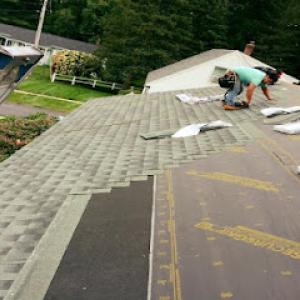
Granite State Roofing
(603) 765-0555 www.granitestateroofing.com
7 Senter Farm Rd, Hudson, New Hampshire
5.0 from 47 reviews
“Quality, Reliable Results…Driven Industry Leader”
Strictly Roofing
(603) 475-2822 strictlyroofing.com
12 Boulder Dr, Hudson, New Hampshire
4.8 from 44 reviews
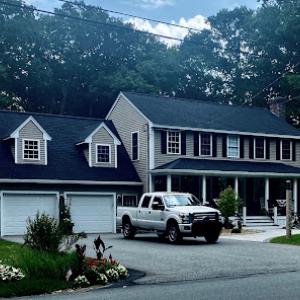
Windham NH's Favorite Roofing Company... We are a husband/wife owned company and have been serving Southern NH for 20+ years. We specialize in asphalt shingles on residential homes! Proud A+ members of the BBB Roof Repairs Skylight Repairs “We Did Your Neighbor” CertainTeed Landmark Pro shingles GAF Timberline HDZ shingles Fully Insured Labor Warranties

Black Swan Roofs - Roofing Contractor
(603) 512-4281 www.blackswanroofs.com
Serving
5.0 from 51 reviews
Our motto is "Your once in a lifetime roof, done once, never twice." At Black Swan Roofs, we are family owned, focused on exceptional roofing services with quality, integrity, and outstanding customer service. Serving New Hampshire, our team specializes in shingle roofs, metal roofs, flat roofs, synthetic roofs and skylights. We do both repair and replacement. As a local trusted roofing contractor near you, we understand the importance of your roof. That's why we use only the highest quality materials and the latest techniques. Whether you need a repair or full replacement, our team is here to ensure your roof is protected for years to come. We offer different payment plans and financing so we can help no matter the circumstances.
W. Ticos Roofing
(603) 557-9241 www.wticosroofingnh.com
Serving
4.9 from 27 reviews
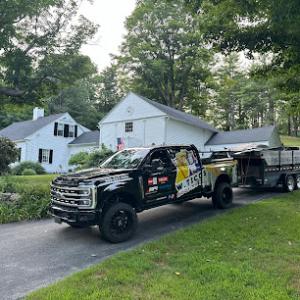
The experienced team at W. Ticos Roofing is here to assist you with your residential and commercial roofing needs. We work with a range of clients, both big and small, and are ready for any situation. Whether you need a new roof, newly installed siding, or a reliable gutter system, we have you covered. From homes to industrial complexes, we pride ourselves on delivering results that last. Get in contact today to learn more about what makes us the top Southern New Hampshire roofing contractor, and learn more about our roofing services. We cannot wait to assist you with your roofing needs.
Classic Metal Roofs
(603) 324-7187 classicmetalroofs.com
Serving
4.9 from 85 reviews
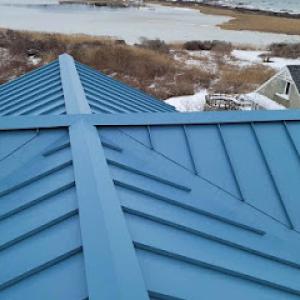
Classic Metal Roofs, New Hampshire's premier metal roofing contractor, located at 1 Tara Boulevard, expertly installs a wide range of top-quality aluminum metal roofs, including standing seam, 2 styles of aluminum metal shingle, and copper and zinc options. Serving Southern New England, we specialize in eco-friendly, durable solutions that enhance your home's beauty and efficiency. Whether you need a complete roof replacement or an accent roof, our factory-trained professionals deliver tailored installations using the best materials. With energy-efficient, recycled content elements and a focus on customer satisfaction, we ensure your investment exceeds expectations. Contact us today for a free estimate on your metal roofing needs.
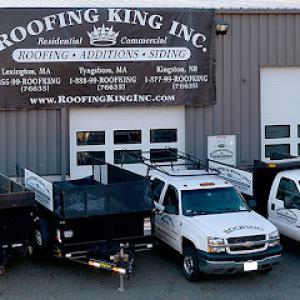
Roofing King
(888) 997-6635 roofingking.com
Serving
5.0 from 256 reviews
Roofing King—a family run roofing contractor proudly serving Massachusetts & New Hampshire for over 15 years. We have locations in both NH & MA, a full-time professional staff, and a commitment to integrity. We deliver long-term value and outstanding customer service to every homeowner and business we serve. Services: Roofing, Roof Replacement, Roof Installation, Siding, Windows, Skylights, Gutters & more | Residential Homes & Commercial Properties | Roofing King is a proud partner of Valor Exterior, GAF, Harvey Windows & Doors, Velux Skylights, & recognized by the BBB (A+) for outstanding service. 100% Financing Available | GAF Master Elite Contractors | Licensed & Insured

Affordable Roofing / Gutters
(603) 233-9971 1affordablebuilders.com
Serving
4.9 from 429 reviews
Affordable Roofing / Gutters specializes for asphalt shingle, rubber roof and gutters at residential and commercial properties with 10+ years experience. The company, also, provides siding and skylight services such as trims, flashing. There are four teams in the company, each team combined of 6-7 people, which means we get a quality job done within hours in one day. Please, visit our website with your questions and concerns. We will make your property look nice and clean.
Cahill Roofing
(603) 889-8294 cahillroofingnh.com
Serving
4.8 from 26 reviews
For nearly 30 years, Cahill Roofing has provided quality residential roofing work with integrity and skill. We are a fully insured roofing company, providing roofing replacement for asphalt shingles and EPDM rubber roofing. We also handle roofing repairs, chimney sealing, skylights, roof shoveling, and much more!
Candido's & Family
(978) 804-1521 candidosandfamily.com
Serving
4.7 from 15 reviews
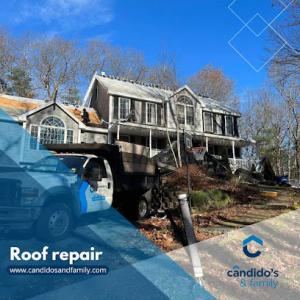
Quality roofing near you! In the states of Massachusetts and New Hampshire, we offer a wide range of services such as Roof Coating Repair, Roof Repair, Roof Installation and Roof Renovation. Candido's & Family quality roofing near you.
Over The Top Home Maintenance
(603) 412-4120 overthetophm.com
Serving
5.0 from 17 reviews
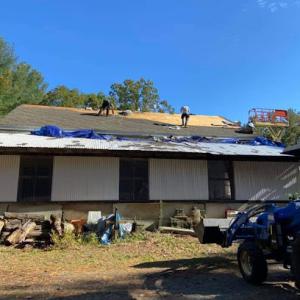
Chimney, roofing and masonry
BTW Exteriors
Serving
5.0 from 3 reviews
BTW Exteriors is a full service roofing, siding and window company based out of Litchfield, NH. We service southern NH and surrounding areas. Renovations or new construction, we do it all.
Asphalt shingles are the dominant practical choice in Hudson because they fit the area's common residential housing stock and are widely supported by local re-roofing crews. In snow-heavy winters with freeze-thaw cycles, asphalt offers predictable performance, quick repair timelines, and straightforward maintenance. Look for overbuilt underlayment and a quality shingle line that features good granule adhesion and a proven slow-release of moisture. The predictable installation approach means you'll likely find a wide network of Hudson-area roofers who can bring a project to completion without long outages. When you're planning replacement, consider a roof that includes a ridge vent or a balanced ventilation strategy to reduce attic condensation and help manage meltwater during thaws. Asphalt remains a reliable anchor for homes with standard scissor or gable rooflines, especially when the goal is a cost-effective upgrade that aligns with typical local construction.
Metal roofing has a meaningful presence in this market and is often considered by homeowners focused on snow shedding, long-term durability, and winter performance. Metal panels or shingles can shed snow more readily than standard asphalt, which can help reduce ice dam pressure on the eaves and improve overall roof longevity in heavy winters. In practice, you'll see metal selected for homes that want a modern look, superior wind resistance, and a roof that stands up to repeated freeze-thaw cycles with less thermal movement than some heavier options. Pay attention to the fastening pattern and sealants, because the best results come from a system designed for local snow loads and temperature swings. For repairs, metal can be more forgiving if you need to replace small sections, but matching panels and finishes to weathered textures is important to preserve curb appeal and value.
Clay tile, concrete tile, slate, and fiber cement are available in this market but require closer attention to structural load, specialized installation, and repair matching in a New Hampshire freeze-thaw climate. Clay and concrete tiles are heavy; they demand a roof structure that can carry the load without warping or sagging under snow. Slate offers timeless aesthetics and durability, yet it also comes with strict supports and precise fastening that skilled installers must provide to resist cracking during temperature swings. Fiber cement provides a versatile, more economical option with better impact resistance than some natural materials, but it still behaves differently under freeze-thaw pressure and can require careful sealing and maintenance. If considering these materials, collaborate with an Hudson-area contractor who understands cold-weather installation nuances, frost heave considerations, and consistent repair matching. A thoughtful approach ensures the roof remains capable of handling heavy snow loads, ice dam formation tendencies, and the seasonal shifts that characterize the local climate.
When you compare bids, use the per-square (100 sq ft) costs shown in the local ranges. Asphalt shingles sit at the lower end of the market, while slate stays at the high end. In a typical Hudson project, you'll see asphalt shingles in the lower to mid range, with metals, tile, and slate climbing higher due to material and handling needs. This city's winter history amplifies those numbers because extra steps to protect and heat work sites add up quickly.
Costs in Hudson can rise during peak post-winter and storm-repair periods when demand for quick-response crews, tarping, and scheduling slots increases. If a roof failure or ice-dam emergency hits after a heavy storm, you'll likely see premium scheduling, expedited material delivery, and temporary protections rolled into the project. Budget a cushion for those windows, especially if you're trying to line up a crew soon after a thaw or a heavy snowfall.
Steeper New England rooflines, chimney flashing work, tear-off disposal, and winter-related decking repairs commonly push Hudson projects above base material pricing. A steep pitch means more labor, more ladder work, and longer roof exposure, all of which add to the bottom line. Fluently price in flashing around chimneys and vent stacks, plus the cost to haul away ice-damaged decking if a full replacement is needed. If a roof has multiple valleys or complex geometry, expect proportionally higher crew time and waste disposal charges.
Material selection drives a meaningful portion of the total. Asphalt shingles follow the local cost guidance, while metal roofing commands a higher premium for durability and install time. Clay and concrete tiles bring elevated per-square costs due to heavier weight and additional structural considerations. Slate remains the benchmark for longevity but comes with a substantial price tag and heavier tear-off and disposal requirements. Fiber cement shingles offer a mid-range alternative that can be appealing in Hudson's climate, especially where a longer service life is desired without the premium of slate. In practice, you'll see the most consistent value by weighing upfront material cost against expected lifespan and maintenance needs in a winter-heavy climate.
Don't let upfront costs delay a critical repair - these contractors offer payment plans to fit your budget.
Black Swan Roofs - Roofing Contractor
(603) 512-4281 www.blackswanroofs.com
Serving
5.0 from 51 reviews

In Hudson, a full roof replacement generally requires a permit through the town building department rather than being treated as informal maintenance. The permit ensures that the work complies with NH building codes and any local amendments that address Hudson's winter conditions, including how venting, insulation, and snow load provisions are applied to new roofs. The process is designed to align with the town's emphasis on safe, durable installations that stand up to freeze-thaw cycles and heavy snow events. Because permits are tied to the project's scope, minor repairs may still fall under different thresholds, but for a full replacement, expect formal permitting to be the norm. Understanding this upfront helps you avoid delays when the crew pulls the trigger on materials or the framing.
Permit applications are commonly submitted by the contractor, and straightforward projects usually move quickly unless the town is handling peak seasonal volume. The Hudson building department appreciates clear project descriptions, including roof deck condition, underlayment, ventilation, and any changes to the roof's pitch or drainage plan. A well-prepared submittal with diagrams and material specifications can shave days off the review. If your project includes multiple trades (roofing, gutters, skylights, or vent work), ask the contractor to bundle those documents for a single, cohesive submission. Expect cursory checks for zoning or setback considerations, but the emphasis remains on structural soundness and wind and snow load resilience. During busy winter-to-spring transitions, permit review can pause briefly; planning ahead helps keep your schedule intact.
Inspections in Hudson are typically performed after completion or at key milestones to confirm compliance with New Hampshire building requirements and any local amendments. Common checkpoints include an inspection after the roof installation is near completion to verify nailing patterns, underlayment installation, and flashing details, followed by a final inspection once the project is finished to confirm overall workmanship and system integrity. The inspector may also verify attic ventilation and insulation to ensure the roof contributes to energy performance and moisture control. If the project involves retrofits or changes to venting or insulation, expect confirmation that these elements meet state and local standards. Keep the job site accessible for the inspector and have all permit documentation, contractor licensing, and any change orders ready to present.
Coordinate early with the contractor to align the permit package with Hudson's requirements, and request a pre-submittal checklist if available. Maintain open communication with the building department, especially during peak seasons, to anticipate any backlogs. Schedule inspections promptly and ensure work aligns with the latest amendments that address ice dam mitigation and improved drainage. If deviations from the initial plan arise, secure approved changes before or during inspections to avoid rework. Finally, designate a single point of contact on the crew who can respond quickly to the building department's questions, keeping the project moving through the Hudson permit and inspection process with minimal downtime.
When a Nor'easter arrives and the ice dam season pushes through, your roof becomes the first line of defense against more serious interior damage. New Hampshire insurers commonly scrutinize Hudson roof claims for winter weather, wind, and hail, making photo documentation and material records especially important. Take wide exterior shots from multiple angles after the storm, and zero in on shingles, flashing, and any visible sagging or lifted edges. Interior photos matter too-capture any staining, dripping, or ceiling bulges near the roofline, and note the rooms affected. If tarping was necessary to stop a leak, keep records of the emergency work and the date it was installed. These details can move a claim from a delay to a timely settlement.
A thorough file can shorten the back-and-forth with an adjuster and reduce the risk of partial payments or denials. Claims in Hudson are stronger when homeowners document storm dates, visible exterior damage, interior leak points, and any emergency tarping done after the event. After a replacement is completed, hold onto every piece of evidence that supports the repair history: invoices for the work, a clear copy of the installation details, and the product specifications for the new roof. Insurers often revisit what the roof looked like before the storm and how it was installed, so having precise records helps.
Adjusters may review prior roof condition and installation details, so Hudson homeowners should keep invoices, permit records, and product specifications after replacement. That historical thread matters: if the prior roof showed wear or improper flashing, a damaged late-season storm could be viewed as compounding the issue. Be prepared to provide dates, contractor contact information, and a concise description of when and where damage occurred. Stay accessible for walk-throughs or supplemental questions, because timely responses can limit interpretive delays and keep the claim moving toward a fair outcome.
Connect with contractors who help homeowners navigate the claims process from damage assessment to final approval.
Granite State Roofing
(603) 765-0555 www.granitestateroofing.com
7 Senter Farm Rd, Hudson, New Hampshire
5.0 from 47 reviews
Skylight flashing is a frequent leak source in this area, where winter freeze-thaw cycles can push and pull the seal that keeps water out. In practice, you'll notice more trouble around skylights after snow melts or during rapid temperature swings, when standing water can back up along the flashing. In the local contractor market, skylight service is notably active, so you'll see quick turnarounds on flashing repairs, resealing, and re-flashing if the original seal has degraded. Start by inspecting the perimeter where the skylight meets the roof deck: look for lifted shingle tabs, loose or cracked flashing, and gaps at the curb or boot. If you spot any of these, address them promptly to prevent interior drips.
Chimneys and their flashing sit at a critical transition between roof and brickwork, and this intersection bears a lot of winter moisture pressure. In Hudson, masonry joints can wick moisture during freeze-thaw cycles, tightening around the flashing and causing hairline leaks that worsen with repeated freezes. When leaks appear near a chimney, check both the step flashing along the chimney base and the counter-flashing sealed into the brick. Bricks and mortar may crumble over time, allowing water to bypass the flashing even if the metal appears intact. Pay attention to any staining on ceilings or walls below the chimney area after a heavy thaw or a windy rain event.
Spring thaw in Hudson often reveals leaks first at penetrations and transitions rather than across broad field shingles alone. Skylights and chimneys are the most common culprits, but other roof penetrations-vent pipes, attic fans, and old exhaust stacks-can show similar symptoms as temperatures rise. Expect damp spots to migrate along rafter bays and down interior walls from these points before you notice widespread shingle damage.
If a leak is suspected around a skylight or chimney, start with a careful external check during dry conditions after a storm. Look for lifted shingles near the flashing, gaps at the curb or boot, and any corrosion on metal flashing. From the attic, inspect for condensation patterns, wet insulation, or staining along the chase and along the flashing seam. A temporary gutter or sealant can buy time, but the fix typically involves resealing, reseating, or replacing flashing, plus repairing any compromised roofing decking around the penetration. When in doubt, a licensed roofer with experience in frost and thaw cycles can confirm whether flashing, masonry joints, or brick footing require attention.
Find contractors experienced in skylight installation, flashing, and leak repairs to bring natural light into your home.
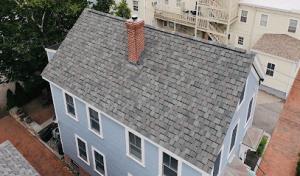
Peter Desalvo Contracting
(603) 521-7992 www.peterdesalvocontracting.com
15 Central St, Hudson, New Hampshire
4.9 from 133 reviews
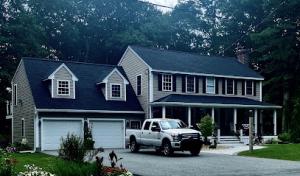
Strictly Roofing
(603) 475-2822 strictlyroofing.com
12 Boulder Dr, Hudson, New Hampshire
4.8 from 44 reviews
Black Swan Roofs - Roofing Contractor
(603) 512-4281 www.blackswanroofs.com
Serving
5.0 from 51 reviews
Flat and low-slope roofing appears often enough in the local contractor market to matter for homeowners with additions, porches, garages, and small commercial-style sections. In winter, that ease of drainage becomes a liability as snow piles up and spring rain arrives. Expect snowmelt to linger on those surfaces longer than on steeper sections, and plan on more frequent inspections after storms that thaw slowly. The key is to treat each flat run as a potential ice dam hotspot near any edge or transition.
Low-slope sections in Hudson are vulnerable during snowmelt and spring rain because drainage is slower and ponding-related leaks can show up after winter. Start with a simple seasonal check: look for pooled water after a day of sun followed by a cold snap, and watch for damp spots on interior ceilings near the low-slope area. When you see staining or feel dampness along a seam or fastener line, flag it for immediate attention. Regularly clearing debris from edge channels and scuppers helps keep the water moving rather than backing up.
Mixed-slope homes may need different material and flashing strategies where low-slope transitions meet steeper asphalt roof areas. Pay attention to the transition zones: improper flashing at these joints can trap water and create recurring leaks. Conservatively upgrade step flashing and consider a shallow change in roofing material or a dedicated waterproof membrane at the intersection to reduce ice dam risk and improve long-term performance.
Develop a simple maintenance cadence: after major storms, perform a visual check of flat sections, edge details, and flashings; after the last freeze in late winter, schedule a professional inspection of all low-slope and garage roofs. Keep a small supply of sealant and flashing tape on hand for minor, non-structural touch-ups between professional visits.
Find specialists in TPO, EPDM, and built-up flat roofing systems for residential and commercial properties.
Black Swan Roofs - Roofing Contractor
(603) 512-4281 www.blackswanroofs.com
Serving
5.0 from 51 reviews
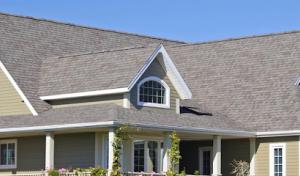
You'll notice the strongest hiring signals here favor cleanup, re-roofing, affordability, and quick response. In winter, a rapid on-site cleanup after a leak and a fast plan to re-cover a compromised roof across a storm season beats chasing boutique specialization when a quick, solid job is needed. Homeowners prioritize execution and speed, especially when a freeze-thaw cycle or heavy snow pressures an already stressed roof structure.
Long-established, family-owned firms have a visible presence with a track record in this market. Those names matter because warranty follow-through and seasonal callback service are common expectations in a town where storms and temperature swings are routine. A contractor with local crews and a steady service schedule tends to deliver better post-install support, which matters when fast re-visit needs arise after a harsh stretch of weather.
Because full replacements often hinge on permit handling, homeowners should confirm who files the paperwork, who schedules inspections, and how final compliance is documented. Expect a clear handoff: the contractor coordinates the work window, the crew executes, and the homeowner receives the inspection notices and verification of completion. In practice, this means asking up front who is responsible for the filings, who tracks the inspection milestones, and how any follow-up items are communicated and resolved. In a town where timely inspections and orderly permit trails are routine, clarity about the process saves days during a critical installation window.