
Last updated: Apr 19, 2026
Elmira homeowners deal with cold winters that bring snow accumulation followed by freeze-thaw cycling, a combination specifically noted as a major driver of shingle wear and replacement timing in the city. When snow sits on the roof, the heat from the attic climbs through the decking and melts an edge of the snow. Ice dam formation then muddies the eave and gutters, forcing meltwater to back up under shingles. That cycle repeats year after year, eating away at sealant lines, loosening fasteners, and accelerating rotting at the eaves. The result is a roof that looks fine from the street but leaks after every thaw.
Winter snow and ice dams are a leading seasonal roof stress in Elmira and can also slow repair or replacement work because low temperatures affect installation conditions. Even small patches of ice can make roof access treacherous, and contractors must wait for daylight and safer surface temperatures to install underlayment, flashing, or ice barriers. If you notice dripping, staining on ceilings, or wet insulation in the attic, treat it as urgent. Delaying a fix can turn a localized leak into widespread interior damage, especially in homes with attic pull-downs or older insulation that can't tolerate repeated moisture.
The city's warm, humid summers follow these winter cycles, so roofs that take on moisture during winter can face accelerated aging as trapped moisture and heat build later in the year. Moisture that penetrates shingles or underlayment during thaws can begin to propagate granule loss, softening, and micro-cracks. When summer heat arrives, that trapped moisture expands, pushing against seams and flashing. The result is reduced wind resistance, faster granule loss, and a shorter overall roof life. Even if a leak isn't obvious, the hidden damage compounds and can shorten replacement timing by years if left unchecked.
Start with a careful attic check: look for warm spots, condensation, and any staining near the rafter bays. Improve ventilation and insulation to reduce heat buildup that drives melt-water toward the eave. In winter, clear safe amounts of snow from the roof using a roof rake with a long pole-avoid climbing onto slick surfaces. Install or verify a proper ice-and-water shield along eaves and up to at least 3 feet beyond the exterior wall line if you're replacing, as this is the most effective armor against damming. Schedule proactive inspections before the true thaw cycle kicks in, and don't wait for a visible leak to act-by then, you're already playing catch-up against the next freeze. If ice damming is frequent, engage a local roofer promptly to reassess attic ventilation, insulation levels, and flashing integrity so you don't wake up to more widespread damage after the next snowfall.
In this part of the Southern Tier, a roof faces a blend of risks rather than a single dominant peril. Wind can lift loose shingles and expose underlayment just as ice damming and heavy snow push against eaves and gutters. Hail leaves pockmarks or dents that worsen with freeze-thaw cycles, while consistently cold nights followed by warmer days stress materials at their weakest points. The result is a pattern of damage that often shows up gradually, complicating quick judgments about whether a replacement is truly necessary. Elmira homeowners should expect a mosaic of failures rather than a one-note catastrophe.
After major weather events, insurers may adjust terms or shape deductibles to reflect fresh risk calculations. Thorough documentation becomes essential in Elmira, where the river valley climate amplifies subtle roof issues year after year. Take clear photos from multiple angles, including interior attic heat signs, ice dam traces along soffits, and any sagging or loose flashing. Maintain a simple, dated log of weather events and any after-effects you notice on the roof or in the attic. Detailed records help prevent gaps in coverage and support a transparent conversation with the insurer when a claim is filed.
New York consumer protections influence how claims are processed and how settlements are described. Expect explanations about what is covered and what constitutes normal wear versus weather-related damage. Some policies may require independent inspection or proof of maintenance history to separate aging components from storm-induced issues. The process can feel slow, especially after a regional storm, so understanding timelines and communication channels is crucial. If a dispute arises over coverage scope, know that there are avenues for review and escalation that are designed to keep homeowners from being blindsided.
Plan proactive photo sessions after the first thaw or following a heavy snow event to capture any developing issues before they worsen. When damage is visible, prioritize safe, temporary fixes that prevent further water intrusion while awaiting a formal assessment. Keep receipts for roof-related repairs and any temporary measures, since these can influence claim decisions. If multiple storms hit in a season, consolidate documentation to illustrate a pattern of damage rather than isolated incidents. In this climate, thoughtful, orderly record-keeping often makes the difference between a straightforward claim and a drawn-out negotiation.
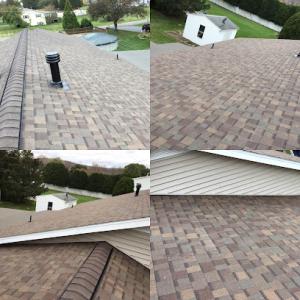
Fenix Roofing
(607) 948-7663 fenixroofing.com
1519 Cedar St, Elmira, New York
4.9 from 143 reviews
We have 20+ yrs experience in commercial & residential roofing. We are licensed and 100% fully insured with general liability and workers compensation. We service and offer FREE estimates to Southern Tier NY, and Northern Tier PA We take pride in giving our customers HIGH quality workmanship for a competitive price, without all the hidden fee's. Services we offer Roof Replacements Asphalt Shingles EPDM - Rubber Roofs Metal Roofs Modified Roofs Roof Inspections Roof Repairs Chimney Flashing Soffit & Facia Seamless Gutter Installation Gutter Guard Installation Vinyl Siding If you'd like to schedule a free estimate or If you have any questions about our services, please give us a call. 607-948-7663 (ROOF)
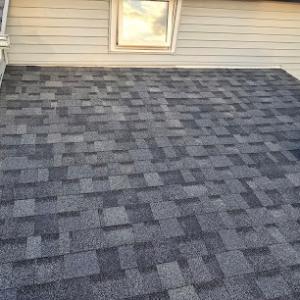
Three Brother's Roofing
Frank St, Elmira, New York
4.6 from 9 reviews
We specialize in shingle, slate and rubber roofing. We do everything from a small repair to replacing your whole room. We also offer seamless gutters.
Charles F. Evans Company
(607) 734-8151 evansroofingcompany.com
1120 Magee St, Elmira, New York
3.8 from 9 reviews
"Our national reputation for safety and quality has been recognized by winning a multitude of highly recognized awards within the roofing industry. We partner with our clients for a holistic approach to project safety, never compromising and always putting safety first. We service our customers from six offices in New York, Virginia and North Carolina offering union and non- union labor to our clients."
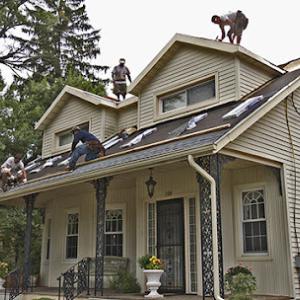
HomeView
415 Fulton St, Elmira, New York
2.9 from 19 reviews
HomeView provides a full range of home repair services, including roofing, siding, decks, landscaping and hardscaping, power washing, remodeling, and painting/staining. We have been in business for 10 years, but our crew has more than 30 years of experience in the industry. Call us today.
K & K Roofing & Seamless Gutters
(570) 799-8958 www.kkroofingseamlessgutters.com
Serving
4.9 from 52 reviews
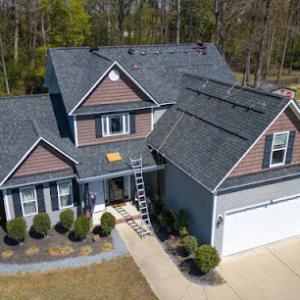
K & K Roofing and Seamless Gutters, LLC is a roofing contractor specializing in residential and commercial roofing, roof replacement, seamless gutter installation, siding, soffit, and fascia. Since 2016, our team has built a trusted reputation for high-quality materials, expert craftsmanship, and reliable service tailored to every project. Serving Columbia Cross Roads, Elmira, Horseheads, Sayre, and surrounding areas with durable exterior solutions you can count on.
Roof Maxx of Corning, NY
(607) 368-1526 getroofmaxx.com
Serving
4.8 from 31 reviews
Roof Maxx of Corning DBA Green Roof Technologies, is a 5-star certified Roof Maxx dealer. Roof Maxx® is a scientifically formulated, and 100% safe, plant-based roof rejuvenating spray treatment that was developed by the world’s largest private research and development company. Roof Maxx treatments come with a 5 year warranty, and can be treated up to three times! We can handle your roof repair needs while extending the life of your roof with Roof Maxx. We would love to answer your questions and provide you with a free estimate. Give us a call today!
GT Roofing
(607) 398-2746 gtroofingny.com
Serving
5.0 from 16 reviews
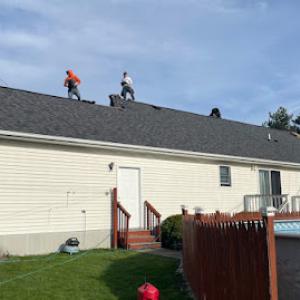
Specializing in asphalt and metal roofing, GT Roofing is your go to local roofing company that will handle your roofing needs every step of the way in the Twin Tiers.
In Elmira, the Chemung River valley funnels cold snaps and heavy snow into a winter routine that tests roofs year after year. Freeze-thaw cycles and ice damming are the realities you'll live with, so selecting a roof that stands up to brittle cold, repetitive freezing, and spring melt matters more than flashy aesthetics. Materials and configurations that shed snow efficiently, resist moisture infiltration, and hold their shape through rapid temperature swings will perform better here. Think about how a roof edge, eave, and valley system handle snow buildup, meltwater, and potential ice dams, not just how it looks on a sunny day.
Asphalt shingles are a dominant roofing material in this market, and that practicality carries into winter behavior. Local cold weather can make certain asphalt products more prone to brittleness when temperatures plunge, while granule loss from hail or heavy frost cycles can expose the underlying layers. In Elmira, the best results come from asphalt systems with good granule retention, proper nailing patterns for wind resistance, and underlayment that remains reliable when ice and snow push against the deck. If you choose asphalt, plan for a thorough attic ventilation check and ensure the roofing stack detail around chimneys and vents handles meltwater without allowing ice barriers to form on the downstream side.
Metal roofing shows up frequently in this market, and many homeowners appreciate the faster snow shedding it provides. However, that same snow movement makes edge details and drainage planning more critical. A metal roof in Elmira should be paired with solid snow guards where you need to stop snow from sliding off in unpredictable gusts, plus well-designed gutters and downspouts that can handle rapid melt. Choose edge flashing and valley details that resist ice buildup, and ensure fasteners and seams are rated for the freeze-thaw cycle to minimize panel movement and leak risk during seasonal changes.
Clay and concrete tiles bring durability in many climates, but their weight becomes a focal point in this area, where snow load is a real consideration. Heavier tile systems demand structural checks to confirm the roof deck and supports carry the load, especially when crusted ice develops under the tiles. Wood shakes and synthetic products add aesthetic variety but bring moisture sensitivity and shrink-swell behavior that can magnify under freeze-thaw stress. If choosing any of these options in Elmira, insist on a full roof-frame assessment, high-quality underlayment, and detail-focused rainwater management to keep water moving away from the interior during freeze-thaw cycles.
Start by evaluating how you manage meltwater at the eaves and along valleys. Prioritize edge detailing, drip edges, and properly sized gutters to reduce ice dam risk. For snow-prone roofs, plan for conservative slope choices and robust attic ventilation to keep the sheathing closer to ambient temperatures. When comparing options, look for systems with proven performance in climates with repeated freeze-thaw stress, strong warranties on underlayment and fasteners, and installation that emphasizes secure flashing at penetrations and transitions. In this market, no single material is a cure-all; the best choice balances snow shedding, moisture resilience, and the structural realities of a winter-heavy season.
Spring in Elmira can stretch replacement timelines because rain and thaw cycles affect deck dryness and underlayment exposure windows. After a harsh winter, the roof deck may still be damp or covered in residual ice dam melt, which slows adhesive setting and can compromise shingle sealant. If a roof is showing signs of pronounced ice dam damage or widespread shingle curling, assess early in March, but plan installations for when two solid days of dry weather are forecast and the deck has had a chance to dry. Use this window to complete debris removal and ensure the existing ventilation is open, since foam-backing or attic insulation may still be damp from frost. You avoid rushed work on days when temperatures hover near freezing, which can trap moisture and lead to hidden structural issues.
Summer brings warm, humid conditions that can make attic work harder and complicate material handling on hot roof surfaces. In Elmira, attic spaces can reach uncomfortable temperatures, which stresses both installers and any synthetic underlayment. If replacement is staged across the season, plan critical steps for cooler parts of the day-early mornings or late afternoons-and ensure shade or temporary ventilation is in place to keep temps manageable. On steep or complex roofs, consider sequencing work to limit prolonged exposure of underlayment to sun, especially during heat waves when materials become brittle or sealants struggle to set. Ensure crews have ample hydration and parking access that doesn't block seasonal debris removal and emergency egress routes.
Autumn storms and falling debris are a local pre-winter concern because they can worsen existing roof weaknesses just before snow season begins. After leaves start dropping, inspect for hidden damage from hail, ice, or wind gusts and address loose flashing, missing shingles, or compromised kick-out channels. This season is your last chance to complete important repairs before freeze-thaw cycles return, so focus on ensuring gutters and downspouts are clear to prevent new ice dams from forming as temperatures swing. If your roof bears widespread wear, use the autumn window to pin down problem areas with temporary mitigations that hold until a full replacement can be scheduled during the late-fall lull or early winter, depending on weather.
You weigh weather windows, deck dryness, and attic ventilation to decide whether to pursue a full replacement or targeted repairs. In Elmira, the priority is eliminating vulnerable areas that invite ice damming and freeze-thaw damage. If multiple seasons of thaw cycles have stressed the same section of roof, or if shingles show pronounced cupping and granule loss, plan for replacement in the coming dry stretch. For roofs near the end of their service life, coordinate a replacement during the longest forecasted dry spell. In all cases, align the project with extended windows of consistent cold-free days to reduce adhesive and sealant failure and to minimize the risk of mid-project weather setbacks.
Typical Elmira material ranges are about $400-$700 per square for asphalt shingles, $600-$1100 for metal, $900-$1800 for clay tile, $800-$1500 for concrete tile, $700-$1300 for wood shingles or shakes, and $450-$900 for synthetic/composite shingles. Those numbers reflect the region's mix of aging homes and newer construction, where heavier winter loads and freeze-thaw cycles drive some premium on higher-end products. In practice, you'll see asphalt at the lower end and ceramic and metal at the upper end, with synthetic options offering a middle path. When a roof is due for a full replacement, you should expect the project to span several days to a couple of weeks depending on crew size and weather, which can subtly push the final tally higher if delays stack up.
In winter, snow and ice bring scheduling headaches that don't exist in drier climates. Spring moisture can compress windows for installation, and that crowding of tight weather windows can raise labor rates or cause crews to charge a premium for rush work to finish before the next thaw. Weather-driven pauses can also extend durations, which translates into additional mobilization and equipment costs that might show up as a higher overall price. If you're choosing a non-asphalt option, expect additional handling or sequencing considerations for cold-weather curing or setting, which can further influence the bottom line.
Ice dam risk in the Chemung valley, combined with freeze-thaw cycles, makes underlayment, ventilation, and proper flashing critical. Metal roofs often shed snow more predictably, while clay or concrete tiles resist some freeze-thaw stress but demand a solid, well-ventilated deck to prevent cracking. Wood shingles or shakes deliver aesthetic value but may require higher maintenance in Elmira's humidity and freeze cycles. Synthetic/composite shingles offer a resistant balance, typically in the $450-$900 per square range, and can be a practical compromise when labor timing is uncertain.
In Elmira, a building permit is typically required for a full roof replacement. This isn't just a formality-the permit helps ensure that your chosen materials, underlayment, ventilation, and ice-dield protections meet local requirements and the region's demanding winter climate. The process tends to move more smoothly when the contractor submits a complete scope of work, including any venting changes or decking repairs that may come up during the project. If a temporary access lane or staging area is needed, plan for that as part of the permit coordination so crews aren't delayed once winter weather narrows windows for roofing work.
The City of Elmira Building Department reviews roofing permit applications and usually schedules inspections at rough and final stages. The rough inspection verifies that structural elements, underlayment, and eave/soffit details meet code, while the final inspection confirms that project scope is complete and compliant. It helps if the contractor is prepared to demonstrate proper ice dam protection and attic ventilation accommodations during the rough check, since those elements directly influence long-term performance in freeze-thaw cycles.
Typical permit turnaround in Elmira is around 1-2 weeks depending on department workload, so scheduling can affect start dates during busy seasons. Weather windows matter, and a delayed inspection can push a start into less favorable conditions, especially when the winter forecast tightens. Coordinate with the contractor to align material deliveries, scaffold setup, and waste containment with anticipated inspection dates. If you anticipate a mid-project tarp or temporary heat usage, confirm with the Building Department that any temporary measures remain compliant and clearly documented in the permit notes.
Before filing, gather any existing roofing plans, drainage details, and proof of ownership to avoid back-and-forth requests. When ready, ask for a clear timeline from the contractor that includes permit submission, rough inspection, and final inspection milestones. Lastly, keep a reachable contact at the Building Department in case the inspector needs to clarify a detail quickly, reducing delays during Elmira's winter peaks.
Homeowners in Elmira are often surprised by how quickly a thin snow crust on the roof can mask deeper problems. The concern isn't just how a stain or crack looks after an autumn wind; it's whether that appearance hides moisture that will spread through the next freeze-thaw cycle. The risk is that a seemingly minor dent or loose shingle might be a portal for water, ice, and hidden rot. If winter debris has already pressed under an edge or valley, the damage can creep inward, freezing and expanding with each thaw. You want to assess not just the surface but the underlying structure-attic insulation, attic ventilation, and the ease with which meltwater can travel along the decking.
Because the local claim environment involves wind, hail, and winter weather, documenting damage correctly before emergency repairs or replacement decisions matters. Start with a clear timeline: when you first notice the issue, what weather events followed, and any changes you observed after a thaw. Photograph from multiple angles, including interior attic views if you can access them safely. Keep receipts or notes for any temporary measures, such as tarping or boards, and avoid delaying documentation if you suspect ice damming or moisture intrusion. Clear records help you distinguish between a quick fix and a longer-term replacement when the spring churn begins.
Replacement timing is a practical concern because waiting too long after autumn debris or winter damage can leave roofs exposed during spring thaw and rain. A small leak that seems manageable in February can feel unmanageable once warmer days arrive and more meltwater flows through the system. Consider that the heavier the ice dam and wind-driven damage, the more pressing the need to move from temporary repair to a defined plan. Planning ahead for the months of thaw, with a sturdy patch if needed, reduces the chance of repeated damage from a later freeze.
In this valley climate, snow accumulation, ice damming, and freeze-thaw cycles dominate roof performance more than coastal salt exposure or hurricane code pressures. The shape of the Chemung River valley and the mix of Nor'easter weather mean roofs must handle repeated freeze-thaw stress and seasonal melt drainage. That translates into paying close attention to drainage, insulation, and ventilation as part of any shingles or panel system choice. It also means that longer-term durability hinges on how a roof sheds snow and resists ice build-up along eaves and sofits.
The local market features asphalt, metal, tile, wood, and synthetic roofs, but every option should be filtered through winter performance. Asphalt shingles remain common for their balance of ease and repairability, yet ice dam resistance improves with underlayment choices and attic air sealing. Metal roofs can shed snow more predictably and resist freeze-thaw wear, but edge details and fastener corrosion must be considered for long winters. Tile options bring durability when properly installed, yet weight and insulation compatibility matter in colder snaps. Wood and synthetic products offer pattern and curb appeal, but moisture handling, fastener longevity, and surface aging under repeated freeze-thaw cycles require thoughtful maintenance plans. Regardless of material, roof systems in this region benefit from robust underlayment, thoughtful drainage planing, and proactive roof edge protection.
Ice damming remains a primary concern. The strategy centers on keeping warm indoor spaces from meeting cold eaves, so attention to attic insulation and ventilation is critical. Gutter and downspout routing that encourages continuous drainage during thaw periods reduces dam formation. Snow guards and conservative snow removal practices help safeguard flashings and skylights from seasonal weight shifts. Regular inspections after heavy storms or rapid temperature swings catch loose shingles, damaged flashing, and failed sealant before small issues magnify into leaks.
Elmira winters demand a plan that treats the roof as a living part of the home. Seasonal checks, timely repairs, and a preference for products with proven freeze-thaw performance keep the roof resilient through decades of winter weather. A measured approach to edge protection, ventilation improvements, and maintenance routines translates to fewer ice dam adventures and steadier interior comfort.