
Last updated: Apr 19, 2026
Jamestown sits in southwestern New York near Lake Erie's snow belt, so lake-effect snowfall is a defining roof stressor for local homes. The combination of frequent heavy snows and brisk lake winds means that your roof endures repeated cycles of accumulation, melt, and refreeze. This cycle drives two critical risks: ice dam formation at eaves and structural stress from a deep snowpack. When attic heat leaks upward, snow melts near the peak and refreezes at the eaves, creating ice dams that push melted water under shingles and into walls. The result can be water intrusion, stained ceilings, and costly interior damage long before any visible signs appear on the roof surface.
In these conditions, the cold winters with thaw cycles make ice dam formation and flashing movement more important here than in milder New York markets. Ice damming does not just threaten the roof deck; it also lifts shingles as it refreezes and expands, which can compromise flashing around chimneys, valleys, skylights, and vent pipes. Old housing stock compounds the risk because aging roofs often have gaps in insulation and ventilation that let warm air escape into the attic, accelerating snowmelt and dam formation. The freezing nights that follow thaw events lock that water in place, creating a brutal cycle of freeze-thaw damage that compounds any existing wear and accelerates roof failure.
Heavy snowfall creates both weight concerns and moisture intrusion risk when attic heat loss melts roof snow and refreezes at eaves. A roof designed for moderate loads can still fail under Jamestown winters if the attic is not properly conditioned. The snow acts as a large, uneven load that shifts with wind and drift patterns, stressing fasteners, fascia, and gutters. When the roof experiences sustained weight, snow can compress soffits, sag eaves, or bend low-slope sections, especially where older framing has already aged. If moisture finds its way under shingles during a thaw, it can travel along the deck, freezing again at the roof edge and expanding into gaps around flashing. This is the kind of damage that appears as slow leaks or damp spots inside ceilings long after a heavy snowfall ends.
To protect against these risks, you must address both end-of-roof repairs and the underlying attic conditions. Begin with a targeted attic assessment: eliminate heat leaks by sealing gaps around penetrations and along the attic perimeter, ensure insulation blankets reach the framing cavities, and install or upgrade ventilation to maintain near-outdoor temperatures in the attic during winter. In practice, that means adding or upgrading soffit baffles so intake air reaches the roof deck and does not short-circuit to the attic, keeping the insulation from blocking airflow. If attic insulation is insufficient, heat moves up to melt snow; raising that insulation level reduces the amount of melting that supplies the damming water. Prioritize flashing integrity and shingle edge performance. Loose or corroded flashing around chimneys, dormers, and skylights invites water intrusion once ice dams form and water backs up behind the dam. The flashing should be secure, continuous, and free of gaps where meltwater could seep in.
When snowfall becomes heavy, don't rely on intuition alone to inspect for ice dams. Look for irregular roof lines, dark streaks at the eave, or icicles forming in unusual locations. If ice dams are suspected, approach with caution: do not stand under ice-laden eaves, and avoid chiseling away at ice from below, which can damage gutters or shingles. Instead, contact a qualified local roofer who understands the unique Jamestown climate and can perform a careful assessment of soffit ventilation, insulation levels, and flashing condition, then provide a targeted plan to reduce heat loss and prevent recurring damming.
Finally, recognize the signs of underlying snow load stress: sagging rafters, interior ceiling cracks near exterior walls, or shingles that appear cupped or lifted along the eave line after a heavy storm. These indicators call for a professional inspection to confirm whether the roof structure is bearing the load safely and if any reinforcement, deck repair, or membrane upgrades are needed to withstand future winters. In this climate, proactive maintenance focused on attic conditioning and flashing integrity is the most reliable defense against Jamestown's ice dams and snow load.
Late spring through early fall is the preferred installation window for a reroof project with any roof window or skylight in Jamestown. Winter conditions and snow cover complicate tear-offs and sealing, especially when you're dealing with potential ice dams and freezing joints. If you aim to minimize weather-related surprises, plan for a window when the snow has melted, the days are milder, and crews can safely work on a dry surface. In practice, that means targeting May through September, with a narrow buffer around late May to early June and again in September to capture the most stable conditions. The goal is to avoid perennially damp or icy mornings that can delay sealing around the new flashing and the skylight curb.
Spring storm activity can interrupt scheduling even after winter ends, so homeowners often compete for contractor availability once weather breaks. The Jamestown market sees a flurry of activity as conditions improve, and roof window projects can drift behind earlier commitments. To minimize delays, secure a firm start date and a short, written plan that outlines contingency steps if a storm pushes work back by a few days. Expect a staged approach: weather-briefed crews arrive to remove the old roofing around the work area, then install the skylight or roof window with precise flashing to resist snow-driven water intrusions. If a forecast calls for heavy rain or wind, temporary protective measures might be necessary to keep the interior dry and prevent ice dam formation during the process.
Jamestown winters bring freeze-thaw cycles that stress roof surfaces and any penetrations, including skylights. A well-chosen roof window should minimize heat loss in winter and reduce the risk of condensation-driven damage near the eave line. Consider options with double or triple-pane glazing, low-emissivity coatings, and gas-filled panes to improve thermal performance and reduce condensation on cold mornings. The curb and flashing must be compatible with asphalt shingle or metal roofing, depending on your surface, and should include corrosion-resistant flashing that holds up to repeated freeze-thaw cycles. A skylight with excellent drainage around the curb, plus a robust ventilation strategy, helps prevent the interior ice dam buildup that often accompanies poorly sealed penetrations.
A roof window is most effective when paired with appropriate attic ventilation and insulation. In older homes, up to code-appropriate insulation levels can noticeably improve comfort and reduce the cold drafts around the window edge. Plan for baffle installation or rafter venting to maintain a clear air path from soffit to ridge, which helps manage moisture and reduces ice dam risk along the eaves. When the window is installed, ensure the seal around the curb is continuous and dry before applying interior sealing to prevent moisture migration into attic spaces. A proactive approach to ventilation helps address the core Jamestown concerns of ice dam formation and structural stress from repeated freeze-thaw cycles.
Before work begins, walk the project with the installer to identify potential trouble spots: sagging gutters, damaged shingles around the existing window, or a roof slope that complicates flashing. Confirm that the chosen roof window aligns with your existing roofing material-whether asphalt shingles, metal, or another type-so flashing and termination details match. During tear-off, verify attic insulation and ventilation are in place or upgraded as needed, and that temporary water protection is extended to vulnerable interior areas. After installation, inspect the flashing line and interior seal, paying particular attention to the first spring thaw when water infiltration risk peaks. A well-timed, well-executed reroof window project can help mitigate ice dam risk while adding daylight and a practical ventilation path to the attic.
Chautauqua County winters bring lake-effect snow, repeated freeze-thaw cycles, and older housing stock that strain roofing systems. Ice dams are a recurring concern when warm attic temperatures meet long cold snaps, causing meltwater to refreeze at the eaves. Snow loads can shift from light powder to packed, heavy blankets, stressing rafters and joints in homes that weren't built to bear modern winter burdens. In this context, a roof needs reliable moisture control, durable fastenings, and a system that can shed snow without creating dangerous buildup on lower sections or overhangs.
Asphalt shingles are the most common choice in this area, offering ease of installation and familiar maintenance paths. However, the freeze-thaw cycle accelerates wear. Granules can slough off over time, reducing UV protection and letting granule-free areas soak up more heat, which can accelerate crack formation in asphalt tabs. Cracked tabs and stress at flashing joints are typical pain points after a few winters of heavy snowfall and repeated melting cycles. To mitigate this, ensure proper attic ventilation to keep the sheathing closer to outside temperatures, and invest in well-sealed step and rafter flashing at valleys and chimneys. A roof with a solid seal around penetrations and continuous attic insulation downstream reduces the likelihood of ice dam risk that shingles alone cannot fully resist.
Metal roofs respond well to snow shedding and moisture exposure, offering a robust alternative when ice dam concerns rise. Snow tends to slide more readily off metal, which lowers the chance of prolonged dam formation. Still, in a snow-heavy climate, you must plan for controlled snow management. Consider snow guards or barriers in areas where ice can crash into gutters or windows, and coordinate with downspout placement to avoid icicles along walkways. Flashing details matter a lot here: metal-to-metal joints, end closures, and proper base flashing reduce water intrusion along eave lines and vertical walls during freeze-thaw cycles. Insulation beneath the roof deck remains essential to minimize heat transfer into eaves where ice dams typically form. A well-sealed, ventilated attic helps metal systems perform consistently year after year.
Clay and concrete tiles are available options, but their higher weight is a real consideration on older homes with existing winter snow loads. Tiles resist moisture and can look excellent for long lifespans, yet the added stress from heavy snow coupled with freeze-thaw cycles can crack or delaminate tiles if the supporting structure isn't up to spec. Before choosing tile, confirm the roof structure's ability to carry the load and ensure solid underlayment and robust flashing around penetrations. In practice, tile roofs require meticulous installation and ongoing maintenance to prevent moisture intrusion during thaw periods. For homes with limited structural capacity, lighter alternatives or reinforced framing may be the prudent path.
Across all types, the overarching goal is a well-ventilated, well-insulated attic paired with continuous, well-sealed flashing at every edge, chimney, and vent. In this climate, the roof should be designed to manage both moisture and cold without creating a hidden fault line that fails during a sharp freeze. Regular inspections after heavy snows, attention to gutter and downspout integrity, and early addressing of any flashing weakness can extend service life and reduce the risk of leaks during the most severe jams of winter.
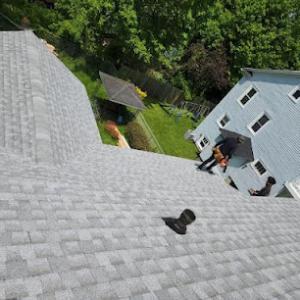
Exterior Rescue
(716) 969-1422 www.exteriorrescuewny.com
520 W 8th St, Jamestown, New York
4.8 from 56 reviews
Fast, friendly, and fully functional, Exterior Rescue is well renowned throughout the Jamestown area. We offer everything from roofing, siding and gutter services to fences, decks and concrete. Our team is up for every job, managing projects with the skill and experience our clients have come to expect. We always stand behind our work, with customer satisfaction being our #1 priority. Contact us to learn more about our incredible staff and how they can help you!
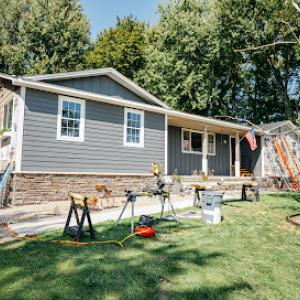
Oaks Roofing & Siding
(716) 221-6694 oaksroofingandsiding.com
3045 Fluvanna Ave, Jamestown, New York
5.0 from 1 review
Kris Oaks founded Oaks Roofing and Siding, formerly Oaks Construction, in 2003 with the goal of providing superior construction services to homeowners throughout Rochester, NY, and the surrounding communities. For over 20 years, our family-owned and operated construction company has helped hundreds of customers achieve the home improvements of their dreams.
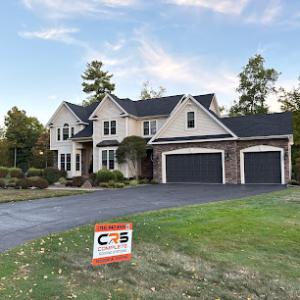
Complete Roofing Systems
(716) 641-2595 crsroofingteam.com
Serving
4.9 from 450 reviews
Complete Roofing Systems is a roofing contractor in NY-Southern Tier serving Jamestown, Lakewood, Chautauqua, Erie, Dunkirk, Bradford, Olean, Ridgeway, Ellicottville, Warren County and nearby areas. Our roofing company offers residential roofing, roof repair, and more. We also specialize in gutter services and insulation. Customers love us because of our comprehensive roof warranties and our affordable roof financing options. We also have industry affiliations and certifications such as GAF Master Elite. We’re the friendliest roofing company with the best communication, who responds quickly, shows up on time, and does quality work. Call us now for a free estimate.
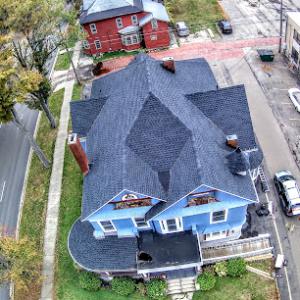
BPersonal Contracting
(716) 640-4369 contracting716.com
Serving
3.5 from 11 reviews
When it comes to roofing, one of the most crucial aspects that determines its durability and longevity is the quality of installation.
Advanced Roofing
Serving
5.0 from 1 review
Advanced Roofing, Inc. offers home and business owners throughout Jamestown, Chautauqua, NY, and Warren, PA areas with a full range of roofing services. From the smallest of leaks to the largest of residential and commercial repairs and replacements, we can finish the job. Call us today.
Johnson Roofing & Home Repair
Serving
5.0 from 1 review
Established in 1991 with roofing experience going back to 1975, is well known for reliability and guaranteed satisfaction. The company has much experience in and knowledge of the roofing, insulating and ventilating problems experienced in the Western New York region. As a roof-aid specialist, senior owner, certified GAF contractor, Tim Johnson has much to offer in dealing with ice buildup and wind damage."
Buffalo Roofing Contractors
(716) 637-3002 buffaloroofingservices.com
265 Big Tree Rd, Jamestown, New York
Buffalo Roofing Contractors have been in business for over 20 years, serving the Buffalo-Jamestown, NY Region. We build, design, and repair all kinds of Roofs for Residential and Commercial Buildings. We give Free Roof Estimates to every customer.
In Jamestown, a building permit is typically required for full reroof projects. The City of Jamestown Building Department treats roofing as a structural and safety upgrade, especially when ice dam risk, ventilation, and snow loads are involved. Before lifting shingles, check whether your home's roof has past inspection issues or requires upgrades to attic ventilation and attic insulation to reduce future ice dam formation. Permit applications are generally filed by the owner or contractor with the City of Jamestown Building Department. Contact the department early in the planning process to confirm whether a general reroof permit suffices or if additional permits are needed for structural work, vent flashing, or skylights. Having the project properly scoped helps prevent delays caused by weather windows or materials drying times.
The application itself usually requires site address, ownership, contractor details, and a description of the work. Expect plan notes for venting strategy, underlayment type, and fastener choices, since Jamestown winters demand robust moisture barriers and correct roof ventilation to mitigate ice dams and freeze-thaw cycles. Some projects may require a licensed professional to review roof framing or to certify vent balance.
Projects are commonly closed out with a final inspection after completion, with attention to installation quality and ventilation compliance. The inspector will look for appropriate underlayment and flashing, proper ridge and soffit ventilation, and that attic spaces stay within safe moisture levels. Any deviations found on the final pass will require corrections before permit closure.
Practical steps: coordinate with a contractor who understands local snowfall and ice dam hazards, schedule work during a dry period, and keep access clear for the inspector to verify attic ventilation and roof deck conditions. Have the permit, inspection tickets, and any stamped drawings on site for the final review, and be ready to address any notes about ventilation and flashing to ensure a smooth closeout in the cold months. Keep weather protective measures ready, including tarping and temporary heat as allowed, until the final inspection is passed. Document any changes to the plan with the permit office to avoid rework or delays inevitable.
Jamestown homeowners are in a Western New York insurance environment where occasional hail and wind events generate roof claims. When a storm hits, the immediate image is obvious: dented gutters, missing shingles, granule loss. But the longer game matters more: how the claim is documented, how long repairs take, and how subsequent winters test the fix. The insurance reality in this area tends to prize clear evidence of a reported storm event, paired with solid repair work notes. If a leak begins gradually, the insurer will scrutinize whether it traces to a covered storm event or to deferred maintenance, so your records matter as much as the roof itself.
Pre-damage photos are more valuable than you might think. Take wide shots of the entire roof and close-ups of any existing damage, flashing failure, or ice dam indicators. If you can, capture attic photos showing attic ventilation, insulation gaps, and any signs of moisture. After work is completed, keep a detailed log: contractor communications, material spec sheets, dates of installation, and a before-and-after photo sequence that shows the actual repair progress. In a region where winter conditions evolve quickly, a clean, timestamped trail of evidence can prevent disputes about when damage occurred and what caused it.
Because winter damage can be gradual in Jamestown, insurers may scrutinize whether leaks came from a covered storm event or deferred maintenance. That means you should approach winter preparations with a two-pronged strategy: address obvious vulnerabilities now, and document any weather-driven incidents promptly. If a leak appears after a freeze-thaw cycle, trace its origin carefully. Note where ice dams form, where rooftop snow loads accumulate, and how attic ventilation behaves during cold snaps. Clear, consistent maintenance records demonstrate you are proactive, not negligent, and that your repairs respond directly to a legitimate event rather than a pattern of neglect.
Keep a dedicated folder for storm-related roof work, including contractor estimates, photos, and material warranties. After a hail or wind event, schedule a quick on-roof inspection to identify loose shingles, lifted flashing, or torn underlayment before moisture finds its way inside. If a claim is filed, have your documentation ready to present alongside contractor notes. Finally, coordinate any necessary scuppers, vents, or ice dam mitigation with attention to how these elements perform across successive cold periods; robust ventilation and appropriate sealing help curb progressive damage that can complicate future claims.
In Jamestown, the price you pay for a roof reflects not just the material but the way winter ice and snow interact with older decking and the frequent freeze-thaw cycles. Typical local pricing ranges are about $400 to $700 per square for asphalt shingles, $800 to $1400 for metal, $900 to $2300 for clay tile, $1000 to $2100 for concrete tile, $900 to $1500 for wood shingles or shakes, and $800 to $1400 for synthetic or composite shingles. Those ranges hold, but expect the lows to drift higher on long-standing homes where decking has deteriorated after years of snow, ice, and moisture exposure is uncovered during tear-off.
Asphalt shingles stay the most common choice for Jamestown roofs, often proving the most economical option for adding replacement capacity quickly, especially on older houses where the structure itself is sound but the roof is failing under repeated freeze-thaw stress. Metal roofs sit at the higher end of the spectrum but offer superior snow-shedding and potential longevity that can pay off on a house with heavy annual snow load. Tile options-clay or concrete-deliver long service life but demand a solid deck and robust framing, which can drive costs up, particularly where structural repair is needed after ice dam damage or moisture intrusion. Wood shingles or shakes carry a distinct look and can require more maintenance in cold, damp winters, while synthetic or composite shingles aim to balance price with durability.
Seasonal demand can push pricing and lead times higher when many homeowners schedule work in the late spring to early fall window after winter damage becomes visible. On older homes, decking repair often surfaces once the tear-off begins, and that repair is typically added to the overall project scope. If a roof is not only replaced but also re-secured for better snow load handling or improved attic ventilation, you'll see the price tick upward. For homeowners in Jamestown, budgeting for these contingencies helps avoid surprises once the crew pulls the old roof off.
Begin by getting at least three written estimates that break out materials, decking repair, and ventilation improvements. Ask each contractor to assess attic insulation and ventilation as part of the plan, since better ventilation reduces ice dam risk and can influence long-term costs. If the existing decking shows signs of moisture damage or sagging, plan for potential reinforcement or replacement as part of the tear-off, recognizing that those repairs often occur in older homes exposed to long-term snow and ice exposure. Seasonal scheduling remains a reality: aiming for a late-spring start may align with post-winter inspection needs but could come with higher demand and longer lead times.