
Last updated: Apr 19, 2026
Prolonged snow cover and frequent drifting shape every roof in this part of the Southtowns. Snow blankets can sit for weeks, adding sustained vertical load that pushes roofing systems toward their limits. In Hamburg, the combination of lake-effect squalls and gusty winds means a single winter can deliver repeated freeze-thaw cycles that fatigue fasteners, flashings, and edge metal. A roof that looks fine with a fresh layer can be silently strained by the melt-refreeze sequence, which concentrates stress at eaves, valleys, and penetrations. The practical consequence is not just the weight, but the way that ice buildup can sit atop ridges and create uneven pressure that during a thaw suddenly shifts and leaks.
Ice dam risk is a major local concern because cold winter stretches are often interrupted by brief thaws that refreeze at eaves and roof edges. When meltwater can't escape through clogged or under-ventilated attic paths, it backs up under shingles and into soffits, gutters, and interior ceilings. In Hamburg, ice dams tend to form where insulation or ventilation lags behind snow accumulation, especially on homes with older roof assemblies or vaulted ceilings. The result is a choreography of blocked drainage and hidden leaks that only become visible after the thaw hits and reveals water damage. Action here is not optional-it's about closing the dam before the stress translates into rot, stained ceilings, and costly repairs.
Attic performance matters more here because snow retention can hide active leaks until thaw periods expose them. If warmth from living spaces leaks into the attic unchecked, snow above can melt in place, refreeze at the eaves, and push moisture toward interior parts of the roof deck. Proper attic ventilation keeps a steady cold layer above the ceiling line, reducing melt rates and limiting ice dam formation. Insulation depth and continuity across the attic floor are critical too; gaps or compressed zones can create warm pockets that fuel snow melt inside the roof plane. In practical terms, this means ensuring soffit, ridge, and hip vents are clear, baffles are properly installed, and insulation is continuous around penetrations and corners. A well-ventilated, well-insulated attic acts as a first line of defense against the freeze-thaw onslaught.
Seasonal checks must target snow retention points and edge details. Prioritize clearing safe exterior drainage pathways, inspecting gutters for ice blockage, and verifying that flashing around chimneys, skylights, and vent stacks remains secure after heavy snows. Look for signs of uneven shingle alignment, lifted edges, or tiny cracks that could become larger leaks after a thaw. In this climate, proactive maintenance pays dividends by catching small issues before they cascade into interior damage. A focused eye on ridge lines, valley intersections, and eave detail will catch early red flags when temperatures swing.
Material performance in this snowbelt climate hinges on how well a roof resists ice dam effects, wind-driven rain, and freeze-thaw cycling. Durable asphalt shingles with reinforced edges, metal components that resist ice buildup, and properly lapped flashing provide resilience against repeated melting and refreezing. Where select projects demand higher endurance, consider assemblies designed for greater ventilation compatibility and moisture control in the attic. The goal is to choose a system that maintains integrity under layered snow pressures and that allows for rapid, complete drainage during thaws, so interior spaces stay dry and protected. In rush periods of early winter or late spring thaws, a robust, well-vented roof assembly can be the difference between a near-miss and a costly repair bill.
Western New York's hail and wind activity drives roof claim volume, making storm documentation especially important for Hamburg homeowners. When a storm rolls through, claim lamps tend to flicker with every gust and hail bounce, and that spike in activity can flood local roofers' schedules. As soon as the skies clear, you should collect concrete evidence: photos of hail impact patterns on shingles, video of lifted edges or missing granules, and dated weather reports showing the storm's severity. This isn't theory-it's how you set up a timely, legitimate claim that stands up to adjuster scrutiny after the insurance company asks questions about the damage timeline.
In this town, winter damage and spring discovery often overlap, so homeowners may find missing shingles, lifted flashing, or leak staining after snow and ice have already cycled through the roof system. Freeze-thaw cycles can mask issues until the next thaw reveals a damp attic or staining on ceilings. You should treat any suspicious sign as urgent: curled edges, granule loss in gutters, or ice dam ridges along the eaves are warning signals. Don't wait for a perfect sunny day to assess-ice dams can crack shingles from the underside, and a small leak today can become a large one tomorrow.
Demand can spike after regional storm events, which affects scheduling for inspections, temporary dry-ins, and full replacements. If leaks start, prioritize a temporary dry-in to slow water intrusion. Use tarps secured with tarps or boards, but avoid creating a trip hazard or risk of wind whipping materials loose. If you notice active dripping, place a bucket under it and document the exact location. Photograph attic signs of moisture, including stained insulation or dark wet rings on rafters. These details help an adjuster understand which sections of the roof were compromised and how quickly conditions deteriorated.
Start by contacting your insurer with a clear timeline of events: when the storm occurred, when you first noticed damage, and when leaks appeared. Provide the storm documentation you gathered-photos, weather reports, and any contemporaneous notes. If a storm hits during a busy period, know that scheduling for a roof inspection may stretch, so request a provisional inspection window and confirm a second appointment if the first is canceled. When a roofer is lined up, confirm that they can document the condition thoroughly: they should map damaged areas, photograph compromised flashing, and note signs of freeze-thaw stress along hips and valleys. Having a local, experienced crew that understands typical Hamburg asphalt, metal, or tile layouts helps ensure the claim aligns with actual onsite conditions.
Focus on eaves and intakes where ice dams typically form; flashing around chimneys and vent pipes often shows lifting after heavy snowfall; valleys can hide hidden damage behind accumulated ice. If wind-driven storms push debris onto the roof, that debris can damage surface granules or puncture weaker shingles. In neighborhoods with two-story homes and older vent placements, the risk of hidden leaks increases as soffits age and sealants degrade. Keep a log of any changes you observe in the days following a storm, and share it with your roofing professional and insurer to keep the claim moving smoothly.
Find local contractors experienced in assessing and restoring roofs after hail, wind, and severe weather events.
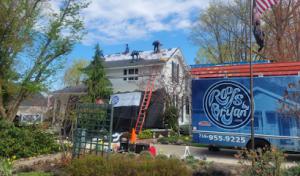
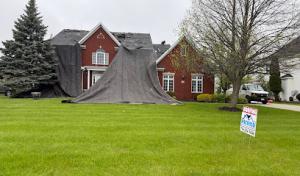
Pacifico Contracting & Home Improvement
(716) 294-7646 pacificocontracting.com
485 Sunset Dr #126, Hamburg, New York
4.9 from 167 reviews
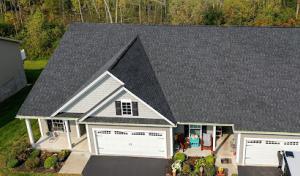
Oaks Roofing & Siding
(716) 577-6257 oaksroofingandsiding.com
5690 Camp Rd, Hamburg, New York
5.0 from 36 reviews
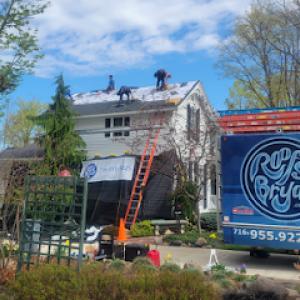
Roofs By Bryan
(716) 621-3567 roofsbybryan.com
202 Lake St, Hamburg, New York
5.0 from 327 reviews
At Roofs By Bryan, We specialize in high quality communication and follow through when completing residential roof replacements in Hamburg in the surrounding Southtown areas. Give us a call today to see if we might be a good fit for your project!
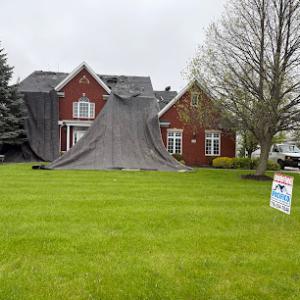
Pacifico Contracting & Home Improvement
(716) 294-7646 pacificocontracting.com
485 Sunset Dr #126, Hamburg, New York
4.9 from 167 reviews
Since 2019, Pacifico Contracting & Home Improvement has been the trusted choice for elevating homes across the WNY region. As a CertainTeed Certified Shingle Master, they specialize in providing premier roofing and siding solutions. Their commitment to excellence ensures every project is completed with a focus on quality and durability. They are dedicated to transforming and protecting your home, offering expert craftsmanship and reliable service throughout the area.
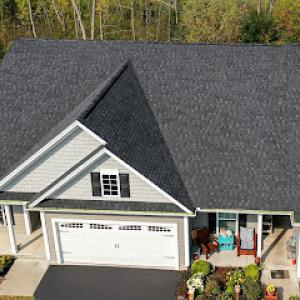
Oaks Roofing & Siding
(716) 577-6257 oaksroofingandsiding.com
5690 Camp Rd, Hamburg, New York
5.0 from 36 reviews
Kris Oaks founded Oaks Roofing and Siding in 2003 with the goal of providing superior construction services to homeowners throughout Rochester, NY, and the surrounding communities. For over 20 years, our family-owned and operated construction company has helped hundreds of customers achieve the home improvements of their dreams.
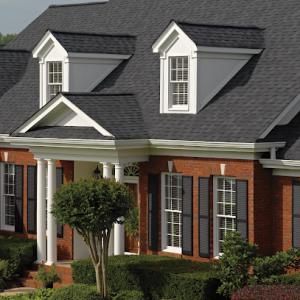
Maple Guy Construction
(716) 648-0245 theroofguymgc.com
504 Pleasant Ave, Hamburg, New York
4.7 from 12 reviews
Established in 1999, Maple Guy Construction is a trusted roofing company serving Hamburg, NY and the surrounding areas. Known as “The Roof Guy,” we’ve built a strong reputation for delivering reliable, high-quality roofing services backed by experience. We specialize in residential roofing services, including roof replacements, roof repairs, and new roof installations. Our team also provides professional siding and gutter services to protect and enhance your home’s exterior. With a focus on honest communication, attention to detail, and long-term durability, Maple Guy Construction is committed to being the go-to roofing expert in the local community.
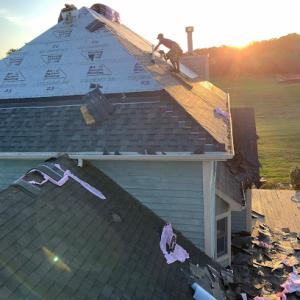
All Square Roofing
(844) 766-3277 allsquareroofing.com
5949 Camp Rd # 1115, Hamburg, New York
4.3 from 20 reviews
"No matter what kind of property you own, we’re the team of professionals that will get your roof all squared away."
Gold Roofing & Construction
(716) 775-5177 goldconstructionroofing.com
485 Sunset Dr 1st Floor, Hamburg, New York
5.0 from 3 reviews
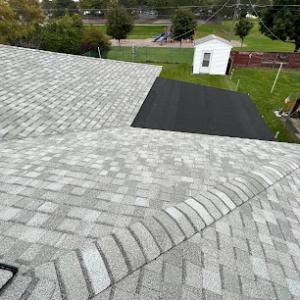
Gold construction is a roofing contractor specializing in all residential roofing including flat roofs, skylights chimneys /siding and trim We specialize in insurance work if needed all work is guaranteed. Call us for an estimate.
Bright Green Roof of WNY
Serving
5.0 from 14 reviews
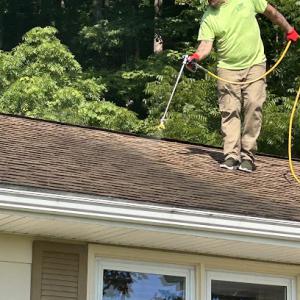
Bright Green Roof of Western New York helps homeowners preserve their roof adding up to 10 years of life in order to avoid costly replacement. All for a fraction of the cost. We use a proprietary, 100% active , plant based oil to replace the bitumen that has been lost from the harsh elements of Buffalo. Call us today for a free quote to see if its not too late to save your roof and your money. We also offer full roof replacement.

Zeak Home Improvement
(716) 907-5409 zeakhomeimprovement.com
Serving
4.9 from 84 reviews
At Zeak Home Improvement, our mission is to serve the community and its residents with the most qualified, uncompromising workmanship and service. We work with dedication and integrity, and strive for a position of leadership in the roofing industry. Every install is backed by a 15 year craftsmanship guarantee!!
G Roofing
(716) 290-0433 www.groofingllc.com
Serving
4.9 from 60 reviews
Family-owned and operated with 20+ years of experience, we proudly serve Erie County, Chautauqua County, and surrounding areas. Specializing in roof repairs, roof replacements, and insurance claims assistance, our certified team uses premium materials from GAF, Owens Corning, and CertainTeed to ensure lasting quality. Whether you need help with storm damage, aging roofs, or navigating insurance claims, we provide personalized, reliable roofing solutions for homes and businesses. Trust us for expert workmanship, transparent service, and the best roofing experience in Western New York. Contact us today for a free estimate!
Collegiate Builders
(716) 380-3301 collegiatebuilders.com
Serving
4.9 from 31 reviews
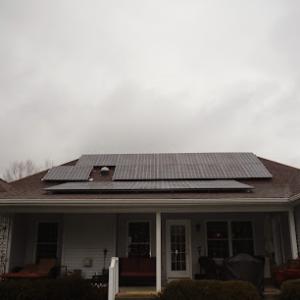
Neighborhood contractor. Specializing in Roofing, Siding, Windows, and Custom home builds. Providing service and quality since 2011, Collegiate Builders is rated an A+ with the BBB and accredited for over 10 years.

Jameson Roofing
(716) 646-9494 www.jamesonroofing.com
Serving
4.2 from 10 reviews
Jameson Roofing provides commercial roofing installation and service across the Buffalo, NY area and the great Western NY region. Our innovative technologies, skilled workforce, and top safety ratings ensure that each project is completed thoroughly, no matter the size or condition. As one of the top 5% safest roofing contractors in the nation, we keep our promises to our customers, our team, and our communities. With our story starting in 1946 and our eyes on the next 100 years, we have a proud history and a bright future.
Weather Resistors of WNY
(716) 222-7663 www.weatherresistors.com
Serving
4.7 from 23 reviews
Weather Resistors of WNY is a trusted roofing contractor serving Buffalo, NY, providing expert roofing and gutter services for residential and commercial properties. With years of experience, our skilled team specializes in roof installation, roof repair, gutter installation, and gutter maintenance, ensuring durable, long lasting results. We use high quality materials and proven techniques to protect your property from the elements. Committed to reliable service, and customer satisfaction, Weather Resistors of WNY delivers professional solutions tailored to your needs. We also offer free estimates to help you plan your roofing project with confidence. Call today for expert roofing services in Buffalo and surrounding areas!
Asphalt shingles remain the most budget-friendly common option in the area at the provided local range of 350 to 650 USD per square. For many homes in Western New York's Lake Erie snowbelt, this option delivers dependable performance against snow loads and routine freeze-thaw cycles without breaking the bank. In practice, you'll see the lowest quotes when the roof is straightforward, the decking is in solid shape, and there are no heavy ice-dam complications lurking beneath the shingles. If your budget is tight and your roof is reasonably accessible, asphalt can be a solid starting point.
Costs in Hamburg can rise when winter damage forces urgent scheduling, when tear-offs reveal moisture-damaged decking from ice damming, or when steep snow-shedding roof lines require slower cold-weather work. Ice dam repair often means additional费用 for deck repairs, insulation checks, and potential underlayment upgrades to prevent future issues. Scheduling in harsh conditions can also drive up crew time and safety requirements. Expect a higher overall cost if you're dealing with frozen workdays, limited daylight, or a need to stage crews around winter storms.
Material choice matters locally because heavier systems like clay and concrete tile may be less common on typical Western New York housing stock and can increase structural and labor considerations compared with asphalt or metal. In practice, many Hamburg homes lean toward asphalt or metal due to easier installation, lighter weight, and faster project timelines in winter or shoulder seasons. If a tile option is pursued, anticipate higher labor costs for handling, cracking risk mitigation, and potential roof-structure assessments to ensure the framing is up to the load.
Metal roofing commonly runs 700 to 1100 USD per square, offering durability against wind-driven storms and repeated freeze-thaw cycles. In snowy climates, metal can shed snow more predictably, but installation details-seam work, underlayment, and attic ventilation-continue to influence total costs. Synthetic or composite shingles sit between asphalt and higher-end options, often providing a middle ground for a Hamburg project with favorable durability in winter conditions.
When budgeting, factor in the possibility of moisture-damaged decking, underlayment upgrades, and the impact of a cold-weather schedule. If you're weighing asphalt versus metal, compare not only initial price per square but also long-term maintenance, wind resistance, and the likelihood of ice dam-related repairs over the roof's life. For many homes, a well-chosen asphalt or metal system paired with proper insulation and ventilation delivers the best balance of cost, performance, and resilience against Hamburg's Lake Erie snowbelt stresses.
Get a clear picture of your project costs upfront - no commitment required.

For a full roof replacement, a building permit is typically required through the municipal Building Department. Before any work begins, confirm your project scope with the local office and have your chosen contractor submit the permit application. This helps avoid delays when crews are ready to tear off and install. In Hamburg, the process is built around ensuring the roof meets local code requirements for snow loads, ice dam prevention, and the rigors of the lake-effect climate.
Inspections are generally coordinated through the contractor. Commonly, you'll see a tear-off or installation inspection first, followed by a final inspection to close out the permit. Your contractor should schedule these with the Building Department and be present for the inspections. The pre-tear-off inspection confirms framing and deck conditions are sound before new materials go on, while the final checks verify that ventilation, underlayment, and flashing meet current standards for Hamburg's winter conditions. If adjustments are needed, those corrections should be completed under the inspector's guidance before final approval.
Some local jobs require permit information posted at the site. Confirm who is responsible for posting and who handles the permit closeout once work is complete. If posting is required, ensure the permit card or notice is placed in a visible location where it's compliant with town rules. At closeout, the Building Department issues final clearance, which signals the roof project has met all code and municipal requirements and is officially closed.
Asphalt shingles remain the dominant material for Hamburg's re-roofing market, matching the look most homeowners want with a repair-friendly profile. In this Lake Erie snowbelt climate, the practical benefits are clear: wide adoption means easy replacements, plentiful installers, and a broad range of profiles that still perform well under winter wind-driven storms. When evaluating asphalt, focus on a layered laminate design with good granule retention to resist ice dam foam and freeze-thaw cycles. Proper attic ventilation and adequate insulation complement the shingle system, helping to minimize heat loss that can drive moisture into roof assemblies during sharp temperature swings. In neighborhoods with traditional ranch and colonial footprints, asphalt shingles offer quick, consistent performance without requiring specialized framing or intricate underlayment installations.
Metal roofing has strong local relevance because snow shedding, durability, and freeze-thaw resistance are major homeowner concerns in this climate. A standing-seam metal panel system shines where heavy, wet snows or wind gusts threaten shingles or old underlayment. Metal handles repeated freeze-thaw cycles with less material fatigue, and its smooth surface helps snow release, reducing ice dam risk along eave lines. For best results in a typical Southtowns setting, pair metal with well-sealed fasteners and a vented ridge to promote airflow. Color selection can influence solar gain in mid-winter sun and summer heat, so consider a reflective or lighter finish if the attic tends to overheat. Because installation quality matters for longevity, choose crews that emphasize precise panel alignment, drip edge integration, and comprehensive underlayment continuity across the eaves and rakes.
Wood shingles and shakes, clay tile, concrete tile, and synthetic composites all appear in the market, but each should be evaluated against Hamburg's moisture exposure, winter loading, and maintenance demands. Wood brings a natural look but demands regular treatment and prompt repair after ice dams to prevent water intrusion. Clay and concrete tiles carry substantial weight; structural assessment is essential to ensure the roof deck can support their load, especially on older homes or additions with varied rafter spans. Clay and concrete tile resist aging through freeze-thaw cycles if properly installed with appropriate underlayment and crack resistance, yet they require meticulous maintenance to prevent moisture penetration at hips and valleys. Synthetic composites offer a compromise-they're less prone to warping and can mimic wood or tile aesthetics, but long-term performance hinges on quality of the blend and sealing around penetrations. In all cases, the objective is a roof that can withstand frequent freeze-thaw stress, potential wind-driven impacts, and the moisture exposure typical of the western New York shoreline.
Explore specialists in steel, aluminum, and standing seam metal roofs built to last 50 years or more.
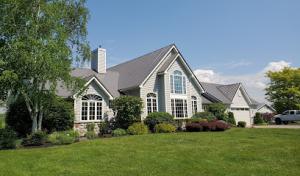
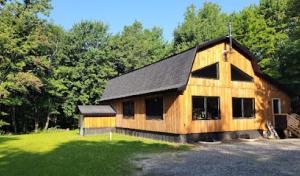
You're most likely to find trouble around the roof edges, where ice dams push against the drip edge and push flashing out of alignment during the freeze-thaw cycles. In this climate, water follows the path of least resistance, and a small gap at the edge or a loosened seam can become a slow drip that travels along the underlayment and into attic spaces. Pay close attention to transitions where different materials meet-tiles to metal, or metal flashing meeting siding-because those junctions are stress points when ice forms and expands.
Flashing around penetrations-vent pipes, skylights, and vents-takes a consistent beating from snow cover and cold. Snow can trap moisture around curbs and flashing longer than in milder climates, delaying drying and promoting corrosion or cement joint deterioration. Inspect regularly after heavy snows or thaws, and look for lifted edges, rust staining, or dark staining along the flashing line. A careful, proactive resealing before the first major freeze helps prevent a cascade of slow leaks once meltwater refreezes.
Skylights require close attention locally, because snow cover and ice can hold moisture around curbs and flashing longer. Check the skylight curb for compression cracks or degraded sealant, and ensure the surrounding metal flashing remains flush with no gaps. Chimney intersections are a recurring concern in older Western New York homes where masonry and roof flashing age differently through harsh winters. Look for cracks in mortar joints, shifting bricks, and gaps where the chimney flashing meets the roof line; these are prime spots for ice-forming channels to develop.
After each thaw, look for sudden sheen on ceilings, new staining near edges, or attic condensation patterns that weren't there before. If moisture appears at a connection point, re-seal promptly and consider a targeted edge repair before more ice forms. Keeping a close eye on these local stress points helps limit water intrusion before it becomes a larger issue.
Find contractors experienced in skylight installation, flashing, and leak repairs to bring natural light into your home.
Oaks Roofing & Siding
(716) 577-6257 oaksroofingandsiding.com
5690 Camp Rd, Hamburg, New York
5.0 from 36 reviews
Gold Roofing & Construction
(716) 775-5177 goldconstructionroofing.com
485 Sunset Dr 1st Floor, Hamburg, New York
5.0 from 3 reviews
In this region, insurers watch for more than age and visible wear. Hamburg homeowners face a higher-scrutiny environment because Western New York sees notable hail and wind claim activity. That means a claim isn't just about a single event; it's about proving that the damage aligns with a covered incident and not long-standing deterioration. The more documentation there is that connects a storm to the roof, the smoother the process tends to be. Be prepared for questions that dig into specific events, the exact dates of storms, and the sequence of damage as it appeared.
Insurers may ask for detailed photo documentation, roof age verification, and clearer proof that damage is tied to a covered event rather than long-term wear. Photos should show both the big picture of the roof and close-ups of missing granules, lifted shingles, and any granule loss on the gutter line. Keep records that confirm the roof's age and the condition right before and after a storm. If an adjuster arrives, having a concise timeline and labeled photographs speeds up the review and helps avoid second-guessing about whether a problem existed prior to the event.
Because winter conditions can conceal damage, Hamburg homeowners should document conditions as soon as it is safe and keep records from emergency tarping through final replacement. Ice dams, freeze-thaw cycles, and wind-driven debris can create cumulative damage that isn't immediately visible. Start a photo log after a thaw or a safe day, noting any ice buildup, shingle lift, or flashing compromise. Preserve tarps, temporary repairs, and weather-resilient measures with dates and receipts so the claim can be traced from emergency protection to a full, proper replacement.
Connect with contractors who help homeowners navigate the claims process from damage assessment to final approval.
All Square Roofing
(844) 766-3277 allsquareroofing.com
5949 Camp Rd # 1115, Hamburg, New York
4.3 from 20 reviews
Gold Roofing & Construction
(716) 775-5177 goldconstructionroofing.com
485 Sunset Dr 1st Floor, Hamburg, New York
5.0 from 3 reviews
Flat and low-slope sections matter in Hamburg even on primarily residential properties because snow and standing water can combine during freeze-thaw periods. The Lake Erie snowbelt delivers unexpected weight on roof edges, where meltwater tends to pool if drainage paths are blocked. In a typical Southtowns home, this makes careful maintenance of low-slope areas a practical, seasonal habit rather than a once-a-year check.
In winter, freeze-thaw cycles push water into seams and around flashings. On low-slope sections, ice damming is more likely, which can back up gutters and push water into vulnerable edges. After heavy snows, inspect for pooled water near drains, and verify that the roof membrane and flashing have continuous laps with no gaps. If a section shows blisters, ridges, or lifted edges, plan a quick inspection for the coming thaw to prevent deeper delamination.
Spring rains after winter accumulation can expose drainage and membrane weaknesses on low-slope roof areas. Prior to the wet season, test all scuppers and drip edges for proper discharge. Ensure downspouts carry meltwater away from exterior walls and foundation. If you notice moisture staining or damp insulation in attic fractions above flat sections, treat it as a priority repair rather than a cosmetic patch.
Low-slope transitions adjoining pitched roofs need careful detailing in Hamburg because melting snow from upper sections can overload lower roof areas. Pay attention to step-flashings where the two roof types meet and verify that upper roof runoff does not overwhelm lower membranes. During seasonal shifts, recheck sealants and corner flushes at these junctions to maintain a continuous water barrier.
Adopt a proactive rhythm: once per season, inspect all flat and low-slope surfaces, test drainage, and confirm that membranes and flashings remain unbroken. In neighborhoods with frequent wind-driven storms, tack down loose gravel and secure any edge metal to reduce wind uplift risks on flat sections.
Find specialists in TPO, EPDM, and built-up flat roofing systems for residential and commercial properties.
Pacifico Contracting & Home Improvement
(716) 294-7646 pacificocontracting.com
485 Sunset Dr #126, Hamburg, New York
4.9 from 167 reviews
Gold Roofing & Construction
(716) 775-5177 goldconstructionroofing.com
485 Sunset Dr 1st Floor, Hamburg, New York
5.0 from 3 reviews
In this Southtowns pocket, homeowners look for firms that handle roofs as a core trade, not as a side job on a bigger new-construction portfolio. Re-roofing specialists bring experienced assessment of Lake Erie snowbelt issues-heavy snow loads, ice dam risk, and repeated freeze-thaw cycles-without the distraction of framing or interior work. When a homeowner asks to restore the roof's integrity after winter deterioration or a storm, the preference is toward crews that demonstrate depth in roof systems, asphalt or metal, and the nuances of underlayment and venting for our climate. Local crews with a track record in Hamburg-area streets and neighborhoods feel more dependable than out-of-town outfits. That local emphasis translates into better material choices, scheduling alignment with rough winter conditions, and familiarity with the seasonal pattern of leaks after storms.
Cleanup is not a luxury in this market; it's a baseline expectation. Tear-off jobs after harsh winters must be followed by meticulous debris removal, shingle disposal, and careful nail and debris cleanup from property lines and driveways. Storm-related replacements tighten the window for a thorough exterior refresh, so homeowners favor contractors who commit to a complete, orderly teardown and a clean, orderly re-roof. A solid cleanup protocol reduces post-job complaints and protects landscaping and gutters during and after the work, which is especially important when ice dams or wind-driven debris play a role in damage.
Active leaks trigger urgency, and storm timing matters. Hamburg homeowners reward contractors who answer calls promptly, arrive on schedule, and maintain reliable communication through weather delays or supply hiccups. A long-established local presence signals trust and familiarity with typical neighborhood layouts, common soffit and gutter configurations, and the seasonal rhythm of repairs. Prioritize firms with verified local service histories, clear warranties, and the ability to mobilize quickly when a thawing day or a wind event creates new concerns on vulnerable roofs.