
Last updated: Apr 19, 2026
Meadville experiences cold winters and warm summers with noticeable seasonal swings, so repeated freeze-thaw cycling is a primary driver of shingle, flashing, and sealant wear. When temperatures bounce around, water that has penetrated even tiny gaps can freeze, expand, and create micro-cracks that allow more moisture to creep in. That cycle wears protective layers faster than you'd expect, especially on older steep-slope roofs where asphalt shingles, metal panels, or slate are carrying the brunt of wind and snow exposure. If your roof looks good at a glance but feels soft to the touch in sheltered areas, you're likely experiencing early freeze-thaw distress.
The city sits in Crawford County in northwestern Pennsylvania, where prolonged winter moisture and snow cover can keep roof assemblies wet longer than in drier parts of the state. Snow lingering on a roof isn't just cosmetic-it's a storage tank of meltwater waiting for a warm day to wick in behind the flashing and through shingle seams. In Meadville, roofs that aren't properly ventilated and dried can stagnate moisture, which compounds rot risk, adhesive failure, and panel leaks after the spring thaw. Look for damp, dark patches in eaves, fasteners that feel loose after winter, and granules washing into gutters as signs moisture has found a pathway through the roof deck.
Homes near French Creek and lower-lying locations can see persistent damp conditions that make ventilation and drying potential especially important after winter and spring precipitation. Low spots in the roof line, valleys, and adjoining chimneys or skylight seals are prime trouble zones. The combination of moisture pooling and cold nights means sealant and flashing joints there are under greater stress. If your attic is poorly vented, you'll notice faster redeposition of humidity into insulation, increasing the chances of ice dam formation at overhanging eaves and along the fascia.
First, address ventilation as the season turns. A well-ventilated attic lets moist air escape, reducing condensation that accelerates moisture damage during the shoulder seasons. Ensure ridge vents, soffit intakes, and baffles are clean and unobstructed. Next, inspect flashing around valleys, chimneys, skylights, and vent pipes for hairline cracks or lifted edges. Sealant deteriorates quickly in freeze-thaw cycles; reseal with a high-quality sealant designed for winter performance, paying close attention to moves where metal and shingle meet. Inspect gutters and downspouts for clogs that trap meltwater near the eaves. Clear debris and ensure water flows away from the fascia so meltwater doesn't back up and seep into seam lines. In areas with persistent dampness, consider secondary drainage upgrades such as improved drip edge or minor adjusting of roof decking slope to encourage faster drying after storms.
After heavy snow or rapid warming, recheck for ice dams and any new leakage paths. Ice dams can form quickly when heat escapes from the attic and refreezes at the eaves, pushing moisture back under shingles and into the roof deck. If you notice soft deck spots, spongy insulation, or repeated staining along the underside of the roof line, treat it as a red flag and involve an experienced roofer promptly. Delayed moisture damage compounds when spring rain arrives, so prioritizing quick diagnosis and targeted repair will protect the roof's long-term integrity.
Spring wind and heavy rain slam across the slate, asphalt, and metal roofs that line our older streets. In Meadville, those storms often arrive with little warning, and aging shingles, compromised ridge lines, or weakened flashing become open gates for leaks. The combination of freeze-thaw damage left by winter and sudden gusts can turn a minor issue into a soaked attic or water-streaked ceiling overnight. If you hear wind-driven rain slamming against the soffit or notice damp patches spreading from a seam, treat it as urgent-this is exactly the scenario that triggers leaks after a harsh winter here.
This region sees regular storm- and wind-related roofing claims, so homeowners often need date-stamped photos and condition documentation before adjusters can inspect. Start with a clear, daylight photo log that captures visible damage, flashing seams, ridge cap edges, and any ponding on deck surfaces near joints. Note the date, time, and weather conditions for each image. Keep a concise diary of when you first noticed leaks or roof dampness, and track any steps you take-temporary tarps, bucket placement, or careful roof-access attempts-so the adjuster can see a continuous narrative rather than a snapshot.
Because adjuster schedules can back up after regional storm events, Meadville homeowners benefit from documenting damage immediately and preserving any prior roof warranty paperwork. Gather warranty terms, prior claim notes, and service records for flashing, ridge work, or shingle replacements done in recent years. If there is any history of prior leaks or repairs in the vulnerable valleys near French Creek, keep that information handy too. The more you can show quickly about pre-existing conditions and recent weather impacts, the smoother the inspection process will move once an adjuster can arrive.
Act fast on active leaks by protecting interior spaces with towels and plastic sheeting, but avoid stepping on slick, icy, or snow-laden roofs. If you can safely reach the attic, seal obvious penetrations with temporary material to slow water intrusion, and keep vents clear of obstructions to improve condensation drainage. Schedule a professional roof inspection promptly after a wind event to identify loose shingles, compromised flashing, or ridge cap failures before a small issue escalates into widespread moisture damage.

Home Genius Exteriors
(412) 385-4568 homegeniusexteriors.com
10974 Murray Rd, Meadville, Pennsylvania
4.8 from 77 reviews
Elevate your home with Home Genius Exteriors, setting the standard in Meadville by offering full-service solutions for roofing, siding, windows, doors, gutters and insulation. We support our veterans and communities by supporting local and national charitable organizations through our Home Genius Cares initiative. With an Owens Corning® Platinum Preferred designation, we also offer flexible payment options, industry leading warranties and a wide range of premium products tailored for your home. It’s time for a different experience, entrust your next home project to a genius and schedule your free inspection today!
Central States Commercial Roofing
(800) 671-9772 centralstatescommercialroofing.com
1009 Water St suite 201, Meadville, Pennsylvania
5.0 from 4 reviews
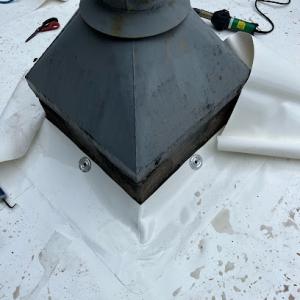
Central States Commercial Roofing is a commercial roofing contractor based in Meadville, Crawford County that provides work in West Virginia, Ohio, New York, and expanding further. Our roofing company offers commercial roof replacements, roof repair, metal roofing, spray foam and more. Customers love us because of our comprehensive roof warranties and affordable roof financing options. We also have industry affiliations and certifications such as Duro-Last, Elevate, GACO and Conklin. If you want to experience how your most trusted Pittsburgh roofing company embraces our motto “Covering The States One Roof at A Time", call us now for a free estimate!
Gold Medal Roofing of Pennsylvania
(814) 656-0446 www.goldmedalroofing.com
Serving
4.9 from 28 reviews
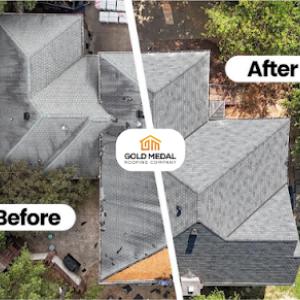
Gold Medal Roofing Company assists thousands of homeowners in getting roof repairs, or a completely new roof, through the insurance claims process. Let our team of licensed roofing contractors walk you through the process and help save you thousands of dollars! Book a FREE inspection today!
Lakeside Roofing
(814) 323-9388 lakesideroofingerie.com
Serving
4.5 from 25 reviews
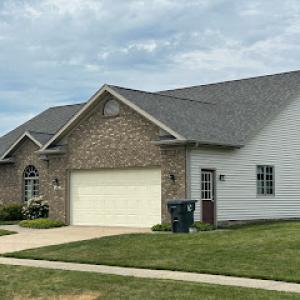
We are family owned and based in Erie County. We specialize in roofing and remodeling projects. We pride ourselves in hard work, quality and integrity. Give us a call for a free estimate today.
Great Lakes Commercial Roofing
(814) 425-1274 greatlakescommercialroofingllc.com
Serving
4.1 from 12 reviews
At Great Lakes Commercial Roofing, we're proud to offer unparalleled commercial roofing services right here in Cochranton, Pennsylvania. Our expertise spans across innovative roofing solutions, including spray foam insulation, metal restoration, and more, tailored to meet your specific needs. We believe in delivering excellence, ensuring every project meets our high standards for quality and durability. Your business deserves the best protection, and we're here to provide it with our top-notch roofing solutions. Let's discuss how we can enhance your property's value and safety. Reach out to us for your next roofing project!
Golden Commercial Roofing
(814) 900-7106 goldencommercialroofing.com
Serving
4.6 from 5 reviews
Golden Commercial Roofing is a local roofing company in Cochranton, PA committed to its customers. If you are searching for roofing experts to assist you with commercial roof installation, replacement, coatings, or repair, call us NOW!
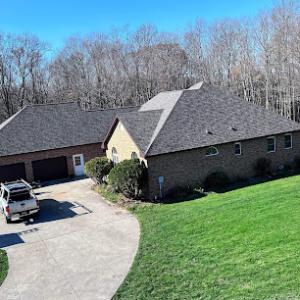
Brisac Construction
Serving
5.0 from 8 reviews
General contracting Exterior remodeling Interior remodeling Roofing Siding Fascia Windows Doors Decks Pole Barn Bathrooms Kitchens
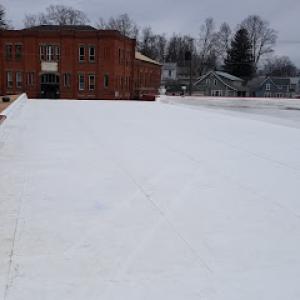
Alpha Roof Restoration & Consulting
Serving
5.0 from 1 review
Hi, I'm Sam from Alpha Roof Restoration. We are a commercial roofing company, working with other contractors helping them get started in the fluid applied commercial roof restoration market. Give us a shout and we'd love to work with you!
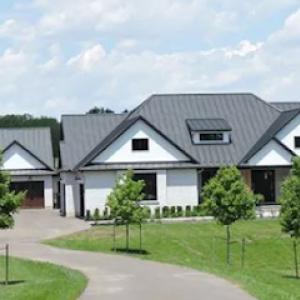
Stoll's Metal Roofing
Serving
5.0 from 1 review
Residential and Agricultural metal roofing. Dependable and experienced.
Roof Maxx
(814) 420-6667 topusasites.top
16299 Cussewago Rd, Meadville, Pennsylvania
Roof Rejuvenation to extend the life of asphalt shingles up to 15 years at a fraction of the cost of replacement.
EverLast Commercial Roofing
(912) 202-2804 everlastcommercialroofingllc.net
Serving
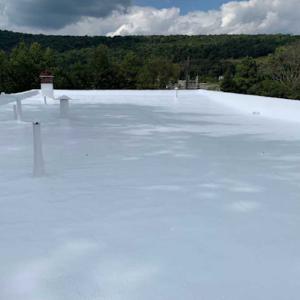
TEAM UP WITH AN EXPERIENCED COMMERCIAL ROOFING CONTRACTOR IN SAEGERTOWN, PA, CONNEAUT & BEDFORD, OH You want your business to look good and last for years. That means you'll need a strong roof. EverLast Commercial Roofing offers exceptional commercial roofing services in Saegertown, PA, Conneaut & Bedford, OH and all of the surrounding areas. You can trust our well-respected company for efficient, top-quality work. We'll explain our process to you during a complimentary consultation. You can tell us your goals and preferences. Once you have a roofing plan, we'll get to work.
Philthy Phil, International
Serving
Philthy Phil, International is currently focusing on roofing services to commercial and residential customers in Crawford and surrounding Counties, including Erie and Butler. We highly encourage metal roofing, as our goal is to line every roof with a metal roof, but we also do shingle and flat roofs as well. You shouldn't have to worry about keeping a roof over your head, together we can come up with a solution that's fits your dream and your budget.
Asphalt shingles dominate the local roofscape, fitting the steep-slope stock you see on many homes. In winter, sealant stress from repeated freezing and thawing can loosen tabs or create micro-cracks. Choose a premium, 30-year or better shingle with good granule adhesion and a sealed, cold-start underlayment system. Ensure the attic has solid ventilation and a continuous eave-to-ridge flow to reduce condensation at the roof deck during the shoulder seasons. In spring, strong winds can lift loose edges; verify flashing around vents, chimneys, and skylights is solid and use improved sealant or metal flashings where needed.
Metal is common locally because it handles snow shedding and moisture well, but installation matters more than with asphalt. Eave overhangs should be flashed to prevent ice dams forming at the edge, and fasteners need proper gasketed fixings to resist freeze-thaw cycles. Pay attention to attic ventilation to prevent condensation under metal panels in cold weather. For penetrations, use integrated hub seal systems and ensure the valley and ridge lines are properly sealed. In cold-weather assemblies, add a breathable underlayment and consider a condensation-control layer to avoid sweating on interior ceilings.
Slate and some copper roofing remain relevant because older northwestern Pennsylvania homes and institutional-style buildings can still carry legacy steep-slope systems. Slate offers exceptional durability but requires professional matching of slate sizes, nail types, and proper underlayment. Copper creates a long-lived, low-maintenance surface but expands and contracts with temperature swings; flashing around edges and dormers must accommodate movement. For these materials, climate-aware maintenance matters: protect against freeze-thaw pockets at roof-to-wall junctures and ensure historical flashing details are preserved.
When choosing among these options, consider your roof's exposure to wind from nearby waterways and the amount of winter sun versus shade. A well-ventilated attic, quality underlayment, and thoughtful flashing details often determine how well a roof rides out a winter season. Regular inspections after heavy snowfall or thaw cycles help catch micro-cracks, lifted edges, or developing ice dams before they threaten the deck.
Winters in this corner of Crawford County bring freeze-thaw cycles that stress roofing systems and can trigger spring repair demand. After a harsh winter, storm-related scheduling pressure often reduces available labor and pushes prices up across the region. That means the same materials and scope can land higher in spring than in late summer, especially for projects that require quick turnarounds to prevent moisture intrusion from rising rain and residual snowmelt. When budgeting, expect possible price bumps tied to the delay between winter damage and the next dry stretch, and plan a window that allows for careful moisture checks before a full re-cover.
Cost ranges for common roof profiles reflect Meadville's mixed housing stock and climate. Asphalt shingles sit in the 350 to 650 USD per square range, offering a balance of upfront cost and resilience against freeze-thaw cycles when paired with proper ventilation and flashing. Metal roofing runs higher, from 800 to 1500 USD per square, and can perform well in snowy conditions with appropriate underlayment and edge detailing. For clay tile, expect 1100 to 1900 USD per square, while concrete tile typically ranges 900 to 1500 USD per square. Slate is the premium path at 1300 to 2300 USD per square, and copper roofing can soar from 2500 to 8000 USD per square due to material durability and specialized installation. In older homes, the value of installing durable deck protection, thorough flashing replacement, and corrected ventilation can influence final material choices beyond initial sticker price.
Many older Meadville houses present a steeper path to a reliable, moisture-resistant roof. Tear-off work, deck repairs, and flashing replacement are more common, and ventilation corrections become a meaningful line item. Those steps help prevent moisture entrapment during winter and reduce the likelihood of recurring leaks during spring thaws. Because tear-off and repair work add labor hours, the total cost can shift upward compared with new roof installs on newer structures with straightforward layouts. A careful estimate should itemize tear-off depth, deck integrity, existing ventilation, and the potential need for additional flashing or drip-edge replacements to ensure long-term performance in this climate.
When planning for winter-to-spring transitions, coordinate with crews about potential backlogs that can extend project timelines and influence material availability. If possible, align purchases with shoulder seasons to avoid peak demand. A phased approach-addressing underlayment and ventilation first, then shingles or tile in a follow-up pass-can help manage moisture risk and labor scheduling, especially on steeper slopes or complex rooflines common on older Meadville homes.
When a complete re-roof is planned, a full building permit is generally required. This isn't a project that qualifies as simple maintenance in the local code sense, especially on the steeper slopes common to older houses with asphalt, metal, or slate roofs. Contractors typically handle the paperwork by submitting plan details, including the proposed materials, underlayment, and roof ventilation strategy, along with a proposed schedule. The presence of snow and freeze-thaw cycles nearby French Creek makes a careful permit review essential to prevent moisture-trap scenarios and to ensure proper drainage details are specified up front. Expect the permit to reflect not only the roofing work but any related flashing and attic ventilation considerations that affect long-term durability.
In Meadville, inspectors focus closely on underlayment, ventilation, and flashing as the project progresses, not just at the end. As the replacement advances, the plan is checked against the actual installation to verify that the chosen underlayment type is appropriate for the local freeze-thaw climate and for the steep-slope roof configurations found on many older homes. Ventilation details are scrutinized to prevent condensation and ice-dams, which are common trouble points in this area's winters. Flashing around chimneys, skylights, and transitions to walls must be integrated with the roof deck in a way that sheds water reliably through seasonal changes. A final inspection confirms that the installation matches the permit plan and that moisture-control measures are in place throughout the system.
Timing can vary with department workload, so expect some fluctuation between spring and late fall windows when the weather is favorable for roofing work. The inspection sequence typically starts with rough-assembly checks during the installation, followed by a mid-project review if any deviations exist from the approved plan. The final inspection occurs after completion, once all components are in place and test patches have settled. Planning for a slightly longer window than a basic maintenance job helps accommodate weather interruptions and any required re-inspections. In neighborhoods with older housing stock, inspectors may request additional documentation on ventilation retrofits or attic sealing to align with the house's existing layout.
Depending on the roofing material being installed, some projects may need wind-resistance documentation as part of the permit package. This is especially relevant for metal, slate, or high-wire steep-slope installations where wind uplift concerns are heightened by exposed eaves and valley configurations. If wind-resistance data is required, the contractor should supply the appropriate test results or manufacturer certifications, and the plan reviewer will integrate these into the final permit validation. Having this documentation ready can streamline the process and reduce delays during the final inspection.
Winter freezes and snow load in Meadville can stress roof systems and make emergency repairs more common, but full replacement logistics are harder in those conditions. The depth of frozen moisture and the way snow sits on steep slopes mean a rushed tear-off can trap ice and water in vulnerable spots. Plan a replacement window when the ground is not locked with ice and when crews can safely stage materials without prolonged exposure to winter windburn or drifting snow. If a project must occur in winter, prepare for contingencies like temporary coverings and a careful sequence that prioritizes dry-in.
Spring is risky for open-roof scheduling because heavy rain and wind can damage incomplete work if tear-off and dry-in are not tightly managed. In Meadville, late March through April can bring sudden squalls that overwhelm imperfectly protected decks and skylights. To reduce risk, coordinate a staggered tear-off with a clear dry-in plan, and schedule weather buffers before the first big storm system of the season. A robust tarping strategy and rapid-seal fasteners help keep interior spaces dry during brief, wet spells.
Summer warmth helps asphalt shingle sealant activation, which is helpful for ensuring a tight, long-lasting roof once installation begins. If you have a choice, target mid-summer for the bulk of labor when daytime temperatures encourage proper adhesive set and faster drying. Hot days also reduce condensation risk within the attic by promoting better ventilation during the installation process. However, avoid the heat peak if possible on any project that requires extended shut-downs or prolonged exposure of staging areas.
Autumn brings wind and leaf debris that can complicate cleanup and final detailing before winter. In Meadville, fall projects benefit from a concentrated push to finish with a clean, weather-ready sealant and complete edge detailing before dry, cold air settles in. Prioritize secure fasteners and flashing checks, since gusty days can loosen components that were set during more temperate periods. Prepare a clear plan for debris removal and gutter protection to prevent moisture buildup as leaves accumulate near eaves and valleys.
Meadville is a regular roofing-claim market because storms and wind events repeatedly affect residential roofs in this part of Pennsylvania. The combination of freeze-thaw cycles and heavy precipitation during wet seasons means roofs endure more stress than many neighbors realize. A roof rarely shows its full wear until a tough winter hits, and older steep-slope systems can hide moisture problems that worsen quickly when storms arrive. Being prepared means assuming a claim could come at any time and planning accordingly.
Insurers may request photos and a pre-renewal condition report, making routine documentation more important for homeowners than in lower-claim markets. Start with clear, dated images of all major roof areas, including flashings, valleys, and any known problem spots. Keep a simple file of recent repairs, material types, and visible signs of wear. When a storm rolls through, add fresh photos that show the roof's current state. This habit saves questions later and helps verify what exists before a loss occurs.
Adjusters may compare proposed replacement systems to prior warranties, so homeowners should keep records of earlier installations, repairs, and manufacturer paperwork. If a hail event or windstorm triggers a claim, having warranty details, installation dates, and product specifications on hand can short-circuit debates about what can or should be replaced. Be ready to show where prior work was done and by whom, along with any manufacturer guidance that applied at the time.
A practical approach is to maintain a centralized, weatherproof folder that tracks material types, service dates, and any correspondence with contractors or insurers. In heavy-claim seasons, adjusters will value a concise, well-organized history that makes it easy to differentiate wear from storm damage. Consistency here reduces back-and-forth and helps ensure repairs reflect the roof's true condition rather than a best-guess snapshot after a storm.
When discussing a claim, present a calm, factual summary of the roof's condition, supported by dated photos and maintenance records. Be prepared to explain any discrepancies between prior warranties and current proposals. A careful, transparent approach helps avoid post-loss disputes and speeds the path to a durable, appropriate repair.