
Last updated: Apr 19, 2026
Kingston experiences cold winters with repeated freeze-thaw cycles that can open shingle joints, stress flashing, and worsen small leaks over the season. Those micro-cracks and loose edges don't stay hidden for long when every freeze-thaw swing forces expanding and contracting materials. Each cycle can push water a little further under the shingles, and once water gets under there, you're watching for hidden damage you won't notice until a peak thaw or a spring rain. The more edges and valleys you have on a roof with mixed ages, the more vulnerable the entire system becomes to this creeping damage.
Ice dam risk is a practical concern for Kingston homeowners during winter, especially when snowmelt refreezes at colder roof edges and backs water under roofing materials. That frozen edge creates a dam where water can back up behind it, seeping under shingles and flashing. You'll see (or smell) damp spots along walls or inside ceiling corners near exterior walls as signs the dam is pushing water inward. When you notice those indicators, acting fast matters. A small patch of ice at the eave isn't just inconvenient-it can become a leak channel that rots sheathing and invites mold. In Kingston, with older housing stock and varied roof types, undetected ice dams can exploit gaps in flashing and misaligned valleys more quickly than you'd expect.
Before the worst of winter hits, inspect roof edges where snow piles up, especially on steeper sections or roofs with clay tile, slate, or older asphalt. Look for shingle joints that look loose, curling, or stripped granules near the eaves. Check flashing around chimneys, skylights, and vent pipes for corrosion or gaps. If snow accumulates heavily on the roof, a cautious, measured removal from the ground or with a roof rake can prevent a sudden freeze-thaw surge that pries shingles loose. Pay attention to attic insulation and ventilation-poorly vented spaces heat up from living areas and can accelerate ice dam formation by melting snow from the inside.
If a small leak is already present, address it promptly rather than waiting for multiple winter storms to compound the damage. Clear outdoor drainage paths to reduce meltwater backing up toward the roof edge. Add temporary barriers or covers for exposed flashing where feasible, and avoid piling heavy snow directly on the most vulnerable sections. If you have a roof with multiple edge lines or complex flashing, consider scheduling a professional inspection to assess flashing integrity, valley condition, and attic ventilation in the weeks after the first freeze-thaw peak and before the next thaw cycle.
Because winter conditions are hard on roof systems in Kingston, many full replacements are timed for late spring through early fall rather than the coldest months. The longer, warmer days allow roofing crews to secure flashing, valley lines, and hip-and-ridge joints without the interruption of sudden freezes. If you're already seeing recurring leaks or signs of ice dam formation, plan a comprehensive assessment early in the spring so you're not scrambling once the snow starts again in late fall. A targeted upgrade-paired with improved insulation and ventilation-can dramatically reduce repeat issues in the following winter.
Kingston has a broad mix of older homes and newer buildings, which means roof replacement planning often differs sharply from one neighborhood and structure type to another. In historic neighborhoods, you'll encounter steeper pitches, dormers, and architectural details that complicate tear-offs and recoveries. In newer sections, standard 3-12 pitch roofs with fewer penetrations may go more smoothly but still demand attention to attic ventilation and insulation to cope with freeze-thaw cycles. When planning a roof project, map out the exact roof layout, note any attic access points, and identify any historic features that require care during replacement.
The local market supports asphalt shingles, metal, clay tile, concrete tile, slate, and EPDM, reflecting the city's unusually varied roof profiles compared with many smaller upstate cities. Each material has its own installation nuances, weight considerations, and approach to flashing around chimneys and vents. Asphalt shingles remain the most common and economical option, but metal can offer longer life in exposed locations or where roof geometry is complex. Clay and concrete tiles suit specific aesthetic goals and climate tolerance but demand structural assessment for weight and support. Slate delivers durability and a classic look but requires precise substrate preparation and professional handling. EPDM rubber roofing can be appropriate for flat or low-slope sections, offering flexibility in intricate roofline layouts. For all choices, ensure the chosen contractor understands the local climate impacts and the peculiarities of aged roof assemblies typical in Kingston.
Slate and tile roofs in Kingston require closer structural and installation scrutiny than lighter systems, which also affects how insurers and reviewers look at these projects. Before teardown, have a qualified roofer or structural engineer verify framing capacity, decking condition, and rafter spacing to support weight, especially in areas with older plaster or timber framing. A thorough assessment helps prevent mid-project surprises and supports a smoother inspection path after completion. If a heavier system is selected, prepare for potential reinforcement work and coordinated scheduling to minimize disruption to living spaces during installation.
Begin with a detailed roof inventory: age, material present, pitch, and known problem areas such as ice dam hotspots or wind-driven leaks. Prioritize ventilation and insulation improvements in tandem with roof replacement to reduce moisture buildup during freeze-thaw cycles. When choosing a contractor, request examples of similar Kingston projects (historic and newer homes) and confirm familiarity with local freeze-thaw challenges, flashing around chimneys and skylights, and integration with existing gutters. For slate or tile on older structures, insist on proper substrate evaluation, high-quality underlayment, and careful fastener selection to prevent crack propagation under temperature swings. Finally, coordinate a planned replacement window that minimizes water intrusion risk during seasonal transitions and aligns with the home's interior comfort needs.
In Kingston and the rest of Ulster County, wind and hail events generate roofing claims, so homeowners often need strong photo documentation and contractor estimates after storms. The mix of older historic housing stock and varied roof types means damage can show up in surprising places-a soft spot under a galvanized valley, granule loss on aging asphalt, or cracking on clay and slate when hail is brutal. In the days after a storm, a careful walk-around of the roof with a reliable camera becomes your first line of defense. Focus on missing shingles, lifted edges, dented flashings, and signs of moisture intrusion in attic spaces or ceiling patches inside the home.
Spring storms in this area can create moisture-intrusion risk while also delaying scheduling, which makes post-storm inspections time-sensitive. Melting snowpack, thaw cycles, and gusty spring winds mean leaks can travel unseen for weeks, particularly on homes with older roofs or half-round dormers that shed water oddly. If a tree limb lands on the roof during a storm, immediate triage is essential: carefully document debris, cover exposed areas with a temporary tarp if safe to do so, and arrange for an emergency assessment. Delays can compound damage, so establish a quick communication line with your roofer and be ready to adjust plans as weather windows shift.
Adjuster response times in the Kingston market can vary by carrier and season, and heavier materials such as slate and tile may receive added scrutiny during claim review. If the claim involves a roof with mixed materials, expect questions about which sections were replaced or repaired, and prepare a clear map or photo log showing roof sections before the damage. Be mindful that inspectors may focus on the worst-appearing areas first, but water intrusion can originate far from the visible impact site. A thorough, organized packet-before-and-after photos, a materials inventory, and a schedule of contractor estimates-helps the process move more predictably.
Spring scheduling often faces backlogs, so the post-storm inspection window should be treated as time-sensitive. Reach out to at least two local contractors who understand Kingston's climate nuances-freeze-thaw cycles, overhangs, and historic rooflines can influence repair strategies. Schedule a wind and hail assessment promptly, and ask for detailed written estimates that note shingle or panel type, underlayment quality, and flashing integrity. If a claim settles on a larger replacement, anticipate phased work with weather-tractable sequencing to avoid exposing vulnerable areas during remaining winter or early spring snaps. Staying proactive reduces the chance of a minor issue escalating into a larger, costlier repair.
Find local contractors experienced in assessing and restoring roofs after hail, wind, and severe weather events.
J & A Roofing
(845) 339-2020 www.jaroofing.com
3 Clarendon Ave, Kingston, New York
4.5 from 85 reviews
Roofing Experts Hyde Park
(845) 447-0344 roofingcontractor-hydeparkny.com
Serving
5.0 from 42 reviews
J & A Roofing
(845) 339-2020 www.jaroofing.com
3 Clarendon Ave, Kingston, New York
4.5 from 85 reviews
J and A Roofing is a full service roofing contractor serving the Hudson Valley area of New York. We service Ulster County New York, Dutchess County New York, Greene County New York, and Columbia County New York. We will be with you from start to finish and guarantee your satisfaction in your new shingle roof.
ProBend Corp Custom Exteriors
(845) 802-3176 www.probendcorp.com
3139 NY-32, Kingston, New York
5.0 from 8 reviews
Metal Roofing Experts
Blue Dot Restoration
(845) 331-2049 stockaderoofing.com
985 Morton Blvd Suite 100, Kingston, New York
3.2 from 18 reviews
We are a locally veteran and woman-owned roofing company in Kingston, NY. We have a team of experienced contractors to provide top-quality work to home throughout the Hudson Valley Region. Fully Licensed & Insured.
Xterior Solutions
Serving
4.9 from 372 reviews
Xterior Solutions is a trusted residential and commercial roofing and siding contractor serving the Greater Hudson Valley region. With over a decade of experience, we specialize in roof replacements, roof repairs, new siding installations, and exterior home improvements. Our licensed and insured team delivers durable results using industry-leading materials from top brands like GAF and Owens Corning. Whether you’re a homeowner or business owner, we provide free inspections, honest estimates, and craftsmanship backed by manufacturer warranties. Proudly serving Dutchess, Ulster, Orange, Columbia, Putnam, and Westchester Counties — Xterior Solutions is your local partner for reliable, long-lasting exterior solutions.
Malcarne Contracting
Serving
4.2 from 25 reviews
With nearly three decades of dedicated service, Malcarne Contracting has been a pillar of the Rhinebeck community since 1996. Specializing in roofing, this family-owned business prides itself on delivering solutions that blend functionality with aesthetic appeal. Their team of trusted professionals is committed to enhancing the safety and beauty of every home. As a GAF-certified company, they are dedicated to using top-tier materials and superior craftsmanship on every project, ensuring customer satisfaction and long-lasting results. Malcarne Contracting is your reliable partner for all roofing needs, from comprehensive replacements to meticulous repairs.
AR Contracting & Services
(518) 930-2999 arcontractingnj.com
Serving
4.8 from 23 reviews
We are commited to provide top of the line roofing services Ar Contracting is here to provide high qualitiy roofing services to residental and your commericial needs.We are a family owned and operated and boast over 20 years of experience. We dont just strive for top qualtiy work, we set bar and challenge other businesses in our industry to not only match but surpass our work. When it comes to renovation we take friendly strategic approach. We ensure you get the dream roof! Our top priority is customer satisfaction!
Sheeley Roofing
(845) 687-9182 www.sheeleyroofing.com
Serving
5.0 from 108 reviews
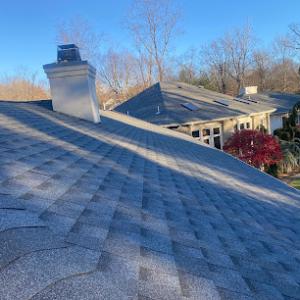
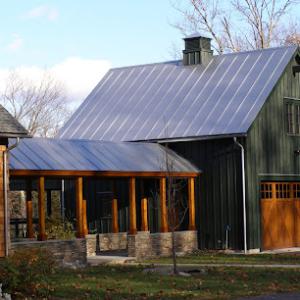
Sheeley Roofing has earned a stellar reputation for quality, craftsmanship, and service. We are committed to fabricating and installing unique, high quality roofs that add value, comfort, and beauty to your home. We take pride in our work and appreciate the trust our clients put in us to get the job done right. Our elegantly hand-crafted, durable, and energy efficient roofs are offered for residential and commercial use. We provide services to homeowners, contractors, and other building professionals. At Sheeley Roofing, we offer a variety of roofing materials: copper, standing seam metal, cedar, wood shingle, asphalt shingles, EPDM, Kemper, slate, and more.
Roofing Experts Hyde Park
(845) 447-0344 roofingcontractor-hydeparkny.com
Serving
5.0 from 42 reviews
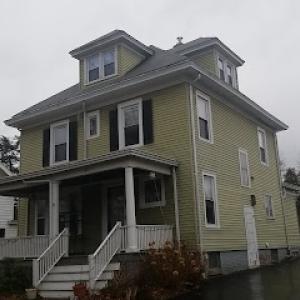
Roofing Experts Hyde Park is your trusted local roofing contractor in Hyde Park, NY. We specialize in high-quality roof repair, roof replacement, and new roof installation services for residential and commercial properties. Whether you're dealing with storm damage, aging shingles, or planning a full roof upgrade, our experienced team delivers reliable craftsmanship and long-lasting results. We use premium materials and offer tailored solutions to fit your budget and needs. With a commitment to excellence and customer satisfaction, Roofing Experts Hyde Park ensures your home or business is protected year-round. Call today for a free estimate!
IBC Roofing Hudson Valley
Serving
5.0 from 36 reviews
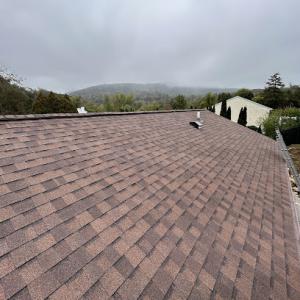
Integrity Building Companies NY is a family and locally owned roofing contractor that offers a wide range of services to customers in Poughkeepsie, Duchess County, and Putnam County. Their seasoned team of licensed and insured technicians ensures that every roofing project is carried out safely and with the highest degree of professionalism. The company offers financing plans and warranties, as well as free estimates and same-day emergency services whenever possible. With more than 40 years of combined experience in the industry and a working relationship with all insurance carriers, Integrity Building Companies NY provides total peace of mind to their clients. They’re ready to handle your roofing needs today!

Home Evolution Roofing
(845) 466-7663 www.homeevolution.net
Serving
5.0 from 101 reviews
Why would you choose anyone other than the #RoofExperts for your Roofing needs? As the #1 preferred roofing contractor in the Capital District, you can expect Home Evolution to offer home owners with the highest quality Roofing services at an affordable cost. Home Evolution offers a workmanship warranty with every Roof replacement and also multiple financing options. Home Evolution has a "one project per day" rule, meaning your Roofing project will be our main focus until we are finished. We are known for completing our Roofing projects in one day, leaving your home like we were never there. Don't hesitate, Get your Free Roof Inspection today. (845) 466-ROOF
Bayview Roofing NY
(845) 544-0016 www.bayviewroofingny.com
Serving
4.1 from 35 reviews
We are a family owned and operated residential & commercial roofing company with over 25 years experience. We are fully licensed, insured & bonded for your protection and service Dutchess & Ulster Counties.
Unikorn Construction
(845) 518-4241 www.unikornconstruction.com
Serving
5.0 from 40 reviews
You could buy the best roofing materials out there, but if they’re not installed properly you could be setting yourself up for persistent leaks—and damage to your attic, walls, and even your home’s foundation. To us, installation is everything. We use traditional methods that have been favored by skilled artisans for centuries, but we’re equally interested in modern materials when it comes to installing or restoring your roof—whether it’s metal, slate, or cedar shake. That means no exposed screws, rivets, or caulking and roofs that are Hudson Valley ready! Our Services: • Metal Roofing • Copper Roofing • Cedar Roofing • Zinc Roofing • Metal Wall Panels • Gutters & Down Spouts • Custom Sheet Metal Fabrication • Standing Seam
Kingston cost expectations span a wide range because the local material mix includes both budget-oriented asphalt shingles and premium systems like slate and tile. Asphalt shingles run roughly 350 to 800 USD per square, while metal roofing sits in the 600 to 1,200 USD per square range. Clay tile often lands between 900 and 1,800 USD per square, concrete tile from 700 to 1,500 USD per square, slate from 1,200 to 3,000 USD per square, and EPDM rubber roofing between 3.5 and 7.5 USD per square foot. For a Kingston home, the choice of material drives the bulk of the variation, but local average costs still reflect a broad spectrum tied to both style and performance needs. In practice, a project in a mixed neighborhood can swing toward the higher end if a homeowner leans toward premium systems or if the roof has unusual geometry.
Late spring through early fall is the main replacement window in Kingston, and concentrated seasonal demand can affect pricing and contractor availability. When the calendar fills with many tear-offs at once, labor margins tighten and lead times extend. If a roof is overdue for replacement after a harsh winter, you may encounter quicker scheduling but tighter booking windows, which can push a project onto a back burner. Better outcomes tend to come from planning ahead, requesting written bids well before the first warm spell, and aligning the start date with a window when crews are less stretched.
Costs in Kingston can rise when projects involve heavier materials, older roof decks uncovered during tear-off, or permit review tied to structural changes. Heavier systems like slate or concrete tile require more structure and longer installation times, which translates to higher labor costs and potential deck reinforcement. If prior layers are found to be deteriorated, the deck inspection and repairs add risk and expense. A tear-off that reveals extensive damage or requires substantial ventilation or insulation upgrades also moves total project price upward. Planning for these contingencies helps prevent surprise bills.
To manage expectations, obtain multiple written bids and verify each contractor's experience with Kingston's climate and historic roof styles. Have a clear scope: material type, underlayment, ventilation, and any deck work. Build a modest contingency into your budget for seasonal timing or unexpected deck repairs, and align your project timing with the quieter shoulder periods if possible to secure faster scheduling and steadier pricing.
Get a clear picture of your project costs upfront - no commitment required.
Roofing Experts Hyde Park
(845) 447-0344 roofingcontractor-hydeparkny.com
Serving
5.0 from 42 reviews
When planning a full roof replacement, you should expect that a building permit is generally required. In this city, the typical workflow has the contractor submitting the permit application with project details for Building Department review before work begins. That submission lays out the scope of the tear-off, the new roofing system, ventilation changes, and any structural or sheathing work. If aging or historic housing is involved, the reviewer may request additional information about how the project will protect character-defining features or meet local historic preservation guidelines. Keep a copy of the approved permit on site during the project so the crew can reference the scope and any special conditions.
Inspections are a routine part of Kingston roof projects. The city generally inspects during tear-off and again after completion. Tear-off inspections verify containment, waste disposal plans, and that the roof deck is prepared properly to receive the new system. For homes that experience frequent freeze-thaw cycles, the inspector will check for adequate deck ventilation, insulation gaps, and the correct placement of underlayment and drip edge to minimize moisture infiltration and ice dam risk. After completion, the post-job inspection confirms that the installed system matches the permit details, that flashing and clearance around chimneys and walls meet code, and that any changes to structure or supports are properly finished.
If the roofing project includes structural changes-such as new rafters, rafter repairs, or changes to the attic access-the Building Department adds an extra layer of review. This can extend the permitting timeline and may require engineered drawings or a structural assessment. The extra review helps ensure that improvements don't compromise load paths, attic ventilation, or the roof's ability to shed snow and ice effectively, which is particularly important in freeze-thaw climates. Expect to coordinate any necessary remediation or reinforcement with both the contractor and the inspector, and to document material substitutions or deck re-attachments if they occur during the project.
Before work starts, confirm the contractor's permit filing status and whether any approvals are pending, and ask about how the project will address drainage, ventilation, and ice dam prevention. Schedule the tear-off inspection in a window that minimizes exposure to winter moisture and shipments of materials. After completion, keep all inspection notices and approvals accessible in case of future roof-related questions or permits for modifications.
Kingston homeowners facing storm damage should expect insurers to want thorough documentation. Your claim stands a better chance when date-stamped photos show the exact timeline of the event, and when the contractor scope clearly outlines what gets repaired or replaced. Keep records of any emergency measures you take, like tarping or temporary coverings, and log communications with the insurer. In this market, a well-organized packet can prevent back-and-forth delays that leave you vulnerable to weather while you wait for decisions.
Tile and slate claims in this area are scrutinized more carefully due to weight and repair complexity. If your roof uses heavier materials, the insurer will look closely at underlayment, decking condition, and whether you need structural work in addition to surface replacement. Be prepared to provide structural notes from a licensed contractor and, if applicable, a plan for staged repairs that preserves your home's integrity during the process. Missteps here can slow a claim or trigger additional out-of-pocket costs.
Insurance timing can influence the overall repair approach, especially when temporary protection is needed while adjuster decisions are pending. If a storm has just occurred, prioritize protective measures that prevent interior damage and keep receipts for any temporary fixes. Coordinate a clear timeline with your adjuster and contractor, so temporary solutions don't outpace what the policy will cover. On tight timelines, you may need to align your repair sequence with anticipated adjuster visits to minimize risk and avoid gaps in coverage.
Winter in Kingston brings freeze-thaw stress and ice dam potential, making pre-winter drainage and attic-related checks especially important. You should ensure gutters and downspouts are clear of leaves so meltwater can move freely away from the roof line. Inspect attic insulation and ventilation to keep the cold roof from creating extra condensation upstairs. If you have shutters or dormers, confirm their flashing is solid and that sealant around penetrations remains intact. In colder periods, observe any ice buildup along eaves or at valleys after heavy storms, and note where drainage slows to plan a targeted repair before the worst temps arrive.
Spring storm and hail risk in Kingston makes early-season inspections useful for catching moisture entry before summer humidity compounds problems. After the last thaw, look for any shingles that curled, raised, or shifted-these can let water penetrate during late spring showers. Check roof valleys, flashing around chimneys, skylights, and vents for cracks or loose metal. Remove any remaining winter debris from gutters and ensure downspouts discharge away from foundation. If moisture is found in the attic, trace toward the corresponding roof slope to identify suspected leaks and plan repairs before heat and humidity rise.
Autumn leaf buildup in Kingston increases roof moisture retention and can complicate pre-winter preparation if valleys and drainage paths are not kept clear. Rake leaves from the roof surface and especially from valleys and around penetration points. Clear the gutter system so that rain and melting snow can move off smoothly; clogged paths invite ice dam formation once freezing temperatures return. Inspect ridge caps and any roof-mounted equipment for signs of wear and secure mounting. Schedule a follow-up after the peak leaf drop to catch small issues before winter cold settles in.