
Last updated: Apr 19, 2026
Poughkeepsie experiences a rugged rhythm of freezing nights and fluctuating daytime temperatures that push water to melt, refreeze, and refreeze again along roof edges. Ice dams form where meltwater backs up behind a dam of ice at the eaves, forcing water to seek new paths into the attic and then through ceilings. In a climate shaped by repeated freeze-thaw cycles, those small flashings and vent openings that seem minor in milder markets become critical failure points. When snow sits on the roof and refreezes at the eaves, even modest weaknesses in flashing, venting, or drainage can translate into significant interior leaks once winter moves into spring.
Moisture management in this valley demands attention to both the roof surface and the underlayment system. Warm spells followed by overnight freezes create channels where water can back up under shingles or tiles. If ventilation is weak or the attic is poorly insulated, heat escapes upward and accelerates ice dam formation. In addition, a roof with shallow pitch or uneven venting tends to accumulate more melting snow toward the eaves, which increases dam potential. The result is not only a roof overheating during thaw but a chronic moisture problem that invites mold, wood rot, and accelerated wear on flashing and roof decking. Regular checks for ice dam indicators-streaked or damp ceiling spots, peeling paint near corners, or stained attic rafters-should become a winter habit rather than a spring-only concern.
Because winter conditions can delay tear-offs and replacements, many full roof projects in the mid-Hudson Valley are pushed into late spring through fall. That delay matters: delaying a full replacement can leave vulnerable flashing and ventilation patches exposed to repeat cycles of melting and refreezing, compounding damage. If a roof shows signs of ongoing ice dam activity-persistent icicles, damp ceilings, or interior staining-addressing flashing, ventilation balance, and insulation becomes urgent rather than optional. Proactive steps include sealing and safeguarding vent openings, improving attic insulation, and ensuring the roof line has unobstructed drainage to reduce standing meltwater along the eaves.
Your first move is a candid inspection focused on the eaves, rake edges, and any protrusions where vents and flashing meet roof planes. Look for gaps, loose metal, or cracked sealant that could permit meltwater to intrude. Addressing ice dam risk requires a dual approach: fix the exterior drainage pathways and fortify the interior reaction to moisture. If winter responses show repeated leaks or ice dam formation, plan a comprehensive upgrade that combines improved attic insulation, a properly vented roof ventilation strategy, and flashing replacement or reinforcement designed to handle long cold snaps. This approach minimizes the damage window during freeze-thaw cycles and preserves the roof's long-term integrity.
In the Hudson Valley, wind, hail, and storm-related roof claims are common enough that homeowners are often asked for roof age records and recent damage photos. This is not a one-and-done process; adjusters will want a clear timeline of when a wind or hail event occurred and how it affected the property. Start gathering documentation as soon as a storm passes: dated photographs of exterior damage, attic moisture spots, and any interior leaks. Keep a simple log noting when you first noticed issues, when you spoke to neighbors about damage, and when contractors first inspected the roof. This record becomes a baseline for any claim negotiation and helps prevent later disputes over what happened and when.
Adjusters in this market commonly want timely contractor estimates and a clear record of when a wind or hail event affected the property. If a claim is filed, arrange for a licensed local contractor to conduct an independent, detailed assessment quickly. Have the contractor document all visible damage, note potential hidden issues-like decking or underlayment damage-and provide photos that show the roof from multiple angles and elevations. A prompt, professional estimate helps demonstrate the extent of the loss and supports the claim's legitimacy. If there was a prior storm event, explain how that previous damage was handled and whether it influenced the current condition. Consistency between the estimate, photos, and the adjuster's observations reduces back-and-forth and speeds the process.
Older roofs in this region can face tighter coverage terms or reduced claim flexibility depending on material, age, and prior claim history. Asphalt shingles, metal, and other common coverings age differently under freeze-thaw cycles and moisture exposure. If the roof has seen multiple events, insurers may scrutinize wear patterns, maintenance history, and fault attribution more closely. A local contractor's notes about age-related deterioration, flashing integrity, and venting can help support a fair assessment. Honest disclosure about previous work or past claims matters; misrepresenting age or history can delay settlement or affect coverage.
After a storm, avoid making rushed permanent repairs that permanently alter the roof before the adjuster arrives, unless safety is at risk. Temporary tarps or coverings are reasonable to protect interior spaces, but document and photograph these measures. Schedule a follow-up attic and roof inspection after any temporary work to ensure moisture is fully addressed. Be prepared to explain how ice dams or freeze-thaw cycles contributed to the damage, if applicable, and provide any records of prior moisture issues. Finally, choose a trusted local contractor rather than the first responder to every storm claim; proximity and reputation matter when coordinating timelines with insurers and ensuring proper ventilation and flashing are addressed in the replacement work.
Find local contractors experienced in assessing and restoring roofs after hail, wind, and severe weather events.
Lyndsey Roofing
(845) 849-1641 lyndseyroofing.com
29 Firemens Way, Poughkeepsie, New York
4.9 from 83 reviews
GKontos Roofing & Exterior Specialists
(845) 593-8152 www.gkontosinc.com
104 Noxon Rd, Poughkeepsie, New York
4.9 from 117 reviews
Lyndsey Roofing
(845) 849-1641 lyndseyroofing.com
29 Firemens Way, Poughkeepsie, New York
4.9 from 83 reviews
Bill Reilly founded Lyndsey Roofing in 2015. We are a GAF Master Elite Certified Roofing Contractor, a 2-Star Master Elite President's Club award winner and a certified GAF Energy Timberline Solar shingle installer. That is right, a shingle that makes electricity. We are licensed with GAF Commercial Roofing, Elevate for EPDM, Metal Roofing, PVC and TPO. We have a dedicated flat & pitched roof, and siding repair team. We also install James Hardie cement board siding, vinyl siding, metal & wood siding. We have ProVia windows, Andersen, Marvin & Pella windows too. We offer financing and do business in Dutchess County, Orange County, Putnam County, Eastern Ulster County and Westchester County, NY. Give us a call.
GKontos Roofing & Exterior Specialists
(845) 593-8152 www.gkontosinc.com
104 Noxon Rd, Poughkeepsie, New York
4.9 from 117 reviews
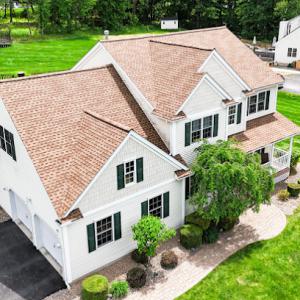
At GKontos Roofing & Exterior Specialists, we have been dedicated to providing exceptional roofing solutions to The Hudson Valley and Westchester areas since 2005. Our experienced team offers a wide range of services, including roof repair, replacement, and maintenance. We are GAF Certified Master Elite roofing contractors, offer free estimates, and provide 0% financing options. We understand the time and thought that goes into making investments in your home. We strive to provide the best customer service and ensure a stress-free experience from start to finish. With a focus on quality workmanship and superior materials, we deliver long-lasting and durable roofing systems that protect your home for years to come.
J&J Roofing & Construction
Serving
5.0 from 4 reviews
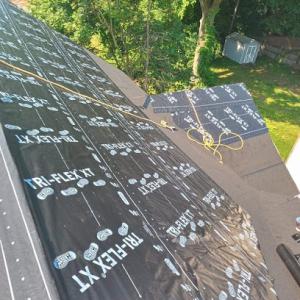
We provide the best roofing installation around the area and we give FREE ESTIMATES
P J Exteriors
(845) 463-2220 www.pjexteriors.com
Serving
4.9 from 38 reviews
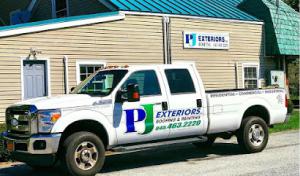
PJ Exteriors has offered commercial, residential, and industrial roofing services for over 50 years in the Dutchess, Ulster, & Orange County regions. Call the roofing experts at PJ Exteriors inc. for reliable and trusted roofing services. We offer 24/7 emergency repair services.
Roofing Experts Hyde Park
(845) 447-0344 roofingcontractor-hydeparkny.com
Serving
5.0 from 42 reviews
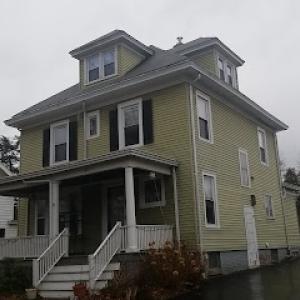
Roofing Experts Hyde Park is your trusted local roofing contractor in Hyde Park, NY. We specialize in high-quality roof repair, roof replacement, and new roof installation services for residential and commercial properties. Whether you're dealing with storm damage, aging shingles, or planning a full roof upgrade, our experienced team delivers reliable craftsmanship and long-lasting results. We use premium materials and offer tailored solutions to fit your budget and needs. With a commitment to excellence and customer satisfaction, Roofing Experts Hyde Park ensures your home or business is protected year-round. Call today for a free estimate!
Vanguard Roofing
(845) 298-2926 www.vanguardroofing.com
Serving
4.8 from 38 reviews
Vanguard Roofing offers exclusive commercial and industrial roofing services to businesses across various sectors. We specialize in single-ply roofing, coatings, metal roofing, slate and shingle systems, retrofits and repairs, restorations and replacements, and new construction projects. Our comprehensive B2B offerings include installing and maintaining EPDM, PVC, shingle, and metal roofing systems. We also provide specialized services such as commercial snow removal for flat roofs and installation of roof accessories, including roof hatches, & safety rails. With over 50 years of experience, our family-owned company is built on client satisfaction and delivers unparalleled roofing services with industry-leading business practices.

Home Evolution Roofing
(845) 466-7663 www.homeevolution.net
Serving
5.0 from 101 reviews
Why would you choose anyone other than the #RoofExperts for your Roofing needs? As the #1 preferred roofing contractor in the Capital District, you can expect Home Evolution to offer home owners with the highest quality Roofing services at an affordable cost. Home Evolution offers a workmanship warranty with every Roof replacement and also multiple financing options. Home Evolution has a "one project per day" rule, meaning your Roofing project will be our main focus until we are finished. We are known for completing our Roofing projects in one day, leaving your home like we were never there. Don't hesitate, Get your Free Roof Inspection today. (845) 466-ROOF
Roofer of Wappingers Falls
(845) 617-9899 roofingcontractor-wappingersfallsny.com
Serving
5.0 from 13 reviews
Roofer of Wappingers Falls is your premier destination for top-quality roofing services in Wappingers Falls and surrounding areas. With years of experience and a team of skilled professionals, we take pride in delivering exceptional craftsmanship and customer satisfaction. Whether it's roof repairs, installations, or inspections, we've got you covered with reliable solutions. Using only the finest materials and the latest techniques, we ensure long-lasting and durable results for both residential and commercial properties. Trust Roofer of Wappingers Falls to protect your property with a strong and reliable roof. Contact us today for all your roofing needs and experience top-tier service at its best.
Unikorn Construction
(845) 518-4241 www.unikornconstruction.com
Serving
5.0 from 40 reviews
You could buy the best roofing materials out there, but if they’re not installed properly you could be setting yourself up for persistent leaks—and damage to your attic, walls, and even your home’s foundation. To us, installation is everything. We use traditional methods that have been favored by skilled artisans for centuries, but we’re equally interested in modern materials when it comes to installing or restoring your roof—whether it’s metal, slate, or cedar shake. That means no exposed screws, rivets, or caulking and roofs that are Hudson Valley ready! Our Services: • Metal Roofing • Copper Roofing • Cedar Roofing • Zinc Roofing • Metal Wall Panels • Gutters & Down Spouts • Custom Sheet Metal Fabrication • Standing Seam
IBC Roofing Hudson Valley
Serving
5.0 from 36 reviews
Integrity Building Companies NY is a family and locally owned roofing contractor that offers a wide range of services to customers in Poughkeepsie, Duchess County, and Putnam County. Their seasoned team of licensed and insured technicians ensures that every roofing project is carried out safely and with the highest degree of professionalism. The company offers financing plans and warranties, as well as free estimates and same-day emergency services whenever possible. With more than 40 years of combined experience in the industry and a working relationship with all insurance carriers, Integrity Building Companies NY provides total peace of mind to their clients. They’re ready to handle your roofing needs today!
DM Ring Contacting Roofing - Gutters - Siding Installation & Repairs
(845) 803-6010 www.dmringcontracting.com
Serving
4.9 from 84 reviews
When it comes to your home improvement projects, there's nothing more important than trusting your contractor. From clear communication to accurate timelines, it's about knowing what to expect and when to expect it. At DM Ring Contracting, our team is your team. Whether it's a new roof, gutters, we're the team you can trust to deliver on our promises and make every effort to save you time and money along the way. And because we only use the highest quality materials on our jobs, we guarantee exceptional results and complete customer satisfaction. Let us show you why we've been the most trusted contractor in the Tri-State area since 2010.
CT Hunt & Sons Building & Remodeling Specialist
Serving
5.0 from 4 reviews
CT Hunt & Sons: Wappingers Falls, NY experts in roofing, siding, decks, remodeling. Seniors save 10%! Your trusted home transformation specialists.
In this area, typical local pricing runs about $350 to $650 per square for asphalt shingles, $700 to $1100 for metal, $1000 to $1900 for clay tile, $900 to $1500 for concrete tile, $650 to $1000 for wood shingles or shakes, and $500 to $900 for synthetic or composite shingles. Those ranges reflect the region's mix of older homes with varying roof pitches and the added complexity that comes with freeze-thaw cycles and year-round moisture. If a roof already shows widespread moisture damage or signs of ice-dam stress, expect higher costs due to extra underlayment, flashing, and potential sheathing work. When planning, you'll want to compare materials not only on upfront price but also on long-term performance against our winters.
Costs in this area are heavily influenced by scheduling pressure. Many homeowners avoid winter replacement, which compresses late-spring through fall windows into a tight timeframe. That means higher demand on crews, potential premium pricing, and longer lead times for materials and inspections. If your roof is near the end of its life or shows significant ice-dam risk, locking in a replacement date during a shoulder season-late spring or early fall-can help you secure preferred timing and avoid peak-season surcharges. Planning ahead reduces the risk of weather-driven delays that can multiply costs when winter storms arrive suddenly and crews are booked.
Poughkeepsie's freeze-thaw cycle heightens the importance of proper venting and flashing. Roofs that lack adequate intake and exhaust vents can trap moisture and heat, accelerating ice dam formation and damage to shingles, underlayment, and rafters. When you're budgeting, expect that some projects will require enhanced ventilation work, possible ridge or soffit alterations, and upgraded flashing around chimneys and vents. These items add to the overall price beyond the material itself but are crucial in reducing future moisture-related repairs. If a contractor identifies damaged decking or compromised underlayment caused by ice dams, factor in replacement costs for those components as well.
For asphalt shingles, cost guidance sits in the mid-to-upper end of the range in many Poughkeepsie projects, particularly on steeper pitches or roofs with many dormers. Metal roofs, while pricier upfront, can offer better resistance to winter moisture and longer service life, which may balance the initial investment over time. Clay and concrete tiles perform well in dry seasons but can be heavier and require structural considerations; verify framing and deck support to avoid surprises. Wood shingles or shakes carry aesthetic appeal but may demand more maintenance in damp climates. Synthetic or composite shingles provide a middle-ground option with decent moisture resistance and generally easier installation in tight schedules. When evaluating bids, ask for a breakdown that separates material costs, ventilation work, flashing, deck or underlayment replacement, and any necessary scuppers or gutter integration. This clarity helps compare apples to apples in a market known for tight windows and variable lead times.
To minimize cost surprises, obtain multiple written estimates and ask each contractor to provide a detailed scope, including whether they'll address potential moisture exposure around eaves and vents. Check the anticipated sequence: removing old shingles, inspecting decking for rot, upgrading underlayment for moisture management, installing correct ventilation, and finally laying the chosen shingles with proper flashing at all penetrations. Clarify what materials will be used for ice dam protection, such as high-grade underlayment and metal or sealed flashing where valleys and transitions occur. If possible, schedule estimates during a non-peak season to gauge pricing and availability, and request a clear timeline that accounts for weather contingencies typical to this region.
Don't let upfront costs delay a critical repair - these contractors offer payment plans to fit your budget.
Lyndsey Roofing
(845) 849-1641 lyndseyroofing.com
29 Firemens Way, Poughkeepsie, New York
4.9 from 83 reviews
GKontos Roofing & Exterior Specialists
(845) 593-8152 www.gkontosinc.com
104 Noxon Rd, Poughkeepsie, New York
4.9 from 117 reviews

In this city, a full roof replacement is treated as a formal project rather than routine maintenance. That means the building department reviews the plan to ensure venting, flashing, and moisture management meet current codes, especially given the winter freeze-thaw cycles that shape Poughkeepsie roofs. Before any shingles come off or a nail is driven, you or your contractor should submit a permit package to the City Building Department. The permit signals that the work will be performed to code and under inspection, reducing the risk of hidden issues that can lead to ice dams or progressive moisture damage later. Expect the process to begin well before material orders are finalized, since the city uses the plan to confirm you have appropriate ventilation, proper flashing at tricky terminations, and a drainage strategy aligned with local snow loads and climate.
Applications typically require a clear project scope, a sequence of work, and contractor details. A thorough plan helps the inspectors verify that vent paths are preserved or properly relocated if roof lines change, that eave and rake ventilation will meet under-deck conditions, and that any existing chimney, vent stacks, or skylights will be re-flashed to prevent leaks. If the project involves structural changes or alterations to existing venting configurations, plan review may be triggered. In practice, this means your contractor should present a detailed roof diagram showing attic ventilation strategy, exhaust and intake pathways, and a method for managing condensation and melt water during and after installation. In neighborhoods with older homes, plan review helps ensure retrofit work dovetails with the building's original framing and insulation envelope, which is key to controlling moisture and reducing ice dam risk.
Inspections are scheduled in stages-often during major milestones and at completion. The city typically checks that venting remains adequate after the roof deck is opened and before shingles are secured, and that flashing around chimneys, skylights, solar penetrations, and along perimeters is continuous and properly layered to shed water toward the gutters. A final inspection confirms that the overall installation complies with applicable code provisions, including eave/soffit venting, roof-to-wall flashing, and proper attic ventilation balance. For projects involving venting alterations, inspectors may review the proposed changes against the building's insulation and vapor barrier strategy to avoid new moisture pathways. If any deviations from the approved plan are necessary-such as adjusting a ridge vent height or relocating a roof boot-arrange a quick plan revision or a supplemental inspection to maintain compliance and keep the project moving smoothly.
Coordinate closely with the contractor to align the permit timeline with material lead times and weather windows. Ensure the contract lists who is responsible for submitting permit amendments if scope shifts occur. If inspection day approaches, have access to attic spaces for inspection of ventilation and any attic-related penetrations. Understanding that the city emphasizes venting, flashing, and code compliance helps set expectations for documentation, timely inspections, and a smoother path to a durable, moisture-resilient roof.
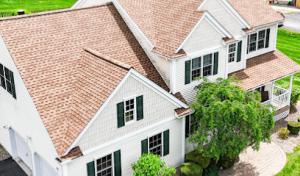
Asphalt shingles are a dominant choice locally because they fit the city's large re-roofing market and the practical budgets common in older residential neighborhoods. When the winter cycles bring freeze-thaw stress and extra moisture, asphalt still offers solid performance with proper underlayment and venting. Look for a shingle with good infrared and wind resistance, and plan for extra attic insulation and a tight hip-and-valley layout to reduce ice dam risk. Local crews know how to handle common roof lines found on aging capes and colonials, so choose a product with a warranty that covers hail exposure and moisture resistance in widely varying conditions. For installations, prioritize a system approach: continuous underlayment, correct nailing pattern, and attention to flashing at chimneys and roof-to-wall joints, since venting and flashing are closely scrutinized during work in this area.
Metal roofing has a meaningful local specialist presence and is often considered by homeowners looking for better snow shedding and durability through Hudson Valley winters. Metal panels can outperform in freeze-thaw cycles, and standing-seam designs minimize leaks where slate-like ice can form along eaves. In practice, metal often requires precise flashing details at penetrations and along roof-to-wall transitions to keep moisture moving in the right direction. Local installers familiar with long-span substrates and existing roof decks tend to deliver the best results, especially on steeper pitches or long, single-span runs common in newer bungalows and mid-century homes. Consider heat tape compatibility on valley or gutter runs to prevent ice buildup, and verify compatibility with cedar siding or trim material that might react to rapid temperature shifts.
Tile, wood, and synthetic products exist in the market but are less prevalent than asphalt and metal, making installer experience more important when those systems are chosen. Clay and concrete tiles can handle moisture well but require careful venting and flashing plans in the valley-and-ridge configurations often seen on local houses. Wood shingles or shakes bring classic aesthetics but need proper protection from moisture and rot, plus meticulous intake ventilation to minimize freeze-thaw damage. Synthetic and composite shingles offer options that mimic traditional looks with added durability, yet performance hinges on precise installation and correct integration with flashing and attic ventilation. In all cases, the installer's familiarity with Poughkeepsie's winter patterns matters as much as the product's rated performance.
The most popular roofing material in the US. Find pros who install, repair, and replace asphalt shingles.
Lyndsey Roofing
(845) 849-1641 lyndseyroofing.com
29 Firemens Way, Poughkeepsie, New York
4.9 from 83 reviews
DM Ring Contacting Roofing - Gutters - Siding Installation & Repairs
(845) 803-6010 www.dmringcontracting.com
Serving
4.9 from 84 reviews
The warm, humid summers plus year-round rainfall mean roofs endure moisture in every season, not a single dry installation window. In Poughkeepsie, shingles and underlayment can soften more quickly under long sun exposure, then seize up when cool nights hit. Plan for moisture management from the start: check decking for pre-existing water damage, allow for thorough drying between events, and use breathable underlayment that sheds water without trapping interior moisture. Concrete and clay tiles need solid decks beneath them to resist micro-cracking from freeze-thaw cycles, so confirm decking integrity before replacing a roof. If ventilation is marginal, condensation can creep into attic spaces, accelerating both mold risk and wear on sheathing.
Spring storms and heavier Hudson Valley rainfall can interrupt tear-off schedules, leaving exposed decking vulnerable if projects aren't tightly staged. When rain is likely, crews should secure open eaves and cover exposed areas with protective tarps, then resume promptly when skies clear. Staging matters: a well-sequenced removal and installation reduces the time decking spends exposed, which helps prevent water intrusion and reduces the chance of wind-driven moisture getting under new materials. Schedule a window with dry, moderate days when possible, and have a contingency plan for rescheduling without extended exposure.
Summer heat and humidity affect installation timing, especially on dark roofs that absorb more heat. On long multi-day projects, consider the heat load: plan for shorter work sessions on peak sun, use reflective gear and breathable clothing for crews, and secure fasteners and adhesives at appropriate temperatures to avoid warping or improper sealing. Dark roof surfaces can heat the attic quickly, so ensure continuous ventilation during installation to mitigate rapid interior humidity buildup and to protect newly laid flashing and vent joints from thermal stress.
In this climate, small flashing gaps around skylights and chimneys can grow into active leaks fast once the freeze-thaw cycle starts pushing water inward. Local crews know that flashing details are a major quality checkpoint on replacement jobs, and a contractor who skims this step will pay for it when winter hits. Pay close attention to any signs of moisture around penetrations after a thaw or a light snowmelt, and don't assume a cosmetic seal will hold through repeated freezes.
Skylights are convenient, but their flashings are among the first things to fail when temperatures swing from above freezing to below. In homes with multiple layers of roofing or older skylight units, you'll commonly see capillary leaks that travel along the underside of shingles before dripping inside. The Hudson Valley's moisture pattern means even small daytime thaws followed by nightly freezes can widen seams, so a properly flashed skylight installation is essential. If you notice condensation or damp spots near skylights after storms, treat it as a warning bell rather than a cosmetic issue.
Chimneys concentrate a lot of venting work in one spot, and the surrounding flashing bears the brunt of moisture movement. Local contractors see repeated leak areas at chimney-to-roof joints, especially where the masonry meets the roof line. Freeze-thaw cycles can pry apart sealant and shingle laps, turning a slow seep into a noticeable drip. Regular inspection around chimney crickets, step flashing, and counter-flashing, particularly after heavy rains or large temperature swings, helps prevent winter leaks from taking hold.
During dry spells, walk the roof edge and around penetrations from a safe spot. Look for loose shingle tabs, lifted flashing, or dark streaks that indicate moisture intrusion. If anything looks suspect, schedule a targeted inspection focused on skylights, chimneys, and adjacent flashing before the next winter lull. In this climate, small issues grow quickly when the temperature pendulates between freeze and thaw.
Find contractors experienced in skylight installation, flashing, and leak repairs to bring natural light into your home.
Lyndsey Roofing
(845) 849-1641 lyndseyroofing.com
29 Firemens Way, Poughkeepsie, New York
4.9 from 83 reviews
GKontos Roofing & Exterior Specialists
(845) 593-8152 www.gkontosinc.com
104 Noxon Rd, Poughkeepsie, New York
4.9 from 117 reviews
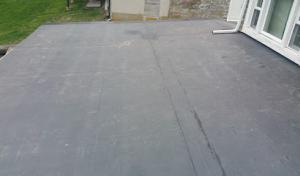
In this climate, flat and low-slope portions are more than just a simple add-on to a pitched roof. They sit in a region with frequent freeze-thaw cycles, year-round moisture, and a city-specific emphasis on proper venting and flashing during replacement work. Standing water during rain and snow retention in winter can accelerate deterioration on these areas if the materials or detailing aren't matched to the climate. The mix of residential additions, porches, and occasional small commercial touches in the same neighborhood means you may encounter two or three roof types on a single property, all requiring coordinated attention.
Low-slope sections are especially susceptible to ice dams when warm attic air meets cold roof surfaces, causing meltwater to refreeze at eaves. In Poughkeepsie's winter pattern, you'll also see more edge-driven moisture intrusion if flashing around vents, skylights, and transitions isn't continuous and high-quality. On mixed rooflines, improper transitions between steep and low-slope sections create weak links where wind-driven rain can pool or back-siphon under flashing. Expect faster wear at penetrations, step and counter-flashing joints, and at the interface where old and new roofing meet existing structures like porches or additions.
When planning a replacement, you'll want a cohesive detail plan that treats the low-slope area and the steep portions as two connected systems rather than isolated problems. Ensure the chosen materials for the flat sections drain toward properly integrated downspouts or scuppers, and pair them with a compatible membrane and flashing system that can bridge transitions smoothly. For homes with both roof types, insist on a single, thorough inspection of all penetrations, seams, and edge details, so the scope avoids gaps that could compromise moisture management. A thoughtful layout reduces ongoing maintenance and helps your roof perform through Poughkeepsie's winter and wet seasons.
Find specialists in TPO, EPDM, and built-up flat roofing systems for residential and commercial properties.
Lyndsey Roofing
(845) 849-1641 lyndseyroofing.com
29 Firemens Way, Poughkeepsie, New York
4.9 from 83 reviews
In this market, long-established crews with solid track records and quick response times are common. Homeowners value a company that can consistently show up, do the job right, and stand by it if a freeze-thaw cycle or moisture issue surfaces after a storm. When evaluating options, prioritize crews with a proven history of on-time starts, clear communication, and reliable follow-through on post-work concerns.
A dependable warranty in this climate should cover both materials and workmanship for a meaningful period. Look for explicit coverage of workmanship defects, flashing and venting integrity, and protection against moisture intrusion caused by installation errors. Pay attention to exclusions, maintenance requirements, and how weather-related failures are handled after a claim. A strong warranty also outlines who handles warranty work and the expected turnaround time for service calls.
An established crew is more likely to have the worn-in processes needed for accurate venting, flashing, and ice-dam mitigation. Ask for references from recent replacements, especially on homes with similar roof types and exposure. Check how the company manages scheduling, site communication, and after-hours responsiveness. A crew with a steady crew lead and trained helpers tends to reduce call-backs and mistakes for busy, occupied jobs.
Cleanup is a repeated local selling point, so verify that daily trash removal, tarp protection, and careful debris management are standard practice on occupied residences. Confirm containment measures to protect landscaping, driveways, and HVAC intakes during replacement. A reputable crew will review cleanup expectations before work begins and document any site-specific concerns to minimize disruption.
Ask what post-install follow-up they provide, how they document warranty coverage, and who to contact for future weather-related concerns. In a market where reliability and execution speed matter, a contractor's ability to back up promises with prompt service and thorough cleanups often matters more than novelty.