
Last updated: Apr 19, 2026
Spring storms and hail are a recurring roofing trigger in this area, and summer afternoon thunderstorms can turn small flashing or shingle issues into active leaks quickly. If you hear a rapid drip inside after a thunderstorm, or notice discoloration framing a light spot, treat it as urgent. Do not delay a basic inspection of attic vents, flashing around dormers, and the valley seams. In the days after a storm, inspect for lifted shingles, granule loss in gutters, or a wavy roof line, and document anything unusual with clear photos from multiple angles. If rain is forecast, prepare temporary protection-tarps or boards under any open penetrations-to minimize interior damage while you arrange a professional assessment.
Western North Carolina insurers commonly ask for roof age, photos, and prior invoices after severe weather, so Candler homeowners benefit from keeping dated documentation before storm season. Create a simple file with: roof age if known, recent maintenance notes, and dated photos showing the roof from at least two sides. Place a quick video walk-through on your phone, narrating each area you review. Save all receipts for temporary repairs, and note any prior leaks or repairs that could affect a claim. This baseline helps when a claims adjuster arrives and makes the process smoother rather than scrambling mid-emergency.
Because local contractor signals strongly cluster around storm damage, insurance claims, and emergency repair, homeowners in Candler are likely to encounter many roofers marketing post-storm inspections and claim assistance after regional weather events. If a crew arrives offering a full "storm inspection" with rapid written estimates on the spot, pause to verify licensing, proof of insurance, and a written scope of work. Ask for references from nearby roofs with similar damage, and request a no-pressure second opinion from a local, well-known company that can be trusted to handle insurance documentation accurately. Local teams know how carriers evaluate hail-hit roofs and can guide you toward documentation that resists claim friction.
When you file, present the documented photos, roof age information, and any invoices for prior repairs. Be explicit about the first visible damage from the ground, attic signs of water intrusion, and any interior staining you've observed. Keep communications in writing when possible, and note the date and time of every call or message. If a contractor offers to "handle the claim," insist on transparency: you want a detailed, itemized scope of work, a comparison of materials, and a clear schedule. In moments of doubt, seek a second opinion from a local roofer who understands how Western North Carolina insurers review storm-related damage and what constitutes an emergency repair versus a full replacement.
Find local contractors experienced in assessing and restoring roofs after hail, wind, and severe weather events.
Jd's Roofing & Repair
(828) 301-7912 www.jdsroofingandrepair.com
Ridge Rd, Candler, North Carolina
4.9 from 83 reviews
Jd's Roofing & Repair
(828) 301-7912 www.jdsroofingandrepair.com
Ridge Rd, Candler, North Carolina
4.9 from 83 reviews
We do all types of roofing. Shingles, metal, slate, copper and flat roofing, We also do semi trailer/RV roof coatings
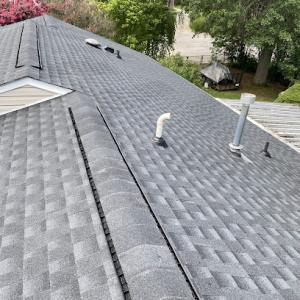
Lance Roofing
16 Calabash Ln, Candler, North Carolina
5.0 from 7 reviews
Lance Roofing offers reliable roof services in Candler, NC. With years of experience, our roofing contractors are committed to ensuring that your project is completed according to your specifications. You can trust that we will stay on schedule and within budget.
Secure Roofing
(828) 820-7662 secureroofingwnc.com
Serving
5.0 from 118 reviews
Our team focuses on communicating clearly with clients so we can really understand their needs, which then allows us to offer the best roofing services for their situation. We also take steps to equip and train our team to implement a wide range of roofing, gutter, and siding solutions. Secure Roofing works hard to build this kind of relationship through every service request, whether it’s a small residential or large commercial roofing project. We also encourage you to reach out to us to learn more about our services, guarantees and our process.
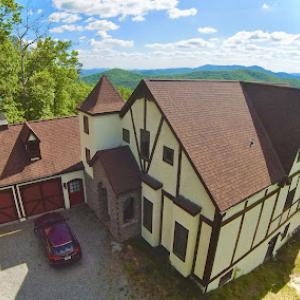
Drew Renovation
(828) 774-6941 drewrenovation.com
Serving
4.9 from 77 reviews
At Drew Renovation, we are your trusted roofing company in Asheville, NC, offering a wide range of exterior home services to protect and enhance your property. Whether you need a roof replacement, gutter installation, or skylight repair, our skilled team delivers quality craftsmanship and exceptional customer care. We proudly serve homeowners in Asheville, including Woodfin, Weaverville, Fletcher, Bent Creek, and Woodside Hills, ensuring their homes are safe and stylish year-round. Our services cater to your specific needs, from storm damage repairs to full renovations. Your satisfaction is our priority—let us help you realize your exterior vision. Call now for your free estimate with Asheville’s local roofing experts!
Guardian Home Pro
(828) 338-2510 guardianhomepro.com
Serving
4.8 from 91 reviews
We specialize in these home exteriors: 🔨 Roofing & Seamless Gutters (with Guards) 🏠 Siding & Window Replacement serving the Greater Asheville, NC; Charlotte, NC; Greenville, SC; & Atlanta, GA markets with friendly local crews. Looking for a skilled specialty contractor & local team of professionals who will handle your home’s roofing, gutter, siding & window replacement needs? You have found the right company of PROS who actually care! 🏠 At Guardian Home PRO,, we combine decades of construction experience with a commitment to integrity & clear communication to achieve your goals. We offer custom home building and remodeling in the greater Asheville, NC market.
John McClung Roofing
(828) 658-5646 www.johnmcclungroofing.com
Serving
4.8 from 259 reviews
John McClung Roofing is a local, family-owned roofing company that has been serving the Asheville area since 2004. They specialize in shingle and metal roof replacements, repairs, inspections, and maintenance for residential and commercial properties. John McClung Roofing is known for their quality work, high integrity, competitive prices, excellent customer service, and community involvement and have won accolades like "Best of Asheville" and "Best of WNC"! John McClung Roofing is big enough to take care of your problem, but small enough to care about YOU and not just numbers! Whether you need an entire roof replacement, or just a small repair, when it comes to your roofing needs, WE'VE GOT YA COVERED! Your roof is our reputation!
Consolidated Roofing Contractors
(828) 305-7285 hudginsroofing.net
Serving
4.9 from 76 reviews
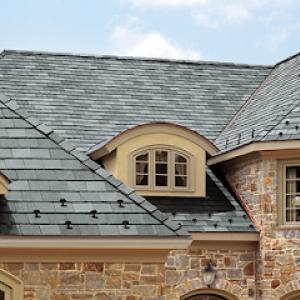
Consolidated Roofing Contractors, Inc. Formerly known as "Hudgins Roofing" provides Shingles, Metal Roofing, Repairs in the area NC 28748
Pisgah Roofing & Restoration
(828) 547-4915 pisgahroofingandrestoration.com
Serving
4.7 from 560 reviews
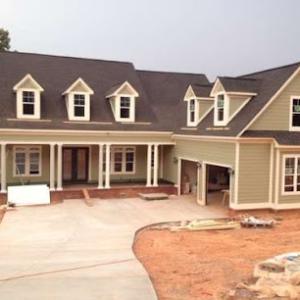
When roofing issues strike, getting expert help can save you time, protect your property, and restore your peace of mind. Pisgah Roofing is a premium choice for roofing services in Asheville, NC, and it surrounding areas, such as roof repairs, roof inspections and maintenance, roof installation and replacement, many more. At Pisgah Roofing, every project is important to us. We take your convenience and safety seriously, focusing on high-quality replacements and repairs. When you need roofing services in Western North Carolina, our team is ready to assist. Our team of professionals is happy to assist with residential and commercial properties! Contact us today to get a free quote!

Best Choice Roofing
(828) 532-3044 bestchoiceroofing.com
Serving
4.5 from 197 reviews
Best Choice Roofing is your trusted roofing expert and the Best Choice when it comes to choosing a roofing company with a commitment to impeccable customer service in the Asheville, NC area. In business since 2009, Best Choice Roofing’s industry-leading contributions to the roofing industry include a customer-first mentality, a dedication to top-quality products and a leadership team focused on the growth of its people. Because of this framework, we have created a loyal base of customers all over the United States.
Elite Roof & Solar - Asheville
(828) 333-4818 eliteroofandsolar.com
Serving
5.0 from 81 reviews
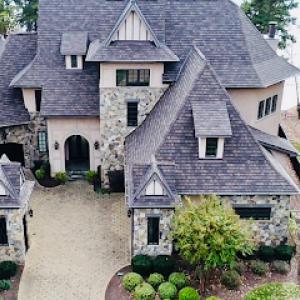
We are the premier Roofing Contractor in Asheville driven to provide exceptional service and workmanship. The Elite Roof and Solar team is driven by a singular purpose – to put a smile on our neighbors’ faces by protecting their families and homes with a safe, beautiful, and innovative roof over their heads. We are a Master Elite GAF contractor and 3-Star President's Club Award Winner (1 of only 2 in NC). We offer free inspections, multiple financing options, & require no down payment. Elite Roof and Solar will serve you in a trustworthy and professional manner ensuring you are happy and secure in your home with an attractive and long-lasting roof. Give us a call to see why over 5,000+ customers have trusted us for their roofing needs.
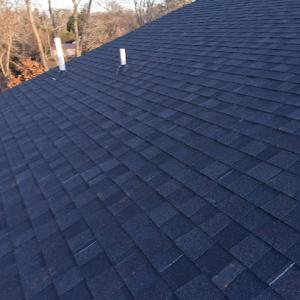
Chris Metal & Shingle Roofing
(828) 593-7088 www.chrismetalandshingleroofingsllc.us
Serving
5.0 from 99 reviews
Established in 1996, Chris Metal and Shingle Roofing has been a trusted leader in residential roofing throughout North Carolina for decades. Specializing in both durable metal and traditional shingle roofing, their expert team provides a full range of services, including meticulous replacements, timely repairs, thorough inspections, and proactive maintenance. Committed to exceptional workmanship and premium materials, they ensure every home receives a long-lasting, reliable roofing solution designed to protect your investment and give you peace of mind.
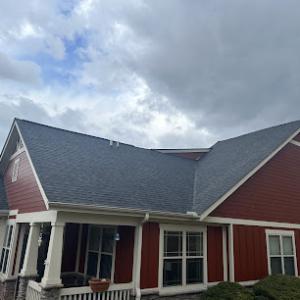
Black Bear Roofing
(828) 979-7663 blackbear-roofing.com
Serving
4.7 from 73 reviews
Black Bear Roofing is a trusted local roofer in Asheville, NC, specializing in residential and commercial roofing. We offer roof inspections, repairs, and new roof installations to keep homes and businesses safe. Our experienced team provides high-quality roofing solutions designed for North Carolina’s weather. Whether you need a quick roof repair or a full roof replacement, we’ve got you covered. Call Black Bear Roofing today for expert service you can count on!
In this part of the mountains, replacement timing tends to cluster around spring and fall. You'll notice fewer days split by extreme heat, and more predictable drying conditions. If a storm season pushes rain into late summer, many homeowners wait for the window to calm in spring or late fall, when crews can work steadier and tear-off is less likely to stall from downpours. The goal is to reduce back-and-forth delays after a leak or wind event and to finish before the next round of weather shifts.
Spring brings milder days and longer daylight, which helps with scheduling and drying times after any wind or hail that might have damaged the roof over winter. You'll find that the ground firming up and air becoming less humid in this season helps prevent buckling or muddy work conditions on access routes and drive paths. If a leak showed up from spring storms, you'll want to strike a quick plan to have the underlayment and flashing inspected in the weeks after the first big rain spells. Early coordination with a contractor can prevent small issues from turning into interior damage once you're into the heavier spring rain cycle.
Fall often offers cooler working conditions, which helps crews stay on schedule without overheating on the job. But Buncombe County residents know fall isn't a guarantee of dry weather. Afternoon thunderstorms and occasional delays can slow completion, so building in a little schedule flexibility is essential. If a roof work order slips into late October or early November, the main risk is a harder freeze or early cold snap that can complicate adhesive cures or shingle set. The best approach is to align a fall start with a targeted finish date and buffer two to three days for weather days, especially in weeks with higher rainfall potential.
Hot, humid summers around the area can complicate underlayment handling and daily scheduling. Heat makes asphalt products curl and can shorten the time windows for safe tear-off and secure dry-in. Afternoon thunderstorms can interrupt progress and force temporary tarp placements or re-sealing work that would otherwise have stayed on track. If a storm reloads after a mid-afternoon shower, it's common for crews to pause and wait for a calmer pocket to resume, which means planning for a few contingency days.
If you're targeting a fall installation, pick a window with a few dry weather days back-to-back before the first expected storms. Share a clear plan with your contractor about prioritizing interior protection, leak control, and debris cleanup. Confirm contingency days in the schedule so a late-season shower doesn't derail the project. For homes with steep pitches or multiple roof faces, coordinate access routes and material staging in advance to minimize on-site interruptions during unpredictable mountain weather.
Always pre-plan around weather forecasts and short windows of dry air. Have gutters and downspouts cleared before work starts to reduce water backup. Discuss short-term protective measures for attic spaces if a leak is suspected, and confirm that an experienced crew will manage underlayment and flashing in sequence to prevent return leaks. By aligning projects to spring or fall and building in flexible days for rain, you keep rises in humidity and storm timing from disrupting finish quality.
In long-running Candler neighborhoods, asphalt shingles and metal roofing form the backbone of most homes. Asphalt shingles pair well with the typical rafter spans and venting layouts found on local ranch-style and two-story houses, offering straightforward repairs when spring storms dump fresh moisture. Metal roofing, especially standing-seam or corrugated profiles, is favored on homes needing fast, weather-tight coverage after a wind or hail event. Both options respond well to the mix of humidity and rainfall seen in Buncombe County, provided installation emphasizes quality underlayment, proper nailing patterns, and solid flashing details around chimneys, skylights, and transitions.
Clay tile, concrete tile, and slate appear more selectively in the Candler mix. When a home carries a heavier roof load, or when a project aims for a distinct aesthetic, tile or slate can be attractive-but they come with higher structural and installation demands. Tile systems benefit from reinforced decking and careful integration with gutters and downspouts to manage water shedding during heavy rain. Slate offers longevity but demands meticulous flashing and substrate preparation to handle freeze-thaw cycles. For typical residential framing, these materials require careful assessment of live loads, roof pitch, and local wind considerations before committing.
Synthetic or composite shingles provide a middle ground between the durability of tile and the economy of traditional asphalt. In Candler, these products can offer improved impact resistance and dim-inside wind performance, while still accommodating common roof shapes and attic configurations. When choosing composites, consider products with proven performance in humid climates and wildfire risk zones, and verify compatibility with vented attic systems. Proper granule retention and a robust sealant system help resist the rapid moisture cycles that come with spring and summer storms.
Across all materials, flashing integrity is a critical line of defense against spring showers and late-summer downpours. In the mountains, freeze-thaw cycles amplify the consequences of small gaps, making continuous water shedding and flawless transitions essential. Ventilation cannot be an afterthought: adequate intake and exhaust reduce attic condensation, which helps preserve shingles, tiles, or metal panels. Pay particular attention to vent placement around soffits and ridge lines, ensuring that moisture rises and escapes rather than seeping into the attic.
The west-of-Asheville climate exposes roofs to humidity, frequent rainfall, and seasonal temperature swings. Shingles in particular may age faster than in drier areas if ventilation, flashing, and water-shedding systems are neglected. In contrast, metal roofs, when paired with proper underlayment and corrosion-resistant components, can resist wind-driven rain and hail with lower maintenance needs. Regardless of material, the best long-term performance comes from a thoughtful combination of appropriate product choice, precise flashing details, robust ventilation, and careful attention to drip edges and valley configurations.
When a full roof replacement is on the schedule for a property in the unincorporated areas where Candler sits, the process starts with the county's online permitting portal. The permit submission is handled through that same system that handles many residential projects, so you'll upload the plan set, scope of work, and any required notes in one place. In practice, this means your contractor should have the Buncombe County portal login ready and your project details organized before any work begins. After submission, keep an eye on your portal notifications for any missing document requests or clarifications; delays often come from missing site plans or ventilation details. Since many roof jobs here are driven by storm response and leak repair, having a clearly labeled scope and an updated project timeline in the portal helps prevent hold-ups at the counter.
Inspections for roofing work are scheduled through the Buncombe County platform used for permit submissions. Expect to request a roof-only inspection once the roof deck, underlayment, and initial ventilation checks are in place, then a mid-project inspection if local rules call for it, and finally the closeout review. It's typical for the scheduling to follow a logical sequence tied to the installation milestones, so coordinate with your contractor to align those milestones with the portal's suggested inspection dates. If a weather day or supply delay shifts work, update the portal promptly to avoid missed inspection windows, which commonly trigger rebooking and potential delays in closeout.
The final inspection is the key closeout step. Inspectors will verify that the roof installation aligns with code requirements and the permit scope, with particular emphasis on ventilation and flashing details. In Candler's climate, proper attic venting and moisture management matter for long-term performance, so ensure soffit, ridge, or power-vent strategies are correctly installed and documented. Flashing around chimneys, vents, and skylights should be secured and flashed to prevent potential leaks in spring thaws or summer downpours. Have your contractor provide the final as-built notes and any product data sheets for the inspector to review. If the closeout notes raise questions about any detail, address them promptly to avoid a hold at the end of the process.
In this part of Buncombe County, typical local pricing runs about $350 to $600 per square for asphalt shingles, $700 to $1100 for metal, $900 to $1500 for clay tile, $800 to $1300 for concrete tile, $600 to $900 for synthetic or composite shingles, and $1500 to $2600 for slate. Those figures reflect the mix of aging homes and the frequent need for fast response after leaks or storm damage. When talking with contractors, a "square" is 100 square feet of roof, and most estimates are given per square, not per linear foot.
After spring storms, costs can rise as local crews shift to re-roofing and emergency work across Buncombe County. That uptick isn't just about labor hours; it's about material availability and queue times for crews who specialize in steeper pitches, cedar accents, or tile work. If a storm hits and you need a quick turn, expect some premium for expedited scheduling and for removed decking or underlayment repairs that become necessary during moisture-heavy stretches.
Material choice matters more in this market because metal is especially active among local contractors, while tile and slate installations are less common and usually require more specialized labor. Metal roofs can cut installation time and improve wind resistance, but flashing details and insulation requirements still drive total costs. Tile and slate bring distinct longevity but demand careful handling, roof deck prep, and precise underlayment. In practical terms, a tile or slate job often costs more than asphalt or composite, and the lead time to secure a qualified crew can be longer.
If the goal is to match an existing look while staying mindful of storms, asphalt shingles remain the most predictable option, with synthetic/composite offering a middle ground on cost and performance. For homes with steep or complex rooflines, expect higher day rates and potential scaffolding or chutes, which can push totals above the base per-square ranges. Always plan for an extra day or two of weather-related delays that may affect start times in the spring and summer.
For a rapid comparison, think through structure exposure to weather, roof pitch, and whether a metal or tile path makes sense given the home's angles and nearby trees. If a claim is involved after a storm, gather the typical documents: recent roof photos, a concrete estimate of damaged sections, and any prior repair history. Those details help a contractor price correctly and keep the process moving when storms linger.
Don't let upfront costs delay a critical repair - these contractors offer payment plans to fit your budget.
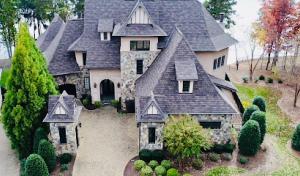
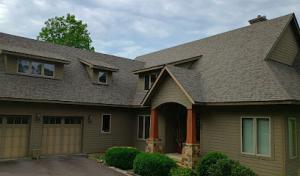
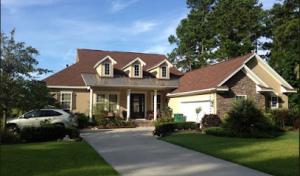
The western North Carolina homeowners insurance market remains generally stable, but carrier review often becomes stricter after severe storms affecting Buncombe County and nearby areas. That means a storm-related claim might draw closer scrutiny than a routine repair, and delays can happen if the insurer questions the cause or extent of damage. In this climate, having a calm, well-documented claim process helps reduce surprises when an adjuster arrives.
For claims, adjusters commonly review roof age, condition photos, and contractor invoices closely rather than relying only on a homeowner description of damage. Photos should show the roof from multiple angles, including close-ups of lifted shingles, granule loss, and any interior signs of leaks near ceilings or attic spaces. If a contractor has performed recent work, keep invoices and a brief scope of what was done. A well-organized packet that ties the visible issues to specific components-shingles, flashing, underlayment-speeds the process and helps prevent back-and-forth questions that waste time after a storm event.
Because insurer practices can tighten after major events even without a broad market pullback, Candler homeowners should document maintenance and prior repairs before filing a claim. Gather a concise record of past roof work, attic ventilation checks, and any known preexisting issues. When storms strike, you'll want a consistent timeline: original roof age, last major repair, recent weather-driven damage, and the sequence of events that led to leaks or interior staining. Keeping a simple, dated log and preserving weather reports or local storm advisories can provide valuable context if a claim is questioned weeks later.
After a notable weather event, photograph all affected areas promptly, including exterior roof surfaces and any interior water intrusion paths. Contact a reputable local contractor to obtain a written estimate or scope of repair, and ask them to document existing damage as part of their assessment. If the insurer requests additional information, respond quickly with the organized packet you prepared (photos, invoices, maintenance history) to minimize delays and preserve your leverage during the adjustment process.
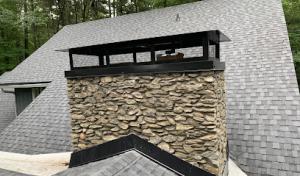
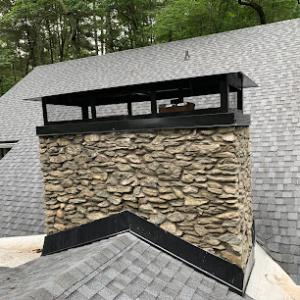
Homeowners in Buncombe County's mountain climate see leaks most often where penetrations meet the roof deck. The chimney transition is a frequent trouble spot, especially where mortar joints and flashing have aged or shifted with freeze-thaw cycles and heavy spring rains. Skylights sit on a narrow line between curb or curbless setups and the field of shingles, making their seals and flashings prime failure points after a wet season. In this market, those two areas-chimneys and skylights-stand out as the most camera-ready pages for local contractors, and small failures there quickly grow into noticeable drips.
Flashing around chimneys and skylights can degrade quietly, then surprise you during the first strong rain after a humid period. Look for lifted shingles at the base of the chimney, white mineral staining on interior ceilings, or staining along crown molding near a skylight. The repeated exposure to frequent rainfall in this district makes even minor gaps become persistent leaks. Pay attention to any dark streaks that trace along interior walls from a ceiling joint near a roof line; that pattern often points to a compromised flashing detail rather than a broad roof fail.
Locally, quick-response service is a hallmark. When you spot a leak, prioritize containment first: place a bucket under the drip, cover exposed penetrations with a temporary tarp, and minimize attic traffic around the area to prevent further water intrusion. If you notice persistent dampness after a storm, document the drip pattern with photos and notes for the contractor. A timely call to a local roofer who can seal the active intrusion while planning a proper flashing renewal around the chimney or skylight often saves further interior damage. Keep these points in mind as you coordinate repairs, especially after spring and summer weather events.
Find contractors experienced in skylight installation, flashing, and leak repairs to bring natural light into your home.
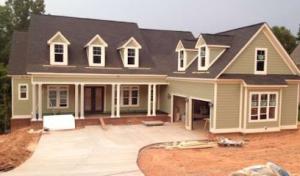
Pisgah Roofing & Restoration
(828) 547-4915 pisgahroofingandrestoration.com
Serving
4.7 from 560 reviews
Although Candler is primarily a residential re-roofing market, local contractor signals also show a smaller but real presence of flat-roof and coating specialists serving low-slope sections and nearby commercial properties. This mix means you may encounter a broader range of products and workmanship approaches than in a strictly steep-slope neighborhood. Understanding who handles flat or low-slope work in your area helps you match projects to the right specialist, whether you're updating a porch roof, sunroom, or a low-slope addition.
Frequent rainfall in the area makes drainage performance and seam integrity especially important on low-slope roofs. When selecting a system, prioritize components that minimize ponding and ensure reliable seal transitions at hips, valleys, and edges. Look for warranties that cover insulation protection and surface coatings in damp conditions, and ask about how they manage debris buildup at drip edges and around scuppers. Regularly check for vegetation growth or debris near any drainage outlets, since even small blockages can lead to leaks on slick, low-slope decks or porches.
Because commercial and residential service both appear in the local market, some homeowners with porches, additions, or low-slope sections may need a contractor comfortable with mixed roof geometries. A seasoned low-slope professional in this area will be able to adapt flashing details to transitions between steeper main roofs and flatter sections without creating cold leads or differential movement problems. Confirm that the crew can coordinate transitions between different roof planes, angles, and materials to maintain a cohesive water barrier.
Low-slope systems benefit from a proactive maintenance plan keyed to a mountain climate. Plan for semiannual inspections that focus on seam integrity, edge metal, and coatings that resist algae and moss. In this market, quick response to small leaks-especially after storms-can prevent larger damage. Keep a simple record of roof surface ages, patch histories, and any coating reapplications to guide upcoming service and to support insurance documentation if a leak event occurs.
Find specialists in TPO, EPDM, and built-up flat roofing systems for residential and commercial properties.
Jd's Roofing & Repair
(828) 301-7912 www.jdsroofingandrepair.com
Ridge Rd, Candler, North Carolina
4.9 from 83 reviews
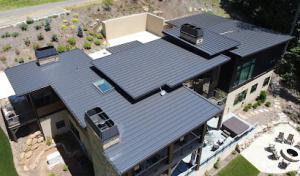
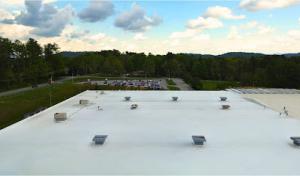
WNC Roofing - Commercial & Industrial Roofing Contractors
Serving
4.8 from 99 reviews
Cleanup after tear-off is a strong local hiring signal in Candler, reflecting homeowners who pay close attention to debris removal and site condition. A clean job site isn't just tidiness; it reduces the risk of trips, nails, and hidden debris that can show up days later on a lawn or driveway. When a crew emphasizes thorough cleanup, it often correlates with tighter communication, quicker follow-up, and a steadier workflow during storm-response scenarios. If cleanup is lax, it can foreshadow delays in addressing leaks or missing patches after a storm event.
Warranty offerings appear in the market, but they are less prevalent than storm and repair services in this area. You will encounter both workmanship and manufacturer coverage, but expect variability in what each covers and for how long. In practice, a strong service-oriented crew will back their own workmanship with a clarifying warranty and will walk you through what the manufacturer warranty covers, especially for roof systems that endure frequent rain, humidity, and temperature swings. In Candler, confirm exactly what is covered for labor, flashing, and rapid leak response, and whether coverage transfers if you sell the home.
The local market includes a mix of long-established, family-owned, and locally owned companies, but those traits are less common than practical service signals like responsiveness and cleanup. In a storm-affected season, prioritize contractors who demonstrate prompt site protection, clear communication about timelines, and a documented plan for debris removal and daily cleanups. If warranty terms feel vague, press for specifics: what triggers coverage, how long the coverage lasts, and what exclusions apply. A reliable contractor will provide written details, not assurances spoken over the phone.