
Last updated: Apr 19, 2026
Arden regularly sees spring hail and heavy rain, plus summer afternoon thunderstorms that can create sudden shingle loss, flashing failures, and active leaks. Those conditions mean a roof can deteriorate quickly after a single event, and the combination of humid air, leaf debris, and quick cooldowns increases the chances of moisture finding gaps. In this part of Buncombe County, storms don't just strike- they cluster, meaning a fast response can prevent further interior damage. The goal is to catch the risk early: identify missing shingles, lifted flashing, and rising water intrusion before interior ceilings and walls absorb that moisture.
North Carolina's wind and hail claim environment means homeowners in Arden should expect insurers to request photo documentation, professional estimates, and adjuster review before approving full replacement. Start gathering clear, dated photos from multiple angles: roof surface, any visible leaks, attic signs of water staining, and damaged gutters or flashing. Include close-ups of curled shingles, missing tabs, or hail pitting. A professional estimate from a licensed roofer helps establish the scope and supports the claim when the insurer reviews structural or attic moisture concerns. Keep a simple event log: dates of the storm, when damage was first noticed, and any temporary repairs performed.
Because storm-driven demand spikes can hit the south Asheville-Arden area at once, emergency tarping and rapid leak stabilization are especially important to prevent interior moisture damage before full repairs are scheduled. If leaks are active, place tarps over damaged roof sections, focusing first on areas with visible daylight or dripping water. Secure tarps properly to prevent further uplift during gusty storms, and inspect nearby gutters for blockages that can worsen water backup. If attic insulation shows moisture or visible brown staining, note the time and date and avoid delaying professional assessment. Quick stabilization buys you time and reduces the risk of mold, warped ceilings, and costly interior repairs.
When a claim is opened, expect the adjuster to review the storm's impact on both roof and flashing systems. Insurers want documentation of shingle loss, flashing or boot failures, and any interior damage traceable to the storm event. A detailed, professional estimate helps anchor the repair plan, while photos from the roof and attic support the severity of the damage. Be prepared to demonstrate that temporary measures were taken to mitigate further harm. Timely communication matters: respond quickly to requests for information, and maintain copies of all correspondence, estimates, and invoices. If multiple storms hit in a short window, coordinate with the insurer to establish a prioritized sequence for emergency stabilization and permanent repairs.
After the immediate claim work, focus on durable fixes that withstand Arden's storm cycles. Reinforce improper flashing sleeves, consider higher-grade underlayment in leaks-prone valleys, and address leaf accumulation near vents and edge details that corrode flashing over time. Schedule a thorough roof inspection after the weather subsides to verify there are no latent issues that could re-emerge with the next round of storms. If moisture problems recur, line up a plan with a trusted local roofer to re-secure flashing, reseal penetrations, and upgrade vulnerable sections before the next hail season. Maintaining proactive communication with your insurer, keeping meticulous records, and moving quickly on stabilization will minimize risk and protect interior spaces when storms return.
Find local contractors experienced in assessing and restoring roofs after hail, wind, and severe weather events.
Mountain Laurel Roofing
(828) 329-4358 www.mountainlaurelroofing.com
187 Locust Ct, Arden, North Carolina
5.0 from 20 reviews
Integrity Roofing
(828) 448-0855 integrityroofingnc.com
44 Buck Shoals Rd #301, Arden, North Carolina
5.0 from 18 reviews
American Roofing Company
6 Celtic Dr, Arden, North Carolina
4.2 from 11 reviews
Mountain Laurel Roofing
(828) 329-4358 www.mountainlaurelroofing.com
187 Locust Ct, Arden, North Carolina
5.0 from 20 reviews
“It is our mission to create sustainable projects alongside our entities on your behalf. To execute projects with grace & goodwill in order to preserve the integrity of your investments.” -MLR
Integrity Roofing
(828) 448-0855 integrityroofingnc.com
44 Buck Shoals Rd #301, Arden, North Carolina
5.0 from 18 reviews
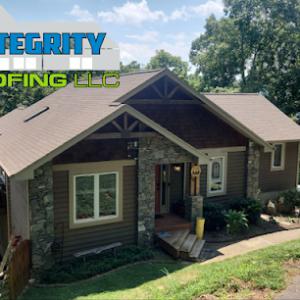
The roofing contractors of Integrity Roofing, LLC are your number one choice for all of your roofing needs in the Arden-Asheville, NC area. We will happily repair or replace the roof of your home or business, install and maintain your home's gutters, and work with your insurance to help pay for the work that needs to be done. Every job starts with a free roof inspection. Our Arden-Asheville office is by appointment only. Call our team today!
Alpha Construction
(888) 839-2988 www.alphaconstructionnc.com
90 Old Shoals Rd suite 104, Arden, North Carolina
4.4 from 14 reviews
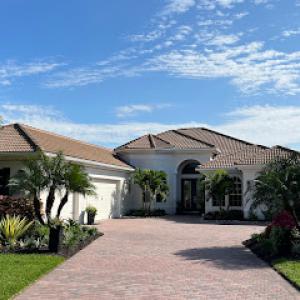
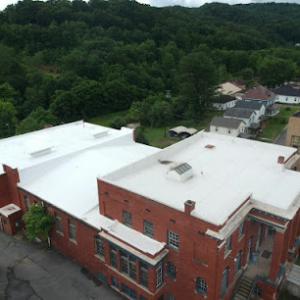
A family-run total roof replacement business featuring reflective and durable single-ply membranes, metal roofing, and shingles. Certified HVAC service and installation services available.
The Mad Roofer
3871 A Sweeten Creek Rd, Arden, North Carolina
4.0 from 20 reviews
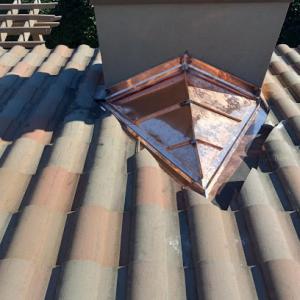
We offer commercial and residential Roofing & guttering services. We have a showroom and a full service sheet metal shop. We have been in business since November 1996.
American Roofing Company
6 Celtic Dr, Arden, North Carolina
4.2 from 11 reviews
American Roofing Company is your trusted roofing contractor serving the Southeastern U.S. since 2009. We specialize in Residential and Commercial Roofing, Roof Replacement, Inspections, and Storm or Emergency Repairs. Our services include shingle, metal, TPO, EPDM, and coating roofs. We’re proud to use top brands like GAF, CertainTeed, Owens Corning, and Atlas, backed by robust warranties and our 100% Leak-Free Guarantee. We offer free inspections, insurance claim assistance, and flexible financing. Call today for a free estimate and see why customers trust American Roofing Company!
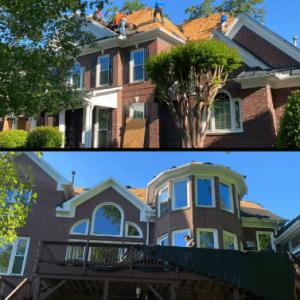
Southern Star Roofing Asheville NC
(828) 844-7663 southernstarroofing.com
Serving
5.0 from 39 reviews
We are a local Asheville, NC roofing company providing high quality and affordable roofing services. We specialize in roof installations, repairs, full roof replacements, and inspections. Located in Charlotte, NC since 2010 and with local offices in Asheville, NC and Greenville, SC we are here to service your roof and be your top choice for a roofing company. We are fully licensed and insured. Contact us today for a free roof inspection and free estimate. Charlotte, NC call 704-YES-ROOF Asheville, NC call 828-844-ROOF Greenville, SC call 864-866-ROOF
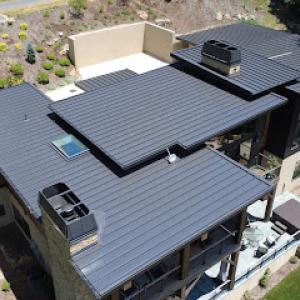
Ridge Roofing
(828) 335-7663 ridge-roofing.com
Serving
5.0 from 238 reviews
Ridge Roofing specializes in providing exceptional roofing services tailored to meet the unique needs of each client. With a team of experienced professionals, we prioritize quality, safety, and customer satisfaction. Whether it's installation, repair, or maintenance, our solutions are designed to be durable and efficient. We are committed to using premium materials that guarantee long-lasting results. Ridge Roofing stands out for its dedication to excellence, transparency in communication, and a customer-first approach. Trust us to protect your home with the care and expertise it deserves.
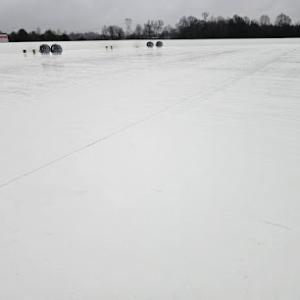
Grier Roofing
(828) 214-0391 grierroofing.com
Serving
4.9 from 10 reviews
Grier Roofing is a trusted roofing contractor serving Asheville, NC and surrounding areas dedicated to providing exceptional roofing solutions for residential and commercial properties. With a commitment to quality craftsmanship and customer satisfaction, we offer a comprehensive range of services, including roof installation, repair, and maintenance. Our team of skilled professionals uses only the highest quality materials to ensure lasting durability and protection. Whether you need a new roof or repairs to an existing one, we tailor our services to meet your specific needs and budget. Choose Grier Roofing for reliable, efficient, and expert service that stands the test of time. Your roof is our reputation!
Lane Roofing & Restoration
(828) 490-1830 laneroofingasheville.com
Serving
5.0 from 247 reviews
Local Asheville roofing representative specializing in roof repair and replacement. Free Initial consultation with roof and gutter assessment. We Install Metal Roofs and all types of commercial roofing.
RJ Roofing of WNC
(828) 702-2768 rjroofingwnc.com
Serving
4.9 from 29 reviews
At RJ Roofing, we are committed to providing top-notch roofing services to the residents of Brevard, NC. Our experienced team takes pride in delivering high-quality roof installations, repairs, and maintenance. Trust us with your roofing needs for reliable craftsmanship and exceptional customer service every time.
Baker Home Exteriors
(828) 630-0246 bakerhomeexteriors.com
Serving
4.9 from 214 reviews
Since 1915, Baker Home Exteriors has been the trusted choice for residential roofing and exterior services. As an employee-owned company, we are dedicated to providing the Asheville area with top-tier craftsmanship and reliable service. Our skilled contractors specialize in durable roofing solutions, expert repairs, and storm damage services designed to withstand Western North Carolina's weather. Beyond roofing, we offer comprehensive siding, window, and gutter installations to ensure your home's complete exterior protection. Trust our century-long reputation for quality and dependable service for your next project.
When you're planning roof work after a storm or long-hail season, the clock matters as much as the skill. The foothills of the Blue Ridge shape a rhythm that keeps crews hopping between weather downtimes and windy patches. In Arden, spring and fall are the most workable replacement windows because hot humid summers and regular afternoon storms interrupt tear-offs and installation schedules. The practical takeaway is to target mid-spring or early fall for the bulk of a project, weather permitting, and to schedule front-loads of material handling and tarping during shoulder periods when storms are less likely to disrupt the crew's day. This isn't about chasing perfection; it's about aligning with when the roof can actually move from plan to completion without repeated delays.
Summer heat in the Arden area can soften asphalt materials and force crews to pause during thunderstorms, which affects daily production and material handling. If a storm rolls in, the crew will back off to secure everything and avoid heat-softened shingles fluttering or buckling during fasteners. That means you should expect shorter productive stretches on hot days and a need for clear, closely spaced inspection windows between sessions. Have a plan for daily access: designate a drop-off point for bundles, keep the yard clear of debris that can trip footing on a hot afternoon, and be ready to move vehicles to allow rapid staging. By understanding that heat and storms will interrupt the cadence, you can reduce weeks of idle time by coordinating a tight morning start and a predictable finish window when forecasts show calmer afternoons.
Winter cold snaps and occasional icing in Buncombe County can delay installs, extend dry-in periods, and complicate seal-down performance on shingle roofs. Frost and ice impede tarps and sealant work, and gusty days can push moisture into vulnerable areas if flashing isn't fully secured. The pragmatic approach is to build a winter buffer into the schedule: anticipate a longer dry-in phase, plan for shorter daily progress, and keep an eye on forecasted cold snaps that could freeze adhesive or sealants. If a cold spell looms, consider pre-ordering critical components that tolerate lower temperatures and arrange for rapid material turnover once temperatures rise. The goal is to minimize the risk of a stalled project by continuing to monitor weather patterns closely and adjusting the sequence of tasks to keep the roof protected during the worst cycles.
Storm damage response demands speed without sacrificing quality. After heavy rain, wind, or hail, the first priority is safety and securing the site to prevent further leaks. Once you can safely access the roof, conduct a rapid exterior check for exposed fasteners, lifted shingles, or flashing gaps, then map out a plan with the contractor for a staged response. In peak storm seasons, you may need to prioritize temporary repairs immediately after a storm to reduce interior damage, followed by a more thorough assessment and replacement plan when conditions improve. Having a clear communication routine with your roofing team-short daily briefs, agreed-on storm response steps, and a documented plan for post-storm inspections-helps keep progress steady, even when the weather refuses to cooperate.
Asphalt shingles remain the baseline choice for most homes in this foothill area. They fit the mainstream residential stock and travel well with the typical roof shapes found around the neighborhood. In Arden, the combination of humid summers and frequent afternoon storms makes reliable ventilation and a solid underlayment essential, and asphalt shingles with a proper ridge vent and breathable underlayment perform well when paired with good attic airflow. The impact resistance of modern asphalt options has improved, which matters during hail events that are all too common in storm cycles. For storm-heavy seasons, ensure flashing around chimneys, hips, and vent pipes is solid, and that gutters are kept clear so water flows away from the fascia rather than pooling at seams. If a leak develops after a heavy rain, you'll want to inspect the transition points where shingles meet vents and skylights, then document any discharge onto ceilings, as those details help with quick insurance coordination and reliable repair decisions.
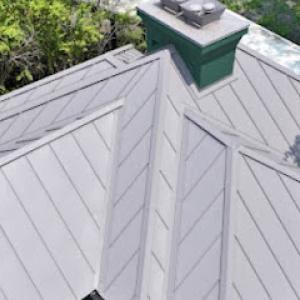
Metal roofing holds a special place here because it sheds rain quickly and resists wind-driven damage better than many other materials when installed with high-quality flashing. The local market reflects this: a notable share of contractors focuses on metal work, illustrating the material's compatibility with Arden's storm pattern. Metal also carries the advantage of a longer life in damp conditions if the system is fastened properly and the panels are seated to avoid loose edges that can flap during gusts. For homes facing frequent downpours, ensure a continuous, well-sealed underlayment and corrosion-resistant coatings on exposed edges. Pay attention to roof-to-wall interfaces, as the amplified wind pressure can lift margins if flashing isn't continuous. After a severe storm, document any loose panels, torn seals, or accelerated wear near edges and penetrations; metal leaks often reveal themselves at joints first, so map those areas for prompt temporary protection and insurer reports.
Clay tile, slate, and wood shakes appear in pockets of the Arden-south Asheville market, where homeowner tastes and historic styling meet wetter, more variable seasons. These materials can deliver excellent longevity and curb appeal, but they demand more attention to structural support, flashing quality, and moisture management in this humid mountain foothill climate. Structural compatibility matters: heavy tile or slate requires a reinforced deck and careful load calculations to prevent sagging or frame stress. Flashing around chimneys, vent stacks, and dormers must be meticulously installed and regularly inspected, because any lift or cracking can invite moisture intrusion during downpours. Wood shakes introduce an additional moisture concern: check for surface treatments, decay, and moss growth that thrive in shaded, damp corners. If you see loose tiles or canting after a storm, address them quickly, since small gaps become larger leaks under driving rain. After a hail event, inspect for hairline cracks and delamination in tiles or shakes, and photograph the roof's surface to support a smooth claims process; moisture lurking behind the surface can escalate quickly if not addressed. In Arden, these materials can deliver beauty and durability when paired with deliberate maintenance and timely flashing upgrades.
Explore specialists in steel, aluminum, and standing seam metal roofs built to last 50 years or more.
Alpha Construction
(888) 839-2988 www.alphaconstructionnc.com
90 Old Shoals Rd suite 104, Arden, North Carolina
4.4 from 14 reviews
American Roofing Company
6 Celtic Dr, Arden, North Carolina
4.2 from 11 reviews
Southern Star Roofing Asheville NC
(828) 844-7663 southernstarroofing.com
Serving
5.0 from 39 reviews
Arden's persistent humidity and autumn leaf debris make attic ventilation and roof drainage more important because trapped moisture can shorten roof life and complicate inspections. Poor airflow in hot, muggy summers invites mold growth, warped decking, and accelerated shingle deterioration. Ensure soffit vents are unobstructed and paired with properly sized ridge or turbine vents to create a steady exhaust path. If attic insulation is old or compressed, air leaks can siphon conditioned air and boost condensation on the underside of the roof deck. Regularly check for signs of condensation on attic surfaces after heavy rain or prolonged humidity and address any insulation gaps promptly to minimize moisture buildup.
Local inspections may specifically check venting, underlayment, and proper flashing, so these details matter both for performance and permit closeout in Buncombe County. Prioritize a continuous, weather-tight layer beneath shingles, with underlayment that extends up the eaves and around hips and valleys. Vent sleeves and the roof penetrations should seal cleanly, with gasketed or properly flashed exhaust vents to resist pine needle and leaf intrusion. In Arden, where humidity lingers after storms, flashing around vents must seal against seepage paths created by thermal cycling. Inspectors will look for reinforced flashings at transitions, particularly where a roof meets a chimney or vent collar, as these are common failure points after a sequence of heavy rains.
Homes in the Arden area often need extra attention around chimneys, valleys, and roof-to-wall transitions because repeated rain events expose weak flashing details quickly. Check chimney cricket or chase seals for hairline gaps, and verify that step flashing along the wall line is continuous, with end dams where needed. Valleys demand precise installation: metal valley liners should be full-length, not cut short, and fastened to resist leaf clogging and wind uplift. Where a roof meets a vertical wall, ensure the kick-out flashing is properly integrated to divert water away from the fascia. After storms, do a meticulous touch-up around these areas, because drizzle and gusts can pry loose a small seal that snowballs into a leak. Regular, proactive checks help catch hidden vulnerabilities before they become costly repairs.
Find contractors experienced in skylight installation, flashing, and leak repairs to bring natural light into your home.
Southern Star Roofing Asheville NC
(828) 844-7663 southernstarroofing.com
Serving
5.0 from 39 reviews
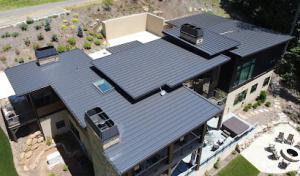
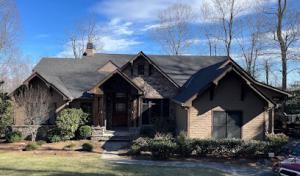
The local cost ranges start at 350 to 650 USD per square for asphalt shingles, 700 to 1200 for metal, 900 to 1800 for clay tile, 600 to 1100 for wood shingles or shakes, and 1400 to 2800 for slate. Those figures reflect our humid summers, frequent afternoon storms, and leaf-heavy surroundings. When you review bids, look for how each price band translates into material quality, underlayment choices, and warranty terms that cover storm events common to this foothill zone.
In Arden, costs can rise when storm seasons create demand surges across Buncombe County, reducing scheduling flexibility and increasing competition for crews and materials. If a window of bad weather lands during a peak month, you'll see rush charges, expedited material deliveries, or temporary holding costs for the crew. Plan ahead by inviting two or three back-to-back bids during calmer weeks, and ask each contractor to detail any surcharge language tied to storms or tight schedules.
Project pricing in the Arden market is also affected by permit fees, flashing complexity, ventilation corrections required for inspection, and the steeper roof forms common in the hilly south Asheville area. Flashing around chimneys, valleys, and roof-to-wall interfaces tends to be more intricate on slope-heavy homes, driving material and labor time. Ventilation corrections-ensuring soffits, ridge vents, and attic baffles are properly placed-can add to both cost and approval readiness after a storm or hail event.
Start with a ceiling for each material type based on the local ranges, then add a contingency for weather-driven scheduling. Ask for a granular line-item breakdown: underlayment, drip edge, flashing, ridge venting, and any required ventilation fixes. If a surge occurs, request a documented schedule and a written price hold for a defined window to avoid price drift during storm season.
Don't let upfront costs delay a critical repair - these contractors offer payment plans to fit your budget.
American Roofing Company
6 Celtic Dr, Arden, North Carolina
4.2 from 11 reviews
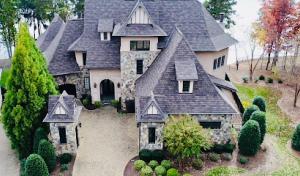
A full re-roof in Arden typically requires a permit through Buncombe County or the City of Asheville jurisdiction, depending on the property's governing authority. The difference matters for how the permit is issued, how inspections are scheduled, and which forms your contractor must file. Before any materials are delivered or a nail is driven, verify the correct issuing authority with the county planning office or the local building department so the project sits on solid footing with Buncombe's storm-season realities in mind.
The local process generally involves submitting a project description, contractor license proof, and permit payment before work proceeds. Your description should clearly outline replacement type (shingle, metal, tile, etc.), roof pitch, venting strategy, and any skylights or chimneys that will receive flashing adjustments. Be prepared to share the contractor's license status and any required insurer endorsements. In Arden's climate, municipal reviewers pay close attention to ventilation plans, underlayment choices appropriate for humid summers, and flashing around penetrations to minimize future storm leaks.
Inspections are scheduled at key milestones and a final inspection is required before closing, with local reviewers commonly checking venting, underlayment, and flashing details. Typical milestones include: after the roof deck is exposed and any structural work is completed, after underlayment and starter courses are installed (before shingles or metal go on), and after the final surface material is installed but before any warranty documentation is issued. The final inspection confirms that ventilation meets code, flashing around chimneys and valleys is correctly integrated, and all penetrations are sealed to withstand Arden's afternoon storm bursts and leaf-laden gutters.
Coordinate closely with the contractor to ensure permit hooks align with the project schedule, especially in storm-prone seasons. Keep copies of all inspection approvals and be ready to address any notes promptly, since local reviewers often focus on venting efficiency and flashing integrity to prevent later leaks after heavy rains.
Because North Carolina remains an active wind and hail claim market, Arden homeowners should document damage immediately with date-stamped photos before temporary repairs begin. The photo trail matters when wind-driven shingle losses or hail crushes are reported, since that evidence helps distinguish preexisting wear from storm-related impact. Take wide shots of the roof, close-ups of missing or cracked shingles, and any attic or ceiling staining you notice after a storm. Keep records of the date the damage was seen, the storm's duration, and any nearby trees or debris that could have contributed to the impact. If inspectors can't access certain areas due to weather or safety concerns, note that in the claim file and plan a coordinated inspection as soon as conditions permit.
Adjuster review can determine whether an Arden roof gets spot repairs or full replacement, so contractor estimates and clear damage mapping matter locally. Obtain at least two written assessments from reputable local roofers who understand our humid summers and heavy leaf load. Have each contractor provide a detailed map of damaged sections, the surrounding flashings, and ventilation components that could affect long-term performance. This isn't just about replacing shingles; it's about showing whether hidden water intrusion or accelerated wear from storm-driven moisture is present. Clear, labeled diagrams paired with repair scope notes help the adjuster decide on the most appropriate remedy and prevent a second wave of claims during a single weather season.
Insurance availability is generally stable statewide, but regional variability means Arden homeowners should review deductibles, exclusions, and matching language before storm season. Evaluate how the policy handles matching of older shingles to new, the treatment of secondary losses like attic moisture, and any cap on interior repairs tied to exterior damage. The goal is to avoid surprise gaps where a broader storm event ultimately requires more extensive work than initially anticipated. When in doubt, flag potential coverage questions early with the insurer and bring in a trusted local roofer to translate policy language into practical repair options.
Connect with contractors who help homeowners navigate the claims process from damage assessment to final approval.
Mountain Laurel Roofing
(828) 329-4358 www.mountainlaurelroofing.com
187 Locust Ct, Arden, North Carolina
5.0 from 20 reviews
Integrity Roofing
(828) 448-0855 integrityroofingnc.com
44 Buck Shoals Rd #301, Arden, North Carolina
5.0 from 18 reviews
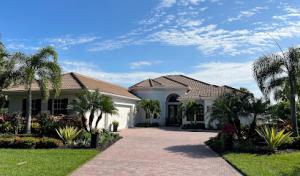
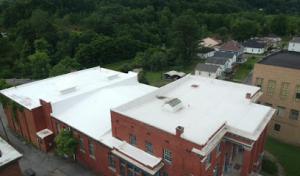
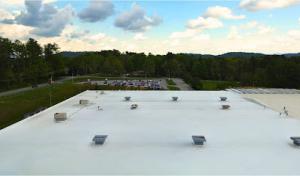
Although pitched residential roofs dominate, the local contractor market still shows meaningful low-slope specialization, which matters for additions, porches, and mixed-use structures in the area. Low-slope sections require careful attention to drainage, how seams are sealed, and reliable edge details that resist wind-driven rain. In a setting with abundant trees and regular storms, these details make a real difference in long-term performance and interior comfort.
Arden's regular rainfall and humid conditions put a premium on effective drainage on any roof with a slope close to flat. Focus on ensuring that permeable drainage paths remain unobstructed by leaves or debris, and verify that downspouts and strains carry water away from foundations and footings. Seams should be inspected for aging sealants, with preferred attention to metal and TPO or EPDM joints that can expand and contract with humidity swings. A practical habit is to walk the low-slope area after heavy rain to spot areas where water pools or edge flashing shows signs of movement.
In this climate, flashing around penetrations-vents, skylights, and parapets-needs robust backing and continuous contact with the roof surface. If flashing appears corroded or loose, address it before it leaks into attics or ceilings. Coating and restoration approaches exist but remain niche here, serving as secondary options rather than the default residential path. Coatings can extend life in some cases, but they should be evaluated only after a thorough inspection of substrate condition, membrane integrity, and the likelihood of foot traffic or hail impact on the surface.
Schedule a seasonal inspection that prioritizes low-slope sections, flashing integrity, and drainage clarity. Keep an eye on any signs of edge buckling, joint separation, or ponding that persists after rainfall. If a storm hits, document affected areas with photos and note dates, then compare to prior inspections to gauge whether repair or replacement is warranted. For additions or porches, ensure compatibility between new low-slope surfaces and existing roofing systems to prevent mismatched drainage and flashing gaps.
Find specialists in TPO, EPDM, and built-up flat roofing systems for residential and commercial properties.
American Roofing Company
6 Celtic Dr, Arden, North Carolina
4.2 from 11 reviews
WNC Roofing - Commercial & Industrial Roofing Contractors
Serving
4.8 from 99 reviews