
Last updated: Apr 19, 2026
Marion sits in the North Carolina foothills near the Blue Ridge escarpment, where terrain-driven thunderstorms are a recurring roofing stressor rather than a rare event. That means your roof endures sudden downpours, hail, and gusty winds more often than a flat, predictable schedule. The primary wear pattern you'll notice is not just aging, but storm-driven aging: granule loss from heavy rain and hail, flashing fatigue from quick squalls, and moisture creeping into attic spaces during humid spells. This isn't about a single winter or a single event; it's about the pattern of quick, intense weather that disrupts weatherproofing year after year.
In Marion, the hot, humid summers paired with regular thunderstorms accelerate problems faster than winter snow load ever did. Granules shed from asphalt shingles pile in gutters, on the driveway, and along the drip edge, which traps heat and speeds deterioration. Metal roofs can fatigue under repeated wind gusts and hail, showing denting, loose panels, or fastener corrosion sooner than expected. Flashings around chimneys, vents, and skylights take the brunt of rapid temperature swings and moisture; you'll notice staining, rust spots, or a dawn-to-dusk sheen of moisture if flashing is failing. Attic symptoms are a tell: higher cooling bills, warped or discolored insulation, and a musty, damp odor after a heavy rain. These are not isolated incidents; they signal the roof's components are losing their seal and drainage capability, creating hidden risks that compound with heat and humidity.
Preventive checks matter more here than most places. Look for loose or missing granules on shingles-tiny mountains of grit in gutters or along the eaves indicate accelerated aging. Inspect flashing around vents and chimney line; if you see cracks, gaps, or corrosion, treat it as a red flag. Inside the attic, check for condensation patterns on rafters or signs of mold in corners; even a small amount of moisture can mean a compromised underlayment. If you notice attic insulation dampness after storms, that's a direct cue to recheck ventilation and sealing. Listen for wind-driven noises near the ridge line after a storm-lifting shingles or popping nails rarely resolves itself and invites further damage.
Replacement timing in Marion is commonly steered toward spring or fall because summer heat, thunderstorm interruptions, and winter freezes complicate tear-off and installation windows. Planning windows outside the peak heat of July and August reduces substrate warping and cooling-related delays. If a roof is already showing active wear from multiple storms-visible flashing failure, recurrent leaks, or conspicuous granule loss-do not delay a professional assessment until next season. A targeted inspection after the heaviest months can pinpoint flashing and venting faults that storms exposed, letting you address the most vulnerable points while conditions are favorable.
Effective attic ventilation matters as much as the roof itself. In a foothill climate, a well-ventilated attic helps keep decking dry, reduces ice-damming risk in shoulder seasons, and lowers interior humidity that accelerates wood rot and insulation breakdown. Ensure soffit intake and ridge or turbine exhaust are clear of debris, with balance that promotes steady airflow. When you upgrade, choose materials and fasteners rated for high wind and thermal cycling, and verify underlayment seams remain watertight under recurrent downpours. A roof that breathes is a roof that endures storms with less failure down the line.
In the foothill climate of McDowell County, roof claims tend to emerge directly after big storm events. You are likely to hear from your insurer about wind-driven damage, hail pocks, or a combination of wind and aging wear showing up in the same claim. After a storm, you should collect dated photos that show the roof before and after, gather any records of roof age or past repairs, and arrange a quick, professional damage assessment to separate newly damaged areas from preexisting wear. This matters because adjusters look for whether a recent event worsened an already compromised roof or if the damage is predominantly new. In practice, that means your documentation can make the difference between a straightforward claim and a longer negotiation.
Local claim handling can involve reviewing prior roof damage history and requests for independent estimates, especially when damage appears mixed with older wear. If your roof has endured several seasons of storms plus freeze-thaw cycles, insurers may ask to see how previous repairs held up and whether there are recurring problem areas. A durable approach is to obtain an independent assessment that clearly marks areas impacted by wind or hail versus areas showing aging-related wear. Remember to keep a running file: dated photos, notes from contractors, and receipts for any temporary protections you've put in place after a storm. Be prepared for questions about past repairs and any patchwork that may affect the overall evaluation.
Because some reroof projects in this area may require wind or uplift verification documentation, insurance and code compliance can intersect more directly here than in low-wind interior markets. If your roof is older or of a style with pronounced wind exposure-steep pitches, open eaves, or ridge lines that catch gusts-you may encounter requests for engineering input or uplift calculations. In practice, that means you should anticipate the possibility of third-party verification of roof fastening, underlayment performance, and overall wind resistance. Having these items ready can speed up the claim process after a storm and reduce back-and-forth with the insurer. The goal is to demonstrate that the roof system, including its fasteners and sealing details, performed as designed under wind and hail stress rather than being undermined by deferred maintenance alone.
After a storm, an adjuster may focus on immediate visible damage and then look for supporting age-related indicators. In this market, it is common for adjusters to request a professional assessment that distinguishes wind-damaged components (shingles that have curled, blown-off patches, dented vents or flashing) from preexisting wear (granule loss, curling from aging, or soft decking). If the damage appears to straddle both categories, expect questions about prior claims or repairs and requests for independent estimates. Staying proactive-having a concise damage map, clear photos, and a neutral, detailed report from a trusted contractor-helps keep the process honest and more predictable.
After a storm, start with a thorough photo log dated to the event. Contact a local, reputable contractor who understands the nuanced effects of mountain storms on sloped roofs. Ask for a written assessment that itemizes new damage versus aging wear, and request an independent estimate if the claim involves mixed conditions. If an uplift verification or wind-resistance document is needed for the reroof, coordinate early with your insurer and the contractor to align on what documentation will be supplied. In this landscape, clarity and proactive documentation are your best defense against delays and disputes, and they help you move toward a remedy that reflects the actual storm-driven changes to the roof.
Woot Roofing
(828) 655-7999 www.wootroofing.com
Serving
4.8 from 69 reviews
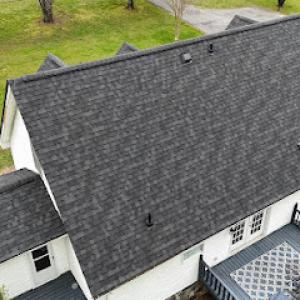
Woot Roofing, LLC is a full-service residential roofing company based in Morganton, North Carolina, serving Western NC and surrounding areas. Founded by industry veterans with over 18 years of construction experience, we deliver honest, durable roofing solutions—from inspections and repairs to full installations of shingle or metal roofs and seamless gutter systems. As an Owens Corning Preferred Contractor, we use premium materials and back our work with a 50-year un-prorated warranty, ensuring long-term performance and reliability.
Burish Builders West
(828) 712-3575 burishbuilderswest.com
Serving
5.0 from 94 reviews
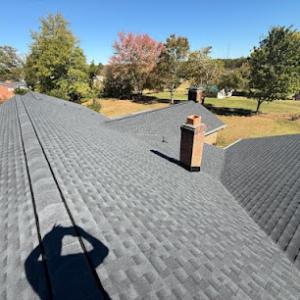
Burish Builders West is a family-owned roofing company based in North Carolina, providing roofing services across North Carolina, South Carolina, Florida, and Tennessee. Our leadership team brings over 40 years of combined experience in roofing and construction, helping property owners make informed decisions with confidence. We offer roof inspections, roof repairs, roof replacements, and storm-related roofing support for residential and commercial properties. Each project begins with a careful evaluation to identify visible and hidden roof issues caused by weather, age, or wear. With clear communication and experienced crews, Burish Builders West supports long-term roof protection and peace of mind.
Greyrock Builders
(828) 338-8297 www.greyrockbuilders.com
Serving
5.0 from 5 reviews
Greyrock Builders is a full-service custom home builder in Western North Carolina, offering comprehensive residential construction services from concept to completion. We specialize in custom homes, mountain modern design, luxury builds, renovations, and large-scale remodels throughout Morganton, Burke County, Catawba County, McDowell County, Buncombe County, and surrounding Blue Ridge Mountain communities. Our services include land evaluation and due diligence, budgeting and pre-construction planning, architectural collaboration, interior design coordination, project management, and high-quality construction. As a locally owned builder, we prioritize craftsmanship, transparency, and clear communication at every stage.

Home Remedy USA Roofing, Gutters & Windows
(828) 544-5231 www.homeremedyusa.com
Serving
4.9 from 150 reviews
Home Remedy USA Roofing, Gutters, Windows is a fully insured Master Elite Certified Contractor. We are not your high-pressure sales company, with the “hit’em high and see where they land pricing”, which is so common in our industry today. When you call and request an estimate, we work around your schedule, a courteous and professional estimator will come to your project site, properly measure your project, and provide you with a free “No Hassle” estimate. You will find this to be a pleasant experience from start to finish. So whether you need a small repair or a complete overhaul, call Home Remedy USA for all your Roofing / Gutter or Window Needs!
B&C Roofing Construction
(828) 334-7962 bcroofingconstructionllc.com
Serving
5.0 from 7 reviews
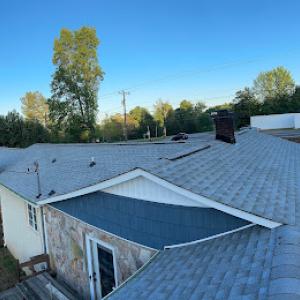
B&C Roofing Construction began its journey 5 years ago in Morganton, NC, with a vision to redefine roofing standards. Over the years, we've grown into a team of experienced professionals committed to serving our community. Our mission is to protect homes and businesses with durable, reliable roofing solutions. Our success is rooted in our commitment to quality and customer satisfaction. With Morganton, NC as our home, we understand the unique roofing needs of our region. Our experts bring a wealth of experience to every project, ensuring your roofing needs are met with precision and care.
Balken Roofing
(828) 628-0390 www.balkenroofing.com
Serving
4.8 from 364 reviews
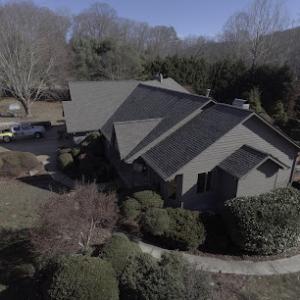
Balken Roofing is a family-owned, locally trusted roofing company serving Western North Carolina for over 30 years. We provide residential and commercial roofing services. Based in the heart of WNC, we proudly serve Asheville, Hendersonville, Waynesville, Weaverville, Black Mountain, Fletcher, Arden, Canton, Candler, Marion, Hot Springs, Burnsville, Sylva, Marshall, Bakersville, Brevard, Mars Hill, and surrounding mountain communities. Our mission is simple: helping people. We are a company you can trust. Our team specializes in roof replacements, repairs, skylights, sun tunnels, metal roofing, and flat and low-slope systems. As a BBB Accredited Business and Chamber member, we’re committed to honest, dependable service you can trust.
Advanced Roof Tech
(828) 357-7902 www.advancedrooftech.com
Serving
5.0 from 13 reviews
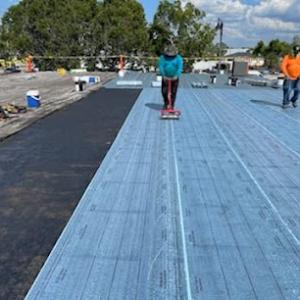
Advanced Roof Tech is a roofing contractor / roofer serving the Asheville, NC area since 1986. Services include roofing, roof repair, roof installation, roof inspection, roof replacement, metal roofs, commercial roofing, storm damage, shingle roofs, flat roofs and roof leak repair.
Reynoso's Roofing
Serving
5.0 from 2 reviews
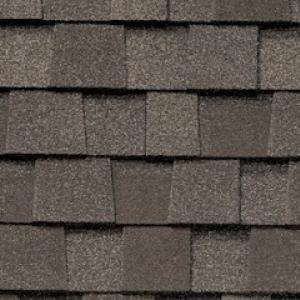
Welcome to Reynoso's Roofing! We are proud to be North Carolina’s trusted provider of all roofing services. We work upon the values of honesty, integrity, and responsibility to ensure our clients receive the best results. At Reynoso's Roofing, we are committed to your protection and satisfaction with our work and attention to detail. We work diligently every step of the way for you to rest assured that all your roofing needs will be met.
Jays Roofing
(828) 669-5629 www.jaysroofingwnc.com
Serving
4.3 from 33 reviews
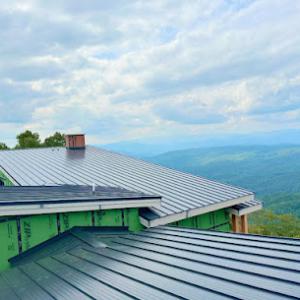
Jays Roofing is a trusted roofing contractor in Swannanoa, NC. We offer a wide range of services, including shingle and metal roofing, new construction, additions, and repairs. We are committed to providing our customers with high-quality workmanship and excellent customer service. Contact us today to learn more about our services.
Element Control Roofing
Serving
4.1 from 38 reviews
A premier contracting company specializing in residential and commercial roofing services, helping you process your insurance claims, plus we are dedicated to providing customer service that is second to none.
Southeast Gutters
(828) 407-7386 www.southeastgutters.net
Serving
5.0 from 1 review
Locally owned family gutter installation and maintenance services.
Icon Roofing
65 Shadow Dr, Marion, North Carolina
At Icon Roofing, your roofing needs are in impeccable hands. Serving Marion, NC, and the greater vicinity, we combine craftsmanship and dedication to deliver the best in roofing. We handle roof inspections, installations, repairs, and any damage mending required. Trust us to guide you through insurance claims, expertly navigating the complexities to ensure a seamless process. With over a decade of experience in the industry, our commitment to quality and customer satisfaction is what truly sets us apart. Allow us to enhance and protect your home, one shingle at a time.
Sloped roofs in town experience a steady blend of humid heat and thunderstorm-driven moisture, with the foothill terrain accelerating wear on surfaces that aren't drained and vented properly. The best selections respond to frequent dampness, high humidity, and rapid thermal shifts, while still fitting the common residential silhouettes you'll see along the valley streets. The decision comes down to how a roof sheds water, how well it dries after storms, and how ventilation keeps attics from baking and sweating moisture into the decking.
Asphalt shingles fit most homeowners in Marion because they pair reliably with typical sloped layouts and handle the humid heat and thunderstorm exposure with straightforward maintenance. Look for architectural (laminated) shingles that offer better dimensional stability and wind resistance, which helps during strong gusts that accompany summer storms. Ensure adequate attic ventilation and a properly strapped underlayment to keep boards dry as humidity peaks. Regular checks after heavy rains-especially around valleys, chimneys, and penetrations-can catch moisture intrusion before it compounds.
Metal roofs respond well to Marion's mix of sun, humidity, and windy weather. They shed water quickly and resist the constant expansion-contraction cycle that rain-soaked decking experiences. A metal system with a true air gap and a quality condensation barrier helps ventilation stay effective in attics and lofts, reducing heat buildup that invites moisture-related issues. If a metal roof is installed, confirm panel seams and fasteners are sealed properly and that degradation from hail or tree debris is addressed promptly-storm-driven debris can nick panels and invite rust over time.
Clay and concrete tile are available locally but place more structural and installation demands on homes than the asphalt-heavy housing stock common in this foothill market. These tiles are heavy, require a solid roof deck, and can crack in freeze-thaw cycles if there are preexisting flex points. Ventilation and drainage matter more with these surfaces, since moisture trapped under overlapping tiles can linger. If choosing tile, plan for a thorough evaluation of decking integrity, moisture management, and a skilled installation crew familiar with steep, humid climates.
Wood shingles and shakes face a tougher service environment in Marion because persistent humidity and storm moisture raise the stakes for maintenance, ventilation, and decay prevention. Wood cladding requires meticulous ventilation and a moisture-tensitive sealant regimen to keep fungal growth at bay. In this climate, consider treated or sealed products, and schedule seasonal inspections after prolonged wet spells. If wood is desired for aesthetic reasons, reserve it for roofs with robust ventilation and a rapid, thorough drainage plan to minimize moisture retention.
Provided local cost ranges run about 350 to 550 USD per square for asphalt shingles, 650 to 1100 for metal, 900 to 1800 for clay tile, 700 to 1500 for concrete tile, 450 to 900 for wood shingles or shakes, and 500 to 1000 for synthetic or composite shingles. Those figures reflect Marion's foothill climate where storm-driven wear, humidity, and freeze-thaw cycles push materials to perform in tougher conditions than flat urban or coastal roofs. When storms push regional demand across western North Carolina, expect prices to edge higher as crews tighten up scheduling and labor tightens.
Asphalt shingles remain a common, straightforward choice for foothill homes with steep pitches. In Marion, the typical per-square cost sits around the low end of the range, but steep, cut-up rooflines can raise labor time and waste. If you're balancing budget with reliability against violent spring storms, entry-level asphalt with good sealing and wind resistance can protect you without overcommitting on material costs. Factor in extra waste from complex roof shapes when budgeting.
Metal roofing commands a higher upfront price, yet it can pay off with extended life in stormy seasons and rapid snowmelt. Expect 650 to 1100 per square, depending on gauge and coating. Clay tile and concrete tile bring even higher installed costs due to weight and need for structural considerations, clocking in at 900 to 1800 and 700 to 1500 per square respectively. For roofs with pronounced cuts, valleys, and dormers, those higher labor components can be the difference between a routine replacement and a staggered, multi-day project.
Wood shingles or shakes run 450 to 900 per square, offering a classic look but requiring attention to moisture and fungi in humid summers. Synthetic or composite shingles sit between asphalt and higher-end options, at 500 to 1000 per square, delivering durability with easier maintenance. For homes with steeper pitches common around the foothills, synthetic and metal hybrids can provide a balanced mix of performance and cost, especially when storm exposure is frequent.
A full re-roof in Marion normally requires a building permit through the local building department serving McDowell County, with filing available online or in person. Before you begin, gather your plan with the proposed roofing material, fastener type, underlayment, and installation details. The permit process is not just a formality; it sets the inspection milestones, which are tailored to this foothill climate where weather events and roof age can quickly affect performance. If you're replacing an existing roof, have the current roof history handy, including any prior repairs or known decking issues.
Inspection review in this jurisdiction commonly focuses on roof decking condition, ventilation, and overall code compliance rather than only the finished shingle surface. In Marion's moisture-prone summers and freeze-thaw winters, decking integrity is crucial. Expect the inspector to verify that the deck is sound, free of rot, and properly spaced with solid fasteners. Ventilation is another key focus, because proper attic airflow helps control condensation and heat buildup that can accelerate aging. This often means checking that attic vents, soffits, baffles, and, if present, ridge vents are installed and functional. The aim is to confirm the roof is not just visually protected, but structurally prepared to handle Marion's storm-driven cycles.
Some reroof jobs in Marion may be asked for wind or uplift verification documentation, making paperwork and product selection more important on certain projects. Wind zones around the foothills can influence the required underlayment, fastener pattern, and starter courses. When selecting materials, keep a detailed spec sheet handy that demonstrates wind uplift ratings, installation methods, and compatibility with the existing decking and ventilation plan. If your project triggers uplift verification, you'll need to coordinate with the contractor to provide third-party test data, or an engineer's statement, as part of the permit submission. The local department often requires precise product labeling and installation manuals as part of the approval.
Before scheduling the permit, perform a preliminary decking check by lifting a few exposed shingles to inspect the sheathing for rot or moisture damage. Confirm attic ventilation paths are clear and that soffit and ridge zones aren't blocked by insulation or debris. Have your contractor prepare a ventilation plan that aligns with local code expectations and your home's square footage. Finally, keep a tidy record of all filings, inspection appointment windows, and any notes from the inspector; this streamlines follow-up visits and helps ensure a smooth roofing project in this mountain-adjacent area.
Marion's combination of humid summers and mild winters makes attic ventilation a year-round roof performance issue, not just a summer comfort upgrade. Hot, humid air that rises into the attic can soften shingles quicker and promote moisture-related problems when the stack effect runs strong. In winter, trapped warm air meets colder surfaces, driving condensation that can soak sheathing and invite mold or rot behind the active roofing layer. Proper balance of intake and exhaust helps regulate temperature swings and reduces thermal stress on the roof system.
Because local inspectors are expected to review ventilation during reroof inspections, ventilation deficiencies in Marion can directly affect project approval and long-term shingle performance. Expect inspectors to check attic vents, soffit openings, ridge vents, and any powered systems for proper operation and unobstructed paths. If attic space feels stuffy or air seems to stall near the peak, that's a red flag that needs addressing before the new shingles go on.
In this foothill climate, poor ventilation can compound both summer heat buildup and winter condensation cycles, shortening roof life even when the exterior covering still looks serviceable. Start with a quick field test: feel for warm air near the attic eaves in the heat of the day and listen for air movement along the ridge at dawn. If air isn't moving, or if insulation masses block vents, plan corrective ventilation before finishing the reroof. Look for insulation around the attic hatch or pull-down stairs-gaps here can disrupt the entire ventilation plan.
Begin by ensuring a balanced intake-to-exhaust setup-soffit or under-eave vents should feed air upward to ridge or high-mounted exhaust vents. Clear any insulation or debris from soffit vents to restore airflow. If a ridge vent is present but obstructed by insulation or snow, consider a professional adjustment to reestablish a clean, continuous vent channel. For boards, baffles, or cathedral ceilings, install baffles to maintain a clear path for air between insulation and roof deck. In humid seasons, add at least a modest venting upgrade rather than waiting for a full roof replacement. If moisture signs persist after fixes, a temporary moisture barrier behind the attic is a practical interim measure while addressing underlying airflow.
Spring in Marion brings thunderstorm-related delays, so homeowners planning replacement in that season need more schedule flexibility than in drier inland markets. A practical approach is to set a wide window for start dates and to rehearse temporary protective measures for days with heavy rain. Expect short holdups after a late afternoon storm and plan material delivery so crews aren't left waiting on a wet roof. Clear communication with the contractor about storm forecasts helps keep the project on track without sacrificing safety.
Summer peak heat in Marion can affect material handling and crew productivity, especially on dark asphalt roofs exposed to full afternoon sun. If a replacement is necessary during the hottest stretch, consider morning-only work blocks to reduce heat exposure and to protect adhesive performance on underlayment and starter strips. Schedule pauses during the peak sun, and ensure shade, water, and broken-branch cleanup are coordinated to prevent worker fatigue and roof surface damage. Light-colored or reflective materials can ease heat loads, but crew familiarity with local temperatures matters most for efficiency.
Shifting into early fall often yields fewer weather interruptions while still offering enough daylight for steady progress. This window supports better adhesion cycles after the summer heat and reduces the likelihood of slip hazards as leaves accumulate. Confirm that gutters and downspouts are clear before starting to maintain drainage during autumn showers. Early scheduling in this transition can help catch lingering storm fronts without compromising long-term ventilation and drainage needs on sloped roofs.
Winter freezes in Marion are usually milder than mountain snow-belt conditions nearby, but they can still slow adhesive set and make roof access less predictable. Plan for shorter work days on colder mornings and be prepared for occasional frost delays. If a project spans into late fall or early spring, prioritize ventilation checks and attic temperature management to maintain roof longevity through freeze-thaw cycles.