Last updated: Apr 19, 2026
Winter in this town is a chess match against cold, with repeated freeze-thaw cycles that push shingles apart, loosen flashing, and crack decking edges over time. When a warm-season storm hits, the same roofs suddenly face hail and high winds that can gouge panels, lift edges, and bend metal flashings. The result is a pattern of seasonal cracking paired with storm-related damage that local crews see year after year. If you notice valleys or ridges looking lighter or hairline cracks across older shingles, treat it as a warning sign rather than cosmetic wear. The combination of freeze-thaw cycles and severe storms means that small problems can turn into costly failures quickly if left unchecked.
Insurance claim activity after hail or wind events is common in this region, so homeowners often need date-stamped photos, adjuster coordination, and pre-loss condition records to support a timely, accurate settlement. Build your documentation plan now: after a storm, snap wide-area shots of the entire roof, then close-ups of fasteners, flashing, and any visible damage. Keep a dated folder of these images, and log weather notes or event dates alongside them. If an adjuster arrives, have a concise, incident-by-incident summary ready, including any pre-existing issues you've identified and when they were first observed. For windows of repair, you'll want to show progression from pre-loss to final stages with clear, time-stamped images that demonstrate proper ventilation, decking condition, and flashing replacement when applicable.
Late spring through early fall is the favored replacement window locally because winter snow and freezing temperatures and spring storm interruptions can expose decking and delay dry-in. If your roof shows active water intrusion, warped decking, or compromised underlayment, delaying a repair into deep winter can complicate insulation and interior drying efforts. Plan ahead for heavy rain events that can disrupt tear-off and shingle installation, and be prepared for temporary measures to protect interior spaces during the process. A coordinated approach with your roofer, trusted adjuster, and any storm-repair crews helps keep moisture out of the attic and living spaces while work progresses.
If you've had a hail or wind event, engage an experienced local contractor who prioritizes proper ventilation and accurate flashing installation, since inspections in this climate focus on those details to prevent future leaks. Request a comprehensive deck assessment during the initial inspection, and insist on replacing compromised decking or vented sheathing if moisture or rot is found. Verify that any temporary coverings used during replacement are secured against gusts and that attic ventilation remains balanced to avoid condensation buildup. Finally, keep a consistent line of communication with the insurance adjuster, scheduling coordinated site visits to align documentation with the project timeline and to prevent gaps that could delay your claim.
In Bowling Green, pricing for a roof replacement follows the local market's mix of harsh Northwest Ohio winters and the cluster of storm-driven insurance claims that often come with hail and high winds. Typical local pricing ranges run about 350 to 650 USD per square for asphalt shingles, 700 to 1200 for metal, 900 to 1800 for clay tile, 900 to 1700 for concrete tile, and 500 to 1000 for wood or synthetic/composite roofs. When a storm hits and an insurer is involved, those numbers can shift upward quickly due to scheduling pressure and repair backlogs that reduce contractor flexibility.
Material choices and their cost ranges are your first map for budgeting. Asphalt shingles remain the most common option in this area, with low-to-mid range projects landing in the 350-650 per square range. If longevity and a more contemporary look matter, metal roofs run higher, typically 700-1200 per square, and respond well to the freeze-thaw cycles that can tighten up in Ohio springs. Clay tile and concrete tile bring the highest sticker prices in Bowling Green, usually 900-1800 and 900-1700 per square respectively, reflecting the need for careful installation to handle ventilation and flashing concerns during extreme weather. Wood shingles or shakes, and synthetic or composite shingles, sit in the middle, about 500-1000 per square, offering a balance of curb appeal and installation complexity. For a typical homeowner, a square (covering 100 square feet) is the unit used in these estimates, so multiply by the roof's square footage to set a rough budget.
Storm activity drives costs beyond the base material price. When hail or wind events spike, scheduling pressure on local crews and supply chains can push bids higher and compress project timelines. If a claim is filed, you may see a broader window of availability from local contractors, but also tighter windows for inspections and approvals. Insurance-driven projects in Bowling Green often require documentation of damage, timely adjuster visits, and a clear line of communication between you, the roofer, and the insurer. Delays in providing damage photos or in securing approved scopes can cascade into longer project durations and higher temporary living expenses if you are displaced.
The full replacement process has a common thread across materials: decking or ventilation corrections add steps and labor. A full replacement is frequently more than a fresh layer of shingles; it can involve decking repair or replacement and ventilation adjustments to meet the year-round Ohio climate. If decking needs to be refreshed or flashing is brought up to modern standards, review steps and additional labor are added into the project scope. In Bowling Green, where attic ventilation and deck integrity are scrutinized, expect a higher likelihood that the contractor will propose a more thorough upgrade in one go rather than a partial fix.
Because permit handling is a separate topic, note that projects commonly coordinate with the City's Building Department for a full replacement, and the presence of decking or ventilation corrections can lead to extra inspection steps. When planning, align the material choice with the local climate realities-cold snaps, freeze-thaw cycles, and varied storm intensity-and prepare for fluctuating scheduling around insurance activity. The right choice balances upfront cost with long-term performance and the ability to withstand Bowling Green's seasonal challenges.
RoofAid USA
13777 Larch Ct, Bowling Green, Ohio
5.0 from 22 reviews
When it comes to roof repair and replacement services in Northwest Ohio, RoofAid USA stands out as your go-to expert. We comprehensively appreciate the fundamental role a robust, reliable roof performs for both homes and commercial buildings alike. Our dedicated team blends skill and experience to deliver unique roofing solutions, custom-fit to your individual needs.
Rapid Roof
(419) 654-5613 www.rapidroofquote.com
Bowling Green, Ohio
4.8 from 34 reviews
Need a roofing estimate fast? Click on our instant quote tool and get a roofing estimate within 30 seconds. No 2 hr sales pitches or waiting for a contractor who never shows up. Just quote, schedule, and install. Protect your largest investment with the best roofing services in the area. We are a locally owned and operated roofing company currently serving Maumee, OH and surrounding communities. We offer more than roof installation but siding installation, home remodels, basement finishing, additions, gutters, deck building and more.
Frogtown Roofing Plus
(419) 495-8314 frogtownroofing.com
315 N Main St Suite B, Bowling Green, Ohio
5.0 from 16 reviews
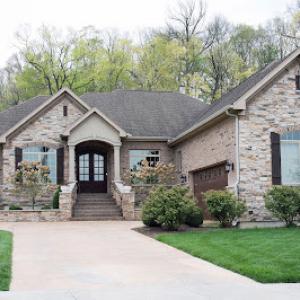
Our team at Frogtown Roofing Plus provides the highest quality roofing services including roof repair and roof replacement in the Northwest, OH and Wood County. Our team of expert roofers and roofing contractors have seen it all, and are capable of repairing or replacing even the most difficult roofs. We know that a roof can be an inconvenient and expensive investment, and often times unforeseen. That’s why we will work with you to find a price that works within your budget, and a timeline that fits your schedule, and make the process as easy as possible along the way. We are always ready to hop to it and get your home back in the dry as quickly as possible. That's why we stand a leap above the rest! Location: Bowling Green, OH.
Water Tight Seamless Gutters
Serving
5.0 from 6 reviews
Water Tight Seamless Gutters provides 5 in seamless gutters, gutter cleaning, gutter guards and drainage tiles to the Cygnet, Oh area.
Macke Roofing & Home Remodeling
(419) 874-2440 mackeroofing.com
Serving
5.0 from 39 reviews
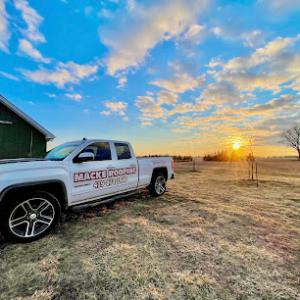
With more than 25 years in business, and hundreds of happy customers, we offer roof repairs, storm and hail damage repair, and full roof replacement. We have one goal in mind: your satisfaction and peace of mind. We offer commitment-free estimates, and Emergency call hours. We can also work inside your home on your remodeling projects and general help around the house with our handyman services. A+ BBB rating, Bonded & Insured.
Roofing Done Rite
(567) 242-3516 www.roofingdonerite.com
Serving
4.9 from 314 reviews
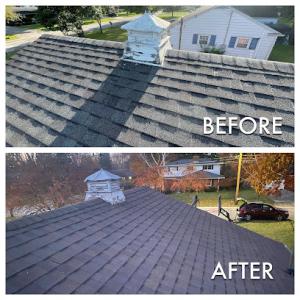
Roofing Done Rite is a locally owned and operated company that offers a variety of great services to repair, replace or restore any roof we inspect! Roofing Done Rite is one of the largest Certified dealers for Roof Maxx rejuvenation and restoration treatment services in Ohio as well! Need a full replacement? Need to deal with insurance? We do that too! We handle everything with your insurance company so you can get a new top quality roof at the lowest possible cost out of pocket. Find out why our customers love our exceptional customer service, unparalleled workmanship, and friendly approach. Give us a call or visit us on the web today & get your ROOFING DONE RITE!
4 Guys & a Roof
(419) 343-8648 4guysandaroof.com
Serving
4.9 from 109 reviews
4 Guys And A Roof focuses our roofing services in Northwest Ohio and Southeast Michigan since 1999. An Owens Corning Platinum Preferred Roofing Contractor. We are Accredited Business Members of BBB of Greater Toledo with A+ Rating, Over 200 A Ratings on Angie's List and PRO (Professional Remodelers Organization).
Good Guys Roofing
(419) 439-3430 goodguysroofingllc.com
Serving
4.9 from 165 reviews
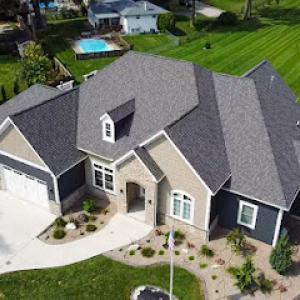
Good Guys Roofing is a trusted roofing contractor serving Northwest Ohio with honest service and high-quality craftsmanship. We specialize in residential and commercial roofing, offering new roof installation, tear-offs, roof repairs, and seamless gutters. As a CertainTeed SELECT ShingleMaster and Owens Corning Platinum Preferred Contractor, we use top-tier materials and back our work with strong warranties. Whether you’re dealing with storm damage, planning a full roof replacement, or just need an inspection, we’re here to help. We pride ourselves on reliable service, fair pricing, and doing the job right the first time.
Gillette Roofing
(419) 865-4520 www.gilletteroofingllc.com
Serving
4.9 from 90 reviews
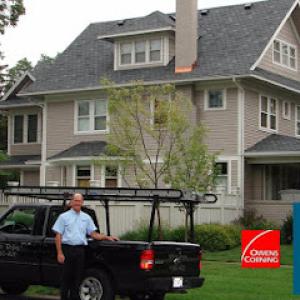
Since 1980, Gillette Roofing has been the best and top-rated roofing contractor in the area. Our local, family business is proud to have kept customers happy for over 45 years with great roofs, dependable workmanship, and flexible options to protect one of your family’s most important investments – your home! We offer free consultations and estimates, and once you contact us for information on our roofing services, you’ll get a quick, friendly response. We have partnered with Hearth to provide a range of financing options so that you can improve your home's protection from the elements this season. We provide roof repairs, shingle roof replacement and installation, and flat roof services in Northwest Ohio and Southeast Michigan, includin...
Victors Home Solutions
Serving
5.0 from 550 reviews
From our free 21-Point Roof Inspection to our 50-Year Leak Free Guarantee, we’ll protect your home and family for years to come. With almost two decades of roofing experience and a BBB Accredited A+ rating, Victors Home Solutions is the superior roofing and home improvement company across Ohio, Michigan, Kentucky, and Indiana. We provide the highest quality workmanship for residential roof repairs and replacements, seamless gutters, and attic insulation services.
Division 1 Roofing & Exteriors
Serving
5.0 from 9 reviews
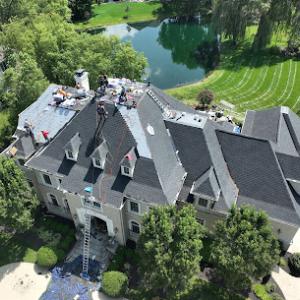
Division 1 Roofing stands out as an industry leader, offering exceptional roofing, siding, window, and gutter replacement services. Our Division 1 dedication extends beyond our expertise, prioritizing human connections and professional integrity. We are committed to providing the highest quality materials and workmanship while making a lasting, positive impact on the neighborhoods we serve.
Salinas Roofing, Siding, & Exteriors
(419) 877-7205 salinasexteriors.com
Serving
4.9 from 455 reviews
Discover Salinas Roofing, Siding, & Exteriors, the renowned roofing and siding provider established in 2016. Based in Toledo, Ohio, their skilled team caters to both residential and commercial properties throughout the region. As a leading expert in roofing, Salinas Roofing, Siding, & Exteriors offers seamless installation and reliable repairs for any shingle roofing requirement. Additionally, their siding solutions encompass an array of styles, materials, and designs to suit every preference, while gutter installations and repairs add to their comprehensive suite of services. With a dedication to quality, professionalism, and customer satisfaction, Salinas Roofing, Siding, & Exteriors ensures each project is executed to perfection.
Asphalt shingles remain a dominant local choice because they fit the area's common re-roofing market and align with what homeowners expect to pay when replacing a roof in this market. In fall, aging shingles can lose granules, which makes them more vulnerable during autumn wind events. When you're evaluating replacement, look for a shingle with good granule adhesion and a robust warranty, and pair it with a solid underlayment and properly vented attic space to mitigate those seasonal stresses. Regular inspection after winter storms helps catch loose or damaged shingles while they're still manageable to repair.
Metal roofing is relevant in the local market and is often considered for durability against snow shedding and storm exposure. If you're leaning toward metal, pay close attention to flashing and ventilation details, because installation quality around these areas drives long-term performance under local inspections. A proper deck and a well-sealed, continuous underlayment help manage condensation and freeze-thaw cycles that can affect seams and fasteners. Metal can offer strong resistance to wind-driven debris, but it's the integration with the surrounding roof system-ventilation, attic air flow, and correct flashing-that determines whether you'll see its full benefits after a midwest winter.
Tile, wood, and synthetic options exist locally, but the climate makes underlayment, fastening, and deck condition especially important when using heavier or more moisture-sensitive systems. Clay and concrete tiles bring durability, but their weight requires a well-supported deck and careful structural assessment. Freeze-thaw cycles in this region can stress fasteners and grout or adhesives, so ensure the deck is dry and clean before installation, with a continuous, moisture-appropriate underlayment. For wood options, check for treated, rot-resistant substrates and ensure proper ventilation to minimize trapped moisture. Synthetic shingles can mimic other looks with lighter heft and often benefit from a well-sealed perimeter and accurate flashing details to weather seasonal wet spells.
No matter the material, in this market the condition of the roof deck, the health of ventilation, and the integrity of flashing are key to lasting performance. The region's typical re-roofing projects benefit from a coordinated approach that prioritizes a continuous underlayment, precise nailing patterns for heavier materials, and leak-safe transitions at transitions to chimneys, vents, and skylights. Planning around anticipated seasonal stresses helps ensure that the chosen material performs as intended, especially when older structures meet newer, tighter underlayments.
A building permit is typically required in Bowling Green for a full roof replacement, with the City of Bowling Green Building Department handling permit issuance. That means before any tear-off begins, you should have a project scope defined and pull the permit in advance. The process isn't a mere formality; it creates an official record that your roof work is inspected and approved under local codes. If the permit isn't secured, you risk fines, stop-work orders, or issues when selling the home later. Keep in mind that plan details matter at the permit stage: the department is looking closely at how the roof will be vented, how flashing is integrated around walls and chimneys, and how the decking is prepared to receive a new layer. In practical terms, confirm with your contractor that the deck is sound, that ventilation is sized for the attic space, and that flashing transitions are clearly outlined in the permit drawings. This forward planning helps prevent backtracking once work has begun.
Local inspections are generally scheduled at rough-in and final stages, with emphasis on ventilation, flashing, and decking rather than just the finished shingle surface. During rough-in, inspectors want to see that the attic has adequate intake and exhaust ventilation, that baffles are in place where needed, and that the roof deck is clean, dry, and structurally sound. The flashing around dormers, chimneys, and roof-to-wall transitions should be visible and properly integrated at this stage. At final, the completed installation is checked for proper nailing patterns, alignment, and flashing integrity, ensuring there are no gaps that could trap moisture or invite leaks. If something doesn't meet code expectations, repairs or adjustments will be required before the permit is closed. That can extend the project timeline and incur additional labor, so coordinate your schedule with your contractor to anticipate a potential second round of scrutiny after the initial inspection.
Some Bowling Green projects can trigger plan review when deck or venting details do not meet code expectations, so scope changes during tear-off can affect timeline. Changes to the deck structure, additions to ventilation, or modifications to underlayment and flashing details may prompt a deeper review. If a plan review is triggered, expect a longer path to approval, with the possibility of iterative revisions before the final permit is issued. Communicate openly with your contractor about any deviations from the original plan, and keep a detailed record of changes and the rationale behind them. Staying aligned with the building department's expectations up front reduces the chance of delays, and it helps ensure that the roof replacement proceeds as smoothly as the critical, climate-driven needs of this region require.
After a hail or wind event, you'll find that carriers in this regional market expect a thorough, photo-due-diligence approach. Detailed photo sets and adjuster reports are common request streams, especially when shingles show granular loss, flashing gaps, or decking damage from flying debris. Your aim is to provide clear, organized documentation that links each observed issue to a potential impact on performance and lasting durability.
Older roofs often attract closer insurer attention, with questions about prior repairs, age-related wear, and whether material degradation could accelerate under the next freeze-thaw cycle. Before the next severe storm season, you benefit from compiling baseline records you can reference if the weather turns rough again. Keep a dated folder of exterior photos showing roof planes, gutters, fascia, and the crest of the chimney chase, plus interior shots where indicated by visible staining or attic condensation.
When a claim is possible, start with a post-storm walkthrough while the debris is still visible and the roof is accessible. Photograph every elevation, close up of shingles, flashing at valleys and around penetrations, and any evidence of granule loss in gutters or downspouts. Take wide shots of the overall condition and zoomed shots of suspected damage. If you have attic access, capture signs of moisture intrusion, uplift, or compromised decking. Create a simple timeline: date of storm, date you noticed issues, and date you contacted the insurer. Clear, dated records shorten back-and-forth and help keep assessors aligned with the extent of required work.
Because storm damage can lead to temporary protection needs, having a plan for protecting the roof between events matters. Common-sense steps like tarping loose areas, removing heavy debris promptly, and staging a temporary cover can prevent further damage during the window between storm systems. Organize your records by storm event, keeping correspondence with the insurer, contractor estimates, and any adjuster notes together in one accessible place. When the next surge in replacement demand arrives, this preparation becomes a practical advantage, reducing delays and helping you navigate variable adjuster timelines with confidence.
Connect with contractors who help homeowners navigate the claims process from damage assessment to final approval.
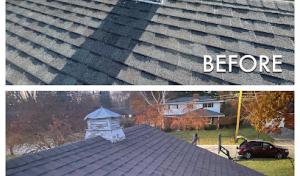
Winter in Bowling Green can delay tear-offs and affect material handling because snow, ice, and freezing temperatures make installation conditions less predictable. If you're scheduling a full replacement, plan for potential weather holds and shorter outdoor work windows. Protect decking from moisture infiltration during waits, and coordinate with your roofer to stage materials in a way that minimizes ice buildup on the roof edge. When cold snaps loosen or soften, flashing and joint inspections become more critical, so expect a thorough check once temps permit safe continued work.
Spring scheduling is vulnerable to heavy rain and wind interruptions, which matters locally because exposed decking can become a bigger risk during stop-and-start storm patterns. If rain gaps or gusty days interrupt progress, crews will return promptly to finish the repair area without compromising ventilation and underlayment. Have a plan for tarping and temporary weather protection if a rain front stalls work mid-tep, and verify that any decking exposed during patchwork remains dry before new layers are installed. Spring is also the best time to address ventilation issues that storms can reveal.
Summer heat and humidity can slow installation pace, while autumn winds can accelerate wear on older shingles and push homeowners to book before winter. Hot days require hydration, safer ladder work, and careful handling of asphalt or metal materials to prevent warping. If a crew needs to pause due to heat, schedule a firm restart window and keep the attic space vented to reduce condensation risk on interior decking. By late summer, assess fascia and flashing wear from early-season storms so fall work can focus on sealing and closure before colder air moves in.
Autumn winds can accelerate wear on older shingles and push homeowners to book before winter. As leaves accumulate, debris can hide existing damage, so a mid-autumn roof inspection helps identify fasteners, vent bootings, and flashing that may need reinforcement. Scheduling ahead of winter allows for a full assessment of the roof system, ensuring that ventilation paths and decking are ready for any harsh season ahead. Consistent, staged progress through the shoulder season minimizes last-minute surprises when temperatures drop.
In a market where tear-off and re-roof projects are common, you look for a contractor who includes cleanup as a standard part of the job. Your neighbors know that leaving nails and debris behind isn't just unsightly-it invites wind-driven debris and snow drift that can cause later leaks. A reputable local roofer should demonstrate a thorough cleanup plan, including final debris removal and a credible waste disposal method.
Quick response matters when a storm hits. After wind or hail, you want a crew that answers the call, assesses damage promptly, and forecasts a realistic timeline for inspection, tarp placement if needed, and the start of work. Local repair tempo matters because freeze-thaw cycles can accelerate wear around flashing, vents, and decking, making timely attention essential to avert long-term problems.
Accountability and familiarity carry weight in this area. A notable share of local firms market themselves as long-established or locally owned, and that familiarity often translates into smoother communication, clearer warranties, and easier contact if questions arise after a project. Homeowners value contractors who know the typical house shapes and roof lines common in the neighborhood, because experience with your style helps prevent missteps on venting, underlayment, and flashing details.
When you vet candidates, start with the basics that reflect Bowling Green expectations: proof of current licenses and insurance coverage, a clear outline of the scope (tear-off vs. overlay, attic ventilation checks, flashing around chimneys and dormers, and decking inspection), and a documented cleanup plan. Ask for a written timeline and a phased plan that shows how the work will proceed in stages around your schedule. A solid local roofer will provide references from nearby projects with outcomes you can verify, and will offer a straightforward warranty that covers both materials and workmanship in line with regional climate stresses.
Get a clear picture of your project costs upfront - no commitment required.