
Last updated: Apr 19, 2026
Winter in this region brings repeated freeze-thaw cycles that can quietly undermine an aging roof. Water intrudes through vulnerable flashing at valleys, around chimneys, and where roof-to-wall transitions meet siding. As temperatures swing above and below freezing, that water expands and contracts, opening up seams that seemed sealed last season. In homes with older asphalt shingles or compromised underlayment, the resulting micro-leaks can travel along attic rafters and soffits, showing up as damp spots on ceilings long after a storm has passed. You should treat every dramatic temperature swing as a potential trigger for hidden damage. The flashing details that look fine in dry weather can become stress points when rain sits against ice dams or when snowmelt refreezes along eaves.
The practical consequence is progressive damage, not an instant collapse. Small leaks may produce signs like stained ceiling drywall, musty attic air, or frost on the underside of roof sheathing when the attic is poorly ventilated. The risk is higher for homes with older vent pipes, skylights, or chimney cricket flashing, where water can linger and corrode fasteners, metal, and sealants. If the forecast calls for a stretch of freezing nighttime lows followed by thawing days, plan a targeted inspection of those difficult-to-see flashing zones. In Perrysburg's climate, addressing these vulnerabilities early saves extensive repair later.
Spring storms and hail are a recurring seasonal concern in this Northwest Ohio market. The impact can nick shingles, dent metal edges, and loosen up granules that protect asphalt surfaces. Even when a roof looks intact after a hail event, the underlying fiberglass or felt underlayment can sustain micro-tears that worsen with subsequent rains. After a hailstorm, the most important step is a thorough, daylight inspection focused on the roof surface, gutters, and downspouts. Look for small dents, bruising on shingles, exposed felt, or granule loss along the gutter line. Hail damage often hides under overhanging branches or around the ridge where wind can drive forceful impacts. Photograph the roof edge, vents, and any areas that show irregular shine or lifted tabs. If you notice moisture in the attic or staining on ceiling drywall within days of a storm, treat it as urgent and arrange a professional assessment promptly. Documentation matters: clear, time-stamped photos can support later repairs or insurance conversations, especially when the weather beyond the storm continues to swing between sun and rain.
A proactive approach is to schedule a mid-season roof health check after each significant storm, even if the surface appears fine. In this market, insurers and neighbors alike expect evidence of due diligence. A contractor can confirm whether minor bruising or granule loss has weakened a panel's protective layer or if a hidden valley leak needs resealing. The combination of spring moisture and wind-driven debris can introduce microcracks that progressively widen; catching them early minimizes the chance of a larger, more expensive repair later. Keep an eye on skylights and vent boots, which can suffer from wind-driven movement during violent spring gusts and then trap moisture behind the flashing.
Autumn brings brisk winds that have a knack for lifting already-loose shingles before winter cold returns. This is a practical concern in a city where re-roofing and repair demand is highly active. Loose shingles expose the underlayment, nails, and rafter tails to freeze-thaw cycles, accelerating deterioration once the ground is white with snow. If shingles are fluttering, listen for that telltale fluttering sound on windy days and check for curled edges or lifted corners along the eaves and ridges. A roof with even a few loose tabs is a flag for immediate attention, because wind can peel more tabs free with every storm, creating vulnerable areas that ice damming and water infiltration can exploit overnight. Autumn inspections should target ridge caps, step and rake edges, and any shingles with visible curling or cupping.
Preparation now reduces risk later. Before heavy winter storms arrive, walk the roof with a professional to identify loose sections and secure flashing details that show signs of fatigue. While you're at it, inspect gutters and downspouts for proper slope and any blockages that slow water flow during thawing periods. Document any concerns with clear photographs from multiple angles and keep a dated record, so you have a reliable trail for insurance or repair discussions when the first snow arrives. The goal is to maintain a weather-ready roof that stands up to Perrysburg's most challenging seasonal swings.
Roofing Done Rite
(567) 242-3516 www.roofingdonerite.com
1205 Louisiana Ave #1004, Perrysburg, Ohio
4.9 from 314 reviews
Roofing Done Rite is a locally owned and operated company that offers a variety of great services to repair, replace or restore any roof we inspect! Roofing Done Rite is one of the largest Certified dealers for Roof Maxx rejuvenation and restoration treatment services in Ohio as well! Need a full replacement? Need to deal with insurance? We do that too! We handle everything with your insurance company so you can get a new top quality roof at the lowest possible cost out of pocket. Find out why our customers love our exceptional customer service, unparalleled workmanship, and friendly approach. Give us a call or visit us on the web today & get your ROOFING DONE RITE!
Macke Roofing & Home Remodeling
(419) 874-2440 mackeroofing.com
2461 Mission Hill Dr, Perrysburg, Ohio
5.0 from 39 reviews
With more than 25 years in business, and hundreds of happy customers, we offer roof repairs, storm and hail damage repair, and full roof replacement. We have one goal in mind: your satisfaction and peace of mind. We offer commitment-free estimates, and Emergency call hours. We can also work inside your home on your remodeling projects and general help around the house with our handyman services. A+ BBB rating, Bonded & Insured.

4 Guys & a Roof
(419) 343-8648 4guysandaroof.com
Perrysburg, Ohio
4.9 from 109 reviews
4 Guys And A Roof focuses our roofing services in Northwest Ohio and Southeast Michigan since 1999. An Owens Corning Platinum Preferred Roofing Contractor. We are Accredited Business Members of BBB of Greater Toledo with A+ Rating, Over 200 A Ratings on Angie's List and PRO (Professional Remodelers Organization).
Division 1 Roofing & Exteriors
27511 Holiday Ln ste 200, Perrysburg, Ohio
5.0 from 9 reviews
Division 1 Roofing stands out as an industry leader, offering exceptional roofing, siding, window, and gutter replacement services. Our Division 1 dedication extends beyond our expertise, prioritizing human connections and professional integrity. We are committed to providing the highest quality materials and workmanship while making a lasting, positive impact on the neighborhoods we serve.
Roofline
(419) 708-4095 rooflineohio.com
Perrysburg, OH
4.2 from 5 reviews
Roofline, your Northwest Ohio roofing experts, bring a blend of quality work, transparent communication, and efficient project management. Our skilled team ensures top-notch craftsmanship, utilizing cutting-edge materials for durability. We prioritize clear communication at every stage, providing updates and honest insights. With practical project management, we guarantee on-time, on-budget completion, minimizing disruptions. As local specialists, we tailor solutions to Northwest Ohio's unique needs, considering the regional climate. Roofline goes beyond roofing - we're your partners for a seamless experience, from start to long-term maintenance.
Gillette Roofing
(419) 865-4520 www.gilletteroofingllc.com
Serving
4.9 from 90 reviews
Since 1980, Gillette Roofing has been the best and top-rated roofing contractor in the area. Our local, family business is proud to have kept customers happy for over 45 years with great roofs, dependable workmanship, and flexible options to protect one of your family’s most important investments – your home! We offer free consultations and estimates, and once you contact us for information on our roofing services, you’ll get a quick, friendly response. We have partnered with Hearth to provide a range of financing options so that you can improve your home's protection from the elements this season. We provide roof repairs, shingle roof replacement and installation, and flat roof services in Northwest Ohio and Southeast Michigan, includin...
Good Guys Roofing
(419) 439-3430 goodguysroofingllc.com
Serving
4.9 from 165 reviews
Good Guys Roofing is a trusted roofing contractor serving Northwest Ohio with honest service and high-quality craftsmanship. We specialize in residential and commercial roofing, offering new roof installation, tear-offs, roof repairs, and seamless gutters. As a CertainTeed SELECT ShingleMaster and Owens Corning Platinum Preferred Contractor, we use top-tier materials and back our work with strong warranties. Whether you’re dealing with storm damage, planning a full roof replacement, or just need an inspection, we’re here to help. We pride ourselves on reliable service, fair pricing, and doing the job right the first time.

Roofing Done Rite
(419) 601-7538 www.roofingrite.com
Perrysburg, OH
5.0 from 1 review
Installing a roof is a big investment, which is why you should rely on our experienced roofing company in Northwest Ohio. We’re known in the industry for putting our customers first and meeting their roofing needs professionally and affordably. Our customers depend on our exceptional customer service, unparalleled workmanship, and friendly approach. Contact us today for a free quote, analysis, or inspection.
Frogtown Roofing Plus
(419) 495-6615 frogtownroofing.com
Serving
5.0 from 301 reviews
Frogtown Roofing Plus is an honest roofing company that homeowners trust across the greater Toledo area, including Maumee, Perrysburg, Sylvania, and the surrounding Northwest Ohio cities. We specialize in roof repair, roof replacement, roof installation, and providing thorough roof inspections for our clients. Our team also installs gutters, gutter guards, skylights, and provides expert service for asphalt shingle roofing. As an award winning local roofing company, we’re committed to top-tier workmanship, fair pricing, and delivering dependable roofing solutions with unmatched customer service from start to finish.

TDR Roofing & Construction
Serving
5.0 from 23 reviews
Trusted roofing & HOME EXTERIORS Partner-led roofing, siding, window and home exterior solutions with honest, transparent quotes, reliable timelines, and craftsmanship built to last. From first inspection to final walkthrough, one partner will lead your project - and our whole team will stand behind it.
Mills Siding & Roofing
(419) 904-2950 millssidingandroofing.com
Serving
4.8 from 36 reviews
Mills Siding and Roofing is Ohio's premiere wind damage and hail damage recovery company. Severe storms put homeowners and building owners into the unfamiliar and potentially adversarial situation of dealing with insurance companies. We successfully advocate on behalf of homeowners every day with insurance companies. Getting insurance coverage approval is only the first step however. We take great pride in the quality of work and on-going service we provide in restoring your property.
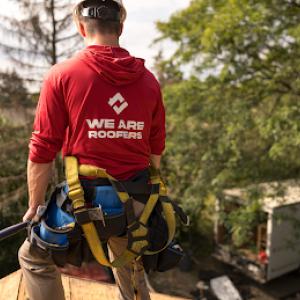
Victors Home Solutions
Serving
5.0 from 550 reviews
From our free 21-Point Roof Inspection to our 50-Year Leak Free Guarantee, we’ll protect your home and family for years to come. With almost two decades of roofing experience and a BBB Accredited A+ rating, Victors Home Solutions is the superior roofing and home improvement company across Ohio, Michigan, Kentucky, and Indiana. We provide the highest quality workmanship for residential roof repairs and replacements, seamless gutters, and attic insulation services.
In this part of the year, the late spring through early fall window tends to offer the smoothest path for a roof replacement. Temperatures are generally moderate, and the kind of precipitation that slows crews in other months is less frequent. For a neighborhood arrayed along the Maumee River and facing the lake's western weather swings, timing matters because steady, workable days are the rule rather than the exception during this stretch. If a full replacement is planned, that window gives you the most reliable run of dry days and a chance to complete the project before the first hard freeze.
Late spring through early fall typically provides a comfortable climate for shingle and metal installations. Moderate temperatures help sealants cure properly and reduce the risk of early-onset curl or sealant failure that can come with prolonged heat or freezing cycles. This period also tends to reduce the likelihood of snow and sleet interrupting the job, which matters when crews are handling underlayment, flashing, and ventilation details that need consistent weather to lay down cleanly. For homes perched near the river and exposed to spring storms, this timing minimizes the chance of last-minute weather delays that push work into the shoulder seasons.
Cold-weather installation is less ideal here because winter conditions can complicate sealing and expose crews and materials to snow and freeze-thaw stress. Freeze-thaw cycles can crack shingles, blow off loose edges, or undermine delicate underlayment steps. The same river-and-larboard wind days that drive spring storms can complicate access and safety for crews. When planning, consider that a harsh late-winter spell can halt progress and push the project into a rainier, less predictable period. The goal is to avoid projects that start too close to late autumn or early spring, when a single storm or an abrupt temperature swing can lead to disruptions.
Summer heat in Perrysburg can accelerate aging of asphalt and sealants, so scheduling before peak late-summer wear can matter on older roofs. Heat can push shingles toward faster expansion and drying of sealants, which sometimes increases the risk of early lippage or seam issues if installations extend into the hottest weeks. If an older roof is nearing the end of its life, aim to complete the bulk of work before the hottest period, leaving only minor touch-ups for late summer if absolutely necessary. On metal or concrete tile projects, heat can still affect handling and curing times, so coordinate with the crew to avoid the hottest midday hours when possible.
Identify a window within late spring to early fall where extended dry spells are forecasted for at least a week. Schedule an initial material drop and a pre-install inspection early in that window so the crew can stage efficiently and verify attic ventilation and decking integrity before the crew arrives. If weather looks unsettled, set up a keep-cool workspace on site and prepare a contingency plan for interior protection and debris containment. When storms threaten, communicate promptly with the contractor to adjust the sequence, preserve warranty protections, and document any weather-related delays for afterward reviews. For homes near the river, ensure temporary wind bracing and edge protection are in place so the project can proceed on the planned days if gusts pick up.
Get a clear picture of your project costs upfront - no commitment required.
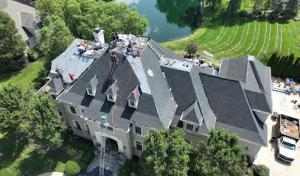
Division 1 Roofing & Exteriors
27511 Holiday Ln ste 200, Perrysburg, Ohio
5.0 from 9 reviews
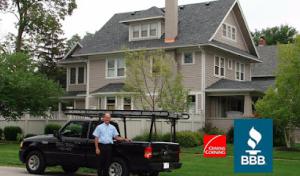

Asphalt shingles are a dominant local choice, aligning with Perrysburg's market emphasis on re-roofing that balances reliability with affordability. With the Maumee River and western Lake Erie weather swings, these shingles offer a familiar installation window and a broad range of profiles that handle freeze-thaw cycles reasonably well when properly installed. In practice, many homes in the area use asphalt because it provides solid protection against typical spring storms and winter conditions, while keeping replacement projects manageable after repeated freeze-thaw cycles. When selecting asphalt, look for dimensional or architectural options that carry stronger wind resistance and a higher granule count to guard against erosion during Ohio's storm incidents. A diligent contractor will ensure proper attic ventilation and underlayment to maximize long-term performance.
Metal roofing matters in the local market for homeowners weighing snow-shedding performance and long-term durability, even though the upfront cost is higher. In Perrysburg, metal can shine during heavy snowfall and rapid thaw periods, reducing the risk of ice dam formation and providing a robust surface that resists denting from hail-common after spring storms. The trade-off is installation detail: the attic and roof deck must be sound, and flashing around chimneys, vents, and skylights needs meticulous sealing to prevent leaks during wet seasons. If choosing metal, pay attention to coating systems designed for Ohio weather, such as cool- or reflective finishes that help extend color life and reduce thermal movement. A skilled installer will address thermal expansion and ensure that fasteners, seams, and edge metal are carefully integrated with the home's layout.
Clay tile, concrete tile, wood shakes, and synthetic/composite products are present in the local market, but their suitability depends heavily on structure, detailing, and maintenance under Ohio freeze-thaw conditions. Clay and concrete tiles bring a distinct look and can perform well when the roof structure is reinforced to handle weight and when attic spaces are well vented to manage moisture. Wood shakes offer a traditional aesthetic but require meticulous maintenance to resist warping and rot in variable humidity and freeze-thaw cycles. Synthetic or composite shingles can provide a modern balance of weight, durability, and wind resistance, yet installation specifics and underlayment choices still matter for performance through harsh springs. An experienced local contractor will assess roof framing, deck integrity, and flashing compatibility to determine if these materials will hold up under Perrysburg's annual temperature swings and storm events.
Across material choices, the seasonal rhythm of Perrysburg calls for proactive maintenance: clearing debris after storms, inspecting for wind uplift damage, and resealing to close gaps created by freeze-thaw expansion. The emphasis remains on choosing a material that can endure repeated cycles and on verifying that installation details-ice barriers, attic ventilation, and proper flashing-are aligned with local weather patterns. When storms strike and insurance discussions follow, having a well-documented, material-suitable installation helps in processing claims and planning timely repairs that keep the roof performing through Ohio's dynamic climate.
When planning a replacement, start with the numbers you'll actually see on the bill. Typical local material ranges are about $320-$520 per square for asphalt shingles, $600-$900 for metal, $900-$1800 for clay tile, $800-$1400 for concrete tile, $600-$1100 for wood shingles or shakes, and $700-$1100 for synthetic/composite shingles. In Perrysburg, the wide swings in weather push these ranges a bit, so use them as a framework rather than a fixed price. If a contractor pushes sharply above these ranges without clear justification, it's worth a second estimate.
Storm activity can compress scheduling windows. When Northwest Ohio experiences rapid storm cycles, crews come and go quickly, and dry-in work may be prioritized to prevent interior exposure. During peak weather periods, costs can rise as demand for fast scheduling and temporary protection grows. If a storm event is forecast, set aside a small contingency for expedited materials, nearby crews, and potential overtime. A well-documented timeline helps avoid delays where good weather minutes become costly "rush" days.
Freeze-thaw stress and summer heat affect long-term value differently by roof type. Asphalt shingles remain a economical, reliable choice, especially for shingle-dedicated homes with moderate roof slopes. Metal roofs withstand freeze-thaw cycles and shed heat well, but higher upfront costs can pay off over time with lower maintenance needs. Clay and concrete tiles excel in durability but are heavier and require structural assessment. Wood shingles or shakes offer period-accurate aesthetics but can demand more maintenance in humid springs. Synthetic/composite shingles provide a balance of weight, durability, and cost. In Perrysburg, where seasonal swings matter, choosing the right material for your roof's exposure and attic ventilation is key to minimizing future repair cycles and ensuring better performance after winter storms.
To estimate a project, multiply your roof area in squares by the chosen material's price per square, then add typical installation margins and any necessary underlayment, ventilation, and flashing upgrades. For a standard steep residential roof, expect installation to influence the total cost noticeably, with heavier or more complex materials pushing higher. If rapid storm response is needed, factor in expedited delivery and labor windows. With careful selection and clear bids, a Perrysburg roof replacement can align with both performance goals and budget constraints while navigating this market's seasonal volatility.
Don't let upfront costs delay a critical repair - these contractors offer payment plans to fit your budget.
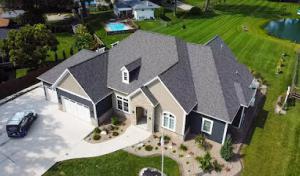
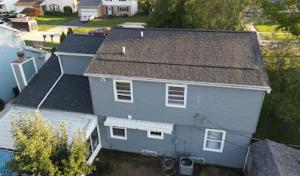
A building permit is typically required for roof replacements in this community, especially after a harsh winter or a spring storm. Missing a permit can lead to rework, fines, or delays when a future sale is pursued. The most practical safeguard is to view the permit as a project checkpoint that helps ensure the chosen materials and installation methods meet the Ohio Building Code and local amendments. In a town shaped by the Maumee River and Lake Erie weather swings, that extra level of verification can save you from costly mistakes driven by quick decisions after a storm.
In practice, the permit application is commonly submitted by the contractor to the City of Perrysburg Building Department, not the homeowner directly. This means you'll want clear communication with your roofer about documentation, timeline, and any weather-related hold points. Ask for a written agreement that includes a proposed start date, inspection milestones, and what happens if scheduling conflicts with storms or high winds push work into less favorable weather windows. Since the permit path is contractor-led, you gain the benefit of professional coordination with city records, which helps avoid gaps between procurement, delivery, and work phases.
Perrysburg typically schedules inspection activity during and after the work to verify compliance with the Ohio Building Code and local amendments. Expect inspections to cover structural work, underlayment, ventilation, and proper fastening, with particular attention to flashing and roof penetrations that are vulnerable in freeze-thaw cycles. Normal permit processing can take about 1-2 weeks, so build that into your project timeline when planning around storm windows or busy contractor schedules. If weather causes delays, inspections can be rebooked, but delays ripple into permits and occupancy readiness.
Keep a focal list of document needs: contractor licenses, material certifications, and proof of proper drainage and eave details that align with Ohio amendments. Make sure your contractor deliberately notes any storm damage documentation or temporary repairs, as this can streamline the permit review after a late-season wake of wind or hail. Finally, maintain open lines of communication with the Building Department and your contractor so you don't miss a required inspection or a necessary hold point that could trigger re-inspection fees or delays.
In Maumee River winds and western Lake Erie weather swings, a roof shows wear quickly. Ohio's homeowners insurance market is generally stable, but carriers expect thorough documentation of roof condition before and after a loss. Keep a dated file with photos from multiple angles and times of year, especially after a severe hail or wind event. Detail any visible cracking, granule loss, curling shingles, or flashing concerns. A neighborly note: storms here can surprise with sudden freeze-thaw cycles that exaggerate wear on older roofs.
Adjusters may schedule on-site evaluations, so dated storm photos, contractor inspection notes, and material records are especially useful. Coordinate access for the adjuster and provide a concise, factual timeline of events since the last inspection. If a contractor has already noted issues, share that report and include weather dates from local storms to corroborate the condition changes. In this market, a well-documented roof history can prevent delays.
Some carriers require proof of code-compliant installation, so the permit and inspection trail can directly support claim handling and replacement approval. Having copies of installation milestones, contractor credentials, and any retrofit work helps frame the claim decision. If a roofer notes outdated or non-compliant penetrations or flashing, address these items promptly to avoid disputes during the claim process.
Keep a central, weatherproof folder or cloud backup labeled with the project name and dates. After a storm, photograph the roof from the ground and from attic access if safe, noting the time and conditions. Consistency and clarity in records reduce back-and-forth with adjusters and help protect the replacement timeline in a storm-driven season.
In Perrysburg, flashings are a recurring weak point because repeated winter freeze-thaw movement can expose older metal and sealant details. You'll notice hairline gaps along valleys, around chimneys, and where the roof meets vent stacks. To stay ahead, inspect these transitions after a heavy thaw or a rapid melt, looking for rust, lifted edges, or rust-colored staining on nearby shingles. If you see any sheen or loose corners, reseal or replace the flashing promptly before the next freeze cycle. When hiring a pro, confirm they plan a full around-the-flashings inspection, not just the visible sheet metal; the thin sealant beds in these joints are the first to fail when temperatures swing.
Loose or aging shingles are vulnerable going into fall because autumn winds can turn minor attachment issues into active leaks before snow season. Look for curling, cupping, or tabs that lift under high gusts, especially on southern exposures that bake during summer and chill quickly in late fall. A practical step is to walk the roof with a sturdy ladder and a roof rake to clear off loose debris, listening for the telltale flutter of loose edges. If you find any shingles that move with a touch, schedule a fix before the first storm push. In this market, small at-risk areas become bigger leaks fast once winter rain and snow arrive.
Skylight and chimney intersections deserve extra attention in this market because both features appear regularly in local contractor service profiles and create leak-prone transitions during storm cycles. Examine the sealant beads around skylights and the flashing at the chimney base for splitting, gaps, or dried-out caulk. During a storm, wind-driven rain will exploit any seam that isn't solid. Touch the joints with a gloved finger to detect brittle or cracked sealant, and replace sections that feel crumbly. Also check for moss or shingle debris trapped in valleys near these features, which can trap moisture and accelerate wear.