Last updated: Apr 19, 2026
Maumee's seasonal pattern combines spring hail and wind exposure with winter snow and ice loading, so many roof problems are discovered after storms rather than during planned maintenance. After a hard hail event or a windy morning, walk the attic access or eaves and look for new shingle divots, lifted tabs, or granule loss in gutters. If you see dislodged flashing around chimneys, vent pipes, or transitions to walls, treat it as an emergency warning. Water marks on ceilings, sudden attic warmth, or a damp smell are signals that damage may be spreading invisibly. Do not wait for rain to confirm leaks-storm-driven fractures can turn into active leaks within days, especially as the season shifts from winter to spring.
Cold winters followed by warm, humid summers create repeated freeze-thaw cycling that can shorten shingle life and turn small flashing or sealant failures into active leaks. A neglected edge seal, a hairline crack in a vent boot, or a loose ridge cap may not fail visibly until the freeze-thaw cycle boosts internal water movement. After a storm, inspect the most exposed sections first: ridges, valleys, and drip edges. Check around skylights and dormers for sealant separation or cracked glazing. If any of these resemble the condition of an old, weathered roof rather than a freshly installed system, schedule a professional inspection immediately. Snowmelt in the shoulder seasons can mask problems; when it recedes, leaks often reveal their true extent.
Fall replacement demand can tighten as homeowners try to finish work before winter weather while also navigating permit timing through the City of Maumee. This creates a narrow window where you must prioritize assessment, documentation, and scheduling. If a storm has produced visible damage, treating the job as urgent rather than routine helps prevent compounding moisture issues once temperatures drop. Delays in replacement or repairs during this window can magnify the risk of interior leaks, attic insulation damage, and mold concerns.
Storm-related documentation matters here more than elsewhere. Photograph every affected area from multiple angles, including the interior ceiling or attic spots where water intrusion is first noticed. Date-stamped images and a simple map of the roof showing damaged zones help a contractor and an insurer move quickly. Keep a running record of when leaks were first observed, when remedies were attempted, and which storm event coincides with each discovery. In Maumee, a clear, timely record often shortens repair timelines and reduces the chance of second storms reopening old leaks.
If you suspect damage, arrange a same-week inspection from a local roofer who understands the spring wind and hail cycle. Prioritize securing temporary measures to protect interiors-tarps over affected areas and diverted water from entering living spaces-while awaiting full repairs. Communicate findings promptly to your insurer and request a written assessment timeline. When multiple storms strike, ask your roofer to batch inspections by area to minimize repeated disturbance to your roof deck while still capturing all damage. In this climate, speed and precision in the days following a storm are the safeguards that keep costs-and disruptions-under control.
If you're weighing replacements or repairs, the numbers you'll see in Maumee stay within familiar bands. Asphalt shingles run about $350-$550 per square, a solid baseline when budget matters and the job is mostly cosmetic or moderate damage. Metal roofing sits higher, typically $500-$900 per square, reflecting durability against winter freeze-thaw cycles and spring wind. Clay tile is the premium option in this market, commonly $900-$1500 per square, while concrete tile lands between $800-$1400 per square due to heavier decks and specialized installation. Wood shingles or shakes usually run $450-$900 per square, and synthetic or composite shingles fall in the $350-$650 per square range. These figures reflect typical installs in the area and can shift with material quality and local labor availability.
Storm-driven demand spikes after hail or high-wind events can push costs upward, especially for full tear-offs and faster scheduling before winter. In the aftermath of a severe spring wind or hail episode, contractors may have tighter windows and limited crews, which can elevate both material procurement and labor charges. If you're aiming to line up a replacement in the off-season, you may see more negotiating room or shorter lead times. In Maumee, weather swings matter: a delayed order for underlayment or ventilation components can extend timelines and influence the overall price tag. planning ahead for spring or late fall work helps lock in stable pricing and avoid rushed decisions.
Material choice matters more in this area because freeze-thaw exposure, snow load concerns, and humid summer installation conditions can change underlayment, deck repair, and ventilation needs. For asphalt, ensure proper attic venting and an adequate underlayment to handle freeze-thaw cycles. Metal roofs benefit from precise flashing and proper attic condensation control, given humid summers. Clay and concrete tiles demand a reinforced deck and careful weight assessment, since heavier systems require structural checks. Wood shingles or shakes can deliver a classic look but demand meticulous resistance to moisture and rapid drying times to prevent warping. Synthetic or composite shingles offer a balance of weight and durability, with installation nuances that can influence warranty coverage in climate extremes. In this market, selecting a material isn't just about upfront cost; it's about how the system holds up against Maumee's winter and spring extremes while staying compatible with existing ventilation and deck conditions.
Frogtown Roofing Plus
(419) 495-6615 frogtownroofing.com
423 Tomahawk Dr, Maumee, Ohio
5.0 from 301 reviews
Frogtown Roofing Plus is an honest roofing company that homeowners trust across the greater Toledo area, including Maumee, Perrysburg, Sylvania, and the surrounding Northwest Ohio cities. We specialize in roof repair, roof replacement, roof installation, and providing thorough roof inspections for our clients. Our team also installs gutters, gutter guards, skylights, and provides expert service for asphalt shingle roofing. As an award winning local roofing company, we’re committed to top-tier workmanship, fair pricing, and delivering dependable roofing solutions with unmatched customer service from start to finish.
Good Guys Roofing
(419) 439-3430 goodguysroofingllc.com
1285 Conant St, Maumee, Ohio
4.9 from 165 reviews
Good Guys Roofing is a trusted roofing contractor serving Northwest Ohio with honest service and high-quality craftsmanship. We specialize in residential and commercial roofing, offering new roof installation, tear-offs, roof repairs, and seamless gutters. As a CertainTeed SELECT ShingleMaster and Owens Corning Platinum Preferred Contractor, we use top-tier materials and back our work with strong warranties. Whether you’re dealing with storm damage, planning a full roof replacement, or just need an inspection, we’re here to help. We pride ourselves on reliable service, fair pricing, and doing the job right the first time.
Gillette Roofing
(419) 865-4520 www.gilletteroofingllc.com
Maumee, Ohio
4.9 from 90 reviews
Since 1980, Gillette Roofing has been the best and top-rated roofing contractor in the area. Our local, family business is proud to have kept customers happy for over 45 years with great roofs, dependable workmanship, and flexible options to protect one of your family’s most important investments – your home! We offer free consultations and estimates, and once you contact us for information on our roofing services, you’ll get a quick, friendly response. We have partnered with Hearth to provide a range of financing options so that you can improve your home's protection from the elements this season. We provide roof repairs, shingle roof replacement and installation, and flat roof services in Northwest Ohio and Southeast Michigan, includin...
Mills Siding & Roofing
(419) 904-2950 millssidingandroofing.com
1715 Indian Wood Cir, Maumee, Ohio
4.8 from 36 reviews
Mills Siding and Roofing is Ohio's premiere wind damage and hail damage recovery company. Severe storms put homeowners and building owners into the unfamiliar and potentially adversarial situation of dealing with insurance companies. We successfully advocate on behalf of homeowners every day with insurance companies. Getting insurance coverage approval is only the first step however. We take great pride in the quality of work and on-going service we provide in restoring your property.

Northstarr Construction
Maumee, OH
5.0 from 2 reviews
Northstarr Construction strive's to be in constant communication with our customers until your roof is done. We take on jobs from new construction, roofing repairs, & tear-offs. We are a professionally trained & insured company waiting to take on a next job. To get a free quote, or if you have questions or special requests, just give us a call. We look forward to serving you!
4 Guys & a Roof
(419) 343-8648 4guysandaroof.com
Serving
4.9 from 109 reviews
4 Guys And A Roof focuses our roofing services in Northwest Ohio and Southeast Michigan since 1999. An Owens Corning Platinum Preferred Roofing Contractor. We are Accredited Business Members of BBB of Greater Toledo with A+ Rating, Over 200 A Ratings on Angie's List and PRO (Professional Remodelers Organization).
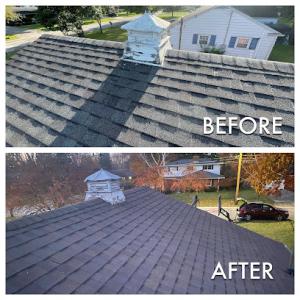
Roofing Done Rite
(567) 242-3516 www.roofingdonerite.com
Serving
4.9 from 314 reviews
Roofing Done Rite is a locally owned and operated company that offers a variety of great services to repair, replace or restore any roof we inspect! Roofing Done Rite is one of the largest Certified dealers for Roof Maxx rejuvenation and restoration treatment services in Ohio as well! Need a full replacement? Need to deal with insurance? We do that too! We handle everything with your insurance company so you can get a new top quality roof at the lowest possible cost out of pocket. Find out why our customers love our exceptional customer service, unparalleled workmanship, and friendly approach. Give us a call or visit us on the web today & get your ROOFING DONE RITE!
Macke Roofing & Home Remodeling
(419) 874-2440 mackeroofing.com
Serving
5.0 from 39 reviews
With more than 25 years in business, and hundreds of happy customers, we offer roof repairs, storm and hail damage repair, and full roof replacement. We have one goal in mind: your satisfaction and peace of mind. We offer commitment-free estimates, and Emergency call hours. We can also work inside your home on your remodeling projects and general help around the house with our handyman services. A+ BBB rating, Bonded & Insured.
TDR Roofing & Construction
Serving
5.0 from 23 reviews
Trusted roofing & HOME EXTERIORS Partner-led roofing, siding, window and home exterior solutions with honest, transparent quotes, reliable timelines, and craftsmanship built to last. From first inspection to final walkthrough, one partner will lead your project - and our whole team will stand behind it.
Salinas Roofing, Siding, & Exteriors
(419) 877-7205 salinasexteriors.com
Serving
4.9 from 455 reviews
Discover Salinas Roofing, Siding, & Exteriors, the renowned roofing and siding provider established in 2016. Based in Toledo, Ohio, their skilled team caters to both residential and commercial properties throughout the region. As a leading expert in roofing, Salinas Roofing, Siding, & Exteriors offers seamless installation and reliable repairs for any shingle roofing requirement. Additionally, their siding solutions encompass an array of styles, materials, and designs to suit every preference, while gutter installations and repairs add to their comprehensive suite of services. With a dedication to quality, professionalism, and customer satisfaction, Salinas Roofing, Siding, & Exteriors ensures each project is executed to perfection.
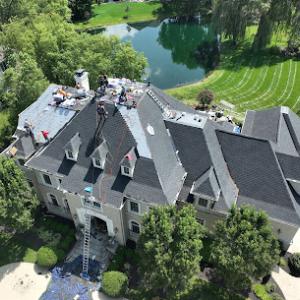
Division 1 Roofing & Exteriors
Serving
5.0 from 9 reviews
Division 1 Roofing stands out as an industry leader, offering exceptional roofing, siding, window, and gutter replacement services. Our Division 1 dedication extends beyond our expertise, prioritizing human connections and professional integrity. We are committed to providing the highest quality materials and workmanship while making a lasting, positive impact on the neighborhoods we serve.
Integrity Home Exteriors
(419) 725-9045 integrityhomeexteriors.com
Serving
4.8 from 1567 reviews
Our locally owned and operated home exterior company has been providing roofing, siding, and window and services for over 25 years. We are dedicated to bringing quality customer service with nothing but the best products. Call today for a free inspection!
A full roof replacement in this community requires a building permit through the City of Maumee Building Department. Start the process early and keep the file moving by submitting project details, material specifications, and a clear scope of work. The permit process is designed to ensure the job will withstand seasonal stresses common here, from winter freeze-thaw cycles to spring hail and wind events. As soon as a contractor commits to a replacement, gather the architectural draw or a simple roof plan, a materials list, and a work timeline. Delaying permit application can stall inspections and push a project past favorable weather windows.
Inspections are typically scheduled at the rough deck or underlayment stage and again after final completion. During the rough-deck stage, inspectors look for proper underlayment installation, venting, and overall geometry to support long-term performance under Maumee's weather swings. The final inspection confirms that the finished roof aligns with permit scope and code requirements. Keep a clear line of communication with the contractor so dates are set with your schedule in mind, and be ready to provide access and any requested documentation. If an unforeseen issue arises during framing or underlayment, address it promptly to avoid delaying the next inspection window.
Permit fees and review requirements in this city vary based on project scope and roofing material, making material changes more consequential than simple like-for-like planning. When the plan shifts-such as changing from shingles to metal, or altering the roof pitch or drainage strategy-revisions to the permit are often required and can add time to the approval process. Make decisions about materials and roof structure early, and keep records of any changes to share with the Building Department. A thorough submittal package, including product data and installation methods, helps prevent back-and-forth that slows inspections.
Maintain a single point of contact for the permit file-ideally the contractor or the project manager-so inquiries and updates are coordinated. Schedule the rough-in inspection as soon as the underlayment is ready, and book the final inspection only after all components are in place, including flashing, drip edge, and ventilation. Document weather-related disruptions and preserve photo records of staged work; these can be valuable if a storm season or freeze-thaw stress prompts questions from the Building Department. By staying proactive on permits and inspections, replacement work proceeds smoothly through Maumee's seasonal constraints.
In this area, hail and wind are the leading culprits behind roof claims, and insurers expect a detailed trail: clean, date-stamped photos, precise estimates, and shingle wind-rating information for the installed material. You're most likely to face questions about the age of the roof, which repairs were done previously, and whether the damage occurred during a single event or as part of ongoing wear. The more you can show a clear line between what happened during the storm and what was already deteriorating, the smoother the conversation will stay with the adjuster.
Claim handling in this market often includes an adjuster on site, sometimes accompanied by a contractor. The adjuster will want to assess not only the visible damage but also the roof's age and prior repairs. Expect the discussion to pivot to whether damage is storm-related or a matter of wear-and-tear. Being prepared with a concise log of what happened during the last winter and the spring storm season helps. If you've kept copies of past inspections or work orders, have them ready. The goal for you is to establish a factual, well-documented narrative that aligns with what the insurer needs to consider.
Since winter aging and spring storm impacts often co-exist on the same roof, documentation should clearly separate sudden event damage from gradual deterioration. Take time-stamped photos of any new impact marks, lifted granules, or missing shingles that can be tied to a specific storm, and contrast them with photos showing wear patterns that predate the event. When you present your claim, lay out a timeline: winter conditions that stressed the roof, the specific storm events, and ongoing maintenance or issues that contributed to aging. Clear, organized evidence reduces ambiguity and helps ensure that the claim reflects actual storm impact rather than blanket wear.
Connect with contractors who help homeowners navigate the claims process from damage assessment to final approval.
Frogtown Roofing Plus
(419) 495-6615 frogtownroofing.com
423 Tomahawk Dr, Maumee, Ohio
5.0 from 301 reviews
Mills Siding & Roofing
(419) 904-2950 millssidingandroofing.com
1715 Indian Wood Cir, Maumee, Ohio
4.8 from 36 reviews
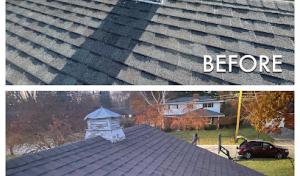
Asphalt shingles remain the dominant choice in this area because they align with the large stock of re-roofs town-wide. However, the local climate pushes the material to the test: repeated freeze-thaw cycling, spring wind, and hail can accelerate wear and expose flaws in installation. For homeowners, the critical decision point is choosing a higher-graded shingle and ensuring proper nailing patterns and underlayment. Look for products with strong impact resistance ratings and opt for a professional installer who can address venting, roof-to-wall transitions, and secure edge details to minimize wind uplift. In storms, the fastest way to catch hidden issues is a careful post-event inspection that focuses on shingles near ridges, penetrations, and eaves where uplift or hail damage tends to accumulate.
Metal roofing has a meaningful local presence and appeals for snow shedding and long-term durability. Its smooth surface can shed hail and resist wind damage when properly installed. The trade-off in Maumee comes from penetrations and condensation control, especially during humid summers. Pay attention to flashing around chimneys, vent stacks, and skylights, as well as the use of solid closures at joints to reduce condensation risks inside attic spaces. A well-sealed metal roof also benefits from underlayment and ventilation strategies that keep attic temperatures more stable, helping to curb ice damming and moisture-related issues during cold spells and quick thaw cycles.
Tile, wood, and synthetic options appear in the market, but Maumee weather demands careful evaluation. Heavier systems stress roof decks that may not be uniformly designed for them, so a structural assessment is essential before installation. Moisture exposure can affect wood shingles or shakes, while some clay or concrete tile units may be vulnerable to freeze-thaw cracking if installation gaps and support are not precise. Synthetic products offer moisture resistance and reduced maintenance, yet long-term performance depends on the specific formulation and installation quality. If considering these options, insist on a deck assessment, proper underlayment selection, and detailing that mitigates water intrusion during heavy rains and rapid temperature shifts.
Across all roof types, Maumee's weather patterns make product grade and installation quality especially important. Storm-season preparedness means pairing a proven product with a skilled installation contractor who understands flashing, venting, and drip edges in this climate. Regular checks after spring wind events, hail, or rapid thaw periods help catch damage early and protect the longer-term performance of the roof. In humid summers, attention to condensation, ventilation, and attic dryness complements any material choice to minimize moisture-related concerns and extend roof life.
The most popular roofing material in the US. Find pros who install, repair, and replace asphalt shingles.
Frogtown Roofing Plus
(419) 495-6615 frogtownroofing.com
423 Tomahawk Dr, Maumee, Ohio
5.0 from 301 reviews
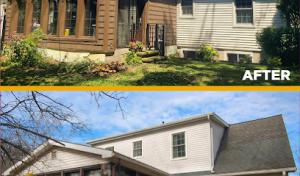
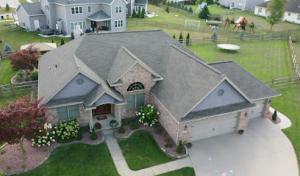
Skylight work shows meaningful local demand in Maumee, suggesting leak investigations often involve curb flashing, seals, and surrounding shingle transitions rather than field shingles alone. When a leak appears around a skylight, it's common to find that the edge flashing has lifted or split, allowing water to follow the curb and travel under nearby shingles. Focus on the joints where the skylight meets the roof deck, and review the sealant line along the curb. A small crack in the sealant can become a big problem after a few freeze-thaw cycles, so plan for a careful inspection of the flashings and the intersection with the shingles adjacent to the skylight.
Chimney-related work is also common in the local contractor mix, which fits older re-roofing scenarios where flashing and masonry intersections are recurring weak points. Look for deteriorated step and base flashing where the chimney meets the roof plane. Water can seep where mortar joints have softened or where flashing has pulled away from brick or stone. The leak path often travels along the chimney flashing and then down a collar or flashing seam, rather than dropping directly from the crown. If you notice staining or dampness at the chimney line after heavy rain, treat the flashing as the likely culprit before widening the search to field shingles.
Freeze-thaw conditions in northwest Ohio can worsen flashing separation and masonry movement around penetrations, making these details a frequent source of call-backs. Tiny gaps expand with every freeze, so a seemingly minor slit in curb flashing or mortar crack can become a noticeable leak after a winter or a windy spring. Regular checks after seasonal transitions can catch these issues before interior damage appears.
Find contractors experienced in skylight installation, flashing, and leak repairs to bring natural light into your home.
Frogtown Roofing Plus
(419) 495-6615 frogtownroofing.com
423 Tomahawk Dr, Maumee, Ohio
5.0 from 301 reviews
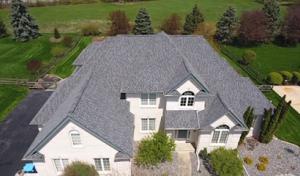
Flat-roof specialization exists in Maumee's market but is secondary to steep-slope re-roofing, so low-slope sections should focus on the subset of homes, additions, and mixed residential-commercial properties that actually have them. After winter freeze-thaw cycles and spring wind/hail, restoration for low-slope roofs appears as a targeted option rather than a citywide default. Drainage performance and seam condition matter most when summers are humid and precipitation is regular.
Begin with a visual walk of the flat areas, looking for ponding, pooled water near drains, and visible seams or flashings that show weathering. Document problem spots with dated photos, then note any signs of prior patching or coating failure. In the spring, pay extra attention to any new hail-related denting in metal profiles or membrane lifting at flashing corners. For homes with additions or mixed-use sections, verify that any low-slope area ties into the main drainage plan without creating water traps.
In this market, coating is a selective tool rather than a universal fix. If coating is considered, verify compatibility with existing membrane type, substrate temperature range, and current seam integrity. For defective seams, slow leaks, or damaged flashings, plan targeted repairs that minimize disruption to the surrounding steep-slope roof. When a full restoration is warranted, align the project with the condition of the underlying deck, substrate movement from freeze-thaw cycles, and the compatibility of chosen materials with locally common roof assemblies. Prioritize contractors with demonstrated flat-roof experience on mixed residential-commercial properties to ensure proper drainage detailing and seam performance.
Find specialists in TPO, EPDM, and built-up flat roofing systems for residential and commercial properties.