
Last updated: Apr 19, 2026
Sylvania homeowners deal with a two-part damage cycle: winter snow and freeze-thaw stress followed by spring wind and hail events that can turn minor winter weaknesses into active leaks. The typical Northwest Ohio pattern means roofs endure repeated freeze-thaw cycles, piling up stress on shingles and flashing long before crews can respond to a leak. By the time spring storms arrive, a small crack or lifted shingle can become a full-blown leak if not treated quickly. That means a proactive stance in late winter and early spring matters more here than anywhere else.
Watch for granule loss, chipped edges, or shingles that show signs of curling after a thaw. Look at gutters for increased shingle remnants, and inspect the attic after even moderate rain for damp patches or musty smells. In your area, the thaw-refreeze sequence around Toledo-area winters can cause ice dams to form even when outside temperatures swing above freezing during the day. If you notice ice buildup along the eaves, or shingles that seem loose or buckled after a cold snap, treat it as a warning shot. Do not wait for a visible leak to act.
Replacement timing in this climate is often pushed toward milder spring and fall windows because cold-weather installation and peak summer heat both complicate scheduling and material handling. The goal is to finish before the worst of the next winter, so plan ahead for a spring project that can weather the typical spring wind and hail bursts. If spring storms arrive earlier than expected, coordinate with a contractor who can secure fast, weather-aware scheduling and provide temporary protective measures to minimize exposure during delays.
Ice dam risk is a practical concern in this Northwest Ohio climate, especially after snow accumulation and repeated thaw-refreeze periods common around Toledo-area winters. Ice dams create a self-fulfilling problem: blocked drainage forces meltwater to back up under shingles, which can lead to interior water intrusion and ceiling staining. The best defense is a highly tailored approach that combines insulation and ventilation improvements with targeted roof repairs. If ice dams form, addressing attic insulation gaps and ensuring proper soffit-to-ridge ventilation should be prioritized, followed by careful roof sealing and flashing restoration.
After a heavy spring storm, prioritize fixes that stop active leaks and prevent new damage. Temporary tarps or boards can buy you time, but the focus should be on sealing vulnerable seams, replacing damaged underlayment, and restoring proper flashing around chimneys, skylights, and vent stacks. In Sylvania, where many houses sit on mid-20th-century layouts with steep slopes, a careful re-roof or targeted repair should consider the slope, drainage paths, and nearby tree canopy that can shed debris onto vulnerable valleys. A local contractor should provide a detailed plan that shows how they will mitigate future freeze-thaw stress while strengthening vulnerable edges.
Tighten attic insulation and seal air leaks to reduce thawing on the roof deck. Ensure roof vents are clear and unobstructed, enabling better airflow during warm spells that follow cold snaps. Keep trees trimmed so branches don't become hazards during windy spring storms. Schedule a dry-season roof check before the heavy rainfall period begins, and insist on a thorough inspection of valleys, gutters, and flashing where ice dams commonly form. In this climate, preventing the next cycle depends on addressing both winter weaknesses and spring storm vulnerabilities in a single, coordinated plan.
Asphalt shingles are the most practical mainstream choice for suburban homes in this area. They handle the Northwest Ohio freeze-thaw cycle well enough when you choose a premium, higher-density profile and ensure good underlayment. In a climate where ice dams and spring wind events are common, go for a shingle line with a robust granulated surface and a solid warranty. In Sylvania, the terrain and roof lines often favor steeper slopes, where asphalt shingles shed snow effectively and resist wind uplift if installed with proper flashing and nail patterns. Life beyond a single winter is achievable when the attic is well-vented and the roof deck is sound, reducing the risk of hidden moisture that can spell trouble after a harsh spring storm.
Metal roofing stands out for durability under freeze-thaw conditions and for shedding snow and ice more predictably. In this market, metal often pairs well with the steeper pitches common on many homes, delivering not only resilience but a clean, modern look that suits a range of architectural styles. A metal system with standing-seam construction and corrosion-resistant coatings tends to show up as a smart choice for longer life and fewer leak-prone seams. If you expect possible spring hail impacts, metal's ability to resist denting with proper panel design and attachment can keep the replacement cycle smoother and less disruptive.
Clay and concrete tiles bring a distinctive presence, but they are less common here. Heavier systems can push a retrofit beyond the comfort zone of many suburban layouts, and they demand a correctly reinforced structure. If a home does lean toward a tile aesthetic, the choice should be deliberate: ensure the roof framing can bear the weight and that detailing around valleys, chimneys, and penetrations anticipates freeze-thaw movement. In Sylvania, tile can be a statement feature on select homes, especially where the roof plan is forgiving and the budget allows for the added complexity of installation and potential reinforcement.
Wood shingles or shakes offer texture and a traditional feel, but they are the least forgiving in a climate with freeze-thaw cycles and spring bursts. They require meticulous maintenance to prevent rot and insect action, and they are more susceptible to moisture-related issues if attic ventilation is lacking. If the home already hosts a wood-look aesthetic or if the climate window for treatment and maintenance aligns, wood can be appropriate on a limited number of projects. Otherwise, expect higher upkeep and more frequent checks after winter and storm seasons.
Synthetic or composite shingles can mimic the look of natural materials while delivering enhanced impact resistance and improved weight profiles. They suit home styles that want a modern or low-maintenance edge without committing to metal or clay. In this market, look for products engineered for dimensional stability, good hail resistance, and favorable colorfastness in summer sun. Synthetic options often strike a balance between the ease of installation and the performance benefits needed to handle spring storms and sun exposure.
Costs in this market can spike after spring storm bursts when demand rises quickly across the Toledo-area roofing market and crews get booked out. That means your project may not just hinge on material choice, but also on labor availability and the window you choose for installation. In practice, plan for a few extra days if your area saw a blitz of hail or high winds, and expect price pressure on crews who can accommodate a quick turn-around. For your budgeting, align expectations with the timing of the spring rush so you aren't surprised by a tight bid that assumes full crew capacity.
Sylvania's mostly residential steep-slope re-roofing mix drives costs beyond the base material price. Tear-off needs on older homes are common and add labor heft, disposal fees, and potential scaffold or roof-access equipment. Additionally, accessory work around chimneys, skylights, and gutter-heavy rooflines is routine here and factors into the final bid. If a project includes replacing an accompanying chimney flashing or installing broader gutter work, that can push the price per square upward even before material choice is counted.
Material selection remains a major determinant of total cost, with asphalt shingles at the low end and more weather-resistant options at the high end. In this market, the typical cost ranges you'll see are about 350 to 650 USD per square for asphalt shingles, 600 to 1100 USD per square for metal, 900 to 1500 USD per square for clay tile, 900 to 1400 USD per square for concrete tile, 450 to 900 USD per square for wood shingles or shakes, and 550 to 900 USD per square for synthetic or composite shingles. Given Sylvania's freeze-thaw cycles and the risk of ice dam formation, many homeowners weigh longer-term durability against initial price-especially on steep slopes where roof exposure is higher.
Cleanup is a prominent factor in bid comparisons here. Many homeowners implicitly judge bids by debris handling, property protection, and turnaround speed more than by material price alone. Contractors that explicitly outline roof protection measures, debris removal plans, and site cleanup steps tend to provide more reliable value in this market. When evaluating bids, ask for a detailed cleanup plan and a clear schedule, and verify what happens to waste and nails after installation to keep the property neat and safe.
Veteran Roofing & Windows
(419) 517-5211 www.veteranroofingoh.com
Serving
5.0 from 53 reviews
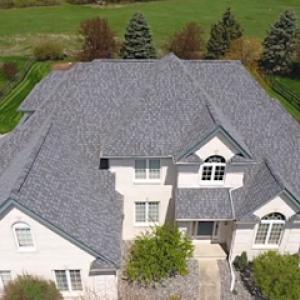
Veteran Roofing Services is a certified roofing contractor proudly serving Toledo, OH and the surrounding areas. As a veteran-owned business, we bring integrity, reliability, and expert craftsmanship to every project. We specialize in residential and commercial roof replacements, roof repairs, insurance restoration, and seamless gutter installation. Whether you’re dealing with storm damage or planning a full roof upgrade, we’re committed to delivering top-quality results and peace of mind for our customers.
Top Roofing
(419) 262-2177 www.toproofingllc.com
Serving
5.0 from 118 reviews
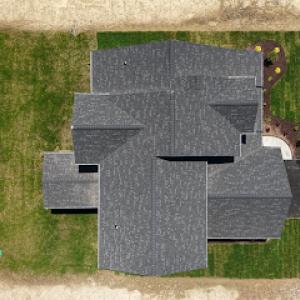
Facing a leaky roof or considering a roof replacement? Top Roofing, Toledo's Top Rated Roofing Company, is here to be your trusted partner. We serve Toledo, Ohio and the surrounding areas, ensuring your home receives the best in roofing care. At Top Roofing, exceptional quality and customer satisfaction are paramount. Our professionals use only industry-leading materials and proven techniques, guaranteeing a roof built to withstand the elements. Worried about budget constraints? Top Roofing offers competitive pricing and flexible financing options to fit your needs. We believe a beautiful, reliable roof shouldn't break the bank. Let us create a customized plan that protects your investment while enhancing your property's value.
Johnson Roofing & Restoration
(419) 222-7663 www.johnsonroofs.com
Serving
4.8 from 58 reviews
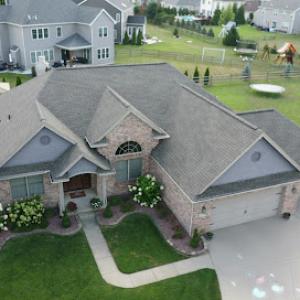
Johnson Roofing is a leading residential and commercial roofing contractor serving the greater Toledo, Ohio area, including Sylvania, Perrysburg, Maumee, and surrounding communities. We specialize in roof repair, roof replacement, storm damage restoration, and insurance claim support. Our experienced, licensed, and insured team works with asphalt shingles, metal roofing, and flat roofs, delivering top-quality craftsmanship and long-lasting results. We offer free roof inspections, fast emergency response, and competitive pricing backed by industry-best warranties. Whether you're dealing with hail damage, roof leaks, or aging shingles, Johnson Roofing is Toledo’s trusted name for honest, reliable roofing services.
Graduate Roofing Company
(419) 866-9898 www.graduateroofing.com
Serving
5.0 from 7 reviews
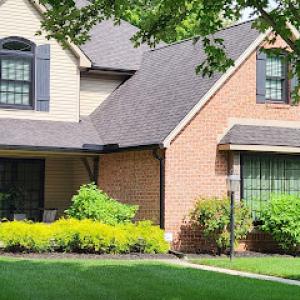
Full service residential and commercial roofing contractor. Over 25 years in business with thousands of extremely satisfied customers. Professional installation of the highest quality lifetime warranty shingles available. Same or next day appointments available to receive a free, no obligation, no hassle written estimate on the spot. Graduate Roofing's production process is unique in the industry and the results are flawless.
Tri-State Windows, Siding & Roofing
(419) 478-6577 www.remodelwithtristate.com
Serving
4.8 from 188 reviews
Quality Roof Replacements, Home Siding Installations & Vinyl Window Replacements Since 2007 in Northwest Ohio & Southeast Michigan! Yes, there are many exterior home remodelers in the local area who do roof replacements, roof repairs, roofing, siding installation, siding repair, replacement window installs, entry doors and sliding doors - BUT NOT ALL of the other remodelers are Licensed, Google Certified, and Customer Approved like Tri-State is...AND It all begins with Owner Todd Moore. At Tri-State Windows, Siding And Roofing our goal is to be the home improvement company you can trust to work with on one of your biggest investments, YOUR HOME when it comes to a new roof, vinyl siding, replacement windows, entry doors or sliding doors

Fry's Roofing & Construction
(419) 466-6133 www.frysroofingpro.com
Serving
3.9 from 36 reviews
As a locally owned, family business, we understand the importance of making sure projects are on time which is why our service is client-focused. From roofing to storm damage repair, our team has you covered and will provide amazing results
Salinas Roofing, Siding, & Exteriors
(419) 877-7205 salinasexteriors.com
Serving
4.9 from 455 reviews
Discover Salinas Roofing, Siding, & Exteriors, the renowned roofing and siding provider established in 2016. Based in Toledo, Ohio, their skilled team caters to both residential and commercial properties throughout the region. As a leading expert in roofing, Salinas Roofing, Siding, & Exteriors offers seamless installation and reliable repairs for any shingle roofing requirement. Additionally, their siding solutions encompass an array of styles, materials, and designs to suit every preference, while gutter installations and repairs add to their comprehensive suite of services. With a dedication to quality, professionalism, and customer satisfaction, Salinas Roofing, Siding, & Exteriors ensures each project is executed to perfection.
Pro Craft Home Products
(419) 475-9600 www.procrafthomeproducts.com
Serving
4.8 from 109 reviews
Pro Craft Home Products is one of the top Roofing Companies Toledo Ohio, offering roof replacement, roof repair, metal roofing Toledo, and asphalt shingle roofing. Our Toledo Ohio roofing contractors provide residential and commercial roofing services, siding replacement, window replacement, gutter installation, gutter guards, and blow-in insulation. Serving Toledo, Northwest Ohio, and Southeast Michigan, our certified Toledo roofing company delivers reliable service, free inspections, and strong warranties to protect homes and businesses.
Integrity Home Exteriors
(419) 725-9045 integrityhomeexteriors.com
Serving
4.8 from 1567 reviews
Our locally owned and operated home exterior company has been providing roofing, siding, and window and services for over 25 years. We are dedicated to bringing quality customer service with nothing but the best products. Call today for a free inspection!
Perry's Professions
(419) 975-5382 perrysprofessions.com
Serving
4.8 from 19 reviews
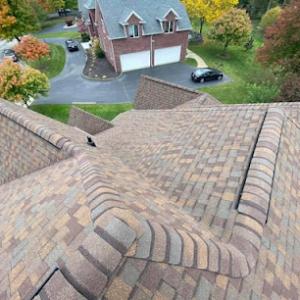
All your roofing, siding, window, door, home exterior & framing needs in one place. Repairs, replacement & maintenance provided by our experienced staff. We guarantee our quality work & offer it at an affordable price. Contact us for a free estimate today!
Great Lakes Home Remodeling
(419) 279-8716 greatlakeshomeremodeling.com
Serving
4.5 from 295 reviews
With over two decades of experience in the home improvement and Stone Coated Metal Roofing industry our Team has the knowledge, skills, and licensing to handle many different home renovations and permanent home solutions for our customers. Our goal is to offer you dependable and permanent home improvement services and craftsmanship. We provide premium roofing and siding products such as Stone Coated Metal Roofing, insulated siding and architectural fiberglass shingles for customers throughout Ohio, Michigan, and Indiana.
Seagate Roofing & Foundation Services
(419) 536-0027 www.seagateforyourhome.com
Serving
4.4 from 135 reviews
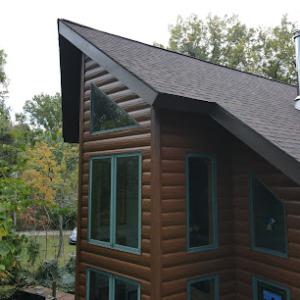
LEADING INDUSTRY EXTERIOR HOME SOLUTIONS! Seagate Roofing And Foundation Services offers a large selection of home solutions for roofing, siding, windows, doors and foundations - basements - crawlspaces to meet any style of home, office and/or budget. AREA'S MOST COMPETITIVE HOME ESTIMATES Seagate is known for having competitive solutions as the cornerstone of Seagate's succes when it comes to roofing, gutters, siding, windows, doors and foundations alike. CERTIFIED PROFESSIONAL INSTALLERS Seagate's installers bring the highest possible quality to every roof, siding, replacement window, gutter helmet, waterproofing and foundation job from start to finish.
A full roof replacement in this area is not treated as simple maintenance. In Sylvania, the process relies on a building permit and is driven by inspections before, during, and after installation. The permit application is generally submitted by the contractor or homeowner with project details, and inspections are scheduled to confirm code compliance and proper installation. If the project involves steep slopes, updated venting, or new roof penetrations for plumbing and HVAC, expect more documentation and potential questions from the building department. Treat the permit as a binding step in the calendar, not a nuisance to be skipped.
Because the approval process hinges on inspections, you should confirm, before any work starts, who is responsible for permit filing, inspection scheduling, and addressing any issues flagged by the department. In many cases, the contractor handles the permit and coordinates inspections, but miscommunication can leave you waiting or facing rework. If you prefer to manage it yourself, keep a clear line of communication with the contractor about timelines, required forms, and inspection windows. Missing an inspection order can stall a project during a season when weather windows are narrow and spring storms can alter your planned replacement date.
Inspections in this climate are practical checks for proper nailing patterns, underlayment, and flashings, with attention to ice dam risk and ventilation. Inspections may occur at several stages: after roof removal, during deck installation, and after final installation. Concrete or clay tile and metal systems may trigger different inspection focuses compared to asphalt shingles, but the underlying goal remains the same-confirm that the installation will perform through freeze-thaw cycles and spring wind bursts. If a deficiency is found, plan to correct it promptly, as delays can compress your seasonal schedule and increase exposure to winter weather.
Document every communication with the contractor, including permit numbers and inspection dates. Request a written checklist of required inspections before work begins, and keep it posted where crews can see it. Confirm who will be on-site for the key inspection moments, and arrange access for the building department. If winter conditions loom, coordinate proactive scheduling to avoid last-minute friction that could jeopardize the project timeline.
In Ohio, roof replacement is generally covered when damage comes from a covered peril, which matters in Sylvania because spring wind and hail events are a recurring trigger for claims. The unpredictable combination of rapid temperature swings and late-season storms can create new failure points on a roof that otherwise looks fine from ground level. After a hail storm or a windy day that rattles through neighborhoods, a quick gut-check on the shingles, flashing, and vent connections can save you from a delayed claim or a partial denial later on. The key is to separate what happened during a storm from what might have deteriorated over time due to age, winter abuse, or deferred maintenance.
Sylvania homeowners should expect insurers to look closely at whether damage is storm-related versus pre-existing wear. If a claim hinges on whether hail left bruising or wind damaged edge undulations, adjusters will scrutinize the cause-and-effect link. Worn granules, curling shingles, or hairline cracks from repeated freeze-thaw cycles may complicate the narrative if the storm damage isn't clearly evident. When a storm triggers a cascade of issues-vent boot leaks, flashing lift, or ridge cap damage-documenting the sequence is crucial. Conversely, a roof that shows uniform aging with no localized impact from a recent event may be treated as wear rather than a covered peril. Your case rests on how clearly the storm damage can be distinguished from natural deterioration.
Documentation matters locally because adjuster visits, photo records, and date-stamped evidence of storm damage can affect whether a claim is approved and how much of the roof is paid for. Preserve a chronological trail: take timestamped photos immediately after a storm, note the date and neighborhood wind speeds if available, and keep any repair receipts or professional assessments that reference a specific event. If possible, arrange a professional roof inspection within days of a storm while damage is fresh and visible from a safe, non-intrusive vantage. Provide the insurer with a concise narrative tying the storm to the observed issues-such as impact marks near flashing zones, or accelerated deterioration following a harsh spring wind burst. Being precise with dates, locations on the roof, and the scope of damage can reduce back-and-forth and help ensure the claim reflects the true extent of storm-related harm. In this climate, where freeze-thaw cycles compound vulnerability, timely documentation can be the difference between a full replacement and a partial reimbursement.
In established suburban blocks around town, many homes are resolving aging roofs rather than catching up with a brand-new build. Homes here often share similar wear patterns: aging decking, rusted or worn flashing, and ventilation that hasn't kept up with modern standards. The goal is to avoid repeated patchwork and instead aim for a durable, well-sealed roof that can handle Northwest Ohio winters. Because these houses sit among mature trees, gutter systems tend to collect leaves heavily, which accelerates moisture buildup and can push replacement timing into fall.
A key focus in this market is addressing ice dam risk and freeze-thaw cycles. Older chimneys, especially those with cracked mortar or missing flashing, can become water entry points after a hard winter. Valley and step flashing around dormers often corrode with age, so prioritizing flashing updates during a re-roof can prevent leaks from spring storms. Ventilation that once circulated air adequately may now be insufficient for modern attic temperatures, which increases condensation and can shorten shingle life. When replacing a roof on these homes, check decking for any soft spots, curl, or cupping shingles, and plan to replace damaged boards rather than cover them with new shingles.
Fall presents a tight window for replacement work because wet leaves and cooler days can complicate installation and drying times. If a roof shows signs of moisture intrusion heading into leaf-fall, addressing it early can prevent compounding damage from early snow or heavier autumn rains. A practical approach is to line up the project so that the roof membrane and flashing are secured before the first freeze, while ensuring attic ventilation improvements are coordinated with the overall replacement. This neighborhood pattern favors a thoughtful, staged update: reinforce the weather barrier, refresh the ventilation, and then install a durable, long-lasting cover.
Material selection often centers on durability against freeze-thaw and wind-driven rain. Shingles with robust algae resistance and good traction help in leaf-heavy seasons, while metal or synthetic options offer extended maintenance gaps for homes with mature trees framing the lot. The overarching aim is a roof that resists moisture ingress through seasonal swings, protects the chimney connections, and maintains attic integrity through the toughest weeks of winter.