
Last updated: Apr 19, 2026
Cold winters with regular snow and those warm-to-hot stretches in summer create a relentless freeze-thaw cycle. That cycle flexes shingles, especially asphalt and metal systems, and it stresses the roof deck beneath. Curling shingles are not just cosmetic-curling can trap moisture, reduce coverage, and invite leaks when storms arrive. The combination of winter snow load and nightly thaws means you're constantly racing against movement in the roof system. In a neighborhood where homes share similar roofs, the timing of your reroofing plan becomes a safety margin against wind-driven rain and hail that can strike with little warning after a thaw.
Late spring through early fall is the practical, safer window for a reroof in this climate. By then, the ground is workable, temperatures stay consistently above freezing, and moisture control from cold snaps is easier to manage. This is when shingles seal properly, underlayment layers cure evenly, and ventilation work can be completed without the added complexity of snow or ice. If you're aiming for a full replacement, synchronize the project to avoid the end-of-season risk that comes with early autumn storms. In Wooster, planning for a post-winter, pre-wrost-free stretch gives you the strongest roof deck and the most reliable performance when next winter presses in.
Spring storms in this area can be more than a nuisance-they're a banner for urgency. Hail and heavy rain can push an already marginal roof into failure mode, with moisture intrusion showing up quickly after a storm. If you notice leaked ceilings, damp attic insulation, or new stains after a spring event, treat it as a temporary signal: moisture intrusion on a brittle, frost-lrozen roof deck cannot be ignored. Plans that began as a cautious reroof may pivot to emergency repairs if spring weather exposes weak spots. In practical terms, prepare to accelerate your schedule if storms expose gaps, loose flashing, or compromised underlayment.
Act quickly when a warm spell meets a sudden freeze. The window between spring storms and summer warmth is your best chance to install a resilient roof that withstands Wooster's freeze-thaw rhythm. If moisture shows up after a storm or if curling shingles appear, don't delay-move from planning to action and secure a professional assessment before the next freeze tightens its grip.
The dominant materials in Wooster are asphalt shingles and metal roofing, with smaller but relevant use of clay tile, concrete tile, wood shakes, and synthetic/composite shingles. Asphalt shingles are common on many homes built in the postwar years, and metal roofs show up on both newer houses and some functional outbuildings. If a contractor mentions clay or concrete tile, know that it's often chosen for a specific aesthetic or regional retrofit, not the bulk of the market here. Wood shakes appear on a few character homes, especially in older neighborhoods, while synthetic shingles are a practical mid-range choice that can mimic the look of wood or tile with a lighter maintenance profile. Each option responds differently to the local climate, so the best choice hinges on how a roof handles cold cycles, hail, and seasonal heat.
Winter in this area brings frequent freeze-thaw cycles and snow loading that test roof sealants and fasteners. A roof that sheds snow effectively and resists ice dam buildup tends to hold up longer through repeated freezes. Summer heat then accelerates aging and can affect sealants, especially around penetrations and valleys. In practice, this means you'll want materials that resist cracking, keep flashing tightly sealed, and tolerate expansion and contraction without loosening over time. Metal roofs often shine here by shedding snow faster and withstanding temperature swings, though they can be noisier in a heavy snowfall unless properly insulated. Asphalt shingles perform reliably but can show wear sooner in areas of intense sun or rapid temperature shifts if underlayment and venting aren't up to the task. Tile options-clay or concrete-offer excellent durability under freeze-thaw stress when installed with appropriate clips and underlayment, but they demand a strong substructure and careful installation to prevent cracking under cold snaps and heavy hail.
Because shattered or dented shingles and compromised seals are common trouble spots after hail and wind storms, the selection should prioritize impact resistance and wind performance. Metal roofs excel for hail resistance if the profile and fasteners are chosen with proper sealant and venting details. Asphalt shingles with impact-resistant ratings and higher wind uplift resistance are a sensible choice for many homesteads that want straightforward maintenance and a familiar look. Clay and concrete tiles bring excellent longevity and a distinct curb appeal, but they require a sturdy deck, precise installation, and careful snow shedding planning to avoid breakage under heavy snow loads. Wood shakes offer charm and decent lifespan in sheltered areas but demand regular maintenance against weathering and potential moisture issues in shaded, snow-prone spots. Synthetic/composite shingles aim to balance looks and durability, with better resistance to cracking in cold weather and often easier repair options after hail.
When you plan a reroof, align material choice with the local climate cycle: fall and spring windows are ideal for evaluating venting, insulation, and attic condensation control before the harshest weather sets in. If the project is done in late winter or early spring, ensure underlayment and flashing are fully integrated to handle thaw cycles and residual moisture before summer heat returns. For metal, confirm panel overlap and sealant continuity around edges and penetrations to prevent wind-driven leaks during winter storms. If opting for tile, verify the structure can bear the weight and that fasteners and clips are sized for the seasonal temperature range. For asphalt, ask about upgraded underlayment and ice-dam barriers in valleys to mitigate winter damage. In short, the best material for Wooster balances hail resistance, wind performance, snow shedding, and resilience to repeated temperature swings, all matched to your roof's structure and local storm history.
In Ohio, roof claims commonly follow weather-driven hail and wind events, which aligns with spring storm risk and autumn wind exposure around the area. When a severe storm rolls through, granules on asphalt shingles can loosen, metal panels can dent, and flashing may suffer from gusts. The result is often a mix of visible damage and latent issues that show up after thaw cycles. Your roof isn't just dealing with the immediate impact; the freeze-thaw cycle can reveal weaknesses in shingles, underlayment, and fasteners in the weeks that follow, especially if the storm stress was heavy.
Insurers in this market typically expect photos and contractor notes documenting both the damage and the roof's pre-loss and post-loss condition. Take wide shots and close-ups of damaged areas, plus framing or vent details that show the roof's overall condition before the event. A dated, dated-captioned file helps. Have a trusted contractor prepare a concise damage summary that notes shingle lifting, nail pops, rusted or loose flashing, and any membrane or deck concerns. If there were prior issues, document them clearly to distinguish pre-existing wear from storm-caused damage. The goal is to provide a clear before-and-after narrative that an adjuster can verify under a reasonable inspection window.
Widespread insurer pullbacks are not a defining issue in this region, but policy terms vary by carrier, so homeowners need to verify actual loss settlement language rather than assume broad exclusions. Start the process promptly after a storm, but avoid rushing through the documentation step. Contact your insurer with the event details, then secure a neutral, third-party roofing assessment to corroborate what occurred and what needs replacement or repair. Keeps notes of all conversations, and ensure the contractor's scope aligns with the insurer's adjuster findings. If a disagreement arises over the extent of damage, a detailed hold-back itemization and a clear rationale for any additional repairs can help bridge gaps.
Relying solely on a quick exterior check can miss moisture intrusion that frost cycles reveal later. Don't delay the assessment if you notice interior signs of leaks or ceiling staining after a hail or wind event. Avoid signing off on a settlement without an independent review of the pre-loss condition and a documented post-loss comparison. And be wary of categories that lump together minor cosmetic issues with structural damage; clear, contractor-supplied notes that separate cosmetic from functional damage strengthen your position when negotiating with an insurer.
Connect with contractors who help homeowners navigate the claims process from damage assessment to final approval.
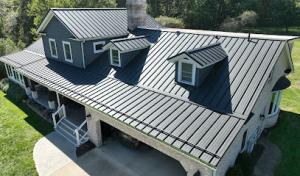
Cornerstone Roofing & Siding
(330) 362-8292 cornerstoneroofingandsiding.com
5200 Cleveland Rd SUITE A, Wooster, Ohio
5.0 from 122 reviews
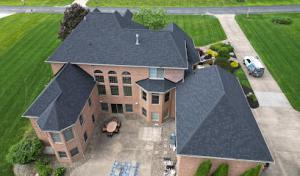
Steele Systems
(330) 804-7663 steelesystemsohio.com
427 E Liberty St, Wooster, Ohio
4.9 from 74 reviews
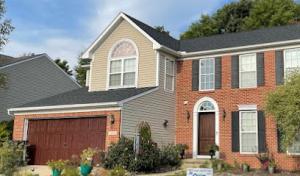
Inspire Restoration
(330) 601-3267 www.inspirerestoration.com
405 W Liberty St ste b, Wooster, Ohio
5.0 from 39 reviews
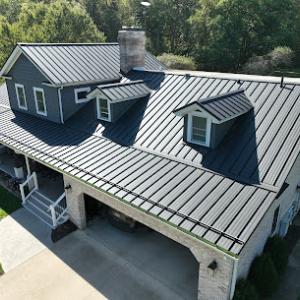
Cornerstone Roofing & Siding
(330) 362-8292 cornerstoneroofingandsiding.com
5200 Cleveland Rd SUITE A, Wooster, Ohio
5.0 from 122 reviews
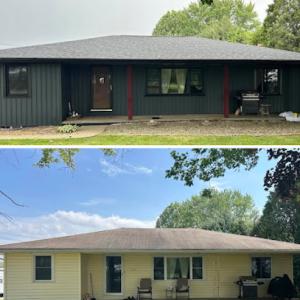
At Cornerstone Roofing and Siding, we’re dedicated to providing exceptional roofing, siding, and exterior services for homeowners/businesses in Wooster, Ohio, and the surrounding areas. As a locally owned and operated company, we pride ourselves on building strong, lasting relationships with our customers, offering dependable service built on a solid foundation of quality craftsmanship and integrity. We specialize in a wide range of services, including roof installations and repairs, gutter systems, siding, and much more. Whether you're in need of a roof replacement, new siding, or help navigating an insurance claim, our team is here to guide you through every step of the process.
Erb's Construction & Roofing
(330) 601-6896 erbsconstructionllc.com
11033 Blachleyville Rd, Wooster, Ohio
5.0 from 83 reviews
We build pole barns, pole barn homes. We also specialize in metal and shingle roofs, siding and decks. We take pride in knowing the quality our customers receive is top notch. We operate with a perfect balance of quality and efficiency. Our customers have been very impressed by our quick turn around time. Once your project is started, it is our focus to get it completed. Our crew has worked together for several years and is very proud of their Amish heritage and quality craftsmanship.
Steele Systems
(330) 804-7663 steelesystemsohio.com
427 E Liberty St, Wooster, Ohio
4.9 from 74 reviews
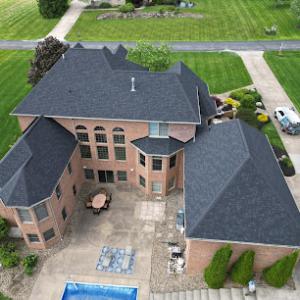
Whether you are looking to install a new roof, replace an old roof, restore a slate roof, or repair storm damage, Steele Systems does it all. We offer both residential and commercial roofing services, and our roofing installers are well versed in all roofing materials, from traditional shingle roofing to metal roofing to slate roofing, as well as TPO (thermoplastic polyolefin) roofing for low-slope commercial buildings. As one of the premier full-service roofing companies in Northeast Ohio—with a focus on all things exterior—we also install siding, gutters, gutter covers, fascia and windows. Third-generation roofing contractors, Craig Steele Jr. and his son Mason lead by example with the utmost integrity and they are hands-on with every ...
Inspire Restoration
(330) 601-3267 www.inspirerestoration.com
405 W Liberty St ste b, Wooster, Ohio
5.0 from 39 reviews
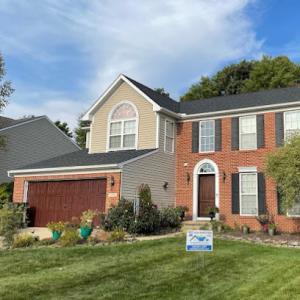
Inspire Restoration is an Exterior Restoration Contractor. We specialize & work most specifically with exterior trades & we primarily focus on Roofing, Siding, Gutters, and Soffit & Fascia repairs. However, we're always open to working with our customer on other projects it just depends. But, again, our wheel house is roofing, siding, & gutters. WE ARE EXCEPTIONALLY WELLVERSED, TRAINED AND EXPERIEND TO WORK APPRIOPRIATELY WITHIIN THE INSURANCE RESTORATION INDUSTRY. Basically, we restore homes' exteriors after a major storm causes recent & sudden damage. These types of claims are comprehensive/Act of God & the Insurance's cannot single you out for filing a claim that We do sell roofs (Retail) and we do have financing available as well...
David Yoder Roofing
(833) 411-7846 yoderqualityroofing.com
3363 Oak Hill Rd, Wooster, Ohio
4.6 from 28 reviews
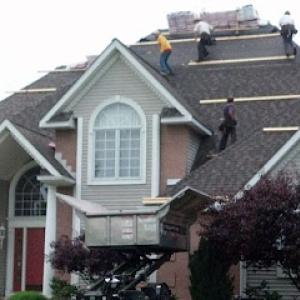
Our conscientious Amish craftsmen are experienced and knowledgeable. They care about the quality of the work we do for you. We don’t cut corners. We are certified as a MASTER SHINGLE APPLICATOR by the CertainTeed Corporation. We offer a five year guarantee on all labor/application aspects of the job. The Materials we use have manufacturer warranties of 30 to 50 years. If there are any problems with our workmanship we will fix them promptly.
Elegant Exteriors
(330) 473-2574 elegantexterior1.com
7520 Millersburg Rd, Wooster, Ohio
5.0 from 4 reviews
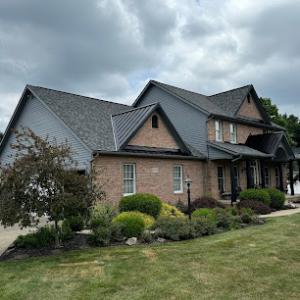
Over 20 Years Of Experience! Elegant Exteriors is a fully insured company with over 20 years of experience, “Our mission is to focus on our customers’ needs in order to provide the highest quality construction services.
Loyalty Roofing
(330) 738-8977 roofingserviceswooster.com
4755 E Messner Rd, Wooster, Ohio
5.0 from 3 reviews
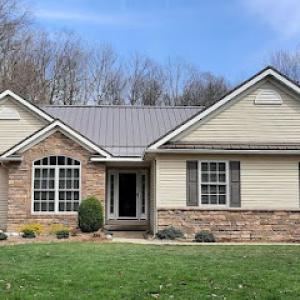
Loyalty Roofing proudly serves Wooster, OH, and surrounding areas. We specialize in expert roofing services, including repairs, replacements, and new installations. Our team is dedicated to providing high-quality, durable roofing solutions to protect your property. Contact us today for a comprehensive roofing assessment

Hershberger Brothers Roofing - Wooster Roofing & Siding Company
(330) 778-9041 www.hershbergerbrosroofing.com
Serving
4.9 from 43 reviews
Need a reliable roofer near Wooster, Ohio? Look no further than Hershberger Brothers Roofing! We're a family-owned business serving Akron and surrounding communities like Medina, Springfield, and Hudson for over 15 years. We specialize in residential and commercial roofing, including repairs and replacements. We also handle gutter installation and repair, as well as siding installation and repair, using top-quality materials. Our team prioritizes quality craftsmanship and customer satisfaction, which is why we offer a 5-year warranty on our work.
Country Roofing & Exteriors
(330) 960-1216 countryroofingllc.com
Serving
5.0 from 257 reviews
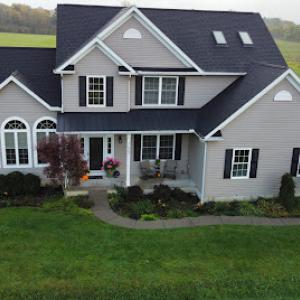
Shingle & Metal Roofing, Siding, Spouting, Windows & Doors, Decks & Porches, Storm Damage & Insurance Claim Solutions in Northeast Ohio | Our expert team hits the nail on the head every time with service & quality you can trust.
Twincreek Roofing - Apple Creek
(330) 275-4432 twincreekroofing.com
Serving
5.0 from 29 reviews
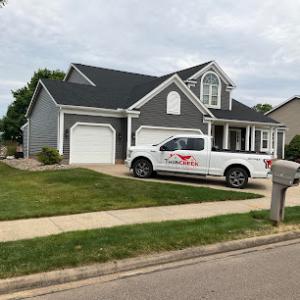
Twincreek Roofing & Exteriors provides trusted roof replacement and roof repair from Apple Creek, Ohio. With 13 years of experience, our team delivers quality Amish craftsmanship, clear upfront pricing, and fast service you can rely on. We specialize in shingle and metal roofing, siding installation, and seamless gutters, all backed by strong product and labor warranties. Your roof protects your family and your home, so choose local exterior experts who complete most projects in a single day with full cleanup. Twincreek Roofing & Exteriors proudly serves homeowners throughout Central and Northeast Ohio with reliable service and lasting results.
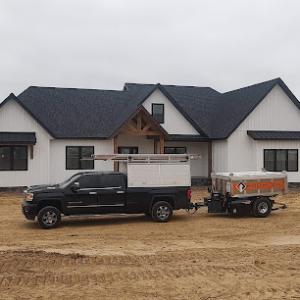
I&I Roofing
Serving
4.9 from 19 reviews
Small local family owned roofing experts, We used top quality materials like Owens Corning, for long lasting performances, Call Ian Troyer today for your free estimates.
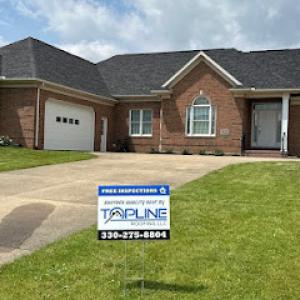
Topline Roofing
(330) 275-8804 toplineroofingllc.com
Serving
4.9 from 55 reviews
At Topline Roofing, we combine decades of craftsmanship with modern technology to deliver high-quality roofing solutions tailored to your needs. Whether it’s residential, commercial, or specialized Roof Maxx applications, we ensure durability, sustainability, and exceptional customer service. Our skilled team is dedicated to protecting your property with expert installations, repairs, and maintenance services. As a leader in the roofing industry, we’re committed to eco-friendly practices, helping you save money and the planet. Serving Wooster, Mansfield, Bucyrus, Ashland, Galion and surrounding areas we are proud to be a trusted name for Amish roofing excellence.
Typical pricing here runs about $350-$650 per square for asphalt shingles, $700-$1100 for metal, $1500-$3000 for clay tile, $1200-$2400 for concrete tile, $600-$1100 for wood shingles or shakes, and $450-$900 for synthetic/composite shingles. Those bands reflect Wooster's mix of cold-snap winters, freeze-thaw cycles, and the occasional storm that tests roof membranes and decking. If a contractor is busy after a major storm, you'll see those numbers shift upward for a spell, especially for quick material deliveries and surge labor.
In spring, after hail and strong winds sweep through Wayne County, reroof demand spikes. Weather events tighten the local labor pool and push material lead times, which can push project schedules and pricing upward for several weeks. If you're aiming to wrap a reroof before the next big freeze, you'll want to plan with a cushion for weather-related delays and potential on-site shingle shortages. Off-peak windows-late fall and mid-summer-tend to run steadier, but you'll still face the same adapter costs if performance needs dictate faster completion.
Asphalt shingles remain the practical baseline here, with the widest installer familiarity and the smallest upfront investment. Metal roofs, while pricier, offer strong resistance to freeze-thaw wear and can shed snow more predictably, potentially reducing long-term maintenance. Clay and concrete tiles provide excellent durability but bring heavier loads and higher installation costs, which matters on aging or marginal framing. Wood shingles and shakes carry a distinctive look and good performance in dry periods but require maintenance to handle moisture swings. Synthetic/composite shingles offer a middle ground in cost and resilience, often balancing weight and wind resistance.
Start with exact square footage and selected material to translate the per-square pricing into a project estimate. Build in a buffer for weather-related delays and potential after-storm demand shifts. Compare multiple bids that break out material, labor, disposal, and any ancillary materials so you can see how the local climate and storm timing influence each line item.
Get a clear picture of your project costs upfront - no commitment required.
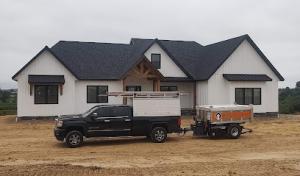
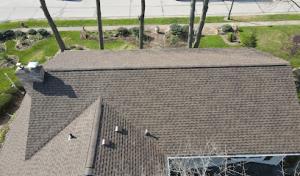
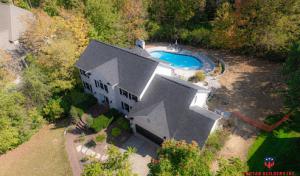
In this area, the Wooster Building Department handles reroof projects with a paper trail that helps keep the winter storm season from turning a maintenance job into a bigger claim. A full reroof typically requires a permit, and the department expects you to have a clearly defined scope and material details before any work starts. This means your contractor should come prepared with the planned roofing material type, along with any underlayment and ventilation changes, so that the plan review can confirm it meets local codes and safety standards. The process is built to ensure the roof replacement withstands Wayne County's cold snaps and freeze-thaw cycles, which are common stressors for asphalt and metal systems alike.
Before a single shingle is lifted, you submit the project scope and material details to the Wooster Building Department. The submittal typically includes the address, planned roof type, number of squares, roof pitch, and any existing structural notes that could influence the replacement. It is wise to attach a simple site plan showing eaves, roof access points, and staging areas for materials and debris containment. Ensure the contractor's calculations for underlayment and attic ventilation align with code requirements, since improper ventilation can trap moisture during a heavy snowfall and thaw cycle. A modest permit fee accompanies the submission, reflecting the thorough review that reduces risk during brutal winter weather.
Inspections are commonly scheduled at two key milestones: pre-underlayment and final. The pre-underlayment inspection confirms that the roof deck is sound and that the planned underlayment and ventilation configuration are in place before any wrap or shingles go on. This step helps prevent problems that could show up after a harsh freeze-thaw period. The final inspection verifies the completed installation, proper flashing details, and that all penetrations are sealed and flashing is integrated with skylights, chimneys, and vents. A post-construction check ensures everything has been completed to code and that the new roof will perform under Wooster's winter conditions.
Coordinate with the contractor to ensure all material details are locked in before the permit is pulled, and request a copy of the submitted plans for your records. If weather delays push the project into late fall or early winter, confirm with the Building Department how any extensions or revised inspection dates should be handled. Keep access clear for inspectors and provide safe pathways for any temporary heating or ice-control measures that might be needed during the inspection window. By aligning the project scope, materials, and inspection timing with the department's expectations, the reroof can progress with fewer delays and minimize exposure to winter hazards.
In Wooster, leak risk spikes when spring storms or winter freeze-thaw cycles stress roof penetrations and transition areas more than the field shingles themselves. A worn valley, compromised vent boot, or a poorly flashed skylight curb can let moisture sneak in even after the rest of the roof looks sound. Pay close attention to chimney-to-roof joints, vent stacks, and rake-to-soffit transitions, especially where your roof meets dormers or misaligned flashing. If a penetration shows any sign of movement, discoloration, or softening around sealant, address it before the next thaw or storm because water can follow a small path to bigger problems.
The local inspection sequence that includes a pre-underlayment stage makes flashing and water-shedding details especially important to get right before the roof is closed in. That means your contractor should verify each flashing apron, kick-out at gutters, and step flashing where shingles meet walls while the roof deck is exposed. A robust underlayment plan paired with properly lapped flashing provides a second line of defense if wind-driven rain or wind-ruffled snow finds a seam. Don't let corners be rushed or gaps go unsealed-even a minor misstep now can become a costly repair after a heavy rain or freeze.
Skylight-related service is a meaningful specialty in the Wooster market, indicating that homeowners here regularly seek help with these vulnerable roof openings. If you have one or are installing, expect seasonal attention: flashing degrades with temperature swings, and the surrounding deck edge and curb must shed water reliably. Prioritize consistent flashing checks around skylights, especially after a freeze-thaw cycle or a heavy storm, and consider sealing strategies that accommodate ice buildup without creating new failure points.
Find contractors experienced in skylight installation, flashing, and leak repairs to bring natural light into your home.
Cornerstone Roofing & Siding
(330) 362-8292 cornerstoneroofingandsiding.com
5200 Cleveland Rd SUITE A, Wooster, Ohio
5.0 from 122 reviews
David Yoder Roofing
(833) 411-7846 yoderqualityroofing.com
3363 Oak Hill Rd, Wooster, Ohio
4.6 from 28 reviews
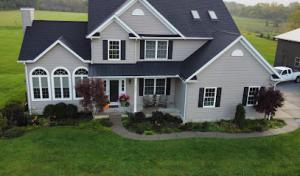
In Wooster, contractors who earn repeat business consistently emphasize cleanup as part of the job. Local crews routinely include debris containment, on-site haul-away, and post-work cleanup as a baseline service. Homeowners expect tarps over landscaping, careful lid placement on dumpsters, and a clear pass of the yard to remove nails and shingle scraps on the same day the crew finishes. When comparing bids, look for a contractor whose proposal explicitly lists daily cleanup steps and a final walk-through to confirm no debris remains in lawns or gutters.
Affordability paired with responsiveness is a core priority in this market. Storm events and the midwest's volatile weather schedule can compress decision windows, so vendors who can schedule promptly and deliver predictable timelines tend to win trust. A practical approach is to establish a short, written forecast of progress: expected start window, key milestones, and the anticipated rain or cold delays that could affect timing. In Wooster, it's common for homeowners to favor contractors who offer rapid assessment services after a hail or wind event and who can mobilize crews quickly without sacrificing cleanup and safety.
While a smaller share of contractors market warranties, Wooster homeowners still weigh post-install support and manufacturer alignment. A practical decision point is whether the contractor stands behind workmanship for a defined period and how claim handling works if a component under warranty needs attention. Look for clarity on what is covered, how to initiate a warranty claim, and whether the manufacturer's system is compatible with existing attic venting, underlayment, and color-matching expectations. The strongest choices provide written warranty terms, a local point of contact, and a clear process for service after installation.
The local climate makes timing critical. Reroofing work benefits from dry, cold days without heavy snowfall, yet the window can be tight between late fall and early spring. Contractors who plan around anticipated melt-and-freeze patterns reduce the risk of shingle damage during install and ensure proper insulation and ventilation during completion. If a storm window threatens, lean toward crews who can pre-staging materials, protect the roof line, and complete critical steps before temperatures drop.