
Last updated: Apr 19, 2026
Barberton sits in the Northeast Ohio weather pattern where hail and wind events regularly drive roof insurance claims. That pattern isn't occasional noise-it's a recurring reality that tests every home's outer shell. Winters are cold and brutal here, with snow piling up and then thawing, refreezing, and re-doing the same spots year after year. When that cycle wears down shingles, flashing, or vent collars, even small gaps can turn into big leaks after a storm or during a rapid melt. If you've watched a hailstorm hammer your neighborhood, you've watched the clock run on potential damage: the longer you wait, the more the risk compounds.
Cold winters mean the first sign of trouble is rarely dramatic. Micro-cracks in shingles, loose granules in gutters, or a wobbly chimney flashing can look insignificant-until a freeze-thaw cycle pushes water behind those defenses. In a few days of warming and cooling, a hidden flaw becomes an active leak. Pay attention to interior indicators after a storm: a small attic puddle, a damp spot along a ceiling seam, or staining around a vent boot. In Barberton, those clues are more than nuisance; they're a prompt to act before a mid-winter day becomes a full-blown repair crisis. Delaying repairs lets moisture migrate, pitting wood, corroding metal, and inviting more extensive damage across the roof deck.
Storm claims spike after hail and high winds, and the timing can lock you into a narrow window for coverage. Start with digital documentation of damage-photos of roof lines, gutters, vents, and any interior signs of intrusion. Keep dated records of storms and any changes in your attic or ceiling. If a contractor spots hidden damage after lifting shingles, you'll want a formal report that connects the dots between hail hits and the current leakage path. In Barberton, the sequence matters: a quick, thorough assessment reduces the chance of coverage disputes later and helps ensure the right scope is captured on the claim. Those steps aren't optional-they're essential to prevent gaps in coverage when a storm claim is filed.
Spring and early summer storms elevate interior intrusion risk when a roof is already compromised or mid-project. A rain-heavy stretch during a reroof can ruin new underlayment, back up dry-in progress, or saturate sheathing that hasn't yet been fully air-dried. If a repair or replacement is underway, plan for a tailwind stretch of dry days and arrange tarps and temporary weatherproofing to minimize exposure. When you see an incoming spring storm sequence, coordinate with your contractor to stage work so critical roof sections aren't left vulnerable during peak wind or heavy rain. In practice, that means scheduling the most weather-exposed tasks for the driest windows and having contingency protections in place to keep interior spaces dry.
Begin with a fast-inventory of roof vulnerabilities-shingles with curling edges, flashing around chimneys, or water staining near attic access points. Collect recent storm data for the area and map out the most likely zones of impact on your home. If you notice any suspicious patches inside, contact a trusted local roofer for a no-pressure inspection aimed at identifying immediate needs versus deferred maintenance. Prioritize temporary safeguards-seal gaps, remove debris, and ensure gutters are clear-so a storm doesn't exploit a small flaw into a larger disaster. Immediate, targeted response is the difference between a simple fix and a costly, lengthy repair.
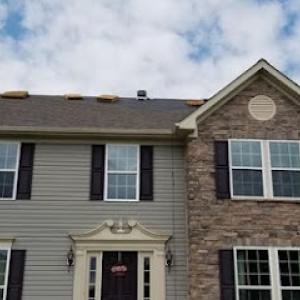
Renew Home Exteriors
(330) 522-1974 renewhomeexteriorsohio.com
1361 Wooster Rd W, Barberton, Ohio
4.8 from 87 reviews
Welcome to Renew Home Exteriors - Your Go-To for Premium Home Solutions! Renew Home Exteriors specializes in top-quality windows, doors, siding, stonework, and roofing. Our mission? Elevate your home with unbeatable products and service. Expect superior materials, expert guidance, and competitive prices. Let's transform your home together. Whether you're looking to enhance your home's aesthetics, improve energy efficiency, or increase property value, Renew Home Exteriors has the solutions you need. Trust us to transform your vision into reality with our unmatched combination of superior products, superior service, and unbeatable prices.
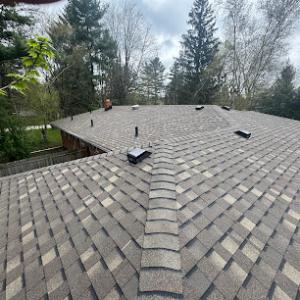
Scottys Roofing & Repair
122 Hermann St, Barberton, Ohio
5.0 from 19 reviews
Scottys Roofing & Repair Service locally owned family operated small business professionals. We specialize in Roofing, Siding, Gutters, Chimneys and much more. We also do a bit of handyman work as well Over 18 years experience ,Free estimates ,fully insured for the safety of your homes. Our prime focus is customer service , Where to help make your homes transformations or projects as easy and stress free as possible. No Job to BIG or small text or call Scotty does it all!
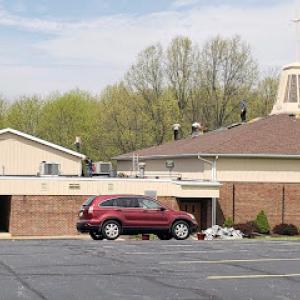
Kennedy Roofing Specialists
(330) 745-7728 kennedyroofingspecialists.com
1832 Turkeyfoot Lake Rd, Barberton, Ohio
4.7 from 23 reviews
Kennedy Roofing Specialists, founded by Kenmore graduate John P. Kennedy, has been a leading Northeast Ohio roofing company since its inception in 1979. Kennedy Roofing Specialists is a family owned company that has specialized in residential roof construction and repair for the last 40 years. Located in Coventry Township near the city of Barberton, Kennedy Roofing Specialists serves the following Northeast Ohio Counties.
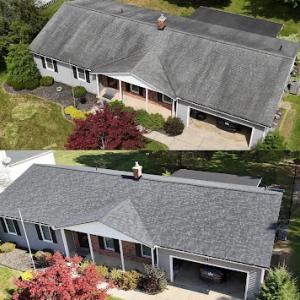
Pitch Perfect
(440) 420-8687 www.gopitchperfect.com
Serving
4.7 from 95 reviews
Pitch Perfect Roofing tackles a variety of home exterior projects in NE Ohio and surrounding areas. They specialize in roof repair and replacement, but their services extend to decks, siding, heating systems, chimneys, insulation, and gutters.
BLC Roofing
(234) 404-3739 blcroofingoh.com
Serving
4.9 from 229 reviews
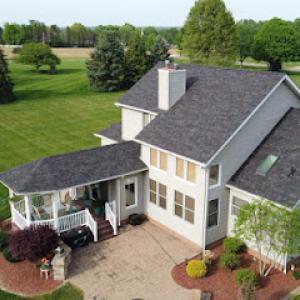
BLC Roofing is a trusted roofing contractor based in Akron, OH. We specialize in providing top-quality roofing services, including roof installations, roof repairs, and full roof replacements for residential and commercial properties. We also offer siding installation, skylight installation, and ice dam removal Our team of skilled professionals is dedicated to delivering exceptional workmanship and superior customer service. With years of experience in the industry, we guarantee reliable and long-lasting solutions for all your roofing needs. Contact us today for a free estimate and let us protect your property with a strong and durable roof.
Landmark Construction
(330) 470-1200 www.mylandmarkteam.com
Serving
4.9 from 66 reviews
We’re a locally owned roofing company proudly serving Akron and Northeast Ohio. We specialize in roof repairs, full roof replacements, siding, and storm damage restoration for residential and commercial properties. Ohio weather can be tough on roofs-from heavy snow and ice dams in the winter to high winds and severe storms in the spring and summer. Our team provides honest inspections, clear communication, and quality craftsmanship you can trust. You’ll work directly with the company owner, ensuring personal attention and fast, reliable service—no middlemen and no pressure.Whether you need emergency roof repair after a storm, help with an insurance claim, or a long-term roofing solution, Landmark Construction is here to help protect yoou.
Exteriors Plus
(330) 800-8018 www.exteriorsplus.com
Serving
4.9 from 755 reviews
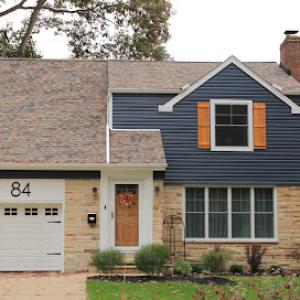
Exteriors Plus is a family-owned, award-winning exterior remodeling company proudly serving Northeast Ohio for over 14 years. We specialize in roofing, siding, gutters, windows, and doors for residential and commercial properties, delivering durable solutions built to last. Our experienced team is committed to expert craftsmanship, honest communication, and customer-first service on every project. We offer free, no-obligation estimates and flexible zero-percent financing options to make protecting your home easier and more affordable. From minor repairs to full exterior replacements, Exteriors Plus is dedicated to quality work, reliable results, and treating every property like it’s our own.

Firestone Restorations
(234) 327-4738 www.firestonerestorations.com
Serving
5.0 from 50 reviews
Firestone Restorations specializes in fast and efficient roof restoration services primarily through insurance claims, ensuring swift repairs and maximum coverage. Additionally, we offer retail services to meet all your roofing needs. Count on us for expert solutions that protect and enhance your home.
Onyx Roofing
(330) 571-5433 roofingonyx.com
Serving
4.8 from 32 reviews
Trusted Roofing Company in Norton, Ohio. At Onyx Roofing, a dedicated roofing company in Norton, Ohio. We are committed to delivering exceptional roofing, siding, window, and door services. Through hard work and dedication, we guarantee top-tier service tailored to your needs. Our goal is to provide the most effective, high-quality solutions with professional communication and transparent budgeting every step of the way.
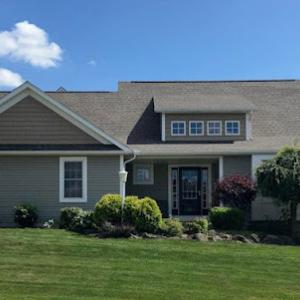
TK Roofing & Gutters
(330) 858-2616 www.tkroofingandgutters.com
Serving
4.8 from 142 reviews
TK Roofing & Gutters ranks as Akron's top-rated roofing contractor, specializing in roof replacement, asphalt shingles, storm damage repair, and full-service roofing solutions. Since 2003, our family-owned company has served homeowners and businesses throughout Akron, Summit County, Cuyahoga Falls, and Fairlawn. Our licensed, bonded, and insured roofers use premium CertainTeed materials and offer one of the longest warranties in the roofing industry. Whether you need roof repairs or complete roof replacement, our local roofing experts deliver same-day service throughout Northeast Ohio. Call (330) 858-2616 today to schedule your free roof inspection and discover why TK Roofing & Gutters is the first choice for Akron homeowners.
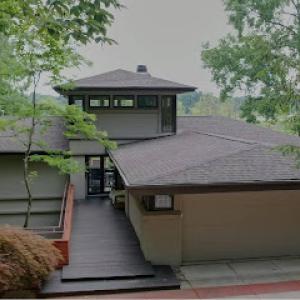
Keim Pro Exteriors
Serving
5.0 from 33 reviews
Keim Pro Exteriors is here for your exterior projects. Offering dedicated service to you and your home.
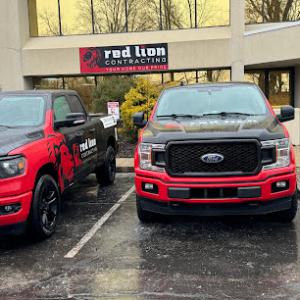
Red Lion Contracting
(330) 524-7828 redlioncontractingllc.com
Serving
4.9 from 60 reviews
Red Lion Contracting in New Franklin, OH, provides expert roof replacements designed to keep homes protected and secure. Serving Summit County, our team specializes in replacing worn, leaking, or storm-damaged roofs caused by the area’s heavy snow, summer storms, and fluctuating temperatures. We focus on delivering durable roofing solutions that address common local challenges, from shingle deterioration to weather-related damage. With a commitment to quality craftsmanship and customer care, we make the replacement process efficient and reliable. Homeowners looking for trusted roofing contractors in New Franklin can depend on Red Lion Contracting for professional service and experienced roofers dedicated to long-lasting results.
Winter in Barbertown? Wait, the town is Barberton. Those Northeast Ohio freeze-thaw cycles chew on roof systems in a very local way. Underlayment takes the brunt from repeated moisture infiltration and drying, sealant lines crack, and shingle adhesion can degrade where cold, wet days meet sun-cracked afternoons. When frost pushes up against edges, nail heads and fasteners loosen, creating quiet leaks that only show up after a heavy thaw or a clearing storm. The pattern in this area means that a roof isn't just dealing with a one-off freeze; it's enduring a recurring stress test through multiple cold snaps. This is especially true for older housing stock where decking or underlayment may have settled and flashing details were installed with older methods.
Snow accumulation compounds the risk. Snow sits on the roof, then thaws during a warm spell, and refreezes when temperatures drop again. That cycle can push against seals at penetrations, skylights, chimneys, and vent boots. In Barberton, those vulnerable seams are more likely to reveal themselves just as spring storm season starts to ramp up. The practical effect is that some quiet compromises become visible only after a thaw-refreeze sequence, not during a single cold snap. The result is a higher likelihood of hidden damage that needs attention before a spring system arrives.
The practical failure points cluster around three areas: underlayment and attic leaks, flashing detail around roof penetrations, and shingle adhesion at the eaves and along ridges. Underlayment can begin to separate where the moisture has repeatedly penetrated and re-dried, creating soft spots that look fine from the ground but leak when pressure mounts. Sealant lines around vent pipes, chimneys, and skylights are where you will often see hairline cracks widen after a freeze-thaw sequence. Shingle adhesion is tested at the edges. When the sun comes out and the roof expands, those edges can lift slightly, exposing the underlayment underneath to more rapid wear. In neighborhoods with older homes, those weak points tend to accumulate along the same lines year after year.
If a storm hits when the freeze-thaw cycle is tailing off, look for unusual moisture in the attic after a windy day. Condensation that doesn't resolve quickly can signal compromised underlayment or flashing. Exterior cues include small shingle lift at corners, around vents, and near the chimney where flashing sits. Pay particular attention to any spots that seem to shed water poorly after a heavy rain-these are often the telltales of deeper vulnerabilities that the next freeze could aggravate.
The practical replacement window in Barberton is shaped by winter adhesive limitations and summer heat, making shoulder seasons especially important for scheduling. Adhesives and sealants behave differently depending on ambient temperatures and humidity. Highly cold conditions hinder proper adhesion, while extreme heat can accelerate curing in ways that reduce long-term sealing. The goal is to align reroofing work with days that are cool but dry, avoiding the peak heat of midsummer and the deep cold of midwinter. That often means planning for late spring or early fall windows, when the roof can be installed with optimal material performance and minimal disruption from sudden weather changes.
During the shoulder seasons, roof crews can perform careful membrane or underlayment resealing, flashing adjustments, and shingle reseating where needed. Scheduling during these periods also helps ensure that any lingering cosmetic issues discovered during inspection don't get buried under a heavy rainfall or severe freeze. If a weather event interrupts work, coordinate with the contractor to resume at the earliest safe opportunity to maintain the integrity of the seals and the continuity of the roof plane before the next freeze sets in.
Keep a sustained eye on the attic during thaw cycles and after storms. Note any new damp spots, changes in insulation temperatures, or increased heat escape. After a significant freeze-thaw period, it's wise to arrange a post-season inspection to verify flashing integrity and shingle adhesion before the next spring storm surge. Maintain gutters clear, since backed-up water accelerates edge wear and leaks. And, if a leak pattern repeats in a particular roof section, discuss targeted flashing or resealing with a local roofing professional who understands the local climate rhythms and older siding and decking realities.
Asphalt shingles and metal roofing are the dominant practical choices in Barberton, while tile and wood products are less common and more situational. This region experiences Northeast Ohio's characteristic freeze-thaw cycles, and you'll notice asphalt shingles respond well to those repeated freezes and thaws when installed with proper underlayment and ventilation. Metal roofing offers excellent resistance to hail and high wind without the same propensity for surface cracking that some asphalt products show after severe winters. In older homes across established neighborhoods, the simplicity and availability of asphalt or metal systems can streamline both repair and reroof projects, reducing disruption to nearby homes during storm recovery.
Clay tile and concrete tile may trigger added local review because heavier systems can require more structural consideration than conventional reroofs. In Barberton, where older housing stock can feature varying roof framing, a roof replacement with heavy tile should prompt a careful assessment of attic framing, truss integrity, and roof-to-wall connections. If a heavier option is chosen, expect a more detailed evaluation of load-bearing capacity and potential reinforcement needs before ordering materials. Lightweight alternatives within the same family, like synthetic or composite tiles, can offer a closer balance between aesthetics, weight, and performance, but still require professional framing checks in older buildings.
Barberton's climate makes material movement, moisture management, and resistance to hail and wind more important than purely aesthetic selection. In practice, that means prioritizing ridge and eave ventilation to control attic moisture during rapid thaws, along with underlayment choices engineered for cold conditions. Asphalt shingles with appropriate granule density and synthetic underlayment can perform well under freeze-thaw stress when paired with robust venting. Metal roofs, especially standing-seam types, handle hail and wind well but benefit from proper panel seals and sealant strategies at penetrations to prevent water tracking during heavy freezing rain. If a lighter-weight tile is used, ensure the substructure and flashing details are tuned to manage movement from temperature shifts without compromising seal integrity.
In neighborhoods with a mix of older and newer structures, you'll typically see asphalt shingles as a first-choice due to compatibility with existing roof lines and simpler installations. Metal roofing stands out where hail patterns and strong gusts have caused repeated damage or where residents want rapid recovery after storms, given its durability and longer service life. Tile and wood options are best reserved for specific architectural styles or personal preference, but require careful assessment of structural compatibility and local wind-driven rain performance. For any heavier system or specialty material, a professional evaluation helps confirm whether existing framing supports the upgrade without excessive reinforcement. Regardless of the choice, pairing the selected material with a well-sealed, moisture-aware installation maximizes performance through Barberton's wild winter-to-spring transitions.
Storm damage documentation and timely reroof planning are essential in this market, where hail and wind claims can drive urgent repairs. The best material choices in Barberton prioritize consistent protection against moisture movement and wind-driven water ingress, while also offering predictable performance once the system is in place. Choosing a material with proven hail resistance and compatible fasteners reduces the likelihood of call-backs after a severe storm. In community-minded neighborhoods, a properly installed roof that balances weight, moisture management, and wind resistance supports both the home's structural health and the neighborhood's overall resilience through harsh winters and rapid thaw cycles.
When planning a reroof in this area, storm-driven demand spikes after hail or strong winds can tighten scheduling and labor availability. In Northeast Ohio, Barberton homes often experience a rush period after a hail event, which can push lead times and installation crews to stretch. You should expect some variability in timing as nearby neighborhoods recover from a storm, and that can influence both price and the pace of work.
Shingle replacements remain the most common path, but pricing is sensitive to local conditions. Asphalt shingles, the standard choice for most Barberton roofs, sit in a broad middle range. If the roof is straightforward and the structure doesn't require extra support, costs typically align with the lower end of the installed-per-square range. For heavier or more complex systems on older homes, the project can drift upward because crews must account for additional framing checks, underlayment adjustments, and potential roof deck reinforcements.
When heavier tile systems enter the project scope, costs can rise more noticeably. Metal roofing and concrete or clay tiles bring distinct advantages in longevity and wind resistance, but they also demand more extensive on-site work. In Barberton's climate, where freeze-thaw cycles alternate with hail, a tile or metal upgrade might require enhanced roof decks and careful fastener planning. Such additions translate to a higher per-square price than a conventional shingle reroof, especially if the job includes upgrading attic ventilation or addressing compromised structural components.
Overall, typical price ranges reflect the chosen material. Asphalt shingles remain the most economical option among common residential coverings, while synthetic or composite shingles offer a balance of durability and cost. Clay and concrete tiles command higher upfront costs and heavier loads, which can be a limiting factor on older stock. If a reroof involves a material change from the previous roof, expectations should adjust accordingly, with an emphasis on the structural review and potential insulation or ventilation tweaks to suit Barberton's climate.
In summary, timing around storms, the material choice, and the condition of the underlying structure drive the most significant cost shifts. Planning ahead for possible scheduling delays after a hail event helps avoid rushed decisions and supports a more predictable renovation timeline.
Get a clear picture of your project costs upfront - no commitment required.
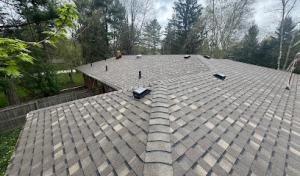
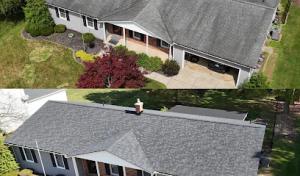
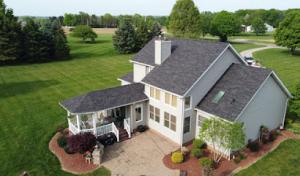
A full reroof in Barberton typically requires a building permit filed with the City of Barberton Building Department. This isn't a formality for older homes, where roof configurations can hide historical quirks or structural shifts. The permit process serves to align a reroof with local codes, including ventilation, attic bypass, and load considerations for heavier materials. Before you sign a contract, confirm your roofer knows the exact permit pathway for your street address and the expected timeline so that the project doesn't stall when city staff need to view plan details or check compliance during inspections.
Barberton inspections commonly occur after tear-off and underlayment installation and again at final completion. The tear-off stage is a practical checkpoint: your contractor should demonstrate that old materials are fully removed, the underlying deck is sound, and the roof deck is free of moisture damage. Underlayment installation is the second critical moment, giving the inspector a view of how the protective layers are installed in the context of Northeast Ohio's freeze-thaw cycles. The final completion inspection confirms the entire reroof, including flashings, venting, and penetrations, meets code and the city's workmanship standards. Scheduling around those inspections helps ensure you don't incur rework or delays once the weather turns, which can be a factor in Barberton's seasonal climate.
Conventional reroofs usually go through standard plan review, where typical shingle assemblies and frame support are evaluated for code compliance and ventilation. Heavier tile systems can face added requirements before approval, reflecting the increased dead loads and different flashing details those styles demand. If your home features older structural members or has historically tight eaves, expect discussions about roof anchor points, snow load considerations, and potential adjustments to soffit or drip edge details. Work with a contractor who has experience navigating Barberton's permit procedures and the staged inspection cadence so that plan reviews align with material choices and anticipated installation sequences.
Keep all submittals organized, including product data for underlayment and any venting accessories. Your contractor should coordinate inspection dates with the Building Department to minimize back-and-forth and weather-related delays. Given the region's hail patterns and wind events, request documentation of impact-resistant selections and nail-down strategies that address both wind uplift and moisture management. If your home is in an older neighborhood with mature trees and close-adjacent structures, discuss temporary protections for landscaping and neighbor access during the tear-off phase to prevent disputes and protect the work zone.
Storms in this area bring hail and gusty winds that can leave unexpected damage after the clouds pass. Carriers commonly want roof condition photos, a complete material list, and a detailed replacement scope before they finalize any payout. If the photo set omits skylights, vents, or visible underlayment, the adjustment can stall or shift toward a more conservative settlement. You are best served by building a clear narrative of the roof's current state, including age, visible wear, and any prior repairs.
Adjusters reviewing Barberton roof claims often compare the proposed work against current code and permit-triggered requirements. That means the replacement plan should demonstrate how the new roof meets the area's typical wind and impact requirements, and how any-related components-ventilation, flashing, and eave details-align with local expectations. Discrepancies between what is proposed and what is already installed can slow progress or create disputes. A well-documented scope that reflects a compliant, code-conscious approach helps reduce back-and-forth during review.
Older roofs in this market can see more variable claim outcomes depending on policy terms and documented pre-loss condition. When pre-loss photos exist, they set a baseline that helps the adjuster assess whether new structural or decking work is warranted. If pre-loss records are incomplete, insurers may rely on new photos and professional assessments, which can shift the claim toward more scrutiny. In any case, clarity about the roof's history, maintenance, and any prior damage supports a smoother evaluation.
Local contractor signals show meaningful demand in Barberton for skylight-related roof work, indicating leak-prone transitions are a real homeowner concern. When a skylight sits on a roof with freeze-thaw cycles and hail exposure, the sealant beads and flashing can deteriorate faster than the surrounding shingles. Check around the skylight perimeter for any hairline condensation on interior ceilings after a storm, and note if staining follows a particular sunlit corner of the attic. On older homes with brick or stone accents, ensure the skylight curb is well flashed to the neighboring field shingles. A practical approach is to have a pro reflash with a weather-resistant sealant, and verify the step flashing overlaps the skylight well to resist wind-driven rain during windy Barberton springs.
Flat and low-slope sections appear often enough in the local market to justify specialist handling rather than treating every roof as a simple steep-slope reroof. In these areas, degradation from freeze-thaw cycles and hail impact can create slow, persistent leaks that mimic interior wet spots only after a heavy thaw. For best results, identify transitions where the low-slope deck meets vertical walls or chimneys, and confirm that the underlayment is continuous behind a properly installed counter-flash. In Barberton, these transitions benefit from a dedicated low-slope roofing crew that uses appropriate membranes and confirms slope continuity to shed water toward the drip edge even during seasonal thaw cycles.
Chimney-related work is also a recurring local service signal, which fits the older residential housing stock found across established neighborhoods. Chimney crickets or saddles help divert water away from the flue, but aging mortar joints and cap flashings can create persistent leaks. During inspection, look for cracked mortar, loose shingles adjacent to the chimney, and gaps around vent pipes where flashing has pulled away. A targeted chimney seal and re-flash, combined with proper counter-flashing behind the brick, often resolves damage that repeatedly shows up after heavy snows or hail events.
Find contractors experienced in skylight installation, flashing, and leak repairs to bring natural light into your home.
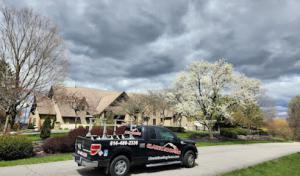
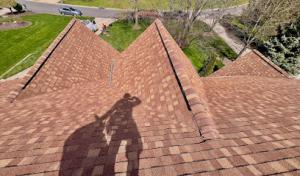
Barberton homeowners know storms mean urgent leak control, quick tarp-ups, and rapid debris removal. When you call a local roofer after hail or a near-freeze event, you're looking for crews that can stage a fast, solid temporary fix and clear the site safely the same day. The right team will show up with tarps, hoses, and a plan to minimize interior damage while protecting landscaping and driveways from falling debris.
Older homes in established neighborhoods demand crews who understand sagging gutters, chimney flashing, and delicate shingles. Family-owned firms with long local roots tend to balance practical repair know-how with reliable communication. You want a crew that shows up respectful of neighbor yards, cleans up thoroughly, and documents progress with photos during the project, not after it's already wrapped up.
Storm events bring a flood of paperwork. A dependable Barberton contractor will provide clear estimates, written change orders, and staged inspection notes that map out progress and any weather-driven delays. They should advise on protecting interior spaces, note any attic ventilation concerns, and share a realistic timeline for each phase of reroofing so you're never left wondering what comes next.
Affordable pricing matters strongly in this market, but long-established and family-owned firms still carry weight with local homeowners. Seek a balance: a crew that offers straightforward, transparent pricing alongside solid materials and durable workmanship. The most trustworthy option will openly discuss material options, wind and impact considerations, and the trade-offs you'll face after a damaging event.