
Last updated: Apr 19, 2026
Spring in Massillon brings a predictable surge of storm activity, and you will feel the pressure as hail and wind claim season hits neighborhoods in quick succession. Local contractor activity clusters tightly around storm damage and insurance claims, which means you will see more trucks, more phone calls, and more competing opinions about the best path forward. The window between a damaging event and getting honest, actionable assessment can close fast, leaving you with delayed repairs and another winter to contend with. Stay vigilant: if a storm hits, you should expect a spike in contractors knocking on doors and a parallel rise in insurance company questions about the age and pre-loss condition of your roof.
Ohio insurers commonly scrutinize roof age and pre-loss condition after hail or wind events, making photo documentation and third-party estimates especially important in this market. After a heavy spring hailstorm, the insurer may compare current damage to what existed before the event, and the higher the quality of your documentation, the stronger your position. Take clear photos from multiple angles, especially of skylights, vent stacks, chimney flashing, and any existing granule loss or curling shingles. Obtain a third-party roof estimate from a trusted local contractor who understands Massillon homes and their typical nailing patterns, underlayment setups, and venting configurations. Keep a dated record of weather impacts, nearby damaged properties, and any temporary protective measures you've applied. This isn't about fear-mongering; it's about shaping a believable, timely claim that survives the insurer's review.
Winter freeze-thaw cycles blur the line between storm-created damage and long-term wear, which affects how claims are evaluated. In Massillon, the freeze-thaw pattern stresses shingles, flashing, and attic ventilation in ways that can look like post-storm damage even when the root cause is gradual degradation. Homeowners should not assume that a claim will be straightforward simply because a hail event occurred nearby. If your roof shows both recent denting and classic age-related issues (soft spots, cupping, mineral-surface loss), you must document both components and present a cohesive narrative to the adjuster. The best approach is to pair storm-focused photos with evidence of pre-event condition (if available) and a professional assessment that distinguishes wind-driven damage from age-related failure.
In this market, every claim faces a close look at tear-off viability, attic access, and ventilation. Storms can reveal attic condensation risks or venting gaps that weren't a priority before, and the inspector will want to see that your attic is properly ventilated to prevent future moisture-related problems. If a tear-off is recommended, expect inspectors to track whether attic access is adequate for safe removal and whether the decking has sustained hidden damage. Missing or inadequate ventilation can complicate the claim and extend the process, so address attic staging and venting promptly as part of your storm-response plan.
Massillon homeowners instinctively want to time replacements to minimize disruption and maximize claim acceptance, but the real driver is the sequence of events: storm damage assessment, documentation, and the insurer's inspection timetable. Acting quickly to secure documentation and a professional estimate helps you move through the claim stage without unnecessary delays. Weather windows matter: after a hail event, dry, calm days are ideal for safe inspection, measurement, and scheduling. Delays increase the risk of further weather exposure and complicate claims if additional damage appears during off-peak periods.
If a storm hits, photograph the roof edges, gutters, and any dents or shingle lifting from ground level and from the ladder. Call a local, Massillon-aware contractor who understands how insurers view age and wear. Request a formal, itemized third-party estimate that clearly distinguishes hail damage from wear. Keep a file with all communication timestamps, adjuster names, and the dates of each inspection. If you need to file, provide a concise damage timeline that links recent impacts to observed issues and the suggested repair approach. In this cycle, speed and documentation are your best allies, and staying connected with a trusted local expert will help you navigate the insurer's questions with confidence.
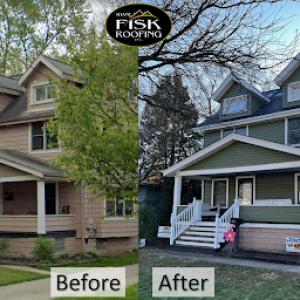
Shane Fisk Roofing Company
(330) 484-9400 sfiskroofing.com
305 Genoa Ave NW, Massillon, Ohio
5.0 from 207 reviews
At Shane Fisk Roofing, we know the meaning of family. Over the course of 5 generations, we have persevered in the roofing business around the Akron-Canton, Ohio region, weathering numerous recessions. Ishmael Fisk is the Great Great Grandpa who started his roofing endeavor before passing his desire to help people on to his son, Ismel. Ismel’s son, Jim, involved himself in the business and took over, which led to Shane, the current owner and 4th generation, to inherit his passion of helping others. 25 years later, he is getting ready to let his son, Luke, claim his place in history, who hopes to one day pass it on to his children.
Alpha Kings Constuction
(234) 378-8030 www.alphakingsconstruction.com
409 Erie St N, Massillon, Ohio
5.0 from 49 reviews
Alpha Kings Construction in Massillon offers top-quality roofing, siding, gutter services, and home exterior solutions. From roof inspections to gutter repairs and installations, along with doors, windows, and deck services - we are your one-stop shop for all your home improvement needs. Trust Alpha Kings Construction for expert craftsmanship and exceptional customer service
Thermal Roofing & Siding
(330) 327-8787 thermalroofingsiding.com
114 6th St SW, Massillon, Ohio
4.7 from 60 reviews
Thermal Roofing & Siding is a roofing contractor / roofer serving the Massillon, OH area since 1967. Services include Roofing, Roof Installation, Roof Repair, Shingle Roofs, Metal Roofs, Tile Roofs, Flat Roofs, Roof Coating, Roof Vents, Roof Shoveling, Gutters and Gutter Guards.

Under Construction Home Improvements
(330) 327-1577 www.underconstructionhi.com
1304 11th St NE, Massillon, Ohio
5.0 from 8 reviews
Protect your largest investment with the reliable roofing services of Under Construction Home Improvements We are a locally owned and operated roofing company currently serving the area of Massillon, OH and surrounding communities. If you want to make your roof last as long as possible, it is vital that you never put off a roof repair. Small issues with roofing become big issues in a hurry. No matter how major or minor the repair you need, we are here to help. Our services include new roof, roof replacement, and siding installation. Military and First Responders Discounts Available. Free Roof Inspections.
S & D Improvements
(330) 497-9669 sdimprovements.com
1630 Keuper Blvd NE, Massillon, Ohio
4.6 from 9 reviews
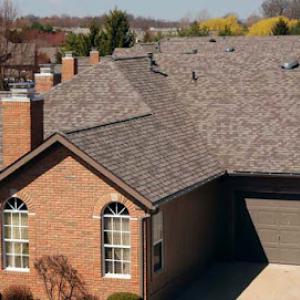
We are your local experts on roofing, siding and window installation and repairs. We provide free estimates for insurance claims related to storm and hail damage and we will handle your claim from start to finish. We support local businesses by using quality products manufactured in Ohio. Our roofing services include attic ventilation systems designed to protect your roof from ice and snow damage as well as heat damage. We use quality brands, including Owens Corning, CertainTeed, Alside, Mastic, Andersen and Pella. Our installers are certified roofers and siders and our products are warrantied.
Samsons Const.
(330) 428-2829 samsonsconst.com
Massillon, Ohio
5.0 from 3 reviews
If you’re looking to fix a roof in your home or business, you’ll need to find a roofing contractor who has the experience to get the job done right. Our team at Samsons Const. LLC is skilled and dedicated to providing top-quality workmanship. Let us take care of all your roofing needs in Massillon, OH. The detail-oriented roofing process is what ensures our customers are always satisfied. We are honest, affordable, professional and punctual. We offer a range of roofing services including repair, replacement and installation of all roof types. We can work on asphalt shingle, metal, single ply, wood shake and flat foam roofs. Talk to us for siding repair and installation, downspout cleaning, deck building and restoration, and tree services.
Advanced Industrial Roofing
(330) 837-1999 www.airoofing.com
1330 Erie St S, Massillon, Ohio
3.4 from 5 reviews
Advanced Industrial Roofing, Inc. - located in Massillon, Ohio continues to provide its customers with professional and reliable industrial commercial roofing and architectural sheet metal services and has done so since 1988. Whether it is installing a roof on a new project, replacing an aging roof, performing maintenance or making emergency repairs, we are prepared to meet all of your industrial commercial roofing and architectural sheet metal needs. In 1999 Advanced Industrial Roofing, Inc. started fabricating architectural sheet metal and has continued its growth to where in 2006 an expansion was made with a new sheet metal shop with state of the art fabricating equipment to continue to provide its customers with great service.
Canton Roofing Company
(330) 639-9454 cantonroofing.com
Serving
5.0 from 563 reviews
Canton Roofing is the #1 rated roofing contractor in Northeast Ohio, trusted for roof repair, storm restoration, and full roof replacements. As a leading roof replacement company and roofing company near you, we specialize in insurance claims, shingle and metal roofs, flat roofs, siding, gutters, and windows. Based in Canton, we serve North Canton, Massillon, Green, Akron, Alliance, and nearby areas. Whether you searched for roofers near me or roofing Canton Ohio, you’ve found the right team. We’re locally owned, Google Guaranteed, licensed, bonded, and insured. Backed by 500+ 5-star reviews and our Zero Excuses Promise, we deliver premium results with emergency inspections, financing, storm damage evaluations, and fast local service.
Dan Buxton Roofing
(330) 437-0719 danbuxtonroofing.com
Serving
4.5 from 46 reviews
When it comes to Roofing Company, Roofing Contractor, Roofer and more, no one compares to Dan Buxton Roofing With years of combined experience, Dan Buxton Roofing has worked hard to build the trust of our clients in Canton and surrounding areas. Visit our website to learn more or better yet, call us today!
J & J Roofing & Restoration
(330) 265-4486 jjroofingohio.com
Serving
4.9 from 82 reviews
Protect your largest investment with our reliable roofing services. We are a locally owned and operated roofing company currently serving Hartville, OH and surrounding communities. If you want to make your roof last as long as possible, it is vital that you never put off a roof repair. Small issues with roofing become big issues in a hurry. No matter how major or minor the repair you need, we are here to help. We offer roof repair, roof replacement, and home restoration.
Silver Leaf
(330) 915-8865 silverleafroofs.com
Serving
4.8 from 314 reviews
Silver Leaf is a roofing contractor in Canton, Massillon & Northeast Ohio serving Akron, Alliance, Barberton & nearby areas. Our roofing company offers residential roofing, commercial roofing, roof repair, and more. We also specialize in doors, windows, gutters, siding, decking & fencing. Customers love us because of our comprehensive roof warranties and our affordable roof financing options. Contact your reliable Canton, Massillon & Northeast Ohio roofers for a free estimate!
Architectural Exteriors
(330) 459-7747 archexterior.com
Serving
5.0 from 41 reviews
Architectural Exteriors is your premier choice among roofing contractors, specializing in comprehensive roofing services. Our expert team is dedicated to delivering top-notch roof replacement, roof inspection, and roof repair services for both residential and commercial properties in Canton, Ohio and surrounding areas. As a leading roofing company, we pride ourselves on offering unparalleled craftsmanship and superior customer service, ensuring your roof meets the highest standards. Whether you need commercial roofing solutions or a new roof installation, trust our experienced professionals to protect and enhance your property. Choose Architectural Exteriors for all your roofing needs!
Cold winters in this area create repeated freeze-thaw cycling that commonly shows up as shingle cracking, lifted tabs, and edge deterioration. The pattern is not dramatic every day, but the cumulative stress from cycles that dip below freezing and rise above it gradually wears down the roof surface. Shingles can become brittle, edges start to curl, and fasteners loosen as the cycles push and pull the roof cover. In Massillon, where homes often feature asphalt shingles or older composites, that wear shows up first at the vulnerable seams and along the rakes and eaves. The result is a roof that looks ordinary from the street, yet harbors subtle failures that quietly invite trouble.
A local reality is that roof edges and eaves take the brunt of winter and early spring weather. Thawing and refreezing can accelerate deterioration after winter exposure, especially where gutters, drip edges, and flashing have already aged. Ice can dam near the eave, forcing water to seek alternate paths under shingles and into the underlayment. When freezing weather returns, those compromised zones are primed for further damage. The damage is not always obvious from the ground, but the underlying deterioration weakens the roof's ability to shed water when the next thaw arrives. In practice, a modest edge deterioration can become a larger leak after a heavy spring rain, turning a cosmetic flaw into a moisture problem that penetrates the attic or ceiling.
Damage that begins in winter often becomes visible during spring rains, when small edge failures turn into active leaks. The first signs may be granular sediment on the gutters or a few curled tabs catching wind-driven rain. As spring showers intensify, those already-fragile areas can open up, allowing water to seep into the underlayment and reach the attic. This progression matters: a seemingly minor edge crack can become a leak within a single wet spell, especially after a long winter that has weakened the roof's protective layer. The timing makes mass-market do-it-yourself quick fixes risky, because the true extent of the damage is often hidden behind the insulation and attic ventilation, waiting for the right weather to reveal itself.
During a Massillon spring, keep an eye on areas along the eaves, rakes, and overhangs for small cracks, lifted tabs, or dark staining near the roof edge. Listen for the telltale drip or the sound of running water in the attic after a rain, even if the shingles look intact. Inspect gables and vents for loose flashing or gaps that may have opened after winter. If a patch of shingles appears loose or buckled, treat it as a warning sign rather than a curiosity. Early, targeted attention to these edge zones helps prevent a single hard-witting storm from triggering a larger, more disruptive leak.
Cultivate a habit of proactive edge checks after the winter thaw and again after heavy spring rains. If any edge deterioration is found, arrange for professional inspection before the next freeze-thaw cycle, and especially before spring storms strengthen. Prioritize attic ventilation and roof access integrity during any assessment, since proper ventilation reduces condensation and heat buildup that can accelerate edge damage. In practice, addressing edge and eave issues promptly strengthens the overall roof envelope against the ongoing cycle of cold, thaw, and rain that defines this area's winters.
When you can't wait, these contractors offer fast response times to stop leaks and prevent further damage.

Alpha Kings Constuction
(234) 378-8030 www.alphakingsconstruction.com
409 Erie St N, Massillon, Ohio
5.0 from 49 reviews
Late spring through early fall is the preferred replacement window in Massillon because crews can avoid the worst winter freeze-thaw conditions. When the ground isn't hard and the forecast isn't riddled with sudden cold snaps, tear-off work goes smoother, shingles seat properly, and the risk of moisture trapped under decking drops. This timing also helps limit delays tied to ice buildup on steep roofs or in attic areas that need extra ventilation checks before a new roof goes on.
Massillon's hot, humid summers can speed material aging and expose weak flashing or ventilation problems during heavy rain periods. In those conditions, shingles can curl or pooch sooner if gaps around chimneys, vents, and roof penetrations aren't addressed during the replacement. Before the first nail goes in, make sure a qualified crew checks attic ventilation and flashing along the entire perimeter. If venting is inadequate, plan for a quick upgrade as part of the job so you don't chase leaks later during a downpour.
Storm-driven demand spikes after spring hail or wind events can tighten scheduling and extend lead times for full re-roof projects. When a big storm hits, crews get booked up quickly as neighbors in the same zone pursue damage repairs. That reality means you may have to adjust start dates or accept a longer project window than you hoped. Having a realistic, flexible plan helps you avoid a rushed job and ensures key steps-tear-off, disposal, ventilation verification, and attic access-are completed to code and with proper inspection readiness.
Practical steps to align timing start with your local pattern. Track seasonal trends in the area and keep a window in mind for late May into June, with a backup option in early September to dodge late-summer storm spikes. Communicate clearly with the contractor about preferred tear-off methods and attic access, so the crew isn't scrambling during a busy week. If a storm hits nearby, ask about contingency options: how they stagger crews, how they protect landscaping and drip edge, and how they'll handle any necessary vent or flashing upgrades once the roof deck is exposed. In this town, steady planning and clear communication with your contractor keep the project moving when the skies stay stormy.
Get a clear picture of your project costs upfront - no commitment required.
S & D Improvements
(330) 497-9669 sdimprovements.com
1630 Keuper Blvd NE, Massillon, Ohio
4.6 from 9 reviews
Strongback Roofing & Construction
(330) 412-6067 www.strongbackroofing.com
Serving
4.9 from 45 reviews
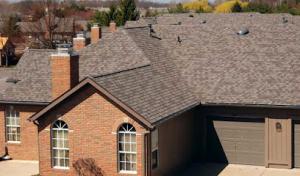
In Massillon, asphalt shingles are the dominant residential choice because they fit the re-roof-heavy market and broad affordability range. They handle freeze-thaw cycles reasonably well when properly vented and installed with a solid underlayment, and they respond well to the region's spring hail without being overbearing on maintenance. A locally mindful approach means selecting a shingle with good impact resistance and a durable warranty, especially for homes with attic access and ventilation concerns that get tested in winter winds. When you're planning a roof, consider how a shingle color and profile will perform in sun exposure during the long summer months and how it ages under Stark County seasonal patterns.
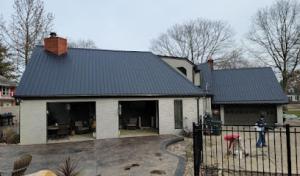
Metal has a meaningful local presence and is a common upgrade path for homeowners prioritizing durability through Stark County winters and summer heat. Metal stands up well to hail compared to some other options and offers excellent wind resistance, which matters in spring storms. In Massillon, a metal roof may require attention to attic ventilation because a tight, well-sealed attic helps manage condensation and temperature swings. If choosing metal, think about panel profile, coating color, and a professional installation that ensures proper overlaps and sealants to minimize potential leaks around penetrations and flashing.
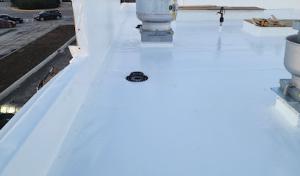
EPDM remains relevant for low-slope sections and additions in this market. For garages, extensions, or sunrooms where slopes aren't pronounced, EPDM provides reliable waterproofing and resilience against seasonal temperature shifts. Installation quality matters here: ensure seams are properly bonded and flashed to prevent edge leaks that can result from freeze-thaw cycles. EPDM's flexibility also helps when dealing with roof transitions near skylights or chimneys, which are common on older Massillon homes undergoing updates.
Slate, clay tile, and synthetic products appear on select homes where structure, budget, and appearance allow. These materials excel in curb appeal and long-term durability but demand a solid roof deck and precise detailing. In Massillon, heavy winter loading and freeze-thaw movement require careful structural assessment before installation. Synthetic options can provide a balance between weight, cost, and aesthetics for homeowners seeking a high-end look without the weight of natural slate or clay.
In this climate, a roof replacement is a concrete project with tight scheduling around the freeze-thaw cycle and spring hail events. Typical local prices cluster around common shingle choices, with asphalt shingles and metal covering the broad portion of the market. Specialty options like slate and clay tile sit on the higher end, and synthetic or composite shingles offer a middle ground. For low-slope sections, EPDM is commonly priced by the square foot. When planning, expect local crews to present per-square or per-square-foot quotes that include removal, disposal, and basic flashing repairs. Massillon homeowners often see costs reflect the mix of materials chosen, the existing roof complexity, and the need for attic ventilation and debris containment during tear-off.
Storm-season demand in this market can push pricing upward when many homeowners replace roofs after hail or high-wind events at the same time. If you're facing storm damage, you'll want to align your replacement window with calm weather to minimize wind-driven debris and tempers in the scheduling queue. In practice, this means that a few weeks of back-and-forth with a contractor are common, as crews coordinate inspections, material deliveries, and site access. If you wait for a lull after a major storm, you may land a steadier crew but longer waits for the permit-adjacent coordination and the project start. Plan for a realistic start-to-finish timeline that accommodates weather gaps and the contractor's field workload.
Costs vary locally by material choice, with asphalt shingles and metal serving the broadest part of the market. Asphalt shingles typically span a wide range from modest to mid-range projects, while metal roofing sits higher but offers longer service life in this climate. Clay tile and slate remain specialty-priced options, requiring careful structural evaluation due to weight. Synthetic or composite shingles bridge the gap between basic and premium aesthetics and performance. For low-slope areas or repairs around flashings, EPDM is commonly priced by the square foot, providing a cost-effective option when a flat or near-flat plane is involved. As you compare bids, ensure the quote reflects tear-off scope, ventilation considerations, attic access, and any necessary insulation upgrades to handle the freeze-thaw cycle effectively.
Don't let upfront costs delay a critical repair - these contractors offer payment plans to fit your budget.
Alpha Kings Constuction
(234) 378-8030 www.alphakingsconstruction.com
409 Erie St N, Massillon, Ohio
5.0 from 49 reviews

A full re-roof in Massillon generally requires a permit through the Massillon Building Department. The permit ensures your project meets local box checks around tear-off, ventilation, and attic access, which are routinely scrutinized after a winter with freeze-thaw cycles and spring hail. The permit process is not just a formality; it creates a documented trail that helps with any future claim or resale, especially when a weather event tests the roof again. The timeline often depends on weather windows and the complexity of the existing roof line, so planning ahead with your contractor helps prevent delays caused by back-to-back storms.
In this city, the roofing contractor typically pulls the permit and coordinates the required inspections rather than leaving that process to you, the homeowner. Expect the contractor to schedule the inspections and to provide access for the inspector to verify that tear-off was performed safely and that ventilation is properly reinstalled. A thorough inspection will also check attic access points, ensuring egress is sufficient for both the remodel work and for any future maintenance. Keep in touch with the contractor about inspection dates, and verify that the ventilation components-such as soffit intakes and ridge or turbine vents-are sized and installed to meet code requirements.
Massillon inspections commonly occur after tear-off and again after installation, with attention to ventilation, attic access, and overall code compliance. Prepare by clearing access routes to the attic and leaving a clear path to the roof with a safe landing zone for inspectors and workers. Have documentation ready that shows the venting plan, attic hatch or scuttle details, and any upgraded underlayment or drip edge installed during tear-off. If the inspector notes deficiencies, address them promptly with the contractor, since timely corrections help keep the project on track and protect the roof's performance through the next freeze-thaw cycle.
Massillon sits in an Ohio claim environment where hail and wind losses are common enough that insurers often request detailed photos and outside estimates before approving replacement. The sequence of a claim can hinge on storm timing, attic venting, and the visible condition of shingles or tiles from ground level and above. If a major storm hits, the insurer may scrutinize whether damage is storm-related or age-related, so having a clear before-and-after record helps you tell the story accurately.
Because insurers in this market may question whether damage is storm-related or age-related, homeowners in Massillon benefit from documenting roof condition before and after major weather events. Start with a current set of photos taken from multiple angles, including the drip edge, vent stacks, and any sagging or curling shingles. After a storm, photograph the same zones within days, noting any new hail impact marks, granule loss, or lifting. Keep a dated checklist that aligns with the roof's visible components and any attic or ceiling findings reported during inspections.
Older roofs in Massillon can face closer underwriting and replacement scrutiny, especially when visible wear predates a storm claim. If you're able, arrange a neutral third-party inspection before initiating a claim, and request a written condition report. When you gather estimates, include the same scope of work and clearly labeled photos for each estimate. This consistency helps the adjuster adjudicate whether a replacement is warranted by storm damage or by age-driven wear, reducing surprises during the claim process.
Connect with contractors who help homeowners navigate the claims process from damage assessment to final approval.
Shane Fisk Roofing Company
(330) 484-9400 sfiskroofing.com
305 Genoa Ave NW, Massillon, Ohio
5.0 from 207 reviews
Alpha Kings Constuction
(234) 378-8030 www.alphakingsconstruction.com
409 Erie St N, Massillon, Ohio
5.0 from 49 reviews
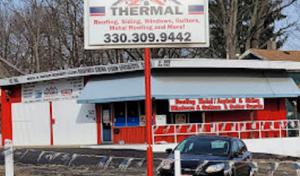
Thermal Roofing & Siding
(330) 327-8787 thermalroofingsiding.com
114 6th St SW, Massillon, Ohio
4.7 from 60 reviews
In Massillon's freeze-thaw climate, flashing around skylights and chimneys is a common place for seasonal movement and water entry to show up first. Those joints endure repeated expansion and contraction as temperatures swing, so small gaps can grow into drips after a harsh winter. Hail and wind also stress the upper corners of these penetrations, pushing moisture deeper behind the flashing when snowmelt surges across the roof line. If you've noticed wet spots near a skylight or along a chimney chase after a thaw, it's often the flashing thathoods or step and counter-flashing that need attention, not just the shingle surface.
Spring rain in this market often exposes leaks at roof penetrations that held through winter but failed after repeated freezing and thawing. Look for staining on interior ceilings below skylights or along ceiling lines near chimneys after heavy rains. On the roof, check the skylight curb and the chimney base for white, powdery deposits (masonry efflorescence) or silicone that has shrunk away from the edge. Moisture may travel laterally under shingles before it drips, so inspect the entire valley and ridge area around the penetration. If you see water trails around metal flashing or caulk that has softened, address it before a larger area develops.
Begin with a cautious exterior inspection: from the ladder, examine the chimney flashing for loose or uplifted metal, cracked sealant, or gaps where mortar meets flashing. Around skylights, verify that the flashing is continuous and that the curb is solidly integrated with the roof deck. Clean clogged gutters near these features, since backed-up drainage compounds water intrusion at the base of penetrations. If you suspect movement or visible gaps, schedule a professional assessment focused on flashing integrity, attic ventilation in the surrounding area, and any signs of water infiltration behind the perimeter felt or under shingles. Timely attention here reduces the risk of larger leaks during the next freeze-thaw cycle.
Local contractor signals show meaningful demand for skylight-related roof work and chimney-adjacent repairs in this market. Expect specifics to include flashing reseal or replacement, counter-flashing adjustments, and coordinated attic access checks during re-roof projects to ensure venting remains effective after any repair work.
Find contractors experienced in skylight installation, flashing, and leak repairs to bring natural light into your home.
Thermal Roofing & Siding
(330) 327-8787 thermalroofingsiding.com
114 6th St SW, Massillon, Ohio
4.7 from 60 reviews
Massillon homeowners typically hire for re-roofing rather than new construction, so look for a contractor with solid experience handling occupied-home tear-offs and meticulous cleanup. You want a team that treats your living space as if it were their own, preventing debris from drifting into yards, driveways, or neighboring properties. Experience with teardown logistics in established neighborhoods matters, especially when access may be tighter and the dwelling more exposed to winter winds.
After a storm, the market tightens fast, and you'll notice how quickly a roofer can assess, tarp, and start work. In this market, a prompt assessment and a clear plan for debris containment are as important as the project itself. Ask for a concrete timeline, a dedicated crew for cleanup, and a policy for containing dust and nails. A Massillon-focused crew should arrive with a portable debris containment system and a proven track record of leaving driveways and sidewalks spotless.
Long-established, residential-focused, family-owned and locally owned firms have a visible presence in town, and homeowners expect accountability. Check references from nearby neighbors and confirm that the contractor stands behind workmanship long after the final nail is hammered. Look for clear communication about project milestones, who will supervise daily work, and who handles any follow-up questions or repairs after the roof is installed.
Since many roofs in Massillon are re-roofs on inhabited homes, verify the crew's practices for protecting interior spaces. Ask how they manage attic access, ventilation, and temporary interior protection during tear-off. Confirm the method for minimizing insulation disturbance and ensuring a clean attic and ceiling area ready for the reinstallation.
In established neighborhoods, crews should respect street parking and avoid blocking driveways for extended periods. Request a site plan showing material staging, waste containment, and anticipated noise levels. A dependable Massillon roofer will coordinate with you and any affected neighbors to maintain a smooth, disruption-conscious sequence from tear-off to finish.