
Last updated: Apr 19, 2026
In Ashland, cold winters bring snow accumulation that cycles through freezing and thawing. That pattern can reopen older shingle seals and worsen flashing leaks, especially on roofs that have seen a few seasons of hardship. You may notice a stiff, brittle feel in older shingles after a deep freeze, followed by sudden leaks after a warm day. This cycle slowly wears away the protective bonds on the roof, turning small gaps into real trouble during the next storm. If your attic or ceiling shows signs of moisture after a thaw, treat it as a warning signal that the roof is beginning to fail at its most vulnerable points.
Ice dam formation is a seasonal risk that cannot be ignored. When heat loss into the attic escapes through the roof, snow at the eave remains frozen while interior sections melt and refreeze at the colder edge. That process creates ice buildup along gutters and fascia, which can force water to back up under shingles and into the attic. In practical terms, the eave and gutter zones become the most common pathways for leaks after heavy snows or rapid thaw cycles. Diagnosing recurrent winter leaks means checking the attic for warm zones, looking for ice-backed ridges near the edge, and paying close attention to flashing where walls meet the roof. If you repeatedly see damp patches near the attic floor or ceiling, the culprit is often an ice dam compromising the seal around vents, chimneys, and flashing.
Winter access timing in Ashland can delay full replacement work, so temporary stabilization and scheduling around snow cover are part of practical planning. If a roof is approaching the end of its service life or shows active leaks during a thaw, temporary fixes-such as sealing flashing joints, applying roof cement to vulnerable seams, and securing loose shingles-can prevent further interior damage while awaiting safer weather for a full replacement. Coordination with a roofing contractor should target windows just after a heavy snowfall has settled but before another freeze-thaw cycle intensifies. When winter stretches into spring, the risk of ice dam reformation persists, making timely decisions on stabilizing work critical to limit interior water intrusion. Prioritize action on vented attic hotspots and any signs of moisture that trace back to the eave line, where ice dams typically begin and where the most urgent repairs will yield the clearest protection.
In Ashland, contractor demand signals show storm damage and insurance-claims help are common, indicating that weather-event roof loss is a major local homeowner concern. After a nor'easter or high-watalike winds, shingles may appear bruised, tabs can lift, and metal panels can dent or crease even when the surface looks mostly intact from the ground. Snow loads and freeze-thaw cycles tend to push existing weaknesses into failure mode, so a quick, thorough check inside and out helps separate routine wear from storm-caused damage. The key is recognizing early indicators before leaks become visible from the attic, because the first sign may be hidden beneath the roof deck or under flashing.
Ohio's generally stable insurance market still requires Ashland homeowners to document roof damage carefully with photos, detailed estimates, and sometimes independent adjuster review after hail or wind events. When a storm claim is filed, carriers expect a chain of evidence that supports the claim amount and scope. A sudden wind event that strips a few shingles or a hailstorm that bruises dozens of tabs can trigger a full claim; conversely, gradual wear from repeated freeze-thaw cycles may be handled as a separate maintenance or repair item. The process works best when the homeowner understands that coverage decisions vary by carrier and policy, and that claim success often hinges on precise documentation rather than subjective description.
Because coverage decisions vary by carrier and policy, Ashland homeowners need date-stamped evidence of shingle bruising, lifted tabs, metal damage, and interior leak paths before repairs alter the roof condition. Start with a dated, weather-verified photo trail from multiple angles: the roof surface, flashing at chimneys and valleys, gutters, and attic ceiling stains if accessible. Include close-ups of granule loss, exposed fasteners, and any signs of ice dam activity along eaves. Create a simple, itemized list of damaged components with approximate measurements and a map of affected areas on the roof. If possible, obtain a professional assessment that notes the event date, wind speeds, hail size, and the expected service life impact. When an independent adjuster review is requested or required, provide the same dossier to that expert to ensure a consistent baseline for repairs.
In the wake of a storm, your immediate goal is to distinguish between repairable, temporary fixes and full replacement scenarios. For ice-dam risk, prioritize ventilation and insulation follow-ups and avoid delaying interior mitigation while awaiting the claim decision. Document any interior leaks with timestamps and shower-bathroom pattern notes that align with storm events, as interior evidence can corroborate the roof-facing damage. If a contractor is involved in the claim, ensure their assessment aligns with the photo log and the adjuster's observations. The timing of repairs matters: storm-driven roof replacement decisions often hinge on whether the damage compromises structural integrity or creates ongoing water intrusion. Having a clear, dated narrative alongside the photographic proof helps insurance reviewers understand the progression from storm impact to current condition.
The local reroof market in Ashland is heavily oriented around storm response, fast leak service, and cleanup-focused replacement work. When winter cycles return, the combination of freeze-thaw stress and ice-dam potential can accelerate the need for decisive action after a weather event. Keep a running record of any new signs between storms, especially as temperatures swing above and below freezing. If interior signs appear, prompt documentation and a concise report tied to the exterior condition can help prevent coverage gaps. In practice, synchronized reporting from homeowner, contractor, and adjuster minimizes back-and-forth and speeds the path from damage discovery to a form of resolution that addresses both leak control and long-term roof performance.
Connect with contractors who help homeowners navigate the claims process from damage assessment to final approval.

DM Roofing Siding & Windows of Ashland
(330) 366-9857 www.dmcustomsohio.com
1147 E Main St, Ashland, Ohio
4.9 from 29 reviews


DM Roofing Siding & Windows of Ashland
(330) 366-9857 www.dmcustomsohio.com
1147 E Main St, Ashland, Ohio
4.9 from 29 reviews
The Top Option in Ashland for Windows, Siding, and Roofing In order to assist you make improvements to your home or create the house of your dreams, DM offers a full range of roofing, siding, and other inside and exterior renovation services. For the DM team, no task is too big or small. licensed, covered by insurance, and from Northeast Ohio. Call us right away to begin working on your upcoming project! Our services range from roof replacement and repair (metal and shingles) to roof leak repair. - Residential Siding, including Fiber Cement and Vinyl - Replacement and Installation of Windows - Installation and Replacement of Doors Building custom homes and pole barns Count on our staff to complete the task correctly the first time!
A1 Superior Home Improvements
(419) 709-0028 a1superiorhomeimprovements.com
814 Township Rd 1101, Ashland, Ohio
5.0 from 4 reviews
Over 30 years experience. Family owned and operated. We specialize in making our customers experience a wonderful one.
K & S Painting & Roofing
101 E 9th St, Ashland, Ohio
3.4 from 10 reviews
Painting and roofing contractor

Bo Lacey Construction
(800) 266-9916 www.bolaceyconstruction.com
Serving
4.8 from 556 reviews
Roofing, Siding, Windows, Gutters....Experience You Can Trust - Done Right On Time.
All American Roof Pros
(419) 989-4480 www.allamericanroofpros.com
Serving
4.8 from 264 reviews
Established in 2018, All American Roof Pros is a local family and veteran owned and operated company with roofing experts that have decades of experience working within the industry and promise that Ohio's Best Roof is “The Last Roof You Will Ever Need.”
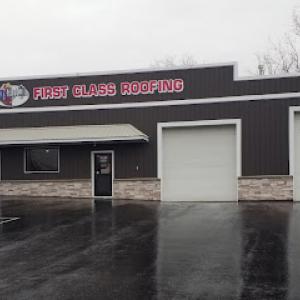
First Class Roofing
(888) 699-9321 www.first-class-roofing.com
Serving
5.0 from 44 reviews
First Class Roofing, LLC - Commercial Roofing Company - is a dependable roofing contractor you can count on for all your commercial roofing services. We are a full-service commercial roofing company serving most of the state of Ohio. Main Focus Areas Include - Roof Maintenance/Roof Repairs, Proactive Roof Maintenance, Roof Restoration Systems with Long-lasting Coatings, and Roof Replacements. We apply the following: * Membranes - EPDM, TPO, and PVC * Foam and Coatings System * Metal Roofing * Shingles
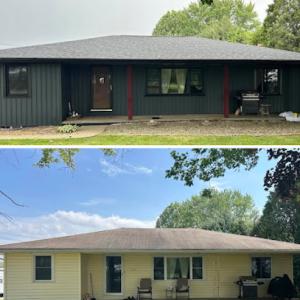
Erb's Construction & Roofing
(330) 601-6896 erbsconstructionllc.com
Serving
5.0 from 83 reviews
We build pole barns, pole barn homes. We also specialize in metal and shingle roofs, siding and decks. We take pride in knowing the quality our customers receive is top notch. We operate with a perfect balance of quality and efficiency. Our customers have been very impressed by our quick turn around time. Once your project is started, it is our focus to get it completed. Our crew has worked together for several years and is very proud of their Amish heritage and quality craftsmanship.
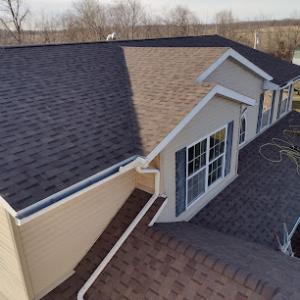
Thompson home improvements
Serving
4.6 from 34 reviews
Home Improvement company that specializes in Roofing, Siding, Windows, and gutters.
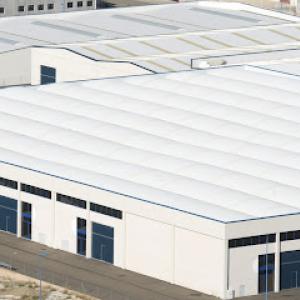
Flat Roof Experts
(330) 600-7674 flatroofexpertsllc.com
Serving
5.0 from 32 reviews
Let us help you with all your roofing needs! Local Experts in Conklin Systems and Commercial Roofing that will protect your assets and most valuables for years to come!

Absolute Assurance Restorations
Serving
4.9 from 197 reviews
Roofing companies Mansfield Ohio Top rated roofers providing roofing contractors services: roof replacement, roof repair, roof installation, storm damage roof repair, siding contractors, windows and skylight installation. We are licensed, insured, certified, and our highly trained roofers will uncover any storm damage on your roof. We repair or replace shingle roofs, slate roofing, metal roofing, rubber roofing and flat roofs. Additional services: commercial roofing, skylight contractors, windows & gutter installation. Service Area: Richland County, Ashland County, Crawford County, Morrow County, Licking & Knox Counties. Mansfield, Lexington, Bellville, Ontario, Shelby, Ashland, Galion, Bucyrus, Mt Gilead.

Kennedy Construction & Roofing 419-747-Roof
Serving
4.0 from 48 reviews
family owned and operated reliable
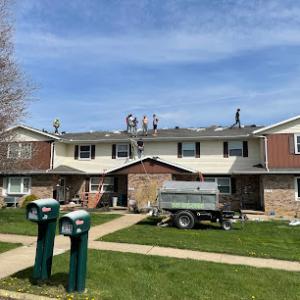
K&S Construction & Roofing
(567) 241-6393 ksconstructionandroofing.com
Serving
4.6 from 35 reviews
"Do it once, do it right!" K&S Construction and Roofing is here to help you with your home improvement needs! Give us a call today for free estimates.
In this market, asphalt shingles and metal roofing drive most residential replacement decisions, with Ashland's contractor base strongest in those two materials. Asphalt shingles offer the most straightforward pricing and fastest turnaround when storm-driven demand surges hit, while metal provides a longer-term option when winters are harsh and labor crews are busy with ice-dam and leak repairs. Tile options-clay or concrete-enter less frequently, but they show up in homes with heavier roof structures or a preference for a particular architectural style. Synthetic or composite shingles sit between traditional asphalt and premium options, offering enhanced durability without the heavier handling demands of tile, and slate remains the heavy-duty, premium tier where structure and staging permit.
Replacement timing matters here, because spring rains, summer heat, winter access limits, and autumn leaf cleanup all influence labor efficiency and scheduling. A sudden storm surge can tighten contractor availability, pushing a project forward or backward by weeks depending on weather windows and crew pipelines. Heavier materials heighten the impact of those windows; slate, clay tile, and concrete tile require more handling planning and often more equipment, which can extend the schedule and elevate costs when crews are stretched thin. If winter conditions are imminent and a leak is active, some homeowners opt for a temporary fix to gain a reliable window for a more comprehensive reroof, balancing risk during the deep cold against steady labor access.
When evaluating options, compare not only the sticker price per square but the total project factors: weight on the structure, required underlayment and ventilation adjustments, and the likelihood of rapid storm-driven demand. Asphalt shingles present the easiest management path for frequent, fast-leak responses, while metal offers long-term resilience with generally smoother scheduling during peak storm periods. For homes with existing heavy rafters or historical architecture, slate or concrete/clay tile may be appealing for longevity, but plan for higher labor coordination and a wider budget. In Ashland, the best choice often comes down to aligning your roof's structural realities with the seasonality of the local reroof market and the storm-response cadence contractors already follow.
In this inland north-central Ohio climate, the winter cycle of freezing nights and thawing days puts steady stress on roof systems. Snow loads build and retract, and ice can back up at critical joints. In Ashland, the most vulnerable spots are valleys, penetrations around chimneys and vents, and eaves where heat loss from the attic meets cold roof decks. A roof that performs well here treats those areas as first-class interfaces: a continuous ice and water shield along eaves, proper flashing at all penetrations, and well-sealed valley joints. Seasonal movement can reveal gaps that weren't obvious in milder conditions, so attention to installation detail at these points is not optional-it is essential for keeping interior spaces dry through many freeze-thaw cycles.
Asphalt shingles remain a practical fit for Ashland's common reroof market, but freeze-thaw exposure makes installation quality at valleys, penetrations, and eaves especially important. If choosing asphalt, prioritize upgraded granule retention, compatible underlayment, and precise nail placement to withstand repeated cold spells. Metal roofing has strong local contractor representation in Ashland and is relevant for shedding snow and resisting repeated seasonal temperature swings when detailed correctly. When metal is installed with correctly placed snow guards, solid fasteners, and proper insulating ventilation, it can shed snow more predictably and reduce ice build-up along the eaves. Premium materials such as slate, clay tile, concrete tile, and synthetic/composite products need careful evaluation in Ashland because winter movement, snow load, and repairability differ sharply from standard shingle systems. Natural slates and tiles carry impressive durability but demand careful substrate preparation, accurate fastener patterns for freeze-thaw cycles, and thoughtful repair strategies that account for local temperature swings and potential ice dam pressure. Synthetic or composite options can offer weight and flexibility advantages, yet installation tolerances and repairability matter just as much as the base material, especially in transition zones at eaves and valleys where moves and seasonal shifts concentrate.
Winter storms or rapid thaw events in Ashland can trigger a rush to replace or seal a failing roof, but timing matters. A roof that leaks in January may still be compounded by subsequent freezes if repairs are delayed, expanding ice dam risk and interior damage. A storm-driven reroof plan should emphasize rapid assessment after a heavy snowfall, secure temporary coverings where needed, and a clear path to permanent replacement when conditions allow safe, efficient work. Consider crew readiness for short windows of workable weather and a process that minimizes interior exposure while still meeting the roof's long-term performance needs.
For long-term reliability, prioritize proper attic insulation and ventilation to reduce ice dam risk. Confirm that penetrations around chimneys, stacks, and vents are flashed with corrosion-resistant metal and sealed to resist pinhole leaks during freeze-thaw cycles. Regular inspections after heavy snows catch damage early, especially at ridges and eave edges, and address any uplift-prone areas promptly. In Ashland, local crews emphasize precision at valleys and at the interface of old and new materials to ensure a watertight transition that holds up under repeated seasonal temperature swings. A well-planned maintenance routine now saves substantial repairs later when mid-winter leaks would otherwise multiply.
Explore specialists in steel, aluminum, and standing seam metal roofs built to last 50 years or more.
DM Roofing Siding & Windows of Ashland
(330) 366-9857 www.dmcustomsohio.com
1147 E Main St, Ashland, Ohio
4.9 from 29 reviews
Reroof work in this city follows a clear sequence tied to the local building department's workflow and the inland freeze-thaw cycle. A full reroof generally requires a permit filed with the City of Ashland building department. The permit process helps ensure the roof structure and ventilation are addressed to withstand winter salt and ice-dam risks, and that storm-driven replacement crews aren't releasing debris into nearby yards during the spring thaw.
In Ashland, the contractor typically submits the permit application, while the homeowner is usually responsible for permit fees. It pays to confirm who is handling the submission before the project starts, because a misunderstanding can delay work. Ask for the permit number early, and keep that number accessible for inspections and utility-company coordination if needed.
The city requires inspections after work begins and a final inspection at completion. As the project unfolds, inspectors may check framing, roof deck integrity, ventilation, underlayment, and flashing details critical to ice dam resistance. If the work pauses, scheduling and documenting a re-inspection can avoid backtracking once crews resume in a busy season.
Lead times vary based on building department workload and seasonal demand, so plan ahead, especially during late autumn and early winter when storm response projects surge. Your contractor should anticipate a preliminary inspection soon after work starts and coordinate safety procedures for winter conditions. Keep a calendar handy for booking the final inspection, which follows the completion of all roofing activities and cleanup.
Have the permit number, contractor contact information, and a brief description of the reroof scope ready for the inspector. Documentation of attic ventilation, ice-dam mitigations, and any structural reinforcement recommended by the roofer helps speed the process. Ensure access to the attic or roof line for a safe, uninterrupted review, and clear signaling of any temporary protective measures used during storm season.
At completion, the final inspection confirms the work complies with local codes and safety standards. If any deficiencies are noted, address them promptly with the contractor and reschedule the final review. Keeping the inspection trail orderly reduces the risk of delays, especially during peak storm-response periods. In Ashland, timely communication with both the contractor and the building department supports a smoother turnover to a weather-resilient roof.
In Ashland, spring can interrupt tear-off and dry-in work because rain delays are a known seasonal risk. If a replacement is scheduled as winter recedes, plan for windows that avoid late-season storms and lingering freeze-thaw cycles. Contractors often prioritize dry-in readiness after a stretch of stable, dry days; be prepared for a short pause if a northeast storm rolls through. Ensure gutters and downspouts are cleared beforehand to reduce slick conditions on the roof deck and to keep the project on track when days finally clear.
Summer installation in this area must account for heat-related pacing and material handling, especially for crews working on darker roof surfaces. Schedule the most demanding tasks-tear-off and exposure of the bare deck-early in the day to minimize heat stress and prevent premature aging of underlayment. For lighter or reflective materials, consider shade strategies and frequent hydration breaks. Confirm that tarps, moisture barriers, and fasteners are compatible with high daytime temperatures to avoid unexpected stapling or alignment issues.
Autumn in Ashland adds leaf-related debris management and can complicate final inspections and cleanup before winter weather closes the replacement window. Align cleanup to precede peak leaf drop, and prepare for additional debris control around valleys and gutters. Leave time for a thorough inspection of shingles, flashing, and vent booting before the first hard freeze. If a high-wind day hits during the last week of work, verify that all loose materials are secured and that access to final cleanup paths remains clear for the inspector and the homeowner.
When a leak starts in the middle of a winter thaw or a sudden storm, you're not waiting for a perfect reroof-you're racing to stop damage fast. Ashland's contractor signals show emergency repair is highly active, so you should expect crews to respond quickly to active leaks rather than queue for a full replacement. Prioritize crews who can trap and divert water immediately, then assess the broader roof once the worst of the rain has passed. After a swift tarp or temporary patch, schedule a follow-up visit for a more permanent fix in the dry window.
Freeze-thaw cycles in this area mean flashing transitions, eaves, and areas that have been repaired before are especially prone to reopening. If you notice water at eaves or staining near flashing after a cold snap or a rapid warm spell, treat it as an urgent warning. These spots often fail first and can cascade if left untreated, threatening attic insulation and interior finishes. Ask for close-up inspection of those transitions, plus a temporary seal that holds through another freeze.
Cleanup is a strong local hiring priority, so you'll want a crew that protects landscaping, driveways, and gutters during urgent work. Communicate clearly about drop cloths, ladder placement on soft soil, and debris containment. Insist on a plan that minimizes tracked mud and avoids damage to edging plants or driveway surfaces, then confirm a thorough but rapid dry-out and cleanup before the next storm.
When you can't wait, these contractors offer fast response times to stop leaks and prevent further damage.
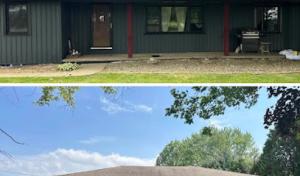
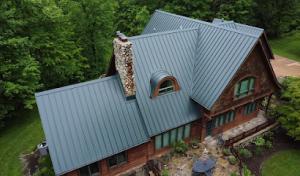
Insurance paperwork after a hail or wind event can determine whether a full roof replacement is approved promptly or delayed while questions get answered. In Ashland, homeowners should expect insurers to ask for detailed replacement estimates and photographic documentation before approving full-scope work. Clear, labeled photos of shingles, flashing, vents, and any interior staining help speed decisions when a quick response is critical after a storm.
Ohio's insurance environment does not indicate broad market instability, but outcomes still depend heavily on policy language and the quality of damage documentation. That means the exact coverage you can rely on may hinge on how thoroughly you document the affected areas and how precisely a contractor's scope aligns with the insurer's definitions of damage.
If a carrier requests an independent adjuster report, Ashland homeowners should preserve evidence from all roof slopes and interior leak areas before temporary repairs conceal the original damage. Keeping original, unaltered conditions documented protects your position should questions arise later, and it avoids disputes about preexisting conditions.
Practical steps you can take include photographing every angle of damaged shingles, flashing, and gutters, plus close-ups of granule loss or hail impact marks. Record dates of storms, note water entry points inside the attic or ceilings, and maintain copies of any prior repair records. When you arrange temporary repairs, ensure that temporary fixes do not cover or alter the areas that show the storm's full extent, so the subsequent adjuster can see the initial damage clearly.
Finally, prepare for storm-driven timing challenges that often spike after severe events. If a fast-tracked replacement becomes necessary to protect the home through another freeze-thaw cycle, accurate documentation and ready-to-share files can reduce delays and keep the focus on a proper, complete repair rather than a hurried job. Being disciplined about this paperwork now can prevent stoppages when the weather turns and ensure you are not forced into a rushed repair that invites future leaks.
Connect with contractors who help homeowners navigate the claims process from damage assessment to final approval.
DM Roofing Siding & Windows of Ashland
(330) 366-9857 www.dmcustomsohio.com
1147 E Main St, Ashland, Ohio
4.9 from 29 reviews
In Ashland, homeowners value contractors who deliver cleanup, fast response, and reroofing experience over firms focused on niche new-construction work. Storms and winter follow-up drive a need for crews that can finish a job, clean up thoroughly, and stand behind the work with practical warranty service when weather shows up again. Local firms with a steady service presence tend to be easier to reach after a storm, and that accessibility matters once a leak shows up or a shingle line shifts in a deep freeze. Look for signs that the company understands seasonal stresses, ice dam risks, and the cleanup expectations that families notice after a heavy storm adds debris to the yard.
Ask about a contractor's reroofing experience in similar homes, especially those with snow load considerations and older roof lines. Verify that crew sizes and supervision are appropriate for a complete tear-off and replacement, not a quick overlay. Request written references from clients who faced harsh winters and confirm timely warranty follow-up. Look for family-owned or long-established firms with a visible local presence, because they tend to be more reliable for post-winter follow-up and service. Confirm that the firm has a documented process for cleanup-tarps, debris containment, and final rake-out of shingles and nails-so streets and yards stay clear after the job.
When evaluating bids, focus on scope detail and cleanup commitments as closely as you would focus on the roof's materials. Ensure the bid includes a full tear-off if needed, disposal of debris, and a clear plan for ice-dam mitigation steps. Ask for a projected cleanup checklist and a realistic midpoint and final inspection, plus a warranty explanation that covers workmanship and material defects. Note which firms emphasize storm-responsive service and how they handle post-winter repairs without delaying essential home protection.
Red flags include vague scope language, unpriced cleanup specifics, and bids that seem unusually fast for a reroof. Be wary of contractors with limited references or those that cannot provide local endorsements. A lack of clarity on crew supervision or an unclear timeline can signal future problems during a harsh winter or after a snow event.