
Last updated: Apr 19, 2026
Late-spring hail and severe thunderstorms are a constant factor for your roof in this area. High winds, flying debris, and softball-to-golf-ball sized hail can punch through shingles, loosen granules, and weaken roof decks in a single storm. When a big storm moves through, shingles that looked fine yesterday can fail today, leaving you facing accelerated wear and potential interior damage. The urgency here is real: a proactive plan now beats scrambling after the next hail event when crews are booked and materials are in high demand.
During severe thunderstorm periods, work often pauses. Lightning, gusts, and the danger of continued hail make tear-off and dry-in impossible to complete safely. If your roof was damaged in a big event, expect delays in obtaining permits, crews, and inspections during the peak window. Those stoppages aren't just inconvenient-they can leave your home exposed to further weather while you wait. In Guthrie, that exposure compounds risk to attic insulation, drywall, and interior finishes, especially on older homes with steep slopes.
Replacement timing is commonly pushed into moderate spring and fall weather windows after storm season assessments. Once the sun returns and winds calm, contractors can complete tear-offs, re-decking, and waterproofing in a more predictable sequence. This means planning a window outside the peak storm months, but flexible enough to respond to post-storm assessments. The goal is to finish before the next round of severe weather, while still accepting that the exact date may shift based on how much damage exists and how quickly crews can mobilize.
First, document any hail damage you can see from the ground-shingles with bruising, granule loss, or dented metal edges are red flags. If interior signs appear-stains on ceilings or attic heat buildup-treat those as emergency indicators. Contact two or three reputable roofers who regularly work in this climate and ask for on-site inspections after a hail event. Do not commit to a full replacement without a storm-season assessment and a clear plan for a safe tear-off and dry-in in the spring or fall window. If a contractor recommends a temporary patch, verify that it is only a short-term measure and will not delay proper dry-in when conditions are suitable.
When you speak with bidders, stress-test their readiness for Guthrie's typical schedule. Ask about how they handle weather-related delays, what guarantees they offer for post-storm assessments, and their plan to coordinate porch and attic protection during a tear-off. Request a detailed timeline, including how they will manage debris containment and safety for family members and neighbors during the busy spring and fall seasons. Finally, confirm they will perform a thorough post-installation inspection to catch any latent issues caused by prior weather events, ensuring your home remains protected through the next round of storms.
Oklahoma is a frequent hail-loss state, and Guthrie homeowners often face insurer scrutiny on roof age, photo documentation, and proof of installation quality. When a spring or fall storm rolls through, the window for a claim can feel tight, especially if the roof is nearing the end of its typical life. Insurance adjusters in high-loss seasons tend to probe whether recent storms caused the damage or if aging materials played a larger role. The practical effect is that a claim can hinge on clear, storm-specific evidence rather than a general "wear and tear" narrative. A homeowner who has solid before-and-after photos, dated weather reports, and installation records stands a much better chance of a smooth review.
Some carriers in Oklahoma have tightened coverage or settlement practices during high-loss seasons, which directly affects reroof timing in Guthrie. If a large hail event hits, expect a surge of claims and a corresponding shift in how quickly lines are drawn between what is covered and what is not. This can push reroof projects toward a scheduled window rather than immediate work, especially on steeper historic homes where the work is more complex and weather-sensitive. Planning is essential: map out potential storm days, set expectations with the contractor about the time needed for documentation, and anticipate a longer decision cycle during busy periods. The goal is to avoid any gap between damage recognition and the start of replacement, but that often requires patience and clear communication with the insurance carrier.
Documentation matters more in this market because settlements may vary by shingle type and whether damage can be tied to a specific storm event. Take measurements of the roof and note visible hail impact patterns-dents on shingles, bruising on metal, or granule loss visible in gutters. Keep a log of all storm dates and corresponding weather advisories, and gather receipts or photos from roof-related work done in the prior years to verify age and installation standards. If possible, obtain a professional assessment that differentiates between hail-caused damage and preexisting conditions. Documentation that ties a claim to a clearly identified storm event tends to yield clearer settlement decisions.
Start with a targeted inspection after a hail event, ideally within days when granules and hail marks are freshest and weather allows access for safe inspection. Work with a local roofer who understands Guthrie's steeper historic roofs and the typical challenges they pose, including alignment with matching shingles and color consistency. When presenting a claim, organize photos by date, storm of origin, and damage type, and pair them with a concise narrative that links the damage to a storm event rather than aging or improper maintenance. If the insurer questions the installation quality, having a record of a professional installation, including the original shingle type and the installation method used on the roof, can help, particularly for older homes where retrofits and upgrades may be relevant.
Be aware of the possibility that a carrier will dispute the severity of hail damage on older roofs, or will argue that damage is due to aging or prior repairs. In such cases, the insistence on a weather-confirmed event, the specificity of the damage pattern, and a verified installation history become central to the claim's trajectory. If a settlement seems delayed or inadequate, consider seeking a second opinion from a local roofer who can provide a condition assessment focused on storm-driven damage rather than wear. Guthrie's blend of history and weather means the most successful path is a well-documented, storm-specific case built with clear, field-tested evidence.
Connect with contractors who help homeowners navigate the claims process from damage assessment to final approval.
America's Finest Roofing & Construction
(405) 239-4128 americasfinestroofingok.com
13025 S Douglas Blvd, Guthrie, Oklahoma
5.0 from 13 reviews

America's Finest Roofing & Construction
(405) 239-4128 americasfinestroofingok.com
13025 S Douglas Blvd, Guthrie, Oklahoma
5.0 from 13 reviews
Americas Finest Roofing is owned and operated by local Oklahomans who are license and insured also have a PASSION for roofing, Give a call at any time we would be more than happy too come out for a free inspection!
Sapphire construction
(405) 887-3385 sapphireroofingconstruction.com
2332 Elmwood Ave, Guthrie, Oklahoma
3.7 from 3 reviews
sapphire construction we are a local own family business our goal is to make every roof look good and their owners happy for our services
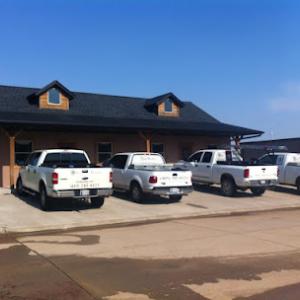
Aegis Roofing & Construction
(405) 285-0123 www.aegisroofingok.com
Serving
5.0 from 112 reviews
Aegis Roofing and Construction, LLC offers a comprehensive range of roofing and construction services for homes and businesses in the OKC Metro area and surrounding communities. Their expertise extends beyond roof repair and replacement, encompassing gutters, windows, fencing, and painting.
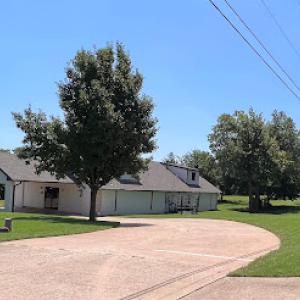
TYCO Roofing
(405) 916-0218 www.tycoroofingokc.com
Serving
5.0 from 35 reviews
We are your local Oklahoma roofing contractor, offering repairs, roof replacements, new construction, gutters, siding, painting & garage doors. We treat every home like our own, using the highest-quality materials and skilled crews who keep you informed every step of the way. From storm damage repairs to navigating tricky insurance claims, we make the process simple, honest, and stress-free. Proud to serve Edmond, OKC & Tulsa. Call today for dependable service.
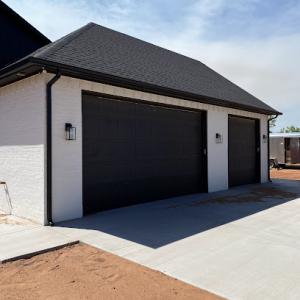
First Response Guttering
(405) 312-9736 firstresponseguttering.com
Serving
5.0 from 47 reviews
First Response Guttering is a firefighter-owned and operated company proudly serving Edmond, Oklahoma, and surrounding areas. We specialize in seamless gutter installation, leaf guards, repair, and maintenance built for Oklahoma weather. Our mission is simple — deliver dependable, high-quality work with integrity and attention to detail. When you choose First Response, you’re getting craftsmanship you can trust from a team that knows the value of service, reliability, and protecting what matters most — your home.
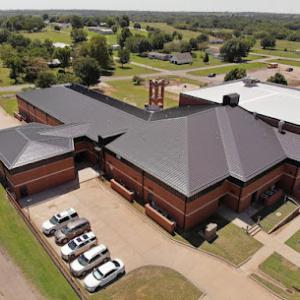
Metal Roof Contractors
(405) 359-6111 www.metalroofcontractorsok.com
Serving
5.0 from 285 reviews
What sets our company apart is that we handle all the levels of your new roof from design to install. All of these steps happen right here in our warehouse. Designing, engineering, manufacturing and installing all takes place with our company. You don't have to worry about multiple warranties for labor and materials.
Alexi Ojeda Roofing
(405) 914-4691 www.alexiojedaroofing.com
Serving
5.0 from 68 reviews
At Alexi Ojeda Roofing, we understand the importance of having a safe and secure roof over your head. That's why we are committed to providing our customers in Edmond, OK with the best roof repair services in the area. With years of experience in the roofing industry, we have the expertise and knowledge needed to handle all your roofing needs. Whether you need a simple repair or a complete roofing solution, we are here to help. Our team of highly trained professionals is dedicated to providing you with the highest quality of service and workmanship. We use only the best materials and techniques to ensure that your roof is in top condition. Contact us today to schedule a FREE consultation.

Integrity Construction & Roofing
(405) 421-5655 www.integrity.construction
Serving
4.6 from 22 reviews
We are a company that is all about serving our customers with care and respect. Give us a call for a FREE roof inspection!
OKC Roofers
Serving
5.0 from 75 reviews
OKC Roofers, located at 2524 N Broadway #522, is your top-rated roofing contractor in Oklahoma City, specializing in expert roof repair, roof replacement, and roofing inspection services. Our skilled team ensures high-quality residential roofing, offering reliable roof leak repair and shingle roof repair to protect your home. Whether you need emergency roof repair near you or a professional roof inspection, OKC Roofers is your trusted local roofing company committed to excellence and customer satisfaction. Choose OKC Roofers for dependable and efficient solutions that keep your roof in top shape all year round.

Van De Steeg & Associates
(405) 755-7500 www.van-de-steeg.com
Serving
4.3 from 17 reviews
Roofing Contractor

Aspen Roofing
(405) 341-2018 www.aspenroofingonline.com
Serving
4.5 from 26 reviews
Aspen Roofing is a family-owned roofing company with more than 20 years of experience and achievements in the Oklahoma and Kansas City market area. We take pride in the personal service we provide on each job and we strive to maintain the highest level of quality while offering our customers a reasonable price.

Marlatt Roofing
(405) 229-9615 marlattroofing.com
Serving
5.0 from 106 reviews
Marlatt Roofing is family owned, dedicated to service and operated with over a decade of commercial and residential roofing experience. At Marlatt Roofing we believe there is no such thing as a forty hour work week, we are there when you need us to cover what matters.
Guthrie has one of Oklahoma's best-known historic housing stocks, so many homes feature older roof decks, complex rooflines, dormers, and chimneys that complicate replacement. When planning a reroof, the first step is to map every feature that can hide trouble-chimneys, vent stacks, eyebrow dormers, and steep transitions. Those corners often hide rot or prior patching that isn't visible from the ground. A careful assessment should note where additional flashing or step flashing will be required and where deck framing may need reinforcement. The goal is to replace with materials that respect the roof's character while ensuring daylight through the attic isn't compromised by hidden deterioration.
Older Guthrie homes often require careful tear-off and deck evaluation before material changes because hidden deterioration may not be visible from the ground. If a full removal isn't performed, you risk covering over problems that will show up as leaks later. Expect the contractor to lift all existing shingles or shakes to inspect the underlying deck decking, rafters, and any sags or soft spots. Pay attention to chimney connections and dormer areas where water tends to travel. If boards or sheathing show moisture damage, plan for replacement sections rather than patching over them. This is not a place to cut corners; a thorough deck evaluation saves mess and cost down the line.
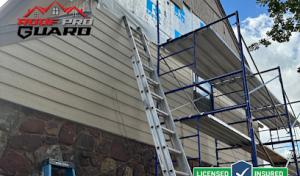
Steeper and more detailed roofs common in older neighborhoods can increase labor time, staging needs, and flashing complexity. A multi-story or third-story dormer setup in a historic home may require more elaborate scaffolding and careful ladder placement. Plan for additional time to install and seal around flashing around chimneys and at dormers, where missteps create persistent leaks. The roof line often dictates the order of operations: tear-off first, then deck repair, then underlayment, followed by the chosen roofing material, with flashing integrated at all transitions.
Material selection should consider the historic look, roof slope, and the existing chimney and dormer details. In Guthrie's climate, hail resistance and wind performance matter, but so does compatibility with retro styling. Shingle types that mimic old textures can blend with the streetscape while offering modern durability. Metal, tile, or composite options require precise fit at valleys, rake edges, and transition to dormers to avoid vulnerable seams. Ensure the installation plan includes a thorough inspection of all penetrations and a clear strategy for maintaining historic curb appeal while delivering reliable, weather-tight protection.
In Guthrie, the most active contractor specialties tend to be asphalt shingles and metal roofing, which line up with what homeowners most often replace after storm wear. Asphalt shingles deliver solid, familiar performance when a hail event leaves dented surfaces or granule loss, while metal roofing offers resilience against impact and rapid thermal changes. You'll find good long-term value when choosing either option, provided the installation follows solid underlayment details and proper fastener patterns to endure Oklahoma's spring and fall storm cycles.
Guthrie experiences hot summers, cold winters, and rapid seasonal swings, and those shifts stress lower-grade materials through thermal movement and sealant stress. For asphalt, that means closely watching for curling edges, lifted tabs, or granule shedding after several hot seasons. Metal roofs that are improperly seated or undersized for wind exposure can suffer panel gaps and premature wear around fasteners. The goal is to pair a durable substrate with a weathered edge that remains flexible enough to absorb expansion and contraction without compromising the seal. The best choices balance heat resistance with wind and hail tolerance.
Tile and wood roofs exist in the market, but their repair and replacement decisions are shaped by hail exposure, weight considerations on older structures, and more limited specialist availability. Clay and concrete tiles bring excellent longevity in dry climates and can shed hail impact with proper interholding, yet their weight warrants structural verification and careful bracing on older Guthrie homes. Wood shakes or shingles deliver a classic look but demand vigilant maintenance to prevent moisture-related decay and fire risk, with seasonal checks after storms to catch broken or split shingles early.
When evaluating options after a hail event, prioritize roofing systems that maintain a tight weather seal and resist impact without excessive weight. For steep older homes common in town, ensure the underlayment and decking are sound, since even the most resilient roof deck benefits from a solid base. For reroofing projects timed around spring and fall storm windows, plan around the local storm calendar to minimize downtime and expedite reliable service. Long-term performance hinges on choosing materials that tolerate Guthrie's extremes while staying accessible to skilled local crews for timely repairs and replacements.
When you price a full reroof, expect asphalt shingles to run roughly 350 to 700 USD per square, with metal shingles commonly landing 650 to 1400 per square. Clay tile projects typically sit between 1200 and 2500 per square, while concrete tile ranges from 1000 to 1800 per square. Wood shingles or shakes usually fall in the 700 to 1400 per square band, and synthetic or composite shingles are about 500 to 1000 per square. These numbers reflect the Guthrie market, where older homes and steep pitches complicate the job and push costs above simple material replacement.
After a hail event or a severe thunderstorm, storm-driven surges in demand tighten the scheduling window. Contractors may be juggling multiple full reroofs at once, and that squeeze often shifts timelines from a few weeks to several months. In practical terms, if a storm hits or nearby neighborhoods are flagged, you should expect longer waits for a start date and, occasionally, higher mobilization or emergency-access charges. Planning for this reality helps you secure a firm price and a concrete start date rather than chasing a moving target.
Older, steeper homes with complex geometry add labor pressure beyond a straight ranch-style replacement. Expect additional charges for intricate ridge lines, multiple valleys, and chimney flashing, as well as deck or underlayment refinishing if the deck area shows weathered plywood or insulation issues. The extra handling time for careful removal and re-nailing of historic flashings can push per-square costs higher, even within the same material category. If the roof has multiple stages or visible soffit/overhang work, set aside extra contingency for those elements.
Start with your target material and compare two or three reputable Guthrie-area crews to get a sense of lead times during storm seasons. Ask for a written scope that separates debris disposal, underlayment, and any deck repairs from the core roofing material charge. Given the local dynamics, plan for a modest contingency-5 to 10 percent-specifically to cover potential access challenges on steeper sections or additional flashing work. If you own an older, steeper roof, you'll likely benefit from scheduling during calmer months in spring or fall to align with milder weather and better roof access.
Don't let upfront costs delay a critical repair - these contractors offer payment plans to fit your budget.



A permit is typically required in Guthrie for a full reroof, with applications processed through the Guthrie Building Safety Department. Before any roof work begins, make sure the permit is in hand and the project address and scope are accurately described. The department's staff can help verify that your chosen roofing system meets local wind and hail resilience expectations, which is especially important given the area's storm-prone springs and falls. Your contractor should pull the permit in your name or ensure you're listed as the responsible party, keeping documentation accessible for inspections and potential resale.
Guthrie inspections typically occur after underlayment is installed and again at final completion, which affects how contractors sequence dry-in and finish work. The first check confirms that the roof deck is sound, venting is proper, and the underlayment and flashing are correctly installed. The final inspection verifies that all components are properly installed and any city-specified wind or impact-resistance requirements are met. Understanding this sequence helps you coordinate weather windows, material deliveries, and crew scheduling so the project proceeds without unnecessary delays.
Homeowners should plan around a permit review and inspection cadence that can take several days to a couple of weeks depending on department workload. In peak seasons-especially after severe spring storms-the time lag can extend as inspectors juggle multiple projects across town. To minimize disruption, arrange your reroof timeline with the contractor to align dry-in during a window with mild, dry weather, followed by row-by-row finish work after the final inspection is clearly scheduled. Keep a single point of contact with the Building Safety Department for status updates, and allow extra time if any corrections are requested during the initial review.
Moderate spring and fall conditions are typically the preferred reroof windows because they avoid the worst summer heat and winter freeze issues. In this climate, a dry stretch with mild temperatures helps shingles seat properly and shuts down rapid expansion or contraction that can come with heat or cold. If a storm window opens in late March or October, target a window that gives you several dry days in a row for installation and flashing work.
Summer installation can be slowed by heat effects on underlayment handling and shingle installation conditions. In Guthrie, afternoons can bring heat soaking peaks that make adhesive products less forgiving and crews may need longer midday breaks. Schedule early-morning starts and plan for consistent shade or tarp protection when possible. If a summer project slips into late July or August, be prepared for slower progress and more careful material handling to avoid heat-related damage to synthetic underlayments or sealing surfaces.
Winter freezes and rapid temperature shifts can affect sealants and flashing performance during repair or replacement work. Cold nights can stiffen sealants, while warm daytime swings force expansion that might pull on new seams. Consider staging work during a stretch with several days near or above freezing, preferably with daytime temperatures in a comfortable range for sealant curing. If winter work is unavoidable, ensure crews have appropriate temperature-appropriate products and a plan to protect exposed edges from frost.
Many older, steeper homes in this area are highly weather- and storm-sensitive. Plan reroofing around spring and fall storm windows when you are likely to see the least combined impact of hail risk and adverse weather. For homes with complex rooflines, a pre-project evaluation helps identify potential problem areas in advance, reducing surprises during a tight weather window. Coordinate with your roofer to confirm that weather forecasts align with selected installation days and that tarping, drainage, and interior protection are arranged ahead of the first lift of shingles.
Even though Guthrie's market remains dominated by pitched roofs, active contractor signals reveal a meaningful niche for low-slope repairs on porches, additions, and small commercial-style sections. Those surfaces often hide beneath the shadow of older structures and can behave very differently from the main roof. The result is a higher risk of slow leaks that aren't obvious from the ground, especially after spring storms or late-season thunderstorms.
When older steep roofs meet newer low-slope additions, the transition becomes a common weak point on aging homes. Valleys widened by time, improper step-downs, or mismatched flashing at the seam where a porch or sunroom ties into the main roof can trap moisture. In Guthrie's spring wind and hail cycles, flashing around these junctions is stressed, and small misalignments can grow into noticeable staining or damp spots over a season. The risk is cumulative: a single peak or seam may look intact, while the adjoining low-slope edge carries the burden of repeated storm impact.
Leak tracing here often centers on flashing at chimneys, valleys, and roof-to-wall transitions on older homes rather than on simple field shingle wear alone. A chimney with aging counter-flashing, a valley with worn metal, or a marginal seal at the roof-to-wall corner can all become leak pathways after a hail event or a heavy rain. Assessments should start at these traditional trouble spots, then expand to any new low-slope additions that could funnel water differently than the main roof.
Inspect after each major storm for any dampness near transitions, and pay attention to early staining along roof-to-wall lines. When rising moisture appears at a junction, prioritize flashing integrity and proper seam sealing over cosmetic fixes. For aging homes, consider having a qualified roofer re-check the interface between the steep main roof and any low-slope appendages, with emphasis on back-vented underlayment and robust sealing at all transitions. Prompt action helps prevent the slow, creeping damage that Guthrie's weather can provoke.
Find specialists in TPO, EPDM, and built-up flat roofing systems for residential and commercial properties.


In a hail-heavy Guthrie market, homeowners need to separate manufacturer material coverage from workmanship coverage because storm exposure does not make all failures warranty issues. A shingle that blistered after a spring hail event could come down to the product, or it could be improper nailing, underlayment, or attic ventilation. Closely read what the material warranty covers versus what the contractor's workmanship warranty promises, and note where exclusions apply after wind events. If a claim hinges on the age of the roof, the warranty may still be valid, but a failure tied to installation practices will not be.
Installation quality matters locally because insurers may consider workmanship and roof age when evaluating claims after Oklahoma wind and hail events. A durable system that survived last season's storms often hinges on precise nailing patterns, starter courses, and correct shingle alignment for steep historic roofs. When evaluating coverage, insurers will compare the date of installation, the roof's remaining life, and any signs of prior repairs. A trusted local crew that documents every step reduces surprises during a claim and helps prove the distinction between material fault and installation fault.
The local contractor market includes some manufacturer-certified and warranty-promoting firms, but they are not the dominant share of providers. Know who backs the work and what the warranty actually covers. Ask for written details on what is guaranteed for workmanship, how long the warranty lasts, and how claims are processed after a severe Oklahoma wind or hail event. Maintain clear records of installation, regular maintenance, and any storm-related damage to help protect the warranty's integrity.
Before any storm hits, ask for a written plan from the contractor outlining both material and workmanship warranties. After a hail event, photograph roof lines, eave details, and any dents. Request a pre-installation and post-installation inspection report to separate warranty-related failures from storm damage. For peace of mind.