
Last updated: Apr 19, 2026
This area sits in a severe weather corridor with frequent spring hail and powerful thunderstorms. When those storms roll through, the roof is often the first line of defense-and the first to show damage. In Owasso, post-storm restoration isn't a side project; it becomes a core roofing need as repairs and replacements pile up after each event. The fastest path to restoring a solid roof is to treat hail and wind damage as an urgent claim, not a deferred project. Delay invites hidden leaks, accelerated deck rot, and higher chances of wind-driven debris compromising attic space. Knowing the landscape helps homeowners act quickly before temporary fixes become permanent scope disputes.
The local contractor signal mix is dominated by insurance claims, storm damage, and emergency repair. That means when the thunderheads roll, neighbors typically start with a rapid assessment, document the damage, and reach out to a contractor who speaks insurance lingo as if it were a second language. The goal is to align the claim with an accurate, complete scope that mirrors what a adjuster will approve on the spot. Disconnected temporary patches can complicate later negotiations, so the first days after a storm matter as much as the storm itself. A roofing contractor who understands Oklahoma's repair-damage rhythm can translate the observed dents, granule loss, and lifted edges into a claim that realistically covers both the shingle surface and the underlying deck structure.
Hail and wind leave telltale signs that aren't always obvious from the ground. Start with clear, date-stamped photos showing every angle of the roof, including close-ups of curling edges, missing granules, and any dented flashing. Weather data from the day-of-loss helps establish timing, which is critical when an adjuster reviews the claim against the repair timeline. Keep a simple log of storm days, including wind gusts and hail size if possible. Owasso homeowners often find the most leverage by pairing this documentation with a professional roof inspection that documents moisture intrusion in attic spaces and signs of accelerated wear on gutters and vent pipes. Promptly sharing this package with the insurer and the contractor reduces back-and-forth and speeds up the restoration timeline.
Prompt adjuster coordination is not a luxury; it's a necessity in this market. After reporting the claim, request an inspection window and prepare the site for the adjuster's arrival. If temporary repairs are proposed, insist on a defined scope that clearly distinguishes what is "emergency" from what is "permanent replacement" in the claim file. As inspections unfold, use the contractor's notes as the bridge between observed damage and the insurer's assessment. In this neighborhood, failures to document and verify cause and extent early can lead to disputes that stall the project for weeks. A steady cadence of communication-photos, written elevations of damage, and a confirmed date for the adjuster-keeps the restoration on track.
After a storm, consider scheduling a rapid roof inspection within 1-2 days, weather permitting. Immediate attention to corner leaks or saturated decking prevents a small issue from blossoming into a full-scale replacement. If a temporary fix is required, ensure it is limited in scope and documented, with a clear plan and timeline for permanent restoration. In this climate, the roof is not a set-it-and-forget-it feature; it's a living system that endures repeated hail impact and wind loading. Keeping the claim process tightly managed minimizes the risk of scope disputes and helps the roof be restored to code-verified standards promptly.
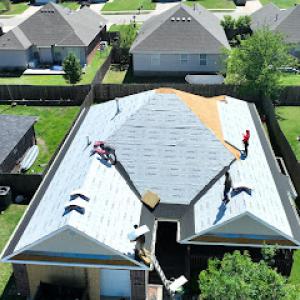
GoldenRite Roofing & Construction
(918) 731-2941 goldenriteroofing.com
7301 N Owasso Expy Suite A 125, Owasso, Oklahoma
5.0 from 203 reviews
Attention Tulsa, Ok. Harrison Mendez here, Owner and President of GoldenRite Roofing. Oklahoma’s premier commercial and residential roof contracting company! We serve every customer with a purpose – centered around quality, workmanship, and customer experience! Whether we perform a roof repair or a full roof replacement, every job is performed to the highest standard; the gold standard! Trust, dependability, and integrity are the values closest to our mission! Our staff is properly trained and certified by Haag engineering for commercial and residential inspections. Property roof inspections and estimates are always complementary at no charge.
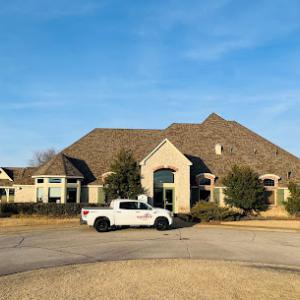
Ridgeback Roofing & Construction
(918) 892-2020 www.ridgebackroofingok.com
15201 E 110th St N, Owasso, Oklahoma
5.0 from 72 reviews
Protect your largest investment with our reliable roofing services. We are a locally owned and operated roofing company currently serving Owasso, OK and surrounding communities. If you want to make your roof last as long as possible, it is vital that you never put off a roof repair. Small issues with roofing become big issues in a hurry. No matter how major or minor the repair you need, we are here to help. We offer roofing contracting, roof installation, and roofing repair.
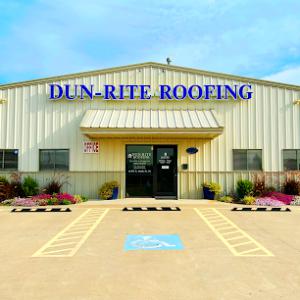
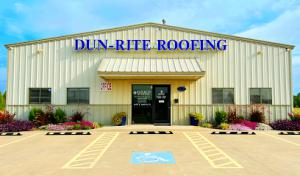
Dun-Rite Roofing
(918) 272-1831 www.dunriteroofing.com
16351 E 116th St N, Owasso, Oklahoma
5.0 from 92 reviews
When Jim and Candie Murr opened Dun-Rite Roofing in 1992, they made a commitment to provide customers with high-quality roofing solutions at affordable prices. Nearly 30 years later, the Murr Family is still doing just that. From roof repair to roof replacement, our family of professionals at Dun-Rite provide service to the Greater Tulsa and Northeast Oklahoma area to ensure that our customers get the very best roof for their money.
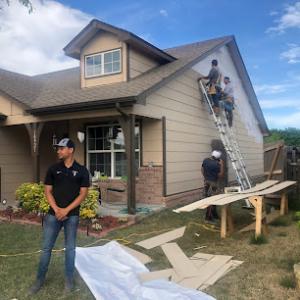
Trifecta Roofing & Restoration
(918) 471-2777 www.trifectarandrtulsa.com
Owasso, Oklahoma
4.9 from 109 reviews
Trifecta Roofing and Restoration is your trusted partner for roofing, siding, and storm damage restoration in Northeast Oklahoma. Rooted in strong ethical values, we are committed to delivering comprehensive and effective solutions for all your home restoration needs. From the initial inspection and estimate to the final handshake upon work completion, we stand by our promise of integrity and excellence. Choose Trifecta for reliable service that prioritizes your satisfaction and peace of mind. Experience the difference with a team that values ethics and quality in every project.
Omega-Roofing & Construction
(918) 986-2459 www.omega-roofing.com
12706 E 87th Ct N, Owasso, Oklahoma
4.9 from 51 reviews
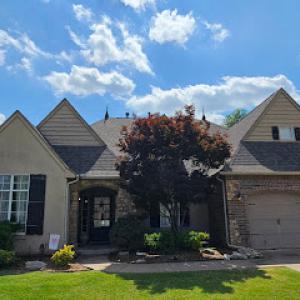
Imagine having a roofing company who not only brings top-notch craftsmanship to every project, but also comes armed with the expertise of an insurance adjuster. That's exactly what sets us apart. We don't just fix roofs; we navigate the entire insurance claims process with you. With our background in insurance adjustment, we ensure that you not only get a high-quality roof but also maximize your insurance coverage. It's the perfect blend of skilled roofing and insider knowledge to make your experience seamless and stress-free. Choose Omega Roofing for roofing excellence with a strategic edge. Omega Roofing and Construction - The last roofing company you will ever need!
Foremost Roofing Systems & General Contracting
8426 N 123rd E Ave unit a, Owasso, Oklahoma
4.9 from 33 reviews
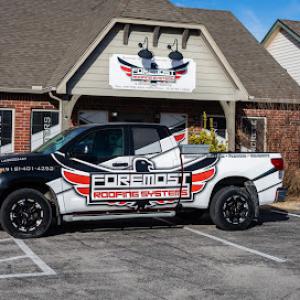
Roofing repairs, installations, gutters, and much more: Whatever your Tulsa home needs, we’re the experienced team to get the job done right.
Anytime Roofing
(918) 215-8158 anytimehomeinc.com
8351 N Owasso Expy unit b, Owasso, Oklahoma
5.0 from 19 reviews
Anytime Roofing is a locally owned and operated roofing company serving the Owasso area. We do everything full tear off and replace your roof to repairs to fix leaks and storm damage. If your roof has been damaged by a storm we can work with your insurance company to help you file your claim properly.
Roof Nerds - Owasso Roofing
(918) 973-1010 www.okroofnerds.com
9500 N 129th E Ave, Owasso, Oklahoma
5.0 from 14 reviews
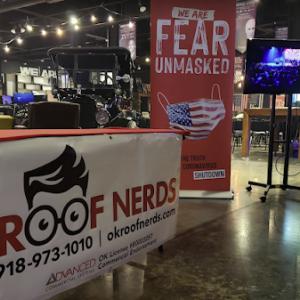
Roof Nerds Owasso roofing is a licensed and fully insured residential and commercial roofing company that focuses on excellent customer service and tested roofing products that offer a 10, 15, or 20 year NO Dollar Limit warranty from the manufacturer. Call out Roof Nerds at Owasso Roofing for a roof inspection or evaluation today. We Build Smart Roofs!
Capstone Roofing
(918) 400-3850 www.roofwithcapstone.com
16941 E Sunset Ridge, Owasso, Oklahoma
4.8 from 18 reviews
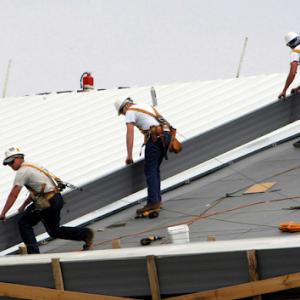
Capstone Roofing is proud to be the local roofing company Owasso and the Tulsa area rely on for professional roofing services. Since 2003, we have been providing residential and commercial roofing services, including roof leak repairs, roof replacements, and new roof construction, in Owasso and nearby areas, delivering superior-quality at an affordable price. We are the roofing experts Owasso and Tulsa count on for Storm Damage repairs and restorations, accessible roof financing solutions, and everything in between. That's why we are available when and where you need us the most. From asphalt shingle roofs to metal and commercial flat roofing, our roofers are the go-to source for unparalleled customer service and expert results.
Fairway Roofing & Construction
(918) 274-9915 www.fairwayroof.com
9104 N Garnett Rd Suite D, Owasso, Oklahoma
4.5 from 13 reviews
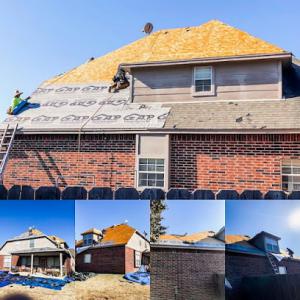
Fairway Roofing is a BBB accredited, A+ rated, locally owned roofing and remodeling contractor that has been in northeast Oklahoma since 2008. We work on both residential and commercial roofs. We also do siding, guttering, panting, & some remodeling. Our connection to Owasso Cabinets and Millwork allows us to do custom cabinet installation and repair. At Fairway we know that our customer’s satisfaction depends on the quality of our work, the service of our staff, and our ability to assist our customers throughout the process. We think there’s no substitute for sitting down with our customers and walking through the entire process
Priority Roofing
(918) 924-0637 priorityroofs.com
7770 N Owasso Expy, Owasso, Oklahoma
5.0 from 5 reviews
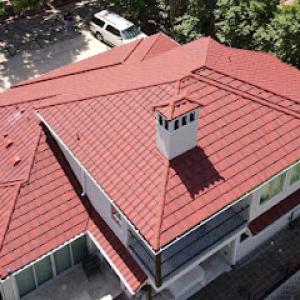
Welcome to Priority Roofing | Roofing Contractor Tulsa, OK, your go-to roofing contractor! We are a local, family-owned roofing company in Tulsa, OK, dedicated to providing top-notch roofing services in Tulsa, OK. Our team of experienced professionals is equipped with the latest industry knowledge and high-quality materials. We are committed to delivering the highest standards in every project, ensuring the longevity and durability of your roof. Trust us for all your roofing needs in Roofing Tulsa, OK.
Alternative Roofing & Construction
8805 N 145th E Ave #105, Owasso, Oklahoma
5.0 from 5 reviews
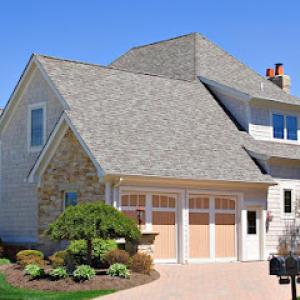
Alternative Roofing & Construction provides roofing, new construction, and dumpster rentals to Owasso, OK, and the surrounding areas.
Spring and fall are commonly favored for planned roof replacement because the summer heat and humidity, plus winter cold, can complicate installation conditions. In your neighborhood, those milder shoulder seasons offer more predictable workdays and help crews keep interior temperatures reasonable during adhesive and fastener applications. If a homeowner schedules around typical school calendars, spring and fall windows align well with steady daylight and cooling evening temperatures that reduce heat-related fatigue for crews and protect materials during installation.
Spring scheduling in Owasso can be disrupted by active thunderstorm and hail periods even though it is otherwise a preferred replacement season. The chance of sudden weather shifts means projects may pause to protect exposed decking and underlayment, and crews may adjust timelines to avoid working under hail or heavy rain. When planning, build in a buffer for weather delays and have a clear plan for temporary protection of any open roof areas. A coordinated start date with the contractor can help minimize exposure to unexpected spring weather and keep material deliveries on track.
Fall wind events in the area can create debris damage and push crews to accelerate schedules before colder weather arrives. When leaves, branches, and windborne debris are common in autumn, debris cleanup becomes a more active part of project prep and completion. Scheduling in early fall, before the peak of high-wind periods, reduces the risk of wind-driven debris interrupting progress and helps ensure that underlayment and shingles sit properly before a drop in temperatures. Clear communication with the contractor about expected fall weather patterns helps keep the project on track.
Coordinate replacement work to start after a recent storm season lull, but not so late in fall that the first hard freezes catch the crew during critical layment and nailing steps. Consider a midweek start when storm chances are lower and daylight lasts longer, which aids quality control in the attic space and on the ridge line. If a hail event has just occurred in the area, it is prudent to pause until insurance adjusts and materials arrive, rather than risking rushed installation that could lead to recalls or leaks. Have a clear plan for temporary protection for any existing roof penetrations and gutters during the interim periods between orders and actual crews on site.
Prepare the home for spring or fall work by trimming back overhanging branches that could drop debris during windy days, and ensure a clear path for material storage and waste removal. Talk through a detailed sequence with the crew: tear-off, disposal, underlayment inspection, and shingle installation tempo. In these Owasso shoulder seasons, attention to daily weather forecasts and a flexible, predictable schedule can help ensure a durable, code-verified re-roofing outcome that stands up to spring hail and fall winds.
Owasso's housing stock is largely built to handle Oklahoma springs, which means homeowners encounter asphalt shingles, metal roofing, clay and concrete tiles, wood shingles or shakes, and synthetic or composite shingles as the common choices. Each material aligns with how often you'll see hail damage and the typical roof profiles in town. Asphalt shingles are the default for most bungalows and mid-range homes, while metal roofs are increasingly popular on newer builds and upgraded homes where hail resistance and wind performance matter. Clay and concrete tiles show up on higher-end remodels or custom homes with a Mediterranean or Southwestern look, and wood shingles or shakes appear on a smaller share of older or architecturally distinct houses. Synthetic or composite shingles sit mid-pack in cost but can offer hail resistance advantages without the weight of tile. When you weigh options, frame the choice around how Owasso's springs and thunderstorms might stress the roof in the next decade.
During major hail events, Owasso sees a clear spike in demand for roof work. Local crews and insurance-backed teams converge, which can push scheduling out weeks, especially for full re-roofs. That pressure isn't just a waiting game; it can influence material availability and lead times for underlayments, fasteners, and specialty components. If a storm hits and your area enters a re-roof scenario, expect not only the cost to reflect material choices but also the premium tied to expedited scheduling and storm-season labor. Planning ahead and choosing a material with robust hail performance can help shorten the overall recovery timeline, even if it costs a bit more upfront.
Repeated hail and wind exposure means you're less inclined to opt for the lowest-cost option if it compromises future claim frequency or performance. In Owasso, the goal is to balance initial price with durability and insurance performance over time. Heavier, impact-resistant options can reduce the likelihood of recurrent hail damage and related claims, which matters after the first major storm. This is especially true for roofs exposed to frequent impact and high wind zones around newer developments, where insurers sometimes favor more robust coverings. The right material choice can influence both out-of-pocket expenses and the ease of future claim handling.
Asphalt shingles stay common for value-conscious projects, but several factors push the final number higher after a hail event, including underlayment upgrades and rapid installation windows in spring. Metal roofing offers strong hail resistance and wind performance, with installation that can require seasoned crews. Clay tile and concrete tile bring greater weight and require structural checks, yet they deliver durable, long-lasting protection in hail-prone conditions. Wood shingles or shakes provide a distinctive look but may demand more maintenance in Oklahoma's climate. Synthetic or composite shingles blend some of these traits, aiming for balanced performance and cost. The typical cost ranges per square (one roofing square equals 100 square feet) are: Asphalt Shingles from 350 to 650 USD, Metal Roofing from 700 to 1300 USD, Clay Tile from 900 to 1800 USD, Concrete Tile from 900 to 1600 USD, Wood Shingles/Shakes from 500 to 900 USD, and Synthetic/Composite Shingles from 600 to 1100 USD. In practice, the final price will reflect roof size, existing structure, attic ventilation, attic insulation upgrades, and the timeline pressure after a hail event.
Full roof replacements in this metro area require a permit through the City of Owasso Building Department. Before any starter, your contractor should pull the permit and schedule inspections as the project progresses. The city treats a full replacement as more than routine maintenance, so the permit process is tied to the scope of work and the materials you plan to use. Expect the permit review to focus on whether the proposed roofing system complies with local codes, flashing details, venting criteria, and overall structural integrity for the specific home.
Inspections occur during and after installation to verify that the work meets code and is installed to withstand Owasso's spring hail and thunderstorm cycles. A key emphasis during the inspections is underlayment and ventilation. The underlayment must be properly installed to shed water and protect roof decks from moisture intrusion, especially given the rapid weather shifts common to the Tulsa area. Ventilation needs to be adequate to prevent heat buildup and condensation in attics, which can drive energy costs and affect shingle longevity. The final inspection confirms that all components-drip edge, flashings, and ridge cap-are correctly installed and that the roof is watertight and aligned with the permit's specified scope.
Coordinate with the contractor to align the project timeline with the city's inspection windows, and keep copies of the permit and inspection approvals readily available in case the building department or insurer requests them. If hail damage is part of the claim, ensure the scope of work remains within the permit's approved material list and that any modifications are re-submitted for permit amendments if needed. After installation, expect the final inspection to verify roof termination at proper eave lines and wall terminations, correct integration with existing venting, and compliance with local wind and impact standards. Knowing the inspection milestones helps prevent delays and reduces the risk of noncompliant work becoming an issue during warranty periods or future insurance reviews.
Asphalt shingles dominate the local roofscape because they fit the large suburban residential base. In spring, hail bruising and wind-related shingle loss are recurring concerns, so you'll want a strategy that accounts for both impact resistance and wind uplift compatibility. When evaluating asphalt, look for a higher impact-resistance rating and a granule coating that stands up to repeated hail impact. In practice, that means choosing a Class 3 or better if available and ensuring the installation detail is tightened at edges, rake, and around penetrations. A quality underlayment and proper nailing pattern become more critical after a severe hail event, since wind-driven rain can exploit any gaps. Regular inspection after storms helps catch bruising that isn't obvious from the ground and prevents small problems from becoming leaks.
Metal roofing has a meaningful specialist presence in Owasso and is often considered by homeowners looking for better performance against repeated thunderstorm exposure. Metal's hail resistance and wind performance can be a real advantage in this climate, especially for homes facing frequent spring storms. When considering metal, check panel profile and fastener choice, as well as sealing around chimneys and vents. A proper metal system reduces the risk of punctures and edge damage, but installation quality matters just as much as material selection. If choosing metal, pay attention to corrosion resistance in exposed edges and flashing details where wind-driven rain can find seams. A reputable installer should demonstrate a tested installation method for the local wind profile and ensure the metal roof integrates with existing gutters to handle heavy spring downpours efficiently.
Tile, wood shake, and synthetic products exist in the Owasso market but require careful evaluation because severe hail can create different failure patterns and replacement complexity than standard shingle roofs. Clay and concrete tiles may crack under hail and travel-levered cracks can propagate through the tile body, demanding precise matching and often more complex repairs. Wood shakes can suffer splitting and curvature changes after hail exposure, increasing maintenance needs and replacement cost. Synthetic shingles and composites offer hail resistance advantages and lighter weight options, yet weathering and impact behavior vary by brand. For these materials, a thorough assessment after hail events is essential to confirm the integrity of the roof structure and the viability of continued use versus replacement, with special attention to fastener security and flashing compatibility. In any case, coordinating a storm response plan with a trusted local contractor helps align material choice with the home's existing roof geometry and longevity expectations.
Explore specialists in steel, aluminum, and standing seam metal roofs built to last 50 years or more.
Ridgeback Roofing & Construction
(918) 892-2020 www.ridgebackroofingok.com
15201 E 110th St N, Owasso, Oklahoma
5.0 from 72 reviews
Capstone Roofing
(918) 400-3850 www.roofwithcapstone.com
16941 E Sunset Ridge, Owasso, Oklahoma
4.8 from 18 reviews
Green Phoenix Roofing & Remodeling
(918) 780-8098 www.greenphoenixok.com
Serving
4.9 from 89 reviews
In Owasso, the most common acute failures follow hail and thunderstorm events rather than slow coastal corrosion or heavy snow loading patterns seen in other regions. When hail packs a punch, you often see bruised shingles, dented metal, and granule loss that accelerates aging and invites leaks around fasteners and roof penetrations. The damage can appear dramatic but is frequently a catalyst for slower, ongoing wear if moisture finds its way under compromised edges or flashings.
Wind-driven debris during fall and spring storms is a local source of punctures, ridge damage, and flashing disruption. A few minutes of gusty blowback can lift shingles at the eaves, loosen ridge cap tiles, or tear back underlayment along the rake and vent flashing. Over time, those breaches invite water intrusion behind the facings and into attic spaces, where heat and humidity hasten deterioration of attic insulation and vent seals. You'll often notice blasted granules in gutters or around drip edges, and curled or torn shingles that hint at stress beyond a simple cosmetic patch.
The City's inspection focus on ventilation and underlayment reflects practical failure points in Owasso where heat, humidity, and storm exposure can shorten roof life when assemblies are poorly detailed. In dry stretches, overworked vents and inadequate underlayment invite premature aging of deck membranes and fasteners. When a storm arrives, gaps or missteps in the detailing around chimneys, vent pipes, and transitions become leverage points for slow leaks that mimic hail-induced damage but originate from design or installation gaps.
After a heavy storm, look for sudden changes-new damp spots in ceilings, staining along walls, or attic warmth near eaves and ridges. Even if shingles appear intact, check for lifted edges and displaced flashings. A careful, targeted inspection can catch issues before they become costly repairs, preserving the roof's life where heat, humidity, and exposure meet imperfect detailing.
Find contractors experienced in skylight installation, flashing, and leak repairs to bring natural light into your home.
Trifecta Roofing & Restoration
(918) 471-2777 www.trifectarandrtulsa.com
Owasso, Oklahoma
4.9 from 109 reviews
Omega-Roofing & Construction
(918) 986-2459 www.omega-roofing.com
12706 E 87th Ct N, Owasso, Oklahoma
4.9 from 51 reviews

That Oklahoma environment is shaped by frequent hail and wind claims, and the timing of those claims can ripple through your project. In practice, roof damage from a severe storm often surfaces quickly, but the best path to a solid recovery hinges on coordinating with your carrier's timelines. Expect insurers to request inspections or damage assessments soon after the storm, and know that timing can affect when decisions about replacement versus repair get finalized. Understanding how the weather-driven claims cycle works can help you avoid delays and be prepared when a adjuster arrives with a path forward.
Carriers serving Oklahoma commonly request damage assessments and repair estimates after severe weather, making documentation quality especially important for Owasso homeowners. Good photos, dated weather reports, and a clear narrative of what failed and why nearby gutters, siding, or flashing were impacted all matter. When a claim moves from assessment to repair, precise records help reduce back-and-forth with the adjuster and support a smoother endorsement of the work scope. If you're dealing with multiple days of moisture and storm-driven debris, meticulous notes now can save headaches later.
Because policy terms can tighten after repeated severe weather years in Oklahoma, Owasso homeowners should verify deductibles, cosmetic damage language, and claim reporting expectations before authorizing full replacement. Repeated hail events can influence how cosmetic versus structural damage is treated and how quickly a carrier expects severity thresholds to be met. Confirm how cosmetic issues are defined in your policy and what documentation triggers a full replacement versus repair. Being proactive about these details helps ensure the restoration aligns with both the carrier's requirements and your long-term roof performance.
Connect with contractors who help homeowners navigate the claims process from damage assessment to final approval.
GoldenRite Roofing & Construction
(918) 731-2941 goldenriteroofing.com
7301 N Owasso Expy Suite A 125, Owasso, Oklahoma
5.0 from 203 reviews
Ridgeback Roofing & Construction
(918) 892-2020 www.ridgebackroofingok.com
15201 E 110th St N, Owasso, Oklahoma
5.0 from 72 reviews
Dun-Rite Roofing
(918) 272-1831 www.dunriteroofing.com
16351 E 116th St N, Owasso, Oklahoma
5.0 from 92 reviews