
Last updated: Apr 19, 2026
Clarks Summit sits in Northeast Pennsylvania, where repeated winter freeze-thaw cycling is a primary driver of shingle edge wear, flashing separation, and leak development. When temperatures bounce above and below freezing, water seeping into microscopic gaps freezes and expands, prying shingles loose at the edges and loosening the protective seal around flashing. After a heavy snow or ice event, that cycle repeats, leaving you with more vulnerable edges, exposed underlayment, and the potential for slow, creeping leaks that can turn into real water intrusion after a midwinter thaw. This is not a cosmetic issue-it's a structural risk that escalates with every cold snap.
Snow and ice accumulation in this part of Lackawanna County can keep roof surfaces frozen for extended periods, increasing the chance of ice backup at eaves and around roof penetrations. When ice dams form, melted water cannot freely drain to the gutters and downspouts. Instead, it backs up under shingles, travels along the plywood deck, and penetrates under flashing where it meets vents, chimneys, and vent pipes. The cumulative effect is softening rotted sheathing, early rust on metal flashings, and accelerated shingle edge wear. In practice, you may see granular loss along the lower sections of shingles first, followed by staining, then active leaks during sustained freeze-thaw cycles.
Homes in and around Clarks Summit commonly have pitched rooflines that shed snow unevenly, making valleys, lower roof sections, and gutter lines recurring trouble spots after winter storms. Valleys channel meltwater in ways that stress flashing and seam seals, so those areas demand extra attention after heavy snows. Gutter lines, where water should be diverted, often trap ice and debris, creating stiff, frozen barriers that force water to back up under shingles. Lower roof sections stay damp longer, serving as a persistent weak point when temperatures jockey between freezing and thawing. Even small gaps at ridge lines or around vent stacks can become leaks that migrate into the attic, attic floor, or ceiling below.
Inspect critical seams and flashings after any major winter event, paying close attention to the intersections of vent pipes, chimneys, and roof-to-wall flashings. If you observe curling edges, lifted tabs, or dark staining near the eaves, address them promptly with a temporary sealant or repair while you arrange a professional evaluation. Ensure gutters and downspouts are clear of ice and debris so meltwater can move away from the home rather than pooling at the eave line. Consider a proactive approach this winter: have an experienced roofer assess edge fastenings, valley flashing, and any signs of moisture intrusion around penetrations before a new cold snap arrives. Early action can prevent the costly cascade of freeze-thaw damage that otherwise compounds through the season.
In Northeast Pennsylvania, roof claims commonly follow wind and hail events rather than coastal storm patterns, so missing shingles, bruising, and flashing damage are the local insurance trigger points. Sudden gusts can peel back shingles or lift edge details, and hail often leaves pockmarks or dents that weaken the surface over time. Understanding what inspectors look for helps homeowners respond quickly and document damage before winter layers on top of it. The goal is to catch issues while the roof is still reachable and visible, and before freezing temperatures complicate access or conceal damage beneath snow.
Insurers in this region may ask Clarks Summit homeowners for roof age, prior repair history, and photo documentation before approving replacement or major repair decisions. Gather any existing roof invoices, last warranty papers, and a simple timeline of recent weather events that coincided with suspected damage. Take clear, dated photos from ground level and from a ladder vantage that captures common damage points: ridge caps, flashing along chimneys and vent pipes, valleys, and eaves. If a contractor has provided temporary tarp coverage, include photos of that setup and any exposed fasteners. This documentation helps the insurer see how damage accumulates across seasons and avoids disputes over preexisting conditions.
Coverage terms can vary by carrier in this market, including higher deductibles or exterior-only limitations that directly affect whether a homeowner repairs isolated damage or replaces the full roof. Some policies may distinguish between cosmetic bruising and structural compromise, which changes the repair scope. When a call comes in after a wind or hail event, expect questions about the time frame, the area affected, and whether interior signs of water intrusion exist-such as stains on ceilings or attic condensation. Be prepared to share a recent photoset, a brief description of roof age, and any noticeable changes after the event. If a claim is opened for isolated damage, ask for a written scope that specifies which components are covered (shingles, flashing, vents) and whether underlayment or decking are considered part of the replacement.
First, inspect from the ground after a storm, noting any missing shingles or lifted edges, and check flashings around chimneys and vents for gaps. Do not climb onto a steeply pitched roof if there's ice, heavy snow, or questionable footing; hire a local roofer for a safe assessment. Second, document the scene with photos and a brief repair log, noting dates and observed conditions. Third, contact the insurer with a concise summary, the event date, and the photo package. Fourth, obtain a written estimate that clearly differentiates temporary fixes from permanent replacements. Fifth, request a copy of the policy rider or endorsements that affect exterior-only repairs versus full-roof replacement, so the final scope aligns with coverage.
Winter-ready maintenance matters more here: ice dams, where meltwater refreezes at eaves, can obscure wind- or hail-driven damage beneath, delaying claim approvals. A timely, well-documented response that pairs with a reputable local contractor-experienced with steep roofs and snow load considerations-helps ensure that flashing integrity and edge fasteners are addressed before the next freeze. Keeping a simple, organized claim folder with dates, photos, and repair notes makes the process smoother when the next Nor'easter arrives.
Connect with contractors who help homeowners navigate the claims process from damage assessment to final approval.
Quality Roofing Express
(570) 614-3914 www.qualityroofingexpress.net
Serving
4.6 from 73 reviews
Welcome to Quality Roofing Express, your number one roofing company in Scranton, PA. We're a full-service company that specializes in a variety of roofing services. You can depend on our experts when it comes to repairing and installing a new roof system. There is no job too big or small for us to handle!
Pro Services 1
Serving
4.8 from 17 reviews
PRO Services 1 is Licensed, Insured and a Family Owned Business servicing New Jersey. At Pro Services 1 we have over 30 years of experience you can count on for professional, quality and affordable Repair, Replacement, Installation or Cleaning for our Roofing, Chimney, Gutters, and Masonry Services. PRO Services 1 provides professional contracting services to Residential, Commercial and Industrial properties in NJ through honest estimates, quality service and repairs. Save your home or business now from costly repairs later. Call us now to schedule a Free Estimate!

Stott Roofing & Fireplaces
Serving
5.0 from 6 reviews
Locally owned and family operated with over 20 years of contracting experience you can trust.
USA Home Improvement Solutions/USA Metal Roofs
(877) 711-8812 usametalroofs.net
Serving
4.6 from 153 reviews
USA Home Improvement Solutions / USA Metal Roofs is a Dunmore, PA roofing company specializing in professional roof replacements for residential and commercial properties. Based on S Blakely St, the team installs durable roofing systems designed to handle Northeastern Pennsylvania’s heavy snow loads, ice buildup, wind-driven rain, and seasonal temperature swings. Services include metal roof replacements, asphalt shingle roofing, and full tear-offs completed with careful attention to ventilation, flashing, and long-term performance. As a local storefront contractor, they understand regional building standards and property needs.
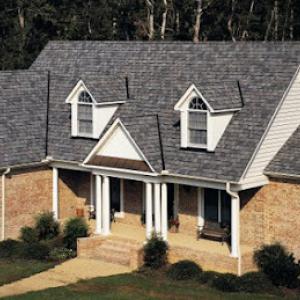
Ritter's Roofing
(570) 335-1483 www.rittersroofing.com
Serving
4.8 from 26 reviews
Ritter's Roofing is Northeastern Pennsylvania's #1 Roofing contractor. If you're looking for quotes on roof repair, new roofing, shingle roof installation and more, look no further. Leak in your roof? We've got you covered. Call the Best roofer in Scranton - Bill Ritter of Ritter's Roofing

GMR Metal Roofs
(570) 280-2915 gmrmetalroofs.com
Serving
4.6 from 304 reviews
GMR Metal Roofs is the only metal roofing company in NEPA installing 26-gauge steel systems with a synthetic underlayment barrier for added protection. Durable. Reliable. Built to last. Get your free estimate today! GMR Metal Roofs strives to deliver beautiful new roofs, on time, and at competitive prices. We are a full service residential and commercial roofing company providing new construction and re-roofs including metal, asphalt shingles, tile, slate and flat roofs.
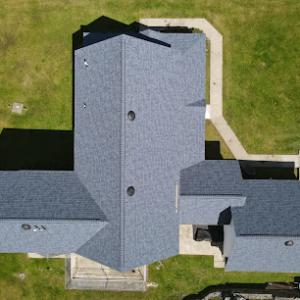
Roof Positive
(833) 766-3999 roofpositive.com
Serving
5.0 from 16 reviews
At Roof Positive, we specialize in top-quality roof replacement, roof repair, and new roof installation services in Clarks Summit, PA. As a trusted local roofing contractor, we’re committed to protecting your home or business with durable materials and expert craftsmanship. Whether you're dealing with storm damage, leaks, or simply need an upgrade, our experienced team delivers reliable, long-lasting roofing solutions tailored to your needs. We take pride in honest assessments, fair pricing, and timely project completion. Serving residential and commercial properties across Clarks Summit, Roof Positive ensures every project is completed with integrity and professionalism. Get peace of mind with a roofing company that puts your needs first.
Renegade Roofing & Construction
(570) 499-5305 roofingrenegade.com
Serving
4.8 from 21 reviews
Contact Renegade Roofing & Construction today for a free estimate today on reliable and professional roofing services. Our contractors in Forest City pride ourselves on providing top-quality workmanship and outstanding customer service to homeowners and businesses throughout the surrounding areas. Discover why We Nail It! for all your roofing needs.
Erie Home
Serving
4.7 from 244 reviews
Since 1976, Erie Home has manufactured, supplied, and installed the best-performing roofing on the market. By providing ironclad warranties and convenient financing, we ensure that every homeowner we work with receives top quality service and value for their homes and properties. Erie Home professionals are the roofing company of choice in the greater Scranton, PA area. Whether you need roof inspections or roof damage repair services, Erie Home has been the go-to roofing contractor for nearly 50 years because of our attention to detail and dedication to making sure our customers are satisfied with their results. Contact us today for a quote and see why we're the trusted roofing company Scranton counts on.
5 Star Roofing All American
Serving
3.9 from 11 reviews
We specialize in residential roofing. We are licensed and insured. Call us today for a free estimate.
Eastern Residential Solutions
(570) 382-8629 www.easternresidentialsolutions.com
Serving
5.0 from 30 reviews
Eastern Residential Solutions is a respected full service residential and exterior contracting company. With our headquarters in Jessup, PA and our office in Baltimore, MD we service all of Northeastern PA , Baltimore city and surrounding areas. We are a licensed and insured home improvement contracting company specializing in roof repair, roofing services, roof replacement, siding replacement, and gutter replacement. Eastern Residential Solutions is a division of Eastern Roofing Systems At Eastern Roofing Systems, we are dedicated to customer satisfaction. Eastern Roofing Systems is one of the largest most respected commercial, industrial and residential roofing companies in the United States. (PA HIC#017000) – (MHIC#161389)
Asphalt shingles and metal roofing are practical fits for Clarks Summit because they are widely used locally and handle the region's cold winters and humid summers better than many niche materials. Asphalt shingles provide reliable traction against snow melt and re-freeze cycles when paired with proper attic insulation and ventilation. Look for architectural or dimensional asphalt shingles that offer heavier layering and better granule retention, helping resist ice damming and wind uplift on steeper northern exposures. Metal roofing, especially standing-seam or corrugated profiles, can shed snow efficiently and tolerate freeze-thaw cycles without as much risk of slope-related damage. When choosing metal, consider coatings that minimize condensation and corrosion in humid summers, and ensure flashing details are generous at joints, valleys, and chimney connections. The goal is to reduce water intrusion during the inevitable thaw events and to keep heavy snow loads from concentrating at eaves.
Slate remains especially relevant in Northeast Pennsylvania because older regional housing stock and traditional architecture often support or originally featured slate roofs, but repairs require matching and weight-aware work. If a home already has slate, preservation decisions should favor maintaining the historic profile while upgrading underlayment, ridge venting, and flashing to address modern ice dam risks. When slate is not the original, pursuing a faithful color and thickness match is crucial for aesthetic continuity and structural harmony. Slate can handle freeze-thaw cycles well, but installation details demand careful attention to fasteners, deck support, and proper headlap. Any retrofit or repair should verify that the underlying roof deck is solid enough to bear the weight, and that chimney and vent connections incorporate corrosion-resistant flashings to prevent water intrusion during heavy snow events.
Clay tile, concrete tile, and wood shakes exist in the market but are less common choices here, where freeze-thaw exposure and winter maintenance demands can make installation details more critical. Clay and concrete tiles offer excellent durability in dry, southern exposure zones and can visually complement historic homes, but they require a sturdy substrate and precise slope to prevent breakage from ice build-up. Concrete and clay tiles are heavier than asphalt and metal, so structural assessment is essential before selection. Wood shakes provide a rustic appeal that echoes traditional look, yet they demand heightened maintenance in a climate with humidity fluctuations and snow. If choosing wood, select treated or rot-resistant species and ensure thoughtful detailing around eaves and penetrations to limit moisture intrusion during winter storms. In all three categories, ensure that fasteners, sealants, and flashing meet local moisture and thermal movement demands to reduce winter-related failures.
In homes with steep pitches, prioritize continuous underlayment and robust flashing around all penetrations, gutters, and valley lines to mitigate ice dam formation. Consider upgrading attic insulation and air sealing to keep warm air from meeting cold surfaces, which reduces snowmelt on the roof and the likelihood of ice dams. For any material, ensure that the selected system integrates well with existing fascia, gutters, and chimney structures, and plan seasonal inspections to identify potential cold-weather vulnerabilities before heavy snow arrives. The right blend of material choice, flashing discipline, and maintenance routine aligns with Clarks Summit's distinctive winter demands and the town's traditional architectural fabric.
In this area, reroof projects sit on steep residential rooflines that drive labor time and safety protocols. Winter scheduling constraints are real: cold days shorten shingle adhesion windows, and crews often face tighter windows for tear-off debris management when homes are close together on established neighborhoods. Landscaping protection is not cosmetic here; yards, gardens, and mature shrubs must be shielded to avoid costly cleanups after the tear-off. Demand can spike after Northeast Pennsylvania wind or hail events, which tightens contractor availability and can shift estimates and installation back by a few weeks. Expect price sensitivity to weather-driven delays and crew availability, especially after a heavy storm season.
Material choice matters sharply in this market. Asphalt shingles generally range from 350 to 650 USD per square, reflecting the balance between affordability and winter performance. Metal roofing sits higher, from 700 to 1100 USD per square, with added benefits in snow shedding and longer life. Wood shingles or shakes run roughly 550 to 900 USD per square, offering a traditional look but requiring regular maintenance for freeze-thaw resilience. Concrete tile clocks in from 900 to 1500 USD per square, and clay tile from 1000 to 1700 USD per square, both bringing heavier installation considerations for rafters and framing. Slate stands out at 1200 to 2300 USD per square, delivering exceptional longevity but demanding a robust structure and experienced crews. These ranges reflect the region's winter demands, including ice dam risk and the extra labor to protect landscaping and manage debris on tight lots.
Freeze-thaw cycles in this elevation-heavy climate drive more than just material choice. Ice dam prevention becomes a practical priority, pushing some homeowners to invest in underlayment upgrades, proper flashing, and enhanced insulation at eaves. When the weather window narrows, installations may rely on staged progress, snow safeguards, and temporary heat strategies to keep membranes and ice barriers effective. Roofing crews will often propose a slower but safer schedule, especially when steep pitches and overhanging trees risk damage during tear-off. These considerations influence not only cost but the likelihood of on-time completion in winter months.
If timing is flexible, align the project with a dry window or early spring to minimize winter constraints. A mid-range asphalt job can provide a reliable balance of cost and performance for older steep-roof homes, while metal offers better long-term resilience against snow load and wind-driven debris. For those prioritizing aesthetics alongside durability, clay or concrete tile bring distinctive looks but require structural checks and careful installation to withstand freeze-thaw cycles. Slate, while premium, can be worthwhile where heritage or long-term value matters, provided the structure supports it. In every case, confirm that the chosen option includes adequate ice dam protection, proper flashing at valleys and chimneys, and a crew capable of protecting landscaping and cleanly removing old materials on narrow neighborhood lots.
Get a clear picture of your project costs upfront - no commitment required.

A full reroof in this area almost always requires a permit, and contractors are expected to pull that permit before work begins. The local inspectors are familiar with how freeze-thaw cycles and heavy snow loads stress older steep-roof homes, so any job that skips the permit step is asking for trouble down the line. You should not sign a contract that leaves permit handling as an afterthought. If a contractor pushes to start work without a permit in hand, pause and insist on formal approval first.
The building department in this part of Lackawanna County takes plan review seriously. Work plans get checked for drainage, flashing detailing, and how ice dam prevention will be integrated with the roof system. This review is not a formality; it often catches issues that would otherwise become costly failures after a harsh winter. Expect questions about attic ventilation, insulation continuity, and proper installation around roof penetrations. Having your contractor submit clear, complete plans speeds the process and reduces the chance of delays once cold weather sets in.
Post-installation inspection is standard practice. Once the new roof is in place, the inspector will verify that flashing around chimneys, skylights, and dormers is sound, that ice dam barriers are correctly installed, and that attic access aligns with code requirements for ventilation. If an issue is found, the contractor should address it promptly before final approval. Delays here can mean missing a window for winter weather protection, which in turn increases the risk of damage from freeze-thaw cycles.
Because permit handling is tied to the contractor rather than left as an afterthought for the homeowner, confirm permit responsibility before signing a reroof contract. Ask for a written commitment that the company will obtain and maintain all required permits and will schedule the pre-work review and post-work inspection. Keep a copy of the permit, the submitted plan, and the inspector's notes. This isn't just bureaucratic padding; it's a practical safeguard against weather-driven setbacks that could compromise a roof's integrity before a single shingle is secured.
Given that ice dam risk rises with heavy snows and repeated freeze-thaw cycles, align your permit timeline with seasonal realities. In Clarks Summit, winter readiness means ensuring the permit process won't stall mid-winter and that the final inspection can occur before the harshest cold sets in. Coordinate with your contractor to avoid gaps where unfinished work could trap moisture or damage vulnerable eaves and flashing.
Winter snow and ice in Clarks Summit can delay tear-offs, reduce roof access, and complicate material delivery and staging. If you're planning mid-winter work, build in extra days for weather holdbacks and have a contingency plan for driveways and eaves that accumulate ice. Prioritize crews and materials that can handle cold installations, and coordinate with the contractor to keep pathways clear and de-icer on hand. Scheduling mid-week windows after a thaw can help, but be prepared for short days and limited daylight that make progress slower than in milder seasons. If your roof already shows ice dam risk, address insulation and ventilation first, so the crew isn't fighting moisture while removing layers.
Spring thaw and rainfall in this region make flashing and moisture management especially important during replacement timing. Resolve any existing leaks before a full roof replacement begins, and ensure the ventilation and underlayment strategy is solid to handle intermittent rain. After a wet winter, decks and access ladders can be slick; confirm that the contractor uses slip-resistant procedures and keeps tarps ready to preserve exposed decking between stages. Plan for potential short weather stalls and ensure interior protection measures are in place to prevent attic or ceiling water intrusion as shingles are removed and replaced.
Fall wind and rain storms can disrupt schedules, while summer heat and humidity can affect handling and installation conditions for common roofing materials. In autumn, expect gusty days that complicate hauling and securing materials at pitched roofs. Have a clear plan for securing loose items and coordinating delivery times to avoid material exposure to rain. If temperatures swing rapidly, discuss with your roofer how they'll manage adhesive and sealant curing windows to preserve warranty integrity as days shorten and contractor crews adjust.
Summer heat and humidity can affect handling and installation conditions for common roofing materials. Schedule critical, high-precision steps for cooler morning hours when possible, and ensure hydration and break schedules are built in for crews. Plan for temporary shade or reflective covers to protect installing materials and reduce heat-related wear on fasteners and sealants. If a roof replacement is underway during peak heat, allow for staggered shifts to maintain quality and safety.
In this neighborhood, skylight seals face repeated expansion and contraction as the freeze-thaw cycle grips the long Northeast winters. The perimeter flashing and sealants around a skylight are often the first to show hairline cracks, letting ice, water, and melt seep into the attic space. If a skylight sits on a steep roof adjacent to a low-slope area, temperature swings can compound the issue, making it essential to inspect the flashing for corrosion, lift, or gaps every late winter and early spring. When leaks show up, the culprit is seldom the skylight pane itself; it's the edge where two different roof planes meet and where flashing bears the brunt of seasonal movement. A proactive approach means resealing and reseating flashing before the worst of the thaw arrives, and ensuring the curb is properly flashed to the dormer or roof deck.
Low-slope sections-especially on additions, covered porches, or homes with mixed roof styles-tend to hold snow and melt longer than the main pitched roof. That lingering moisture can back up into seams and joints where the low slope ties into steeper pitches. In practice, that means paying close attention to the transitions: ensure the flashing steps are continuous, the terminations are sealed against wind-driven rain, and any membrane underlayment is intact at the edge details. Knee walls, valley intersections, and parapet connections deserve extra scrutiny after heavy snows, since debris and ice can trap meltwater right at the critical junctions.
With spring comes a fast shift from cold to wet, which tests any transition between steep and low-slope sections. If flashing was marginally sealed through winter, the spring thaw will reveal it, sometimes with a slow drip rather than a dramatic leak. The practical fix is timely re-sealing, careful reseating of flashing along the low-slope edge, and ensuring any new or existing valley metal carries proper metal-to-metal overlaps. A small crack can become a larger stain after a few cycles, so address suspected weak spots promptly to avoid interior damage and costly repairs later.
Find contractors experienced in skylight installation, flashing, and leak repairs to bring natural light into your home.
Eastern Residential Solutions
(570) 382-8629 www.easternresidentialsolutions.com
Serving
5.0 from 30 reviews
Because Clarks Summit roofs face both winter freeze-thaw stress and humid summer conditions, workmanship quality at flashing, penetrations, and ventilation details has an outsized effect on whether a warranty issue appears early. A warranty that ignores flashing or attic ventilation is almost guaranteed to reveal defects after a harsh January thaw or a humid July heat wave. Look for terms that specifically address ice dam prevention, shingle lift, and leak coverage through the worst winter nights.
The local contractor market includes a meaningful share of firms promoting warranties, which makes warranty terms a practical comparison point for homeowners here. Distinguish between material-only guarantees and full labor coverage, and verify if the warranty remains valid when someone else performs future repairs. In Clarks Summit, where aging roofs meet steep pitches, a robust labor warranty protects against contractor-related mistakes during initial installation and any necessary follow-up fixes.
In a market with many re-roofing contractors and post-storm demand swings, homeowners in Clarks Summit benefit from confirming whether material and labor coverage are both documented before installation. Ask for written copies of the warranty, including the producer's warranty for the shingles or metal system and the contractor's workmanship guarantee. Note what constitutes a warranty claim (manufacturing defect vs. improper installation) and how long each part lasts. Ensure the agreement spells out how claims are filed, required proof, and whether there are transferability provisions if you sell the house.
Ask about how ice dam prevention is addressed in the warranty, especially for steep roofs common here. Confirm what maintenance actions might void coverage, such as unauthorized resealing, improper ventilation adjustments, or ignoring recommended attic airflow improvements. A clear, double-checked warranty package-covering both materials and labor and detailing exclusions-offers real peace of mind when winter returns.