
Last updated: Apr 19, 2026
Winter in Wayne arrives with bite and stays. Repeated freeze-thaw cycles hammer shingle edges, push flashing slightly out of place, and loosen sealants that keep water out at every dormer, vent pipe, and chimney. The cycle of freezing nights followed by warmer days can cause micro-cracks to form in asphalt, synthetic, and even metal edge details. You'll notice early signs as hairline crack lines along the shingle edges, small lifted tabs, or rust halos on flashing screws. If a roof looks stiff and brittle after a cold spell, that's a cue to inspect the eaves and ridge lines first. The risk isn't only surface-level; water can work between layers during thaws and refreeze, creating hidden voids that undermine overall performance. In Wayne, where winters linger and storms aren't shy, a small edge fault today becomes a bigger leak tomorrow.
Late-fall Nor'easter activity in North Jersey brings wind-driven rain that targets fasteners, seals, and roof penetrations just as temperatures begin to drop. Uplift forces can shift shingles and underlayment enough to reveal the nails or adhesive fail points. The telltale sign is intermittent leakage that follows a season of gusty days and pounding rain, only to appear when winter settles in. In Wayne, you might see attic condensation worsen after a storm, or you could notice damp spots not tied to a single storm event but to a week of windy, wet weather. The window between uplift damage and visible leaks can be short-often weeks, sometimes days-so addressing a suspicious gutter splash, a creased seam, or a loose chimney boot promptly reduces exposure to deeper rot and more aggressive water intrusion. Don't wait for the next nor'easter to expose a flaw; use the calmer day after a storm to verify flashing integrity and sealant continuity around vulnerable joints.
When a Wayne summer follows a harsh winter, materials that survived the freeze-thaw stretch out, contract, and settle in new ways. This expansion-contraction stress affects replacement timing and repair durability. Shingles can creep, seals can separate, and underlayment can shift enough to permit slow drips that aren't obvious until the heat intensifies in late July or August. Pay attention to how attic air feels during the hottest days-signs of trapped moisture or attic temperature swings often point to ventilation gaps that let temperatures spike. If a roof shows uneven ridges, soft spots, or inconsistent insulation, that signal is amplified after a season of extreme temperature shifts. In Wayne homes-where roof decks and attic hatches are common retrofit features-these stresses accumulate at fasteners and at transitions between flat roof sections and pitched areas. The payoff for proactive checks is clear: catch a small movement now before a larger, more costly repair becomes necessary once winter arrives again.
Start with a walk-around after a significant winter freeze or a spring thaw. Look for lifted shingle tabs, especially along the edge and near the edges of the roof where wind tends to scour the surface. Inspect flashing around vents, chimneys, and skylights for any loose sealant or corrosion. Check for damp spots or staining in the attic, particularly near penetrations and at the rafter tails where cold air can condense. Improve attic ventilation if you notice excessive condensation during warm days; better flow reduces the stress brought by warm summers following cold winters. When storms roll in late fall, before the harshest winds arrive, pull back a corner of any damaged-looking shingles to assess the underlying underlayment. If you see exposed nails, torn underlayment, or misaligned flashing, plan timely reinforcement rather than waiting for a leak to appear inside the house. In a climate with frequent freeze-thaw and storm-driven rain, decisive, early action preserves roof integrity and helps manage the cumulative wear patterns from year to year.
Asphalt shingles remain the practical backbone for Wayne's homes. The typical stock of low-slope valleys and mid-20th-century rafters often pairs best with asphalt due to ease of installation and readily available local crews. In freeze-thaw cycles, the key is not just the shingle but the underlying build: a robust underlayment that can shed ice damming and a well-sealed flashing system around hips, valleys, chimneys, and vents. Even if the roof is over an older structure, the replacement approach should emphasize a continuous, drift-free drip edge and a properly vented attic to temper condensation. When you plan, verify that the chosen underlayment is rated for cold weather and that flashing details extend several inches past any joints to resist wind-driven moisture. In Wayne, where Nor'easter winds push rain and snow in from multiple directions, a stepped, weather-tight transition around dormers and skylights is worth the extra attention.
Metal offers long life and solid wind performance, but Wayne's freeze-thaw pattern makes underlayment and flashing choices particularly critical. If you pursue metal, select a system with an integrated ice and water shield at eaves and penetrations, and ensure fasteners are corrosion-resistant and properly sealed at ridges where warm air can condense. The structure underneath matters more with metal because heavier panels demand precise load calculations and tighter attachment to prevent hail-related denting or panel flutter during strong Nor'easter gusts. In a colder climate with repeated thaw cycles, plan for sealed panel seams and a continuous, breathable attic interface to minimize condensation. You may also encounter steeper pitches where temporary stabilization during installation is essential to prevent wind lift. A careful retrofit or replacement should coordinate with attic access points to keep ventilation characteristics intact.
Clay tile brings a long-term aesthetic and resilience, but it requires explicit structural support and a thoughtful installation sequence in storm-prone conditions. Freeze-thaw stress can exploit any micro-cracking, so tile alignment and proper bedding mortar are nonnegotiable. In Wayne, where heavier tile systems are common, attention to roof deck strength and curb appeal becomes a practical check: confirm that the existing structure can bear the added weight or plan a reinforcement if needed. The flashing around vents, chimneys, and transitions must be continuous and integrated with a compatible underlayment system to protect against wind-driven rain. Tile edges and hip-ridge assemblies should be designed to minimize water intrusion during winter storms, and you should expect longer installation windows to accommodate careful placement and seasonal curing of sealants.
Concrete tiles offer excellent durability under freeze-thaw cycles and can perform well with proper detailing. Like clay, they are heavier, which means structural confirmation is essential before installation. In Wayne's winter conditions, the underlayment choice matters: a high-quality, cold-weather membrane under the concrete tiles helps prevent micro-leaks at seams. Flashing around roof-to-wall intersections and penetrations must be continuous and fit to the tile profile to avoid capillary seepage during heavy rainfall. Expect the need for well-planned slope and drainage to avoid ponding that can worsen ice formation at eaves and valleys. The installation sequence should emphasize proper alignment and secure fasteners to resist wind-driven uplift during Nor'easter events.
Wood shakes bring character but require precise ventilation and moisture control to withstand Wayne's cycles of freezing and thawing. The underlayment must be compatible with wooden substrates, and flashing around penetrations should be extra diligent to reduce water entry at joints after a cold snap. Shake installations benefit from ensuring attic ventilation remains balanced so that attic temperatures don't push moisture toward the roof deck. If you pursue wood, pay attention to the paneling's edge details where wind can drive rain under the overhangs. Maintenance is more frequent in freeze-thaw zones, especially around chimneys and dormers, where moisture intrusion can begin a longer cycle of problems if left unchecked.
Synthetic or composite shingles can offer frost resistance and improved flexibility in cold weather. When choosing composites, verify that the product's cold-weather performance, underlayment compatibility, and heat-shield properties align with Wayne's wind-driven rain and freeze-thaw patterns. The installation should still emphasize a continuous, high-quality underlayment, robust flashing, and proper attic ventilation to prevent condensation and ice damming. Composite products can handle varied roof profiles, including those with dormers or skylights, but their success hinges on precise detailing at joints, transitions, and penetrations to withstand Wayne's winter storms.
In Wayne, the price landscape for replacement roofs follows a clear pattern by material. Asphalt shingles run about $350 to $700 per square. Metal roofs are typically $600 to $1100 per square. Clay tile projects come in a wide range, roughly $1800 to $3200 per square, while concrete tile sits around $1000 to $1900 per square. If wood shingles or shakes are chosen, expect about $900 to $1700 per square. Synthetic or composite shingles land in the $600 to $1100 per square band. These ranges reflect common local homes and the way crews approach roof decks, ventilation, and underlayment in the Passaic County climate.
Wayne's mix of winters and spring storms matters. The colder months tighten up some materials while thaw-free cycles can reveal nail pops or deck issues that push labor needs higher. The design of an existing attic and the presence of ventilation features often drives the choice of underlayment and flashing, which in turn changes cost. Because sheeted decks and plywood quality vary from house to house, a retrofit that strengthens the roof line or improves drainage can add to the bottom line. In practical terms, if a project requires extra insulation, upgraded underlayment, or more extensive attic work to satisfy local expectations, you'll see the total climb toward the upper end of the quoted ranges.
Storm events in North Jersey, especially wind and hail, create sudden spikes in demand for re-roofs. In Wayne, those spikes can tighten the window of availability for crews and push prices higher as contractors juggle multiple urgent calls. If a nor'easter hits and a few roofs go up for bid at once, the backlog tends to push timelines out and can widen the gap between low and high quotes. Planning ahead after a major wind or hail event helps, but the practical effect is a tighter market and, potentially, higher labor and material costs for a short period.
When comparing bids, verify that each quote accounts for the same scope: deck condition, ventilation, underlayment type, and flashing upgrades where applicable. Given Wayne's climate, prioritizing a roof system that handles freeze-thaw stress and wind-driven rain can justify higher upfront costs but save on maintenance later. For asphalt, metal, clay, concrete, wood, and synthetic options, use the local ranges as guardrails rather than exact figures, and ask how seasonal demand might influence the bid you receive. A clear project scope reduces surprises when final invoices are issued after the job passes inspection and the storm season begins to wind down.
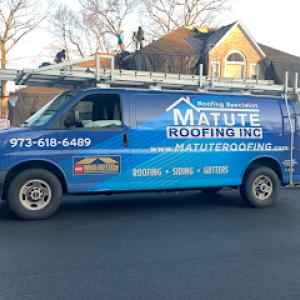
Matute Roofing
(973) 618-6489 matuteroofing.com
50 Galesi Dr, Wayne, New Jersey
5.0 from 452 reviews
Matute Roofing is a trusted, family-owned company based in Wayne, NJ, proudly serving Northern New Jersey and Rockland/Westchester Counties for over 20 years. As a GAF Master Elite® Certified contractor, we are a roofing contractor specializing in residential and commercial roofing, including full roof replacements, repairs, inspections, and flat roofing systems such as TPO, PVC, EPDM, and modified bitumen. In addition to roofing, we offer a comprehensive range of exterior services, including siding, windows, doors, gutters, and gutter guards, providing homeowners and property managers with reliable solutions.
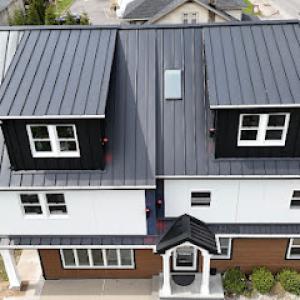
Allied Brothers Home Corporation
(973) 566-0060 www.alliedbrothers.net
20 Parish Dr, Wayne, New Jersey
4.9 from 249 reviews
Depend on a construction company that is strongly committed to safety, quality, and innovation. Trust the experienced builders at Allied Brothers Home in Bloomfield and Wayne, New Jersey. Our unparalleled craftsmanship, expertise, and high level of commitment have made us a leading contractor in the industry. Turn to us for construction solutions that let you enjoy smart and stylish spaces. Allied Brothers Home provides roofing, siding, windows, decks, gutters & painting. Contact us today to schedule an appointment and for more information!
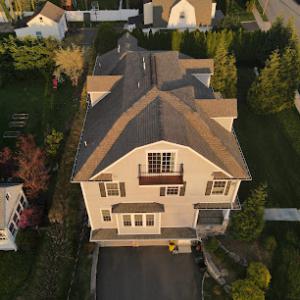
Simple Roofing
(201) 429-9607 simple-roofing.com
155 Willowbrook Blvd unit 400, Wayne, New Jersey
4.9 from 75 reviews
Simple Roofing is a roofing contractor in New Jersey that services Passaic County, Paterson, Newark, and nearby areas. We offer free roofing inspections and estimates. If your home has suffered weather-related damage, missing shingles, or it's just time to replace. Contact your New Jersey premier roofing repair contractor today for a free estimate.
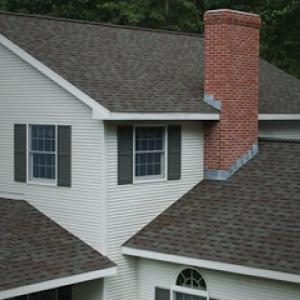
A1 Top Quality Roofing
(800) 792-6022 www.a1topqualityroofing.com
15 Lake Rd, Wayne, New Jersey
4.9 from 135 reviews
WE ARE RELIABLE AND HIGHLY PROFESSIONAL ROOFING CONTRACTORS SERVICING NJ THE ROOFER YOU CAN TRUST We’re focused on quality craftsmanship, helpful customer service, and using only the best materials
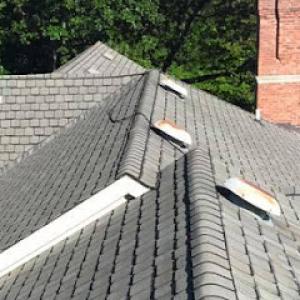
Integrity Roofing & Construction
(201) 509-9991 www.integrityroofingconstruction.com
Wayne, New Jersey
5.0 from 36 reviews
We are a fully licensed & insured Roofing Contractor serving the Passaic, Bergen, and Essex County NJ areas. We also provide Chimney, Siding & Gutter services, as well as 24/7 Emergency Roofing Services.
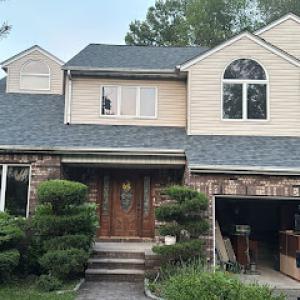
Brush House Roofing & Gutter Services
(973) 804-6120 www.brushhouseroofing.com
41 William St Suite 101, Wayne, New Jersey
5.0 from 32 reviews
At Brush House Roofing and Siding, we specialize in top-quality roofing and gutter installation and repair services for residential and commercial properties. With years of experience, our dedicated team provides reliable, efficient, and professional workmanship tailored to meet your specific needs. We offer a range of services, including roof installations, repairs, inspections, and gutter replacements, all using premium materials to ensure lasting durability and curb appeal. Our commitment to customer satisfaction and attention to detail sets us apart. Trust Brush House Roofing and Siding to protect and enhance your property with expert roofing and gutter solutions. Contact us today for a free estimate!
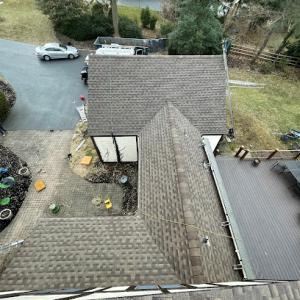
Everest Construction Group
Serving
5.0 from 104 reviews
We are a locally owned and operated company that values honesty and integrity and treats your home as if it were our own. We have many years of experience to give you confidence that we are your number one choice for your next home project. You will find us to be competitively priced with close attention to the details. We look forward to building a lasting relationship and guaranteeing your satisfaction!
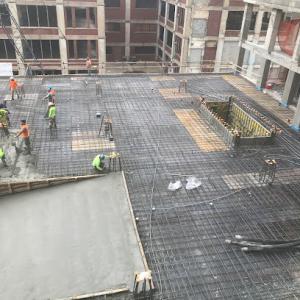
Six Brothers Commercial Roofing Contractors
(201) 650-3321 sixbrotherscontractors.com
Serving
4.9 from 68 reviews
For comprehensive roofing services that meet every residential and commercial need, choose Six Brothers Contractors Our roofing contractors provide services, including replacement and repair of both shingle and flat roofs. Established in 1988, we have developed a proven track record as experienced professionals who gets you the roof you want at a price you can afford. We are a local, family-owned business that is fully dedicated to your complete satisfaction. Reach out today for a Free Estimate.
London General Contractor
(973) 656-1009 londongeneralcontractor.com
Serving
4.8 from 23 reviews
London General Contractor has been a trusted name in Roofing contractor in Pequannock, New Jersey since 2000. Specializing in exterior renovations:Roofing-Siding-Masonry-Deck our dedicated team is committed to delivering premium craftsmanship that surpasses expectations. Backed by a strong reputation and numerous positive reviews on Google, we take pride in our unwavering commitment to quality and value. As a family-owned and operated business, we prioritize customer satisfaction and offer 100% financing, free estimates, and professional service. With our expertise and premium materials, we serve in: bergen county nj passaic county nj essex county nj middlesex county nj Monmouth county nj Morris county nj Somerset county nj
Frank Conforti Contracting
(973) 519-2126 confortiroofingnj.com
Serving
5.0 from 138 reviews
Frank Conforti Contracting is a family-owned and operated business that has been serving the Northern New Jersey community for over 40 years. We specialize in roofing, siding, windows, decks, additions, basement conversions, kitchens, and bathrooms. We are licensed and insured, and we offer free estimates. Contact us today to learn more about our services!
Chase Commercial Roofing Flat Roof Specialist
Serving
5.0 from 113 reviews
Chase Commercial Roofing Flat Roof Specialist, based in Woodland Park, NJ, brings over 20 years of expertise to commercial, industrial, and residential roofing. We specialize in: - Flat roof installation, re-roofing, and repairs - EPDM, TPO, PVC, metal, and hot tar & gravel roofing materials - Preventive maintenance and roof inspections - Emergency roofing services - Drone-assisted inspections with free estimates Our customized solutions, including after-hours service, ensure minimal disruption to your schedule. Backed by a 10-year warranty on materials and craftsmanship, Chase Roofing provides durable and reliable roofing tailored to your needs. Call today for trusted roofing solutions!

Haven Roofing Company
(973) 358-6037 havenroofingcompany.com
Serving
5.0 from 79 reviews
Haven Roofing Company is a roofing contractor in North Jersey serving Wayne, Montville, & nearby areas. Our roofing company offers residential, commercial roofing, roof repair, replacement, asphalt shingle roofs, & more. We also specialize in siding, gutter, door & window services. Customers love us because of our comprehensive roof warranties and our affordable roof financing options. We also have industry affiliations and certifications such as Owens Corning Preferred contr., Davinci Masterpiece Contractor Prog, Certainteed Master Craftsman, & James Hardie contr. Alliance. If you want to experience how your most trusted Pequannock Township roofing company embraces our motto “Turn Your Dreams Into Reality", call us now for a free estimate!
In Wayne, a building permit is a non-negotiable step for a roof replacement. The contractor typically files the permit application with the township and pays the applicable fee. This means you should expect at least one coordinated visit from the contractor to assemble the necessary documents, including roof venting plans and attic access provisions, before any ladder touches the shingles. Waiting on permit approval can slow your project, so align your schedule with the township's processing time and confirm who is responsible for submitting updates if plans change.
Township inspections in Wayne are conducted after completion to verify code compliance, including underlayment, ventilation, and attic access. If anything is found out of code, the job may be halted or require corrective work, which can extend the project timeline and increase disruption to your daily routine. Dry-in standards, proper attic cross-ventilation, and a continuous underlayment layer matter not just for permitting, but for long-term performance through freeze-thaw cycles and Nor'easter rain events.
A final inspection is usually required before the permit is closed, making permit closeout part of the homeowner's project checklist in Wayne. That means the last week of work should be reserved for walkthroughs, touch-ups, and ensuring every attic access point and ventilation outlet is accessible and compliant. If any discrepancy is found, you'll need to coordinate corrective work quickly, since delays here can push your project into the next weather window and complicate coordination with cleanup and warranty documentation.
Because Wayne's climate stresses roofs with freeze-thaw cycles, the final checks emphasize attic access and ventilation. Ensure that access hatches, pull-down stairs, or scuttleholes are left clear and properly sealed after work. Ventilation components-intake soffits, ridge vents, and any powered devices-should be verified for unobstructed operation. A permit closeout is not just paperwork; it's proof the installation was reviewed for reliability against seasonal stresses.
Coordinate with your contractor to schedule the permit filing early and to align inspection windows with expected completion dates. Request written confirmation that the final inspection will be scheduled promptly after work is done, and ask about who will accompany the inspector if questions arise. Knowing the process helps prevent gaps that could compromise the permit and the performance of your new roof when winter returns.
New Jersey's wind and hail claim environment shapes how roofs endure and how the ensuing paperwork plays out. In Wayne, carriers often ask for a clear trail: prior damage records, proof of completed work, and documentation that shows what the roof looked like before and after a storm. A homeowner who keeps organized notes and photos from the months before a storm, and immediately after, will stand a better chance of a smooth claim review. The key is to recognize that what gets documented now may influence how a future claim is interpreted.
Insurers serving Wayne may request stronger underlayment or other upgrades when a roof has a prior storm history or visible vulnerability. That means if a roof shows signs of wear or if previous repairs exist, a claim may trigger questions about whether the roof met reasonable standards at the time of replacement. If a contractor notes an upgrade in underlayment, or a more robust ventilation detail, those choices can support a faster, more confident assessment. Being prepared with manufacturer specifications and installation confirmations helps align expectations with the adjuster's questions.
Claim handling timelines and appraisal processes can vary by carrier in New Jersey, so Wayne homeowners benefit from documenting damage immediately after wind or hail events. Start with a thorough exterior and attic walk-through, then capture timestamps, weather reports, and any changes observed in the roof surface. Keep copies of contractor invoices, material specs, and any correspondence with the insurer. If a first inspection doesn't resolve questions, promptly request a second opinion or an appraisal per the carrier's process, and assemble a concise file that shows the sequence from the storm through the latest repair attempt. In practice, timely, organized documentation often reduces back-and-forth and helps protect the roof's long-term performance against the next Nor'easter.
Connect with contractors who help homeowners navigate the claims process from damage assessment to final approval.
Allied Brothers Home Corporation
(973) 566-0060 www.alliedbrothers.net
20 Parish Dr, Wayne, New Jersey
4.9 from 249 reviews
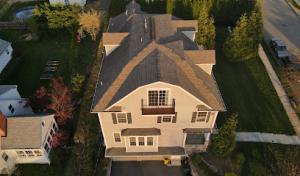
Simple Roofing
(201) 429-9607 simple-roofing.com
155 Willowbrook Blvd unit 400, Wayne, New Jersey
4.9 from 75 reviews
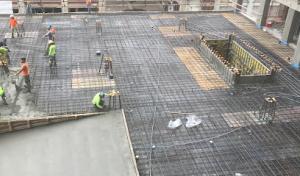
Six Brothers Commercial Roofing Contractors
(201) 650-3321 sixbrotherscontractors.com
Serving
4.9 from 68 reviews
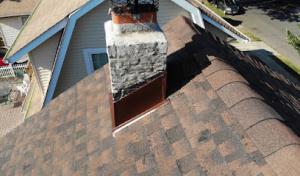
Chimney-related roofing work is a notable portion of the local contractor market, and that shows up as leaks along chimney-to-roof transitions after heavy Nor'easters. The real weak points are where brick, mortar, and plywood meet the roof deck. Freeze-thaw cycles push water into tiny cracks, then wind-driven rain forces it under flashing. In this market, many homes rely on standard step flashing that has shifted with freeze-thaw, especially where masonry joints are older. When a leak starts, you often see staining along the chimney base, peeling interior plaster, or damp attic insulation near the chimney chase. Those symptoms are more than cosmetic; they signal compromised transitions that can worsen quickly in Wayne's winter pattern.
Step-by-step you should verify: 1) metal chimney flashing overlaps the roof shingle line and is sealed to the masonry with a compatible sealant. 2) Mortar joints around the chimney crown are intact; if you see spalling, call in a mason. 3) The base flashing should be continuous, with no gaps under the shingles. 4) Any roof-to-flash transitions at the chimney sides should have properly bent metal that sheds water away from the brick. In Wayne, overlays and repairs frequently need replacing the entire flashing apron rather than spot fixes because the freeze-thaw moves joints across seasons. Consider having a pro reflash with a continuous, corrosion-resistant setup if you notice leaks persisting after storms.
Skylight leaks often begin at curb flashing and sealants. Curb flashing can crack where the curb sits on the roof deck, and sealant around the skylight frame can harden or peel after winter temps swing. Inspect for wet patches around the skylight interior and look for loose shingles around the curb. If heat cables or venting run near a skylight, ensure clear drainage and no pinholes. In Wayne, curb replacements paired with compatible shingle integration reduce recurrent leaks more reliably than resealing alone.
Do a seasonal walk: look for loose or curled shingles along chimney and skylight, verify flashing metal is intact and sealed, check attic for signs of condensation near the chase, and test exterior caulk. When you see mortar deterioration or rusting flashing, plan for remediation before a big thaw expands the damage. Remember, the winter cycle accelerates movement around joints, so schedule a check after severe storms and after the first deep freeze.
Find contractors experienced in skylight installation, flashing, and leak repairs to bring natural light into your home.
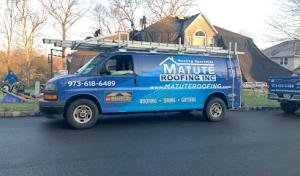
Matute Roofing
(973) 618-6489 matuteroofing.com
50 Galesi Dr, Wayne, New Jersey
5.0 from 452 reviews
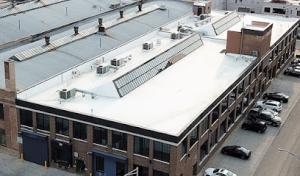
Flat-roof specialization is meaningfully present in Wayne even though pitched residential roofing dominates, suggesting many homes and additions have low-slope sections that need separate detailing. In these spaces, the edge conditions, parapet transitions, and any penetrations (vents, HVAC, skylights) deserve careful attention. Unlike the main roof, a low-slope surface can hide leaks until moisture has traveled well inside walls or into attic junctions. Focus on consistent seam integrity, proper termination at parapet walls, and a reliable drip edge that directs runoff toward established drainage routes. When evaluating a flat or low-slope addition, inspect the transfer between the old roof assembly and the new section to ensure compatibility rather than a simple overlay.
Wayne's regular rain and winter freeze-thaw cycles make drainage and membrane edge conditions especially important on low-slope roof areas. The combination of standing water, thin ice formation at joints, and recurring thaw cycles accelerates edge deterioration. Critical checks include membrane laps, presence and condition of field seams, and any perimeter flashing. While you assess, look for micro-ponding that could indicate insufficient slope or clogged downspouts. Ensure there is a robust internal drainage path, with interior junctions sealed to resist wind-driven rain that can push water inward at wall terminations. If you notice pooled water near edges after a storm, treat it as a warning sign of potential edge or flashing failure, even if the main roof surface appears dry.
Roof coating services are active in Wayne, indicating that restoration of aging low-slope sections is part of the local roofing market. Coatings can extend the life of aging membranes, especially where asphalt or modified bitumen surfaces have developed micro cracks or surface wear. When considering coatings, prioritize products with UV resistance and elastomeric properties that tolerate repeated freeze-thaw movement without cracking. Inspect for prior coating failures, such as blistering or peeling, which can trap moisture under the coating. For a coating to perform well, ensure the underlying membrane is clean, dry, and free of penetrations that could compromise adhesion. In addition to coatings, plan periodic inspections after heavy rains or significant temperature swings to address edge transitions before leaks become widespread.
Find specialists in TPO, EPDM, and built-up flat roofing systems for residential and commercial properties.
Matute Roofing
(973) 618-6489 matuteroofing.com
50 Galesi Dr, Wayne, New Jersey
5.0 from 452 reviews
Six Brothers Commercial Roofing Contractors
(201) 650-3321 sixbrotherscontractors.com
Serving
4.9 from 68 reviews
Chase Commercial Roofing Flat Roof Specialist
Serving
5.0 from 113 reviews