
Last updated: Apr 19, 2026
This Wyoming Valley town sits in Northeast Pennsylvania's Wyoming Valley, where cold winters bring repeated freeze-thaw cycling that is especially hard on shingle edges, flashing joints, and roof penetrations. When water seeps into tiny gaps or underments, a night freeze can push the edge of a shingle or a seam apart, and each cycle weakens the surface a little more. In practical terms, you'll notice premature edge curling, lifted tabs, and header-like seams around vents, chimneys, and skylights. The result is a higher chance of leaks right where heat and moisture meet the outside air-under valleys and along joints that were already stressed by snow buildup.
For a home with a typical steep slope, those little vulnerabilities multiply. Snow sits longer on the upper faces, then refreezes at the edges as temperatures swing. When it re-melts, water can be driven into the most vulnerable zones: the drip edge, underlayment transitions, and the flashing where two planes converge. Over multiple winters, that means a longer list of pricey repairs and more urgent calls from a roof that should be protecting the home, not letting in the cold.
Pittston's housing stock includes many older homes with steeper roof pitches and multiple valleys, dormers, and chimney intersections that are vulnerable when snow sits and then refreezes. Those architectural features are magnets for freeze-thaw damage because they create more edges, joints, and corners where water can pool, pause, and refreeze. Valleys collect meltwater; when ice damming forms, it pushes water back up under shingles, creating hidden damage that can surface as water stains or musty attic smells long after a storm. Dormers and chimney intersections compound the risk by providing extra points for ice to anchor and expand, widening existing gaps along flashing and roof-to-wall transitions.
In practice, that means you should expect localized hotspots around chimney flashings and valley linings after heavy snows, with faster wear along the edges of asphalt shingles where knifelike ice dams chew into the protective granules. If you neglect these signals, you risk a cascade: compromised shingles, exposed underlayment, and misdirected water that finds its way into ceilings and woodwork below.
Winter replacement timing in Pittston is often constrained by snow cover, icy tear-off conditions, and temperature-sensitive sealing performance on asphalt systems. The window for a clean tear-off shrinks when flurries linger and working conditions drop near or below freezing. Sealants misbehave, and the asphalt can become brittle, making shingles fracture during removal or installation. The result is not just slower work; it's higher risk of improper sealing and faster wear in the first freeze-thaw cycle after a job. When a roof is already near its limit, delaying repair into the heart of winter can turn a manageable patch into a full-scale re-roof with unnecessary scuffing of decorative trim or dormer details.
If you're evaluating a schedule, treat any moisture intrusion, shingle curling at the edges, or visible flashing gaps as a sign to mobilize help sooner rather than later. A competent crew can stage work around stubborn snow or ice, prioritizing critical intersections and flashing upgrades so that the most vulnerable zones are protected before spring melt and the next freeze.
Start with a targeted inspection focused on the most sensitive zones: chimney flashings, dormer intersections, and all valley and edge details. Look for lifted or blistering shingles, granule loss in the valley area, or any dark staining along the eaves-these are early indicators of water infiltration. If ice damming is evident from interior ceilings or attic insulation misalignment, address it as a priority by improving attic ventilation and ensuring a continuous drip edge is present along the eave.
Next, preserve the integrity of the seal around penetrations. If flashing is aged, cracked, or has loose fasteners, plan for timely resealing and flashing upgrades. In homes with multiple valleys or busy rooflines, consider proactive reroofing or partial replacement on the most stressed sections before the next winter cycle, rather than waiting for a full-system failure. By staying ahead of the frost, you can reduce the chance of repeated fee-based emergency calls and keep the interior dry when the Susquehanna winds howl.
After a heavy wind, hail, or downpour, the risk to a steeply pitched, older roof with complex geometry rises fast. In this climate, minor flashing gaps or a few lifted shingles can let water run into attic spaces and travel along rafter lines, hiding behind dormers, skylights, and valley intersections. Aging penetrations-think vent boots, chimney flashing, and plumbing stacks-are particularly vulnerable to freeze-thaw stress and surge-driven leaks. If the forecast calls for more storms, treat any new ripples or missing granules as a warning sign that moisture has started to bypass surface defenses. A quick, field check from ground level can reveal loose fasteners, curling tabs, or shingle edges that may already be shedding protective layers.
In Pittston, quick tarping can make the difference between a manageable repair and widespread interior damage. After a wind or hail event, schedule temporary protection within hours, not days, especially if the roof has multiple dormers or a steep slope that complicates water shedding. Use a sturdy tarp anchored with rocks or weighted lumber, and ensure the edges extend well over the drip edge to prevent wind flapping. Clear walkways and access routes for a contractor to reach any problem area without stepping on fragile sections. If the attic has visible staining or a sudden drop in temperature near a ceiling line, treat it as a red flag and arrange for an immediate professional assessment to locate hidden leaks.
Storms in this area reliably trigger a surge in required repairs, so expect an unusually high demand for emergency services. A rapid triage should identify which penetrations and flashing are compromised and which areas must be protected to limit further damage. Post-storm evaluations should map out a staged plan: first, secure and waterproof the top, then prioritize leaks that threaten insulation, electrical, or living spaces. When conversations shift toward permanent replacement, coordinate a phased approach that aligns with material availability and access to skilled crews, given the scheduling pressure after regional weather events.
Local signals point to tight windows for emergency repair and storm-damage work. Contact responders promptly, and avoid long delays that extend exposure to freeze-thaw cycles and weather shifts. Clear communication about problem spots-valleys, rake edges, and penetrations-helps crews arrive prepared with what they need to stabilize the roof quickly. If a crew cannot commit immediately, request a temporary tarp and a written hold for a comprehensive repair plan, so interior areas stay protected while weather conditions stabilize.
Find local contractors experienced in assessing and restoring roofs after hail, wind, and severe weather events.

Smith & Miller Roofing
(570) 655-6710 smithmillerroofing.com
209 Broad St Suite B, Pittston, Pennsylvania
4.7 from 166 reviews
Smith & Miller Roofing has been a trusted name in exterior remodeling across Northeastern Pennsylvania since 1976. Family-owned and operated, we’re built on the values of craftsmanship, integrity, and community. We specialize in roofing, siding, seamless gutters, soffit & fascia, windows, and more—offering complete solutions that protect and enhance your home. As an Owens Corning Platinum Preferred Contractor, we’re part of an elite network recognized for exceptional workmanship and customer service. We proudly install premium products from Owens Corning, CertainTeed, and other leading brands, delivering lasting quality, honest service, and results you can trust.
MCX Roofing
Serving
5.0 from 41 reviews
2026 Spring Promotion ! 20% OFF on your Full Roof Replacement by March 20th With over 20 years of experience, MCX Roofing is a trusted roofing contractor serving Clarks Summit, PA, and nearby areas. We specialize in residential roofing, commercial roofing, roof repair, and flat roof systems. Our skilled team delivers expert craftsmanship using top-quality materials to ensure long-lasting protection for your home or business. Whether it's a new roof installation or emergency roof repair, MCX Roofing is committed to reliable service, safety, and customer satisfaction. Let our decades of roofing experience work for you—contact us today for a free estimate and discover why we’re the local choice for dependable roofing services.
Roof Positive
(833) 766-3999 roofpositive.com
Serving
5.0 from 16 reviews
At Roof Positive, we specialize in top-quality roof replacement, roof repair, and new roof installation services in Clarks Summit, PA. As a trusted local roofing contractor, we’re committed to protecting your home or business with durable materials and expert craftsmanship. Whether you're dealing with storm damage, leaks, or simply need an upgrade, our experienced team delivers reliable, long-lasting roofing solutions tailored to your needs. We take pride in honest assessments, fair pricing, and timely project completion. Serving residential and commercial properties across Clarks Summit, Roof Positive ensures every project is completed with integrity and professionalism. Get peace of mind with a roofing company that puts your needs first.
Erie Home
Serving
4.7 from 244 reviews
Since 1976, Erie Home has manufactured, supplied, and installed the best-performing roofing on the market. By providing ironclad warranties and convenient financing, we ensure that every homeowner we work with receives top quality service and value for their homes and properties. Erie Home professionals are the roofing company of choice in the greater Scranton, PA area. Whether you need roof inspections or roof damage repair services, Erie Home has been the go-to roofing contractor for nearly 50 years because of our attention to detail and dedication to making sure our customers are satisfied with their results. Contact us today for a quote and see why we're the trusted roofing company Scranton counts on.
A&S Quality Choice Roofing
(570) 574-3745 asqcroofing.com
Serving
4.4 from 11 reviews
OUR ROOFING COMPANY CAN BOOST YOUR HOME'S CURB APPEAL AND DURABILITY
TC Roofing Pros
(570) 715-6460 tcroofingpros.com
Serving
4.9 from 114 reviews
TC Roofing Pros is a Pennsylvania Residential & Commercial Roofing Contractor. Providing work for all of Northeastern Pennsylvania since 2005. The business is Family Owned and Locally Operated. Serves Only Pennsylvania. While Residential, New Construction, and Commercial Roofing are core services, TC Roofing Pros also has been providing superior and affordable metal, siding, and home improvement services..
The Roof Repair Guys
(570) 639-7663 theroofrepairguys.com
Serving
5.0 from 244 reviews
The Roof Repair Guys specialize in repairing and replacing all types of residential and commercial roofing systems. Unlike contractors who push unnecessary replacements, we focus on helping homeowners extend the life of their roof until a full replacement is truly needed. When the time comes, our customers already trust us for a quality, stress-free roof replacement. Whether you need a repair or a new roof, we’re here to provide honest, expert service that puts your needs first.
Northeast Roofing Specialists
(570) 709-1107 www.neroofingspecialists.com
Serving
4.7 from 64 reviews
Northeast Roofing Specialists provide residential and commercial roof replacement, roof repairs and storm damage repair to Luzerne County, PA and surrounding areas.
Ritter's Roofing
(570) 335-1483 www.rittersroofing.com
Serving
4.8 from 26 reviews
Ritter's Roofing is Northeastern Pennsylvania's #1 Roofing contractor. If you're looking for quotes on roof repair, new roofing, shingle roof installation and more, look no further. Leak in your roof? We've got you covered. Call the Best roofer in Scranton - Bill Ritter of Ritter's Roofing
Quality Roofing Express
(570) 614-3914 www.qualityroofingexpress.net
Serving
4.6 from 73 reviews
Welcome to Quality Roofing Express, your number one roofing company in Scranton, PA. We're a full-service company that specializes in a variety of roofing services. You can depend on our experts when it comes to repairing and installing a new roof system. There is no job too big or small for us to handle!
Black Label Builders
(570) 230-4072 blacklabelbuilders.com
Serving
4.9 from 63 reviews
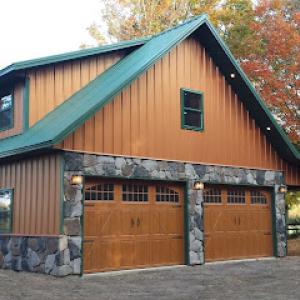
Contractor specializing in Exterior Renovations, New Construction and Post Frame Buildings. All types of Custom Homes, Barndominiums, Pole Barns, Garage Construction, Commercial and Residential. All types of Roofing Metal, Shingle, tile, epdm rubber roofing. Siding and Window upgrades. Storm damage repairs.
Asphalt shingles are the dominant practical choice for homes with steep, older rooflines that dominate Pittston's surrounding Wyoming Valley. They install quickly on classic residential slopes, tolerate the freeze-thaw cycles, and are easier to repair or replace in a neighborhood with tight, snowy winters. You will get reliable leak resistance when the roof deck is solid and the proper underlayment is used, and you can maintain a steady replacement schedule without blowing past budget caps. If a steep section shows mineral granule loss after a heavy snow season, plan for a targeted inspection and timely resealing to keep the gutters free of shingle debris. In this climate, granular protection and proper ice dam control at eaves and valley intersections are essential.
Metal roofing has a meaningful local specialty presence and is relevant for homeowners prioritizing snow shedding and lower maintenance through long Northeast Pennsylvania winters. On steeper profiles, metal's smooth surface helps shed new snow quickly, reducing ice dam risk and minimizing weight on trouble spots. The improved durability translates to fewer large repairs after freeze-thaw seesaw cycles, which is a real consideration in this area. When evaluating metal, pay attention to panel seams, flashing at chimneys, and edge details to prevent wind-driven moisture intrusion. A well-coated, corrosion-resistant finish plus integrated insulation can further curtail heat loss in the dead of winter, making metal a practical long-term choice for certain houses and budgets.
Slate remains locally relevant because older Northeastern Pennsylvania architecture often includes homes originally designed for heavier premium materials, making structural compatibility and repair matching important. If a historic or high-end home in a tight rowhouse lineup originally used slate, preserve authenticity by confirming roof decking strength and compatibility with slate fasteners. Slate offers superb longevity and a period-appropriate look, but it requires careful matching of slates and precise repair work to maintain a consistent appearance and performance. In steady freeze-thaw cycles, ensure proper underlayment, secure flashings, and a robust solution for snow accumulation at ridges and hips. For retrofit situations on older structures, consult a roofer experienced with slate to avoid compromising the roof's wind performance and drainage.
In this region, your best long-term strategy is to match roof choice to slope, exposure, and historical appearance. Consider how a given system handles ice and snow at eaves, valleys, and dormers, and plan for regular inspections after severe storms. If a roof already shows signs of wear from repeated freeze-thaw cycles, prioritize timely resealing and protective detailing before the next winter sets in. Each option has a distinct balance of performance, aesthetics, and repairability that fits Pittston's time-tested residential fabric.
In this market, tear-off complexity on older homes with multiple dormers, valleys, chimneys, and layers from prior re-roof cycles pushes pricing upward. A typical project often climbs beyond the baseline once crews open up the decking and discover truss or plywood issues common under steep-slope, snow-prone roofs. Winter weather delays, storm-driven demand spikes, and the need for decking repairs after opening older roof assemblies can materially affect final project cost. Budget-conscious homeowners still find asphalt common, but premium materials respond more sharply to labor availability and structural readiness.
Asphalt shingles remain the most accessible option, especially on Pittston's older, steep-slope homes where quick weather windows matter. If a home has strong sightlines on dormers and intricate ridges, a broader mix of shingle types or higher-quality overlap can add to the price. Metal roofing offers durability for the local freeze-thaw cycle, yet labor time and ventilation considerations can raise costs in homes with tight rooflines or complex penetrations. Premium options like slate or clay tile tend to be more sensitive to structural readiness and local labor availability, which translates to higher per-square costs.
Asphalt Shingles: 350-650 USD per square. Metal Roofing: 700-1100 USD per square. Clay Tile: 1200-2800 USD per square. Concrete Tile: 1000-1900 USD per square. Wood Shingles/Shakes: 550-1050 USD per square. Slate: 1400-3000 USD per square. Given Pittston's mix of homes, asphalt remains the most common choice, with premium materials demanding extra coordination for decking, ventilation, and flashing details.
The winter season tightens scheduling and can compress contractor availability, which tends to push labor rates higher when storms hit or when supply lines tighten. Storm-driven demand spikes can introduce short-term price fluctuations, especially if crews are busy after heavy snow events. If a roof is opened for inspection or replacement during colder months, the need for additional heat source protection and fast-drying underlayment can add to the bottom line.
Older homes with layered roofing, dormers, and chimneys frequently require more staging, scaffolding, and careful decking repairs. Anticipate incremental costs for removing legacy materials and for adding proper flashing around penetrations. In these situations, informing a roofing contractor about the exact roof geometry and known problem spots helps keep pricing accurate and minimizes surprises once work begins. Pittston remains a market where budget-minded homeowners still see asphalt as the baseline, while slate and tile demand careful scheduling and robust crews.
Get a clear picture of your project costs upfront - no commitment required.
American Roofing Solutions
(570) 909-5525 americanroofingsolutionspa.com
Serving
5.0 from 25 reviews
Residential roof replacements in this city typically require a building permit through the city's building department rather than being treated as informal maintenance. That distinction matters: once tear-off begins, hidden substrate damage on older homes is a common surprise, so the plan review will look closely at ventilation, flashing, and decking conditions. You should expect the plan review to verify that the roof could be ventilated properly for the climate, that flashing details meet local standards, and that decking is sound enough to support the chosen material. The review process often surfaces questions about attic ventilation paths, soffit and ridge intake, and whether a nailer is in good shape to hold new underlayment and shingles. If any of these elements look marginal, the reviewer may request additional measures or adjustments before a permit is issued. Working with a contractor who understands how steep slopes interact with snow load and freeze-thaw cycles can help ensure the plan aligns with Pittston's aging housing stock.
Inspections are typically performed at rough-in and final completion, and the permit is not closed until the final inspection is satisfactorily completed. The rough-in inspection centers on framing, decking integrity, and the installation of underlayment and ventilation components that affect long-term performance in winter conditions. Expect questions about attic baffles, ridge vents, and the continuity of ventilation pathways from eaves to ridge. The final inspection confirms that the roof system is installed according to the approved plan, with flashing at valleys, chimneys, and penetrations inspected for appropriate sealant and drainage. Because snow-driven cycles and freeze-thaw stress are local challenges, the inspector will check that leak-prevention details are intact and that any temporary weather protections are removed only after the roof is deemed weatherproof.
Coordinate timing between tear-off and weather windows to minimize exposure of underlayment to late-season freezes. Have a clear record of material specifications, ventilation strategy, and flashing details ready for the permit review so that the city can quickly verify compliance. If a discrepancy arises between plan approval and site conditions, address it early with the building department to avoid delays that push a project into harsher weather. Keeping the process visible to neighbors and coordinating with a contractor who tracks permit milestones can help ensure the project progresses smoothly from rough-in to final approval.
Pennsylvania insurers generally still write broad homeowners coverage, but Pittston-area storm claims can trigger close review of photos, estimates, contractor scope, and evidence of storm-created openings. When a claim is filed, adjusters will look for consistent, well-supported damage narratives that connect the storm impact to specific roof features. In this market, a clear chain of documentation helps prevent unnecessary delays or partial denials that leave you footing more of the bill than expected.
After hail or wind events in Northeast Pennsylvania, adjusters may pay particular attention to decking and underlayment conditions once the roof is opened. If underlayment shows signs of moisture intrusion or prior damage, it can shape the scope of allowed repairs. A properly staged inspection that reveals the full extent of interior or attic moisture helps ensure the claim covers necessary repairs rather than temporary fixes that shift risk back to you.
Because adjuster response times can vary after regional storms, Pittston homeowners benefit from documenting damage immediately with date-stamped photos and temporary protection records. Start exterior photos from ground level and from the ladder angle that captures roof seams, gutters, and any hail marks. Inside the attic, photograph insulation and decking as soon as you can safely access them. Keep a dated log of any temporary tarps or boards, along with notices you place for neighbors or tenants.
When selecting a contractor, ensure the scope explicitly aligns with the observed damage and any symptoms noted by the adjuster. A detailed, itemized scope that references decking, underlayment, and visible openings can help the claim move smoothly through the review cycle. If the claim stalls, request a written rationale from the adjuster and keep your documentation organized to support a timely resubmission.
Connect with contractors who help homeowners navigate the claims process from damage assessment to final approval.
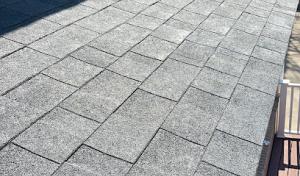
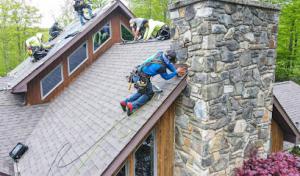
Older steep-slope roofs in this Wyoming Valley setting carry recurring leak points after winter cycles. Masonry chimneys and step flashing transitions along roof-wall intersections tend to collect ice dam melt and freeze-thaw stress, pushing water under shingles and flashing if not properly integrated. Roof penetrations-like exhaust vents, plumbing stacks, and skylights-are frequent trouble spots, especially when skylight detail overlaps with a flat or low-slope section. The compact urban lot patterns mean many homes share similar trouble zones: high crown lines meeting walls, and rear or addition sections that age differently than the main roof.
Begin after the snowmelt window opens. Inspect chimneys and parapets first, checking mortar joints and chimney cricket alignment. Walk the eaves and take note of any loose or missing flashing at the chimney base and along roof-wall transitions. Pay close attention to step flashing where the roof meets each wall plane; if seals show cracking or loose tabs, plan for flashing repair or replacement during the next roof cycle. Survey skylight edges for degraded sealant or ridge-adjacent flashing gaps-these often leak first after freeze-thaw shifts. For flat or low-slope porch roofs and additions, identify pooling water or worn membrane edges, as these areas age differently and frequently need localized attention rather than a full roof replacement.
In Pittston, higher-risk details benefit from integrated, coordinated flashing strategies rather than isolated fixes. When replacing a main steep roof, coordinate with skylight and flat-roof transitions so their membranes meet at clean, continuous lines. For low-slope porch roofs or additions, select materials and flashing that align with the adjacent roof to minimize differential movement and water reversal. Consider upgrading attic ventilation where dense snow loads and freeze-thaw cycles are common, as better airflow reduces ice dam risk and interior condensation in the chimney and attic zones. Maintain a planned maintenance cadence to catch aging details before winter returns.
Find contractors experienced in skylight installation, flashing, and leak repairs to bring natural light into your home.
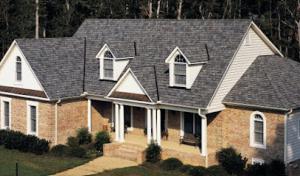
In this compact Wyoming Valley setting, leaks and storm damage demand prompt attention. When a firm answers quickly, sticks with a clear timeline, and handles cleanup without leaving debris, you're getting a contractor who respects the neighborhood's tight yards and snow-heavy winters. Look for contingency plans for weather delays and a proven process for tarping and staging materials so driveways stay clear and neighbors aren't left dealing with mess after a storm event.
The contractor pool includes both established outfits and family-owned teams. Request a concrete comparison: how does each handle older-home tear-offs, where fragile decking or hidden rot can surface? Ask for a candid description of the teardown sequence, how decking discoveries are documented, and how replacements are coordinated with your existing roof line. Pay attention to how clearly they spell out who is on-site, who supervises, and how decisions are communicated.
Manufacturers certify products, but in this market, what matters more is track record. Investigate past projects in similar steep-slope homes with freeze-thaw cycles and heavy snows. Seek references that speak to reliable storm response, careful nailing patterns, and the durability of the chosen materials under Pittston winters. A contractor's willingness to share detailed project photos and post-project follow-ups signals dependable workmanship.
When reviewing bids, prioritize clarity of the scope, especially for tear-offs and decking, and a documented plan for weather-related adjustments. Verify that the proposed crew has consistent leadership on-site and that material deliveries align with your roof's physical constraints. Favor contractors who present a straightforward, transparent timeline and a robust cleanup commitment that leaves the street as tidy as the attic is dry.