
Last updated: Apr 19, 2026
Langhorne's winter pattern of cold snaps, snowfall, and then thaw periods subjects roofs to relentless expansion and contraction. Shingle tabs flex, flashing joints open, and roof penetrations-where pipes, vents, and chimneys meet the deck-suffer micro-fractures that may not leak immediately but will leak when the next freeze-thaw cycle hits. In a town built on older Bucks County stock, those subtle movements accumulate: a row of shingles creasing at a valley, a flashing clamp loosening ever so slightly, a seam around a vent edge pulling away. If you have asphalt shingles or aging composite products, the stress shows up first at the most vulnerable edges. The danger isn't a single storm heavy enough to rip a roof apart; it's the repeated sting of freeze-thaw that keeps pushing moisture into tiny gaps until a larger failure finally occurs.
As winter's grip loosens in the early spring, Lower Bucks County sees wind-driven rain and hail that target already-weakened areas. The same spots that survived a harsh winter-where tabs have curled, where flashing has begun to lift-become easy entry points for water. A spring storm doesn't need to unload a dramatic downpour to cause damage; it only needs to find a small flaw in a vulnerable seam or around a chimney. The first big gusts after a quiet spell can drive rain under a loose edge, and hail can chip exposed shingle tips, creating micro-cracks that water will exploit during the next melt. For older homes with long-standing flashing around chimneys and dormers, that storm sequence is a special risk: once a leak path forms, it tends to widen with each freeze-thaw cycle.
In many Langhorne neighborhoods, flashing around chimneys and dormers is not a modern, neatly sealed installation. It's the product of decades of weather, minor repairs, and evolving rooflines. When winter returns, those flashing joints push and pull as metal contracts and expands, and sealant joints can separate. After a freeze-thaw cycle or a spring storm, leaks tend to reveal themselves along flashing edges first-not because the flashing failed spectacularly, but because accumulated micro-movements loosen the sealant and allow water to trace a path inside the roof deck. If gutters are clogged or misaligned, the water can pool and back up into flashing gaps, accelerating the deterioration.
Begin with a close, careful inspection of visible flashing along chimneys and dormers. Look for hairline cracks in sealant, raised edges, or any copper or galvanized metal that appears to be pulling away from the deck. Check the intersections where roof planes meet, as well as around vent stacks and exhaust penetrations. If you notice any lifting, gaps, or staining on interior ceilings after a freeze-thaw week or a spring storm, treat it as a high-priority warning sign. When the next cold period approaches, consider scheduling a targeted inspection focused on the most vulnerable flashing points and shingle edges, preferably by a local roofer who understands Langhorne's typical aging materials and installation quirks. Prompt attention to these weak spots can prevent a small leak from blossoming into widespread interior damage.
Consistent maintenance isn't glamorous, but in Langhorne it's essential. A seasoned local roofer will verify that flashing around chimneys and dormers remains securely fastened, reseal aging sealants, and re-secure any lifted shingles before the next winter wave. They will also evaluate roof penetrations for signs of creeping moisture, replace deteriorated metal or sealant, and adjust vents and flashing to align with current roofline realities. With these targeted checks, you gain a practical defense against the most common fail points created by Langhorne's freeze-thaw rhythm and spring storm exposure.
In this Pennsylvania insurance landscape, adjusters tend to want documented weather-related damage tied to a specific event. For wind, hail, and freeze-thaw damage, expect the claim to hinge on a clearly defined occurrence rather than a broad, chronic deterioration. In Langhorne, where many homes carry older Bucks County build patterns, that means pinpointing what happened during a named storm or a defined cold snap, and then connecting the roof issues directly to that event. Having that direct link helps moves the claim along and reduces back-and-forth disputes about what caused what.
Local homeowners should anticipate requests for photo documentation, contractor estimates, and sometimes before-and-after images after severe weather. Start with a dated set of photos taken as soon as the weather event is over, clearly showing missing shingles, lifted tabs, granule loss, and any interior leaks appearing on ceilings or walls. Photograph nearby trees or debris to establish the storm's intensity, then capture close-ups of any specific roof flaws that align with wind gusts, hail impacts, or ice dam traces. If a portion of the roof is accessible from the ground, a wide shot paired with a zoomed-in detail helps the adjuster visualize the scope.
Contractor estimates should reflect the current condition after the storm and the necessary repairs. In Langhorne, where older roofing systems and mixed materials are common, ensure the estimates distinguish between minor patches and full replacements. A clear breakdown that shows material types, color-matching considerations, underlayment status, and vent or flashing work can prevent surprises later in the process. If a contractor can provide a before-and-after set, that adds strong, tangible proof of the impact and the scope of required work.
Because spring and summer storms can create neighborhood-wide demand spikes, claim inspections and contractor scheduling can tighten quickly after a Bucks County storm event. Expect a higher volume of claims in short windows, especially after multi-house impacts. To reduce delays, maintain a consistent line of communication with the adjuster and the contractor. Confirm appointment windows, provide rapid access to the attic or crawlspace if needed, and have the property's best access routes ready for assessment teams.
If possible, arrange a single day for both initial inspection and any subsequent adjuster-accessible checks. This minimizes the chance of weather or scheduling conflicts dragging the process out. For older Langhorne homes, crews may need to inspect roof edges, flashing around dormers, and vent stacks with particular attention to freeze-thaw damage patterns. Document any repairs already performed after the storm and note if prior seals or flashing contributed to current leaks.
Keep a simple, organized binder for all storm-related materials: event date, weather reports, photos, contractor estimates, and any communications with the insurance company. When describing damage, reference specific events and how they correlate with observed signs-a portion of asphalt shingle curling after a hail event, for example, or ice dam traces near gutters following a cold snap. If the claim involves replacement rather than patchwork, ensure the contractor's scope anticipates potential future freeze-thaw cycles, especially on vulnerable corners, valleys, and edge edges. After inspections, review the adjuster's findings side by side with your documentation to confirm that the event-based damage map aligns with observed conditions.
Connect with contractors who help homeowners navigate the claims process from damage assessment to final approval.
Remodeling Concepts
(215) 343-5557 www.remodelingconcepts.net
1095 Wood Ln, Langhorne, Pennsylvania
4.8 from 161 reviews
Remodeling Concepts
(215) 343-5557 www.remodelingconcepts.net
1095 Wood Ln, Langhorne, Pennsylvania
4.8 from 161 reviews
Remodeling Concepts is your local choice for home exterior upgrades. As roofers and one of the leading roofing companies, we deliver durable solutions that protect your home for years to come. Our siding installers and full-service siding contractor team transform curb appeal with top-quality materials and craftsmanship. We’re also one of the most reliable window companies, specializing in energy-efficient double and triple pane window replacements to improve comfort and cut utility costs. We also excel in energy-efficient door installation and replacements. If you’re searching for a dependable window company, roofing services, or siding installation, Remodeling Concepts provides exceptional service, lasting results, and peace of mind.
MAE Contracting
(267) 908-2119 maecontracting.net
106 S Bellevue Ave #204, Langhorne, Pennsylvania
4.8 from 45 reviews
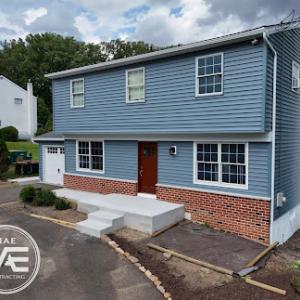
MAE Contracting, a premier roofing and siding contractor, combines family values with exceptional craftsmanship to ensure every renovation project is a success. Committed to using only the finest materials, they uphold their status as an Owens Corning Preferred roofing contractor, a 5 Star Siding Contractor with Certainteed, and other leading manufacturer certifications. MAE Contracting delivers unparalleled quality and long-lasting beauty to every home they touch while providing homeowners options like financing to do so.
Master Star
(215) 934-9009 www.masterstar.net
Serving
5.0 from 135 reviews
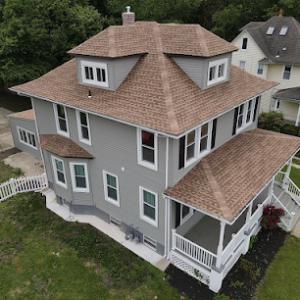
Roofing / Siding / Gutters / Windows Full services exterior home improvement. Roofing replacement and repair. Siding replacement and repair. Soffits, capping and flashing replacement and repair. Seamless gutters and screen installation. Windows replacement and new windows installation.
KPI Jr. Exteriors
(609) 658-9925 www.kpijrexteriors.com
Serving
5.0 from 118 reviews
KPI Jr Exteriors, LLC is a trusted roofing contractor in Bucks County, serving NJ, Chester, and Montgomery Counties since 2017. We specialize in roofing, siding, gutters, windows, doors, and custom decks. As certified GAF and CertainTeed installers, we use only premium materials. Fully licensed and insured in PA and NJ, we’re committed to job-site safety, clear communication, and total satisfaction. Contact us today for reliable home services in Bucks County and a free, no-obligation estimate.
Geno's Siding & Roofing
Serving
5.0 from 63 reviews
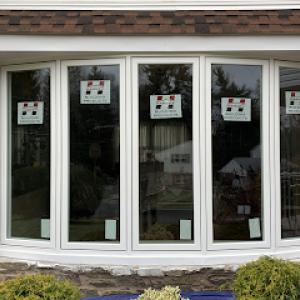
Small business located in Bucks county that is specializing in Siding (all types), Roofing, Windows, Doors, Gutters and other.
Rylee Ann Roofing
(833) 691-7663 www.ryleeannroofing.com
Serving
5.0 from 50 reviews
We are family owned & operated. Owner onsite EVERY job! We are solely dedicated to the roofing Industry. Proudly serving the PA & NJ markets.
Storm Expert Roofing, Siding & Gutters
(267) 767-6507 storm-expert.com
Serving
4.9 from 63 reviews
Are you searching for a roofing contractor that goes above and beyond to deliver exceptional results? Look no further than Storm Expert, your trusted partner for all your roofing needs in PA, NJ & DE. We specialize in both residential and commercial roofing projects, and our team of licensed and insured professionals is here to ensure your complete satisfaction. With a mission focused on customer happiness, we strive to be the company of choice by providing quality, professional, and honest services. We believe in quality over quantity on every type of project -- roof installation, repair, or replacement. We excel in asphalt shingle roofing, siding, gutter, window and flat roof installation, and even skylight installation and repair.
Davinci Roofing-Gutters
(609) 331-6466 davinciroofingcorp.com
Serving
5.0 from 278 reviews
Family owned and operated, focused in customer satisfaction, delivering the best Workmanship with the best products in the market for long lasting results, Free Estimates !!!
A. Brooks Construction Inc. Presents Kanga Roof
(215) 752-6145 abrooksconstruction.com
Serving
5.0 from 792 reviews
Kanga Roof has been providing residential and commercial roofing services in the Bucks County area since 1987. We are certified in PA and NJ, bonded and insured. Our employees are drug tested, background checked and professionally trained. We're dedicated to providing the best roofing services in a safe and professional environment.
Stofan Construction
(800) 406-9716 stofanconstruction.com
Serving
5.0 from 84 reviews
Stofan Construction is a premier roofing, siding, gutters, and windows replacement contractor serving Fairless Hills PA and the surrounding areas. Our dedicated team of experts is committed to delivering high-quality construction services to enhance the functionality and aesthetics of your property. We take pride in our attention to detail, competitive pricing, and unwavering commitment to customer satisfaction. For all your roofing and siding needs, trust Stofan Construction to exceed your expectations. Contact us today to schedule a consultation.
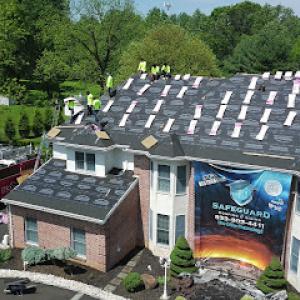
SafeGuard Roofing & Siding
(833) 203-4411 safeguardroofingandsiding.com
Serving
5.0 from 69 reviews
SafeGuard Roofing and Siding is a family owned business dedicated to providing top-quality craftmanship and dependable service. With a strong focus on detail and lasting results, we take pride in treating every home as if it were our own. Whether it's roof repairs, full replacements, or new siding installations, our team is committed to delivering solutions that protect and enhance your property. When you choose us, you're choosing trusted experts who care about quality, integrity, and customer satisfaction.
Vision Roofing & Exteriors Services
(215) 900-4767 www.visionroofingexteriors.com
Serving
5.0 from 45 reviews
We’re a proud family-owned and operated company dedicated to protecting what matters most—your home. With over 20 years of experience in roofing, siding, gutters, and skylights, we approach every project with trust, pride, and genuine care. Your home is where life’s best moments unfold, and we’re here to make sure it stays strong, beautiful, and protected for years to come. Together, we bring your vision to life—built to last, crafted with heart.
A full roof replacement in Langhorne's jurisdiction typically requires a permit rather than being treated as minor maintenance. The patchwork of borough and township administration means that what looks like a straightforward project can become entangled in local rules and timing if the permit process isn't followed. Homeowners should treat the permit as a formal step that shapes the project timeline, rather than a nuisance to be managed after work begins. Approvals affect not just the roof itself but related systems-venting, flashing, and the structural interface-so handling paperwork upfront can prevent costly delays or rework once a contractor is on site.
During and after installation, inspections in this area commonly zero in on venting, flashing details, and the structural integrity that underpins a weather-tight roof. Freeze-thaw cycles across older Bucks County housing stock amplify the importance of a robust venting plan to balance attic moisture and avoid condensation problems. Flashing around chimneys, skylights, and roof-to-wall transitions often reveals vulnerabilities after a hard winter or a storm gust. Structural considerations-proper nailing patterns, deck integrity, and support for heavier materials-are scrutinized to ensure the roof can withstand future freeze-thaw cycles. Expect the inspector to verify these elements in stages, not as a single final look, so coordinate with the contractor to address issues promptly.
Because the Langhorne area includes separate borough and township administration, homeowners need to confirm local quirks such as posting the permit on site and scheduling inspections in advance. Some jurisdictions require visible permit signage for the duration of the project, while others rely on a digital or office-based notice system. Inspections may be staggered or called for at specific milestones rather than a single finish line. Delays can arise if the posted permit is not visible or if an inspection window is missed due to contractor scheduling. As a homeowner, you should map out the anticipated inspection dates early, share contact information with the permitting office, and keep a readily accessible copy of the permit at the job site.
Before work begins, confirm the exact authority (borough or township) that governs your address and which documents are required for the permit-drawings, roof material specs, and a project timetable are common needs. Coordinate with the chosen contractor to align on a pre-inspection checklist that includes venting plans, flashing details, and a structural assessment. Ensure the permit is posted visibly and that all required inspections are scheduled in advance, with buffer time for weather or winter-related delays. If a question arises during the process, communicate promptly with the local office and your contractor to avoid backtracking. This local discipline helps protect the investment and reduces the risk of storm-season setbacks that can complicate a replacement, especially on an older home with a complex freeze-thaw history.
In Langhorne, asphalt shingles dominate replacements because they fit the area's common detached homes and are easier to schedule around short weather windows than heavier specialty systems. The long-standing residential stock in Bucks County often rides herd on a tight calendar between freeze-thaw cycles and pop-up storms, so shingles that install quickly and tolerate rapid temperature swings are a practical choice. In this climate, a quality asphalt roof can be expected to resist seasonal shingle wear, while still offering reliable performance when winter storms arrive. Look for thicker (" architectural") profiles and reinforced edges that help prevent edge delamination during freeze-thaw cycles, and ensure the underlayment and flashing are fully integrated with the roof deck to handle snow loads and temperature shifts.
Metal roofing is present locally and can perform well against snow shedding and freeze-thaw exposure, but detailing at penetrations and transitions matters on older rooflines common in the area. If you live in a home with existing vents, chimneys, and skylights, you'll want a metal system that is matched to those features rather than a one-size-fits-all approach. pay close attention to how the metal panels intersect with the soffit line and ridge vent, and ensure proper sealant and closure at valleys or flat sections where ice damming could form. A well-integrated metal roof can offer superior durability during heavy snows, but its value hinges on meticulous flashing, seam sealing, and compatible fasteners that won't corrode under winter moisture.
Tile, wood shake, and synthetic products appear in the market but are less prevalent, making installer experience more important when matching heavier or specialty materials to existing structures. Tile or shake can bring a distinct look to older homes, yet their weight and installation demands require a roof deck that is up to the task and a contractor who can navigate complex geometry and through-fastening details. Synthetic options can approximate the look of heavier materials with easier handling, but the install quality still governs long-term performance in freeze-thaw conditions. For these choices, seek a crew with a proven track record on older layouts, near-heritage detailing, and traffic-heavy eaves where moisture tends to concentrate.
In areas with repeated winter freeze-thaw stress, the critical factors are wind and snow shedding, effective ice dam resistance, and a reliable seal at all transition points. The best choice balances compatibility with your home's existing shape, the ability to install within local weather windows, and the installer's experience with your roof's specifics. For most Langhorne homes, asphalt shingles offer the most straightforward, reliable path, while metal can be a strategic upgrade where rapid shedding and longevity align with your updates. Heavier or specialty materials can be compelling in look and lifespan, but installer expertise and proper integration matter most when you're pairing them with older roofs.
In Langhorne, winter freeze-thaw cycles bluntly test roofing systems. The repeating cycles crack old shingles and lift flashing, especially on houses with dormers, chimneys, and skylights. Spring storms bring sudden loads of wind and rain, which can compress the typical install window as crews chase weather. Summer humidity also slows work, pushes crews to avoid high heat, and can shorten the available dry-down period between layers. Plan for a tighter schedule than a straight "storm-damage-free" install would imply, and build in a small buffer for weather delays typical to Bucks County homes.
Asphalt shingles stay the most common choice for Langhorne-area repairs and re-roofs, with a typical spread in the low hundreds per square, depending on local suppliers and the exact pitch. Metal roofing, when chosen for its longevity and resistance to freeze-thaw damage, runs higher, often pushing toward the mid to upper range per square. Clay and concrete tiles, seen on some older homes with a taller profile or added architectural features, bring the premium end of the spectrum, especially where additional structural support or underlayment detailing is required. Wood shingles or shakes can be appealing for traditional Bucks County aesthetics but tend to sit in the mid-to-upper range due to maintenance and flashing considerations. Synthetic or composite shingles offer a middle ground, balancing durability with cost.
Older Bucks County homes in Langhorne frequently feature chimneys, dormers, skylights, and complex flashing details. Each added feature increases the likelihood of labor-intensive flashing work, increased waste removal, and careful integration with existing water drainage paths. In practical terms, these details often push a re-roof above a straightforward gable home, even if the underlying roof deck is sound. A roof with multiple ridgelines and valley intersections will demand more precise installation and more time, which translates to higher overall cost.
When you're lining up a re-roof, start with the weather calendar and pair it with your material choice. If winter damage is evident, prioritize a plan that targets a window where the material can lay flat and seal well, minimizing freeze-thaw stress. If you're balancing a spring storm risk, align with a crew that can mobilize quickly between storms and finish a layered, properly vented installation before hot, humid days set in. Budget for contingencies related to architectural details and potential secondary flashing work.
For Langhorne homes, seek contractors who specialize in older Bucks County stock and who can demonstrate success navigating chimneys, skylights, and dormers. Verify their method for handling complex flashing, ice-damming mitigation, and ensuring solid gutter connections after a heavy winter. A well-coordinated crew will communicate anticipated windows and finish dates clearly, helping you manage the local timing quirks that affect Langhorne projects.
Don't let upfront costs delay a critical repair - these contractors offer payment plans to fit your budget.
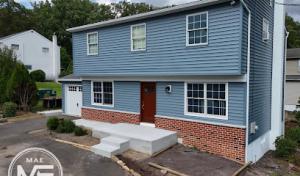
MAE Contracting
(267) 908-2119 maecontracting.net
106 S Bellevue Ave #204, Langhorne, Pennsylvania
4.8 from 45 reviews
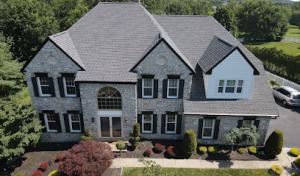

In Langhorne, steep-slope roofing dominates, but many homes feature low-slope porch roofs, rear additions, garages, or small commercial-style sections that behave differently under winter stresses. When planning flat-roof add-ons, expect transitions where low-slope surfaces meet traditional shingles or metal accents. Those edge conditions tend to weather differently and must be treated as part of the overall roof system, not as afterthoughts.
Freeze-thaw cycles linger on low-slope transitions, so drainage details deserve extra attention. Favor a proven, gravity-driven drainage plan with clearly defined high points and ridges that prevent ponding. Edge metal should extend over the edge with a tight seal to minimize water intrusion at flashing joints. For membranes, specify seamless or factory-fabricated seams that are rated for cold-weather cycling and are compatible with any adjacent shingles or metal.
Flashing around parapets, skylights, and abutting walls needs robust detailing because those seams are common failure points in Langhorne's climate. Use reinforced edge terminations, compatible fasteners for cold weather, and heat-warden or cool-vision sealants that resist cracking after frost. Pay special attention to transitions where a flat add-on meets a steeper roof; ensure step flashing and counterflashing are continuous and well-integrated to avoid ice dams along the interface.
Flat-roof add-ons benefit from membranes designed for local freeze-thaw exposure. Choose materials with proven track records in moist Pennsylvania winters and compatible coatings for any adjacent roof types. If metal is used for parapets or edges, select coatings and fasteners rated for thermal cycling to prevent loosening or corrosion over time.
Perform seasonal checks focusing on edge seals, drain blockers, and membrane seams after ice and snow events. Clear debris promptly from scuppers and internal drains to maintain unobstructed flow. In Langhorne, a proactive, fall-to-spring inspection cadence helps catch minor issues before minor issues become big leaks.
Find specialists in TPO, EPDM, and built-up flat roofing systems for residential and commercial properties.
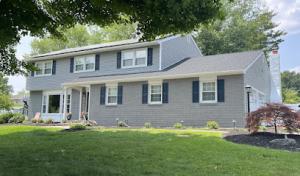
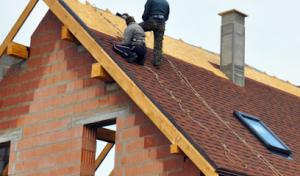
In this market, older Bucks County stock means roofs that have seen many freeze-thaw cycles and occasional spring storms. The emphasis here is on reliable cleanup after a tear-off, especially on tight suburban lots and tree-lined properties where nails and debris can become a homeowner concern. When interviewing crews, ask how they plan a thorough cleanup, including how they handle nail removal and debris containment for landscaping and driveways.
Quick response is a major local hiring signal. After a harsh winter or a sudden spring event, leaks can appear fast on an aged roof, and the first handful of hours often determines how badly interior damage unfolds. Look for contractors who describe a clear, staged plan for emergency repairs or temporary tarping, followed by a scheduled full replacement. A capable team will outline disruption management so nearby neighbors understand when their properties might be impacted.
The Langhorne market features long-established, family-owned contractors who specialize in re-roofing rather than new-construction setups. Homeowners here tend to value a work history of complete roof replacement, warranty backing, and steady crews who show up prepared to work through older rooflines. Favor firms with a track record on lighter-weight materials appropriate for older structures, plus the ability to coordinate with existing fascia, chimney flashing, and dormers without compromising the roof's fit.
Ask about understanding of common older-lot issues: attic ventilation integration with a refurbished roof, compatibility with existing drip edges, and careful handling of mature trees around the home. Good communicators will discuss site protection, material staging in tight yards, and a plan for protecting landscaping during removal. If a contractor can describe specific challenges you've faced in your neighborhood-like layered flashings or prior repairs-and how they'll address them, that indicates you've found a locally minded professional.