
Last updated: Apr 19, 2026
In this borough's climate, the sequence of seasons creates unique stresses on roofs. Cold winters with periodic snow introduce freeze-thaw cycles that can push shingles tabs upward, widen gaps around flashing, and aggravate small leaks long before the first green buds appear. Wet shoulder seasons-especially the spring rain cycles-keep moisture lingering on roofs and under flashing, accelerating deterioration and widening vulnerable seams. Because moisture management is a year-round concern in this area, the best replacement windows hinge on aligning installation with periods when the roof is least stressed by cold, moisture, and heat-driven sealant behavior.
Late spring through early fall is typically the most favorable replacement window. Winters bring snow and freeze-thaw action that stress roof surfaces and can cause unseen damage to underlayment and deck boards. Spring rain delays are common, and a wet season can force you to pause mid-project or rely on temporary measures that don't provide lasting protection. Summer heat dries out sealants unevenly and can compromise flashing or the adhesive bonds installers rely on at the ridge and joints. Fall leaf debris introduces its own hazards, from clogged gutters to debris that hides delicate flashing work. All of these factors mean that, in this area, the window that minimizes weather-related risks and installation complications runs from late spring through early fall. If you're aiming for a longer-lasting result, prioritizing this period helps ensure sealants cure properly, shingles set flush, and flashing sits true without winter or high-humidity complications interfering.
Begin with a thorough pre-installation inspection during shoulder weather, when conditions are dry enough to see real defects but not so hot that sealants sag. Look for signs of prior freeze-thaw damage: cracked or lifted shingles, brittle edges, and any widening of flashing gaps around chimneys, vents, or skylights. A local roofer will pay particular attention to valleys and roof-to-wall transitions, where small leaks tend to hide until spring rains reappear. Note any curled edges or cupping on asphalt shingles, as those are common after a few cycles of freezing and thawing. On slate or tile roofs, check for loose or fractured pieces that the freeze-thaw process can push apart over a season. If you catch issues early in the favorable window, you reduce the risk of a complete failure during the next freeze-thaw cycle.
During replacement planning, consider the moisture profile of Lansdale's shoulder seasons. Wet springs emphasize the importance of a dry, clean deck and properly installed underlayment. If the roof deck has absorbed moisture over winter, immediate replacement in the recommended window may prevent moisture from migrating into attic spaces or interior walls. In mid-summer, heat can complicate the curing of sealants used around flashing and penetrations. A crew that sequences work to avoid peak heat hours and uses high-quality, weather-appropriate sealants will produce longer-lasting results. Fall debris requires meticulous cleanup before the final sealant finish, to prevent gutter-backups and water infiltration paths created by leaves that can trap moisture against edges and joints.
If an early-season project is unavoidable, plan for extended sequences: protect exposed areas during rainy weeks, and coordinate with a crew that can re-sequence tasks to accommodate a late spring or early fall lull in the weather calendar. Prioritize projects that tackle the most vulnerable areas first-valleys, step flashings at chimneys, and roof-to-wall transitions-while allowing for proper cure times for sealants and underlayment. When choosing materials, consider how the product will respond to the local freeze-thaw cycles and the humid spring and summer conditions. A well-timed replacement in the late spring to early fall window reduces the chance of weather-driven setbacks and helps ensure the roof performs well through multiple seasons.
In this borough, wind and hail drive most roof losses for insurance claims, not a steady, year-round catastrophe. That means after a stiff spring storm or a sudden hail hit, you might wake to a surprise leak that escalates quickly. The roof over older homes with steep shingles or slate can show damage where you'd least expect it-in valleys, around chimneys, and along eaves where water can back up. When a storm rolls through, the urgency isn't just about spotting a stain-it's about stopping water from penetrating under layers that have already endured decades of freeze-thaw cycles. The right response is rapid assessment and immediate stabilization so you don't compound damage during the next soaking rain or warmer, humid spell.
After the winds and hail ease, your first move is to verify interior signs of water intrusion without climbing onto the roof yourself. Look for brown rings on ceilings, peeling paint, and damp attic insulation that worsens with each passing hour. If you notice active drips or pooling inside, call a local responder who can tarp and stabilize within hours. In Lansdale, the market shows especially strong demand for emergency response and storm damage work, which translates to fast tarping and leak control that buys you time until a permanent fix can be scheduled. Temporary dry-in work-covering vulnerable sections with watertight tarps and securing loose shingles-is not a luxury; it buys you protection during the wet shoulder seasons when a lingering drip becomes a broader problem.
Seek crew members who arrive with a clear triage plan: first, contain and divert water; second, document the damage with photos and notes; third, outline a practical timeline for the full repair. Because spring rains can reappear and complicate scheduling, the ability to adapt to changing conditions matters as much as experience. In this market, a dependable contractor will prioritize safety and minimize further intrusion by sealing off the interior from weather and by staging repair materials promptly. If the roof has brittle slate or aging shingles, insist on technicians who have specific familiarity with those materials, plus a plan for temporary protection that doesn't risk further cracking or dislodgment during high winds or thaw cycles.
Given Lansdale's pattern of spring storms and lingering wet periods, your best protection comes from proactive planning. If you anticipate a heavy storm season or notice a heat-humid shoulder that can loosen sealing around dormers and transitions, arrange a speedy inspection before the next weather swing. The goal is to reduce the window when a new leak can take hold while you coordinate a permanent repair as conditions improve. Expect a fast response to any new drip or failed seal, with emphasis on stabilizing the roof first so that ongoing weather doesn't create a larger problem before contractors arrive for the full fix. The safer, smarter choice is to act quickly and protect the interior while the clock ticks toward a durable, complete repair.
Find local contractors experienced in assessing and restoring roofs after hail, wind, and severe weather events.
Janville Home Improvement
(215) 368-5200 janvillehomeimprovements.com
49 E Hancock St, Lansdale, Pennsylvania
4.4 from 27 reviews

Flash Roofing LLC : PENNSYLVANIA
(267) 446-3930 www.flashroofingllc.com
1360 Mark Dr, Lansdale, Pennsylvania
4.7 from 13 reviews
With over 20 years of experience, Flash Roofing PA is a trusted leader in roofing, siding, and gutter services. Our skilled professionals specialize in installation, repair, and replacement, ensuring long-lasting protection and beauty for your property. We proudly serve Pennsylvania, Connecticut, and New York , offering flexible financing options and an industry-leading warranty on every project. Trust us to deliver exceptional craftsmanship and top-tier customer service.
Janville Home Improvement
(215) 368-5200 janvillehomeimprovements.com
49 E Hancock St, Lansdale, Pennsylvania
4.4 from 27 reviews
Established in 2003, Janville Home Improvement brings nearly two decades of expertise to every project. Specializing in roofing, siding, windows, and gutters, we are committed to enhancing your home's exterior with quality craftsmanship. Our dedicated team ensures every installation is completed to the highest standards, backed by a comprehensive workmanship warranty. We partner with leading manufacturers to provide durable, long-lasting products, offering you peace of mind and enduring value. Choose Janville for a superior home improvement experience.

Volpe Enterprises
Serving
4.8 from 568 reviews
Volpe Enterprises, Inc. is a locally established roofing company based in North Wales, PA, providing professional roof replacement services to homeowners across Bucks, Montgomery, and Chester Counties. Family-owned since 1970, our team specializes in roof replacement, roof repair, metal roofing, and shingle roof installation, with a deep understanding of Southeastern Pennsylvania’s weather challenges, including heavy storms, seasonal temperature swings, and aging roof systems. In addition to roofing, we offer siding installation, window replacement, and full home renovation services.
Restore Roofing
(267) 263-2262 www.restore-roofing.com
Serving
5.0 from 55 reviews
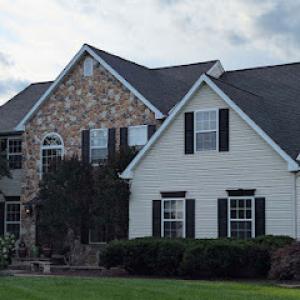
Full service residential & commercial roofing contractor with expertise installing all types of roofing systems. We specialize in total roof replacement with a strong focus on residential work. We serve Bucks County, Delaware County, Montgomery County and Lehigh County.
Penn Pro Roofing
(267) 990-9190 www.pennproroofing.com
Serving
5.0 from 56 reviews
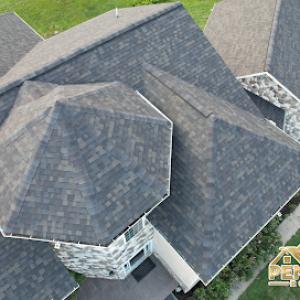
Your roof is your home's main defense against the elements. Let us walk you through the best options to fit your needs and once you feel comfortable with your choice, we'll handle the complete installation. If you're looking to update or upgrade your roofing and gutters, we've got you covered. Book a free consultation to discuss our different types of roofing composition and environmentally friendly options!
North Star Roofing
(484) 302-7663 northstarext.com
Serving
4.9 from 312 reviews
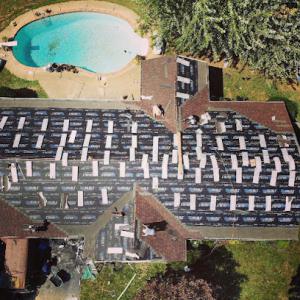
North Star Roofing, located at 506 Dekalb Pike, is your premier choice for exceptional roofing services. Specializing in roof installation and storm damage roof repair, we cater to both residential roofing needs and offer a variety of solutions including metal roofing and shingle roof installation. As trusted local roofing contractors, we are committed to delivering affordable roofing services without compromising quality. Whether you search for "roofing near me" or need expert advice, North Star Roofing guarantees durable, reliable, and aesthetically pleasing outcomes. Choose us for unparalleled craftsmanship and peace of mind for your home’s protection.

Tufano & Sons Roofing
(215) 645-2964 www.tufanoroofing.com
Serving
5.0 from 212 reviews
Tufano & Sons Roofing provides roofing, siding, and gutter services in Philadelphia, Bucks, and Montgomery counties.
William Penn Roofing
(215) 977-7663 williampennroofing.com
Serving
5.0 from 25 reviews
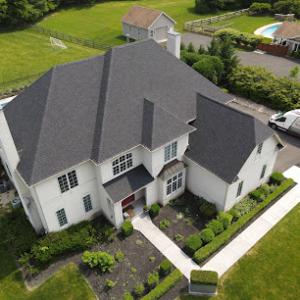
William Penn Roofing provides expert roofing, siding, gutters, skylights, windows, and stucco services across Montgomery County, PA. Whether you're in Norristown, King of Prussia, Pottstown, Horsham, or Abington, our team delivers high-quality residential and commercial solutions you can trust. For 15+ years, we’ve earned over 100 five-star reviews by using top materials, offering honest pricing, and standing behind our work. From quick repairs to full roof replacements, we’re known for precision, reliability, and customer-first service. Call today for a free estimate.

G. Fedale Roofing & Siding
(215) 515-8260 www.gfedale.com
Serving
4.8 from 214 reviews
G. Fedale Roofing & Siding has been a competitive leader in the home improvement and commercial roofing industry since 2002. Gaining a major market share through the specialized talents of our employees, we pride ourselves on the success of our rapidly growing company. We are dedicated to the highest install and repair standards and our extended workmanship warranties guarantee coverage long after work is completed. Our mission at G. Fedale is to provide the best value and craftsmanship for our customers and the communities we serve through service, education and commitment.
Hulton Contracting
(877) 766-3760 www.hultoncontractinginc.com
Serving
4.7 from 92 reviews
Hulton Contracting is a family owned business. Our team is fully trained with years of experience. At Hulton Contracting we pride ourselves on the customer relations we establish, high quality of our work, and attention to detail. There is never a job too big for us! From a complete home remodel that includes new roofing and new siding to installing windows, skylights and gutters, we are the team for you!
Bachman's Roofing
(215) 273-6161 www.bachmansroofing.com
Serving
4.9 from 297 reviews
Since 1972, we’ve evolved from a small family roofing company—just a couple of guys and a truck—into the most trusted home improvement company in the tri-state area. With family values at our core, we’ve spent over 50 years setting the standard for dependability, quality, honesty, and professionalism in the roofing industry. Proudly ranked in the top 1% of roofing contractors nationwide, we’re dedicated to delivering top-quality products, exceptional craftsmanship, and sustainable solutions. Our success is a team effort, and we have the best team in the business.

Belcher Roofing Corporation
(215) 362-5400 belcherroofing.com
Serving
5.0 from 11 reviews
Belcher Roofing Corporation is a commercial-industrial roofing, sheet metal and waterproofing contractor servicing Eastern Pennsylvania, New Jersey, Delaware and Maryland. Belcher Roofing services include New Construction, Roof Replacement, Sheet Metal, Waterproofing, Damp Proofing and Emergency Roof Service. Our fully staffed service department also provided Periodic Roof Maintenance, Green/LEED Roofing, Roof Inspections and Roof Audits. Belcher Roofing are certified installers for all major Single Ply Membranes, as well as Modified and Built Up Roof Systems.
Much of the roof landscape in Lansdale reflects the town's older borough housing stock, where steep shingle and slate roofs are common perched above brick and wood facades. Asphalt shingles remain the practical backbone for many homes, but the mix often includes metal, slate, wood shakes, clay tile, and concrete tile. That variety means when a roof is due for replacement, you're frequently balancing the look and performance of a historical match with the practical realities of today's materials. In this area, the goal is to preserve curb appeal while ensuring the roof can stand up to the local climate and aging structures.
Asphalt shingles dominate because they blend well with older homes and are comparatively forgiving on slopes typical of Lansdale's neighborhoods. Still, the freeze-thaw cycles and humid summers wear shingles unevenly. Look for granule loss on the shingle surface, curling edges, and signs of underneath deck exposure, especially on roofs with mixed-age sections. Crews often find that transitions to metal or tile must be carefully coordinated with the existing roof's pitch and edge details, so color and seam alignment matter to the overall residence appearance. When you're evaluating replacements, expect to consider not just the shingle type but the compatibility of flashing at chimneys, valleys, and dormers, where older structures frequently show aging metal or improper sealants.
Slate remains relevant in the borough's older housing stock, and its durable life can outpace asphalt by decades when properly installed. However, repairs on slate roofs are specialized: matching the slate color and thickness, ensuring precise nail insertion, and maintaining the historic look all require a skilled craftsman. In Lansdale, broken or missing slate is a flag for potential attic and decking deterioration, since cold winters push moisture deeper into the roof bundle. If a full slate tear-off isn't the plan, careful repair strategies that reuse as much existing slate as possible while updating flashing details can extend life without compromising aesthetics. The specialized nature of slate means any replacement window often shifts toward a careful assessment of whether a partial repair can bridge to a longer-term solution.
Wood shakes, clay tile, and concrete tile demand attention to structural loading and roof geometry. Wood shakes, in particular, carry higher moisture sensitivity and may show warping after wet shoulder seasons. Clay and concrete tiles bring a distinct silhouette to historic homes but require sound deck support and accurate layout to avoid cracking from freeze-thaw stress. In practice, this means when you see signs of deflection or sag in older roofs, a detailed evaluation of framing and sheathing is warranted before deciding on a full replacement versus staged restoration. Matching new tiles to the age and texture of the building is more than cosmetic; it's a preservation consideration that affects gutters, flashings, and access through overhangs.
Because you're often balancing restoration with modern performance, replacement decisions should prioritize compatibility with existing roof lines, flashing details, and the overall silhouette of the house. For slate and tile, the plan should include a careful inspection of the underlying deck and the condition of edge copings, as well as the potential need for upgraded underlayment that honors both the historic character and current weather exposure. If a full replacement is unavoidable, insist on a staged approach that preserves as much original material as feasible while upgrading the structural and water-shedding components to resist the harshest shoulder-season wet spells. In every case, the goal is a cohesive, enduring roof that respects the home's age and character while delivering reliable performance through Lansdale's climate.
When you plan a full roof replacement, a building permit issued by the Lansdale Borough Building Code Department is typically required. That single step helps ensure the work aligns with local standards, especially for older borough homes that often feature steep shingle or slate roofs. A permit carries real consequences if the project proceeds without one: inspections can catch problems that lead to delays, rework, and added costs after the fact. In a town where winters bite hard and summers stay humid, cutting corners now can mean more vulnerable roofing later.
The inspection process in this area is practical and specific. Inspectors focus on underlayment quality, proper ventilation, and whether the installation meets code requirements, not just "looking nice from the ground." That means shingle overlays, ice and water shield placement, attic venting, and flashing around chimneys and valleys will be reviewed. For older homes with steep pitches or slate and tile tendencies, the path to passing inspection often hinges on meticulous air sealing, proper nail patterns, and correct roof-to-wall transitions. Expect a closer look at how the roof integrates with the attic space and ventilation strategy, because those details influence long-term durability through freeze-thaw cycles.
The borough frequently requires some documentation up front. A licensed contractor whose paperwork is current is preferred, and many projects will need a detailed scope of work outlining materials, methods, and sequence. This isn't merely bureaucratic box-ticking; it helps ensure the installation can perform under Lansdale's climate realities, including wet shoulder seasons where moisture challenges are common. If the contractor's license or scope information isn't complete, the permit can stall, leaving a homeowner with a half-finished job and a lingering risk of weather-related damage.
Planning ahead is essential because the inspection cadence can influence project timing, especially when weather windows compress in late fall or early spring. A full replacement typically unfolds in stages, and having the permit settled before work begins avoids the danger of weather-induced delays or rework. If a contractor suggests skipping a step to save time, pause. The permit process is not an optional add-on; it's the safeguard that helps a roof endure Lansdale's freeze-thaw pattern and humid summers without premature failures.
When you price a roof replacement, the rough per-square costs in this area follow familiar ranges but with local twists. Asphalt shingles typically run from 350 to 700 USD per square, metal from 550 to 1200 USD per square, clay tile from 900 to 1800 USD per square, concrete tile from 1000 to 1900 USD per square, wood shingles or shakes from 650 to 1000 USD per square, and slate from 1600 to 3000 USD per square. These figures reflect the stark reality of older borough homes with steep roofs and the need to match existing materials where feasible. Expect the top end to apply when you have specialty capabilities to align with slate or tile sections or to blend with a historic look.
Costs in Lansdale can rise when an older roof requires specialty tear-off, precise matching of slate or tile sections, or more detailed ventilation and underlayment work to satisfy borough inspection expectations. If the existing roof has irregular shapes or a mix of materials, you're likely to see extra charges for careful detailing, cutouts, and transitions. In practice, a straightforward replacement with uniform materials tends to stay closer to the low end, but crews will still price for the needed precision to maintain durability through Pennsylvania winters.
Seasonal demand spikes after wind and hail events and during the late spring to early fall replacement window can tighten scheduling and affect labor pricing in Lansdale. If a contractor is juggling multiple steep-slope roofs in a short window, you might see slower start times or a premium for expedited work. Plan ahead by asking about crew availability and preferred start dates, and consider an early spring inspection to map out a project before peak demand.
If replacing a roof on an older home, ask about the value of upgrading underlayment and ventilation specifically to handle freeze-thaw cycles. A Cedar or slate-look approach might be attractive for historic-looking houses, but real slate commands premium pricing and careful handling. For asphalt, insist on a quality secondary water barrier in areas with heavy wet springs. For a full replacement, get a written plan that shows how the new material will integrate with valleys, seams, and flashing to weather Lansdale's damp shoulder seasons.
Don't let upfront costs delay a critical repair - these contractors offer payment plans to fit your budget.

Flash Roofing LLC : PENNSYLVANIA
(267) 446-3930 www.flashroofingllc.com
1360 Mark Dr, Lansdale, Pennsylvania
4.7 from 13 reviews

Pennsylvania is not a universally high-claim roofing market, so homeowners should expect insurers to scrutinize whether damage is storm-related or age-related. In Lansdale, that scrutiny can feel especially pointed after a winter with freeze-thaw cycles and wet shoulder seasons, when shingles and underlayment bear the cumulative toll. When a claim involves wind or hail, you will likely face requests for detailed estimates, photos, and documentation that support the scope and cost of replacement. The insurer wants to see a clear line between what happened during a storm and what results from aging materials, and the tighter the neighborhood roster of historic or steep roofs, the more precisely those lines are drawn.
Adjuster review standards can vary by carrier in Lansdale-area claims, so thorough pre-repair documentation is essential before temporary fixes obscure evidence. Take comprehensive photos of all roof surfaces, attic signs of moisture, and any interior staining or leaks. Keep a dated record of storms and wind events, noting left-behind debris and felt or flashing damage. If a contractor provides a temporary fix, arrange a plan that preserves evidence of the underlying condition, since some carriers will decline coverage if the damage appears addressed without a proper evaluation first. In neighborhoods with steep shingles and slate, accessibility and accurate measurements matter; plan for daylight-friendly, non-invasive assessments that don't jeopardize the current roof structure.
Stay aligned with your insurer's preferred documentation channel, and consider an independent roof evaluation to corroborate estimates when wind or hail are cited. Since claims outcomes hinge on the narrative of damage versus age, having a detailed, dated trail of conditions across multiple seasons strengthens your position. Be prepared to explain how freeze-thaw cycles and a humid summer cycle have contributed to material degradation, and ensure that every figure and photo supports a defensible replacement scope rather than a patchwork fix. In the end, clarity reduces surprises when the settlement comes through.
Connect with contractors who help homeowners navigate the claims process from damage assessment to final approval.
Flash Roofing LLC : PENNSYLVANIA
(267) 446-3930 www.flashroofingllc.com
1360 Mark Dr, Lansdale, Pennsylvania
4.7 from 13 reviews
In Lansdale, skylight work is a common service need, and the leak patterns around roof penetrations tell a practical story about aging roofs. The first sign is often a damp ceiling near a skylight or a shadowy, musty smell near the attic access. Step one is to inspect the skylight curb for hairline cracks, corrosion at the flashing legs, and any sealant that has separated from the curb. Step two is to check the roof-to-flashing intersection where the skylight meets shingles; frost and subsequent thaw can push flashing out of place, creating a slow drip that isn't obvious from the outside. If spread-out staining appears along the interior of the ceiling, pull back an attic vent or insulation to confirm whether moisture is migrating along the flashing, not just over the top of the shingles.
Chimney-related work is a staple in this market, and the masonry-to-roof transition is a frequent leak point, especially as older homes settle. Inspect the step flashing along the chimney line and the counter-flashing embedded in the brick. Look for loose or damaged mortar joints, displaced flashing, or gaps where moss thrives. Freeze-thaw cycles exploit tiny cracks, so even a seemingly dry chimney corner can become a leak source after a cold snap followed by a warm, wet spell. When you identify softened or spalled masonry at the base, consider re-flashing and resealing the entire intersection rather than a patch, because short-term fixes often fail in the next thaw.
Flashing joints near valleys, hips, and roof-to-wall turns are especially vulnerable to Lansdale's mix of winter precipitation and humid summers. The goal is to catch hairline failures before they become active leaks. A practical approach is to perform a controlled inspection after heavy rain or a rapid freeze-thaw sequence; look for wind-driven rain that bypasses the outer shingles and wets the flashing beneath. If moisture is found along metal joints, seams, or around fasteners, address it with careful resealing and, if needed, replacement of compromised flashing sections.
Roof transitions-where the roof meets a wall, a dormer, or a flat deck-are prone to movement-related gaps. Freeze-thaw in this climate expands and contracts materials at different rates, widening any existing gaps. Inspect curb flashings and step flashing at these transitions for vertical gaps, loose counters, or sealing that has cracked. In practice, treat these areas as high-priority during any replacement cycle, because a small leak here can travel a long way along the underlayment and into the attic.
Find contractors experienced in skylight installation, flashing, and leak repairs to bring natural light into your home.
Janville Home Improvement
(215) 368-5200 janvillehomeimprovements.com
49 E Hancock St, Lansdale, Pennsylvania
4.4 from 27 reviews

Flat and low-slope sections are common over porches, additions, and mixed-use buildings in this market. While the main pitched roofs drive most replacement decisions, neglecting flat-roof add-ons can invite leaks and accelerated wear, especially where year-round precipitation hits. In these spaces, drainage performance, flashing detail, and deck or substrate condition influence long-term durability as much as the primary roof. The local climate-steady freeze-thaw cycles and humid summers-means water can sit longer at interfaces, so add-ons deserve the same scrutiny as the main roof. A careful plan for these areas reduces the risk of hidden damage behind parapets, overhangs, and low-slope transitions.
Low-slope sections over porches or additions require a more deliberate approach to drainage than steeper roofs. In Lansdale, where the wet shoulder seasons can extend into a damp spring and early fall, proper slope, ribbed or tapered insulation, and well-designed scuppers or gutters are essential. Pay close attention to penetrations-vent pipes, scuppers, HVAC units, and skylights-and ensure flashing is continuous and corrosion-resistant. Weathering over time can create micro-canals that funnel water toward joints; periodic inspections should target these hotspots after heavy rains and thaw cycles, with a plan to reseal or reseat flashing before minor leaks become major repairs.
Flat add-ons rely on robust, multi-layer flashing strategies and corrosion-resistant materials. In Lansdale, consider edge detailing that resists wind-driven moisture and ice dam formation at parapets. Deck membranes should be chosen for compatibility with the substrate and for compatibility with seasonal temperature swings. For any parapet or transition to a steeper roof, ensure the interface is watertight and vented properly to avoid trapped moisture. Finally, verify deck drainage paths remain unobstructed by vegetation, debris, or settled attachments, since kept-clear drainage is the first line of defense against slow leaks that can bubble up under finished surfaces.
Find specialists in TPO, EPDM, and built-up flat roofing systems for residential and commercial properties.
All States Roofing Contractors
(267) 973-3778 www.allstatesroofingcontractors.com
Serving
5.0 from 20 reviews
When a roof starts leaking or shows visible damage, homeowners in this area expect quick on-site response that includes thorough cleanup after the job. Local crews emphasize containment and debris control, because wet shoulder seasons can turn a loose shingle, fallen branch, or stray nail into a neighborhood hazard quickly. Look for contractors who clearly outline a plan for rapid stabilization, tarping if needed, and daily cleanup during active work. A prompt arrival paired with responsible cleanup is not a luxury here-it's part of minimizing damage from freeze-thaw cycles and late-season rain.
Re-roofing is far more common than new construction in this market, so your evaluation focus should be replacement experience. Prioritize contractors who regularly perform full roof replacements, understand underlayment substrates, and demonstrate a track record with similar roof lines and pitches. Builders with new construction pedigrees may not always translate to the nuances of re-roof projects, especially on steep shingle and slate roofs that demand careful staging and fall protection. Visit recent job sites, ask for before-and-after photos of re-roofs, and request client references who faced mid-winter or late-fall weather conditions.
Long-established, family-owned firms with residential roots tend to show up consistently in this area. The visible presence of these firms signals reliability and a commitment to local standards. When meeting with contractors, prioritize those who speak plainly about replacement strategies, product choices suitable for freeze-thaw cycles, and maintenance plans that extend life during humid summers. Community reputation often correlates with transparent scheduling, predictable cleanup, and a willingness to stand behind workmanship with clear warranty language.
Start by confirming the contractor's primary focus is roof replacement rather than new construction. Ask how they manage leak mitigation during project start, and request a written plan for keeping living spaces dry while work progresses. Inspect the crew's safety and cleanup routines on a current job site. Finally, weigh how the firm communicates scheduling, weather contingency plans, and post-installation follow-up, since winter-ready performance hinges on consistent, responsible field practices.