Last updated: Apr 19, 2026
Reading's cold winters hammer roofs with repeated freeze-thaw cycles, and the effect compounds on aging shingles. When water seeps into small gaps or under tabs, subfreezing nights push it to expand, then thaw during milder days, prying apart tabs and loosening granules. On steep-slope homes, that means classic shingle failure can advance quickly-especially on older asphalt, wood, or slate where the protective layer is already worn. The result is not only more susceptible to wind uplift but also increased moisture entry that races toward the attic. You may notice granule loss in gutters, dark staining on shingles, or sudden softness at the eaves after a cold snap followed by a warm day. If flashing or vent collars are aging alongside the shingles, the risk doubles. In Reading, this is a common pattern: sections of the roof that saw earlier maintenance suddenly start leaking after a cold snap or a thaw, with moisture wicking into attic sheathing and framing.
To act now, perform a careful in-season inspection from the ground or with a safe ladder setup after a freeze-thaw event. Look for cracked, split, or cupped shingles, loose tabs, or granules accumulating in gutters. If you see any of these signs, treat them as red flags: moisture may already be moving under the surface, and small problems can become big leaks quickly when spring winds arrive. Pay particular attention to ridge lines and upper slopes where sun exposure and wind can accelerate deterioration. On steep roofs, do not walk on the surface if shingles feel bouncy or brittle-call a pro to assess from safe access points.
Spring in Reading is notorious for wind gusts and heavy rain that stress flashing details around chimneys, valleys, and wall intersections. After a long winter, these flashings are often oxidized, cracked, or squeezed by the expanding and contracting roof deck. A minor crack in a chimney cricket or a mis-seated valley flashing becomes a major leak point once a spring storm drives rain sideways. Snowmelt from winter can temporarily back up behind deteriorated flashing, allowing water to breach the roof deck at lower points and travel toward interior ceilings.
If a storm warning is issued, inspect accessible flashing after the first heavy rain or after strong winds pass. Look for shiny or darkened sealant around chimney footprints and along vent boots, plus any displaced metal, torn boot flashings, or loose step-flashing at wall intersections. In Reading's climate, the attic often reveals the outcome first: damp insulation, musty odors, or damp spots on the rafters indicate water has found a path through compromised flashing or saturated decking. The takeaway is persistent moisture is a symptom, not a culprit-address flashing issues proactively, not reactively.
Older homes here frequently carry steep-slope roof systems where snow shedding, ice formation at eaves, and aging ventilation details interact to shorten service life. Poor attic ventilation traps heat and moisture during freeze-thaw cycles, which softens underlayment, loosens shingles, and accelerates the deterioration of underlayment and decking. When eaves ice forms, it creates a dam that backs up meltwater under shingles and into the soffits. This cycle is especially aggressive on single-family homes with complex roof lines, dormers, or tall pitches common on Reading's historic housing stock. Even when the exterior looks intact, compromised ventilation can hide from plain sight until an interior ceiling reveals the consequences.
Actionable steps include verifying attic intake and exhaust balance, ensuring soffit vents aren't blocked by insulation, and confirming there's a path for warm air to escape in the peak of winter. If vents or attic baffles have shifted, or if insulation has settled away from the roof deck, the risk of ice damming and moisture intrusion rises. Consider adding or upgrading ventilation and ensuring the roofing deck has a dry, properly dried underlayment to withstand the next thaw. On steep slopes, plan for snow management around eaves and consider specialized ice-and-water shielding at critical intersections to slow or stop water entry under freezing conditions.
If moisture intrusion or repeated damp spots appear after freeze-thaw cycles or spring storms, treat the roof as a system-shingles, flashing, ventilation, and attic insulation all work together. In Reading, this integrated approach protects the steep-slope homes that define the city's character and helps extend the life of aging roofs facing harsh seasonal stresses.
The Helping Company
(610) 234-2210 thcexteriors.com
306 Kenhorst Blvd, Reading, Pennsylvania
4.9 from 185 reviews
The Helping Company, a fully licensed and insured full-service Roofing & Remodeling Contractor based out of Mohnton, PA. We are a family owned and operated contractor providing residential and commercial roofing & remodeling services in PA. Services include; Roof repairs & replacement, siding, windows, doors, and many other renovation and restoration services. We are a CertainTeed Master Shingle Installer which puts us in an elite group of roofers. We are an IICRC Certified firm with inspectors that are HAGG certified, and trained to help you through the insurance claim process from start to finish and we work with all insurance companies. All work performed with Integrity and professionalism. We are here to help upgrade your home.
Eckroth’s Roofing Solutions
(484) 869-3124 eckrothsroofingsolutions.com
1421 Fayette Ave, Reading, Pennsylvania
5.0 from 42 reviews
Eckroth's Roofing Solutions is your trusted local roofer and premier roofing contractor in south east Pennsylvania, dedicated to providing top quality roof installation and gutter installation services. Proudly serving Berks, Lehigh, Lancaster, Lebanon, Schuylkill, Montgomery, and Chester County, we bring expertise, reliability, and exceptional craftsmanship to every project. Whether you need a brand new roof, efficient gutter systems, or comprehensive roofing solutions, we’re committed to protecting your home and enhancing its value. Choose Eckroth's Roofing Solutions for dependable service and superior results you can count on.
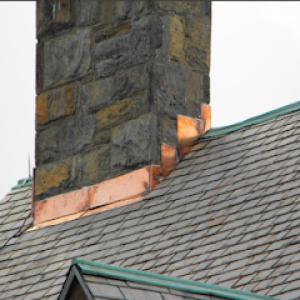
Leeland's Slate Roofing
(888) 927-5283 www.leelands.com
128 W Broad St, Reading, Pennsylvania
4.1 from 37 reviews
Slate Roofing contractor. New installations and repairs on all slate and tile roofs.
Wolfe Roofing A Tecta America Company
(610) 921-9176 www.tectaamerica.com
3907 Pottsville Pike, Reading, Pennsylvania
4.1 from 15 reviews
Wolfe Roofing, a Tecta America Company, LLC, is the largest industrial and commercial roofing contractor in Berks County, PA. We specialize in roofing for warehouses, malls, schools, shopping centers, and medical facilities. Our services include roofing installations, architectural sheet metal, waterproofing, and metal decking. Wolfe Roofing is known for delivering premium quality, competitive pricing, and exceptional customer service throughout Pennsylvania, including Berks, Montgomery, Lancaster, Philadelphia, Chester, and surrounding counties. Whether it’s a large-scale re-roof or a specialty metal project, our team is committed to doing the job right.
CR Multiples Services Corporation
1810 Liggett Ave, Reading, Pennsylvania
5.0 from 4 reviews
We are a small family company. Five years ago, we decided to make our own company and start as specialists in new roofs and roof repairs.
Reading Roofing Company
(610) 939-9390 www.readingroofingpa.com
1842 Kutztown Rd, Reading, Pennsylvania
4.3 from 9 reviews
Your roof is the integrity of your home. We offer roof repairs / replacement / siding work, gutters, aluminum work etc. Call us today to set up your No Cost quote. We are competitively priced and can work with your budget.
J&L Roofing
(610) 914-2889 jandlroofingllc.com
Serving
5.0 from 53 reviews
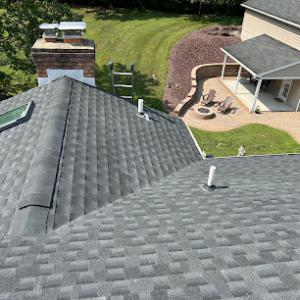
Since 1989, J&L Roofing, LLC, a family-owned business, has specialized in top-tier roofing services. As a GAF-certified Master Elite contractor, we guarantee superior craftsmanship with owner Luke Hoffman personally overseeing each project. Our dedicated team, consistent for over a decade, ensures excellence on every roof. Trust us for expert, focused roofing solutions in our community.
Pinnacle Pro Builders
(484) 793-9900 pinnacleproconstruction.com
Serving
4.6 from 13 reviews
We are a trusted construction and home improvement company specialising in remodelling, renovations, and roofing services for residential and commercial properties. Our focus is on delivering high-quality workmanship, clear communication, and reliable results that homeowners and property managers can depend on.

Economy Roofing & Siding
(610) 372-4480 economyroofingpa.com
Serving
4.0 from 49 reviews
When you need reliable roof installations and repairs in Berks County, look no further than Economy Roofing PA. We provide fast, affordable roofing, siding, gutter solutions with guaranteed workmanship, all delivered by experienced local contractors who understand the unique needs of our community. Don't let a leaky roof turn into a major headache. Contact us today for your free estimate, and let us provide the roofing solutions you need.
DePalma Roofing
(484) 561-5610 depalmaconstruction.com
Serving
4.9 from 42 reviews
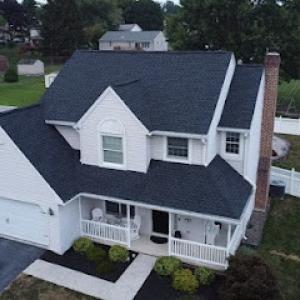
DePalma Construction has been serving homeowners for over 20 years, building a strong reputation in residential roofing and construction. We take pride in going beyond the standard, ensuring every job site is left spotless after completion. Our insurance coverage extends beyond general liability, protecting both our customers and our team for total peace of mind. Most importantly, we are committed to delivering high-quality roofing that stands the test of time.

Top Tier Exteriors
(610) 743-0902 toptierexteriors.pro
Serving
4.9 from 73 reviews
Top Tier Exteriors is a family-owned and operated, fully licensed and insured roofing and exterior remodeling contractor serving homeowners across Pennsylvania. We provide dependable, long-lasting solutions that enhance the safety, durability, and value of every home. Our services include roof repairs and replacements, siding installation, fascia and soffit upgrades, and gutter improvements, all delivered with superior workmanship and high-quality materials. Committed to integrity, transparency, and exceptional service, we guide you from consultation to project completion. Trust Top Tier Exteriors to protect and enhance your most important investment—your home.
First Choice Roofing & Remodeling
(610) 621-9244 www.firstchoiceroof.net
Serving
5.0 from 18 reviews
Founded in 2011, First Choice Roofing and Remodeling is a locally owned and operated roofing and exterior remodeling company that has proudly served Berks and Lancaster Counties. With over 15 years of experience, our founder and skilled team bring industry expertise and quality craftsmanship to each project. Our team provides the same high-quality work as larger companies, but with more personalized service and affordability.
Late spring through early fall is typically the safest replacement window in Reading because winter snow and freeze-thaw conditions can delay tear-offs and affect sealing performance. When the ground is thawed and the air is above freezing, crews can move materials without tracking mud into living spaces, and roof decks dry out more reliably after storms. For homes with steep slate- or shingle-roofs, this window minimizes the risk of ice dam formation during the work and helps ensure a solid, long-lasting seal around penetrations. Plan work to start after the last hard frost and finish before the first sharp cold snap, so the new roof has solid moisture control as soon as chilly nights return.
Summer humidity and heat in Reading can change installation pace and material handling, especially for adhesive-dependent shingle work. In hot stretches, asphalt and synthetic shingles can become soft or manage moisture differently, so crews may pace their tear-off and re-shingling to avoid fiber split or bond strain. Steel and metal placements benefit from cooler mornings, with fasteners checked for expansion under heat. High humidity can also affect plywood or underlayment conditioning, so inspectors will look for consistent dryness before sealing cap shingles and flashings. Expect longer days in July and August, with more frequent water control measures on the ground to keep debris from drifting into gutters and landscaped beds.
Autumn leaf drop in Reading adds debris and moisture retention concerns, so timing and cleanup matter before winter weather sets in. When trees shed heavily, gutters clog and valleys collect leaves, which can trap moisture next to the fascia and tarp systems. Scheduling to avoid peak fall foliage helps crews keep the roof clean during tear-off and reduces the chance of granule contamination when new shingles settle. Cleanup becomes a crucial daily step: nets and tarps stay in place until every spill is cleared, and hoses or vacuums are used to prevent debris from migrating into attic spaces or downspouts. If a storm precedes installation, a quick rain-then-dry-out plan should be in place so sealants cure properly and flashing yields an airtight seam.
For older homes with steep slopes common in the Schuylkill valley, start with a thorough inspection of ridge lines, valley intersections, and chimneys during the safer window. Prioritize tear-off when the forecast shows a stretch of dry weather, so new underlayment can dry out completely before the next front moves in. On slate and clay or concrete tile options, coordinate with specialists who understand the seasonal behavior of fasteners and mortar-based repairs, since Readings' freeze-thaw cycle can expose weak points after a heavy rain. Ensure temporary containment and a clear, tidy work zone each day, so autumn winds don't blow debris into the gutter system before you've sealed the last penetrations.
Get a clear picture of your project costs upfront - no commitment required.
Reading Roofing Company
(610) 939-9390 www.readingroofingpa.com
1842 Kutztown Rd, Reading, Pennsylvania
4.3 from 9 reviews

Asphalt shingles are a common fit for re-roofing projects in this area because they align with the city's large stock of older residential homes and broad contractor availability. You'll find a wide range of profiles-from basic 3-tab to higher-end architectural types-that can be installed on steeper pitches typical of many Reading roofs. When you plan for freeze-thaw cycles and wind-driven spring rain, look for shingles with good granule adhesion and a reinforced underlayment system. A well-sealed edge and continuous ventilation around the eaves help curb ice dam risk on steeper slopes, and modern synthetic underlayment can offer better moisture resistance during the tricky transitional seasons.
Slate remains locally relevant because many older Pennsylvania homes were originally built with slate-compatible roof structures and detailing. If the existing deck and rafters have the right load-bearing capacity, slate can deliver exceptional longevity and a classic look that complements historic curb appeal. However, slate's weight, along with the need for precise flashing around chimneys and dormers, means a thorough assessment of structural condition and compatibility with the current roofing footprint is essential. In homes with visible slate remnants or mixed roof lines, repairs should respect the original geometry to preserve the historic silhouette and water shedding behavior. Replacements or full reseaming should involve carefully matched slate and compatible guttering to prevent misalignment that could trap snow or funnel water toward vulnerable joints.
Metal roofing, tile (both clay and concrete), and wood shakes all appear in the local market, but weight and deck condition can significantly affect suitability on older homes. In particular, steep slopes and older framing may not readily accommodate heavy tile or dense slate without reinforcing the underlying structure. Metal panels can offer rapid installation and wind resistance, yet flashing complexity around chimney stacks, skylights, and eave intersections demands meticulous detailing. Wood shakes provide a rustic aesthetic and solid insulative value, but they require vigilant maintenance against moisture intrusion, insect concerns, and fire resistance, especially in areas where seasonal moisture cycles peak. Each option benefits from a careful roof plan that accounts for existing hardware, ridge lines, and any retrofit of underlayment to maintain a continuous barrier against freeze-thaw cycles. When considering any of these alternatives, inspect the condition of the existing deck, plus the integrity of ice and water shields, to ensure they can cope with the unpredictable spring deluge and wind-driven rain typical of the area.
The neighborhood fabric features homes with varied roof geometries, dormers, and flashing details. Matching the material choice to both the structural reality and the visible detailing helps maintain architectural character while delivering durable performance. For Reading, a material strategy that emphasizes compatible flashing, reinforced edge details, and robust underlayment often yields the best balance between longevity and maintenance. When in doubt, consult a local roofer who understands the nuances of historic detailing and the property's slope, ensuring the final roof not only sheds ice and water reliably but preserves the home's distinctive silhouette for decades.
If you're replacing a roof on an older steep-slope home, plan for a broad spread in price. Reading cost expectations span from about $350 to $700 per square for asphalt shingles, $600 to $1100 for metal, $1000 to $1800 for clay tile, $800 to $1300 for concrete tile, $450 to $900 for wood shingles or shakes, and $1500 to $2500 for slate. Those ranges reflect typical local labor and material differences, not an exact bid. In practice, the cheapest route is rarely the best long-term fix on a roof that has seen freeze-thaw cycles and storm stress.
Costs in Reading can rise on older homes where tear-off reveals damaged decking, outdated ventilation, or complex flashing around chimneys and intersecting rooflines. If your roof hasn't had a full tear-off in decades, expect extra work for deck repair, insulation under the roof line, and reworking ventilation to handle condensation and warmth. The steeper pitches common on many century homes also demand more precaution and specialized equipment, which adds to material and labor time.
Pricing can also move upward after winter damage or spring storm surges, when emergency demand and scheduling pressure affect availability. If a storm hits, crews shift to quick, high-priority jobs, which can push a standard replacement timeline and cost upward. For Reading neighborhoods with tight driveways, alley access, and older scaffolding setups, you may see a premium attached to expedited scheduling or after-hours work to prevent further interior damage.
For Reading homeowners, prepared budgeting means planning for higher upfront costs if you uncover hidden damages during tear-off and for seasonal scheduling shifts after winter and spring storms. A well-planned replacement that addresses decking, ventilation, and flashing now often saves trouble and expense down the line.
Don't let upfront costs delay a critical repair - these contractors offer payment plans to fit your budget.
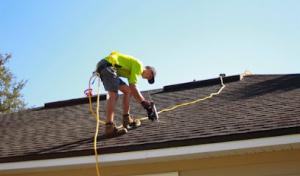
For a full roof replacement, a building permit is typically required through the City of Reading Building Department. That permit chain helps ensure steep-slope, historically styled homes withstand freeze-thaw cycles and wind-driven spring rain without failing prematurely. Skipping this step can mean not only a stop-work order but potential complications if storm season hits and inspections reveal gaps in venting or underlayment.
When you apply, expect to provide project details, the job address, and proof of contractor licensure before work proceeds. In a town of older housing stock with slate and steep pitches, the city often asks for equipment specs and installation methods that address weight, ventilation, and drainage. Having these elements lined up upfront reduces the risk of delays once crews are on site and weather starts testing the roof's resilience.
City inspections in Reading may occur during and after the job, with final approval typically checking venting, underlayment, and overall code compliance. The sequence matters: a mid-project check can catch improper nailing patterns on steep slopes, while a final review ensures that attic ventilation supports moisture control and that flashing around chimneys and vents won't trap ice or snow. If anything fails to meet code, the contractor will need to return for corrections before the final stamp is issued.
Coordinate timelines with your contractor so permit processing, material deliveries, and weather windows line up. Keep copies of all permit approvals and inspection notices on site, and document any changes to the original plan. Given Reading's freeze-thaw stress and winter snow loads on older homes, ensure venting and underlayment choices are appropriate for the slope and exposure. Understanding the permit and inspection path helps avoid costly reworks after a harsh stretch of weather has already stressed the new roof.
In Reading, roof claims are generally handled under standard homeowners policies when damage is tied to covered perils such as wind or hail. This means you should expect an adjuster to focus on damage caused by the storm itself rather than pre-existing wear from years of freeze-thaw cycles on steep-slope roofing. Insurers serving Reading may scrutinize older roofs more closely, so age, maintenance history, and pre-existing wear can affect claim outcomes. Keep in mind that a claim may involve both your roof and related components, like attic insulation or interior water staining, if the storm stress reached those areas.
Older, sloped roofs in houses with slate or shingle layouts commonly seen along the Schuylkill valley can develop hidden weaknesses that aren't obvious at first glance. The adjuster will likely request evidence of maintenance, prior repairs, and any recent enhancements. A well-documented history helps support your claim: show dates of previous fixes, photos of known issues before the storm, and notes from any recent contractor visits. If you have a history of timely maintenance or upgrades-such as improved underlayment, better flashing, or storm-resistant vents-collect receipts and warranties to share with the insurer. This local pattern matters because Reading's freeze-thaw cycles stress flashing seams and valleys, especially on steeper roofs.
Homeowners in Reading should document storm timing, photos, and contractor estimates because carriers often want weather-event context alongside visible damage. Take timestamped photos from ground level and from attic vantage points, noting any wind-driven debris, granule loss, curling shingles, or displaced flashing. Keep an on-site log of when rain began and ended, and observe if interior leaks coincide with heavy rain events. When you speak with adjusters, reference the storm's date and the observed damage patterns in steep-slope areas to align the claim with the actual weather event rather than unrelated roof wear.
Connect with contractors who help homeowners navigate the claims process from damage assessment to final approval.
The Helping Company
(610) 234-2210 thcexteriors.com
306 Kenhorst Blvd, Reading, Pennsylvania
4.9 from 185 reviews

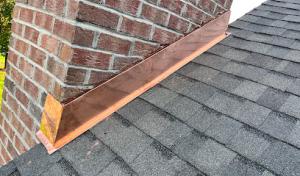
Chimney flashing is a recurring concern in Reading because many older homes have masonry chimneys intersecting steep roof planes. The joint where brick meets the roof is where failure shows up first after winter and spring rain. If flashing is tired, you will see weeping around the base and dark stains along the brick edge. The takeaway: inspect the intersection after freeze-thaw events and before the next storm. Neglecting flashing at this seam invites rot in the roof deck and interior damage.
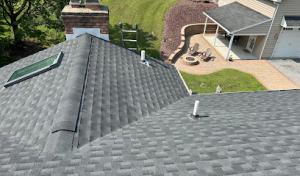
Skylight penetrations in Reading need careful flashing and sealing because spring rain and winter movement can expose weak detailing. A skylight crown that leaks around the frame is not always the glass-often the sealant, flashing pan, or curb seams have failed. When you see damp spots near a skylight, check the perimeter flashing first, then the curb seal. If the flashing is copper or aluminum, corrosion or loosening can masquerade as a weather leak months after a rain event.
Leak tracing in Reading often requires separating roof-covering failure from flashing failure on older re-roofed homes with multiple repair layers. Old shingles or underlayment may trap moisture and mislead a quick diagnosis. Start at the suspect flash line and work outward along the slope, checking for mis-seated shingles and damaged underlayment. With several layers, a small compromise can cascade into a larger problem.
If you notice staining or dampness, mark the spot and avoid heavy foot traffic there while you arrange a professional assessment. Point out chimney intersections and skylight corners to the contractor; those are your most productive clues in this climate. Prompt attention can stop minor leaks from turning into structural damage and insulation losses. Delaying a fix often increases the scope of repairs and the risk of interior mold in older homes.
Find contractors experienced in skylight installation, flashing, and leak repairs to bring natural light into your home.
The Helping Company
(610) 234-2210 thcexteriors.com
306 Kenhorst Blvd, Reading, Pennsylvania
4.9 from 185 reviews
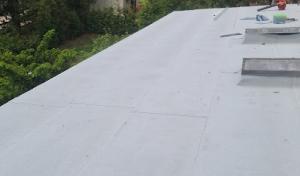
Flat and low-slope roofing shows up in Reading on porches, rear additions, and mixed-roof homes, even though steep-slope re-roofing dominates the market. The valley between a pitched main roof and a flat addition can be a weak point if drainage, flashing, or membrane connections aren't flawless. Freeze-thaw cycles, wind-driven rain, and occasional heavy snows stress these joints differently than a traditional steep-slope system. Pay close attention to how these sections tie into the older pitched roof, because the transition is where failures often begin.
In this climate, standing water on flat sections is not uncommon after a steady rain or a brief warm spell that melts surrounding snow. Ensure that the flat portion has a proven drainage plan that moves water away from the seam lines and into a proper scupper or edge drain. Slope can be very shallow, but the membrane or built-up system should maintain positive drainage. Inspect for a uniform roof plane without misaligned seams, and confirm that membrane edges are sealed along all penetrations, including skylights, vents, and plumbing stacks. For porch roofs that share a connection with a main roof, the transition should use a compatible flashing detail that can cope with freeze-thaw action without becoming a leak path.
Flashing around transition points-where flat additions meet pitched roofs-needs robust corner work and continuous protection against wind uplift. Seams where roofing underlayment meets flashing must be continuous and free of gaps. In Reading's climate, consider flashing materials with good cold-weather performance and resistance to cracking at fasteners. Where a flat roof abuts a brick or stone facade, use a corrosion-resistant metal flashing with a properly sealed counter-flash to prevent edge infiltration. If a parapet exists, cap it securely to prevent water intrusion from wind-driven spray during storm events.
Seasonal checks are essential. After winter, inspect the flat portion for hairline ponding, lifted edges, or dried-out sealant. In spring, look for new pooling near transitions and around penetrations. Keep drains clear of leaves and debris, as clogged scuppers can turn a routine shower into a seepage problem. For any addition with mixed roofing, perform a careful visual inspection of both the flat and pitched sections to ensure continued compatibility and robust weather sealing.
Find specialists in TPO, EPDM, and built-up flat roofing systems for residential and commercial properties.
HW Building & Remodeling
(484) 651-2337 www.hwbuildremodel.com
1410 Palm St, Reading, Pennsylvania
4.7 from 23 reviews