Last updated: Apr 19, 2026
Inman sits in the Upstate South Carolina weather pattern where spring hail and summer thunderstorms regularly drive roof damage and insurance activity. The pattern means rapid shifts from calm to severe weather, and that cycle can leave your roof vulnerable just when you're trying to plan around it. A careful, proactive approach now can save you from frantic scrambling later when the next storm hits.
When hail or strong winds strike, action should be immediate. Hail can leave pockmarks and granule loss on shingles that friends or neighbors might not notice right away. Take clear photos from multiple angles, both up close and across the roof line, and document any dented vents, damaged flashing, or ceiling stains inside the attic. Your insurer will often want before-and-after photos, damage documentation, and roof-age details if a claim is filed. In this market, having solid, organized documentation speeds the claims process and can prevent delays caused by missing information.
Local reroof scheduling is strongly affected by the need to catch dry spring or fall installation windows between severe-weather periods. The spring-to-summer pattern means you're most likely to get steady progress when days are dry and wind is calm enough to protect workers and materials. Delays pile up quickly if a storm rolls in or if high humidity sets in. If you're facing a hail event, map out a two-step plan: first, secure temporary measures if needed to prevent interior water intrusion, and second, align with the contractor to lock in a dry window as soon as forecasts predict a stretch of calm weather. This isn't a "when you can" decision-it's a now-or-then choice that keeps your project from getting stalled by storms that routinely sweep through the region.
Choosing a roofer who understands the local weather rhythm matters. A local crew will recognize the typical onset of thunderstorm activity and knows how to stage work to minimize weather-related setbacks. When you start the claim, your roofer should help you compile the required documentation, explain the scope of work in plain terms, and coordinate with your insurer on timelines. Expect to discuss wind and hail adjustments, proper underlayment, and flashing details that address the way storms tend to stress South Carolina roofs. The right team will also help you plan around the county's typical inspection cadence so you're not surprised by a mid-project hold.
South Carolina insurers commonly ask for before-and-after photos, damage documentation, and roof-age details after hail or wind losses, which matters in a market with frequent storm claims. Have your prior maintenance records handy, including known roof ages and any previous repairs. If your insurer requests an inspection, have your roster of questions ready and refer to the documented evidence you collected early. You'll want a clear, concise explanation of what failed, what was repaired, and how the new installation will improve durability against future spring hail and summer storms. The goal is to keep the process steady: minimize back-and-forth, avoid last-minute changes, and secure a scheduled start that fits the dry-window strategy.
Timeliness is the key here. The window between severe-weather events in spring or fall is your precious runway. If a claim is approved but timing slips, you risk losing the long, dry stretch needed for a proper installation. Coordinate with your insurer and contractor to secure a concrete start date as soon as a dry spell is forecast, and build in contingency plans for scheduling delays caused by weather. In this climate, being decisive and prepared with documentation-and ready to move fast when the forecast turns favorable-can protect your home from further damage and keep your reroof on track.
Roof ResQ
(864) 202-5767 www.roofresq.com
121 Windmill Hill Rd, Inman, South Carolina
5.0 from 39 reviews
RoofResQ offers some of the best roofing installation and repair services in the upstate of South Carolina. We believe in working with excellence, patience and commitment. Our goal is to provide you with the best of services and get it right, the first time. We do quality high end work with quality materials we do not skimp on anything, Owner satisfaction guaranteed!!
Fraser Roofing
(864) 774-9586 www.fraserroofingllc.com
Serving
4.9 from 745 reviews
Experiencing issues with your roof? You can count on Fraser Roofing, LLC to service all your residential and commercial needs! We handle repairs, full replacements, storm assistance, and gutter services. Our go-to system is CertainTeed shingles, installed by a Select ShingleMaster–certified team for lasting protection. For higher-end style and resilience, we selectively offer DaVinci composite roofing and F-Wave synthetic shingles. Contact us for a free estimate.
First Choice Constructors S&B
(864) 266-0632 firstchoiceconstructors.com
Serving
5.0 from 116 reviews
First Choice Constructors S&B serves you in all of your roofing, siding, and guttering needs. We ensure high-quality residential roof, gutter, and siding repairs, replacements, and installations. We offer a variety of top-tier materials to choose from for our: roofs (metal and shingle), siding (vinyl, fiber cement, and aluminum), and gutters (5 and 6 inch K-style). Our goal is to provide you with a durable and long lasting home with an elevated curb appeal. There’s no job ever too big, small, or dirty for us. Book an appointment online or give us a call! We are bilingual (English/Español). Check out our website for more information or locate our website calendar tool to reserve a time slot for your own appointment.
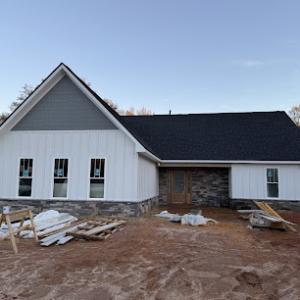
Justice Exteriors
(864) 766-3485 www.justiceexteriors.com
Serving
4.9 from 54 reviews
Roofing Installs & Repair Your roof is your home's main defense against the elements. Let us walk you through the best options to fit your needs and once you feel comfortable with your choice, we'll handle the complete installation Exterior Contracting Age and environmental factors can wreak havoc on your home. Ignoring problems for too long can cause headaches down the road. Start with a free inspection today!

MCA Construction & Roofing
(864) 589-4929 www.mcaupstate.com
Serving
4.9 from 141 reviews
MCA Construction & Roofing, a family-owned business, tackles residential roofing, deck building, and large-scale remodeling projects in the upstate area. We deliver meticulous craftsmanship, ensuring each project receives the same attention to detail as if it were their own home.
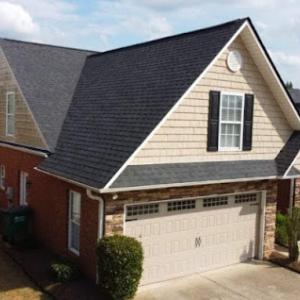
Next Level Roofing Claim Services
Serving
5.0 from 82 reviews
Next Level Roofing is dedicated to providing honest and dependable roofing services to our customers. With our focus on quality, integrity and performance we strive to build the best roofing systems available. Thank you for the opportunity. We would be honored to earn your business!
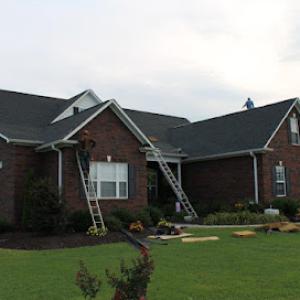
Roofing Experts
(864) 420-6196 www.scroofingexperts.com
Serving
4.6 from 22 reviews
Are you thinking about getting a new roof or replacing your existing one in Upstate SC? Do you need to add siding works and rain gutter options to your project? Not a problem! Roofing Experts is ready to assist you in achieving a leak-free roof and sleek-looking exterior. No need to search - call Roofing Experts today to talk to our friendly staff about roof or siding inspection, repair, restoration, and installation services. Let our family-owned roofing team with 15 years in business work for you. If you have roof leaks or siding damages, we'll find them, fix them, and earn you satisfaction.
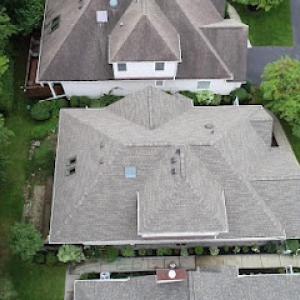
Edge Roofing
(864) 572-8494 edgeroofingllc.com
Serving
5.0 from 80 reviews
Edge Roofing, LLC is a family-owned company with over 15-years of history for providing exceptional service in all aspects of roofing. Proudly serving Greenville and Spartanburg areas. Book an estimate today! Contact us at 864.572.8494

WNC Roofing - Commercial Roofing Contractors
Serving
5.0 from 10 reviews
WNC Roofing specializes in commercial and industrial roofing. We Service Spartanburg, SC and the surrounding Upstate area. We provide expert solutions for commercial and industrial facilities in all industries. Our Services: Commercial Roof Inspection & Maintenance – Prevent costly repairs with proactive care. Commercial Roof Repair & Replacement – From minor fixes to full-scale installations. Gutters & Wall Panels – Protect your building with proper drainage and panels. EPDM, PVC, TPO, Metal, & More – Industry-leading materials tailored to your needs. Fully licensed, insured, and bonded in South Carolina. Stop putting up with subpar service and roof issues. Contact us today!

Cannon Roofing
(864) 774-4071 cannonroofing.com
Serving
4.9 from 81 reviews
Cannon Roofing in Spartanburg, SC specializes in professional roof replacements designed to protect homes and businesses across the Upstate. Our experienced roofing contractors handle complete tear-offs, re-roofs, and new installations with durable materials that stand up to South Carolina’s heavy rain, high humidity, and seasonal storms. We also address issues like wind damage, leaks, and aging shingles to restore both function and curb appeal. Known for reliable service and attention to detail, Cannon Roofing is the local choice for homeowners who value quality workmanship and clear communication. As licensed and insured professionals, we are trusted roofers committed to serving Spartanburg and surrounding communities.
Jordan Roofing
(864) 612-6246 www.weroofsc.com
Serving
4.7 from 31 reviews
Local Roofing Company that services the upstate of South Carolina with helping homeowners process insurance claims and exterior home repairs, damages or upgrades. Licensed, Bonded, and Fully Insured!
Guy Roofing
Serving
4.4 from 898 reviews
Guy Roofing is a national full-service roofing contractor delivering quality residential, commercial, and industrial roofing solutions. Trusted by developers, general contractors, property managers, and building owners alike, Guy Roofing uses only best-in-class roofing materials, innovative technology, and a rigorous training curriculum. Leveraging over fifty years of roofing industry experience with up-to-date installation methods, Guy Roofing offers unparalleled quality, service experience, and value. From initial inspection to final installation, Guy Roofing’s worksites are managed with the utmost professionalism, diligence, and strict adherence to safety regulations.
The spring-to-summer storm cycle drives every reroof decision in this area. Dry spells in late spring and early fall are prime windows because installation crews can work steadily without reversing weather delays. Inman experiences hot, humid Upstate summers that slow progress and add heat stress on workers and materials, so planning reroof work for a cooler stretch within those optimal dry periods helps keep the job moving and the new roof performing well. When a storm system rolls in, thicker humidity and lurking hail can raise the risk of scratches or sealant failure if work sits exposed. Aligning the project to extended dry days, typically interspersed between late spring rains and early fall fronts, minimizes rework and accelerates a proper, long-lasting install.
Fall and the shoulder weeks just before and after them are especially valuable for a reroof. Those windows tend to offer longer stretches of dry weather and cooler temperatures, which improves shingle adhesion and reduces heat-induced warping for certain materials. Inman homeowners should watch the calendar for back-to-back dry days, not just a single dry afternoon, to maintain steady progress and avoid interrupting the sequence of shingles, underlayment, and flashing. The dry spring and fall periods also give a buffer against late-season heat spikes, which can halt synthetic or composite installs that rely on precise curing conditions.
Fall rain events and tropical storm remnants can disrupt scheduling even this far inland, so more lead time-than-expected is prudent. If a storm is forecast within a two- to three-week window, consider rescheduling early rather than letting a weather front push coverage gaps into the wet season. A conservative plan accounts for potential mid-project weather setbacks, ensuring enough dry days remain to complete sealing and flashing before the harshest heat or the next wave of storms returns. Inman homeowners benefit from building a cushion into the timeline-especially when coordinating with crews that prefer continuous blocks of dry weather for best results.
On the practical side, start by selecting a roofing contractor who can commit to a dry-weather plan and has a track record of managing storm-season interruptions with minimal downtime. Confirm that the crew prioritizes the correct sequence: remove old material, inspect the deck, install underlayment, apply flashing, and finalize vents and accessories before the final cap. Protect landscaping and exterior living spaces from debris during the dry spell, and set realistic milestones so that each stage lands in consecutive dry days rather than a patchwork of sun and showers. Have a contingency plan for wind-sensitive days, since gusts can complicate shingle placement and lift. This city-specific approach-leaning into dry springs, opting for fall sequencing, and anticipating inland storm disruptions-helps ensure the reroof endures the next wave of Upstate weather without premature maintenance calls.
Get a clear picture of your project costs upfront - no commitment required.
Hayes Roofing
(864) 586-3338 hayesroofingsc.com
5079 SC-9, Inman, South Carolina
4.8 from 305 reviews
Glenn Garrett & Son
11631 Asheville Hwy Suite G, Inman, South Carolina
5.0 from 18 reviews

Asphalt shingles dominate many Inman-area homes because they fit the local reroof market and are the lowest-cost option in the provided range. They're familiar to local weather patterns-quick to install, decent wind resistance in standard configurations, and relatively forgiving in the face of spring hail and summer thunderstorms. For homeowners who expect a mix of storm exposure and dry spells, asphalt can be reliable, easy to patch, and widely available through local suppliers and installers who understand the seasonal timing it takes to complete a reroof around big weather events. If you're weighing a reroof this spring or early summer, asphalt shingles often offer the most predictable timeline and service network in this market.
Metal roofing has a meaningful specialist presence locally and is often considered by Upstate homeowners looking for stronger performance against repeated storm exposure. In practice, metal can excel in hail-prone springs and windy afternoons, and it tends to shed rain quickly while resisting impact in many installations. The trade-off is that metal typically involves a more deliberate installation process and a slightly higher upfront coordination with local installers who handle the material and flashing details well. If your roof faces frequent hail or you anticipate rapid post-storm dry periods, metal can be a durable, performance-focused option that aligns with nearby contractor expertise.
Tile, wood shake, and synthetic options exist in this market, but their use is more selective and must be weighed against structural load, moisture exposure, and local installer availability. Clay and concrete tiles bring a distinctive aesthetic and long service life, but they add substantial weight and may require structural assessment and reinforcement. Wood shakes offer traditional curb appeal but can be more prone to moisture-related issues and require maintenance to prevent splitting or mold growth when humidity and storms are intense. Synthetic shingles provide a balance between appearance and performance, often delivering easier installation and moderate resilience, but still need careful selection to match local climate challenges. In regions with heavy spring rainfall and summer storm cycles, the right synthetic or tile choice hinges on ensuring adequate underlayment, proper ventilation, and a contractor who can navigate the seasonal storm window without compromising a timely repair.
When you're deciding, balance the roof's existing structure, the typical weather window for reroofing, and the local contractor network that can deliver reliable storm-season service. Asphalt shingles remain the most accessible, while metal offers enhanced storm resilience if the local installer recommends it for your roof geometry. If considering tile, wood, or synthetic options, connect with a local roofer who understands how these materials perform in the Upstate humidity, hail exposure, and temperature swings, and who can align installation with the typical dry spells that follow severe weather.
Inman-area pricing ranges from about 350 to 650 USD per square for asphalt shingles, 700 to 1300 for metal, 1000 to 2700 for clay tile, 900 to 1900 for concrete tile, 600 to 1800 for wood shingles or shakes, and 520 to 1200 for synthetic or composite shingles. After hail and wind events, those numbers can shift upward quickly as demand spikes across Spartanburg County and nearby Upstate communities. When the weather turns loud and wet, crews and materials tend to be in higher demand, which translates to higher bids and shorter windows to schedule a full reroof.
Storms drive more than just need. Inspections, carrier-adjusted loads, and rapid debris cleanup push reroofs into busier calendars. If you can stage work for a drier stretch, you can often lock in steadier pricing and a smoother process. In practice, the best window is a dry period after spring hail, before the first heavy summer storms, with an eye toward finishing before the onset of the monsoon pattern that can push moisture into attic spaces and complicate venting and flashing details. The goal is to minimize interim costs from weather-related delays and to avoid rushed decisions when storms are fresh in the market.
Shingle choice sets the baseline, but local realities add detail. Asphalt shingles sit at the lower end of the spectrum, while metal and concrete or clay tiles command higher price tags that reflect longer lifespans and heavier roof loads common in this area. Venting and flashing requirements, plus wind-resistance detailing, can nudge the total cost within the mid-to-upper ranges for any material. In a storm-affected market, contractors may emphasize upgrade options-better underlayment, enhanced edge vents, and higher wind-rated flashing-to reduce chance of future damage, and those upgrades can influence the final figure.
Begin by documenting hail or wind damage promptly, then obtain multiple cost estimates to gauge whether prices align with the current market spike. Ask about the inclusion of comprehensive venting improvements and wind-resistance upgrades in the scope, and request a written plan that preserves dry weather windows. If timing is tight, prioritize critical components like flashing around chimneys, valleys, and skylights, and factor in potential rework if weather forces a pause. By coordinating weather-safe scheduling with a clear scope, you minimize the risk of weather-driven cost creep and keep the project on track through the storm season's aftershocks.
A full reroof in Inman typically requires a permit through the local building department serving the city and county jurisdiction. This isn't a formality to skip during a storm-rebuild sprint; it's the backbone that keeps your project aligned with wind-resistance, venting, and flashing standards that matter in this climate. If a contractor suggests they can start "without paperwork" to save time, that shortcut often ends up costing more in rework and potential delays when the inspection clock starts ticking. The permit makes sure the plan matches what your home needs for protection against the Upstate's spring hail and summer deluges.
Applications generally require project details and material specifications before work begins. Be prepared to show roof type, underlayment choice, venting strategy, flashing around chimneys and vents, and the proposed nailing pattern for wind load. Inman homes come in varied shapes and old layouts, so the reviewer will look for compatibility with existing eaves, fascia, and attic ventilation. If you're reroofing a historic or architecturally distinctive home, extra documentation may be requested to confirm that the design respects neighborhood character while meeting code.
Inspections are commonly staged during reroofing, including underlayment or rough-in and final inspection, with attention to venting, flashing, and wind-resistance details. The underlayment stage checks moisture barriers and fastener patterns; the rough-in looks at how the roof is wired to existing systems, and the final verifies that everything is sealed, vented, and weather-tight. In a storm-prone area, a clean wind-resistance detailing plan matters-especially at hips, valleys, and rakes, where leaks tend to start if flashing isn't correctly integrated.
Because severe weather tends to tighten windows for dry, safe roofing days, coordinate a realistic timeline with the permit office and the contractor. Dry spells between spring storms and summer storms are precious for inspections and work progression. If a permit lapses or inspections are missed, you may see interruptions that push recovery well past the most favorable weather gaps.
Skipping the permit or the staged inspections can lead to notice of violation, required removal of noncompliant work, and difficulties when you file insurance claims after a hail event. It can also affect future resale integrity and maintenance records for your home. A properly managed permit path helps ensure the project stands up to county review and to the weather-driven realities of this area.
South Carolina is a regular hail and wind claim market, and that pattern plays a big role in how policies get renewed and how insurers view older roofs. Inman homeowners often see carriers tighten their appetite over time, especially when the roof shows aging or prior storm damage. When the weather turns nasty in spring or summer, the condition and age of the roof can tilt the odds in favor of a claim being approved, or in some cases, a policy being renewed at all. The consequence is that decisions about coverage can hinge on a roof's ability to withstand another round of wind-driven hail impacts, not just on the current bill for repairs.
For repairs or replacements, the insurer will want solid records that back up what happened and when. Wind-mitigation details, installation quality, and the presence of components like new underlayment or fasteners can influence both claim outcomes and the likelihood of renewal options being offered. Inman homeowners should keep a well-organized folder of documents: photos from after a severe hail event, dated contractor notices, installation receipts, and any inspection reports that note roof age and condition. When the claim window opens, that documentation can slow things down or speed them up depending on how complete it is. In practice, a clean paper trail translates into less friction during review and fewer questions about whether the roof has reached the end of its useful life.
If a hail or wind event hits, act quickly to assess damage with a critical eye, focusing on symptoms that insurers actually flag-granule loss, curling, and unseen leaks. Obtain professional evaluations that specifically address wind resistance and fastener integrity, not just cosmetic repairs. Keep in mind that the age of the roof, paired with the local storm pattern, will shape how an insurer views your risk profile during renewal or claim evaluation. The more you can demonstrate proactive maintenance and robust installation quality, the better your position when underwriting decisions are made.
Local inspections may specifically verify flashing and venting details, signaling that these are common failure points during reroof review in this market. Inman homes sit under frequent spring hail and summer moisture, so a tired or improperly installed flashing can start leaking long before any shingles show wear. Pay attention to the transitions where metal meets roof deck, around pipes, and at valley intersections. A simple misstep in these spots often shows up as a slow drip after a thunderstorm or a quick freeze-thaw cycle.
Frequent thunderstorms and moisture exposure in the Upstate make flashing transitions more vulnerable if they were rushed during wet-weather installation. If a roof was nailed off on a damp day or flashed with compromised sealant, one heavy rain can expose the weak joint. Inman weather patterns also mean you should scrutinize any roof section that changed slope or direction abruptly. When meeting with contractors, ask specifically how they ensure every transition stays watertight after drying sun, and request a plan for post-storm checks during the first weeks after reroofing.
Chimney-related roof intersections matter in this market because chimney work appears often enough among local contractor offerings to indicate recurring homeowner need. Look for flashing that seals the chimney base to the roof plane, along with step or counter-flashing details that tie into vent stacks near the chimney chase. If the chimney has a brick or masonry base, verify the mortar joints and cap flashing are addressed, since these areas often sustain wind-driven rain and hail impacts. Inman homes benefit from a thorough review of chimney-to-roof interfaces as part of any reroof plan.
Find contractors experienced in skylight installation, flashing, and leak repairs to bring natural light into your home.
Glenn Garrett & Son
11631 Asheville Hwy Suite G, Inman, South Carolina
5.0 from 18 reviews
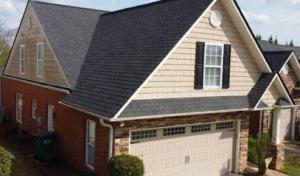
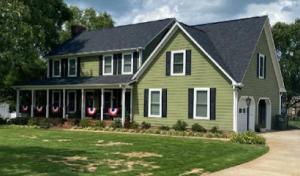
Flat and low-slope roofing is not the dominant roof type here, but it shows up often enough in local contractor specialties to matter for additions, porches, and some mixed-roof homes. Inman's humid, storm-prone pattern means the low-slope sections you add or retrofit must be treated as a dedicated moisture control zone, not an afterthought tucked behind a steeper main roof.
When planning a low-slope area, prioritize drainage first. Ensure that there is a clear, unobstructed path to the nearest infeeder, and confirm that you have a adequate slope to keep water moving toward any designated discharge points. Use properly sized membrane seams and field laps, and specify graduated edge details that minimize ponding along the eave lines. In this climate, a secondary drainage path-such as a scupper or interior gutter with a backwater flap-can save a lot of trouble during heavy spring storms.
Moisture control starts at the edge. Pay extra attention to edge detailing on low-slope sections where gutters meet the roofing. Install reliable underlayment and venting strategies that suit a humid environment, and choose materials with proven moisture resistance for the region. Consider a vented drip edge or transitional flashing that can handle rapid shifts from wet spring rain to humid summer days, reducing the risk of capillary pull and slow leaks.
Winter freezes in the Upstate can create drainage and edge issues on newly installed low-slope sections if water movement is not handled correctly. Plan for compliant thermal expansion gaps, secure fastening along perimeter zones, and a sturdy termination at the roof edge to prevent ice damming and ice buildup near transitions to steeper roofs.
On mixed-roof homes, coordinate the low-slope addition with the main roof so that transition details are continuous and watertight. Match or harmonize flashing metals, sealants, and protective coatings to the surrounding roof system, and verify that the new section aligns with the established drainage rhythm of the house.
Find specialists in TPO, EPDM, and built-up flat roofing systems for residential and commercial properties.
WNC Roofing - Commercial Roofing Contractors
Serving
5.0 from 10 reviews