
Last updated: Apr 19, 2026
Boiling Springs sits in Spartanburg County's Upstate storm corridor, where spring hail and summer severe thunderstorms commonly trigger roof inspections and replacements. When a major storm rolls through, the timing of a claim can hinge on how quickly damage is documented and how well the documentation aligns with what the adjuster expects. Hail can leave invisible bruising that worsens with heat, wind-driven shingle lift, and undersides of the roof decking, all of which can escalate from a minor surface issue to a full replacement decision within days after the storm passes. The risk is real, and the window to act is tight.
Local insurance handling is heavily shaped by wind and hail claims, with adjusters often asking for date-stamped photos and maintenance history after regional storm events. You should prepare a concise storm report that lists dates, locations, and the specific areas of impact on the roof, gutters, and vents. Take high-resolution photos from multiple angles: sunrise and sunset lighting can reveal lifted edges, while mid-day shots help show hail impact patterns on shingles. Keep a simple maintenance log-previous repairs, patch attempts, and prior inspections-so the adjuster sees a clear history rather than a patchwork timeline. When the adjuster arrives, present the documentation first, then walk through the roof line by line to confirm what is being considered for replacement and what is deemed repairable. In the Upstate market, a well-documented file can shorten the claim and set expectations for the scope of work.
If a storm is forecast or has just passed, you want a pre-loss baseline that buyers and homeowners can lean on. Start by capturing the condition of every vent, valley, and chimney flashing; backup cameras or a laptop with a timestamped folder can help you organize, date, and store images. Note any signs of granule loss on asphalt shingles, curling edges, or exposed decking in areas where hail hit hardest. Record attic temperatures and any signs of moisture penetration after storms, because hidden damage can drive a larger claim later. A simple, dated map of your roof with annotated problem areas can become the backbone of your claim package, showing the adjuster exactly where to focus their inspection.
Replacement demand can spike after major Upstate hail events, affecting scheduling and making pre-loss roof documentation especially important for homeowners. If your roof is near the end of its life or shows widespread impact, expect a faster move toward replacement-so you want to be ready with your documentation before the insurer assigns an adjuster and before any temporary repairs start masking deeper damage. Fast action is essential: schedule a licensed roof inspection promptly, photograph the roof again, and compare new images to your pre-storm documentation. If you know a storm is due, coordinate with a trusted local roofer to perform a quick assessment after the event and to package that assessment with your insurance submission.
Limit exposure by organizing a simple storm-response kit: a timeline, dated photos, a maintenance log, and a list of visible concerns. After a storm, initiate a claim promptly, but never rush into repairs before the adjuster finalizes the scope. Rely on a local roofer who understands the Upstate climate, common Boiling Springs housing styles, and the typical insurance response pattern for wind and hail. With the right documentation in hand, you reduce the risk of being underpaid or faced with unnecessary delays when storm damage is real and visible.
Find local contractors experienced in assessing and restoring roofs after hail, wind, and severe weather events.
Justice Exteriors
(864) 766-3485 www.justiceexteriors.com
115 Shoally Park Dr, Boiling Springs, South Carolina
4.9 from 54 reviews
Fraser Roofing
(864) 774-9586 www.fraserroofingllc.com
110 Rainbow Lake Rd C, Boiling Springs, South Carolina
4.9 from 745 reviews
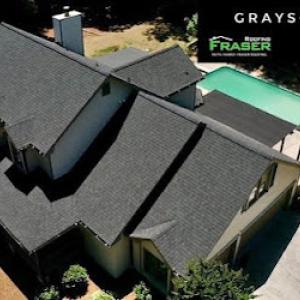
Experiencing issues with your roof? You can count on Fraser Roofing, LLC to service all your residential and commercial needs! We handle repairs, full replacements, storm assistance, and gutter services. Our go-to system is CertainTeed shingles, installed by a Select ShingleMaster–certified team for lasting protection. For higher-end style and resilience, we selectively offer DaVinci composite roofing and F-Wave synthetic shingles. Contact us for a free estimate.
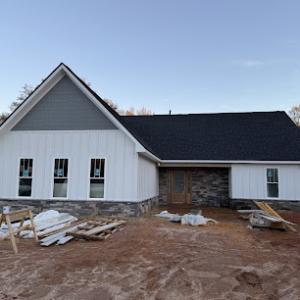
Justice Exteriors
(864) 766-3485 www.justiceexteriors.com
115 Shoally Park Dr, Boiling Springs, South Carolina
4.9 from 54 reviews
Roofing Installs & Repair Your roof is your home's main defense against the elements. Let us walk you through the best options to fit your needs and once you feel comfortable with your choice, we'll handle the complete installation Exterior Contracting Age and environmental factors can wreak havoc on your home. Ignoring problems for too long can cause headaches down the road. Start with a free inspection today!
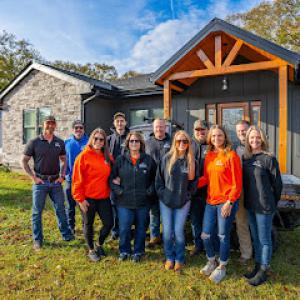
MCA Construction & Roofing
(864) 589-4929 www.mcaupstate.com
Serving
4.9 from 141 reviews
MCA Construction & Roofing, a family-owned business, tackles residential roofing, deck building, and large-scale remodeling projects in the upstate area. We deliver meticulous craftsmanship, ensuring each project receives the same attention to detail as if it were their own home.

WNC Roofing - Commercial Roofing Contractors
Serving
5.0 from 10 reviews
WNC Roofing specializes in commercial and industrial roofing. We Service Spartanburg, SC and the surrounding Upstate area. We provide expert solutions for commercial and industrial facilities in all industries. Our Services: Commercial Roof Inspection & Maintenance – Prevent costly repairs with proactive care. Commercial Roof Repair & Replacement – From minor fixes to full-scale installations. Gutters & Wall Panels – Protect your building with proper drainage and panels. EPDM, PVC, TPO, Metal, & More – Industry-leading materials tailored to your needs. Fully licensed, insured, and bonded in South Carolina. Stop putting up with subpar service and roof issues. Contact us today!

Modern Roofing
(864) 274-0828 modernroofingusa.com
Serving
4.9 from 28 reviews
Modern Roofing offers top-quality residential roofing services, specializing in insurance claims across Spartanburg and the surrounding areas. With over 10 years of experience and the use of best-in-class materials, we ensure a superior service experience and outstanding value, prioritizing safety and satisfaction from start to finish.
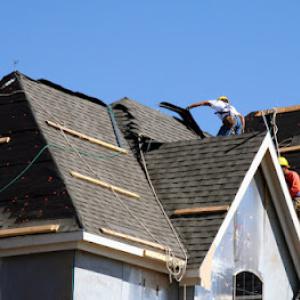
Southern National Roofing
(864) 734-5926 southernnationalroofing.com
Serving
4.2 from 149 reviews
We are your local branch of Southern National Roofing. We are A+ Rated and Accredited with BBB, Master Elite Certified, and Google-Approved Roof Replacement Specialists.
Jordan Roofing
(864) 612-6246 www.weroofsc.com
Serving
4.7 from 31 reviews
Local Roofing Company that services the upstate of South Carolina with helping homeowners process insurance claims and exterior home repairs, damages or upgrades. Licensed, Bonded, and Fully Insured!
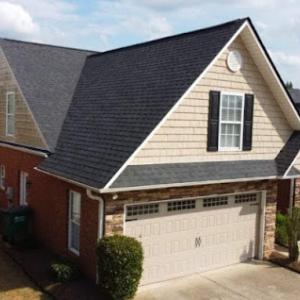
Next Level Roofing Claim Services
Serving
5.0 from 82 reviews
Next Level Roofing is dedicated to providing honest and dependable roofing services to our customers. With our focus on quality, integrity and performance we strive to build the best roofing systems available. Thank you for the opportunity. We would be honored to earn your business!
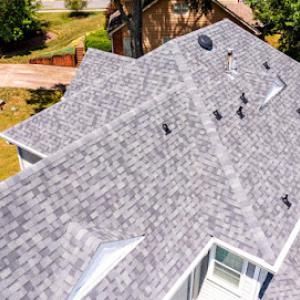
Guy Roofing
Serving
4.4 from 898 reviews
Guy Roofing is a national full-service roofing contractor delivering quality residential, commercial, and industrial roofing solutions. Trusted by developers, general contractors, property managers, and building owners alike, Guy Roofing uses only best-in-class roofing materials, innovative technology, and a rigorous training curriculum. Leveraging over fifty years of roofing industry experience with up-to-date installation methods, Guy Roofing offers unparalleled quality, service experience, and value. From initial inspection to final installation, Guy Roofing’s worksites are managed with the utmost professionalism, diligence, and strict adherence to safety regulations.

Cannon Roofing
(864) 774-4071 cannonroofing.com
Serving
4.9 from 81 reviews
Cannon Roofing in Spartanburg, SC specializes in professional roof replacements designed to protect homes and businesses across the Upstate. Our experienced roofing contractors handle complete tear-offs, re-roofs, and new installations with durable materials that stand up to South Carolina’s heavy rain, high humidity, and seasonal storms. We also address issues like wind damage, leaks, and aging shingles to restore both function and curb appeal. Known for reliable service and attention to detail, Cannon Roofing is the local choice for homeowners who value quality workmanship and clear communication. As licensed and insured professionals, we are trusted roofers committed to serving Spartanburg and surrounding communities.
Eagle One Services
(864) 621-6570 eagle1service.com
Serving
4.8 from 17 reviews
With 15 years in service and over 30 years of combined experience in home construction, Eagle One Services is proud to be a trusted, local, family-owned business serving homeowners across Upstate South Carolina.
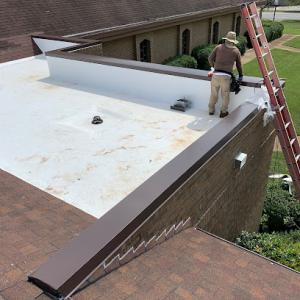
Standard Roofing Systems
(864) 531-1113 www.standardroofingllc.com
Serving
4.7 from 14 reviews
Standard Roofing Systems is a roofing contractor locally owned and operated for over 35 years in Spartanburg and surrounding areas. With decades of experience, we understand our customers' individual needs and get the job done right, the first time. Whether it's a leaking roof, roof maintenance, or guttering replacement, we pride ourselves on being a roofing contractor you can trust. Our goal is to wow our customers by providing personalized care and the highest quality work from the initial phone call to the final goodbyes. When you deal with Standard Roofing Systems, you're dealing with family! Do you need a roof repair? If the answer is yes, give us a call and we will give you $1,000 off your roof replacement, simply for your support!
Typical local pricing ranges run about $350-$650 per square for asphalt shingles, $700-$1200 for metal, $1100-$2100 for clay tile, $900-$1500 for concrete tile, $500-$900 for synthetic/composite shingles, and $1400-$2900 for slate. In Boiling Springs, most new-home re-roofs land in the asphalt-shingle lane, but a growing share of homes with steeper pitches or upgraded look push projects into metal or tile territory. When you're evaluating bids, ask for price per square and note whether the quote includes tear-off, disposal, underlayment, and life-cycle warranties. For metal or tile options, confirm whether fasteners, attic ventilation improvements, and roof deck reinforcement are included, since those items can add to rough labor hours on a suburban detatched-home roof.
Storm-driven surges in demand across Spartanburg County can raise labor lead times and pricing pressure after hail or wind events. If a hailstorm hits in the late spring or summer, expect crews to book out 2-6 weeks or more for popular shingle colors or specialty products, with pricing sensitivity tied to contractor availability and material shipments. Plan ahead for potential delays and factor in a buffer for both scheduling and material backorders. When a major event has just passed, request a written schedule and a phased payment plan tied to milestones (tear-off complete, underlayment installed, final inspection) to keep the project moving even if mill shortages occur.
Boiling Springs' largely suburban detached-home stock means many projects are straightforward residential re-roofs, but steeper architectural roofs and heavier tile or slate systems can increase labor and structural considerations. A steeper pitch often requires extra safety measures and longer setup times, raising both labor hours and disposal costs. Heavier tile or slate adds weight, which may demand structural assessment and potential reinforcement to meet load requirements. If you're choosing tile or slate, expect higher installation complexity and longer timelines, but also longer-term durability against storms. For basic asphalt, you'll typically see faster turnarounds and a more predictable price band, with savings possible when a contractor can safely stage material and LED-lamp the job efficiently.
After a storm or hail event, coordination with the insurer matters. Gather clear documentation: dated photos of the damaged roof, a note of affected areas, and a written estimate from the contractor. Use those documents to support the claim and to compare against the final bill. When discussing bids, request a line-by-line breakdown that shows tear-off, disposal, underlayment, new decking if needed, and any temporary protective measures. If the insurer approves a roof replacement, ensure the scope in the policy aligns with the contractor's proposal to avoid gaps in coverage.
A full re-roof in Boiling Springs typically requires a permit through the Spartanburg County Building Department rather than a separate city building office. The county handles the permit process for most residential re-roofs, so your first step is to contact the Building Department or check its online portal to start the application. Have the planned roofing material and square footage ready, along with any subcontractor information, since that will move the submission along smoothly. The county allows homeowners to pull permits in some cases, but many projects rely on a licensed contractor to manage the paperwork; confirm who will be the permit holder before you proceed.
County inspections are generally performed during and after the project to confirm code compliance before closeout. Expect a rough-in inspection after the old roof is removed and new decking or underlayment is installed, followed by a final inspection once the new roof is in place and all components are secured. In Boiling Springs, inspectors will verify that the roof line, nailing patterns, and flashing meet the local code interpretations and that ventilation remains adequate for the attic space. If any deviations are found, be prepared to address them on the spot or schedule a correction visit, as delays can hold up the final sign-off.
The local process may require proof of debris containment and confirmation that roof venting is properly addressed as part of the re-roof. Debris containment means solidly securing mesh or tarps to capture shingle and tranche debris during removal, especially with the frequent Upstate storms that can push loose material around the yard. You should document how waste will be managed, including disposal contracts or haul-away arrangements. Venting is treated as a critical safety and moisture-control measure; inspectors will check that existing soffit intake and ridge or power-venting configurations provide sufficient airflow after the new layer is installed. If you've upgraded to a metal roof or installed synthetic underlayment, have manufacturer guidance on ventilation continuity accessible for the inspector.
Prepare for a potential phased scheduling window, as county inspections can align with other residential projects in the same neighborhood. If your roofer plans a live electrical line or satellite dish relocation, confirm how those elements will be handled to avoid a timing conflict with the inspection window. Keep accurate records of all permits, inspection approvals, and any change orders, since the county will reference these during the final closeout. In areas with rapid spring storms, having the permit and pre-inspection completed before material delivery minimizes delays and protects your project timeline.
Asphalt shingles dominate the local housing stock due to their compatibility with traditional suburban layouts and their low entry cost. In this area, shingles face accelerated wear from heavy summer rain, high humidity, and frequent hail events that arrive in rapid spurts. A typical installation emphasizes good underlayment, proper ventilation, and a solid slope to shed storm-driven rain quickly. When choosing asphalt, look for enhanced mineral granule adhesion and impact resistance ratings to better withstand seasonally volatile Upstate weather. Regular inspections after hail season help catch microcracks before moisture leaks advance, keeping misaligned shingles from catching wind gusts during the next storm.
Metal roofing has gained traction among homeowners seeking higher performance against wind-driven rain and recurring storm cycles. In this market, metal stands out for its longevity, wind resistance, and lower maintenance needs over time. When considering metal, ensure the system is paired with proper attic ventilation and a watertight seam design, since exposed fasteners or poorly sealed overlaps can become trouble spots after a heavy storm. A qualified metal roof installer will also verify deck rigidity and assess the roof's existing structure to support the metal's weight and span. For those weighing a long-term investment, metal can offer improved resilience during the region's summer thunderstorm pattern without sacrificing curb appeal.
Clay tile, concrete tile, synthetic/composite shingles, and slate exist in the market but are more specialized choices that require attention to roof structure, installer experience, and replacement part matching. Clay and concrete tiles bring distinct aesthetic appeal and weather resilience, yet their weight demands a reinforced supporting system and precise installation. Synthetic or composite options mimic the appearance of natural materials while offering practicality in lighter weights and improved installation flexibility. Slate provides a high-end option with excellent longevity but demands expert craftsmanship due to its brittle nature and complex fastening. In all cases, confirm the roof deck and flashing are compatible with the chosen material, and verify the availability of matching replacement components for future repairs.
Across material choices, the Boiling Springs climate rewards roofs that balance performance with the integrity of the home's structure. The most durable results come from installers who understand local storm patterns, consult on proper underlayment and ventilation, and tailor fasteners, flashing, and sealants to the roof's unique exposure. For any specialty option, request a detailed plan that outlines weight calculations, seam design, and maintenance expectations to ensure the roof withstands years of Upstate weather.
Explore specialists in steel, aluminum, and standing seam metal roofs built to last 50 years or more.
WNC Roofing - Commercial Roofing Contractors
Serving
5.0 from 10 reviews
First Choice Constructors S&B
(864) 266-0632 firstchoiceconstructors.com
Serving
5.0 from 116 reviews
Heavy summer rainfall and high humidity in this area can slow tear-off and dry-in work, so you should plan windows with the actual forecast in mind. When a roof can't dry properly, you risk adhesive and shingle performance issues later. If your crew faces repeated afternoon thunderstorms, consider delaying major work until a stretch of two to three dry days in a row, even if that means pushing a start date a bit later in the season. For asphalt shingles or metal upgrades, a longer dry stretch helps the roof deck dry and the underlayment to set correctly, reducing the chance of moisture getting trapped under the surface.
Spring is a common time for hidden hail and wind damage to be discovered during inspections, especially after Upstate storm outbreaks. After a storm, schedule a roof inspection before heavy leaf drop begins. Pay attention to soft spots, lifted granules, bruising on metal panels, and tarping edges that show signs of wind-driven damage. If any damage is found, document it with photos and a dated note to support insurance discussions and repair sequencing. Early identification helps avoid compounding leaks once spring rains return.
Fall leaf drop and moisture buildup can complicate final cleanup and roof surface inspection. During a fall inspection, check for leaf debris in valleys and around penetrations, which can hold moisture against the shingles and underlayment. Clean mesh vents and count any granules washed into gutters after a rain. Ensure the drip edge is intact and corners aren't holding moisture, as lingering dampness can mask underlying issues that worsen through the winter.
Occasional winter freezes can limit installation conditions, even though winters are generally mild. In cold snaps, shingles may not seat properly, and sealants can take longer to cure. If temperatures hover near freezing, plan for daytime work when sunlight can aid drying and curb the risk of ice buildup along eaves and in gutters. For metal roofs, check that fastening patterns aren't stressed by rapid temperature swings, which can happen in late fall and early winter.
If you notice active leaks after a storm, granular loss beyond normal wear, buckling or curling shingles, or rusted metal panels, start a targeted inspection and consider repair or replacement promptly. When multiple problem areas appear across roof lines, or if a decade of weather exposure has taken a toll, replacement becomes a practical option. Prioritize conditions that align with the season and local weather patterns to ensure a durable, long-lasting result.
You'll see wind-lifted shingles and hail bruising as recurring concerns because the storm pattern in this area can snap wind gusts and hail across the suburban roofscape. Asphalt shingles are common here, but when hail impacts are concentrated, granule loss and bruising can loosen protective layers, accelerating aging. Metal upgrades can help resilience, yet even these reflectors can suffer punctures or loose seams after a hard hail season. The key is early inspection after storms: look for lift at edges, missing granules, and soft or cracked spots that signal moisture infiltration beneath the surface.
Moisture-related deterioration isn't flashy but it's persistent. Humid subtropical conditions mean lingering humidity and steady dew cycles can invite mold, wood rot, and hidden leaks behind ceilings. If attic ventilation isn't balanced, you may notice seasonal condensation, warped sheathing, or mildew in corners of the rafters. Proper intake and exhaust alignment matters not just for comfort, but to prevent accelerated wear on underlayment and decking. When a re-roof is planned, expect to scrutinize attic airflow and vent placement closely to avoid costly rework later.
In this suburban market, debris management matters because county oversight may require containment measures and homeowners expect thorough cleanup after tear-off. Wind-blown branches, shingle fragments, and nail hazards are real after a serious storm or a full roof replacement. A practical plan includes securing the yard during work, using containment and magnet sweeps, and confirming that all debris is removed and pathways are safe. Inattention here can invite second-phase damage or liability concerns that complicate a smooth closeout.
Find contractors experienced in skylight installation, flashing, and leak repairs to bring natural light into your home.
The local market rewards contractors who can swing into action fast when leaks follow thunderstorms or hail events. You want a roofer who can schedule a timely inspection, isolate the leak, and start temporary protections within a day or two after a hail storm or heavy rain. Look for crews who stay on top of weather alerts and workflows, not ones that promise "soon" and miss the first week after a storm.
Re-roofing and cleanup lead homeowner priorities, so choose firms with a proven track record in full replacement jobs, not just patchwork. Long-established and family-owned firms are common, but every bidder should provide current licensing and solid proof of insurance. Confirm who handles county inspections and who will coordinate claim documentation for you, since this matters when the insurer requests a consistent scope of work and project records.
Most homes in this market rely on asphalt shingles, with metal and synthetics growing in popularity for storm resilience. Budgeting for the right deck preparation, underlayment, and wind-rated components is essential. Ask for a written project plan that outlines the sequence of tear-off, debris removal, and reinstallation, plus a clear warranty description that covers workmanship and material defects for the life of the chosen product.
Choose a roofer who can bundle the claim-friendly paperwork into a clean package: evidence of prior damage, photos from multiple angles, and a detailed, line-item scope that matches the insurer's expectations. Confirm who will keep your files organized, track inspections, and liaise with the insurance adjuster so documentation aligns with claim requirements. This coordination often speeds up approvals and reduces back-and-forth after a storm.
Boiling Springs homeowners are in a high-claim Upstate environment where wind and hail losses materially affect roofing decisions and insurer scrutiny. In the aftermath of fast-moving thunderstorms, the age and present condition of a roof rise from a routine concern to a decisive factor in renewal and claim outcomes. A roof that has weathered many storms is not automatically favored; instead, its documented history matters as much as its current appearance. Understanding this dynamic helps you approach storm season with sharper vigilance and a clearer sense of what insurers will weigh when reviewing your file.
Carriers in the region have adjusted underwriting guidelines after major hail events, making roof age, condition records, and prior repairs more important at renewal and claim time. That shift isn't about fear-mongering; it's a practical response to observed losses and patterns. When you anticipate renewal, think beyond the present patch job or a single hail hit. Insurers will look for a consistent maintenance narrative and verifiable repair history. This often means your file benefits from a transparent trail showing when shingles were replaced, what materials were used, and whether a professional inspection confirmed seamless, storm-related damage versus pre-existing issues.
Homeowners should keep photo records, inspection notes, and maintenance history because local adjusters may request documentation showing whether damage is storm-related or pre-existing. The most effective approach is a structured, time-stamped archive: dated photos from multiple angles after storms, notes from licensed roofers detailing findings, and copies of any contractor invoices for repairs. If a claim arises, having a well-organized dossier can streamline the process and reduce back-and-forth. In the end, the clearer your storm-damage narrative, the more you limit ambiguity during negotiation and settlement.
Boiling Springs is an unincorporated Spartanburg County community, so roofing oversight follows county permitting and inspection workflows rather than a city-specific code. The area's humid subtropical climate means hot, sometimes sultry summers and mild winters that grant shingles a longer season to endure sun and wind, but also accelerate wear during heavy thunderstorms. FrequentUpstate storms and hail exposure can take a toll on asphalt shingles, metal panels, and wider roof valleys alike, especially on older roofs a homeowner may be evaluating for replacement or rapid repairs after a storm. When planning a project, think about how this climate pattern will influence shingle life, underlayment performance, and attic venting needs. In practice, you'll notice projects often line up with unusually active storm seasons, which can create tighter windowing for inspections and installations.
In this market, most homeowners pursue practical roof upgrades that balance cost, resilience, and common local housing stock. Asphalt shingles remain the steady workhorse for many Boiling Springs homes, offering straightforward replacement timelines after storm hits. Metal upgrades are increasingly considered where a homeowner wants stronger impact resistance and longer service life, but tend to be selected in scenarios where storm resilience and attic space efficiency matter. The prevailing project mix leans toward re-roofing and quick storm-response measures rather than highly specialized systems, so a contractor with a broad toolbox often handles a range of scenarios-from shingle refreshes to selective repairs in wind-prone eaves and ridge lines. Expect emphasis on ensuring proper ventilation, robust drip edges, and reliable underlayment compatibility to withstand recurring thunderstorm activity.
During the Upstate thunderstorm season, documenting storm damage quickly becomes a practical step. Homeowners benefit from log notes on hail impact, roof curvature changes, loose flashing, and damaged soffits, along with dated photographs showing wind-driven effects. When talking with a contractor or an insurer, having a clear timeline of events helps. A reliable temporary protection plan can minimize further exposure between storms, and a written assessment from a licensed professional clarifies what needs prompt attention versus what can wait for a scheduled replacement. For Boiling Springs, aligning repair strategies with typical local roofing configurations-common asphalt layouts and commonly upgraded metal interfaces-helps ensure a smoother conversation with insurers and a faster path to recovery after hail or heavy rain.