
Last updated: Apr 19, 2026
Greer sits in the Upstate storm corridor, where spring thunderstorms and hail are a recurring roofing trigger. That means weather damage can arrive with little warning, and the impact on roofs here tends to be more immediate than in markets driven by coastal salt or hurricane activity. Spring cells roll through with sudden wind gusts, graphic hail marks, and雨 that soaks everything, testing shingles, underlayment, and flashing in ways that don't show up in a casual inspection. Homeowners should treat each severe storm as a potential damage event rather than a routine maintenance issue, because the first signs of trouble may appear on the roof after a storm passes.
Local contractor signals show storm damage and insurance claims are the most prevalent specialties in this market. That means many projects start not from a homeowner's remodeling plan, but from a weather event that exposes preexisting vulnerabilities or accelerates wear. If a claim is in progress, the timeline and scope typically hinge on the insurer's assessment, a process that can feel hurried or opaque if documentation isn't ready. In practice, you'll see more visits from adjusters, more note-taking by contractors, and a heightened emphasis on getting the right photos and records before any work begins.
Because insurers in the Upstate often review roof age, prior claim history, and photo documentation after wind or hail events, Greer households need date-stamped photos and condition records before repairs begin. Start by capturing high-resolution images that show entire roof surfaces, then zoom in on problem areas: curling shingles, granule loss, dented gutters, damaged flashing around chimneys and vents, and any interior signs of water intrusion near ceilings or walls adjacent to exterior walls. Create a simple, chronological file that notes the storm date, wind speeds if known, and the exact locations of observed damage. Share that file with your insurer and your contractor before scheduling repairs. If you have access to multiple angles or a video walkaround from a few days after the event, include that too-the more precise your documentation, the smoother the claim process tends to run.
In Greer, a weather-driven claim response often moves through a few distinct phases: initial inspection and documentation, claim assessment by the insurer, approval, and then repair scheduling. Storms can stretch the window between damage discovery and activation of a full roof replacement if the insurer requires additional documentation or if there are questions about roof age. Keep expectations clear with your contractor: you may need temporary weather protection, such as tarping, while waiting on approvals, and you should be prepared for a staged approach if the hail exposure reveals multi-layer or system-wide concerns. The best outcome is a coordinated effort where your contractor, adjuster, and you stay aligned on the scope and the sequence of work.
Before the next storm season, review your attic and attic access-look for signs of moisture, musty odors, or attic insulation displacement that could signal unseen leaks. If a hail event occurs, do not delay the documentation step or the call to a trusted local adjuster-friendly contractor. Immediate, accurate reporting reduces the chances of disputes later and helps ensure your claim reflects the true condition of the roof. After weather events, prioritize a thorough inspection by a contractor experienced with insurance-driven projects, because identifying concealed damage early is essential to preventing cascading issues across the roof system. In this market, timing and precise records are your best defense against delayed repairs and under-coverage.
Spring in this area can offer windows for solid installation, but sudden storm-driven disruptions are the norm. After hail or high-wind events, crews may fall behind quickly, leaving a backlog that strains scheduling for days or weeks. Plan storm-aware windows: aim to complete a replacement as soon as possible after conditions stabilize, but verify that crews have a clear sequence for tear-off, underlayment, and shingle application to avoid repeated trips. If a hail event hits, anticipate a surge in demand and be ready to book promptly, since favorable weather can create a bottleneck as crews try to catch up.
The climate's humidity and rising temperatures begin to push full replacements toward spring or fall rather than midsummer. Shingle handling becomes tougher when humidity is high and adhesives don't set as predictably in hotter hours. Schedule the heaviest portions of the work for mornings, with afternoons reserved for interior tasks like tear-off cleanup or roof-related attic work. If spring storms linger, you may experience brief pauses; build these into the plan so that critical steps don't stall the entire project.
As the Upstate moves toward the peak heat of early summer, bear in mind that long heat exposure can affect crew productivity and material handling. If a project starts in late spring, consider an extended daily window to maintain quality control on attic ventilation, drip edge alignment, and shingle alignment at ridges. If a storm cell rolls through, have a contingency for temporary tarping and rapid assessment so moisture intrusion is minimized and installation can resume quickly when conditions permit.
Summer heat and humidity can slow interior-venting strategies and roof deck acclimation, so use the hotter months to complete non-structural steps, such as interior insulation checks and flashing inspection. In practice, many homeowners shift larger portions of the project to the milder days of fall, especially if spring delays compress the schedule. Use that window to lock in crews, confirm material deliveries, and ensure that ventilation and attic moisture control are dialed in before the next storm season.
Autumn provides a broad, more predictable weather pattern for finalizing roof replacements. Plan for a completion target before the first hard freezes, because early frost can slow tear-off and sequencing later in the season. If fall brings lingering humidity after dry spells, verify that underlayment remains dry and that the shingle tabs seat properly before sealing. Aim to have flashing and ridge caps finished while temperatures still allow proper adhesive performance, reducing the risk of post-install moisture issues.
Early winter rain or frost in the Upstate slows tear-off and installation sequencing even when temperatures aren't severely cold. Use this period to finalize any pending details, secure interior work, and address accessory components like attic Vents and chimney flashing. If a forecast shows a stretch of wet days, shift toward dry-weather tasks and have a plan to resume promptly when a dry spell returns, so the project doesn't drift into next season.
Get a clear picture of your project costs upfront - no commitment required.

Burish Builders Greenville
(864) 214-4196 www.woofinspection.com
8 River Way Dr, Greer, South Carolina
5.0 from 123 reviews
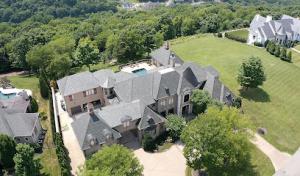

Asphalt shingles dominate the local market, fitting well with the typical Greer roof profiles and aging homes. Metal roofing has meaningful local traction, reflecting homeowner interest in durability under frequent rain and storm exposure. Tile and wood products exist but are far less common here, so homeowners considering them should expect a narrower contractor pool and potentially more scheduling friction. In practical terms, you'll see asphalt shingles as the go-to choice for value and ease, with metal offering a longer life under Greer's spring storm cells.
Because Greer experiences storm-driven demand spikes, pricing can move upward after major spring weather events as contractors fill schedules and emergency work displaces planned replacements. That means if a hail event hammers a neighborhood, roofing teams may quote higher crew rates and lead times, even for standard asphalt replacements. Planning ahead helps: when the weather settles, you'll often find more favorable scheduling and some steadying of material costs, but expect variability tied to the upstate storm calendar.
For most homeowners, asphalt shingles present the best balance of upfront cost and long-term return. In Greer, typical costs for asphalt shingles run modestly from the low to mid range within the local market. The product line is broad enough to accommodate lighter weather exposure as well as stronger wind and hail events typical of spring storms. When choosing, prioritize impact resistance ratings and nail integrity, since storm-driven days can test both quickly.
Metal roofing is not a fringe choice here; it's a practical option for those prioritizing longevity and storm resilience. The higher per-square price reflects material strength and faster replacement cycles under heavy rainfall, yet the shape and fastening can handle hail better in many cases. If budget allows, metal earns credibility for home upgrades in storm-prone seasons, particularly on roofs with longer life expectations or where roofers predict recurring maintenance cycles.
Clay and concrete tiles exist but are rarer; wood shingles or shakes are even less common due to maintenance needs and the local weather. Expect a smaller pool of pros willing to install these materials, which can translate to longer lead times after a hail event or heavy rain. If a homeowner is set on tile or wood, plan for extended scheduling windows and confirm contractor experience with Greer's weather-driven job pacing.
When spring storms threaten, it's wise to evaluate insurance coverage and storm-related work promptly, since adjustments can sway material choices and timing. If hail damage is suspected, document thoroughly and consult with a local roofer who understands the way Greer's humidity and storm rhythms influence shingle performance and replacement sequencing. In most cases, asphalt remains the most approachable option, while metal offers a durable alternative for storm-heavy seasons and long-term peace of mind.

Burish Builders Greenville
(864) 214-4196 www.woofinspection.com
8 River Way Dr, Greer, South Carolina
5.0 from 123 reviews
Burish Builders Greenville is a reliable and committed roofing contractor, locally owned and operated, serving Greenville, South Carolina, and the entire Upstate region since 2024. Their team of proficient professionals takes pride in delivering exceptional roofing solutions, including restoration and inspection services that prioritize quality and customer satisfaction. For seamless roofing experiences and a trustworthy partnership, contact Burish Builders Greenville to schedule a thorough inspection and receive a complimentary quote for your new roofing system or repair needs.
Rave Roofing & Renovations
(864) 203-2173 localroofersc.com
Greer, South Carolina
5.0 from 58 reviews
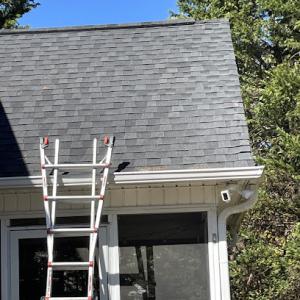
Rave Renovation is here to cater to all your roofing needs. As a locally owned and operated company, we pride ourselves on delivering high-quality roofing services to our beloved community. Our highly trained and certified team is passionate about their work – ensuring that your home or business is protected with the best possible roofing solution.
Precision Construction
(800) 399-9178 precisionconstruction.org
955 W Wade Hampton Blvd, Greer, South Carolina
4.4 from 64 reviews
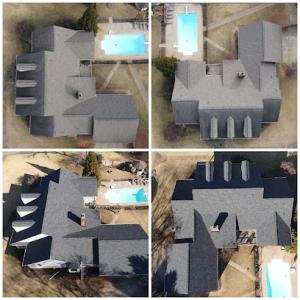
Our reputation at Precision Construction is our main focus! We aim to provide the highest quality when it comes to all your roofing needs in the Carolinas. It is essential to find a trustworthy company when it comes to working on your home. Here at Precision Construction, you will get precise work and honesty.
Roofing Experts
(864) 420-6196 www.scroofingexperts.com
948 Gap Creek Rd, Greer, South Carolina
4.6 from 22 reviews
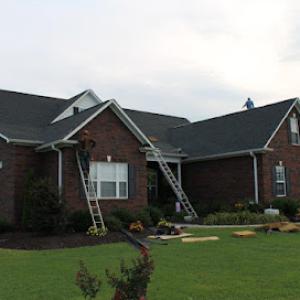
Are you thinking about getting a new roof or replacing your existing one in Upstate SC? Do you need to add siding works and rain gutter options to your project? Not a problem! Roofing Experts is ready to assist you in achieving a leak-free roof and sleek-looking exterior. No need to search - call Roofing Experts today to talk to our friendly staff about roof or siding inspection, repair, restoration, and installation services. Let our family-owned roofing team with 15 years in business work for you. If you have roof leaks or siding damages, we'll find them, fix them, and earn you satisfaction.

Affordable Property Solutions
217 Trade St, Greer, South Carolina
5.0 from 9 reviews
Roofing Contractor
Signature Exteriors
(864) 501-5525 signatureexteriorsinc.com
Serving
4.9 from 44 reviews
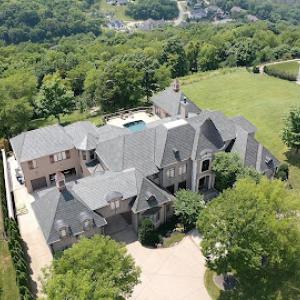
Our local, certified roofing crews specialize in keeping South Carolina's homes and businesses protected from the elements. We understand the unique challenges of southern climate, and that's why we use only the most durable, weather-resistant materials and proven installation methods. Whether you're facing a minor leak or want to upgrade your roof's look and functionality, Signature Exteriors is here to keep your property safe and cool.
Aldridge Roofing & Restoration
(864) 774-1670 aldridgeroofing.com
Serving
5.0 from 207 reviews
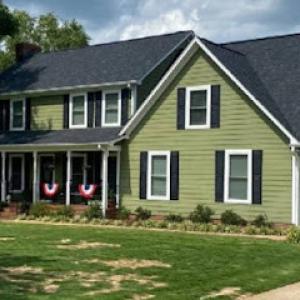
Aldridge Roofing & Restoration, provides top-quality roofing and restoration services for both residential and commercial properties. Specializing in roof repairs, replacements, and insurance restoration, we ensure your home is protected from the elements. Our skilled team is committed to excellent craftsmanship, timely service, and clear communication throughout the process. With years of experience, we pride ourselves on delivering high-quality work and exceptional customer service, making us a trusted name in the community. Contact us for reliable roofing and restoration solutions!
Gold Medal Roofing of South Carolina
(864) 778-2099 www.goldmedalroofing.com
Serving
5.0 from 41 reviews
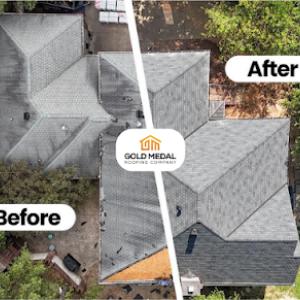
Gold Medal Roofing Company assists thousands of homeowners in getting roof repairs, or a completely new roof, through the insurance claims process. Let our team of licensed roofing contractors walk you through the process and help save you thousands of dollars! Book a FREE inspection today!
Rhino Roofing & Restoration
Serving
4.7 from 44 reviews
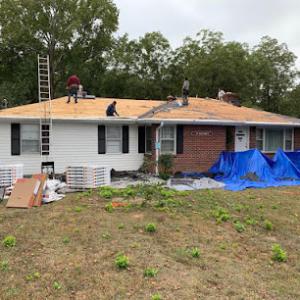
A trusted roofing company in Taylors, SC providing roof repair, roof replacement, and roof installation services to both residential and commercial properties. We are a Woman owned and Veteran managed company with the purpose of providing quality roofing and restoration to our customers in an honest and ethical manner. We provide an expert installation using first-rate materials and practices to ensure that we improve the appearance and value of your home. We are AtlasPro Gold Contractors and can offer a 25-year non-prorated warranty. We strive to be a part of our community supporting and donating to local and international charities, particularly Autism and the conservation of our namesake, the Rhinoceros.
Blue Ridge Roofing
(864) 593-0207 www.blueridgeroofing.com
Serving
4.8 from 25 reviews
Blue Ridge Roofing, LLC was founded by Sam Montgomery in 2021. As a licensed and insured roofing contractor with over a decade in the construction and roofing industry, it is our mission to provide our customers with fast service response time, quality reroof and new construction installs and industry leading customer service. Blue Ridge Roofing is set up to far exceed our customer expectations in our attention to detail, project communication, and job reporting. Trust Blue Ridge Roofing with all your roof service, maintenance, reroofing & new construction needs in both the residential and commercial roofing sectors.

Home Genius Exteriors
(864) 732-4645 homegeniusexteriors.com
Serving
4.9 from 156 reviews
Elevate your home with Home Genius Exteriors, setting the standard in Greenville by offering full-service solutions for roofing, siding, windows, doors, gutters and insulation. We support our veterans and communities by supporting local and national charitable organizations through our Home Genius Cares initiative. With an Owens Corning® Platinum Preferred designation, we also offer flexible payment options, industry leading warranties and a wide range of premium products tailored for your home. It’s time for a different experience, entrust your next home project to a genius and schedule your free inspection today!

American Roofing Company
(800) 385-0781 www.roofyou.com
Serving
4.6 from 47 reviews
American Roofing Company is your trusted partner for all roofing needs in the Southeastern United States. As a leading roofing contractor, we specialize in Roofing Services, Roof Replacement, Residential Roofing, and comprehensive Roof Inspections. Our expertise extends to Storm Damage Roof Repair and Emergency Roof Repair, ensuring your home remains protected in all weather conditions. Established in 2009, we pride ourselves on exceptional craftsmanship and a 100% Leak-Free Guarantee backed by robust warranties. Choose American Roofing Company for integrity, reliability, and superior roofing solutions. Call us today for a free estimate!
A full roof replacement in this market typically triggers a building permit, but the processing path depends on whether the property falls under the City of Greer or Greenville County jurisdiction. If the project sits inside city limits, the city offices handle review, inspections, and scheduling in a tightly coordinated sequence. Outside those limits, the county process governs, and you may encounter different intake windows, contact points, and inspection calendars. Knowing which authority reviews your project before you commit to a contractor helps prevent surprises that can push the start date back after a storm has damaged a roof.
Storm recovery periods in this area bring a bloom of activity for both departments and contractors. Scheduling a sanity check with the appropriate permitting office early in the project helps align expectations for start dates. Local timing can affect when a crew can begin, because permit review, revisions, and inspection windows tend to spike when storms are fresh and roofs are needed promptly. If a contractor promises a quick turnaround, confirm the exact steps: when the permit is submitted, how long the review takes, and which inspections are required. This information matters most during spring storm cells, when delays can cascade into extended project timelines.
Inspections in this jurisdiction are typically staged: one during installation and a final inspection at completion. The sequence matters because the contractor's installation plan must line up with inspector availability. If the timing misses an inspection window, the crew could be delayed, and the project may stall until the next available slot. Because inspection calendars are shared across the city or county, coordinating with your contractor on preferred inspection dates and potential fallback windows helps keep the project moving. During peak seasons, some slots fill quickly, so discussing backup dates upfront can save adjustment time later.
When planning a roof replacement, map out the permit path early: identify the correct jurisdiction, submit the application promptly, and confirm required plan details or documentation with the contractor. Ask the permitting office for the typical review timeframe and the standard inspection cadence, including any storm-related backlog advisories. If a storm week compresses schedules, set realistic expectations with the contractor about how that may shift sequencing and access to the site. A well-timed permit submission and aligned inspection plan will help ensure a smoother transition from teardown to final completion, with fewer weather- and backlog-driven delays on the calendar.
When storms sweep through Upstate South Carolina, insurers in Greer pay close attention to the chain of events from damage to repair. After wind or hail claims, you are often asked to provide a clear, consistent record of what happened and how it was addressed. The more thorough the documentation, the smoother the claim process can be, and the less room there is for dispute about what occurred and when it happened.
Upstate insurers commonly ask for roof condition reports, photos, and contractor details after a claim. Having these ready reduces back-and-forth and helps the adjuster verify timelines and scope. In practice, that means a concise photo log, a simple one-page roof condition note from your contractor, and a clear record of who performed the work. If a replacement has recently occurred, expect extra insurer scrutiny; proof of proper installation becomes more important than the construction process alone. Be prepared to show the installation method, materials used, and any relevant warranty documents.
Document granular storm impacts rather than broad statements. Focus on lifted shingles, exposed underlayment, and torn or lifted metal flashing around vents and chimneys. Capture close-ups of hail bruising on shingles or metal components, plus wider shots that establish the overall roof and surrounding trees or debris. Keep a dated sequence from before the storm (if available) through post-storm conditions and the repair stage. Ask your contractor for a simple, signed scope of work that notes materials, methods, and the exact locations of any damaged sections.
If a full or partial roof replacement occurs, maintain a tidy file that links the photos, condition notes, and the contractor's reports to the specific work performed. Insurers will look for consistency between the storm impact record and the repair details. InGreer's climate, where wind and hail drive claims more than coastal pressure, the ability to demonstrate precise storm effects and a credible, properly installed repair can make the difference between a straightforward claim and a longer, more challenging process.
Connect with contractors who help homeowners navigate the claims process from damage assessment to final approval.
Burish Builders Greenville
(864) 214-4196 www.woofinspection.com
8 River Way Dr, Greer, South Carolina
5.0 from 123 reviews
Rave Roofing & Renovations
(864) 203-2173 localroofersc.com
Greer, South Carolina
5.0 from 58 reviews
Precision Construction
(800) 399-9178 precisionconstruction.org
955 W Wade Hampton Blvd, Greer, South Carolina
4.4 from 64 reviews
In this market, asphalt roofs take more of a beating from heat load and moisture exposure than milder inland climates. The combination of high humidity and frequent spring storms accelerates certain aging patterns: faster granule loss on shingles, accelerated insulation deck moisture, and higher risk of premature curling where ventilation isn't optimal. You'll notice higher susceptibility to heat-related stress near attic gable ends and eaves, where sun exposure concentrates the heat. To guard against early failures, ensure attic venting is balanced, ducts are sealed, and exterior surfaces are kept clear of debris that can trap moisture against the underlayment. In practice, look for shingles that show strong heat resistance and confirm with local suppliers which asphalt products have better UV stability for our summer afternoons.
Metal roofing stands out in the local market as a notable specialty, offering potential advantages for rain shedding and storm resilience. In Greer's climate, metal can shed heavy downpours more efficiently than traditional asphalt, which helps keep roof surfaces drier during long storm cells. When evaluating metal, pay attention to panel profiles, sealant quality at seams, and coating performance in humid air. Seam integrity and proper underlayment choices are critical to prevent moisture intrusion behind the panels during the region's moisture-heavy springs. If you're choosing metal, plan for color-matched gutters and flashing that resist rust and corrosion in humid conditions, and verify installation details that maximize wind uplift resistance.
Synthetic and composite shingles can appeal where premium looks meet practical realities: less weight than tile and reduced contractor scarcity in this area. They often handle heat and humidity with better dimensional stability than traditional organic shingles, reducing curling risks after hot spells. These materials can mimic the aesthetic of wood or tile while offering improved resistance to moisture-driven degradation and hail impact. When considering synthetics, verify the product's dimensional stability in high humidity and its warranty coverage for long-term exposure to Greer's storm-prone springs.
Spring storm damage in this market is a real consideration; inspect roofs after hail events or heavy thunderstorms for fasteners, flashing integrity, and any immediate granule loss. Because of the mixed permitting reality, you may notice variability in contractor availability after storms. Build a maintenance plan that prioritizes rapid hail checklists, gutter clearance to prevent water damming, and timely resealing of any suspected dry-rot indicators in sheathing or fascia. Regular proactive checks help catch humidity-driven weaknesses before they become leaks or structural concerns.
Explore specialists in steel, aluminum, and standing seam metal roofs built to last 50 years or more.
Precision Construction
(800) 399-9178 precisionconstruction.org
955 W Wade Hampton Blvd, Greer, South Carolina
4.4 from 64 reviews
Frequent rainfall in Greer makes flashing transitions and penetrations a practical concern, especially around chimneys and skylights that are actively represented in the local contractor market. When a storm rolls through, you'll notice the weakest links are where vertical walls meet the roof deck and where roof-to-wall transitions aren't backed by a solid, continuous seal. Inspect the chimney flashing for loose metal, cracked caulk, or torn counter-flashing after heavy rain or hail. Skylight flanges and curb seams should be checked for aging sealant, with attention paid to any ridges or gaps that develop along the curb. In these areas, a small drip line often forecasts a larger failure, so place a temporary, weatherproof measure while arranging a proper repair.
Emergency repair demand is strong locally, indicating that leak response after storms is a routine part of the roofing cycle rather than an occasional edge case. If a leak appears during a storm, prioritize a tarp or temporary cover to limit interior damage, then pursue a fast, targeted repair to the most active source. After a downpour, follow up quickly to verify that sealants and flashing have not shifted and that flashing in high-traffic zones remains intact. Expect local crews to respond promptly, but verify availability for timely coordination with weather fronts.
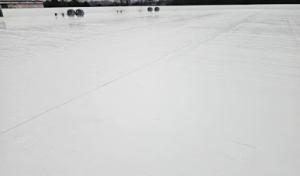
Although primarily a pitched-roof market, local signals show meaningful flat-roof and low-slope capacity for additions, porches, and some mixed-use structures. Leaks here often stem from edge detailing, transitions to pitched sections, and membrane wear at drainage points. Focus on edge seams, penetrations through parapets, and any ponding areas that stress the membrane. Schedule inspections after seasonal storms to catch aging membranes before tripping into interior damage.
Establish a simple post-storm inspection routine: walk the roof if safe, look for lifted shingles, degraded sealant around vents, and any new dark stains along ridges. Keep gutters clear so water can shed away from transitions, and monitor attic spaces for residual moisture after heavy rain. Regularly reseal and reflash vulnerable points to extend the life of the roof's most exposed joints.
Find contractors experienced in skylight installation, flashing, and leak repairs to bring natural light into your home.
Tritop Roofing & Restoration
(864) 275-9183 www.tritoproofingandrestoration.com
Serving
5.0 from 93 reviews