
Last updated: Apr 19, 2026
Taylors sits in the Greenville County part of the Upstate, where convective summer thunderstorms and spring-to-early-fall hail are recurring roof-loss drivers rather than coastal hurricane surge issues. That pattern makes your roof work differently from coastal homes: hail can strike unexpectedly, wind can peel back edges and loosen shingles, and moisture moves quickly through porous underlayment if left untreated. Your roof system is most at risk during the hottest, most humid stretches when installers and insurers expect a rapid, storm-driven response. Knowing this local rhythm helps you plan for faster damage detection and a quicker dry-in window when replacement is scheduled.
Late-summer storm activity can leave homes exposed during tear-off, making same-day tarping and rapid dry-in especially important during replacement scheduling in Taylors. If a hail or wind event hits, your first move is to protect interior ceilings and walls by covering any visibly damaged areas with sturdy tarps. Do not wait for perfect light or a calm day; securing tarps on the same day minimizes secondary water intrusion that compromises insulation and framing. Document damage with clear, timestamped photos from multiple angles-roof facets, gutters, exterior walls, and attic spaces if you can access them safely. When a contractor arrives for a temporary fix, insist on a dry-in plan that includes tarping, temporary weatherproofing, and a staged schedule for removing and replacing damaged sections. Your goal is to create a continuous barrier against wind-driven rain until the replacement crew can complete the job.
South Carolina insurers in this market are closely focused on wind and hail claim history, and homeowners may be asked for roof-age records, condition photos, and inspection documentation during claim review. Start collecting before the insurer requests it: keep a dated log of storm dates, wind speeds if obtainable, and any prior repairs or patchwork. Photograph every major area of loss: ridge lines, hips, valleys, penetrations, and flashing around chimneys or vents. If you have prior roof documentation, have it ready to compare age and remaining life against current damage. When a claims adjuster arrives, present a concise summary of the storm event, what failed, and which areas require immediate water protection. Clear, organized evidence not only accelerates review, it reduces back-and-forth requests that slow your dry-in and replacement timeline.
During tear-off seasons, replacement scheduling in Taylors can hinge on weather windows and the availability of skilled crews. Expect that rapid dry-in is essential, and that the most urgent work happens within a narrow time frame after the storm. A reputable contractor will prioritize tarping, temporary sealing of penetrations, and expedited structural assessment to preserve the roof deck and attic insulation. If the roof deck shows signs of moisture or warping, insist on a temporary or permanent solution that maintains a dry interior while the full replacement proceeds. For your safety and your home's long-term integrity, align with a contractor who can commit to daily progress notes, a transparent work plan, and a clearly defined chain of custody for all materials and inspections. In this climate, speed paired with thorough documentation can prevent long-term damage and help get your home back to a weather-tight state as quickly as possible.
Find local contractors experienced in assessing and restoring roofs after hail, wind, and severe weather events.
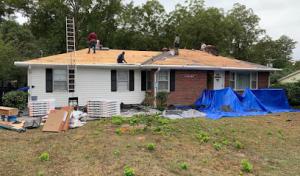
Rhino Roofing & Restoration
Rutherford Rd, Taylors, South Carolina
4.7 from 44 reviews
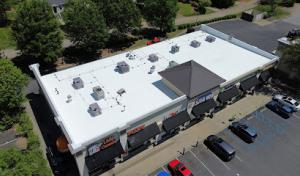
Blue Ridge Roofing
(864) 593-0207 www.blueridgeroofing.com
330 E Warehouse Ct C-2, Taylors, South Carolina
4.8 from 25 reviews
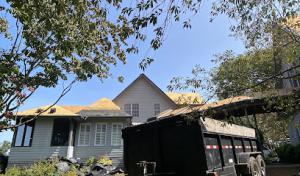
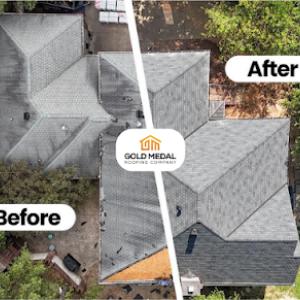
Gold Medal Roofing of South Carolina
(864) 778-2099 www.goldmedalroofing.com
3 Elberta St, Taylors, South Carolina
5.0 from 41 reviews
Gold Medal Roofing Company assists thousands of homeowners in getting roof repairs, or a completely new roof, through the insurance claims process. Let our team of licensed roofing contractors walk you through the process and help save you thousands of dollars! Book a FREE inspection today!
Signature Exteriors
(864) 501-5525 signatureexteriorsinc.com
50 St Mark Rd, Taylors, South Carolina
4.9 from 44 reviews
Our local, certified roofing crews specialize in keeping South Carolina's homes and businesses protected from the elements. We understand the unique challenges of southern climate, and that's why we use only the most durable, weather-resistant materials and proven installation methods. Whether you're facing a minor leak or want to upgrade your roof's look and functionality, Signature Exteriors is here to keep your property safe and cool.
Rhino Roofing & Restoration
Rutherford Rd, Taylors, South Carolina
4.7 from 44 reviews
A trusted roofing company in Taylors, SC providing roof repair, roof replacement, and roof installation services to both residential and commercial properties. We are a Woman owned and Veteran managed company with the purpose of providing quality roofing and restoration to our customers in an honest and ethical manner. We provide an expert installation using first-rate materials and practices to ensure that we improve the appearance and value of your home. We are AtlasPro Gold Contractors and can offer a 25-year non-prorated warranty. We strive to be a part of our community supporting and donating to local and international charities, particularly Autism and the conservation of our namesake, the Rhinoceros.
Blue Ridge Roofing
(864) 593-0207 www.blueridgeroofing.com
330 E Warehouse Ct C-2, Taylors, South Carolina
4.8 from 25 reviews
Blue Ridge Roofing, LLC was founded by Sam Montgomery in 2021. As a licensed and insured roofing contractor with over a decade in the construction and roofing industry, it is our mission to provide our customers with fast service response time, quality reroof and new construction installs and industry leading customer service. Blue Ridge Roofing is set up to far exceed our customer expectations in our attention to detail, project communication, and job reporting. Trust Blue Ridge Roofing with all your roof service, maintenance, reroofing & new construction needs in both the residential and commercial roofing sectors.
Ark Builders
(864) 510-4081 arkbuildersroofing.com
Taylors, SC
5.0 from 14 reviews
At Ark Builders, your roofing needs are our top priority. Established in 2023, our team of highly skilled professionals specializes in delivering exceptional roofing services tailored to meet the unique requirements of every project. From intricate repairs to comprehensive installations, we handle it all. Plus, we're well-equipped to tackle exterior needs beyond roofing, ensuring your entire property looks and performs at its best. Contact us for a free estimate and see how we can help your vision become a reality.

American Roofing Company
(800) 385-0781 www.roofyou.com
500 E Lee Rd C1, Taylors, South Carolina
4.6 from 47 reviews
American Roofing Company is your trusted partner for all roofing needs in the Southeastern United States. As a leading roofing contractor, we specialize in Roofing Services, Roof Replacement, Residential Roofing, and comprehensive Roof Inspections. Our expertise extends to Storm Damage Roof Repair and Emergency Roof Repair, ensuring your home remains protected in all weather conditions. Established in 2009, we pride ourselves on exceptional craftsmanship and a 100% Leak-Free Guarantee backed by robust warranties. Choose American Roofing Company for integrity, reliability, and superior roofing solutions. Call us today for a free estimate!
Valley Roofing & Siding
(864) 517-9155 valleyroofingsc.com
123 Blue Water Trail, Taylors, South Carolina
4.3 from 11 reviews
At Valley Roofing and Siding Company we are committed to provide quality installation of roofing, siding, gutters, and replacement windows for your homes exterior needs. We are also insurance claim specialists. Locally owned and operated. State Licensed, Bonded, Insured.
Grier Roofing
(864) 322-0058 grierroofing.com
Serving
4.8 from 93 reviews
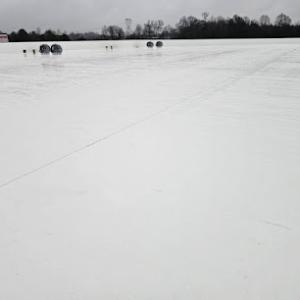
Grier Roofing is a trusted roofing contractor serving Greenville, SC and surrounding areas dedicated to providing exceptional roofing solutions for residential and commercial properties. With a commitment to quality craftsmanship and customer satisfaction, we offer a comprehensive range of services, including roof installation, repair, and maintenance. Our team of skilled professionals uses only the highest quality materials to ensure lasting durability and protection. Whether you need a new roof or repairs to an existing one, we tailor our services to meet your specific needs and budget. Choose Grier Roofing for reliable, efficient, and expert service that stands the test of time. Your roof is our reputation!

Home Genius Exteriors
(864) 732-4645 homegeniusexteriors.com
Serving
4.9 from 156 reviews
Elevate your home with Home Genius Exteriors, setting the standard in Greenville by offering full-service solutions for roofing, siding, windows, doors, gutters and insulation. We support our veterans and communities by supporting local and national charitable organizations through our Home Genius Cares initiative. With an Owens Corning® Platinum Preferred designation, we also offer flexible payment options, industry leading warranties and a wide range of premium products tailored for your home. It’s time for a different experience, entrust your next home project to a genius and schedule your free inspection today!
Rave Renovation
(864) 203-2173 www.localroofersc.com
Serving
4.4 from 93 reviews
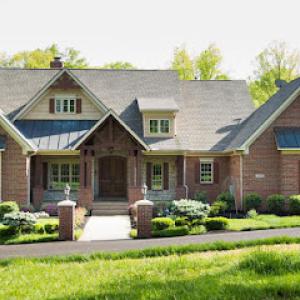
Rave Renovation is here to cater to all your roofing needs. As a locally owned and operated company serving Greenville and the upstate, we pride ourselves on delivering high-quality roofing services to our beloved community. Our highly trained and certified team is passionate about their work – ensuring that your home or business is protected with the best possible roofing solution. Can't wait weeks for a contractor? Our Rave Rapid Response team provides same-day or next-day emergency repairs. Unlike typical contractors who take days or weeks to respond, our licensed technicians answer urgent calls within hours. From roof leaks and water damage to siding repairs, drywall fixes, and handyman work, we handle what can't wait.
Aldridge Roofing & Restoration
(864) 774-1670 aldridgeroofing.com
Serving
5.0 from 207 reviews
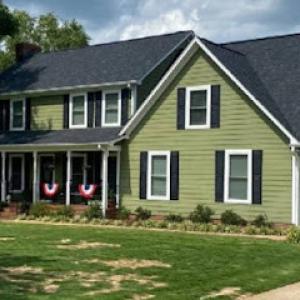
Aldridge Roofing & Restoration, provides top-quality roofing and restoration services for both residential and commercial properties. Specializing in roof repairs, replacements, and insurance restoration, we ensure your home is protected from the elements. Our skilled team is committed to excellent craftsmanship, timely service, and clear communication throughout the process. With years of experience, we pride ourselves on delivering high-quality work and exceptional customer service, making us a trusted name in the community. Contact us for reliable roofing and restoration solutions!
C&W Roofing, Siding & Window
Serving
4.9 from 95 reviews
C&W Roofing, Siding, and Window is a family-owned and operated business proudly serving Greenville, SC, since 1991. We work directly with homeowners to provide expert customer service, professional installation, and the highest-quality products available. Our team specializes in residential and commercial roofing, James Hardie and vinyl siding, vinyl replacement windows, and gutters, ensuring every project is built to last. As the Upstate's trusted Elite Preferred James Hardie Contractor, we take pride in delivering durable, energy-efficient solutions tailored to your home's needs.
In this market, asphalt shingles stay the practical workhorse for most homes, with installed prices typically at the lower end of the spectrum and serving as the dominant option for homeowners watching upfront costs. The other materials-metal, clay tile, concrete tile, wood shingles or shakes, and synthetic or composite shingles-sit well above asphalt on the installed-price scale, reflecting both material costs and the more involved labor in this climate. When you look at a full roof replacement, expect asphalt to land in roughly the low-to-mid range per square, while metal and tile systems sit higher, with concrete and clay at the upper end. The per-square ranges you'll see for Taylors are: asphalt shingles about 350 to 550 USD, metal about 600 to 1100 USD, clay tile 900 to 2000 USD, concrete tile 800 to 1600 USD, wood shingles/shakes 500 to 1300 USD, and synthetic/composite shingles 450 to 900 USD.
Storm-driven demand spikes after hail and wind events in the Greenville-Taylors area tighten labor availability, which can push scheduling and replacement pricing. When a big thunderstorm or hailstorm hits, crews can be booked up for days or weeks, and you'll often see a premium on rapid replacement or expedited tear-off and dry-in. If your roof has multiple layers or complex detailing, those timing pressures translate into higher overall project days and labor costs. Asphalt crews typically respond fastest, so if you're on a tighter budget, this is a practical window to target when the weather allows. If you're weighing metal or tile, the scheduling squeeze can be even more pronounced, since specialty crews may be less readily available immediately after a storm.
In Taylors, humid and rainy stretches slow tear-off and dry-in, which extends project duration and can nudge costs upward due to extended labor days. Damaged decking exposed to moisture also adds expense, since compromised plywood or sheathing requires replacement before the new roof can be properly sealed. In practice, expect longer durations and potential add-ons if moisture exposure is found during removal. For asphalt, the impact is often logistical-more days on site, more mobilization and demobilization cycles-while for tile or metal, moisture-related decking repairs can significantly shift the budget. Planning around multi-day rain events helps avoid weekend or late- season delays that can amplify labor charges and material waste.
Get a clear picture of your project costs upfront - no commitment required.
Signature Exteriors
(864) 501-5525 signatureexteriorsinc.com
50 St Mark Rd, Taylors, South Carolina
4.9 from 44 reviews

American Roofing Company
(800) 385-0781 www.roofyou.com
500 E Lee Rd C1, Taylors, South Carolina
4.6 from 47 reviews
Because Taylors is an unincorporated community, homeowners commonly deal with the local Building Department process used for this Greenville County jurisdiction rather than a separate city hall roofing office. The county approach shapes how a roof replacement moves from decision to completion, especially after a severe storm or hail event when quick action is tempting. Understanding the county's flow helps prevent delays that can stall a repair during the peak storm season.
A full roof replacement typically requires a permit. The application review looks for proof of contractor licensure before work proceeds. That licensure proves the person installing the roof is authorized to work in the county and has met necessary state qualifications. If the project is tied to an insurance claim, the county still requires the permit and proper licensing before any major tear-off begins. Verify the contractor can supply a current license number and any county-required endorsements before submitting paperwork.
The building department will want documentation that shows the scope of work, the roofing material chosen, and the project timeline. Expect to provide a site plan or property details, a storm-damage assessment if applicable, and a description of the method for disposal of old material. The contractor will typically handle the initial application, but stay involved to ensure the correct address, parcel number, and zoning notes are accurate. In practice, having a clearly labeled project description and a rough schedule helps the county staff move the review along.
Inspections are commonly scheduled at rough-in and final. The rough-in inspection checks that roof framing, ventilation, and underlayment are installed to code before shingles and other coverings are applied. The final inspection confirms that the completed roof meets all applicable standards and that penetrations, flashing, and venting are correctly finished. In Taylors, lead times can vary, so the timing for replacement should account for county scheduling rather than assuming immediate sign-off. If weather or backlogged queues slow the process, plan around the county's posted inspection windows and be prepared for follow-up inspections if a correction is noted.
Coordinate with the contractor to submit the permit packet promptly after choosing a material and method. Expect the county to require up-to-date licensure documentation and a signed scope of work. In storm-prone periods, inspections can cluster around the same days across multiple projects, so allow a few extra days in the schedule for inspection availability. If an interruption occurs-especially from weather-maintain open contact with the building department and the contractor, so rescheduling is straightforward rather than disruptive.
Tell the roofing crew to bring the permit number and license verification to the job site, and keep the county's inspection dates visible on the project board. If the project stalls, contact the Building Department to confirm whether an interim inspection or documentation update is required for continued progress. Clear, documented communication with the county helps keep a replacement moving, even through the unpredictable Upstate storm pattern.
Asphalt shingles remain a dominant choice in this area because they fit the mainstream residential stock and match typical homeowner expectations. In Taylors, humid summers invite algae and moisture buildup, which can stain shingles and subtly shorten perceived life. Choose asphalt with a mineral granule coating that helps resist algae growth and consider a factory-embedded algae-resistant option if you expect limited sun exposure. Proper attic ventilation is essential to minimize interior moisture driving condensation under the shingle layer, which can accelerate granule loss and edge curl after storms. If you go this route, plan for regular gutter and roof line cleaning after spring storms to keep drainage moving and prevent standing moisture that encourages staining.
Metal roofing has a meaningful specialist presence locally and is relevant for homeowners prioritizing wind resistance and faster water shedding during frequent thunderstorms. In this climate, metal panels shed rain quickly and resist impact better than many other materials, reducing the risk of water intrusion during heavy downpours. The reflective surface can also reduce heat transfer to the attic, a practical comfort factor in hot months. However, metal's compatibility with existing roof framing and flashing details matters; if the home uses older trusses or has complex roof geometry, a thorough assessment for fasteners, underlayment, and potential need for a dedicated storm-vented setup is wise. Look for coatings that resist staining and ultraviolet degradation since long sun exposure is common, and verify sealant performance at joints to minimize early maintenance calls after hail or wind events.
Clay tile, concrete tile, wood shakes, and synthetic or composite products are present in the market but are less common than asphalt. In Taylors, homeowners should weigh installer availability and structural suitability before choosing them. Clay and concrete tiles offer distinct texture and a long lifespan, but their weight requires a structural substructure check and precise placement to avoid wind-driven uplift during severe storms. Wood shakes provide a traditional look, yet humidity invites fungal staining and accelerated aging if ventilation and sealing aren't optimal. Synthetic or composite options can blend the visual appeal of tiles or shakes with improved resistance to moisture; however, compatibility with existing fascia, underlayment, and flashing remains crucial to avoid repeated repairs after heavy rain. In all cases, ensure that the local installer has proven experience with the specific material and with the region's storm-driven moisture patterns so that fast leak response is built into the project from day one.
Explore specialists in steel, aluminum, and standing seam metal roofs built to last 50 years or more.
Signature Exteriors
(864) 501-5525 signatureexteriorsinc.com
50 St Mark Rd, Taylors, South Carolina
4.9 from 44 reviews

Spring and fall are the windows most homeowners rely on for a replacement, because they dodge Taylors's worst summer humidity and reduce the chance of repeat rain delays during installation. If you're staring at the clock between storms, aim to start a tear-off and underlayment project when morning forecasts show stable days for at least 48 hours. In practice, that means late March through May or late September through November. Summer projects are possible, but you should plan for quick-dry-in work and backup weather days, since a passing thunderstorm can shut down a crew before the roof deck can dry.
Upstate thunderstorms bring wind-driven hail and sudden leaks. If a heavy storm has rattled the neighborhood, schedule a check within 24 to 72 hours to assess shingle lifting, granule loss, or damaged flashing. A rapid response matters: small issues left unresolved can escalate into deck moisture or interior leaks before professionals can wrap up. If widespread wind damage is found, you'll want to discuss a full tear-off to restore proper underlayment and ventilation, not just cosmetic repairs. In this market, delaying upgrades after a proven storm can creep into more extensive damage and longer downtime.
Winter in this area is milder than inland markets, but moisture and occasional freezing conditions still matter if decking and underlayment are not allowed to dry properly. If winter is warm and sunny for a stretch, a short window can work, but avoid installing over damp decking or in freezing mornings. The soft, wet days of late fall or early spring are ideal for avoiding trapped moisture. Expect a longer drying-in phase if temperatures drift toward freezing, and be prepared to pause if there is persistent precipitation.
If a qualified roofer notes multiple compromised areas-creeping leaks, widespread shingle failures, or failed flashing-within a single storm season, replacement becomes a prudent choice rather than piecemeal repairs. When a contractor recommends a full tear-off, it's typically to ensure the attic feels dry and the ventilation system works with the new roof. In Taylors, the goal is to minimize re-entries into the attic during the wet months, so a complete job during a chosen window reduces the chance of lingering leaks and call-backs.
South Carolina's current insurance environment includes rising homeowner premiums and some carrier tightening, which directly affects roof replacement timing and material decisions in Taylors. The outcome is that insurers may take a closer look at age and condition before approving coverage changes or replacements after a storm. Being prepared means understanding that decisions hinge on how recently the roof was installed, what materials sit on top, and whether the roof has been properly maintained in the hot, humid Upstate climate.
In the local market, insurers may request documentation of roof age, material type, maintenance condition, and photo evidence before approving coverage changes or pricing adjustments. This means you should know the specifics of your roof: when the last replacement occurred, the exact shingle or panel type, and any upgrades that improve wind resistance. Having clear, dated records helps avoid delays or unexpected exclusions when a claim is filed or policy terms are re-evaluated after a storm.
After a storm, preserving dated photos, contractor inspection notes, and any emergency mitigation records is essential. Adjusters may ask for these materials during claim processing to verify damage and correlate it with the roof's age and construction. In Taylors, where fast-response leak work often follows thunderstorms, keeping a tidy file of before-and-after images, receipts for temporary repairs, and notes from a trusted local contractor can significantly smooth the adjustment process and reduce back-and-forth questions.
Institute a simple habit: date every inspection, recording who performed it and what was found about the roof's condition. Store copies of purchase receipts for shingles or metal panels, and maintain a chronological set of photos taken at the start of each maintenance season. If a storm is forecast, consider a quick, non-invasive photo survey to document the roof's baseline, so a future claim can be evaluated quickly and accurately.
Frequent wind-driven rain in Taylors makes flashing details at chimneys, wall intersections, and roof penetrations especially important compared with drier markets. The hot, humid Upstate pattern can push water behind joints that look solid, so you want flashing that seals accurately and remains flexible as seasons shift. A common weak spot is where a chimney base meets the roof plane; even small gaps here invite leaks after a robust storm. Inspect after heavy rain or a strong wind for damp ceilings near interior walls, and pay attention to staining that travels with the grain of the rafters rather than straight down the wall.
The local contractor market shows meaningful chimney-related work, which aligns with leak-prone flashing transitions common on older Upstate homes. Chimneys may have step flashing that has weakened with years, or counter-flashing that has lifted where flashing meets brick or stone veneer. If you notice peeling sealant or dark streaks along the chimney line, treat it as a warning sign. Prioritize resealing and re-flashing before the next storm sequence, because a small flaw here can become a larger, rapid water intrusion problem in a single downpour.
Intersections where the roof meets a wall are notorious for letting rain migrate sideways on windy days. Valleys, skylight rims, vent pipes, and operational gutters all demand closer scrutiny in this market. In Taylors, these details deteriorate faster when storm cycles are frequent, so you should monitor for peeling sealant, calcium bloom on metal, or soft spots at the edge of tip tiles. Seal and reseal with compatible materials, and consider a second look after a severe storm that brings hail or wind-driven rain.
Skylight repair experience is present but not dominant in Taylors, making it a targeted concern for homes that already have skylights rather than a citywide primary issue. If a skylight shows condensation between panes, fogging, or exterior condensation on edges after a heavy storm, treat it promptly. The risk here compounds with aging roof materials and more frequent wind exposure, so plan targeted maintenance rather than broad, blanket replacements.
Find contractors experienced in skylight installation, flashing, and leak repairs to bring natural light into your home.
Tritop Roofing & Restoration
(864) 275-9183 www.tritoproofingandrestoration.com
Serving
5.0 from 93 reviews
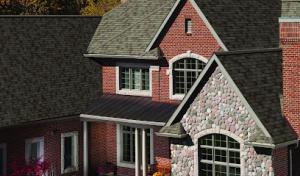
Flat and low-slope roofing show up mainly on additions, porches, and some commercial properties in this area. They aren't the typical backbone of the neighborhood's pitched residential roofs, but when these sections exist, drainage performance becomes a priority. In a climate with frequent summer downpours and sudden storms, ponding water and standing moisture can accelerate leaks if the coating or membrane isn't properly selected and installed. Understanding the roof's layout, sun exposure, and drainage paths helps determine whether a low-slope segment is a long-term solution or better treated as a protective add-on to the main shingle system.
On low-slope elevations, membrane options or reinforced roof coatings can provide a watertight barrier with fast-drying properties after a rain event. In this market, the emphasis should be on durability against Rapid rain bursts and hail that can impact edge seals. For most homeowners, a properly installed liquid-applied or sheet membrane with a compatible flashing system reduces risk at transitions, penetrations, and parapets. Coatings and restoration approaches exist locally, but they function best as niche solutions-especially for roofs that see regular rainfall and need a quick-drying, reflective layer to minimize heat buildup and shrinkage cycles between storms.
Because drainage performance matters more on low-slope sections, annual checks should concentrate on edge terminations, scuppers, and interior gutter connections. After a storm, inspect for surface lift, blisters, or pooled water that persists beyond a typical drying window. Quick, targeted leak response on these areas can prevent larger interior damage, especially on additions or porches where a small failure can travel into adjacent living space. A local contractor with experience in low-slope details, flashing, and terminations can provide a precise assessment tailored to the property's layout and exposure.
Find specialists in TPO, EPDM, and built-up flat roofing systems for residential and commercial properties.
Cornerstone Construction - Roofing & Siding
(864) 734-7183 cornerstoneconstruction.org
Serving
4.8 from 195 reviews
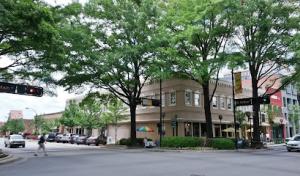
The Taylors-area market leans heavily toward re-roofing rather than new construction. Homeowners benefit from contractors who run storm-response workflows that are proven to work in this climate-hot, humid springs and fast-moving thunderstorms that bring hail on short notice. A roofer with a track record of efficient tear-off, quick debris removal, and reliable communication can save days of disruption and keep your project on schedule.
Cleanup and quick response are prominent hiring signals in this community. When a storm hits, homeowners expect contractors who can schedule promptly, secure the job site, and begin tear-off without unnecessary delays. Ask about how crews handle debris removal, truck routing, and on-site safety to minimize disruption to your family and neighbors. A transparent timeline from the first inspection through final cleanup matters a lot in practice.
Established, family-owned, and locally owned firms maintain a visible presence in this market. That visibility matters for permit handling, inspection coordination, and post-storm follow-up, which are common points of friction after a heavy event. Favor contractors with solid local references and a steady neighborhood footprint, not just flashy marketing. The right firm will show up on time, communicate changes clearly, and stand behind workmanship after the last shingle is set.
Start with a firsthand inspection of the job site-note whether the roofer brings a clean, organized crew and clearly outlines the scope. Check that the crew will perform thorough debris cleanup and protect your home's exterior during tear-off. Ask for a written project plan that covers storm-response tactics, sequence of work, and a realistic schedule. Finally, consider how the contractor handles follow-up: quick warranty service, and a responsive contact for any post-install questions after severe weather.