
Last updated: Apr 19, 2026
When a storm rolls through the Southeast Texas corridor, the clock starts ticking the moment the last thunderclap fades. In Dayton, spring hail, summer thunderstorms, and late-summer hurricane-season winds each lay down their own signature on roofs, and the risk compounds quickly if not addressed within days. Start with a rapid safety check: look for downed limbs brushing against the gutters, lifted shingles, dented metal, or any shingle edges curling upward. If you can safely access the roof, gently inspect for visible leaks inside the attic or ceiling, especially near light fixtures and along the ceiling lines. Document the scene with clear, dated photos from multiple angles-this is not a decorative album, it is your first line of insurance-related evidence. If damage is suspected or visible, schedule a professional inspection within 24 to 48 hours after the storm, prioritizing a contractor who can perform a rapid, thorough assessment and begin emergency tarping or temporary weatherization if a leak is confirmed. Time matters because Dayton experiences rapid shifts in weather; a small leak today can become a soaked ceiling tomorrow, especially when winds drive rain under vulnerable edges.
Dayton sits in a Southeast Texas storm corridor where spring hail, frequent summer thunderstorms, and late-summer hurricane-season wind events all create different roof damage patterns in the same year. Hail bruising is common, often showing as round indents on shingles, flashing, or metal components that may not immediately threaten water intrusion but weaken long-term performance. Winds from late-summer storms can peel back edges, lift tabs on asphalt shingles, or strip shingles off entirely in exposed sections, leaving the underlayment exposed to driving rain. Fallen limbs and debris from neighbor trees frequently crash onto roofs, compressing or cracking tiles and denting metal surfaces. Wind-driven rain can find gaps around penetrations or along chimneys, leaking in before a visible drip appears inside. The inland environment means salt exposure is less of a daily concern than storm-driven impact and water intrusion, so focus on fabric integrity, edge security, and proper resealing around penetrations. After a major event, downturns in contractor availability spike; the fastest path to recovery is a prioritized triage-patch the obvious leaks, cover exposed areas, and lock in a stabilized roof while the full repair plan is developed.
Storm-damaged roofs in Dayton require a precise, organized insurance package. Start by compiling a log of weather events, wind speeds, and hail estimates if you have them, then pair each item with a timestamped photo sequence showing both the exterior condition and any interior signs of water intrusion. Keep every contractor evaluation and written estimate within a single, clearly labeled folder to present to the insurer. When an adjuster visits, you want clean visuals of dented shingles, loose flashing, and any debris-covered gutters. Your goal is to demonstrate progressive deterioration that justifies rapid mitigation and timely replacement where needed; delays can complicate claims and extend the recovery window. If an emergency repair is advised, obtain written authorization and document every step taken to secure the roof while awaiting the full settlement, so the insurer has a clear record of immediate needs and corrective actions.
In Dayton, local contractor demand signals strongly favor storm damage, emergency repair, and insurance-claim help, indicating that post-storm response is a primary roofing concern. Seek a contractor with a proven track record handling hail bruising, wind damage, and rapid emergency work in this exact climate. Ask for references from nearby neighborhoods and request a transparent plan that includes temporary tarping, prioritized repairs, and a staged replacement schedule aligned with seasonal weather windows. If a contractor offers a quick assessment that identifies leaks within hours of a storm, that urgency is the right instinct-follow with a written scope that distinguishes emergency stabilization from permanent repair, so the repair path stays clear and accountable. In this market, the fastest, most reliable teams coordinate closely with insurers and communicate every milestone clearly to you, every step of the way.
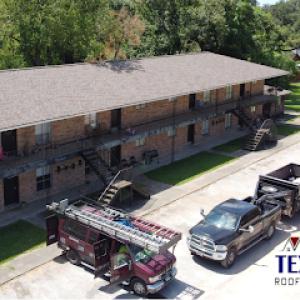
Texas Select Roofing & Construction
(936) 340-7574 www.txselectconstruction.net
103 South Winfree Street, Dayton, Texas
4.9 from 93 reviews
Texas Select Roofing & Construction is a local family-owned business specializing in all types of commercial and residential roofing work. We have a large team of highly qualified and insured professionals who provide quality solutions for repairs, replacements, and installations on all types of roofs. We are located in Dayton, TX, and serve all nearby cities. We also offer additional services such as siding, gutters, painting, fences, and everything you need for exterior renovations.
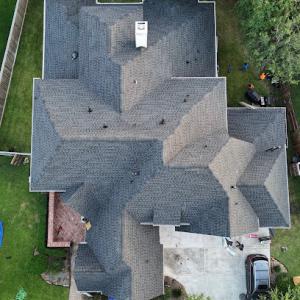
High Quality Roofing & Construction
(936) 257-5452 www.highqualityroofs.com
128 County Rd 6512, Dayton, Texas
5.0 from 32 reviews
25+ years of experience. High Quality Roofing & Construction is a trusted roofing and construction contracting service serving homeowners across the entire Houston, Texas area. We specialize in residential roof repairs, roof replacements, storm damage roofing, home extensions, concrete, and the construction of custom metal buildings from the ground up. Our focus is quality work, durable materials, and getting the job done right. We work closely with homeowners, guiding them through the insurance claim process when needed, making it as smooth and stress-free as possible. View our recent projects in Photos and contact us for a free inspection.
Lopez Roofing & Construction
(936) 258-4780 lopezroofingandconstruction.net
401 US-90 Unit 2, Dayton, Texas
4.9 from 58 reviews
Lopez Roofing and Construction provides commercial and residential roofing and construction services to the Dayton, TX area
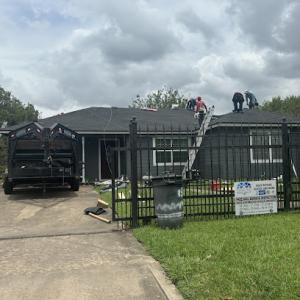
Diamond Roofing & Construction
271 County Rd 6023, Dayton, Texas
5.0 from 11 reviews
Diamond Roofing & Construction provides professional roofing services for people in Dayton, TX. So pick up the phone and call us now.
Sure Claim Roofing
9335 FM 1960, Dayton, Texas
5.0 from 8 reviews
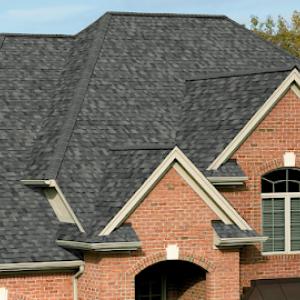
Welcome to Sure Claim Roofing, the preeminent roofing company dedicated to excellence in the thriving community of Dayton, Texas. As your trusted roofing experts, Sure Claim Roofing takes pride in delivering top-tier services that ensure the longevity and resilience of your home or business. Our seasoned team of professionals boasts extensive industry experience, bringing unmatched expertise to every project. Specializing in a comprehensive range of services such as roof installations, repairs, inspections, and replacements, Sure Claim Roofing is committed to addressing all your roofing needs with precision and care.
Ranger Roofing & Construction
(281) 328-3678 www.rangerroof.com
5580 FM 1960, Dayton, Texas
4.0 from 8 reviews
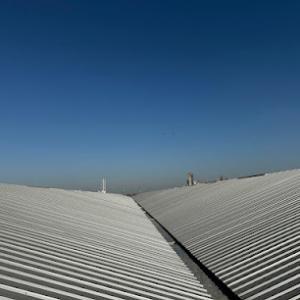
Ranger Roofing & Construction is an Industrial, Commercial and Federal roofing company offering installation and retrofit, metal and wall panel systems, preventative maintenance and repairs, and PEMB (Pre-Engineered Metal Buildings) Systems. Ranger has been in business since 2005 and have years of Industrial, Commercial & Government roofing expertise.
Reliable Roofing & Sheet Metal LLC Houston Texas
(832) 512-1461 www.reliableroofingandsheetmetalllc.com
39 Pvt 4025, Dayton, Texas
5.0 from 2 reviews
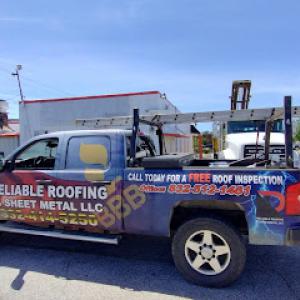
Established in 2007, Reliable Roofing & Sheet Metal safeguards Houston, Texas homes with trusted roof repair and replacement services. Their team of experts tackles projects of all sizes, ensuring a secure roof over your head.

Elite Roofing - Roofing Cleaning, Residential Metal Roof Repair & Roofing Service in Dayton, TX
404 Flowers St, Dayton, Texas
5.0 from 1 review
Elite Roofing is a professional roofing contractor located in Dayton, TX. Call us now for more information about the services we offer.

Veteran Roofing & Construction
(936) 213-6939 www.veteranroofingconstruction.com
Serving
5.0 from 34 reviews
Dedicated to superior craftsmanship and exceptional service, Veteran Roofing & Construction is your trusted partner for all roofing needs in Liberty. Specializing in comprehensive roofing solutions, our team of skilled professionals ensures the integrity and longevity of your home or business with every project. We handle everything from new installations to meticulous repairs, utilizing high-quality materials and proven techniques. Experience the peace of mind that comes with a durable, expertly installed roof from a company committed to excellence and serving our community.
STX Roofing
Serving
4.9 from 247 reviews
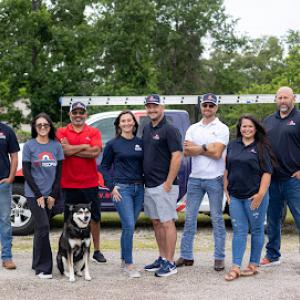
We are a local, veteran-owned and operated team of contractors providing roofing and construction services to the greater Houston area since 2016. We pride ourselves on providing quality work and a job done right the first time! We look forward to working with YOU!
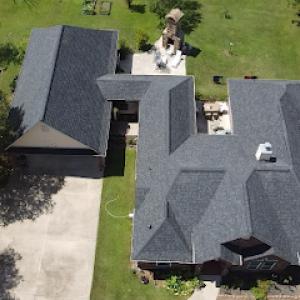
Falcon Roofing & Construction
(346) 742-0249 www.frctxllc.com
Serving
5.0 from 55 reviews
Falcon Roofing & Construction, LLC provides roofing, foundation, renovation, addition, pool, and other residential and commercial improvement services to the entire nation.
Lower Bids Roofing & Remodeling
(281) 328-7003 www.lowerbidsroofing.com
Serving
5.0 from 249 reviews
A leading and reputable roofing and remodeling company based in Houston, Texas since 1983
In this market, asphalt shingles dominate because they fit the replacement-driven rhythm you see after a heavy storm. Dayton's heat and humidity push the material to expand and contract more than milder climates, which can accelerate wear and reduce overall service life. If you choose asphalt, look for architectural or laminated options that offer better impact resistance and a longer warranty, and plan for more frequent inspections after severe weather events. Proper attic ventilation helps minimize heat buildup under any shingle type, which, in turn, can extend the life of the roof system overall. When evaluating a temporary patch versus a full roof, weight the storm recovery timeline against shingle type and the likelihood of repeated hail or downed branches.
Metal stands out for wind performance and rapid shedding during Southeast Texas downpours. It's a smaller but active specialty in this area, often favored by homeowners who want a quicker drain and a tougher exterior during hurricane-season gusts. Metal panels resist impact reasonably well, but attention to fastening patterns, sealant longevity, and panel overlap matters after a hail event. If you lean metal, prioritize a roof system with a standing-seam or interlocking panel design and corrosion-resistant coating suitable for humid heat. A metal roof can be a smart choice if you're aiming for faster post-storm recovery and a higher likelihood of quick, tarp-free restoration, especially after tropical downpours.
Clay tile is available in this market, offering a distinctive look and strong durability in dry stretches, but it brings a structural burden. The weight requires a verified structural assessment before installation, and the same heft that gives clay its endurance also increases vulnerability to broken tiles during hail or falling branches. If clay is on the radar, align tile profile with attic ventilation and consider impact-resistant tile choices and enhanced underlayment. Realistic repair logistics matter after a hail event, since broken tiles create exposure paths that higher-wattage winds can exploit. In areas with heavy rainfall, ensure a robust drip edge and maintenance plan to prevent water intrusion through fastener points.
Concrete tile shares many considerations with clay but can be heavier and broader in variety. Dayton weather tests the joints and sills where tiles meet valleys and penetrations, so roofers must verify tongue-and-groove or interlocking details for wind uplift resistance. Concrete's density helps against heat, yet its weight amplifies the need for a solid structural check, especially on older homes. After hail or branch impact, expect careful replacement logistics to maintain uniform performance across the field of the roof. If concrete is chosen, insist on a high-quality underlayment and a properly sealed perimeter to guard against moisture ingress during the humid seasons.
Wood brings a classic look but can be more sensitive to moisture and hail damage. In repeated storm exposure, maintenance becomes a bigger factor, as wood can delaminate or warp under humidity and heat exposure. If wood is installed, prioritize treated, decay-resistant options and ensure spacing and nailing patterns are designed for wind loads and thermal movement. Repairs after hail or fallen branches can be more involved, so a plan for spot replacements and timely resealing will help preserve performance and curb ongoing vulnerability.
Synthetic or composite shingles can blend resilience with a modern aesthetic and often benefit from improved impact resistance over traditional asphalt. For Dayton, consider products engineered for heat resistance and dimensional stability in humid air, which helps limit expansion and contraction cycles. These shingles tend to respond well to rapid inspection after storms and can offer a more uniform repair experience if hail or debris causes localized damage. When evaluating durability, check for a warranty that covers weathering and impact to align expectations with Southeast Texas storm patterns.
In this area, many homeowners target spring or fall installations to dodge the peak summer heat and the busiest storm weeks. Those shoulder seasons usually give you the most predictable weather, fewer high-wind interruptions, and a smoother tear-off and re-shingle process. If you aim for a window just after a major storm but before the heat of summer, you'll typically minimize the odds of weather halting progress and reduce the chance of heat-related material handling issues on the roof.
Summer heat and frequent thunderstorms aren't just uncomfortable; they change the pace of a roof job in practical ways. Asphalt shingles become more pliable in the heat, which can help with installation, but blistering afternoon heat also forces crews to pause during peak sun to protect sealants and underlayment. Storms bring sudden interruptions, from wind-driven debris to heavy downpours that flush tear-off waste into gutters and onto landscaping. In a real-world schedule, you'll often lose a day here or there to weather, which compounds if a job runs longer than planned. Anticipate those delays by scheduling anchor dates for delivery and access, not just a "start here" day.
Occasional winter cold snaps in this area can stiffen shingles and slow sealant performance, making the install feel uneven or delaying proper adhesion. While you won't face permafrost, the relative damp chill can affect fasteners and underlayment compatibility. When temperatures flirt with the mid-40s or below, crews check material compatibility more closely and may suggest an expanded comfort window for nailing and sealing. If a project is tied to winter months, expect shorter daily work windows and a higher likelihood of weather-driven pauses. The practical takeaway is to align material shipment and crew scheduling with steady daytime temps, rather than simply locking in a date without a contingency plan.
Before committing, review the recent storm history for the area and gauge how quickly crews can mobilize after the worst events. The goal is to land your replacement in a period with predictable moisture patterns and manageable heat, so tear-off and reinstallation proceed with minimal interruptions. Coordinate with your roofing contractor to set a realistic pace that accounts for both material handling on the roof and the need to keep interior spaces dry during the project. If a storm season is underway, consider adding a contingency clause in the schedule to allow for rapid response without sacrificing quality or safety. In practice, the best approach is to choose a spring or fall timeline, plan for possible weather delays, and stay flexible enough to respond to the next big storm without letting the project drift.
Typical local pricing runs about $350 to $650 per square for asphalt shingles, $600 to $1200 for metal, $1100 to $2400 for clay tile, $900 to $2000 for concrete tile, $600 to $1100 for wood shingles or shakes, and $600 to $1000 for synthetic or composite shingles. In practice, your project price will reflect roof size, pitch, and attic ventilation needs, but in this region those ranges give you a realistic starting point for budgeting a storm-rebuild or a timely replacement after damage. If you're replacing after years of wear, expect a similar spread, with labor and disposal costs rising if your roof line is steep or has complex cutouts.
In Dayton, costs can rise after hailstorms and hurricane-season events when regional demand surges across Liberty County and the greater Houston-area labor pool. That surge can push material lead times and crew availability, which translates into quicker scheduling needs and sometimes premium weather-window pricing. If a storm hits and you're shopping for asphalt, metal, or tile, you may notice a wider spread between lowest-possible bids and the bids that come with guaranteed next-available-day starts. Preparation and quick response to weather windows can tame the impact, but you'll still feel the effect of regional demand.
Material choice matters more here because heavy-rain detailing, ventilation corrections, and storm-related deck or underlayment repairs are common add-ons during re-roof projects. Asphalt remains the most cost-effective entry, but metal can save weight and improve wind resistance in storm-prone seasons. Tile options-clay or concrete-offer durability at higher upfront costs and may require framing or deck assessment adjustments. Wood shingles and synthetic stacks sit in between on price, with wood more prone to moisture considerations in humid heat. Consider a thorough assessment of attic ventilation and insulation as part of the plan, since those factors influence long-term performance and may affect both comfort and energy costs after a storm.
Don't let upfront costs delay a critical repair - these contractors offer payment plans to fit your budget.
High Quality Roofing & Construction
(936) 257-5452 www.highqualityroofs.com
128 County Rd 6512, Dayton, Texas
5.0 from 32 reviews
Lower Bids Roofing & Remodeling
(281) 328-7003 www.lowerbidsroofing.com
Serving
5.0 from 249 reviews
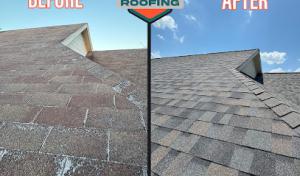
A full re-roof in Dayton typically requires a permit through the local city or county building department, and the roofing contractor usually submits the application. This isn't a door-to-door extra step you can skip, because the permit ties directly into how the work is documented for future claims and property records. Before any shingle or tile is removed, confirm your contractor has the permit in hand and that the project scope matches what was approved. In a storm-battered neighborhood, where quick responses are common, it's tempting to push ahead, but the permit acts as the legally recognized plan for weather-related stress on your structure. If the permit is delayed or misfiled, you risk work stoppages, retroactive corrections, or gaps in your insurance documentation when a claim is needed later.
Inspections are commonly performed at the underlayment or rough-in stage and again at final, with attention to underlayment, nailing, and ventilation details. In this part of the country, humidity and occasional heavy rains can reveal overlooked flashing, roof vent adequacy, and fastener patterns as the roof goes up. Your inspector will look closely at the underlayment orientation, the alignment of shingles or tiles, and the roof-to-wall connections. Ventilation matters more in our heat-and-humidity climate than many homeowners expect, so ensure soffit and ridge intake are sized and installed correctly. Plan for a daylight window when the rough-in inspection is scheduled; weather can shift timing, and delays here ripple into post-storm documentation and claim readiness.
If corrections are identified during inspection, they generally must be completed before final approval, which can affect project closeout and insurance paperwork. That means a stalled final permit stamp can hold up lien releases, warranty activation, and even claim submissions with your insurer after a storm. Stay proactive: ask for a written list of required fixes, track who is responsible, and set clear deadlines with your contractor. In Dayton's typical housing stock-regularly shaded by tall oaks and exposed to shifting wind patterns during storm season-small fixes early on save bigger headaches later. If you encounter weather-driven gaps or back-and-forth with inspectors, document every communication and keep photos of the repaired areas to accompany your final permit documentation and insurance packet.
Dayton sits in the broader Texas Gulf Coast insurance environment, where hail and high-wind claim volume has led carriers to scrutinize roof age, condition, prior damage, and documentation closely. In this climate, adjustments often hinge on whether the roof tells a clear story of recent damage versus long-term wear. Homeowners should expect questions about when the last roof work was done, what parts of the roof were affected, and whether any previous losses were resolved. Clear, organized documentation helps prevent a drawn-out dispute and reduces the chance of a partial denial based on unclear history.
When a storm hits, your goal is to capture a precise record you can share with the adjuster. Take detailed, date-stamped photos that show the entire roof and any visible leaks indoors, as well as the garage or porch ceilings if staining appears. Keep weather corroboration such as local storm reports or radar images to establish timing. Separate new storm damage from older wear with labeled photos and notes, and include close-ups of shingle edges, flashing, and vent penetrations. Store these records in a single, clearly organized folder you can hand to the adjuster at the first meeting.
Adjusters will want to see rapid, labeled evidence of impact and a logical chain of custody for your claim. Promptly arrange for temporary protections, like tarps, to limit further damage while negotiations proceed. Communicate a concise damage narrative and provide estimates or appraisals you've obtained from reputable local roofers. Stay direct about what you observe and avoid speculative claims; clarity speeds up understanding and reduces back-and-forth.
Underwriting has tightened in parts of coastal and near-coastal Texas, so roof condition can directly affect renewals, deductibles, and whether full replacement is approved. Your documentation here matters for future policy reviews, not just the current claim. Maintain a focused, up-to-date record of the roof's condition and any improvements, so renewals can be assessed with a complete picture rather than a fragmented history.
Connect with contractors who help homeowners navigate the claims process from damage assessment to final approval.
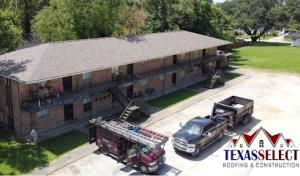
Texas Select Roofing & Construction
(936) 340-7574 www.txselectconstruction.net
103 South Winfree Street, Dayton, Texas
4.9 from 93 reviews
High Quality Roofing & Construction
(936) 257-5452 www.highqualityroofs.com
128 County Rd 6512, Dayton, Texas
5.0 from 32 reviews
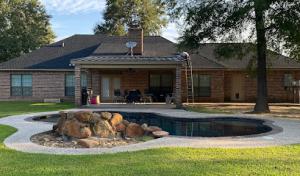
Lopez Roofing & Construction
(936) 258-4780 lopezroofingandconstruction.net
401 US-90 Unit 2, Dayton, Texas
4.9 from 58 reviews
In Dayton's humid, rain-heavy climate, common failure patterns include shingle granule loss after hail, lifted tabs from thunderstorm winds, and leaks where wind-driven rain exploits flashing weaknesses. Hail impacts chew up the granules that protect asphalt surfaces, leaving the underlying layers vulnerable to UV and moisture intrusion. When tabs are peeled or lifted by gusty storms, water can exploit the gaps quickly, especially along roof edges, valleys, and near vents. Over time, repeated hail and wind exposure accelerates deterioration, making timely inspection after severe weather a wise habit. If spent-on granules appear in gutters or on the driveway, it's a signal to look closely at the roof's surface and flashing details and to plan a targeted assessment rather than waiting for a full replacement cycle.
High attic heat and humidity make ventilation defects more consequential here, especially on asphalt systems already stressed by long hot seasons. Poor airflow compounds asphalt shingle aging, leading to faster curl, buckle, and panel distress. In humid conditions, attic condensation can mold under sheathing and around penetrations, which may manifest as staining or a musty odor in upper rooms. A simple, practical check is to verify that soffit vents are unobstructed and that attic fans or ridge vents are functioning in concert to push hot air out and bring cooler air in. When ventilation lags, even a well-installed roof can fail prematurely due to heat-related wear and moisture buildup.
Tree-related impact damage is a practical local concern during severe storms because inland Southeast Texas neighborhoods often face debris and limb strikes rather than only open-coast wind exposure. Regularly clearing overhanging branches and inspecting for branch-related dents, punctures, or cracked shingles after storms reduces hidden damage. Pay particular attention to roof edges and around gutters where branches can abrade surfaces or fall during lightning-driven storms. If a limb strikes occur, inspect flashings around chimneys and vents for displacement or gaps, as those weaknesses become easier entry points for rain.
Find contractors experienced in skylight installation, flashing, and leak repairs to bring natural light into your home.

Veteran Roofing & Construction
(936) 213-6939 www.veteranroofingconstruction.com
Serving
5.0 from 34 reviews
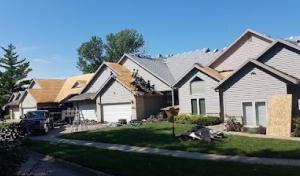
In this market, quick response and cleanup after a storm are not optional extras-they're part of the service you expect. Emergency dry-in and debris removal are often bundled into the first post-storm visit, so the right contractor should show up with tarps, breakers, and a plan to minimize further damage. Re-roofing is more common than specialty patchwork, so a contractor's track record with full replacements matters more than a few quick fixes after the next hail or high-wind event. A meaningful share of locally active crews market themselves as long-established, family-owned, or locally owned, and that accountability can make a real difference on insurance-driven jobs.
Start with a live look at a few recent projects. Ask for photos of full roof replacements, not just repairs, and check whether crews have actual roofers on the crew roster, not just labor day workers. Weather-driven timelines matter here, so confirm that the company can mobilize quickly after a storm and commit to a complete roof replacement if the deck shows signs of damage. Ask about debris removal, site cleanup, and how gutters, landscaping, and outdoor furniture are protected during the job. Look for a contractor who can provide a clear post-storm plan that includes tarp placement, roof deck inspection, and a defined crew schedule.
Request a written statement of work that covers the scope, materials, and anticipated sequence from tarp to final cleanup. Inquire about their process for documenting storm damage for insurance claims, including timelines for inspections and how photos are organized. Confirm who will be the project supervisor on site, and whether the company performs the entire replacement in-house or relies on third-party subs. Discuss access to reputable product interlayers, underlayment choices, and ventilation details that suit this climate.
Be wary of contractors who pressure short timelines, promise impervious "storm-proof" guarantees, or push unneeded add-ons. If a crew cannot provide proof of license, insurance, or a stable address, consider walking away. A lack of disposal or cleanup plan, or vague post-storm documentation, signals a higher risk of lingering debris or warranty disputes.
Choose a roofer who will coordinate with the insurer, document pre- and post-work conditions, and produce a clear, itemized invoice. Ensure the schedule includes a thorough debris haul-off and a final cleanup pass. In this market, a reliable contractor will treat the first post-storm visit as the start of a complete, properly installed replacement rather than a temporary fix.