
Last updated: Apr 19, 2026
Crosby sits in the greater Houston-area wind, hail, and tropical-storm insurance corridor, so sudden storm-driven roof inspections and reroofs are common homeowner needs. After a hail event or tropical downpour, a roof can go from fine to risky in a matter of hours. Shingles that look intact can host punctures or lifted edges that let water seep in behind the fascia, attic, or ceiling. The combination of heat and humidity between storms accelerates moisture intrusion, so any sign of dampness or a dark stain near the ceiling warrants a professional check without delay.
Spring hailstorms and June through November tropical weather are the two biggest local triggers for roof damage claims and emergency leak calls. In Crosby, hail can punch through shingles and dent flashing, creating micro-leaks that spread as interior moisture. Lifted tabs or edges on asphalt or metal roofs often signal a failure under wind gusts, while clay or concrete tiles may crack or shift, leaving vulnerable underlayment exposed. Wet insulation and dark, moldy patches in the attic are red flags that growth has started and needs rapid remediation to prevent structural damage.
Because Crosby has hot, humid conditions between storms, small punctures or lifted shingles can turn into fast interior moisture problems if repairs are delayed. A single afternoon thunderstorm can drive rain through a compromised seam or vent boot, soaking deck plywood and attic insulation. Over days, heat builds moisture, accelerating rot and inviting mold in ceilings and walls. The window for avoiding secondary damage is narrow, so act as soon as you observe a leak, damp spot, or increased humidity inside the home.
If active rain is pouring through the roof, prioritize safety first: move occupants to a dry area and place buckets to catch water. Do not go onto a visibly damaged roof unless professionally trained; unstable shingles or missing sections can shift underfoot. Take clear photos from ground level and from interior angles showing water trails and stains. Contact a local roofer with experience handling storm claims and emergency tarping services to seal the openings and prevent further infiltration until a full repair can be scheduled.
Insurance documentation is essential in this weather corridor. Capture multiple, time-stamped images of all damaged areas from exterior and interior viewpoints, including the attic space where moisture may be accumulating. Make a simple map inside the home showing the leak path and the affected rooms, and keep a log of dates and weather events that align with observed damage. Preserve all notices, reports, and temporary mitigation steps you take, such as tarps or temporary boards, so the claim file has a clear continuity from storm to repair. A focused, organized set of evidence can speed approvals and reduce back-and-forth with adjusters.
Storms in this area bring hail, tropical downpours, and high humidity that can push roof systems past their useful life in subtle ways. Hail can leave pockmarks, bruising, or soft spots on asphalt and metal alike, while heavy rains following a storm test roof seams and flashing. The consequences aren't just cosmetic: delayed leaks, attic humidity, and accelerated wear in humid air can create mold risk and hidden structural concerns. In this environment, a roof's age and prior condition matter almost as much as the visible damage, and adjusters will weigh both when reviewing a claim. The practical takeaway is that damage from a recent covered event must be carefully distinguished from older wear, in a weather pattern that tends to blend the two over time.
Texas carriers in high wind-and-hail areas have increased scrutiny on roof age, prior condition, and replacement history, which directly affects homeowners after storms. Before any repair work starts, collect date-stamped photos taken as soon as possible after a storm, showing both the overall roof and the specific areas where damage is suspected. Prior inspection reports, if available, create a baseline that helps prove whether wear or a recent event caused the issue. Keep contractor scope documentation clear and detailed: notes about shingle condition, flashing integrity, and attic ventilation can all influence how an insurer assesses eligibility. If a contractor identifies wind-related damage on soffits or ridges, document that as well, since it can impact the claim's scope. The goal is to establish a transparent, traceable record that aligns with insurer expectations in a market where documentation quality can determine the outcome.
Adjuster outcomes can vary by insurer and region in Texas, so a Crosby homeowner needs a careful, methodical file before repairs begin. Coordinate with the insurance company to set expectations about timing, scope, and the types of materials that will be used. It helps to have a professional, dated inspection report that aligns with the photos and the contractor's scope. Because storm claims are common here, prepare to respond quickly to requests for additional information and be ready to clarify whether observed conditions are linked to a recent event or demonstrate longer-term wear tied to the Gulf-coast humidity and wind exposure. Present a unified narrative across photos, notes, and the contractor's scope so the adjuster can assess the claim with a clear, consistent picture.
After approval, keep a close eye on the schedule and workmanship details. In a storm-prone market, temporary fixes or expedited shingles may be used to mitigate ongoing leaks, but ensure the final installation addresses underlying vulnerabilities exposed by wind and hail. Retain all documentation from the repair window, including contractor warranties and any follow-up inspection notes. Regular checks for attic condensation, vent seals, and flashing integrity help prevent secondary damage that could complicate future claims. This careful, proactive stance protects both the roof and the home's interior, especially in a climate where humidity and storms continually test the system.
Lower Bids Roofing & Remodeling
(281) 328-7003 www.lowerbidsroofing.com
1777 Lower Bids St, Crosby, Texas
5.0 from 249 reviews
A leading and reputable roofing and remodeling company based in Houston, Texas since 1983
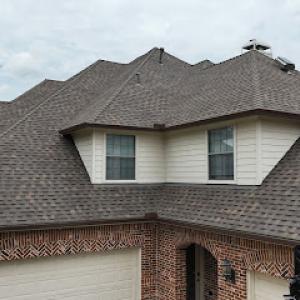
Infinity Contracting Services
(832) 300-3304 www.infinitycontractingservices.com
5623 S Main St, Crosby, Texas
4.7 from 21 reviews
Is your roof showing signs of wear or damage? Infinity Contracting Services provides professional roofing services in Crosby, TX that offer peace of mind and lasting protection for your home or business. With 16 years of hands-on experience and a proven reputation built since 2009, we are proud to be a family owned, locally operated, and third-generation roofing company committed to excellence. Our slogan, “To Infinity And Beyond… Your Expectations!” reflects the level of service and quality we deliver to every project. We specialize in a full range of roofing services for residential and commercial customers, including roof installation, roof replacement, and roof repair

ELK Roofing
(281) 477-7663 elkroofingtx.com
20111 FM 2100 Ste 245, Crosby, Texas
5.0 from 2 reviews
ELK Roofing is a roofing contractor serving Houston and all surrounding areas. Our family owned and operated company offers residential roofing, commercial roofing, asphalt shingle roofing, metal roofing, and more. We also specialize in insurance claims, cement board siding, seamless gutter systems, and construction services. Clients love working with us because of our comprehensive warranties and ease of doing business. We are fully insured and maintain notable industry affiliations with certifications from industry leading product manufacturers. Contact us for a customized free estimate!
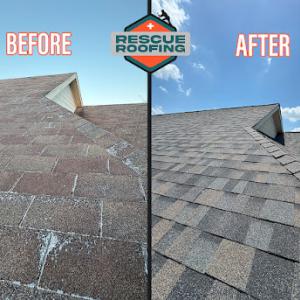
Rescue Roofing
(281) 733-2299 rescueroofing.net
Serving
5.0 from 114 reviews
Rescue Roofing is your local Texas roofing company. We provide reliable work with same-day service, flexible financing, and clear communication. We’re built on trust, craftsmanship, and doing the job right the first time. Whether it’s storm damage or regular wear, our team shows up fast and delivers lasting results. Free inspections. No obligation. Just honest roofing from people who care.
Douglas Roofing
Crosby, Texas
5.0 from 1 review
If your roof is in rough shape, it's time to call a reputable roof repair company. Douglas Roofing provides a wide range of roof repair services in Crosby, TX, Houston, TX, and surrounding areas. Whether you need a leaky roof repaired or an old, badly damaged roof replaced, we can make it happen. You can rely on our experienced roofing contractors to make sure your roof is completely waterproof. Call now to schedule roof leak repair and roof waterproofing services. We can install insulation and apply a water repellent to your roof right away.
American Frontier Roofing
(832) 374-1378 americanfrontierroof.com
Serving
5.0 from 72 reviews
American Frontier Roofing is a reputable Houston-based company that empowers you to take control of your roofing project. We provide excellent roofing services and prioritize customer satisfaction. Our experienced team has over 20 years of experience and strives to exceed your expectations.

Falcon Roofing & Construction
(346) 742-0249 www.frctxllc.com
Serving
5.0 from 55 reviews
Falcon Roofing & Construction, LLC provides roofing, foundation, renovation, addition, pool, and other residential and commercial improvement services to the entire nation.
Courtesy Roofing
(281) 456-7159 courtesyroofing.com
Serving
5.0 from 8 reviews
Courtesy Roofing is a family owned and operated business located in Houston, Texas. We have served the Greater Houston area for over 30 years, and provide services throughout the United States. Our knowledgeable, trained staff works to manufacturers' specifications to provide the highest quality finished product and maintain manufacturers' warranties on their roofing materials. *We will be here tomorrow to stand behind what we do today!*
Campbell Roofing & Solar
(832) 779-1150 www.campbellroofingsolar.com
Serving
5.0 from 26 reviews
Campbell Roofing & Solar, LLC provides roofing, gutters, leaf guards, solar installation services to the Baytown, TX area.

STX Roofing
Serving
4.9 from 247 reviews
We are a local, veteran-owned and operated team of contractors providing roofing and construction services to the greater Houston area since 2016. We pride ourselves on providing quality work and a job done right the first time! We look forward to working with YOU!

Baytown Roofing
(281) 520-1871 www.baytownroofing.net
Serving
5.0 from 16 reviews
Baytown Roofing is your trusted local roofing company proudly serving Baytown and the surrounding areas. We specialize in roof repairs, replacements, and inspections—always using quality materials and honest workmanship. From minor leaks to full roof makeovers, we’re here to protect your home with care you can count on.
Kirsch Roofing
(281) 465-2139 www.kirschroofing.com
Serving
5.0 from 60 reviews
Kirsch Roofing provides roofing services to the Kingwood, TX area.
In Crosby, asphalt shingles dominate because they fit the area's storm-repair economics and are widely used for replacement after hail and wind events. They're straightforward to install, respond well to rapid repairs, and have a broad local contractor base for emergency work or insurance-driven reroofing. When choosing asphalt, look for a thick, well-sealed laminate design and a reinforced underlayment system to better ride out tropical rain bands and high humidity. In practice, you'll want a shingle that carries a strong wind rating, good impact resistance, and a compatible underlayment to minimize the risk of moisture intrusion during a sudden storm. If a hail pattern is suspected, plan for a professional inspection after any significant hail event, since cosmetic dents on shingles can hide underlying damage that jeopardizes the roof's life. A reliable local crew will document hail impact, which helps with insurance claims and repair timelines.
Metal roofing has a meaningful local specialist presence in Crosby, reflecting homeowner interest in stronger wind and rain performance despite higher upfront cost. Metal panels offer outstanding resistance to hail impact when properly installed, and their seamless seams reduce leak points during heavy tropical rainfall. The trade-off is a stiffer roof surface and fewer retrofits compared to asphalt, which can affect how nearby structures connect to existing framing and attic ventilation. If you're considering metal, prioritize corrosion-resistant coatings, secure fasteners, and proper attic ventilation to prevent condensation issues in humidity-heavy seasons. A metal roof can be a wise choice on certain home styles or additions, especially where long-term performance and rapid post-storm repairs matter, but ensure the deck and framing are prepared for the added weight and potential expansion/contraction with temperature swings.
Tile and wood options exist locally but must be weighed against storm impact risk, humidity exposure, and the structural and repair realities of homes in the Crosby area. Tile (clay or concrete) offers long life and a distinct look, yet heavy weight requires substantial roof framing and careful assessment of soffit, fascia, and attic clearance. Humidity can affect wood shingles or shakes, accelerating wear if ventilation isn't balanced and leading to warping or rot in damp seasons. If a home already has a compatible structure and you value a premium, aesthetically distinctive roof, discuss reinforced framing, moisture barriers, and regular maintenance with a contractor who understands local storm patterns. For those prioritizing quick, damage-control repairs after hail, tile and wood can be sensible in select applications, but typically demand more upfront planning and ongoing upkeep.
Start by matching the roof to your home's structure and typical storm exposure. Prioritize material with proven performance against hail and heavy rain, while ensuring the chosen option aligns with the home's existing framing and ventilation. Gather information on local installers with storm-repair experience and review their post-storm service records. Use a documented assessment after a hail event to guide insurance discussions and repairs, regardless of material choice.
In this area, storm activity-especially hail and tropical bands-drives pricing up quickly. Local bidding pools tighten after a storm, and crews and materials get scarce across the east Houston corridor. That means you may see higher per-square costs or shorter windows to lock in a crew after a hail event. Planning ahead and requesting written estimates before trouble hits can help you hold a steadier price, even when demand spikes.
Asphalt shingles in Crosby typically run about 350 to 550 USD per square. Metal roofs fall roughly between 700 and 1200 USD per square, with fire resistance and longevity often cited as value adds. Clay tile tends to span 1100 to 2100 USD per square, while concrete tile ranges from 900 to 1800 USD per square. Wood shingles or shakes usually run 650 to 1200 USD per square, and synthetic or composite shingles sit around 600 to 1100 USD per square. These ranges reflect local labor pace, material lead times, and the need to coordinate crews around storm-driven demand.
Year-round work is feasible in Crosby, thanks to mild winters, but the wet spring and the hottest stretches of summer can slow staging, tear-off, and installation. Hail or tropical rain events can compress scheduling, pushing timelines into busy windows and potentially affecting disposal or waste-haul availability. Building a contingency around weather lull periods helps keep the project on track and reduces the chance of weather-related delays.
If storm damage is obvious or suspected after a hail event, start with a damage assessment and a written replacement plan from a trusted local roofer. Compare multiple bids within the Crosby area before choosing, and factor in the risk that prices can spike after severe weather. The material choice should balance local climate realities-hail resistance, UV exposure, and thermal performance-with long-term value, given the mix of tile and shingle options common to Crosby homes.
Don't let upfront costs delay a critical repair - these contractors offer payment plans to fit your budget.
Lower Bids Roofing & Remodeling
(281) 328-7003 www.lowerbidsroofing.com
1777 Lower Bids St, Crosby, Texas
5.0 from 249 reviews

A full reroof in this area typically requires a building permit through the local city or county building department rather than being handled as informal maintenance. That means the project is subject to official review, plan checks, and recorded permit activity. In practice, the contractor usually submits the permit application and the project details, but homeowners should confirm who is listed as responsible before tear-off starts. If something changes mid-project-such as a switch in contractors or a delay-the permit holder listed with the department should be updated promptly to avoid confusion during inspections.
Inspections in this market follow a predictable sequence, but weather-driven storms can tighten the calendar. Generally, a first inspection occurs after tear-off is completed. This ensures the deck is clean and the substrate is ready for underlayment. The next inspection happens after underlayment or the roofing installation stage, confirming that the chosen materials and installation methods meet code requirements and local amendments. A final completion inspection seals the project, verifies proper flashing and detailing, and confirms that all work matches the approved plans.
Because inspection demand can spike after major storm events, especially with hail recovery work, scheduling can be tighter than normal. If a storm event triggers a surge in permits and roof repairs, anticipate potential delays in getting inspections scheduled. The best approach is to coordinate with the contractor to pre-book anticipated inspection windows, and have drainage, interior access, and any required staging areas ready to minimize hold times between steps.
Upon completion, ensure you receive a final inspection report and a possession of compliance letter or certificate as applicable. This documentation helps support any post-storm insurance claims and provides a clear record for future resale. Keep all permit correspondence, inspection notices, and the final sign-off in a dedicated folder for easy reference.
In Crosby, the long hot and humid season accelerates shingle aging, attic heat buildup, and moisture-related roof system stress more than winter weather does. Asphalt and synthetic shingles endure more rapid granule loss, color fading, and potential sealant delamination when constant sun and humidity push temperatures upward under vented or poorly vented attic spaces. Understanding these patterns helps you anticipate early signs of wear before leaks appear.
Attic heat isn't just uncomfortable upstairs; it drives deck and underlayment stress below. When attic space traps heat, it can soften adhesives, expand and contract roof components, and elevate indoor humidity that seeps into rafters and insulation. A well-vented attic with balanced intake and exhaust can dampen those effects, but in the Gulf-influenced climate, almost every home benefits from a practical inspection of soffit vents, ridge vents, and baffles to keep airflow steady year-round.
In this market, roof longevity is often limited more by repeated storm exposure and humidity than by freeze-thaw cycling. Hail, tropical downpours, and humidity cycles can drive recurring micro-damage across shingles, flashing, and fasteners. You may notice hairline cracks, lifted granules in gutters, or rust on metal components after a heavy storm-these are early indicators of cumulative stress that can escalate without timely repairs.
Because roofing work can continue through much of the year here, summer scheduling often has to account for crew safety, adhesive behavior, and afternoon thunderstorm interruptions. High heat can affect sealants, roof cement, and asphalt-based products, so crews often adjust application times to cooler portions of the day. Plan with your contractor for possible delays tied to heat advisories and sudden storms so you maintain an effective repair or replacement timeline.
A practical approach is to pair routine inspections with rapid responses to storm impact. After hail or heavy rain, inspect for loose shingles, lifted flashing, and moisture in the attic or ceiling. Prompt patching or temporary tarping can prevent interior damage while a fuller assessment follows. Keeping a simple log of weather events and observed roof conditions helps you document the roof's performance through the season and into the next.
The local contractor mix shows active demand for flat-roof and skylight work in Crosby, indicating leak-prone low-slope sections and roof penetrations are a real service need here. Thunderstorm-driven downpours and tropical bands push water toward seams, flashings, and any joint where two planes meet. If the main field looks solid but a corner or corridor of flat roof feels soft after a heavy rain, that's a red flag: a small failure there can quietly become a big problem before the rest of the roof shows obvious trouble.
Heavy rain events open up flashing around skylights, vents, and transitions much more than many homeowners expect. In homes with mixed rooflines, the risk compounds where a low-slope section ties into steeper pitches or where multiple penetrations share a limited flashing surface. If you notice damp spots along a skylight curb or water staining mid-wall near a vent, inspect the sealant line and the metal flashing at the base. Seams should be tight, joint mastic clean, and any step flashing under shingles should be properly integrated with the skylight flashing. A common failure pattern is where patches were applied after a storm without addressing the underlying flashing continuity-this creates a chronic drip point that will reappear after every heavy rain.
After a tropical downpour, keep water away from interior leaks by tarping the most active spots if you can do so safely. Don't rely on the latest patch alone; storm-driven water tends to follow the path of least resistance and can travel along fasteners and between shingle laps toward penetrations. Photograph each issue area, especially around skylights, flashings, and transitions, so a contractor can assess whether repairs are about sealing a single seam or reworking a larger flashing detail. If multiple leaks emerge from penetrations, it often signals a broader retrofit is needed rather than a quick fix.
For flat or low-slope sections, emphasis should be on robust penetration details and continuous edge flashing. The goal is to prevent water infiltration at every seam, not just to stop the current drip. Ask for evidence of proper drainage details and test water tightness around skylights during a controlled rain test if available, rather than relying on visual cues alone. In this market, a careful, detail-oriented approach to flashing pays off more than quick, patchy repairs.
Find specialists in TPO, EPDM, and built-up flat roofing systems for residential and commercial properties.
In Crosby, the market is heavily oriented toward reroofing and storm response, so homeowners should expect many contractors to emphasize fast turnaround and insurance familiarity. When you call in a storm situation, ask how quickly they can place temporary protection, how they coordinate with adjusters, and what their typical communication cadence is during a repair or replacement. Look for crews that routinely handle tear-offs in storm-affected neighborhoods and can show a track record of working with insurance claims without slowing down your timeline.
Cleanup is a major local hiring priority, which matters after tear-offs in neighborhoods where storm debris and roofing nails can compound post-storm mess. Ask for a detailed cleanup plan: how nails are collected, what methods are used to prevent driveways and yards from accumulating debris, and whether a magnet sweep is included. Confirm they bring a licensed waste container, daily site tidy-ups, and a final walk-through to ensure nothing is left behind.
Long-established, affordable, and quick-response contractors are especially visible in Crosby's market signals, suggesting homeowners value reliability and speed over luxury positioning. Check how long the company has been operating locally, whether they maintain a dedicated storm-response crew, and if they can provide a realistic, written start-to-finish timeline. A local frontrunner should offer a clear plan for weather windows, tarp/temporary cover, and a disciplined cleanup schedule that minimizes disruption to your neighbors.
After storms, you want a roofer who communicates clearly and documents everything for insurance. Confirm current licenses, references from recent Crosby projects, and who will be your point of contact. If questions arise during the claim process, you should have a responsive team member who can provide photos, measurements, and a detailed scope of work that aligns with your insurance adjuster's expectations.