
Last updated: Apr 19, 2026
Porter sits in a hail- and thunderstorm-exposed part of Montgomery County where spring severe weather drives concentrated roof damage and claim activity. The combination of pine-shaded subdivisions and wooded lots means hail can land with more irregular impact patterns, and wind gusts can loft branches that slam against shingles or tiles. After a major storm, you will often see a surge in urgency from neighbors who discover leaks, fallen branches, or exposed decking. This isn't theoretical here-damage stacks up quickly when storms roll through, and insurers expect solid documentation and timely responses.
The strongest local contractor specialization signals are storm damage, insurance claims, and emergency repair. That means you'll encounter rapid response teams, on-site damage assessments within 24 to 72 hours, and crews ready to tarp or secure your roof to keep water out. In Porter, not all roofers are equal when it comes to navigating insurance paperwork or coordinating a full replacement after a hail event. Look for crews with demonstrable experience handling storm claims, clear repair authorization processes, and a track record of coordinating with adjusters to maximize the return for warranted repairs.
Because Porter is an unincorporated community spread across subdivisions and wooded lots, wind-thrown branches and debris from surrounding pine cover can add impact and puncture damage after severe storms. Inspect the roof for bruising on shingles, granular loss, and random dents. Look for lifted flashing, loose ridge caps, and granules gathered in gutters. Don't overlook attic signs: dark staining, musty odors, or damp spots on ceilings indicate water penetration that isn't visible from the ground. If trees or limbs landed nearby, assess for fascia and soffit damage as well as potential gutter misalignment.
Begin with a rapid damage scan the day after the storm, prioritizing safety. If you see active leaks, standing water, or loose material, secure the area and contact an emergency repair crew for temporary tarping and wind mitigation. Document everything with clear photos and time-stamped notes from multiple angles, including close-ups of dents, granule loss, and any displaced components. Notify your insurance promptly with a concise summary of observed damage and the storm date, then request a wind- and hail-damage specialist from your insurer if available. Keep a log of all contractor quotes, dates of inspections, and communication with the insurer so you can compare recommendations and avoid delays.
Prioritize contractors who can perform a thorough post-storm roof assessment, explain coverage implications, and demonstrate a transparent claim-management process. In Porter, the best teams coordinate closely with adjusters, provide a clear scope of repairs, and outline temporary protections while the claim is pending. Ask for references from local neighbors with recent storm work, verify licensing and insurance, and ensure the chosen crew can address both the immediate emergency needs and the long-term performance of your roof in this climate.
Madd Roofing & Generators
(281) 577-4065 maddroofing.com
24706 TX-494 Loop Suite 2, Porter, Texas
5.0 from 227 reviews
We are proud to be Kingwood's preferred team of experts for residential roofing and home generators. Proudly serving the surrounding communities for years, we specialize in protecting what matters most—your home and your peace of mind. From roof repairs and full replacements to whole home generator installations, we deliver high-quality craftsmanship built to last. As local roofers and home generator installers, we understand and greatly value the importance of dependable service. That’s why homeowners across the area turn to us for honest guidance, experienced crews, and work done right the first time. We don't just work in Kingwood—we live here, and our reputation is built on prompt service, clear communication, and long-term solutions.
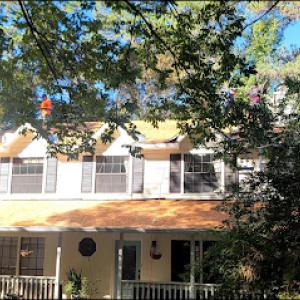
American Construction & Roofing
(832) 358-7743 americanconstructionroofingtx.net
19474 Riverwalk Dr, Porter, Texas
4.9 from 105 reviews
American Construction & Roofing understands how important your home and business is to you and the significant investment involved for quality roof installation or roof restoration. As a reputable and professional roofing repair contractor, we offer years of roofing experience that includes a complete and comprehensive range of roof services that are designed to enhance curb appeal, provide energy efficiency and increase the value of your business or commercial property.
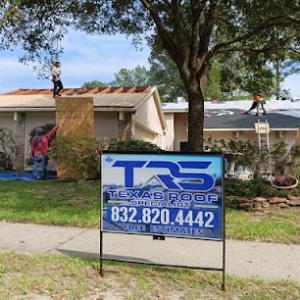
Texas Roof Specialist
(832) 820-4442 texasroofspecialist.com
25139 Colette St, Porter, Texas
5.0 from 47 reviews
Texas Roof specialist is your trusted roofing contractor serving homeowners and business across New Caney, Porter, and Kingwood Texas. We provide expert roof repairs, replacements, inspections, and maintenance with top-quality materials and unmatched customer service. Whether it's a minor leak or a full roof replacement, our experienced team ensures your project is complete on time and on budget.
M&R Construction, Roofing & Painting
(713) 935-5347 www.mandrconstructiontx.com
21635 Lexor Dr, Porter, Texas
4.7 from 104 reviews
Protect your largest investment with our reliable roofing services. We are a locally owned and operated roofing company currently serving Porter, TX and surrounding communities. If you want to make your roof last as long as possible, it is vital that you never put off a roof repair. Small issues with roofing become big issues in a hurry. No matter how major or minor the repair you need, we are here to help. We offer roofing contracting, roof installation, and roofing repairs.
Premier Roofing & Construction
24816 Wayne Rd unit d, Porter, Texas
5.0 from 18 reviews
At Premier Roofing & Construction, we’re not your regular roofing company we’re your trusted partner for all your roofing and construction needs in Houston. With our foundation built on integrity and a commitment to quality, we bring a personal touch to every project we undertake.
Ben Diaz Roofing
(281) 540-7270 www.bendiazroofing.com
25397 Lamar Ln, Porter, Texas
4.7 from 34 reviews
An experienced and highly competent roofing contractor, Ben Diaz personally operates Ben Diaz Roofing. There is no salesperson involved, as Ben personally meets with every homeowner to assess their roofing needs, provide a free estimate, and supervises every job. The #1 goal of Ben Diaz Roofing is to provide excellent customer service and quality workmanship. With over 40 years in the industry, Ben Diaz has a well-established reputation as a superior roofing contractor in the Kingwood, Porter, Atascocita, Humble, and the Greater Houston areas. Ben Diaz Roofing specializes in both residential and commercial roofing. Ben Diaz Roofing is a member of the BBB with an A+ rating, and a GAF Certified Roofing Contractor.

Reality Roofing & Construction
(713) 294-3404 realityroofingconstruction.com
19204 Kanawha Dr, Porter, Texas
4.9 from 23 reviews
At Reality Roofing and Construction, we offer unsurpassed roofing services in Houston, Spring and surrounding cities. We are a team of experienced and certified roofing professionals committed to providing the highest quality workmanship and materials. Call now for a free estimate 713-294-3404.
Premier Image Roofing & Construction
(832) 316-1012 www.premierimageroofing.com
21476 Pleasant Forest Dr, Porter, Texas
4.6 from 12 reviews
We are a roofing and construction company, specializing in storm damage insurance claims. We also work with directly with clients that want to remodel or update their homes. Roofing, gutters, fences, exterior work, interior remodels, interior repairs.
Gonzalez Roofing Exteriors
(281) 763-0242 www.gonzalezroofingexteriors.com
23166 Woody Ln, Porter, Texas
5.0 from 1 review
Trusted roofing contractor in Porter, TX serving Kingwood, New Caney, and Humble. We specialize in roof repair, roof replacement, storm damage restoration, and emergency roofing services! Free estimates & fast service.
Hauk Roofing
(281) 203-7312 www.haukroofing.com
Serving
5.0 from 112 reviews
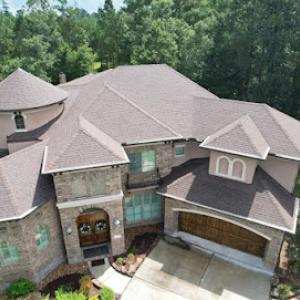
Trust us with your next roof! We are veteran owned and insured local roofer. Our (Jason and Corey) story began in 2009 as an Army Health Care Recruiting command team for Texas, Louisiana, and Arkansas. Upon retirement from the Army in 2012, Jason began his next career in the roofing industry. After Corey retired, he continued to recruit for the next 8 years with Herc Rentals and Hertz. But as fate has it, Corey and Jason are back together again and started their own roofing company. Jason and Corey believe with their values and commitment to excellence this will make them your top choice for all your roofing needs.
Spartan Roof Construction
(281) 782-9422 spartanroof.net
Serving
5.0 from 591 reviews
Residential Roof Repairs and Full Roof Replacements
Weather Shield Structures LLC - Kingwood & The Woodlands Roofing Pros
(936) 230-8366 weathershieldstructures.com
Serving
5.0 from 22 reviews
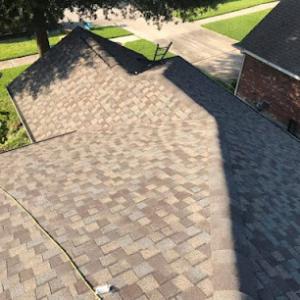
Weather Shield Structures are a residential and commercial roofing service that specialize in insurance claims, roof replacements & roof repair
In this community, a full re-roof commonly requires a Montgomery County building permit because the area is governed through county permitting rather than a separate city building department. That means, before lifting the old roof or bringing in crews, you should plan for the county to review and approve the scope of work. A typical re-roof project dives into a few specifics beyond the basic decision to replace shingles. The county expects a documented scope that ties the new roof to the house structure, a clear materials plan, and an understanding of how the underlayment and wind-resistance features will perform under local spring hail and storm conditions. If a contractor offers a "temporary" or minimal-permit approach, proceed with caution-the county treats full replacement as a project where oversight is likely, not an afterthought.
Before work begins, the permitting office commonly asks for several elements to keep the project moving smoothly. Start with a concise project scope that outlines the full re-roof, including any tear-off details, the number of layers to be removed, and whether there will be any deck or substrate repairs. Roofing material details should specify the exact shingle or panel type, color, and distribution across the roof surface, including edge and ridge treatments. Underlayment information matters too: the county will want to know if synthetic or traditional felt is used, plus any special moisture barriers or ventilation strategies intended to mitigate humidity-driven deterioration. Wind-load considerations reflect Porter's exposure to spring wind gusts, so the plan should address fastener patterns, nail sizing, and any vented or sealed penetrations that improve wind resistance. Having product data sheets and installation guides on hand helps the permitting reviewer verify alignment with code and manufacturer recommendations. The goal is to demonstrate a complete, install-ready plan that minimizes future call-backs for repairs.
Rough and final inspections are part of the local process. The rough inspection typically occurs after the roof deck is prepared and the underlayment and starter courses are in place, but before the final surface is installed. The final inspection confirms that the completed roofing system aligns with the approved plan, including material specifications, underlayment, ventilation, and any wind-load enhancements. A practical note: keep the permit visibly displayed on site during the roofing job. Inspectors expect to see the permit card or notice at a prominent location so confirmation steps aren't delayed. If subcontractors move from one phase to another, ensure the project supervisor can present permit documentation and any required amendments promptly. Failing to display the permit or to have accurate field records can trigger delays or re-inspection, especially when spring storms place a premium on timely completion.
Engage a contractor who is comfortable navigating county processes and can advocate for a smooth permit review. A local roofing team will be familiar with how Porter's climate drives inspection expectations, including the emphasis on wind-load strategy and the practical realities of spring hail damage patterns. Keep neighbors informed about access and debris management, since a visible permit can reassure the surrounding property owners that the project is legitimate and within the county's oversight framework. If storm-damaged sections require expedited scheduling, discuss any permissible accelerations with the contractor and ensure the permit record accurately reflects these adjustments.
Asphalt shingles are the dominant local choice, and for good reason in this climate. They pair well with the typical suburban roof lines found along the US-59 corridor and respond predictably to the spring hail and thunderstorm activity that Porter sees year after year. You'll find a wide local supply, straightforward installation, and solid service life when paired with good attic ventilation and proper sealing at edges and penetrations. Yet, asphalt isn't the only option homeowners consider, especially when a roof faces heavy hail events, humid heat, and the need for long-term algae resistance.
Metal roofing continues to gain traction with homeowners who want wind-stable performance and rapid shedding of hail impacts. In Porter, the extra mass of metal is a factor to weigh against the structure and underlayment quality, but when properly installed, metal can deliver excellent hail resistance and a cooler attic on hot summer days. Clay and concrete tiles bring durable, impact-resilient options that perform well in the heat and resist algae growth. They do add weight, so the structure and fasteners must be evaluated and, in some cases, reinforced. Wood shakes offer a traditional texture and good natural drainage, yet they demand diligent maintenance to prevent moisture intrusion and algae growth in the humid months. Synthetic or composite shingles provide a versatile, lighter-weight alternative with improved impact resistance and color stability, often with lower maintenance than natural materials. In practice, many Porter homeowners balance appearance with performance, selecting a material that meets hail resistance, algae resistance, and ventilation compatibility while staying within the household's practical needs.
Porter's hot, humid summers and long storm seasons place a premium on impact resistance and fastener quality. The best-performing roofs here are designed to resist hail pings and strong wind gusts without compromising the seal around vents and chimneys. Regardless of material, ensure that the system reconciles with the attic ventilation strategy to reduce heat buildup and moisture in the roof deck. A well-ventilated roof reduces the risk of deck warping and resistive aging, helping sealants and underlayment do their job longer. The fastening pattern matters more than you might expect: wind-driven misses at the edges or improper nailing can become invitation for leaks after a heavy spring storm. If you're choosing heavier tile systems, budget extra attention to structural compatibility and a qualified install that can handle increased weight without compromising the roof's integrity.
In this climate, you want a roof that handles hail without cratering, sheds moisture quickly, and keeps algae growth at bay. Materials with reinforced underlayment, robust wind detailing, and compatible ventilation work best when paired with a thoughtful installation approach. If you prioritize longevity and a high resistance to weather damage, heavier tiles and premium metal options can be compelling choices, but require professional assessment of your existing structure and attachment methods. For many homes in the area, retrofitting a roof with improved underlayment, upgraded fasteners, and a venting plan yields a practical balance between performance and the realities of Porter's storm season.
Typical local pricing runs about $350 to $600 per square for asphalt shingles, $700 to $1800 for metal, $900 to $2800 for clay tile, $600 to $1800 for concrete tile, $550 to $1100 for wood shingles or shakes, and $420 to $800 for synthetic/composite shingles. These ranges reflect the mix of aging roofs, attic ventilation needs, and the more demanding installation practices common in this area's humid climate. When you're budgeting, the upfront cost per square is only part of the story; the long-term performance and resale value depend on choosing a system that handles heat, humidity, and wind.
In Montgomery County, costs can rise after spring hail and severe thunderstorm periods when demand surges and contractors are pulled into insurance-driven re-roof schedules. That spike is real in this corridor, where quiet fronts give way to months of rapid scheduling and price adjustments. If your project hits a peak period, you may see modest increases in both material allowances and labor lead times. Planning ahead can help you lock in a more stable price and avoid last-minute surcharges.
Material choice matters more locally because humid heat, storm exposure, and the need for upgraded underlayment or wind-focused installation details can widen the gap between basic and premium systems. For asphalt, better granule retention and a stiff roof deck matter in wind-prone days. For tile and metal, underlayment quality and fastener corrosion resistance pay off in the long run given the humidity and temperature swings. Synthetic/composite options often balance cost against longer-term durability under Porter's climate.
Start with a full roof assessment to determine whether you need enhanced ventilation, upgraded underlayment, or wind-rated shingles. Get at least three written bids during a non-peak season if possible; insist on including shingle type, underlayment, nail pattern, and wind uplift specifications. Ask installers to document any anticipated charge variations tied to spring weather windows, and request a projected timeline that accounts for potential insurance-driven scheduling. A clear, itemized estimate helps you compare not only price but the value of enhanced performance in this market.
Get a clear picture of your project costs upfront - no commitment required.
Ben Diaz Roofing
(281) 540-7270 www.bendiazroofing.com
25397 Lamar Ln, Porter, Texas
4.7 from 34 reviews

Reality Roofing & Construction
(713) 294-3404 realityroofingconstruction.com
19204 Kanawha Dr, Porter, Texas
4.9 from 23 reviews

Royal Crown Roofing, LLC – Roof Repair & Roofing Contractors in The Woodlands & Spring TX
(844) 769-2514 www.royalcrownroofingtx.com
Serving
5.0 from 179 reviews
Porter homeowners operate in a regular hail and wind claim environment, so insurers commonly expect thorough photo documentation and prior claim history when roof damage is reported. After a Montgomery County storm, a well-documented sequence of images-wide shots of the home, close-ups of damaged shingles or flashing, and timestamped meteorological notes-helps cut through ambiguity. Insurers tend to scrutinize the timeline from wind event to claim filing, so having a clear, dated record can prevent miscommunications about when damage occurred. In this climate, the people you deal with at the desk are often adjusting based on historical patterns, not just a single incident.
Roof type can affect underwriting and coverage options locally because carriers track weather-related damage trends and may view some materials differently after repeated storm seasons. A metal roof that shows denting from hail can be treated differently than asphalt shingles that blister or curl; clay or concrete tiles might trigger concerns about loss of granules or broken lines around hips and ridges. The long, humid summers and quick spring-thunderstorm cycles in the area amplify these considerations, so the carrier may look at your roof as part of a broader risk profile, not as an isolated damage event. The difference in treatment can influence how a claim is evaluated, what limits apply, and how deductibles are interpreted after a major storm.
In this market, documentation quality is often the hinge on whether a claim is smoothly processed or delayed by a carrier's review. A thorough diary of weather events, paired with professional inspections and dated repair notes, can speed the path from assessment to settlement. Keep copies of all contractor estimates, photos showing preexisting conditions, and notes from any prior claims on the property. If an inspection reveals repeated storm exposure, it's wise to present that history clearly rather than letting it complicate an isolated incident. When storm season raises the risk of repeat events, carriers tend to enhance scrutiny; clean, organized files can help ensure that coverage remains aligned with policy terms across multiple events.
Prepare a rapid photo log immediately after a hail or wind event, then schedule a licensed roof assessment as soon as practical. Compare findings from multiple independent inspectors to establish a consistent narrative about damage and its likely cause. If prior claims exist, assemble a concise history that links patterns of wear or damage to seasonal weather. When speaking with the insurer, present the documented timeline first, followed by the professional assessment, to preempt questions about timing and origin. In this market, clear, thorough records are not just helpful-they shape how coverage is applied after a big Montgomery County storm.
Connect with contractors who help homeowners navigate the claims process from damage assessment to final approval.
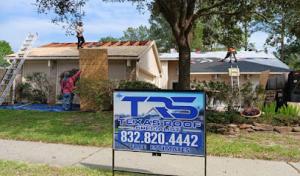
Texas Roof Specialist
(832) 820-4442 texasroofspecialist.com
25139 Colette St, Porter, Texas
5.0 from 47 reviews
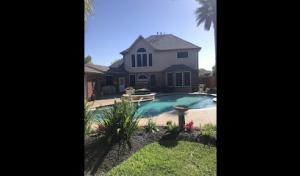
M&R Construction, Roofing & Painting
(713) 935-5347 www.mandrconstructiontx.com
21635 Lexor Dr, Porter, Texas
4.7 from 104 reviews
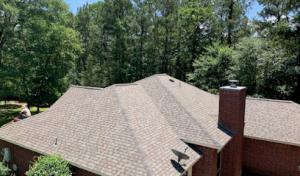
Premier Roofing & Construction
24816 Wayne Rd unit d, Porter, Texas
5.0 from 18 reviews
Porter's humid subtropical climate brings long hot summers that accelerate shingle aging and can shorten the service life of roofs already weakened by spring storms. When hail rattles the shingles and winds strip granules, the wear compounds quickly as temperatures climb. In attic spaces, heat builds, expanding and contracting under changing sun angles, which can loosen fasteners and set up micro-cracks. This region's common asphalt and composite layers tend to lose flexibility first, making cracks more likely under subsequent storms. A roof that's aged from earlier hail damage will show faster deterioration as summer heat presses on vulnerable seams and penetrations.
High humidity and repeated heavy rain events increase the importance of dry-in timing during replacement, especially in wooded neighborhoods where roofs may stay damp longer. In Porter's pine-lined streets, shade cools but traps moisture, delaying deck drying after a wintry or spring storm, and rain can return quickly in late spring and early summer. When the new underlayment goes down, any lingering moisture beneath can trap between layers, inviting mold and rot. A precise sequence-seal, protect, and dry-in promptly-helps ensure flashing is bedded correctly and roof vents remain unobstructed through the wet season.
Summer installation can be more difficult locally because heat affects crew pacing, material handling, and the risk of exposing decking during sudden afternoon thunderstorms. Extreme daytime temperatures push crews to start earlier and take longer breaks, which can stretch schedules and raise the chance of mistakes if the deck is kept exposed. Shingle bundles blister in direct sun, and adhesive tabs set unevenly if the temp is too high or humidity is rising quickly. Planning for shade, cooling breaks, and rapid cover of exposed decking during storm windows helps keep a roof replacement on track without compromising a dry-in and reducing the risk of leaks.
In the pine-shaded streets of this area, a single storm can leave a trail: hail bruises that hide under granules, shingles that lift or crease from thunderstorm winds, and moisture intrusion after heavy rain that follows when flashing or seals fail. These issues rarely stand alone; they compound, making slow leaks and sudden interior dampness more likely after the next sequence of storms. A quick inspection after a hail event helps catch the first signs before rot starts, especially in Porter.
Tree debris and branch impact are a practical concern here compared to towns with fewer trees. Pine needles clogging gutters, sap staining, and branch strikes can crease shingles or trap moisture against the roof edge. Over time, that debris holds moisture, inviting moss and accelerated aging, especially on asphalt and wood shingles. Regular cleaning after the windy season reduces the chance of hidden leaks.
Older roofs face brittleness from heat and occasional winter freezes, which stress materials and expose weak flashing. In long humid summers, adhesive seals soften, then crack as temps swing. The result is a higher likelihood of micro-leaks that show up only after several storms. If flashing rings, step-flashing, or valley seams look suspect, patchwork may fail under the next heavy rain, pushing you toward more thorough repairs.
After spring storms, look for hairline cracks, lifted edges, granule loss, or dark stains on ceiling. Inspect gutters and downspouts for shingle granules and pine needles. A careful eye on drip edge and chimney flashing helps prevent costly water intrusion. Hire a local roofer who understands how Porter's pine canopy and humidity accelerate wear. Seek timely, professional evaluations.
When you can't wait, these contractors offer fast response times to stop leaks and prevent further damage.
Texas Roof Specialist
(832) 820-4442 texasroofspecialist.com
25139 Colette St, Porter, Texas
5.0 from 47 reviews
In this part of Montgomery County, a high-volume storm-repair market means homeowners face a crowded field of contractors offering inspections, rapid response, and re-roofing after the same weather event. The local scene rewards quick action, clear documentation, and a straightforward, honest assessment of needed repairs. Cleanups, fast response times, and free inspections are common signals that align with how Porter homeowners handle storm-driven roof work.
A solid choice shows up with tangible credentials and a stable presence. Look for manufacturer-certified installers, drone-inspection capabilities, and a track record you can verify through references or online reviews. Family-owned firms and long-established small businesses often provide the accountability and continuity that matter after a hail event, when you want someone who will be around to address follow-up concerns. The strongest candidates present a clear plan not just for the initial mitigation, but for documenting damage and guiding the process to a proper claim, which matters more here than price alone.
When the inspector arrives, you should receive a detailed, itemized assessment that you can compare across several bidders. Ask how they handle the claim-support process: who fills out forms, who coordinates with the insurer, and what kind of photos or drone footage they provide. Notice how they communicate about timelines, cleanup, and nuisance factors like debris and disruption to daily routines. Prioritize contractors who lay out expectations in writing, offer a credible timeline, and commit to transparent documentation throughout the job. In this market, you want a partner who can be counted on to align the storm-damage narrative with your claim and your home's long-term needs.