
Last updated: Apr 19, 2026
Fredericksburg sits in the Texas Hill Country, where hot sun exposure and periodic hail both strongly influence roof aging and replacement decisions. The combination creates a harsh cycle: long days of sun bake shingles, then sudden hail strikes that leave dented metal, bruised shingles, or cracked tiles. This means your roof isn't just a weather nuisance-it's a ticking clock. When the heat mirrors an oven, asphalt gets brittle and loses flexibility; metal can warp or loosen fasteners; clay and concrete tiles may crack under hail impact or expand and contract with temperature swings. Expect faster aging than you would in milder climates, and plan your inspections and replacements with that accelerated timeline in mind.
The city's most favorable replacement windows are typically spring and fall, but spring also brings hail and storm activity that can suddenly shift a planned replacement into an insurance claim. If a storm rattles your ridge lines or leaves a peppered hail pattern across your shingles, you can be navigating a sudden claim and a compressed install window. If you are weighing a proactive replacement, consider aligning it with a calm shoulder season, but be ready to adapt when a rogue hail event hits and your insurer flags damage that requires assessment. In practical terms, that means keeping contractor scheduling flexibility in spring and having a quick response plan for post-storm inspections so a small crack doesn't metastasize into a roof deck issue.
Extreme summer heat in Fredericksburg can accelerate wear on exposed roofing materials and complicate installation schedules for crews working on steep residential roofs common in the area. Shingle granules wear away faster under relentless sun, and synthetic underlays can soften, delaying precise nail placement. Crews may need to start earlier in the day or pause during peak heat, which can extend project timelines. If you have a steep pitch or a roofline with tight transitions, heat makes membrane flashing work more finicky and increases the likelihood of scuffing or heat-induced curl. Plan around heat windows: avoid scheduling high-completion-day jobs in the peak heat hours, and remain flexible if crews ask for a heat-day pause or additional crew rotation.
Hail resilience is about proactive choices and quick, informed responses after events. Start with an inspection cadence that targets after-hail anniversaries and before major summer heat spikes. Focus on the most exposed areas: sills, valleys, roof edges, and any worn or curling shingles. If damage is found, document with dated photos and keep a log of weather events that coincide with the damage. This makes discussions with insurers more straightforward and reduces the risk of coverage gaps. When selecting materials, prioritize products with proven impact resistance and heat tolerance appropriate for Hill Country exposure. If a claim is filed, coordinate with a trusted local roofer who understands how spring hail can influence color match, flashing integration, and attic ventilation needs in this climate. A careful, timely response-paired with a durable, heat-tested material choice-can avert a cascading sequence of leaks, deck rot, and interior damage after the first big storm.
Fredericksburg homeowners operate in a Texas hail-and-wind claim environment where insurers often want detailed pre-loss and post-loss roof photos and may send adjusters for on-site inspections. Before a storm, take clear, dated photos of all elevations and the roof from multiple angles, including any existing damage or wear you can't fix yourself. After a hail event, promptly gather new photos showing any missing granules, dented flashing, or lifted shingles. When an adjuster arrives, have those pre-loss images ready alongside recent maintenance notes, venting details, and a rough map of roof planes to speed the process. Delays tend to compound when homeowners don't have a documented baseline to compare against the post-event condition.
Coverage decisions in this market can vary significantly by roof age and material, which matters in Fredericksburg because homeowners commonly choose among asphalt, metal, tile, wood, and synthetic systems. Metal roofs can resist certain hail impacts, but severe strikes may expose fasteners or edge detailing that matter to a claim. Clay and concrete tiles bring a different set of concerns-breakage patterns, chipped edges, and the risk of exposed underlayment if tiles fracture. Asphalt and synthetic shingles behave differently too, particularly with granule loss and surface swelling after a bold spring wind. The adjuster's view will hinge on the roof's remaining life, the visible wear, and the compatibility between the damaged area and the roof's original system. Knowing your roof's material and how long it has stood up to Hill Country weather helps in communicating what a fair repair or replacement should cover.
After spring hail or wind events, local demand can spike quickly, affecting inspection scheduling, claim timelines, and contractor availability in Gillespie County. If you wait, you risk longer lien or denial windows, and you may encounter backlogs that slow repairs. The best approach is to contact your insurer promptly after a storm and secure a clear path for an on-site inspection. Be prepared to coordinate with multiple contractors who understand local aesthetics and historical roof profiles, since Fredericksburg's rooflines often reflect visible, stylistic choices that matter for replacement or repair approvals. Staying proactive reduces the chance of miscommunication, missed deadlines, or mismatched materials that could complicate a claim years down the line.
Lubke Roofing & Gutters
(210) 865-8050 www.lubkeroofingandgutters.com
327 Suniland Dr, Fredericksburg, Texas
5.0 from 5 reviews
Lubke Roofing and Gutters safeguards Texas Hill Country homes with expert roofing and gutter services. Their qualified team tackles projects in Fredericksburg, Boerne, Comfort, Llano, Stonewall, Johnson City, Junction, San Antonio, and surrounding areas.
Aguilar Roofing
265 W Oak Dr, Fredericksburg, Texas
3.3 from 3 reviews
30+ years of experience in the Hill Country. Will Travel. Family owned and ran.
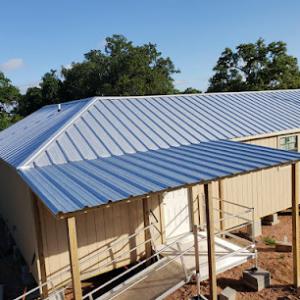
Fierro Roofing
(830) 992-0799 www.fierroroofingtx.com
Serving
5.0 from 11 reviews
Fierro Roofing is a trusted roofing contractor based in Comfort, Texas, serving residential and commercial clients within a 100-mile radius. With over 15 years of experience, we specialize in roof installation, roof repair, metal roofing, standing seam, tile, and shingle systems. Our bilingual team offers professional service, clear communication, and free estimates. Whether you’re dealing with storm damage, leaks, or planning a new build, we deliver high-quality roofing solutions with precision and care. Available Monday through Saturday and Sundays for emergencies, Fierro Roofing is your go-to for durable, reliable roofs in Comfort, TX, and surrounding areas.
Cypress Roofing
(830) 955-5075 www.cypressroofer.com
Serving
4.9 from 97 reviews
Cypress Roofing is the local leader you can trust for all your residential and commercial needs. Certified with the industries leading manufacturers, we provide top tier roof replacements, repairs and maintenance. Quality control being our highest priority, Cypress Roofing custom fabricates all metal roofing components from our in-house sheet metal shop located in the Texas Hill Country. We also offer custom fabricated seamless gutter installations through our gutter division. Our skilled and knowledgeable professionals are happy to assist you with a free roof inspection or estimate. We look forward to hearing from you.
Total Foundation & Roofing
(830) 792-4070 totalfoundationandroofingrepair.com
Serving
5.0 from 28 reviews
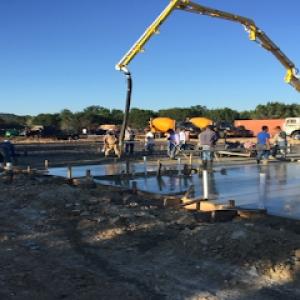
Total Foundation & Roofing, located at 317 Sidney Baker St in Kerrville, TX, is your trusted local contractor specializing in both foundation repair and roofing services throughout Kerrville and the surrounding areas, including Ingram, Center Point, Tierra Linda Ranch, Fredericksburg, and Comfort. Our expert team provides comprehensive services, including foundation crack repair, house leveling, concrete leveling, waterproofing, and more. For roofing, we offer roof repairs, replacement, installation, and maintenance, specializing in shingle, asphalt, and metal roofing, ensuring your home withstands Texas Hill Country's unique weather challenges. Contact us for a free estimate today.
ASAP Roofing & Renovation
(830) 285-7309 asaproofingtexas.com
Serving
5.0 from 26 reviews
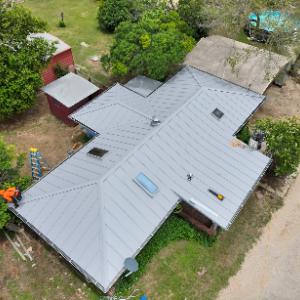
Roofing company ASAP Roofing & Renovations in Kerrville, TX is a veteran‑owned and operated contractor specializing in roof replacement, roofing repairs, and new roof installations. We provide professional gutter installation and repair services to ensure complete roof protection. In addition, we are a home remodeler, delivering expert renovation services with the same commitment to top-quality workmanship and customer satisfaction. Our experienced team upholds the highest standards on every project, providing dependable, full-service roofing, gutter, and remodeling solutions for all your home improvement needs. We are licensed, bonded, and insured, and we’re a BBB‑accredited business.
Axis Roofing
Serving
5.0 from 11 reviews
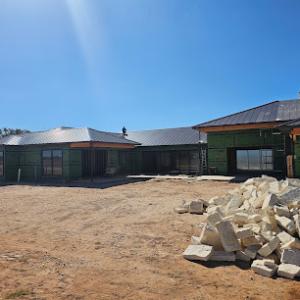
Axis Roofing is Kerrville's premier roofing company, offering expert roofing services for residential & commercial properties. We specialize in roof repairs, roof replacements, & gutter installation, providing durable & cost-effective roofing solutions to protect your property. Our experienced roofing contractors are committed to delivering top-quality craftsmanship with every job, ensuring your roof is secure & long-lasting. Whether you need emergency roof repairs, a complete roof replacement, or a roof inspection, Axis Roofing is your trusted local roofing expert. With a focus on reliability, integrity, and customer satisfaction, we’re the go-to roofing contractor in Kerrville and surrounding areas. Contact us today for a free inspection!

Hills of Texas Roofing
(830) 995-3356 hillsoftexas.com
Serving
5.0 from 11 reviews
Your choice of roofing material is one of the most important decisions when protecting your home or business from the elements. We enjoy bringing out the beauty and extending the useful service life of your roofing system. We only promote and install products that we know from decades of the past and personal experience, that will provide our customers with the longevity and the utmost quality at an affordable price. //Certified duro-last installer, GAF master installer for TPOs, GAF Hydro-Stop coating, Metal, concrete, Clay roofing, Composition shingles
Texas Republic Roofing Kerrville
(830) 448-3927 www.txrroofing.com
Serving
5.0 from 14 reviews
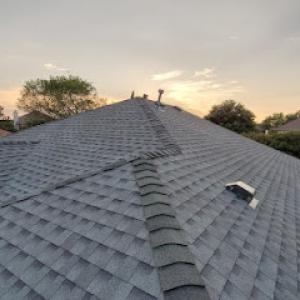
Texas Republic Roofing is a veteran and family-owned roofing contractor with over 25 years of experience in residential and commercial roofing and exterior construction. Based in Kerrville, we proudly serve surrounding areas like Ingram, Hunt, Mountain Home, Harper, Fredericksburg, Comfort, and others. Known for top-rated customer satisfaction and integrity, we specialize in storm restoration, insurance claim assistance, and high-quality roof replacements. From free inspections to full installations, our team delivers honest, professional service using trusted materials and expert craftsmanship. Texas is our home, we protect it.
Hill Country G.R.S.
(830) 250-4029 www.hillcountryroofingkerrvilletx.com
Serving
4.9 from 8 reviews
Since 1975, our roofing company has specialized in roofing services, gutter replacement, and siding. Our roofing contractors can complete any job from roofing repair to gutter cleaning. Honesty, dedication, and quality workmanship are important, and we cannot wait to provide you with that experience! Call us today to schedule a service!
Suburban Roofing
(830) 370-6836 suburbanroofingtx.com
Serving
5.0 from 4 reviews
We replace residential roofs with composition or metal. We have years of experience in helping with insurance claims.
Hill Country Roofing
(830) 997-7065 hillcountryroofinginc.com
110 N Milam St, Fredericksburg, Texas
1.0 from 1 review
70 years of business teaches you a thing or two about what matters. Hill Country Roofing provides excellent craftsmanship, great customer services and competitive pricing. Whatever your roofing need, were here to do it the right way. Proudly Serving Kerrville, Fredericksburg, Center Point, Ingram, Comfort, Bandera, Leakey, Rio Frio, Boerne, Mason, Medina, Pipe Creek, Lakehills, & Mountain Home
Fredericksburg's roofing mix is unusually broad for a smaller city, with asphalt shingles, metal roofing, clay tile, concrete tile, wood shingles or shakes, and synthetic or composite shingles all in active use. That variety lets you tailor a roof to both the house style and the local climate reality: hot Hill Country summers, spring hail, and the visible character that neighbors and visitors notice. When choosing, focus on how the roof will look from the street as well as how it will perform in sun and hail. A roof that matches the architectural cues of an older home nearby often carries more curb appeal than a technically perfect but mismatched option.
Material selection in Fredericksburg is influenced not just by weather but also by visible architectural character, especially on older homes and properties near the historic core where roof appearance matters from the street. If the home has elaborate eaves, decorative ridges, or distinctive parapets, a heavier tile or timber-look option can respect the-era details without sacrificing durability. For modern or mid-century homes, a sleek metal roof can deliver clean lines that read as contemporary while still playing nicely with existing materials. In any case, you'll want a color and profile that harmonizes with neighboring houses and the town's overall aesthetic.
Heavy systems like clay and concrete tile can be attractive in Fredericksburg's architectural context, while metal remains popular in the Hill Country for heat performance and storm resilience considerations. Clay and concrete tile offer durability and a strong presence, but they demand a solid roof deck and careful installation to prevent problems in storm season. Metal roofs stay cooler under the sun and can shed hail with less cosmetic damage if installed with proper underlayment and panel detailing. If the roof is highly visible from main streets, the texture and color choice will matter more than a generic utility fit.
In a climate that swings from blistering heat to sudden hail, the roof should handle rapid temperature changes and impact risks. A roof that integrates reflective coatings, venting that reduces heat buildup, and a panel or shingle profile designed to resist denting or cracking will keep appearance and function aligned over time. If you expect frequent spring storms, consider how the roof system will cooperate with gutters, fascia, and attic ventilation to minimize wind-driven damage and water intrusion.
Start by assessing the home's architectural style and the neighborhood's street view. From there, narrow choices to two or three materials that honor character while delivering the needed performance. Inspect the deck's capacity to support heavier tiles if you lean that way, and confirm detailing around chimneys, valleys, and roof-to-wall interfaces to prevent water entry after hail events. Finally, choose a color and texture that will age gracefully with the home and the surrounding streetscape.
A heritage streetscape with German-inspired architecture drives how a roof should read from the curb. In the historic core, reroofing decisions carry more weight around visible materials, color, and architectural fit than in newer suburban markets. Shingle profiles, metal profiles, and tile choices are often evaluated for their alignment with nearby houses and the overall rhythm of the blocks. You may encounter historic guidelines or neighborly expectations that favor traditional textures and subdued color palettes that echo the local character. When planning a replacement, expect conversations with neighbors or a local review process to center on how the new roof communicates longevity, craftsmanship, and compatibility with existing features such as dormers, chimneys, and decorative brackets. The goal is a seamless continuation of the streetscape that respects the town's historic storytelling.
Older homes in the core can reveal deck condition and underlayment issues that only surface once tear-off begins. Stripping back the old layers not only exposes what sits above the deck but can uncover fastener patterns, damaged sheathing, or moisture intrusion that wasn't visible before work started. Those findings may alter the scope, schedule, and sequencing of inspections. Plan for a couple of practical contingencies: decking around bay windows, ornate fascia, or vintage rafter tails can require careful repair or replication to maintain the home's architectural cadence. A thorough roof retirement often means coordinating temporary protection for interior spaces and ensuring attic ventilation remains balanced as work progresses. Because the neighborhood look hinges on consistent lines and clean transitions, crews will emphasize precision in edging around parapets, valleys, and historically faithful overhangs.
Homeowners near the city center often care deeply about preserving curb appeal tied to Fredericksburg's German heritage streetscape. Material substitution becomes more sensitive than in many Texas towns, with potential pushback from neighbors or the local community association when a proposed change disrupts the visual narrative. If upgrading to a higher-performance option, discuss how to achieve comparable appearance-whether that means selecting a color-matched shingle, a profile that echoes traditional tiles, or a metal roof with a low-sheen finish and panel rhythm that harmonizes with nearby structures. The objective is a roof that not only performs well under Hill Country heat and hail but also reinforces the neighborhood's historic charm. Communication with neighbors and alignment with the surrounding homes help prevent contentious debates and promote a welcoming, cohesive streetscape once the project completes.
In this area, typical Fredericksburg material ranges are about 350 to 650 USD per square for asphalt shingles, 600 to 1100 for metal, 800 to 1500 for clay tile, 700 to 1200 for concrete tile, 550 to 900 for wood shingles or shakes, and 500 to 900 for synthetic or composite shingles. Those figures reflect the Hill Country climate, where heat, hail, and a desire for period-appropriate look all drive practical choices. If you're replacing on an older home with visible rooflines and a historic core nearby, expectations will often tilt toward panels and profiles that blend with the town's character rather than the lowest bid.
Costs in Fredericksburg can rise when homeowners choose premium-looking materials that fit Hill Country and historic-area aesthetics rather than the least expensive replacement option. A roof that mimics clay tile or weathered wood can push you into the higher end of the range, even if your house structurally could take a lighter option. If your goal is curb appeal for a tourism-influenced street or a home that's part of a historic district view, budget a little extra for the material grade and colorfast finishes that resist fading in bright Texas sun.
Local pricing can also move upward after spring hail events because storm-driven demand affects labor availability, scheduling, and material lead times across Fredericksburg and Gillespie County. In practical terms, if you're planning a replacement in a year with a severe hail season, you should expect longer lead times for shipments of premium shingles or tiles and potentially higher contractor prices due to compressed crews. If timing isn't critical, lining up quotes before storm season can save stress and help lock in materials you prefer.
For mid-century and newer builds with simple rooflines, asphalt shingles or metal are often the most cost-effective and durable choices under typical Texas conditions. For homes with a visible historic silhouette or steep pitches, clay or concrete tile can deliver the authentic look but at a higher installed cost. Wood shingles or shakes offer a regional texture but require maintenance and are sensitive to moisture once damaged. Synthetic or composite shingles can provide a balanced blend of looks, durability, and price, especially where color stability matters. Gather three local quotes that itemize material, underlayment, flashing, and disposal to compare like-for-like, and ask specifically about hail-rated products and延edge detailing chosen to handle Hill Country storms.
A full roof replacement normally requires a permit through the City of Fredericksburg Building Department. Start by confirming with your contractor that the project will be filed in advance, not after work begins. The department's scope covers not just the roof, but any related structural changes, venting reconfigurations, and weatherproofing considerations that affect the home's envelope. Planning ahead helps align expected inspections with the slower parts of the process.
The city typically performs inspections at milestones such as the underlayment or deck stage and final completion. Expect an interim check once the roof deck and underlayment are installed and another near or after final shingle application. These inspections can require access to attic spaces and a clear view of roof penetration work. Have permits, supplier receipts, and notice of work ready for the inspector to review quickly.
Project timing should account for more than installation days, since inspections and permit processing tie into the weather and storm activity. Spring storms increase permit volume and can lengthen wait times. If possible, coordinate with the contractor to target windows with stable forecasts and lower conflict with other local roofing projects. Build in a buffer to accommodate inspection reschedules or deferrals.
Keep communication lines open with the Building Department and your contractor. Have a clearly posted job notice on-site and maintain accurate documentation of material approvals and changes. After each milestone, confirm inspection appointments promptly and address any deficiencies noted by the inspector before continuing. A well-documented, orderly approach minimizes delays and helps ensure the project proceeds to final completion without surprises.
In this Hill Country town, the sweet spots for reroof projects are spring and fall. Those seasons steer you away from the peak summer heat, which can push installation crews to work in less-than-ideal conditions and speed up material wear on exposed work surfaces. Spring and fall generally provide milder temperatures, calmer afternoons, and more predictable humidity, helping shingles seat properly and adhesives cure without fighting overheating or rapid temperature swings. If you want a calmer schedule that aligns with typical local conditions, target those shoulder seasons when crews can maintain steady progress without the interruption that bursts of heat often bring.
Spring in this area brings its own rhythm: blooming yards, migrating storms, and the occasional hail event. While spring is a practical window for workable temperatures, that period can carry mid-season hail and storm activity that disrupts progress or creates new insurance claims mid-season. If you must start in spring, plan with contingency days and have a clear line of communication with your roofing crew about weather holds, temporary protections for landscaping, and tarp strategies to minimize interior exposure. A proactive approach helps keep the project on track even when a sudden gust brings hail or wind-driven debris.
Occasional winter freezes can stress roofing materials and alter the timing for warranty-sensitive work. Freezing temps slow sealant curing and can complicate adhesive-backed underlayments or self-sealing layers. If temperatures linger near or below freezing, you may want to postpone critical steps that rely on stable warmth, such as precise shingle sealing and certain warranty-dependent installations. On the upside, milder stretches between cold snaps can offer windows to advance work without the heat that accompanies late spring. When winter conditions do align, ensure crews follow manufacturer guidelines for temperature thresholds to preserve warranty coverage and material performance.
In Fredericksburg, repeated sun exposure and heat can shorten service life on asphalt-based systems faster than homeowners expect if ventilation and attic heat management are weak. You may notice shingles buckling, granule loss, or accelerated aging on southern exposures, even when the roof looks fine from the ground. Poor attic ventilation traps heat, baking the underside of the sheathing and accelerating deterioration of underlayment and seals. The result is a roof that fails not from a single event, but from cumulative heat stress that quietly erodes its core.
Hail and wind events in this area can create mixed damage patterns where visible impact marks, loosened ridge components, and flashing issues appear together after a single storm. A well-sealed surface can hide deeper problems, yet the same storm can loosen ridge cap shingles, bend metal edges, and lunge flashing away from joints. These issues often show up only after a few days of sunshine or a gusty afternoon, making it tempting to assume the roof is fine once the hail dent appears. The integration of flashing and vent seals means leaks may start where you least expect them.
Tile and other premium roofs common in Fredericksburg can hide underlayment or deck-related problems until repairs begin, which is especially relevant on older homes. Clay and concrete tiles can crack when struck, but the real damage often lies beneath: compromised underlayment, decayed deck boards, or fastener corrosion that won't surface until a slow leak turns into a larger stain. On older builds, those hidden issues compound, requiring careful inspection to avoid premature failure after the next storm.
After a storm, look beyond the obvious surface marks. Check for displaced flashing, loose ridge caps, and new staining on ceilings or attic insulation. If heat has been lingering, inspect attic vents and insulation levels before calling in a leak-focused assessment. A proactive eye now can prevent real, tangible failures later when the next round of sun and hail arrives.